- Welcome to FSSS Nigeria!
- info@fsssolutions.org
- 1190, Mabushi, Abuja

How ESTRRA Project Is Helping Northern Bauchi Families Grow Healthier
IMPACT
When the Foundation for Sustainable Smallholder Solutions (FSSS) began implementing the Empowerment of Smallholders to Thrive and Build Climate Resilience through Regenerative Agriculture (ESTRRA) Project, funded by the HEINEKEN Africa Foundation, it resisted the temptation to arrive with ready-made solutions.
Instead, the project began by listening.
Before a single seed was distributed or a single training session held, FSSS conducted a comprehensive baseline study across the seven project Local Government Areas of Katagum, Giade, Shira, Gamawa, Itas-Gadau, Jama’are, and Zaki to understand the realities confronting farming households and identify the barriers preventing them from achieving food and nutrition security.
What emerged was a clear picture of a region where farming families work hard to produce food, yet remain vulnerable to hunger and poor nutrition.
The study found that only 29 percent of households were food secure, leaving more than seven out of every ten households facing some level of food insecurity. At the same time, agriculture itself was becoming increasingly difficult. Around 86 percent of farmers reported losing at least a quarter of their harvests to climate-related shocks, while more than 80 percent said crop yields had declined over the previous two years because of erratic rainfall, degraded soils, and changing weather patterns.
The baseline also revealed another important challenge. Seventy-one percent of households relied almost entirely on traditional crop varieties, limiting both farm productivity and the diversity of foods available at home. While these crops have sustained communities for generations, they often lack the improved nutritional value and climate resilience needed to meet today’s challenges.
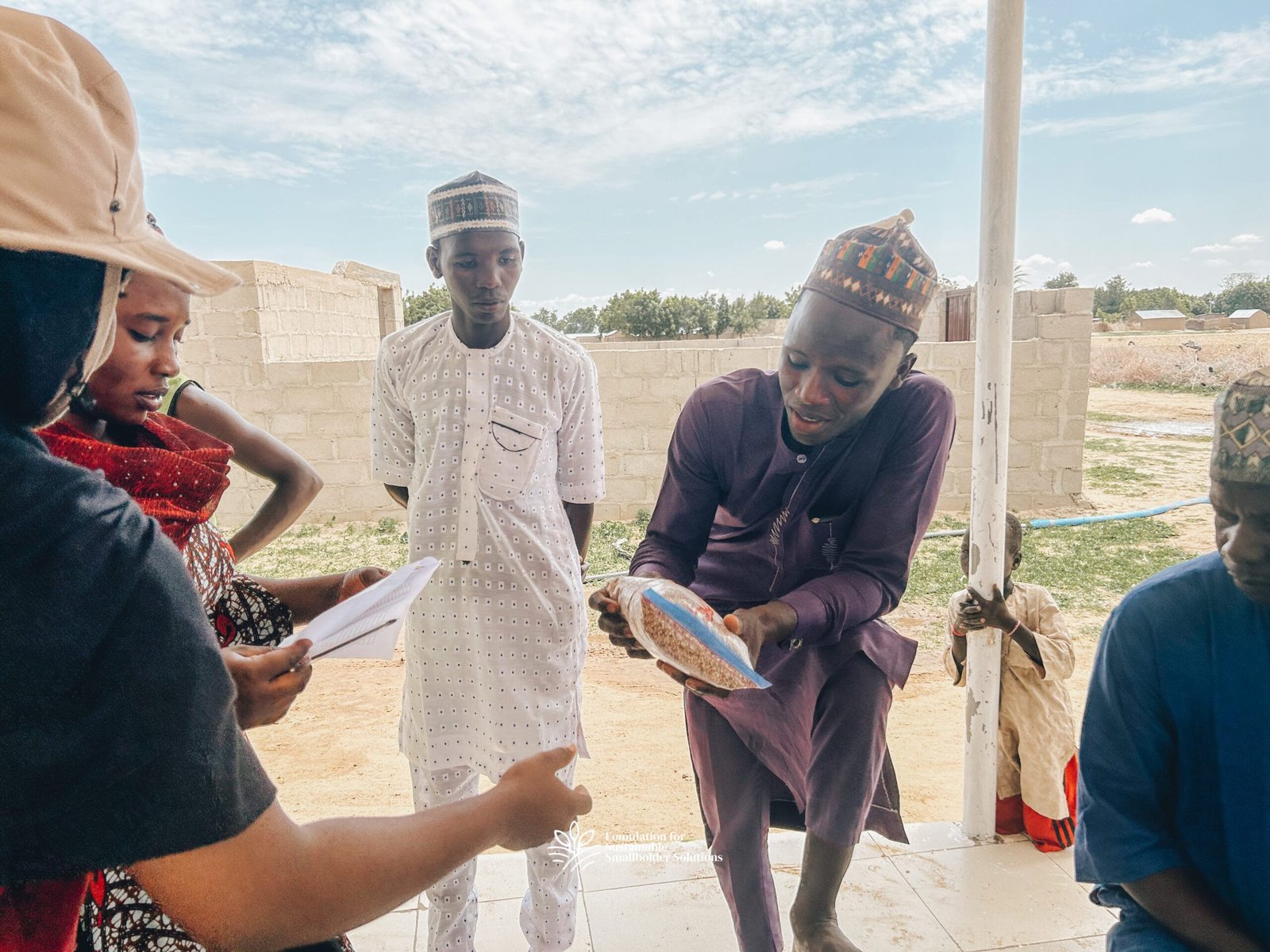
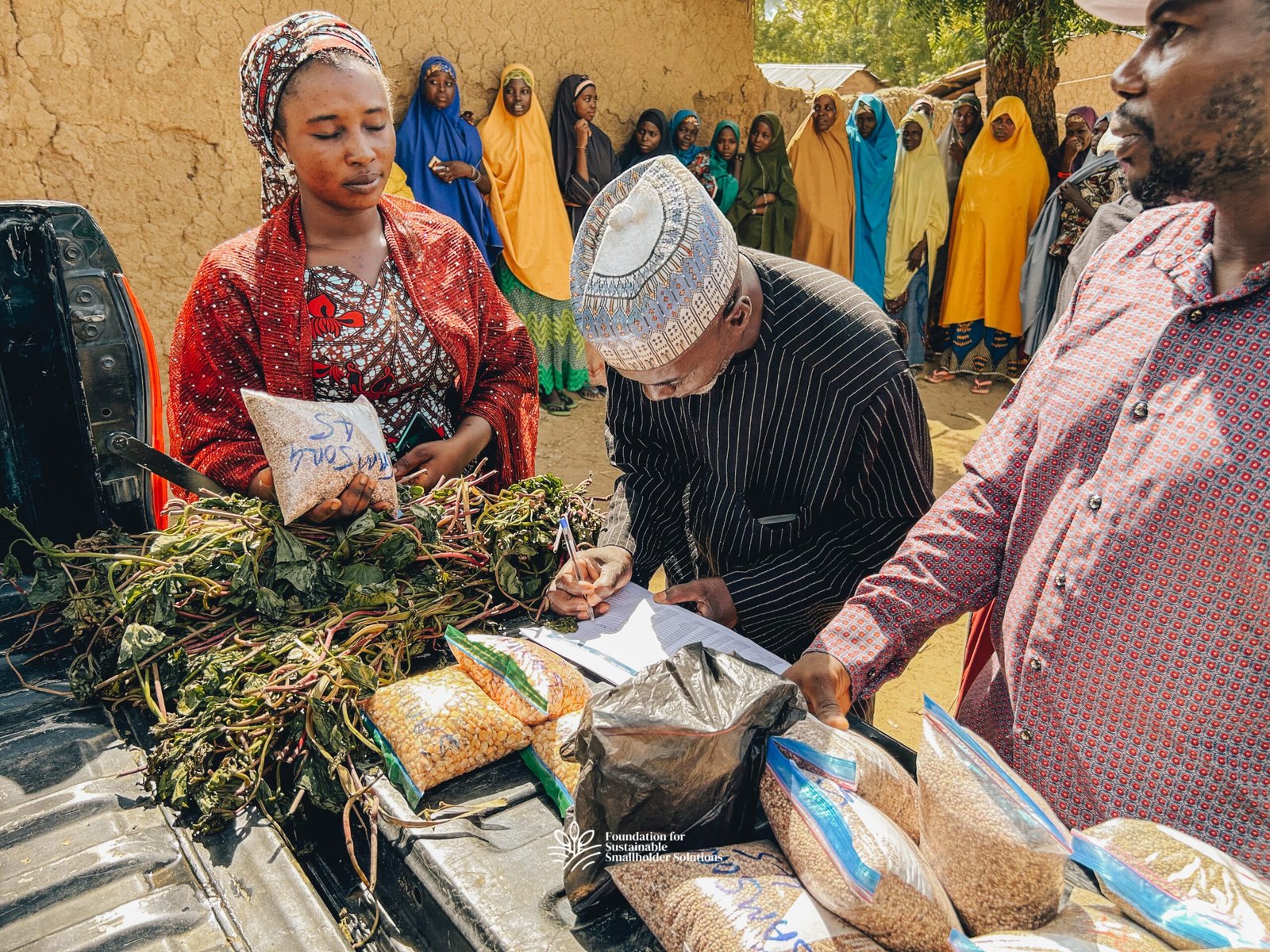
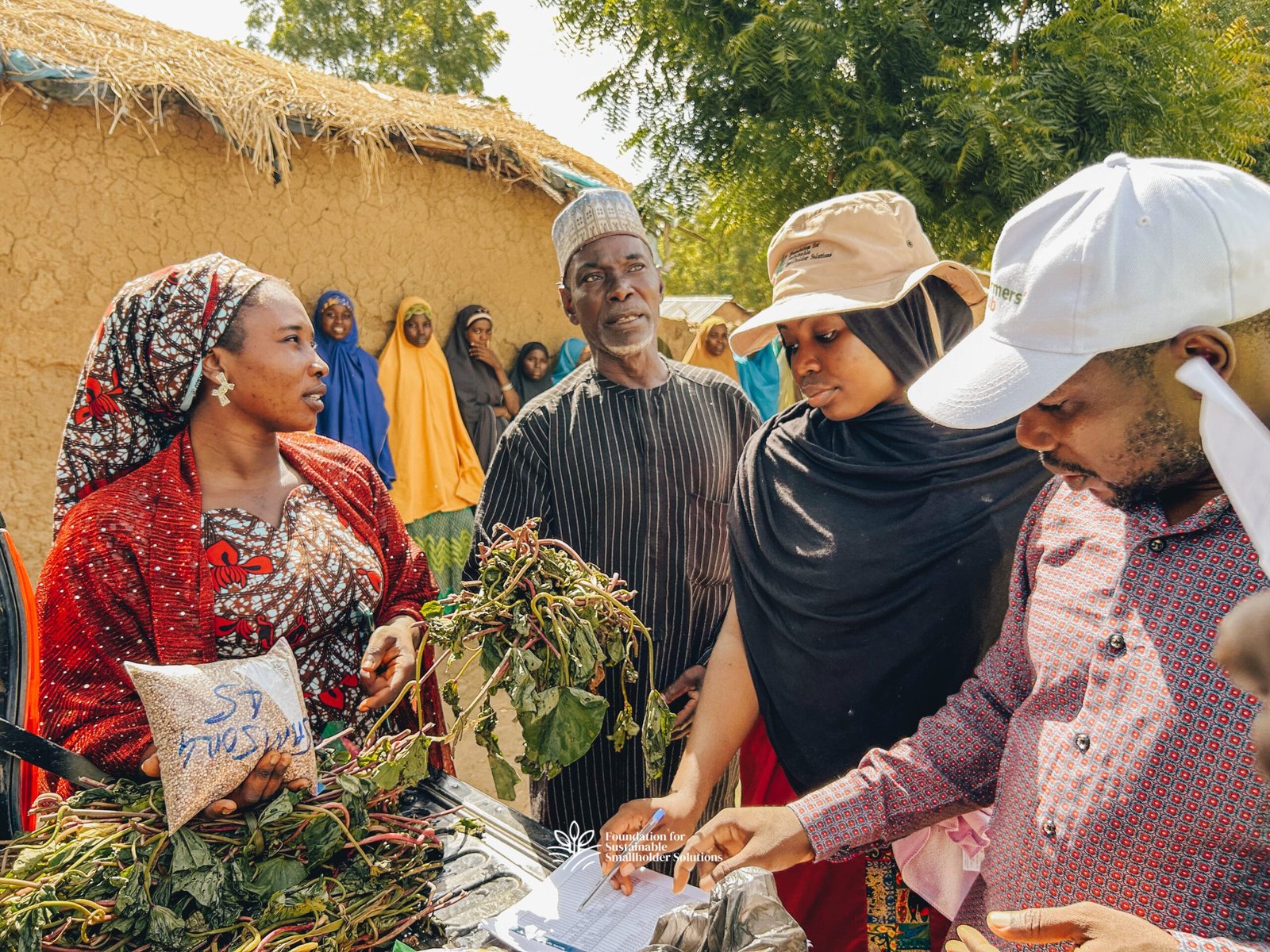
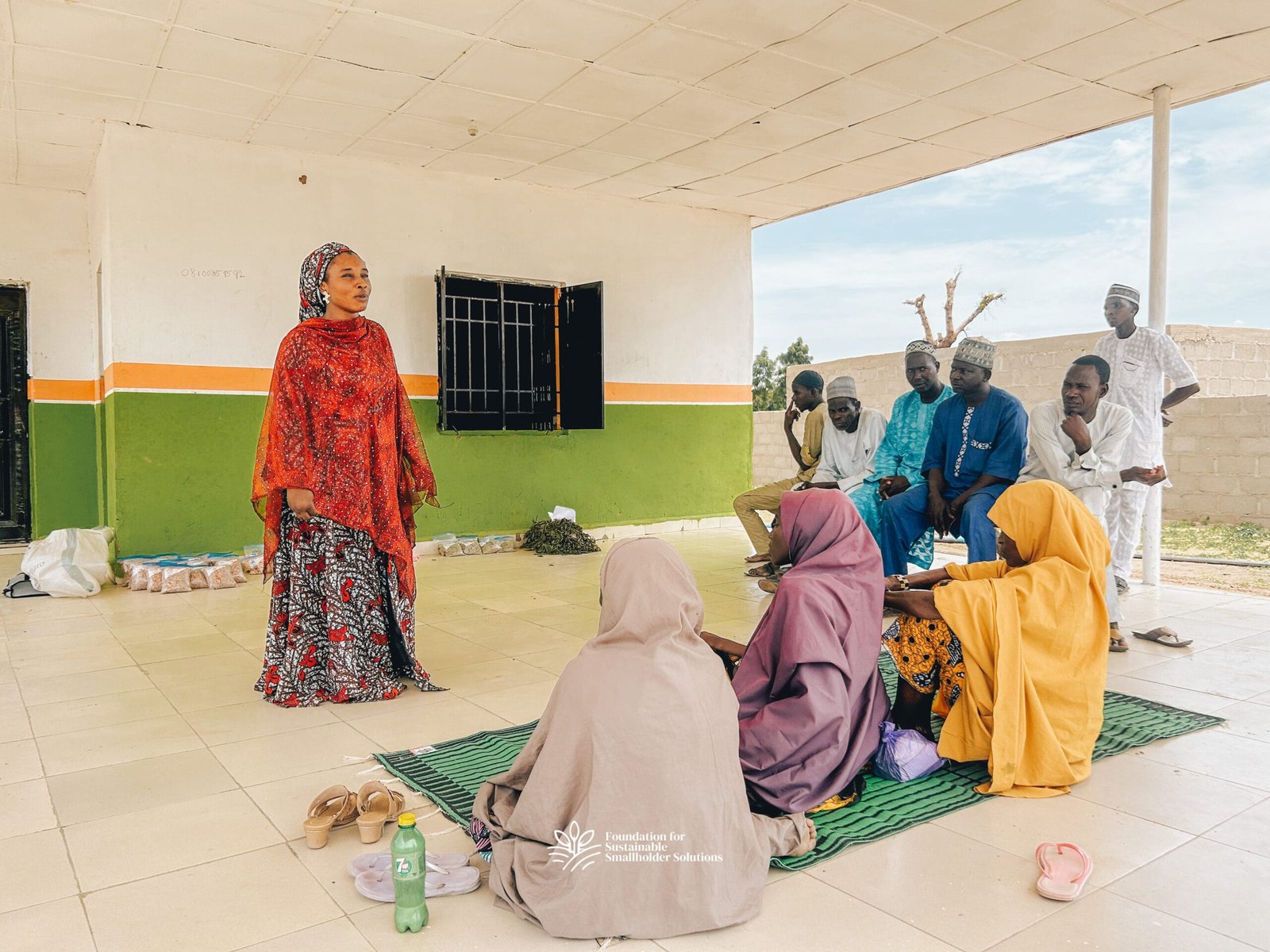
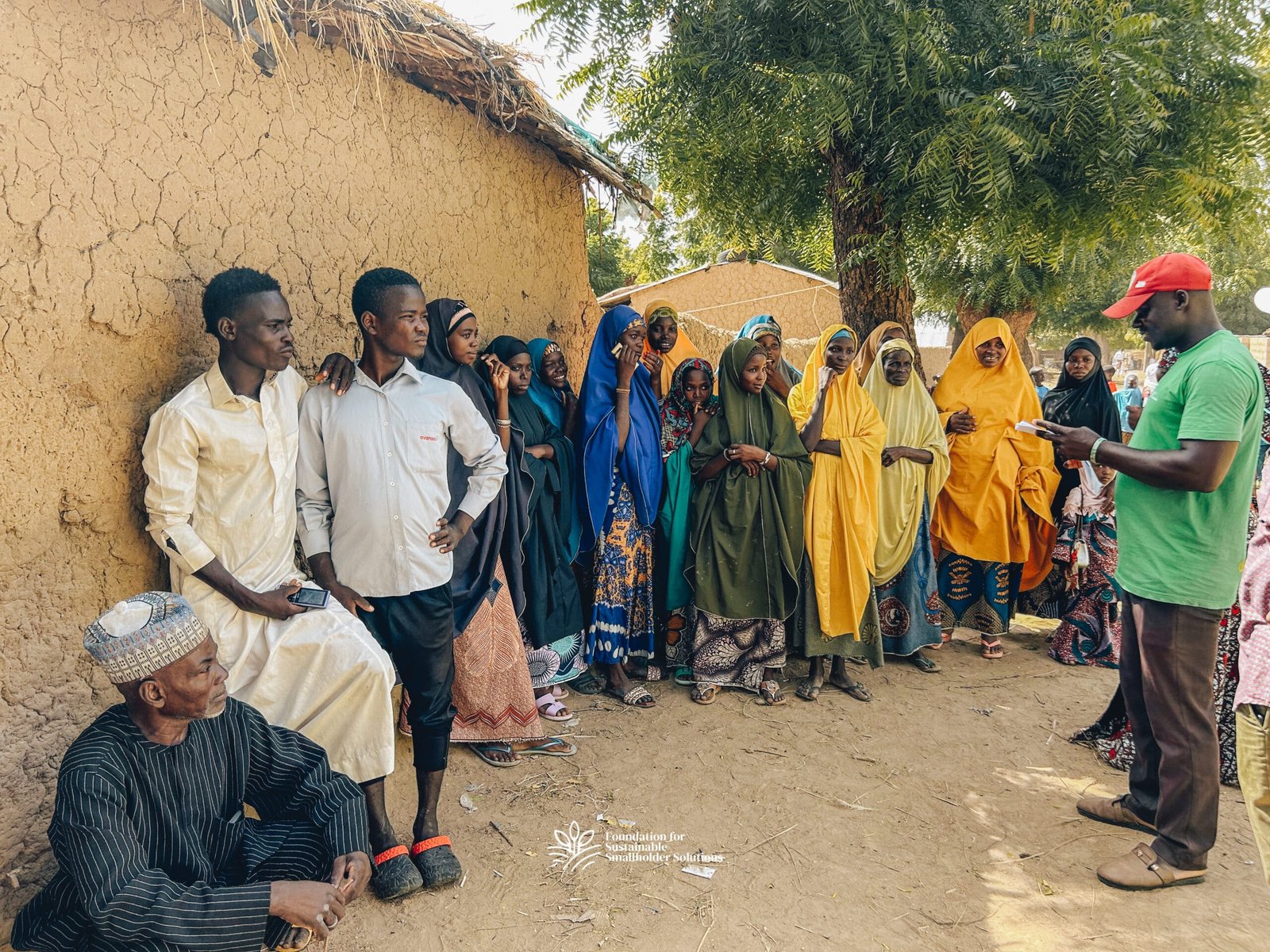
For the ESTRRA Project team, the findings confirmed that addressing malnutrition required a different approach, one that starts with what farmers plant.
“The baseline study showed us that improving food security isn’t just about helping farmers harvest more. It is about helping them grow crops that are more nutritious, better adapted to climate change, and capable of improving household diets. That’s why the ESTRRA Project is investing in nutrient-dense, climate-smart seed varieties alongside regenerative agriculture and farmer training. We want families to produce food that nourishes them while strengthening their resilience.” – Timothy Azakere, Project Manager, ESTRRA Project
Guided by these findings, FSSS introduced one of the ESTRRA Project’s key nutrition interventions.
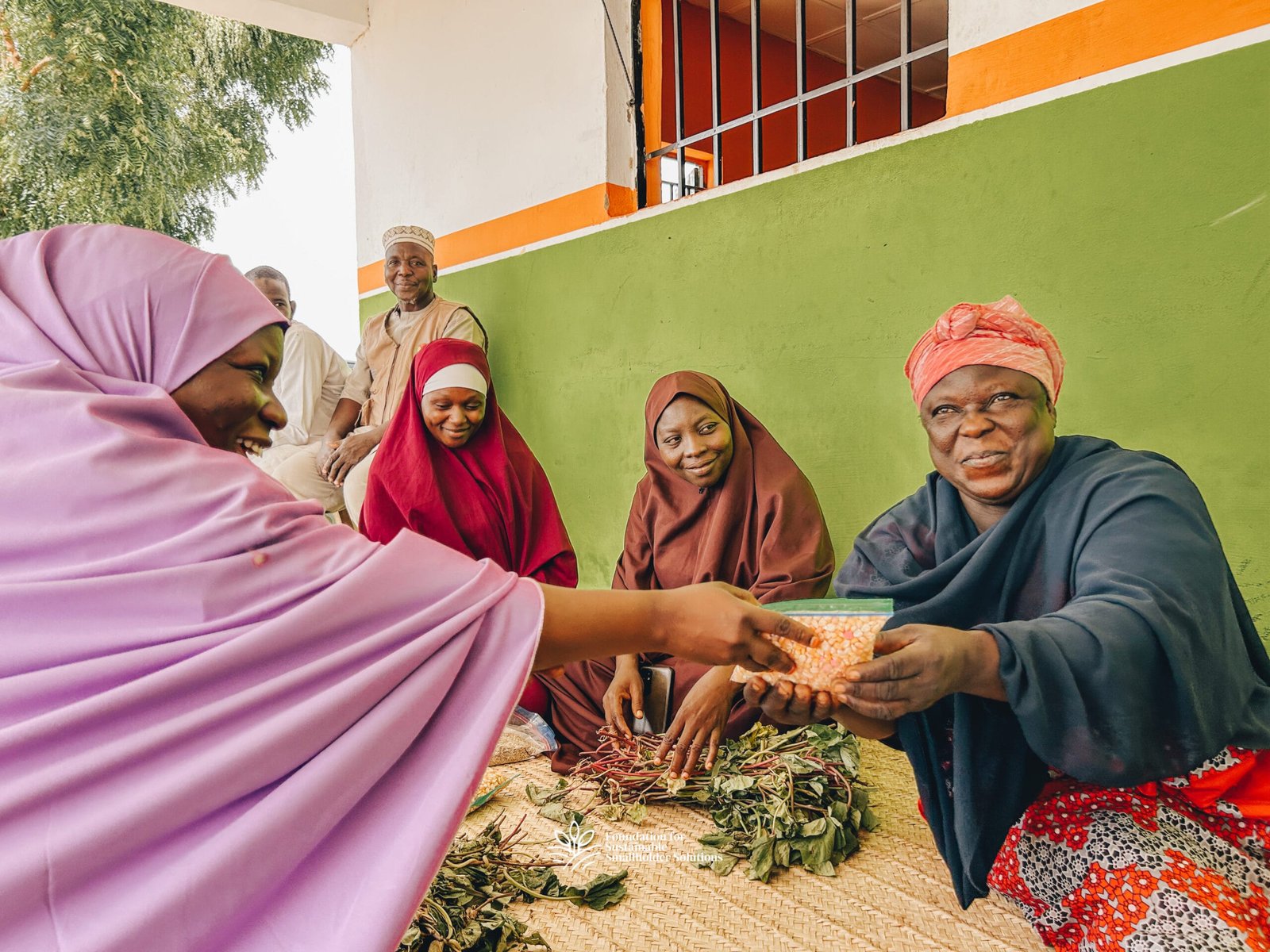
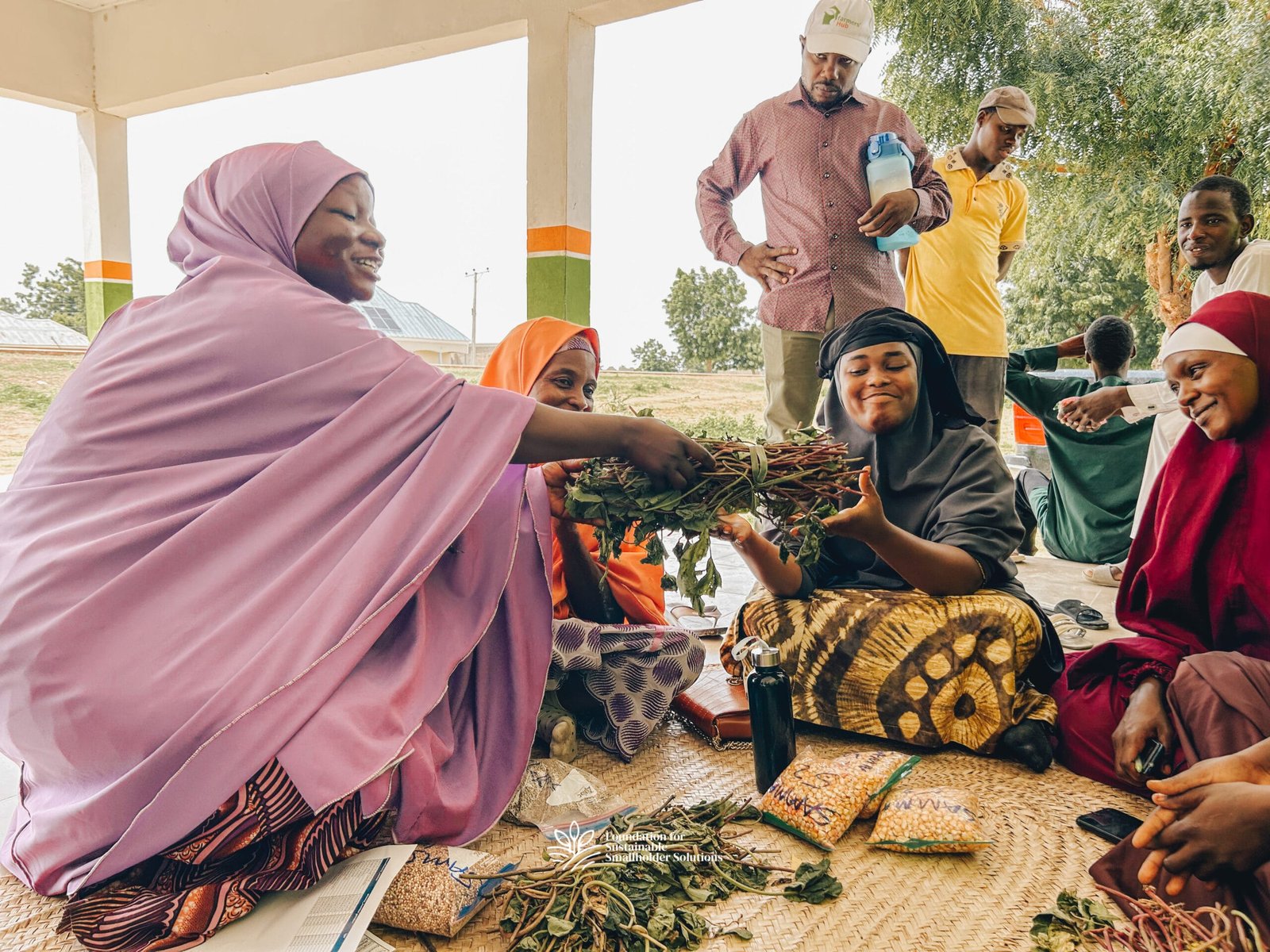
In July 2026, the Foundation empowered more than 500 farming households across Northern Bauchi with nutrient-dense, climate-smart (biofortified) crop varieties, enabling families to grow food that is not only more productive but also richer in essential micronutrients. The intervention reached registered beneficiaries across Katagum, Giade, Gamawa, Jama’are, Itas-Gadau, Shira, and Zaki LGAs, with households receiving improved varieties of Chakti, Orange-Fleshed Sweet Potato (OFSP), SAMMAZ 52 maize, and SAMSORG 45 sorghum. These crops have been developed to contain higher levels of Vitamin A, Iron, and Zinc while offering better yields and greater resilience to climate-related stresses.
More importantly, the intervention went beyond the distribution of seed. Farmers received practical guidance on the nutritional value of biofortified crops and were trained on recommended agronomic practices to help them achieve optimum yields while improving the quality of food produced on their farms.
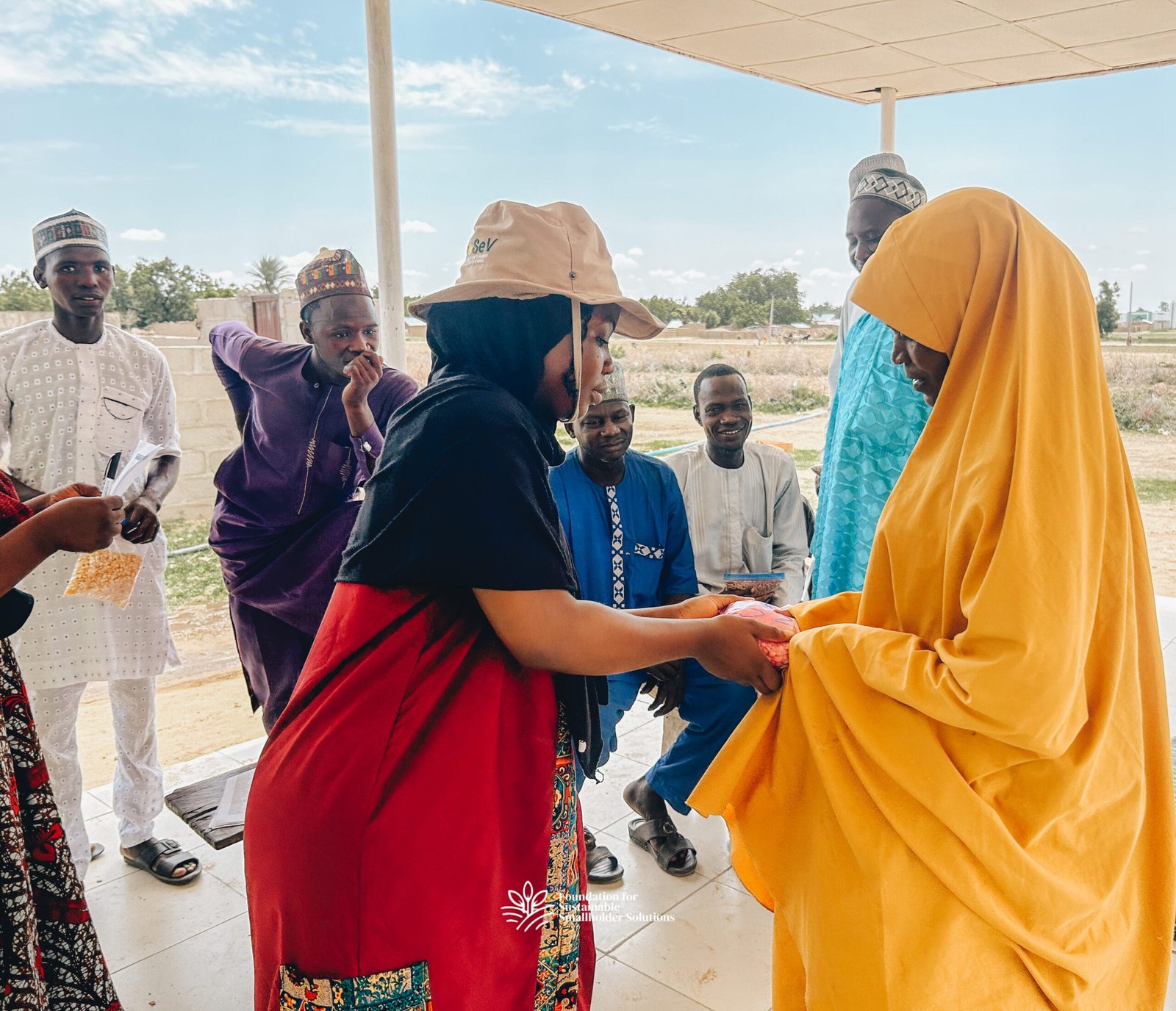
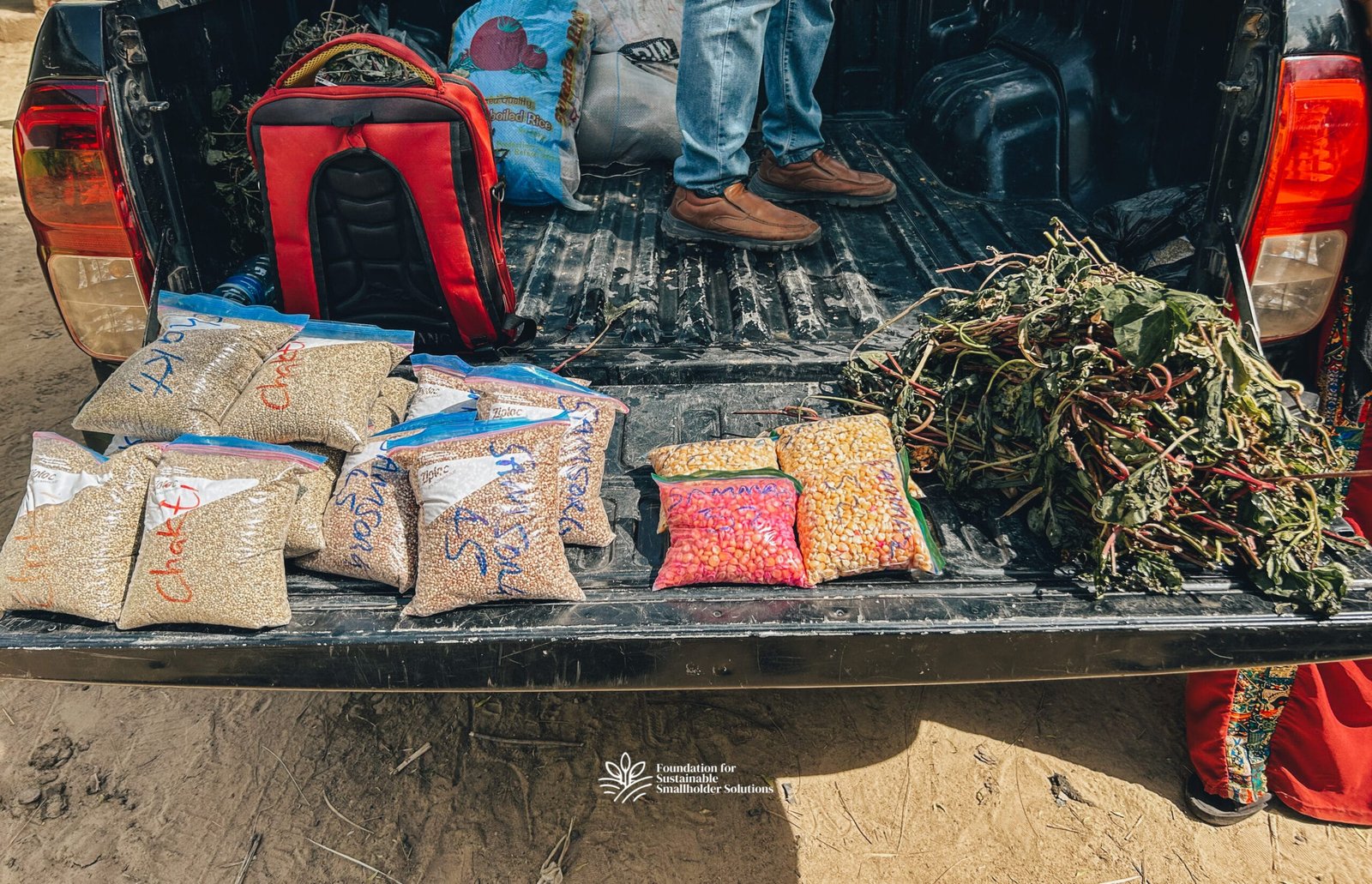
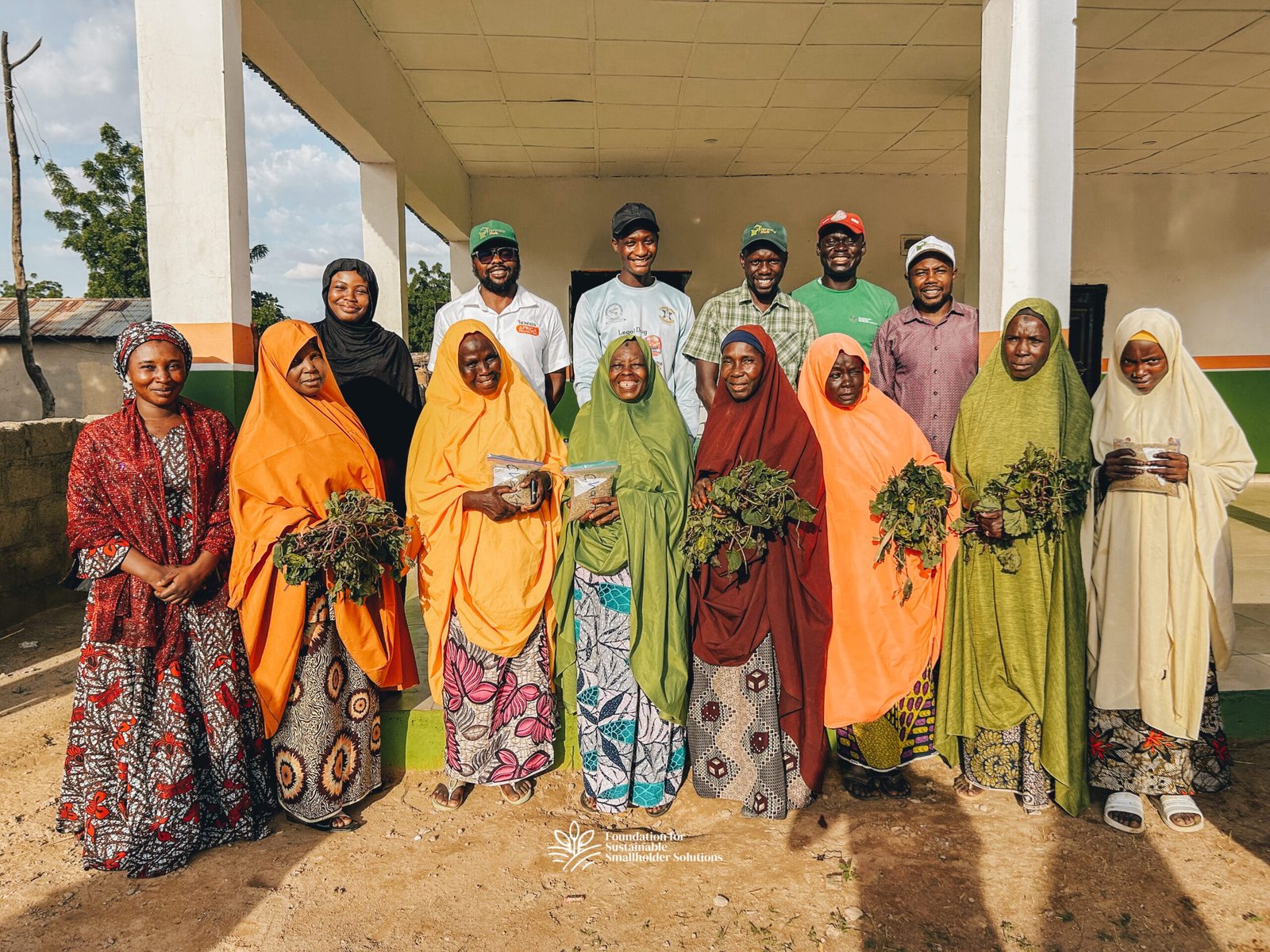
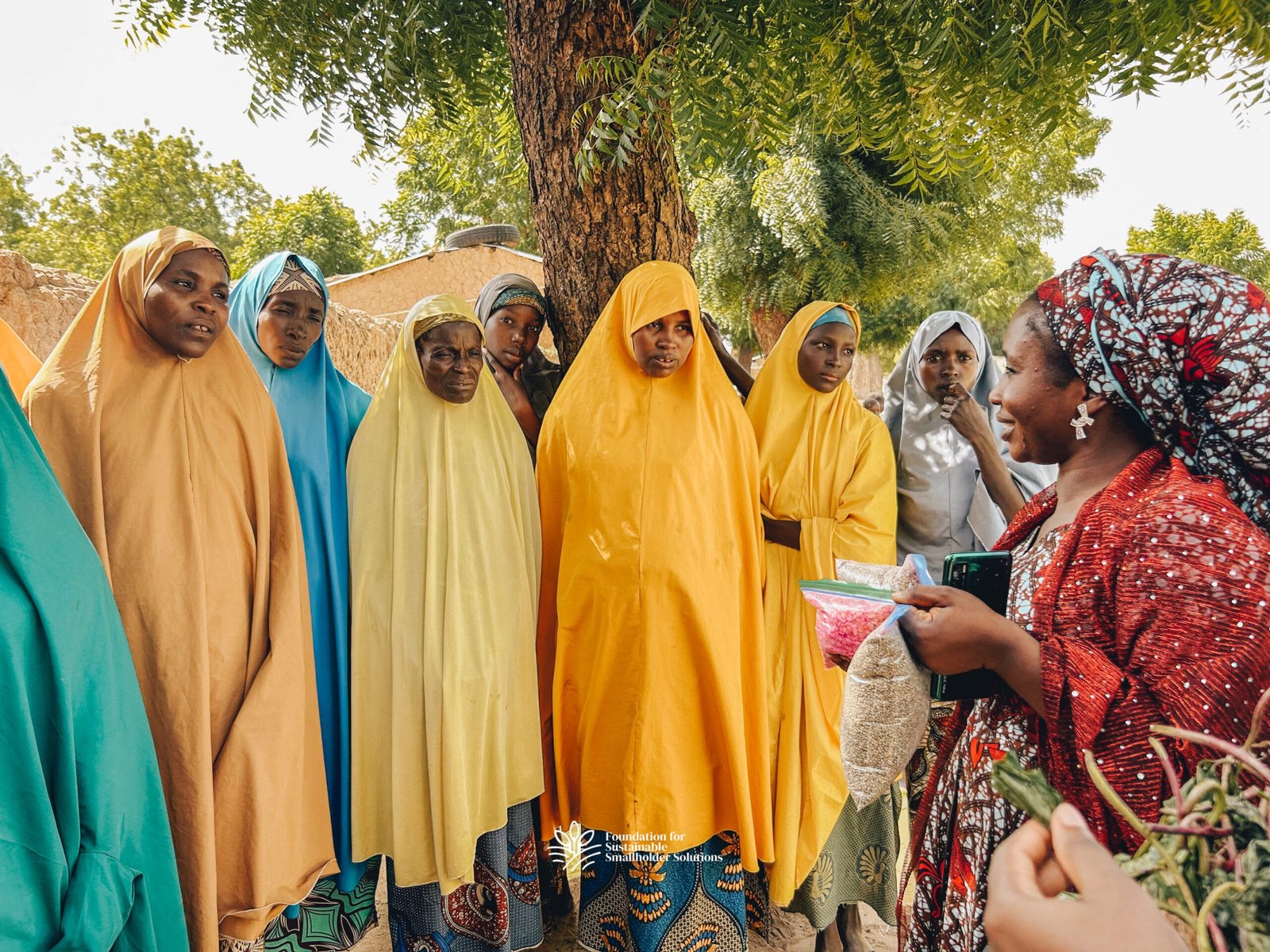
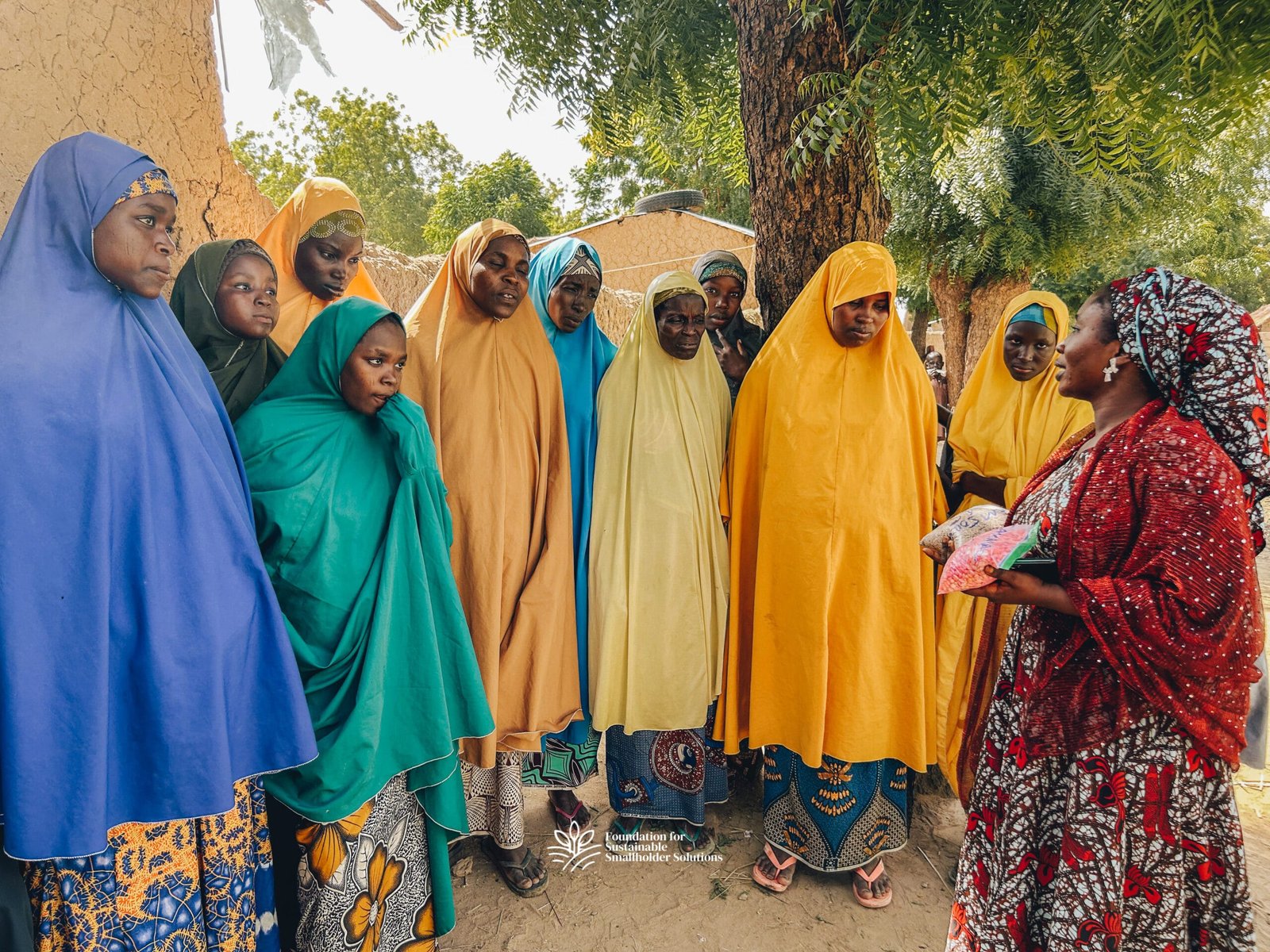
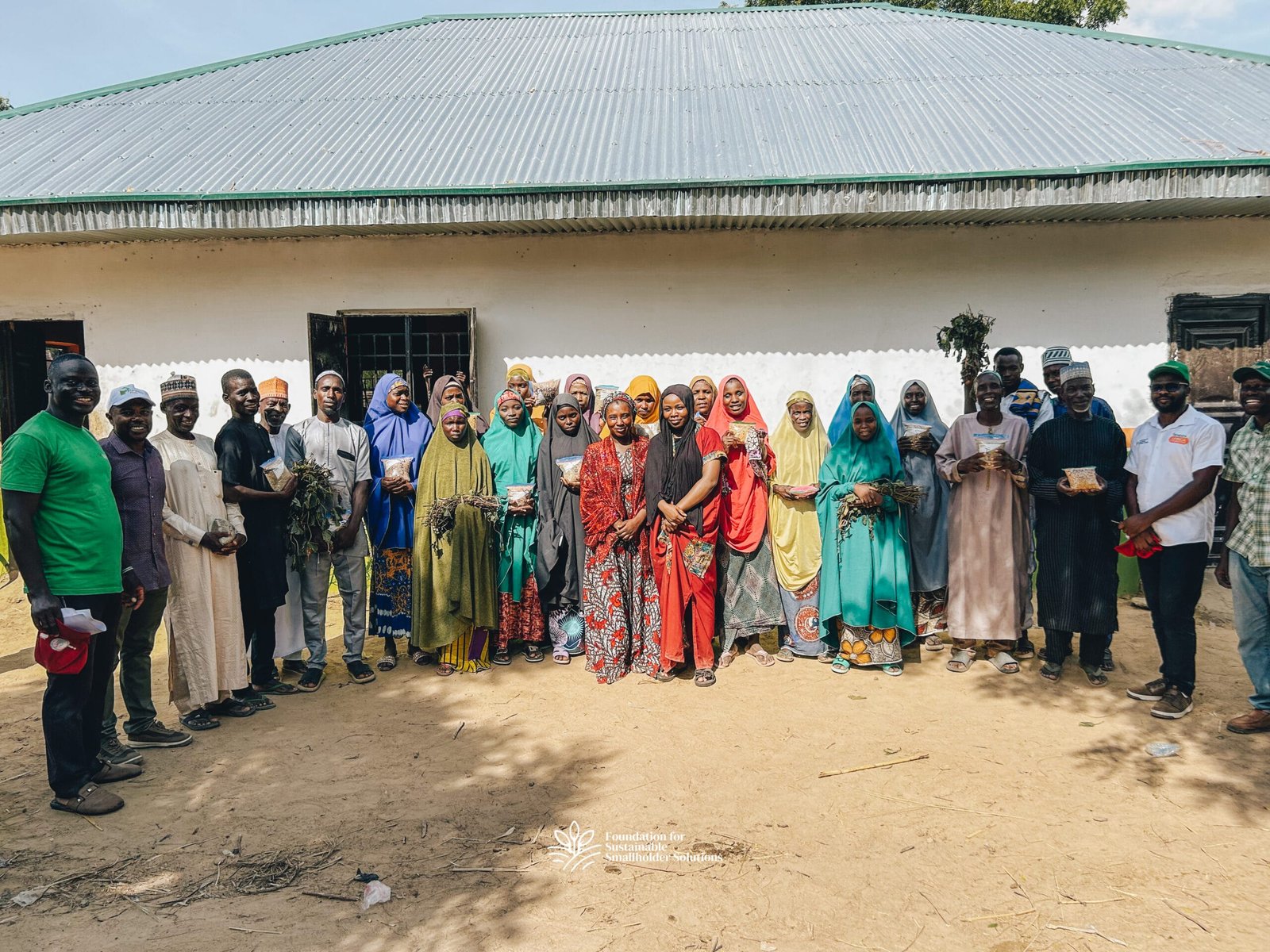
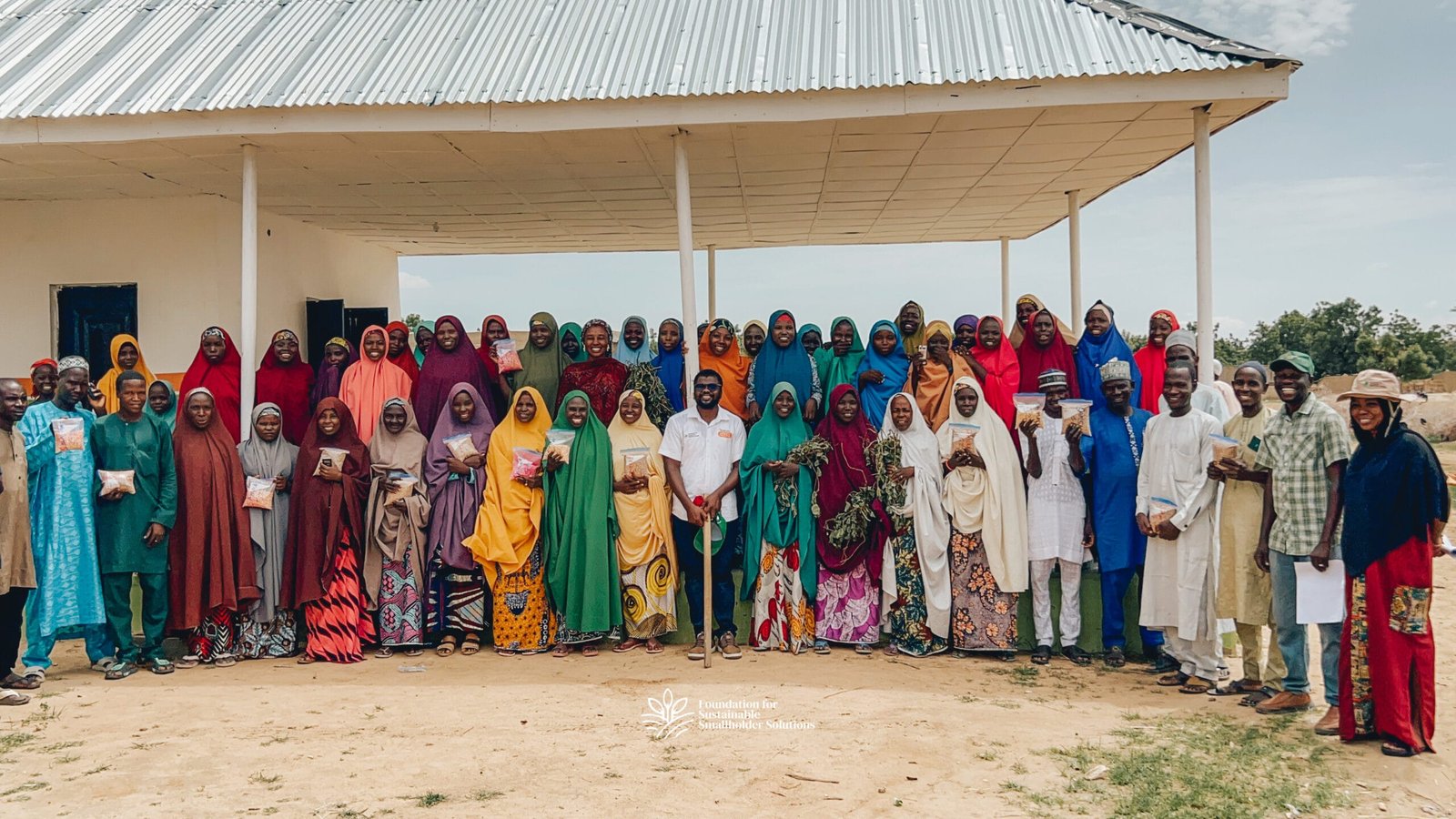
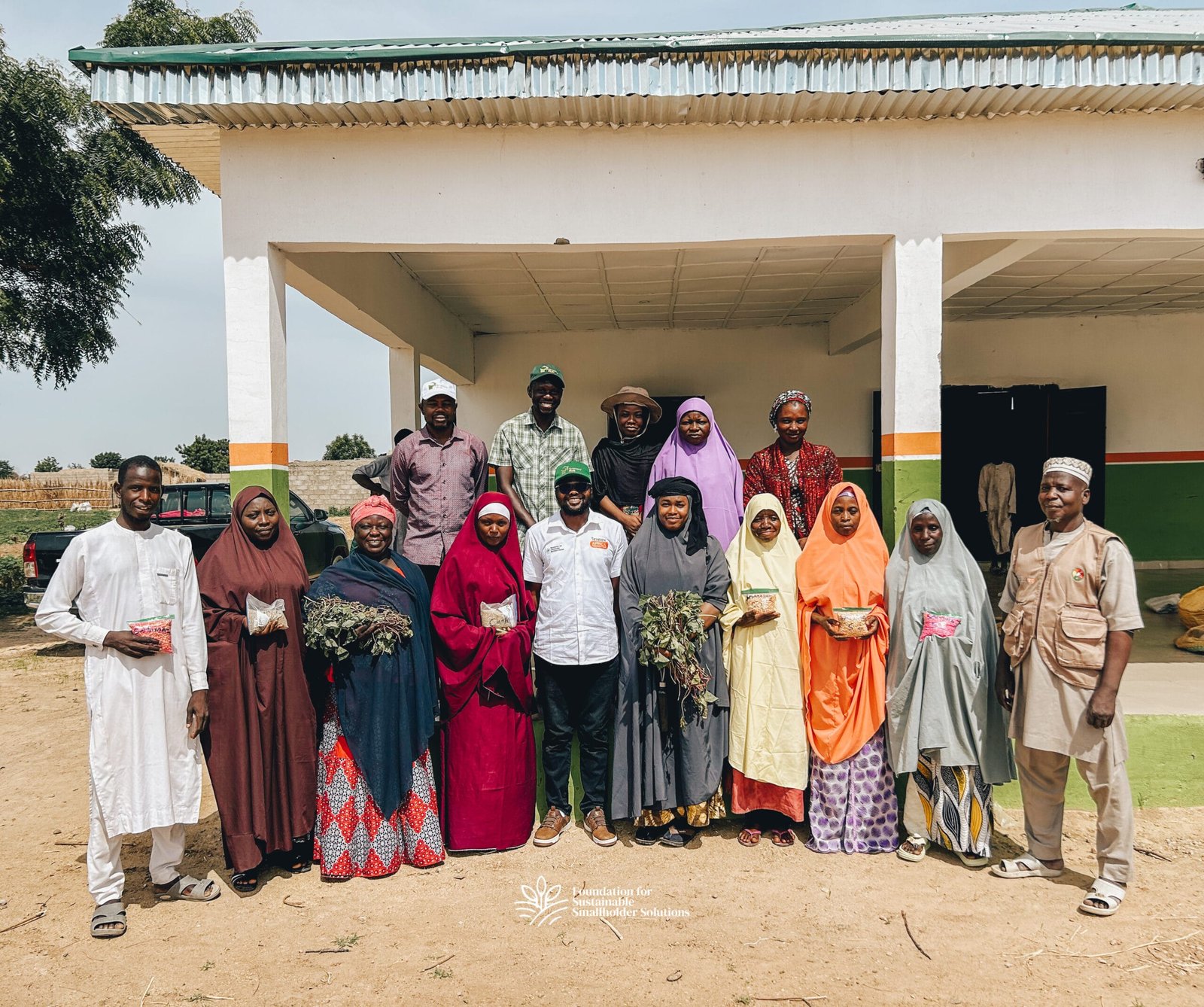
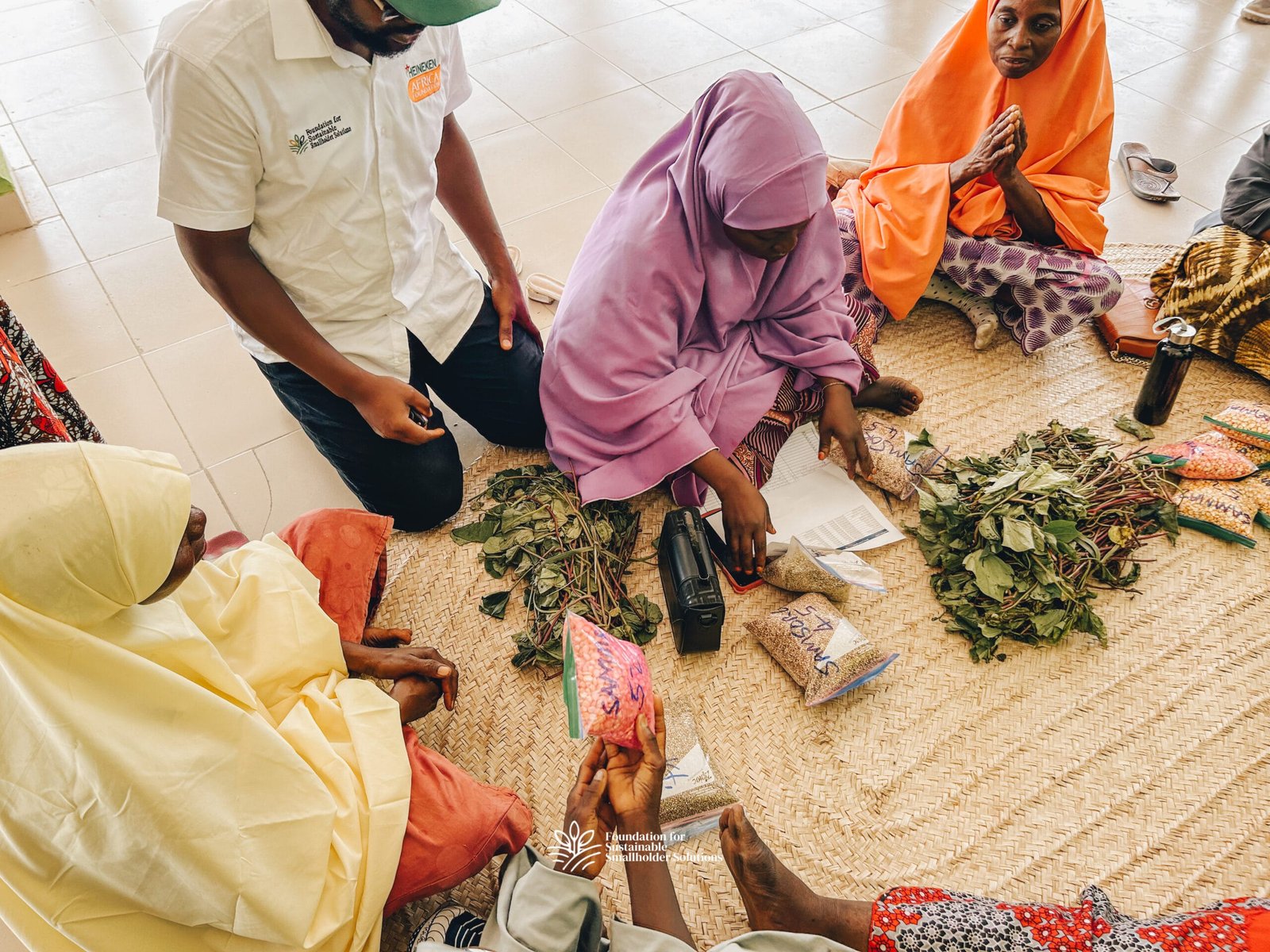
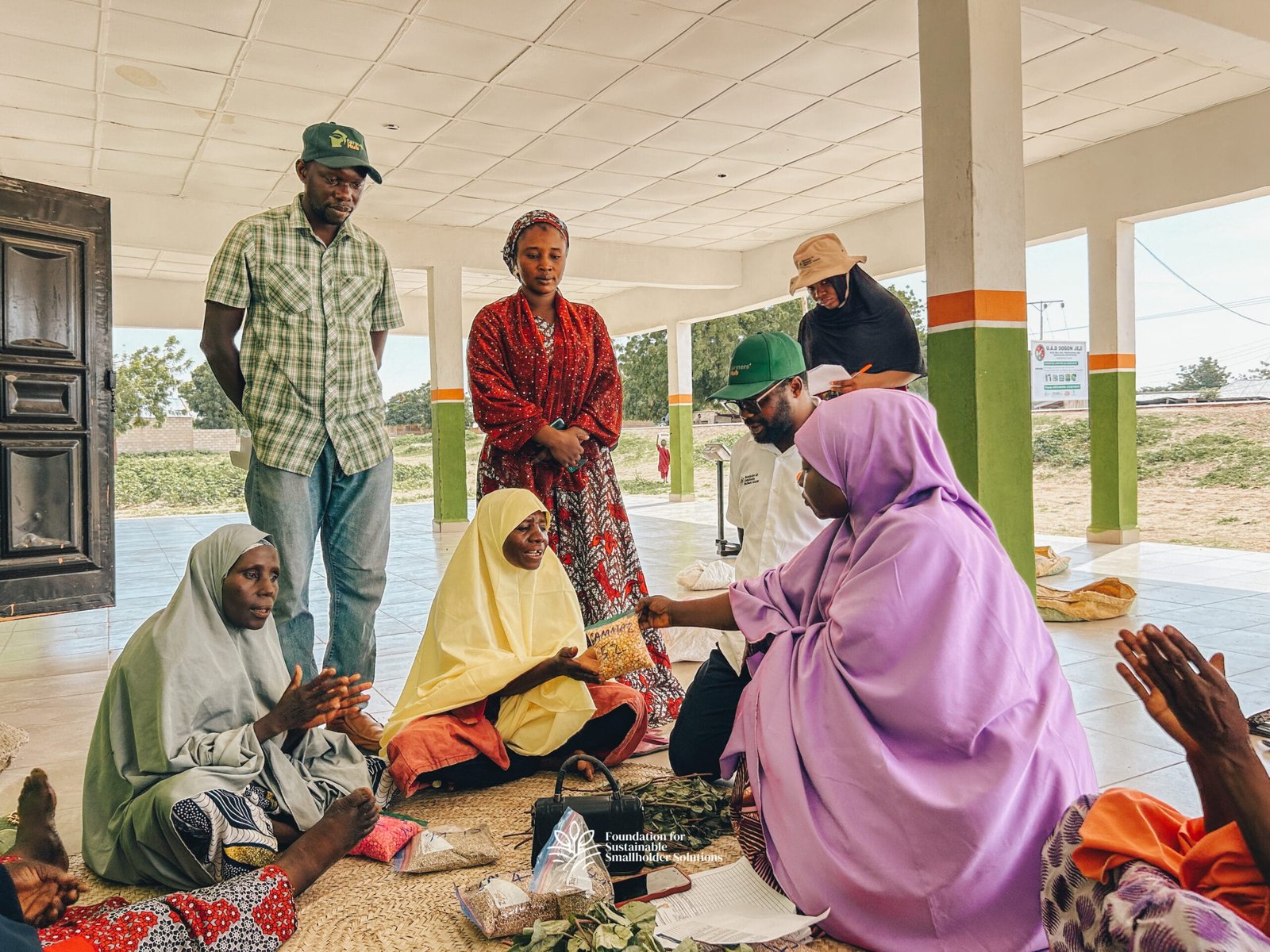
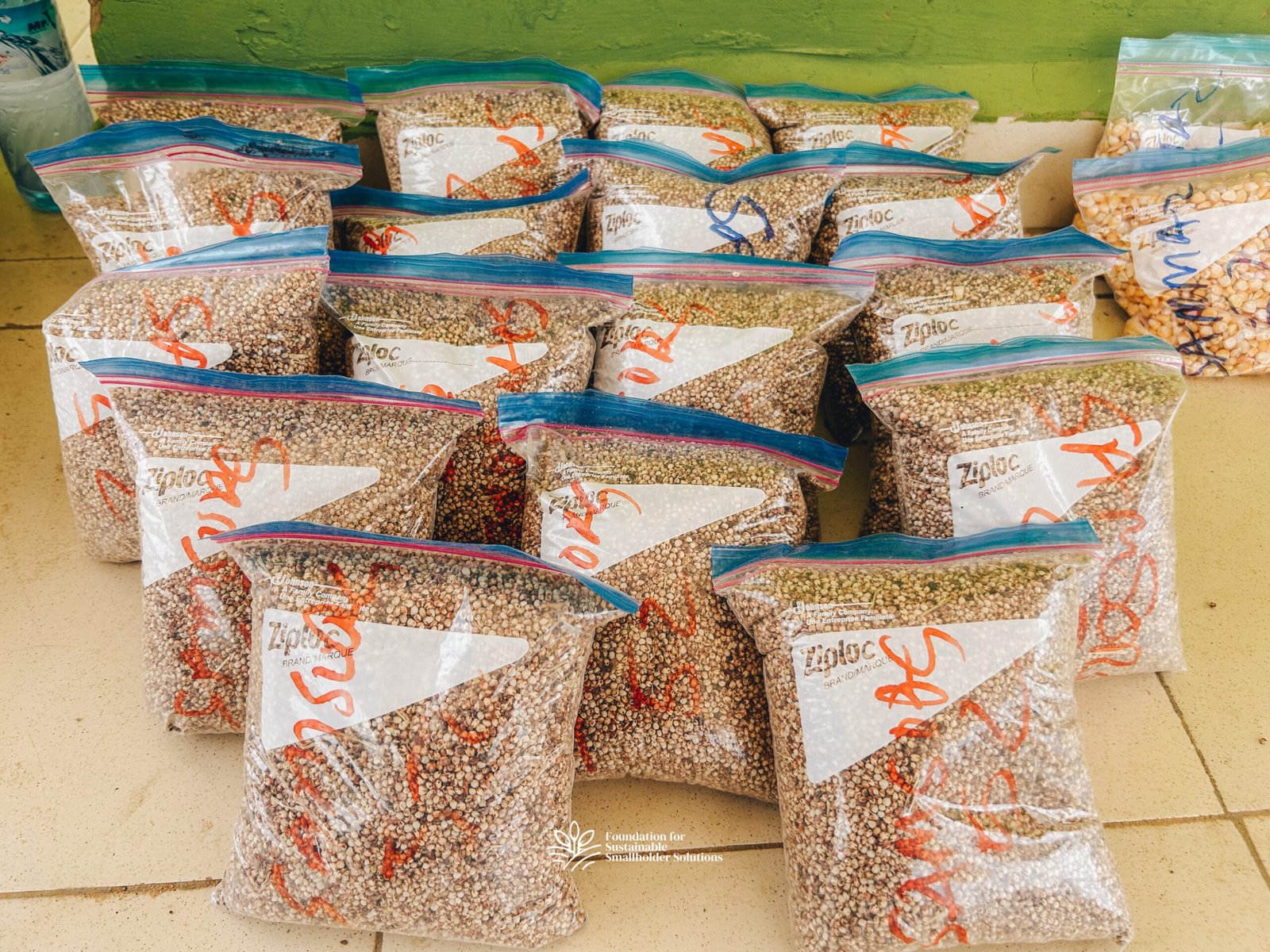
For many households, the intervention represented far more than the start of another planting season. It offered an opportunity to grow crops that could put healthier meals on the table, improve children’s nutrition, generate additional income, and strengthen their resilience against an increasingly unpredictable climate.
One beneficiary captured the optimism shared across the project communities:
“For years, we have planted what was available because that was all we knew. Now we have seeds that can produce better harvests and provide more nutritious food for our families. We are hopeful that this season will not only improve our income but also the health of our children.” – Salma Iliyasu, ESTRRA Project Beneficiary
By empowering over 500 farming households with nutrient-dense, climate-smart crops, the ESTRRA Project is demonstrating that tackling malnutrition begins long before food reaches the plate. It starts with the seed farmers plant, the knowledge they receive, and the resilience they build. Together with regenerative agriculture, Farmers’ Hubs, strengthened local seed systems, and climate-smart farming practices, the project is laying the foundation for healthier families, more productive farms, and a more food-secure Northern Bauchi.