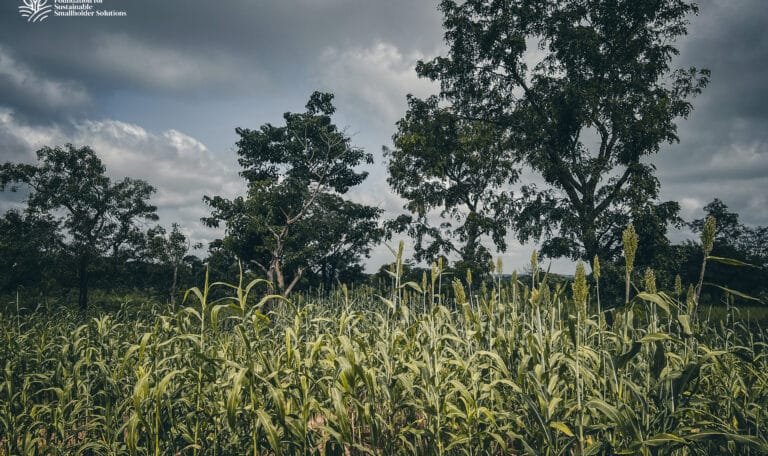

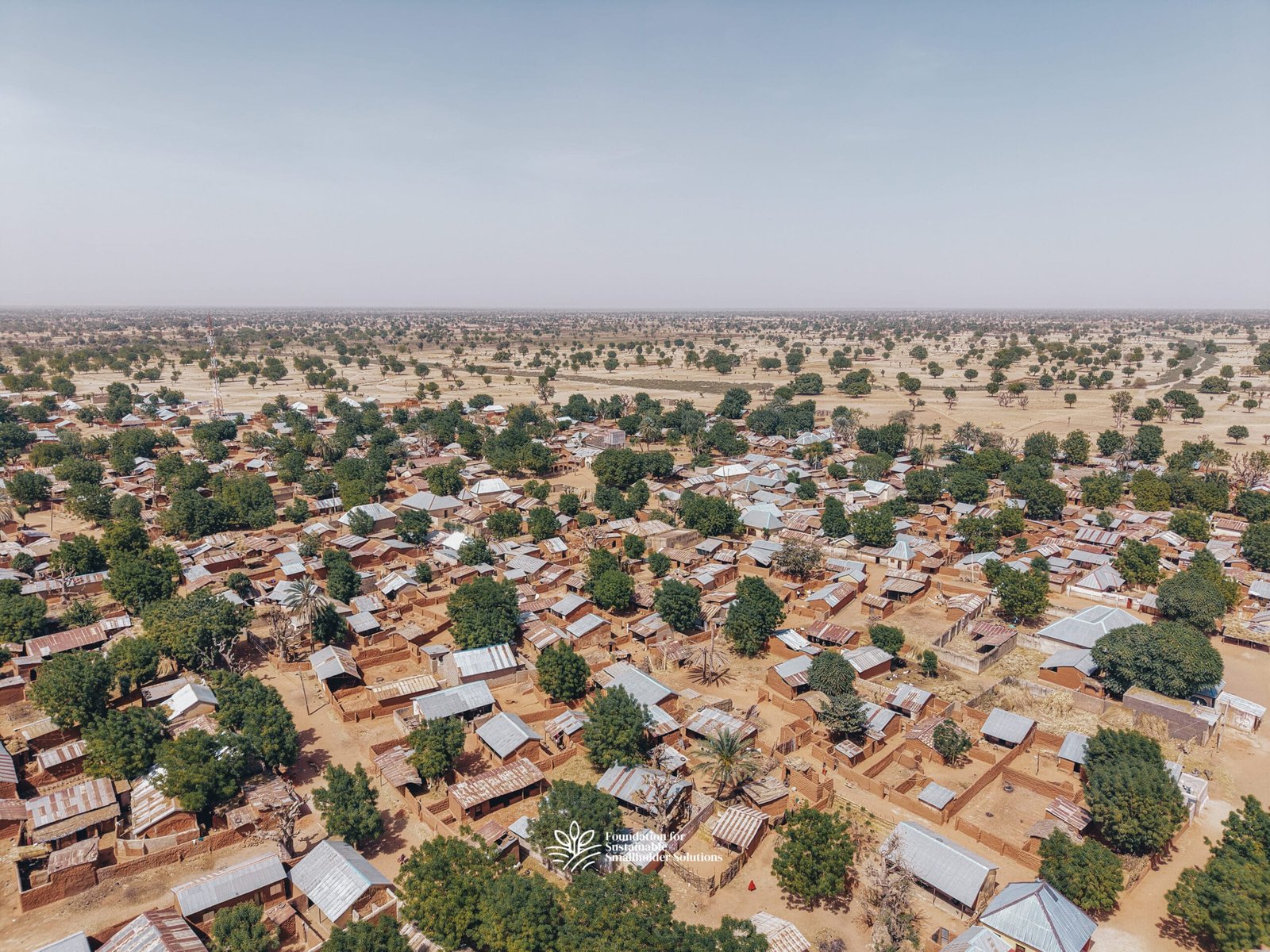
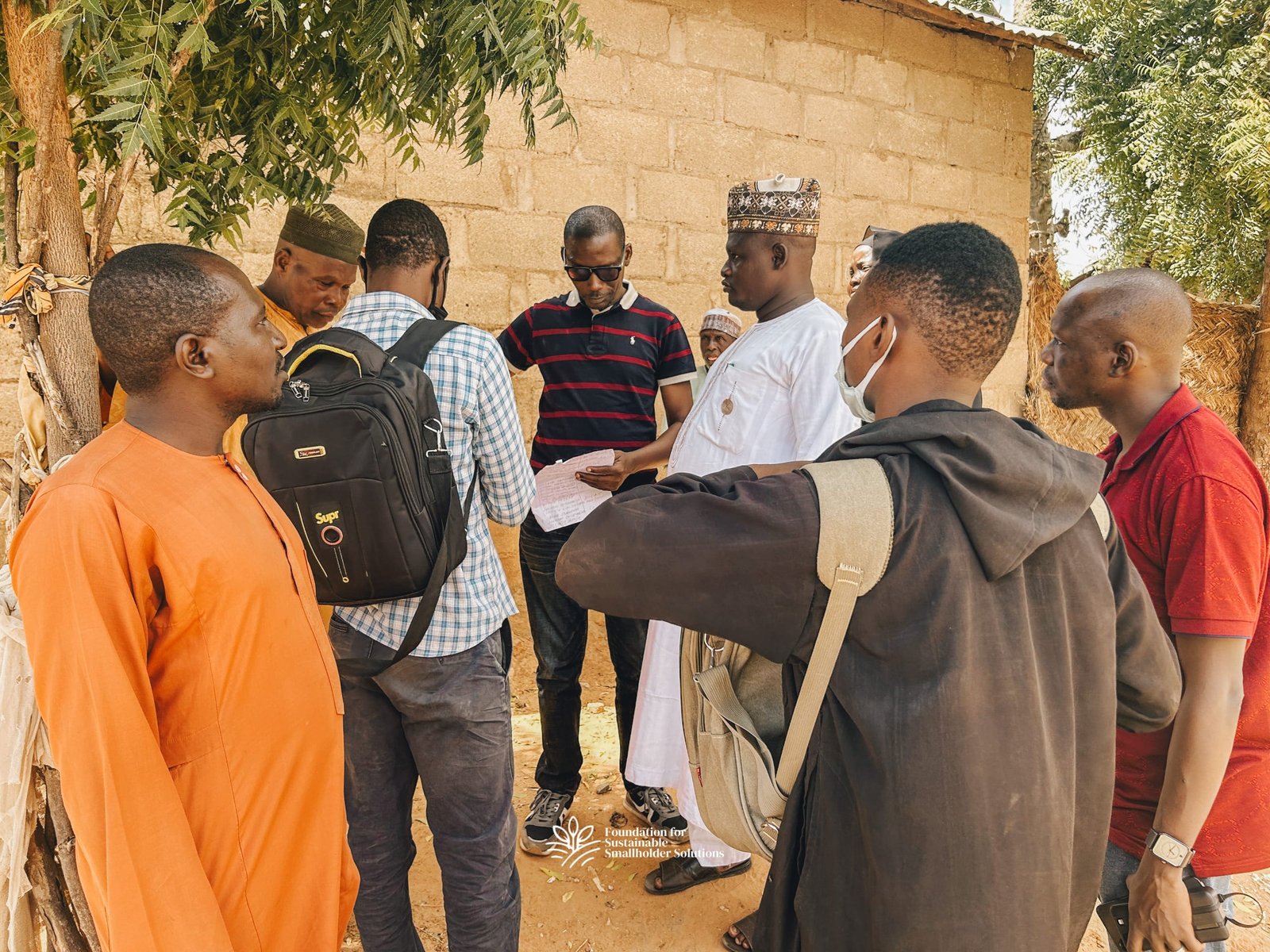
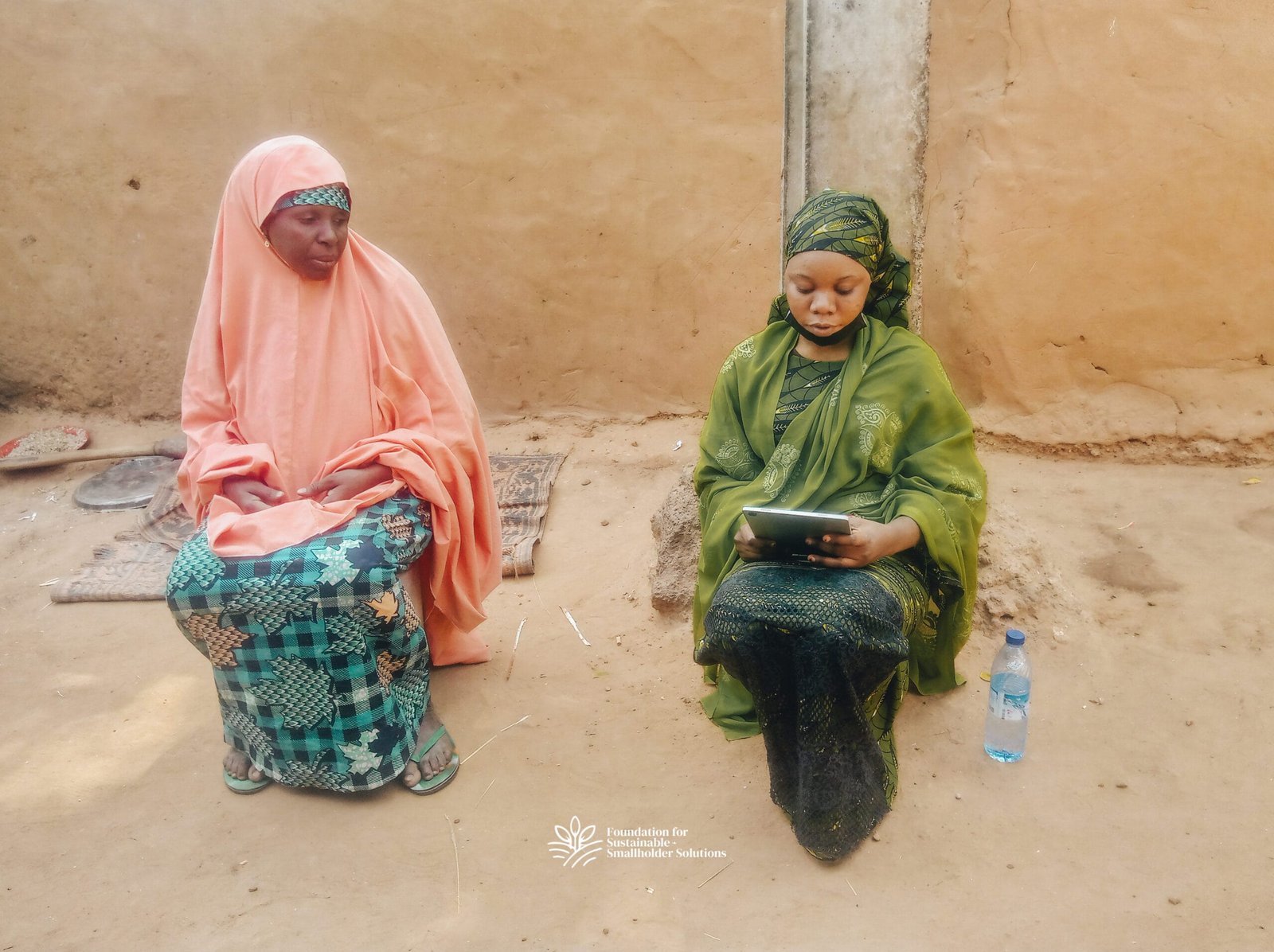
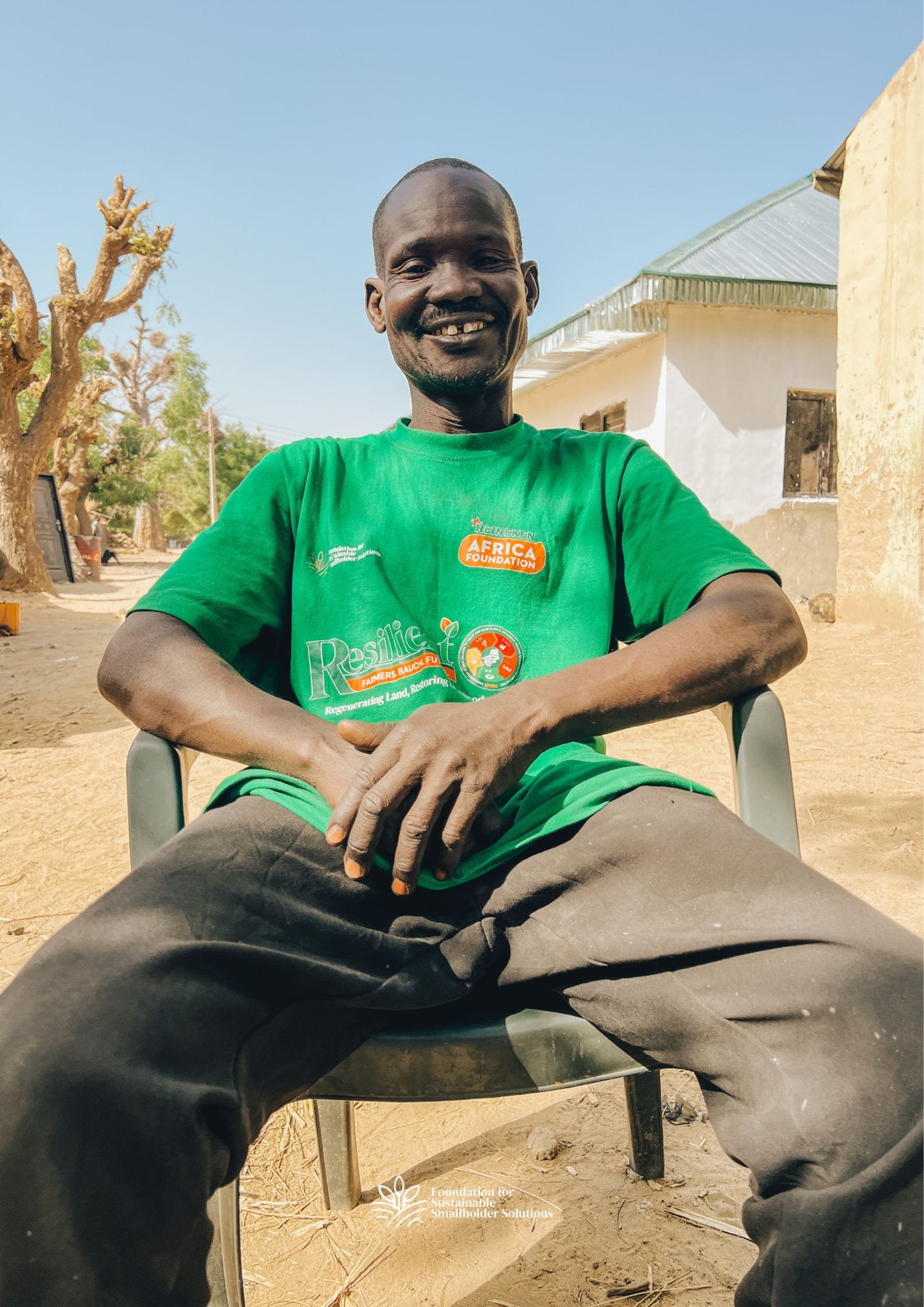
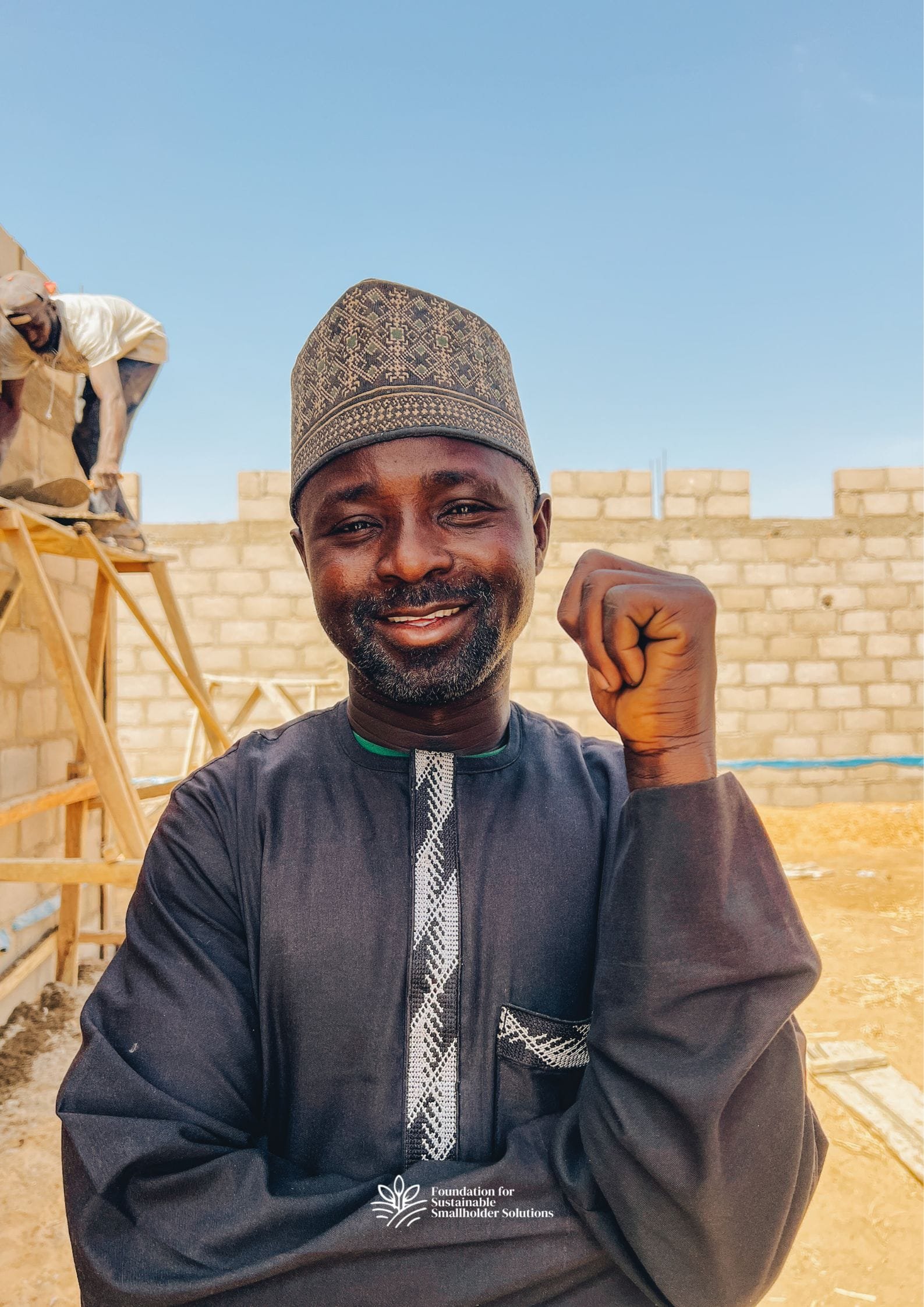
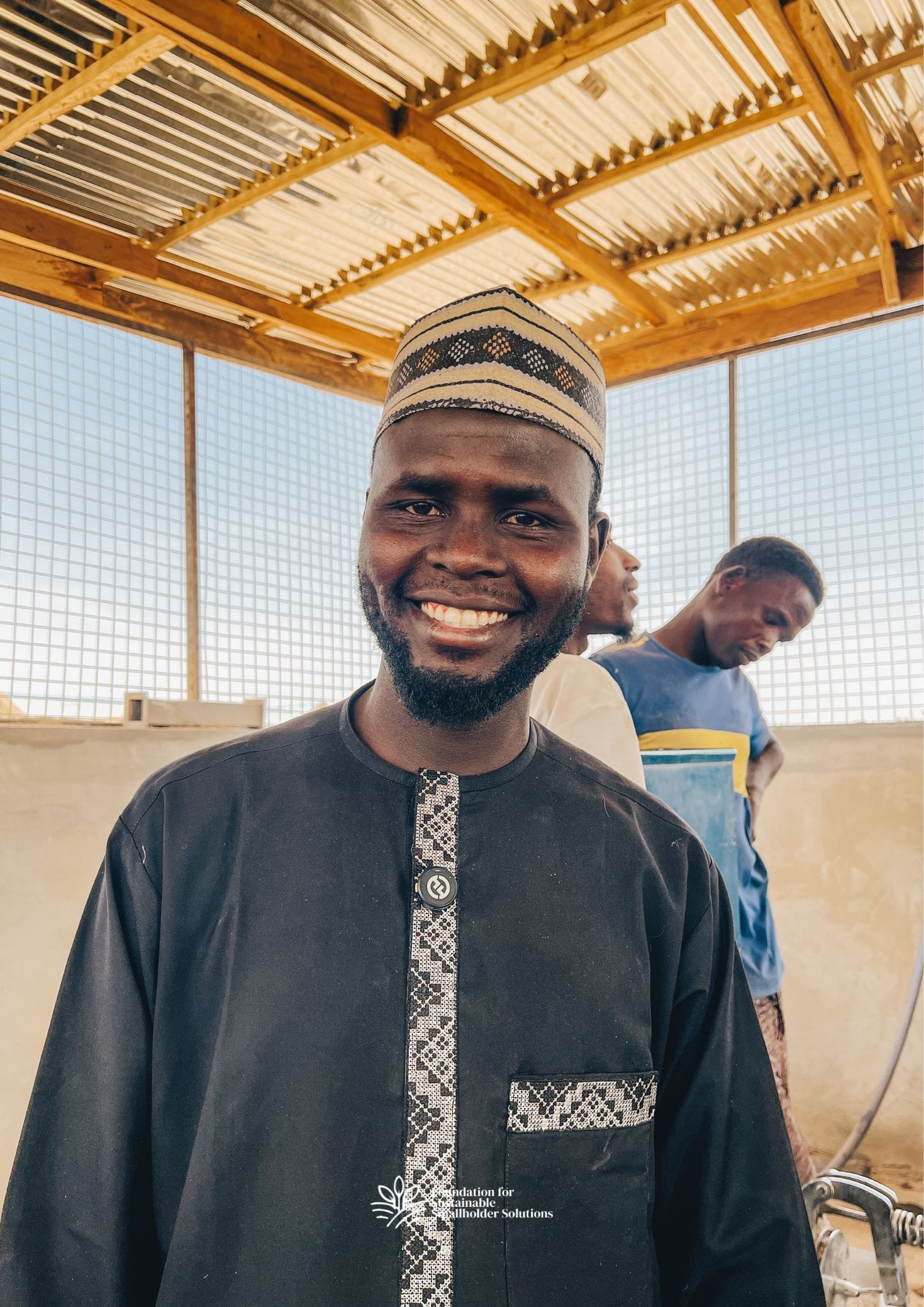
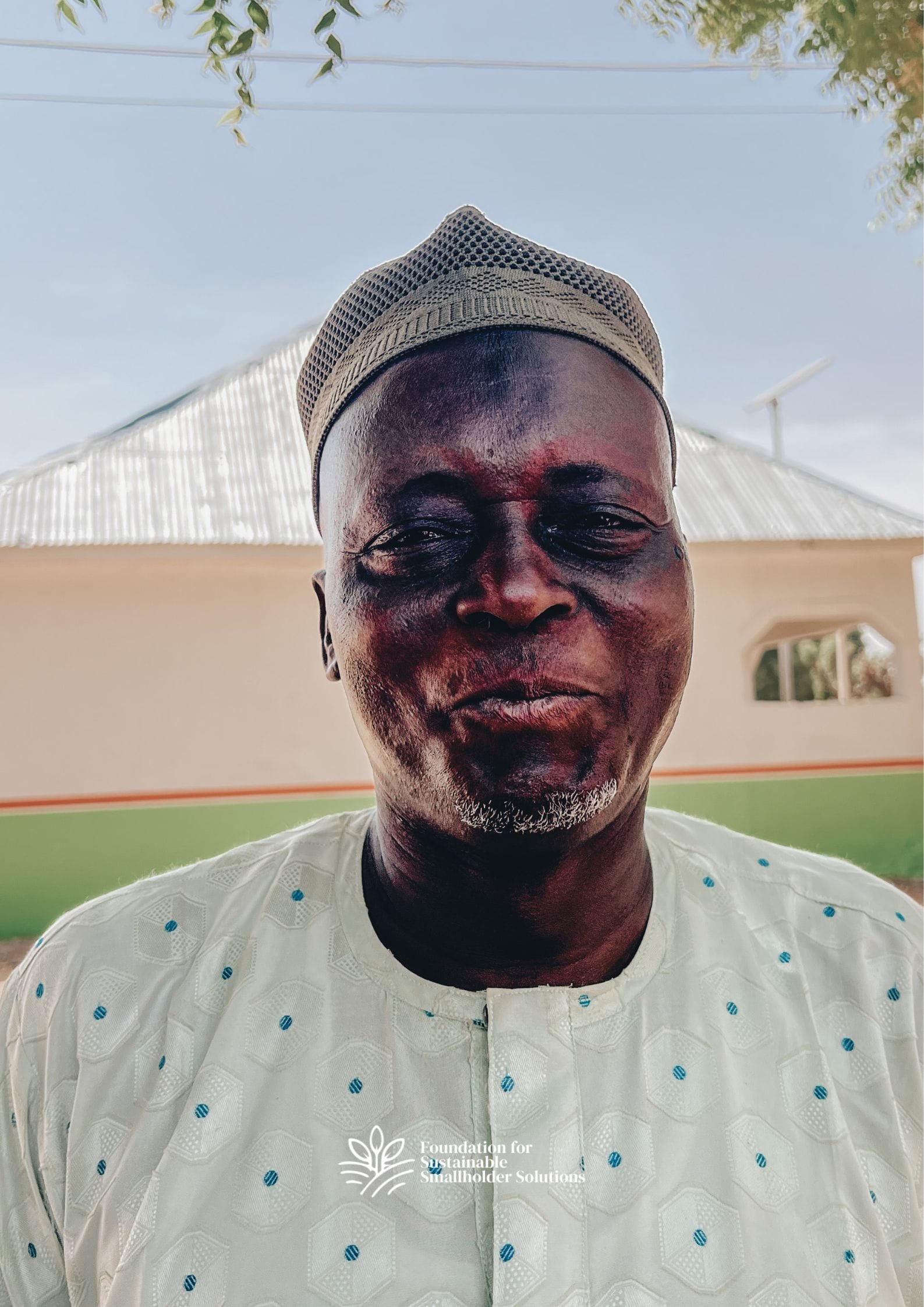

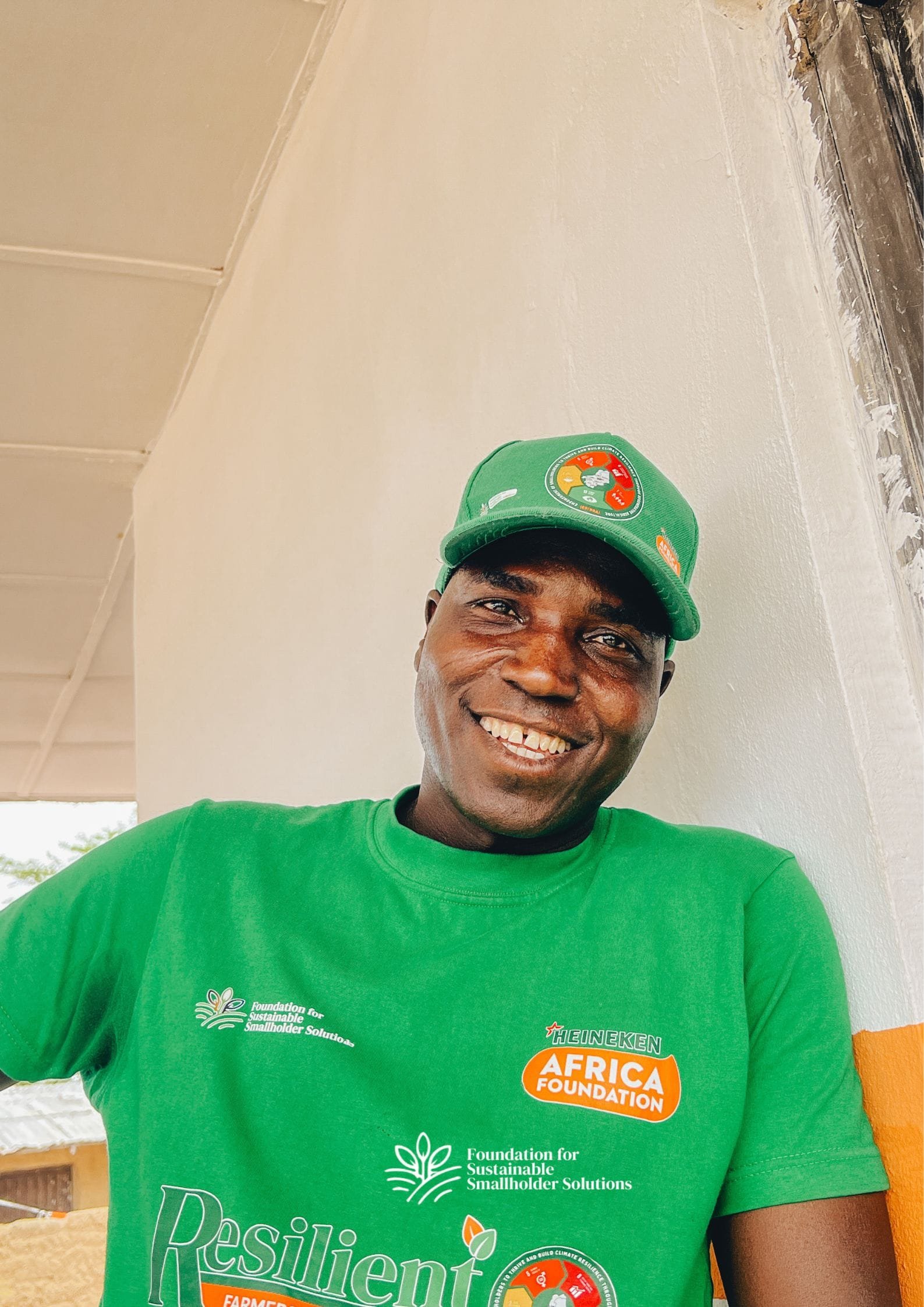
For thousands of smallholder farming families across Northern Bauchi, agriculture remains both a source of livelihood and a source of vulnerability. The story of these farming communities is often one of resilience, with farmers working tirelessly to feed their families and sustain local economies despite numerous challenges. From climate shocks and declining soil fertility to fluctuating market prices and limited access to agricultural services and income-generating opportunities, many obstacles continue to constrain their productivity and wellbeing. Most households depend heavily on seasonal farming as their primary source of income, meaning that a poor harvest leaves them exposed and can force difficult decisions about food, healthcare, and education. During the long dry season, many families also face months of financial uncertainty as income opportunities become increasingly scarce.
Recognising the challenges confronting smallholder farmers in Northern Bauchi, the HEINEKEN Africa Foundation partnered with the Foundation for Sustainable Smallholder Solutions (FSSS) to launch the Empowerment of Smallholders to Thrive and Build Climate Resilience through Regenerative Agriculture (ESTRRA) Project across Katagum, Giade, Itas-Gadau, Gamawa, Zaki, Shira and Jama’are LGAs of Bauchi State.

Backed by a ₦4 billion investment from the HEINEKEN Africa Foundation and implemented by FSSS, the project seeks to strengthen livelihoods, expand economic opportunities, improve access to agricultural services and build climate resilience among farming communities in the selected catchment areas.
A baseline study conducted before implementation revealed the scale of the challenge. Most households relied almost entirely on farming, with limited opportunities to earn income outside agriculture. More than half of respondents were not engaged in any non-farm economic activity, while inadequate processing facilities, poor market access and environmental degradation constrained productivity and household incomes.
Six months into implementation, signs of transformation are already emerging. The project has reached 3,416 smallholder farmers, representing 48.8 per cent of its annual target, while delivering measurable improvements in service access, enterprise development, income generation and climate resilience.

One of the project’s most notable achievements has been its success in reaching women and young people.
Across rural Northern Bauchi, women and youth play critical roles in agricultural production and household livelihoods, yet often face barriers to accessing resources, training, finance, and economic opportunities. ESTRRA deliberately prioritised these groups from the outset.
Of the 3,416 farmers reached during the reporting period, 2,270 are women, representing 66.5 per cent of beneficiaries, while 2,303 are youth, accounting for 67.4 per cent.
Through training programmes, livelihood diversification initiatives, and agricultural service delivery interventions, women and young people are gaining practical skills, productive assets, and new economic opportunities. For many women, participation in the project is creating additional sources of household income and strengthening economic independence. For young people, it is opening pathways into entrepreneurship, agribusiness, and self-employment.

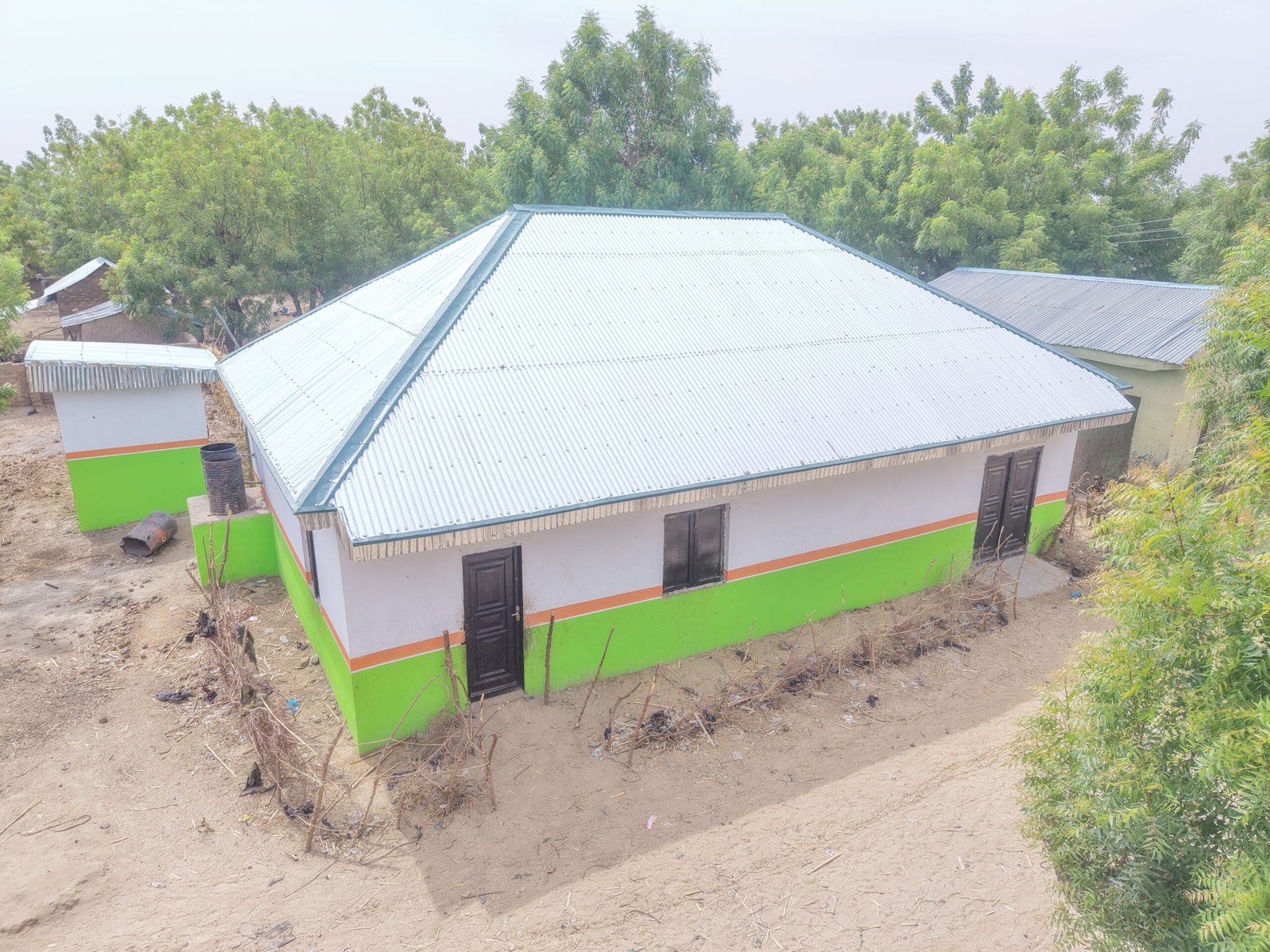
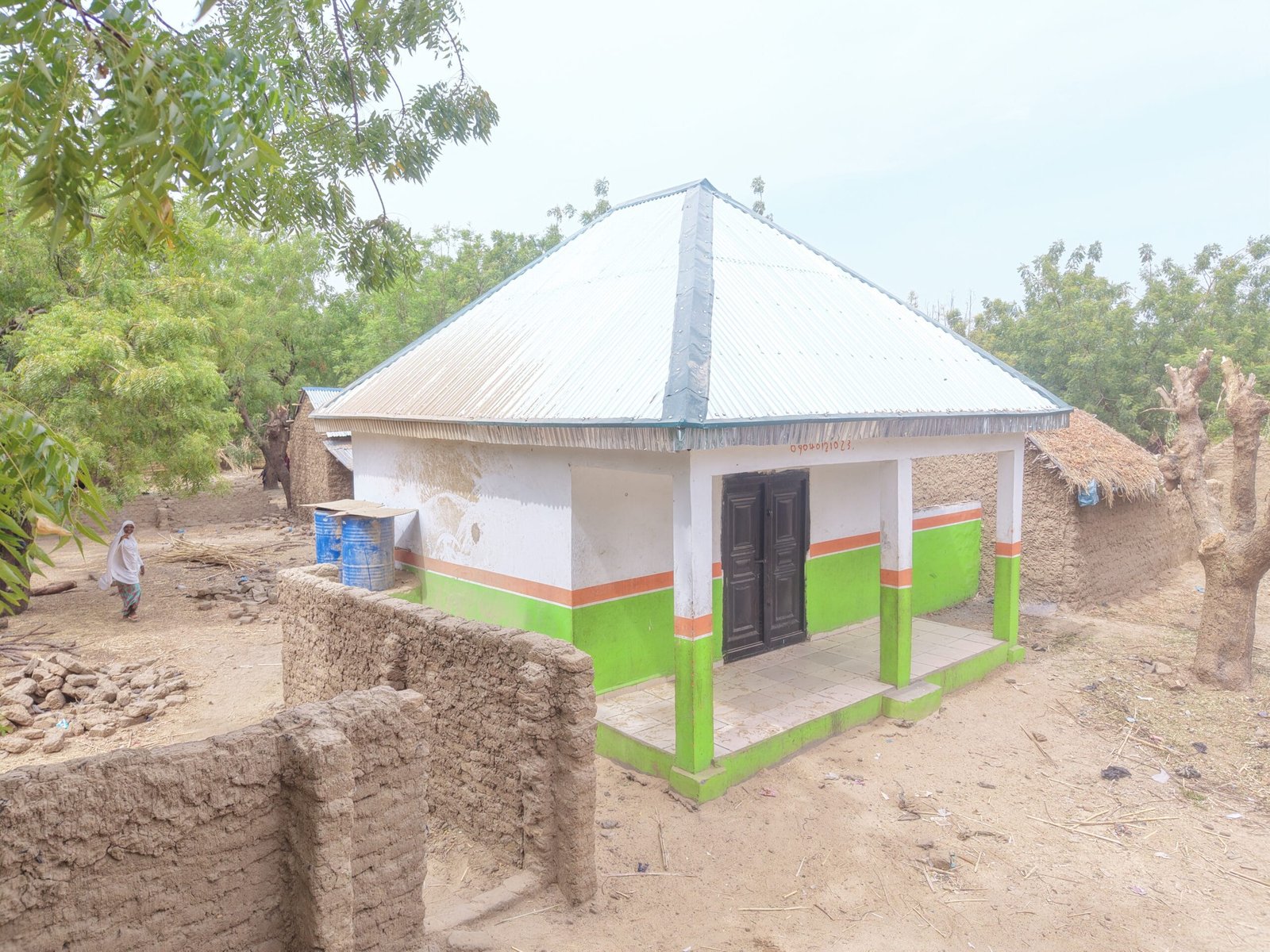
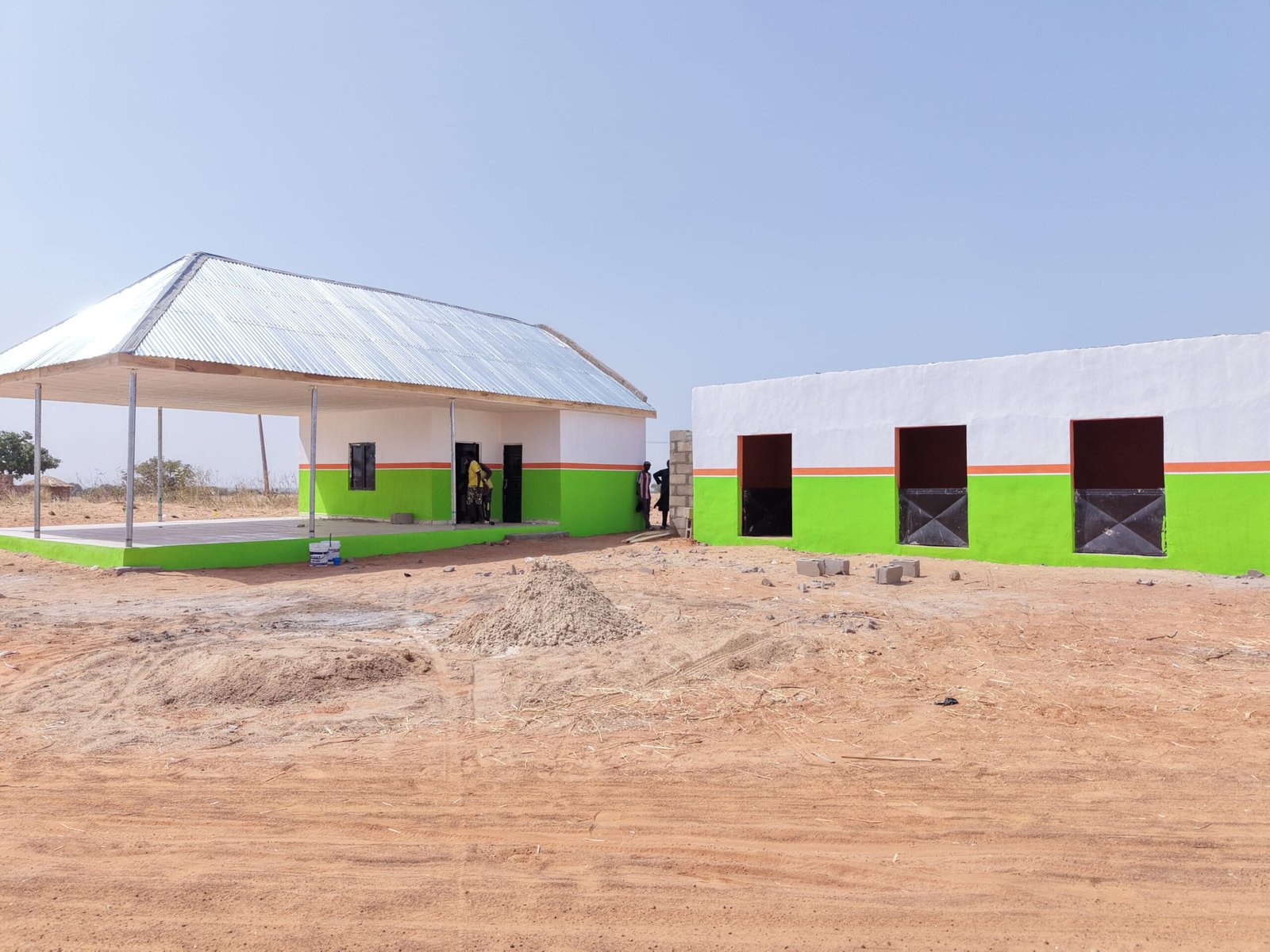
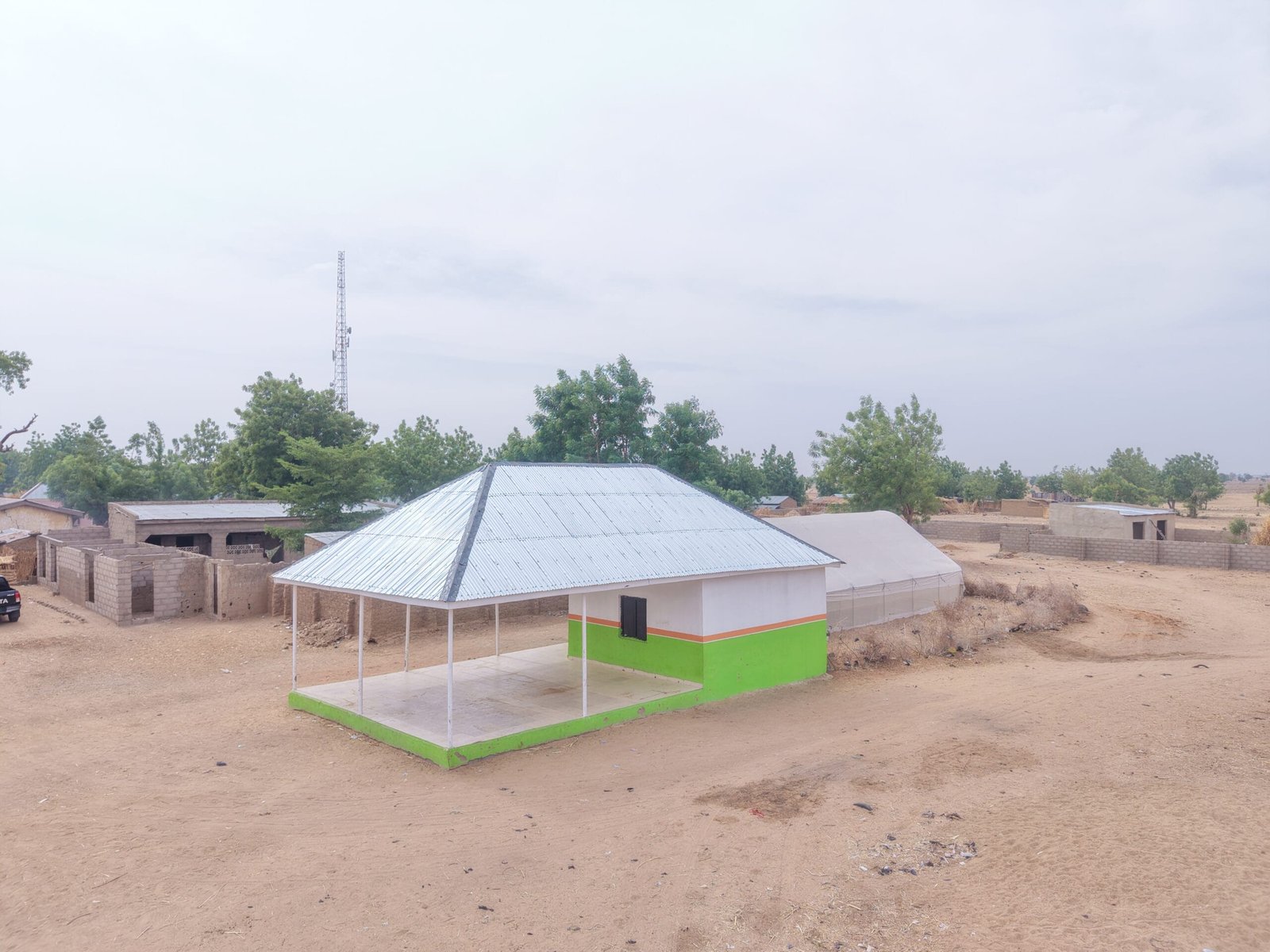
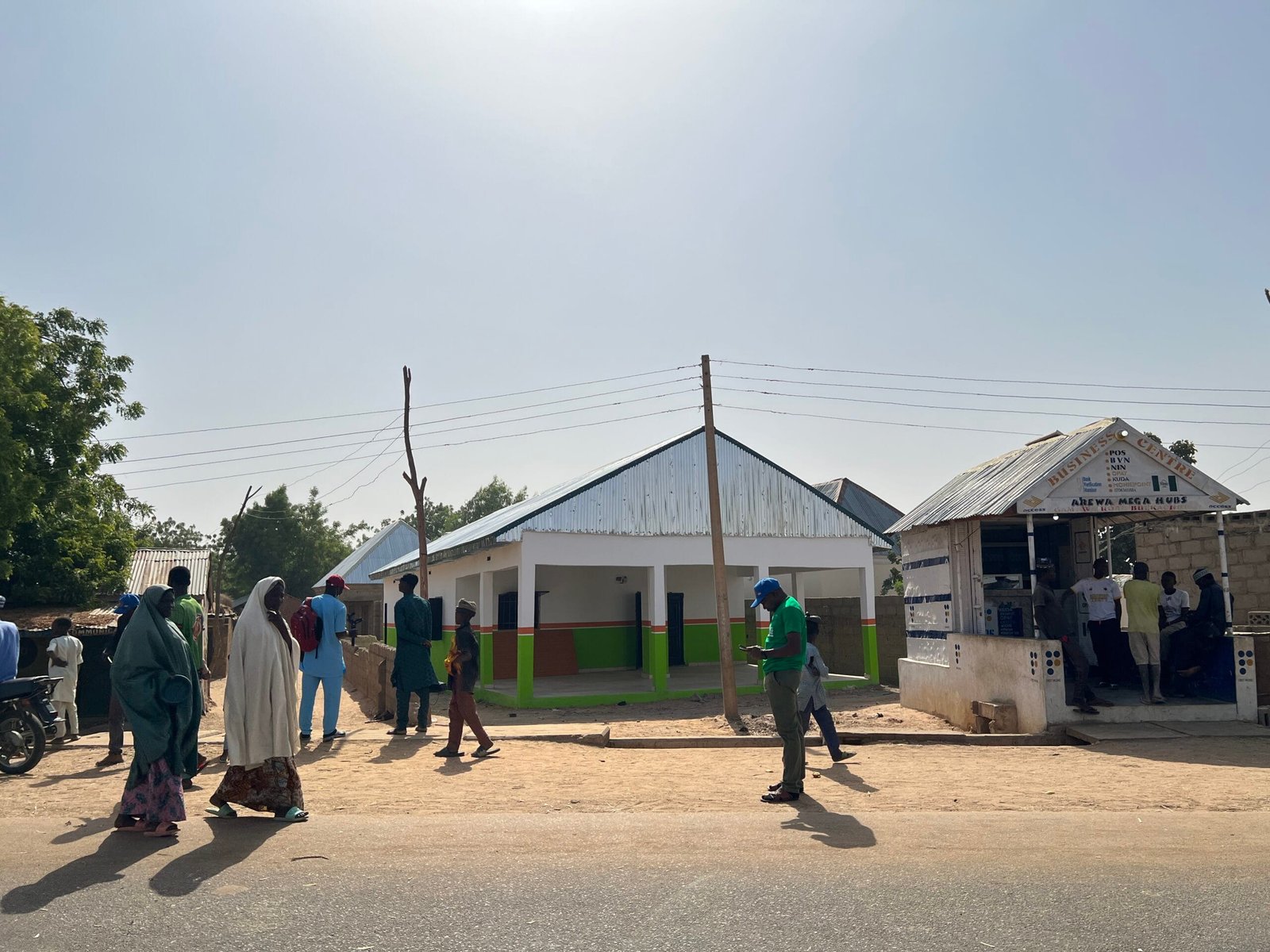
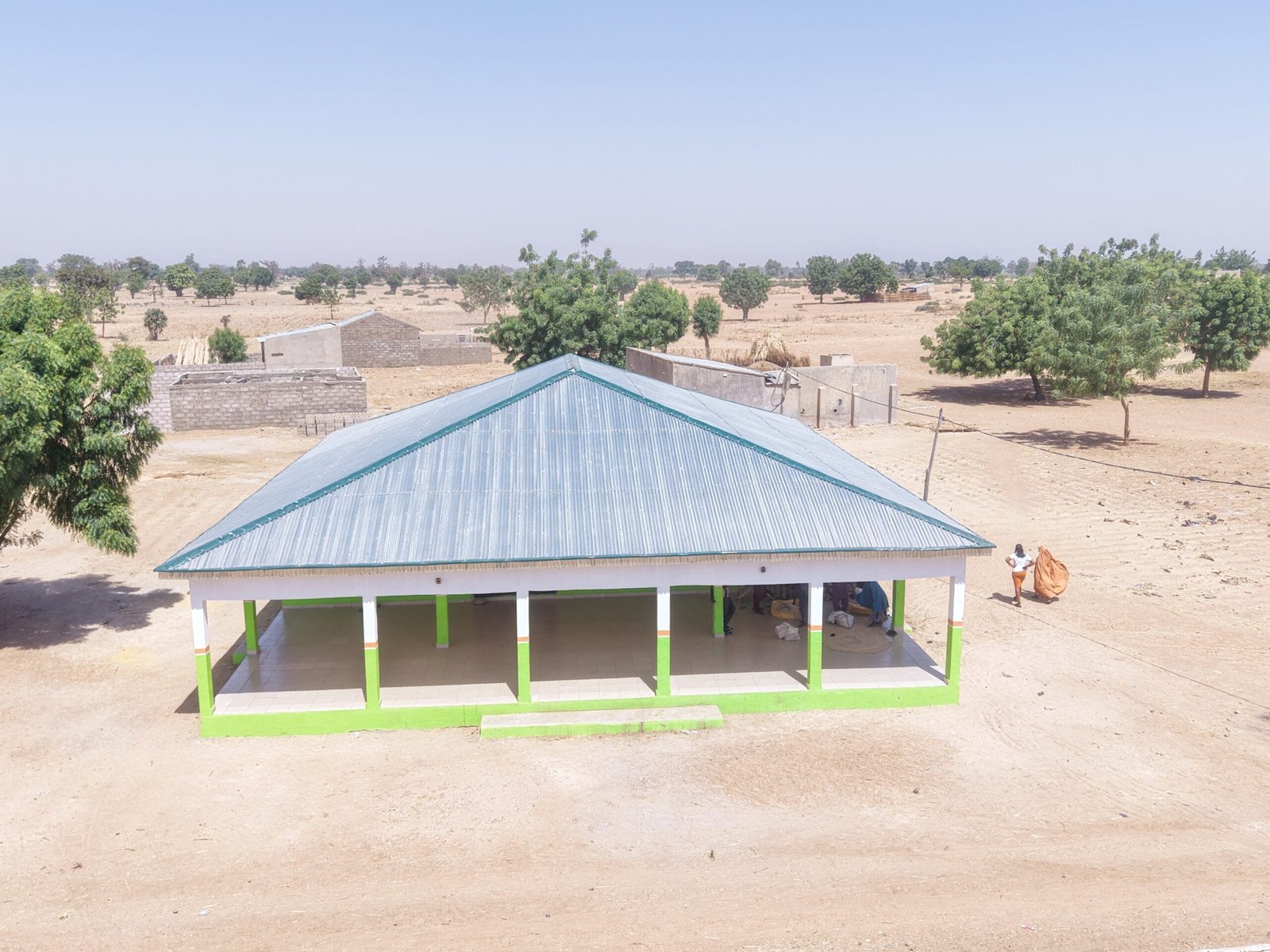
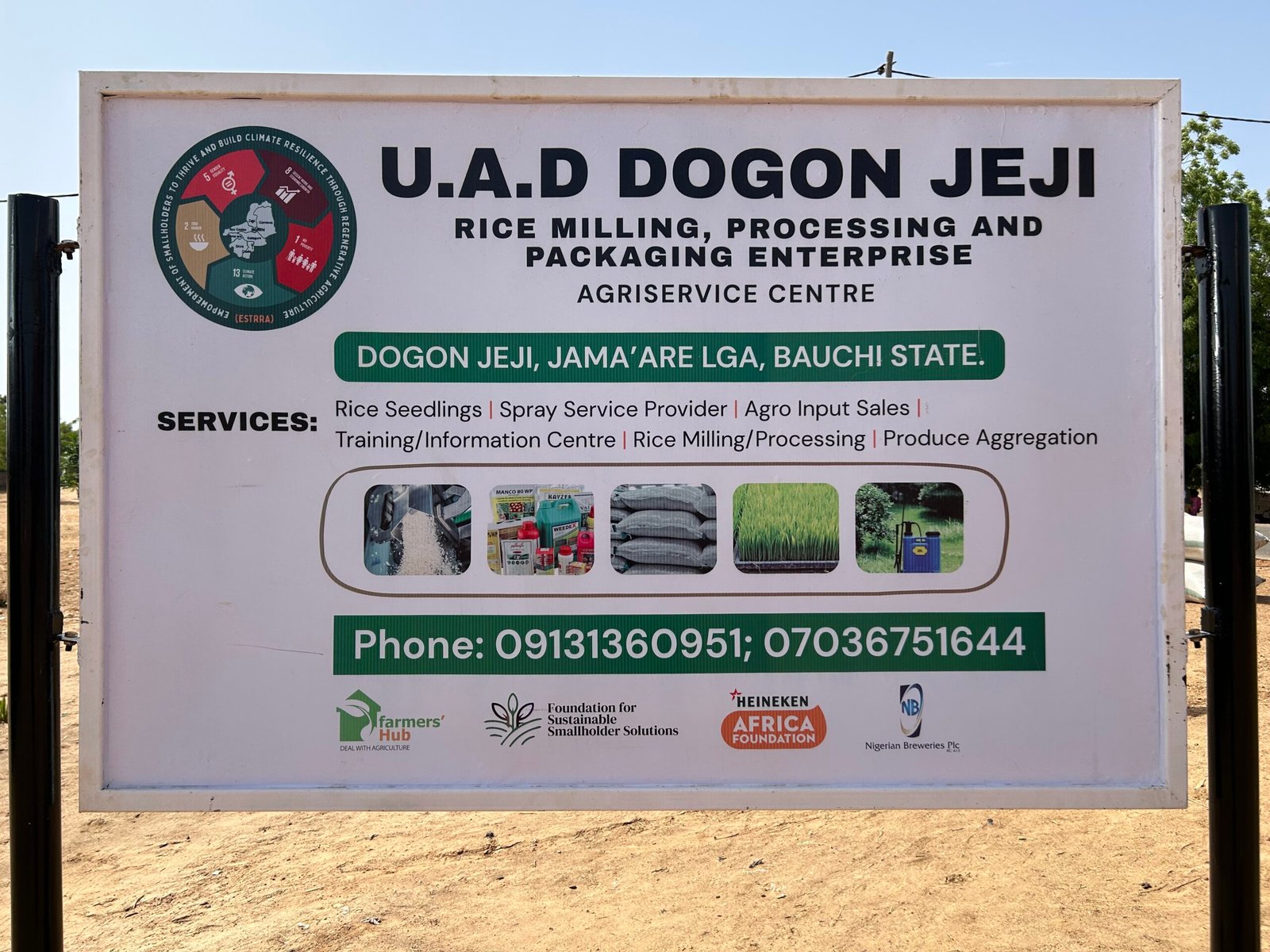
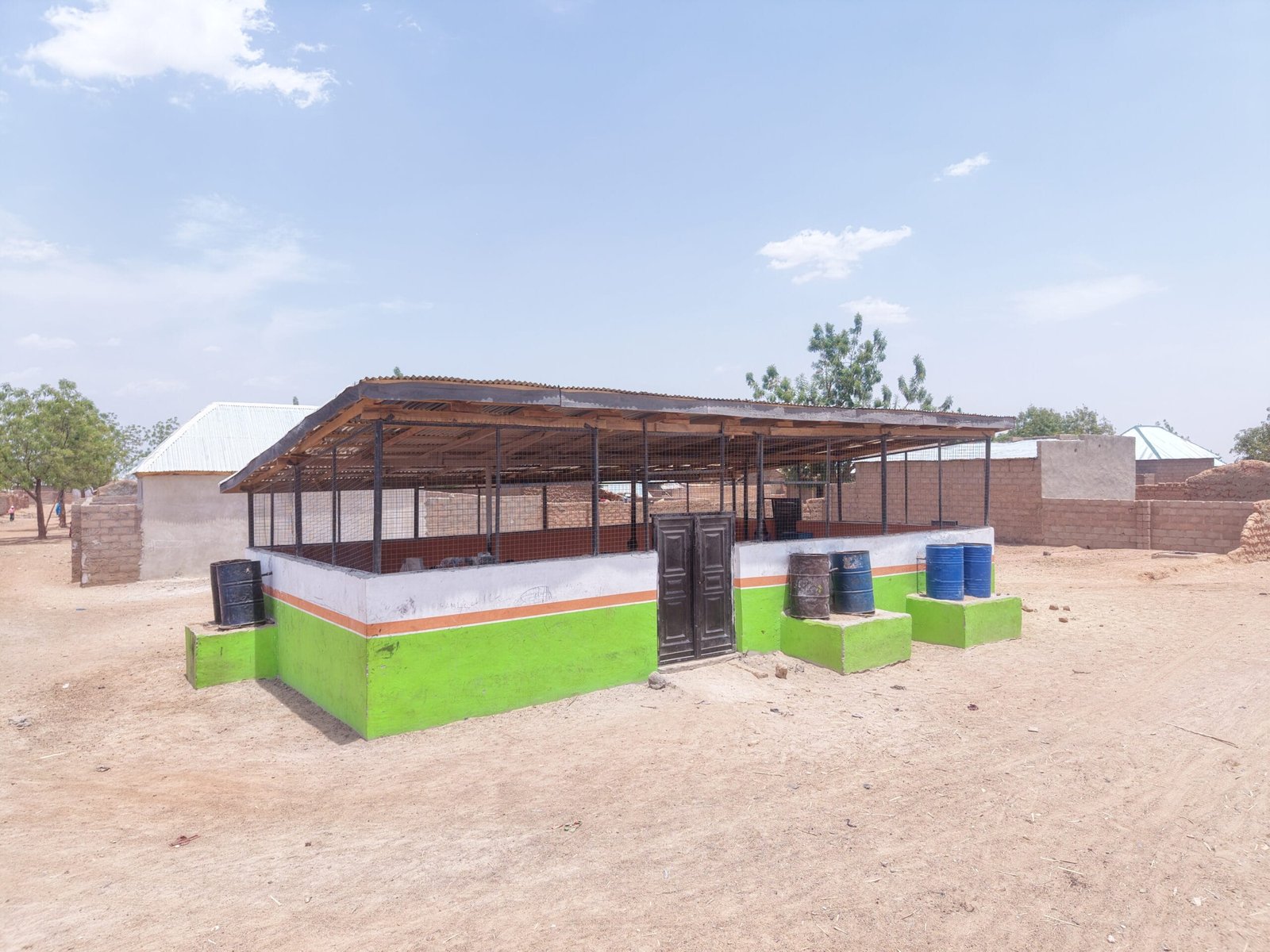
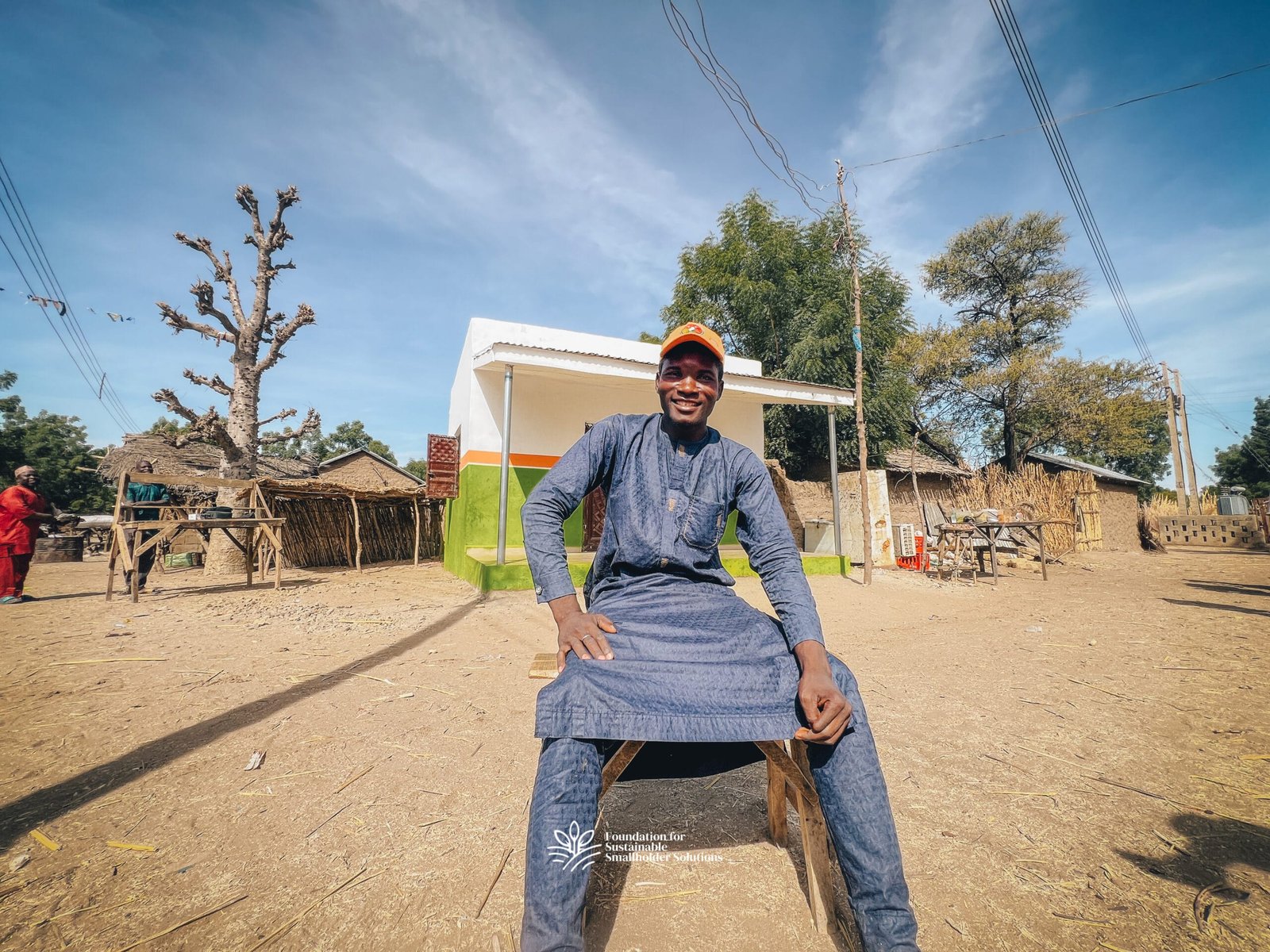
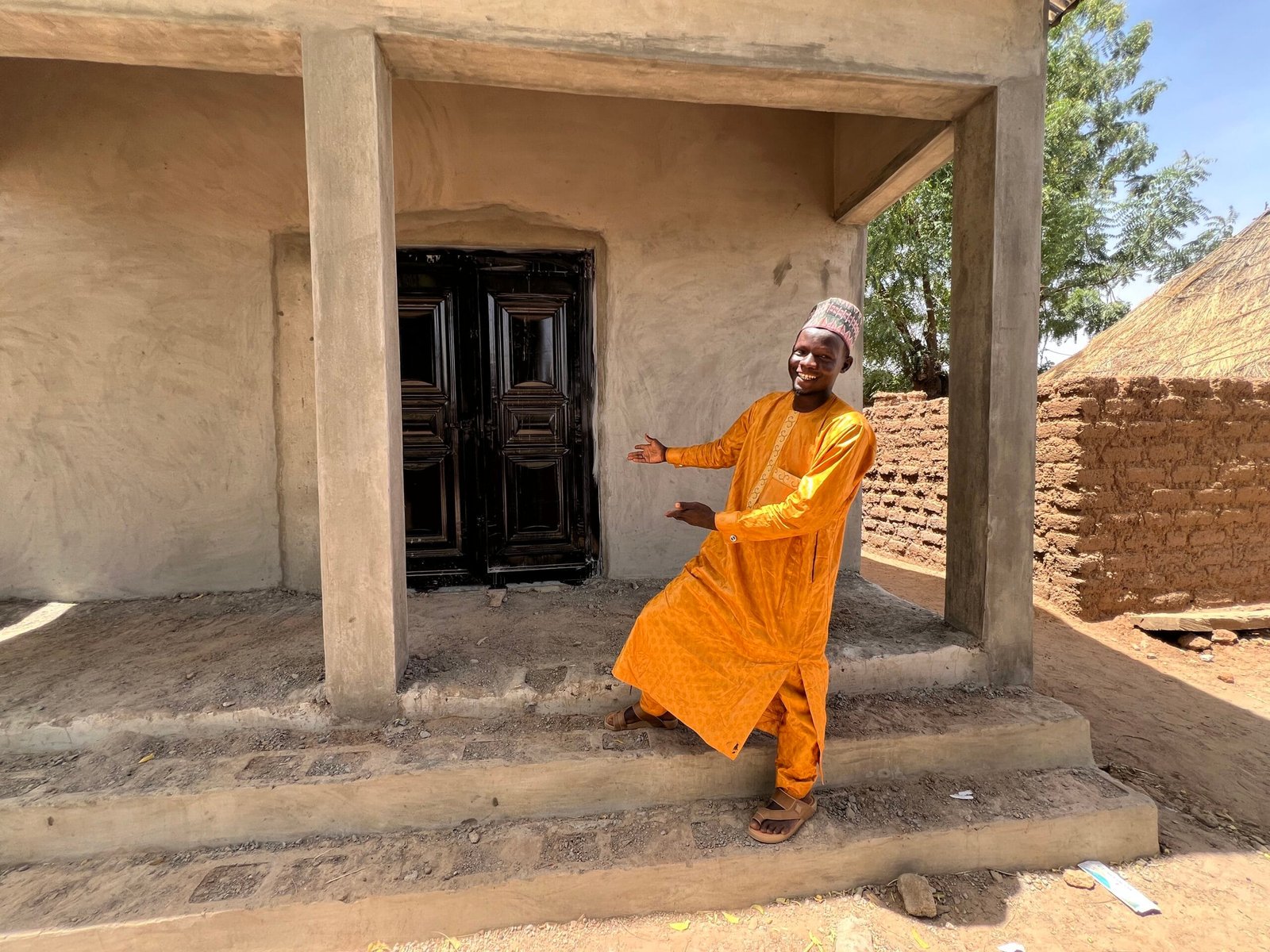
Perhaps no intervention better illustrates the project’s practical approach to rural development than the establishment of 11 Farmers’ Hubs across the target communities in the project catchment local government areas. The Farmers’ Hub is FSSS flagship solution to many of the challenges smallholders face in rural farming communities in Nigeria. They are community-based, one-stop commercial service platforms managed by local agri-entrepreneurs, bringing together essential resources, services, and knowledge to help smallholder farmers increase productivity and profitability.
Before the intervention, many farmers struggled to access agricultural services. The baseline study found that only 22.77 per cent of respondents had access to processing facilities, while inadequate storage and post-harvest infrastructure contributed to significant losses after harvest.
Serving as decentralised agricultural service centres, the hubs provide access to agricultural inputs, aggregation services, processing facilities, training opportunities, and market information within farming communities. Within six months, they have enabled 3,082 farmers to access improved agricultural services, reducing travel distance for farmers to within 10 km radius.


Photographs of Farmers’ Hubs established across the project implementation locations.
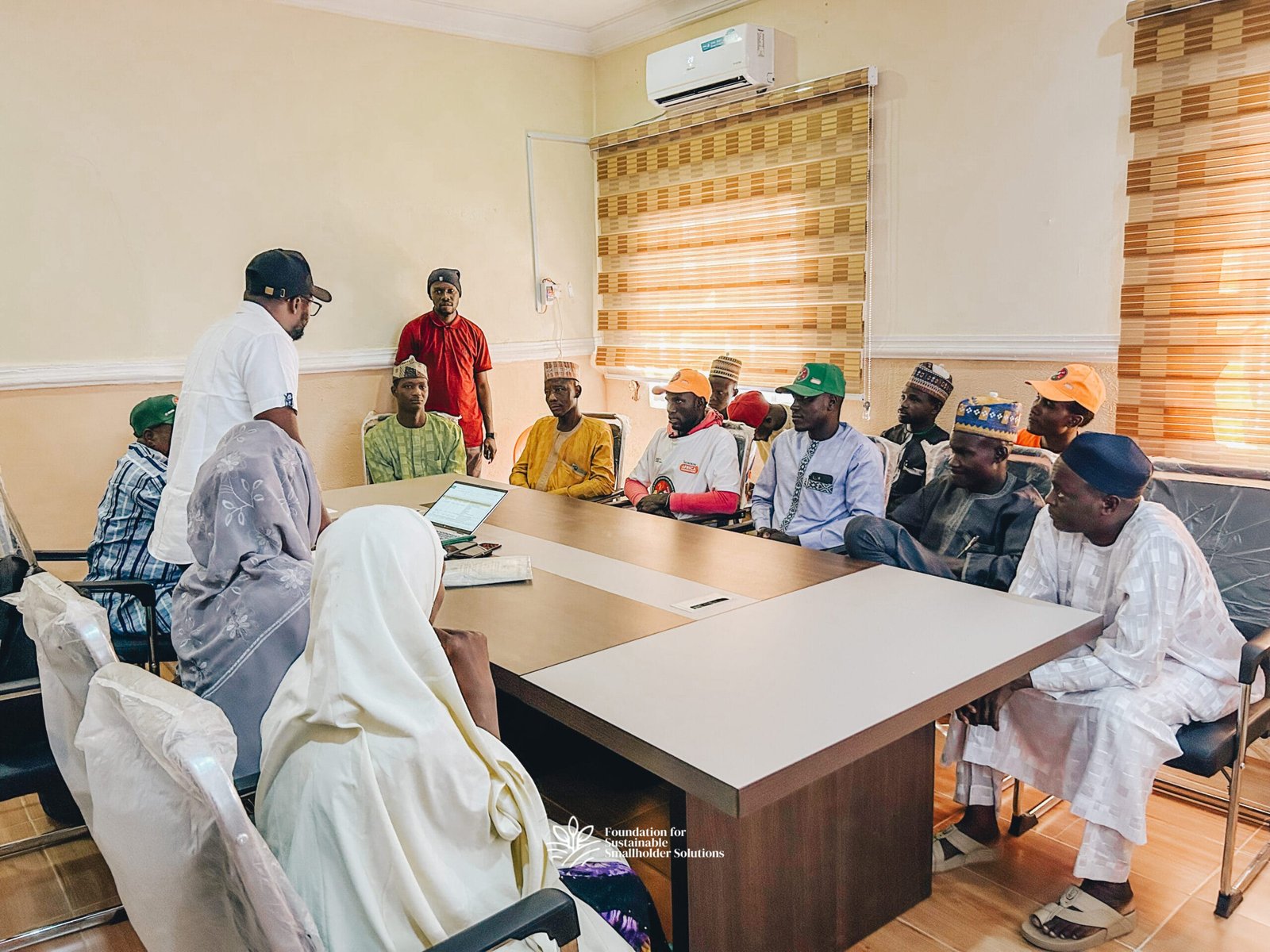
Speaking during the commissioning of the hubs, FSSS Executive Director, Dr Isaiah Gabriel, described them as more than physical infrastructure.
“These hubs are designed to become centres of agricultural innovation, enterprise development, youth engagement, and improved food systems. Our goal is to ensure that smallholder farmers have access to the resources, knowledge, and market opportunities they need to thrive.”
Also, the HEINEKEN Africa Foundation views the hubs as an important catalyst for rural transformation. Speaking at the commissioning ceremony, Kabiru Kassim of the Foundation described the progress as evidence of what can be achieved through strong local partnerships.
“Through our partnership with FSSS, the HEINEKEN Africa Foundation is supporting some of the poorest and most vulnerable farmers, and today we are witnessing an important milestone in that journey.”
He noted that the level of progress recorded had exceeded expectations for this stage of implementation.
“We expected to see results like this much later in the project cycle, but witnessing this level of progress even before the rainy season is highly commendable.”

The infrastructure established through the hubs includes rice milling centres, agro-input hubs, agro-processing facilities, edible oil processing centres, and a greenhouse facility, creating a stronger agricultural support ecosystem capable of serving farmers long after the project ends.
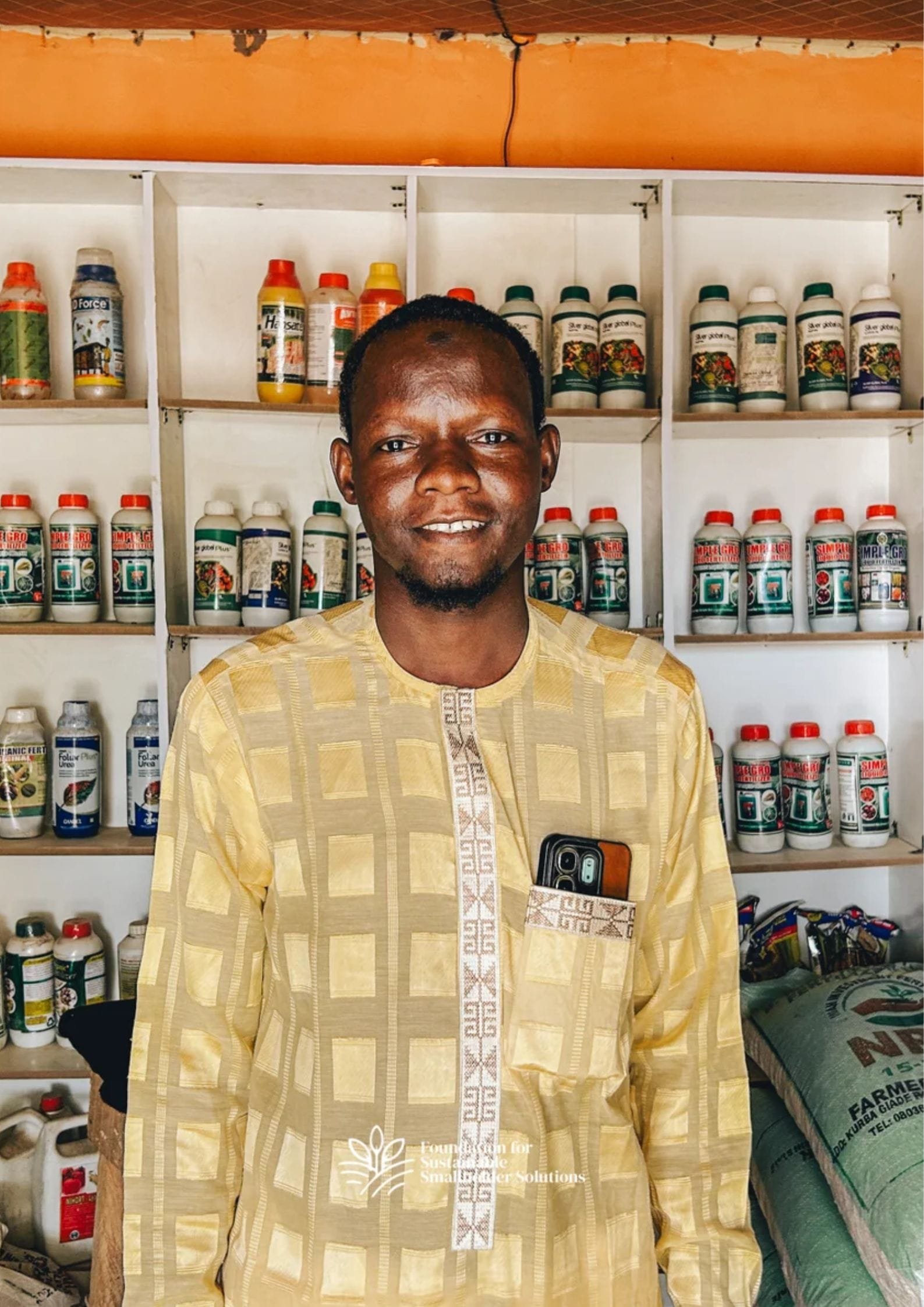
The impact is already visible in communities such as Diga in Itas-Gadau LGA, where agro-dealer Auwalu Umar previously operated from a modest mud structure while struggling to access quality agricultural products.
“Prior, we were using substandard chemicals which affected our crops. They didn’t work effectively,” he recalls.
Following support from the project, his business premises were upgraded, and he was connected to verified suppliers.
“FSSS connected me with companies that supply me with chemicals and fertiliser. I knew they would not connect me with companies that sell bad products but rather good products.”
Today, farmers in Diga have improved access to genuine agricultural inputs closer to home.

The baseline showed that 79 per cent of respondents lacked adequate storage and processing facilities, while 98 per cent reported no formal training in post-harvest handling.
Without access to local processing services, many farmers sold produce in raw form at lower prices, while significant quantities of rice and groundnut were lost after harvest.
To address this challenge, the project invested directly in local agripreneurs.
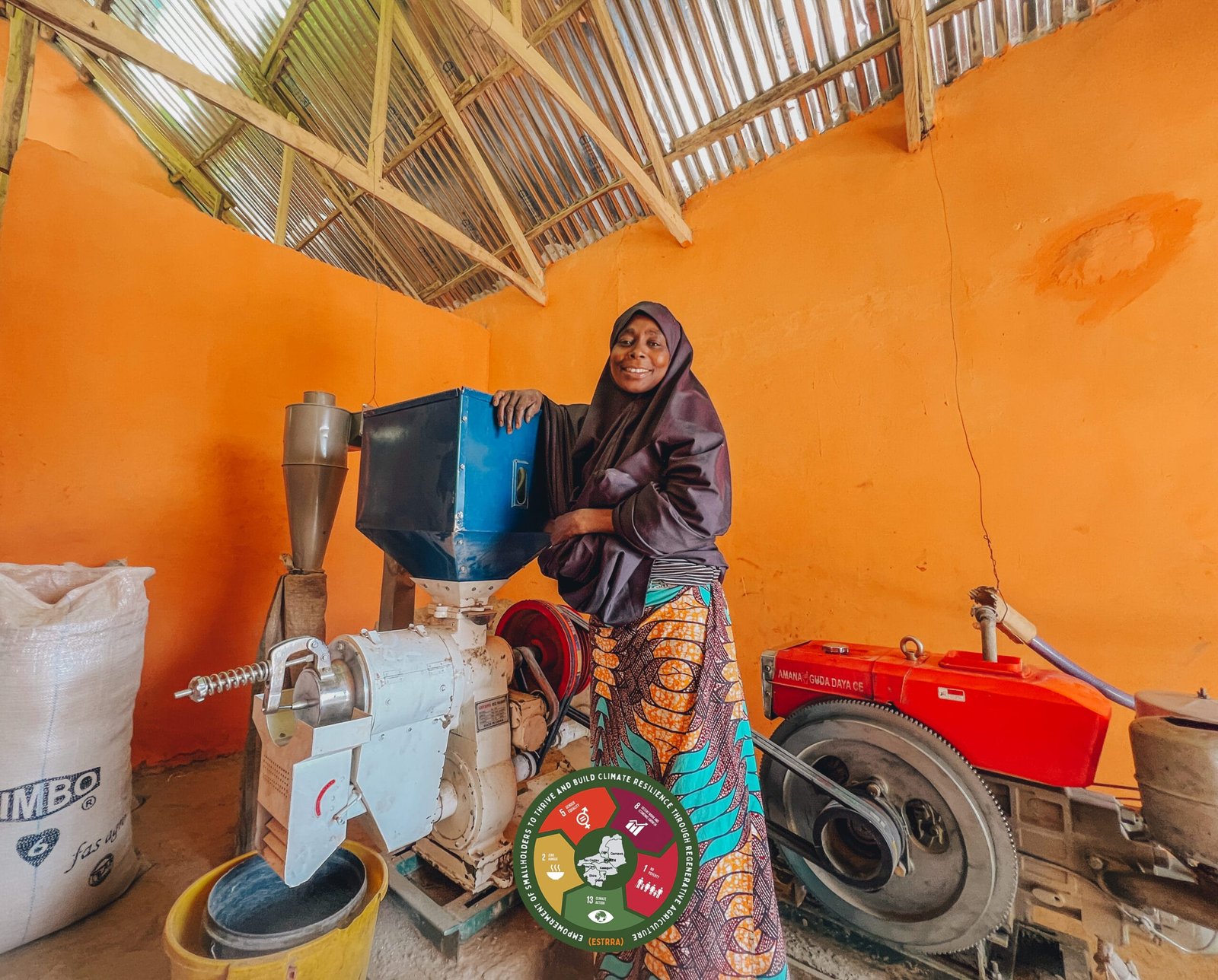
Five agripreneurs received agro-processing equipment to strengthen their businesses and expand the services available to farmers. The support package included four rice milling machines, one groundnut oil extraction machine, diesel engines, weighing scales, wheelbarrows, and other operational equipment.
For Altine Lamara, a rice processor from Faggo community in Shira LGA, the intervention addressed a challenge that had constrained her business for decades.
“I’ve been milling rice for over 30 years. When I started, I was using my bare hands.”
When the equipment arrived, she immediately recognised what it could mean for her future.
“When the foundation delivered the milling machine, I was so overjoyed that I could barely eat. I believe the best way to help someone is by setting up a business for them, and this is exactly what the foundation has done.”


The rationale behind the support was straightforward: strengthen local agro-processing businesses so they can provide value-adding services to farmers, reduce post-harvest losses, improve product quality and create additional income opportunities within rural communities.
The results have been significant.
Prior to the intervention, supported agripreneurs processed less than 300 kilograms of produce per week. Following installation of the equipment, average processing capacity improved to approximately 881 kilograms per week.
Average monthly income among participating agripreneurs improved from ₦79,600 to ₦118,320, representing a 49 per cent increase within six months. The intervention also created 19 new jobs while helping agripreneurs expand their customer base.
“With the provision of the milling machine, I mill a lot more now, unlike before when I couldn’t due to lack of machinery,” Altine explains.
Beyond her own business, the benefits are spreading through the community.
“I give produce worth one hundred thousand naira to women to sell, and they make profits of up to fifteen to twenty thousand naira. The people I send to the market to help me sell also make profit from it and use it to take care of their children.”
Farmers now have easier access to processing services, enabling them to add value to their produce, reduce losses, and retain a greater share of the value generated from their harvests.

While improving agricultural productivity remains important, the ESTRRA Project recognises that resilient households need multiple pathways to income.
The baseline study showed that many families depended on only one or two income sources, leaving them vulnerable to seasonal fluctuations, climate shocks, and market disruptions. To address this challenge, the project introduced livelihood diversification activities designed to help households earn income beyond farming, especially during the off-farming season.
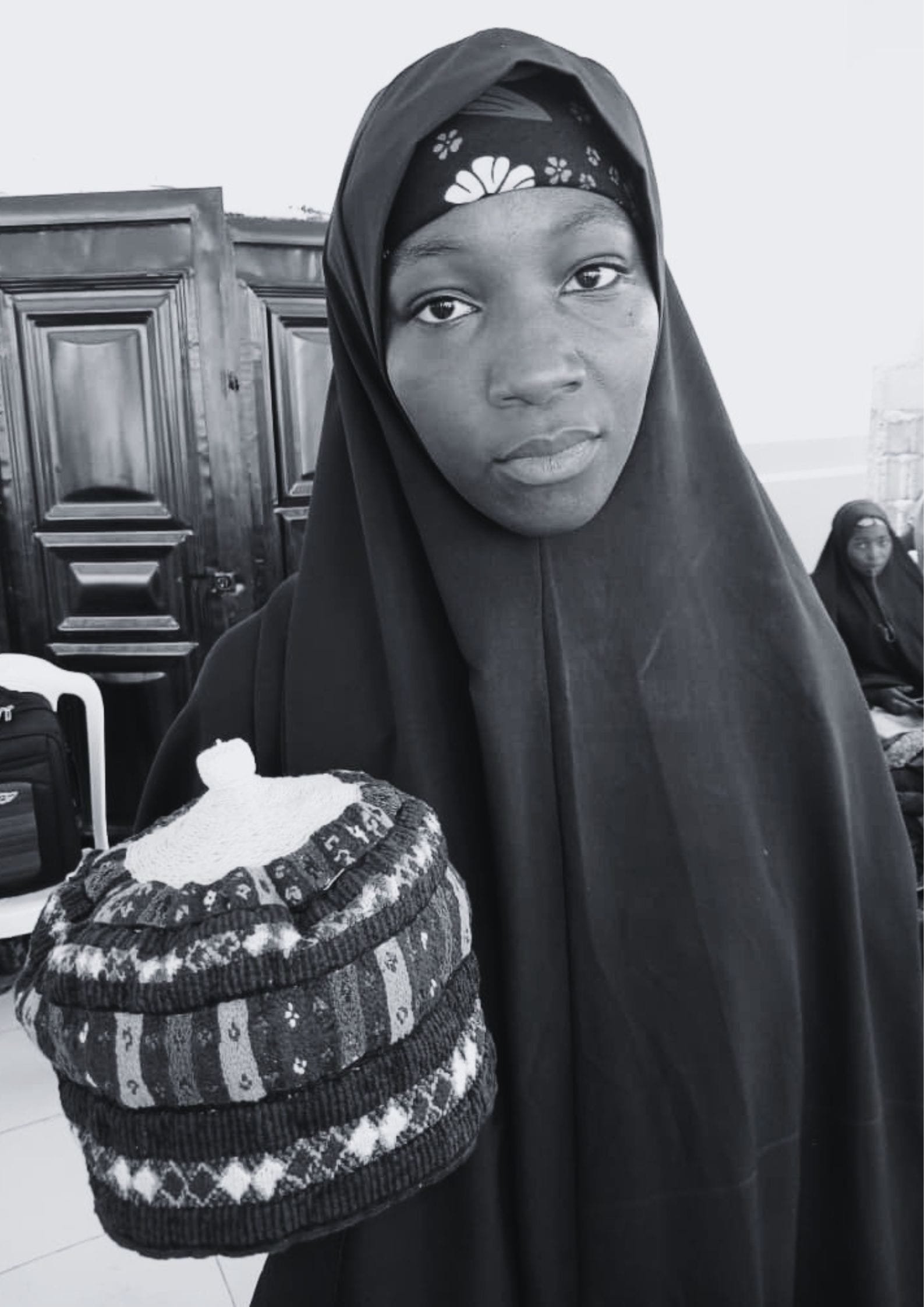
A total of 334 beneficiaries participated in training programmes focused on enterprise development and income generation. This included 200 participants trained in traditional cap making, 39 trained in vegetable seedling production and management, 48 trained in the operation and maintenance of rice and oil milling machinery, 22 trained in product profiling and varietal awareness, 11 hub managers trained in record keeping, and 14 agripreneurs supported through pre-boarding and business development activities.
For Aisha Auwalu, a tailor and mother from Bulkachuwa community in Katagum LGA, the training created a more dependable source of income.
“Before the training, I was doing tailoring, but not consistently. Now I have something more steady that can grow over time and become a reliable source of income.”
Having learnt cap knitting, laundering, and finishing techniques, Aisha hopes to use the new enterprise to support her family while sharing the skills she acquired with other women in her community.
By helping households earn income beyond seasonal farming, these interventions are strengthening economic resilience and reducing vulnerability to income shocks.

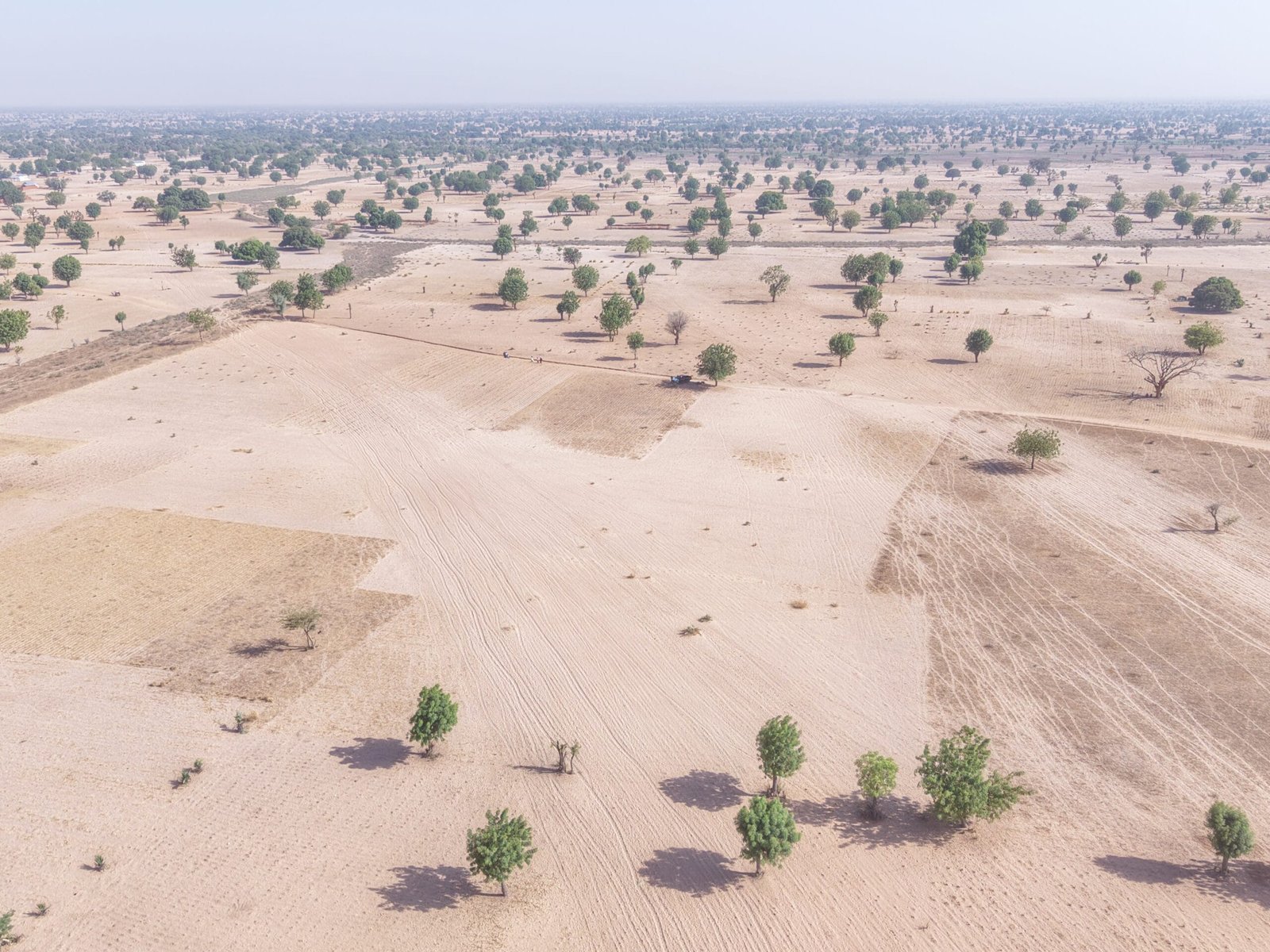
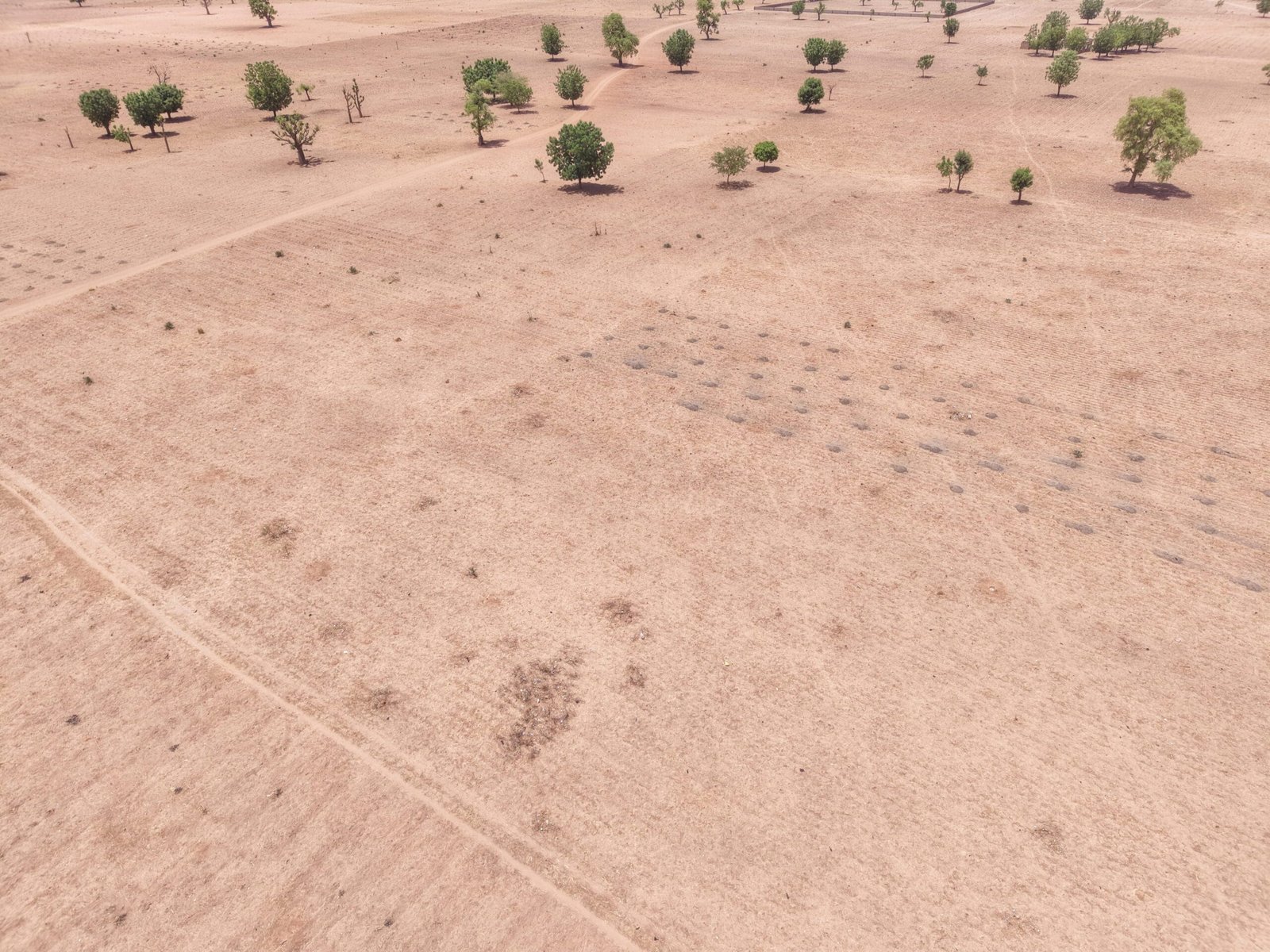

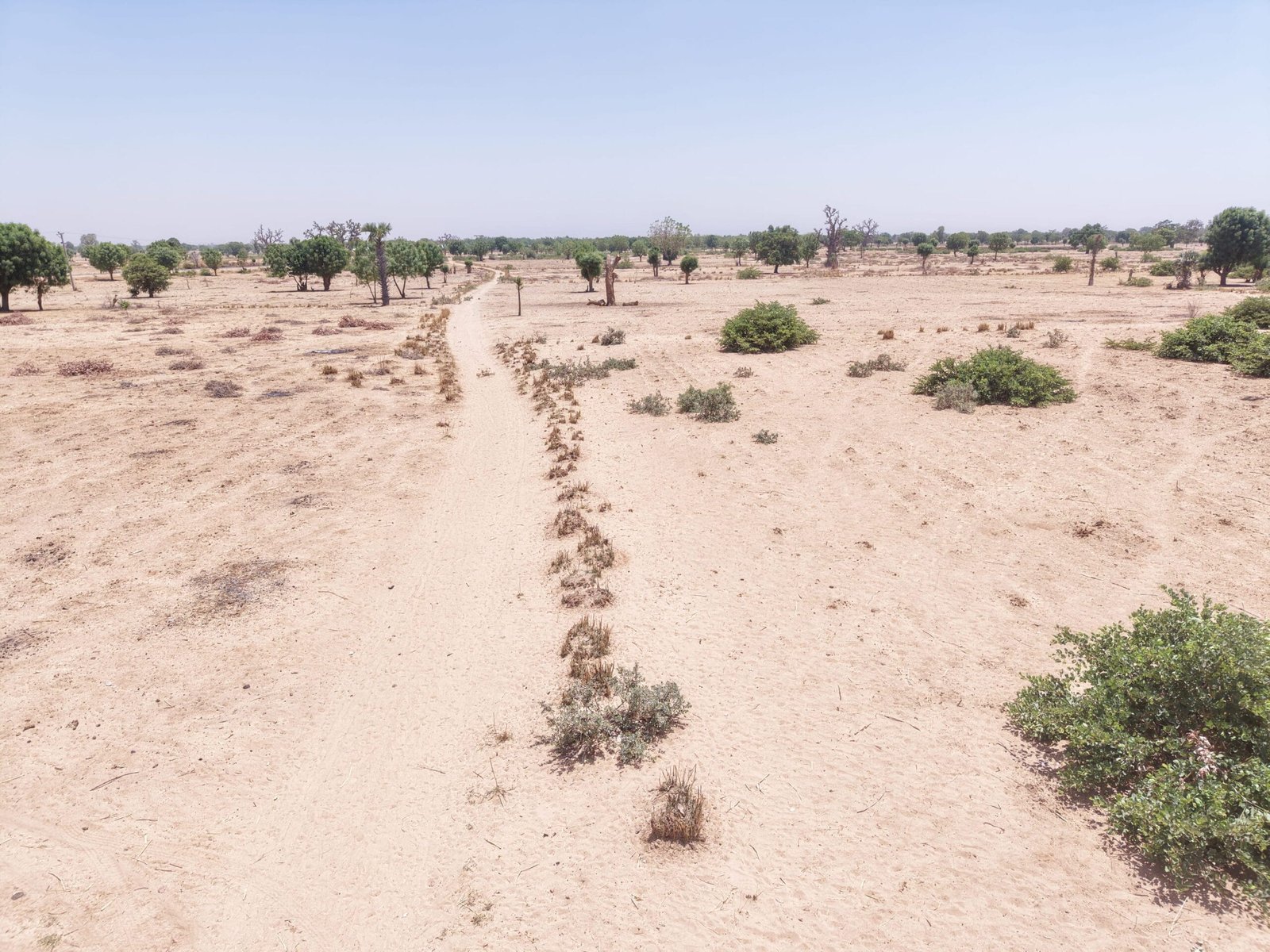

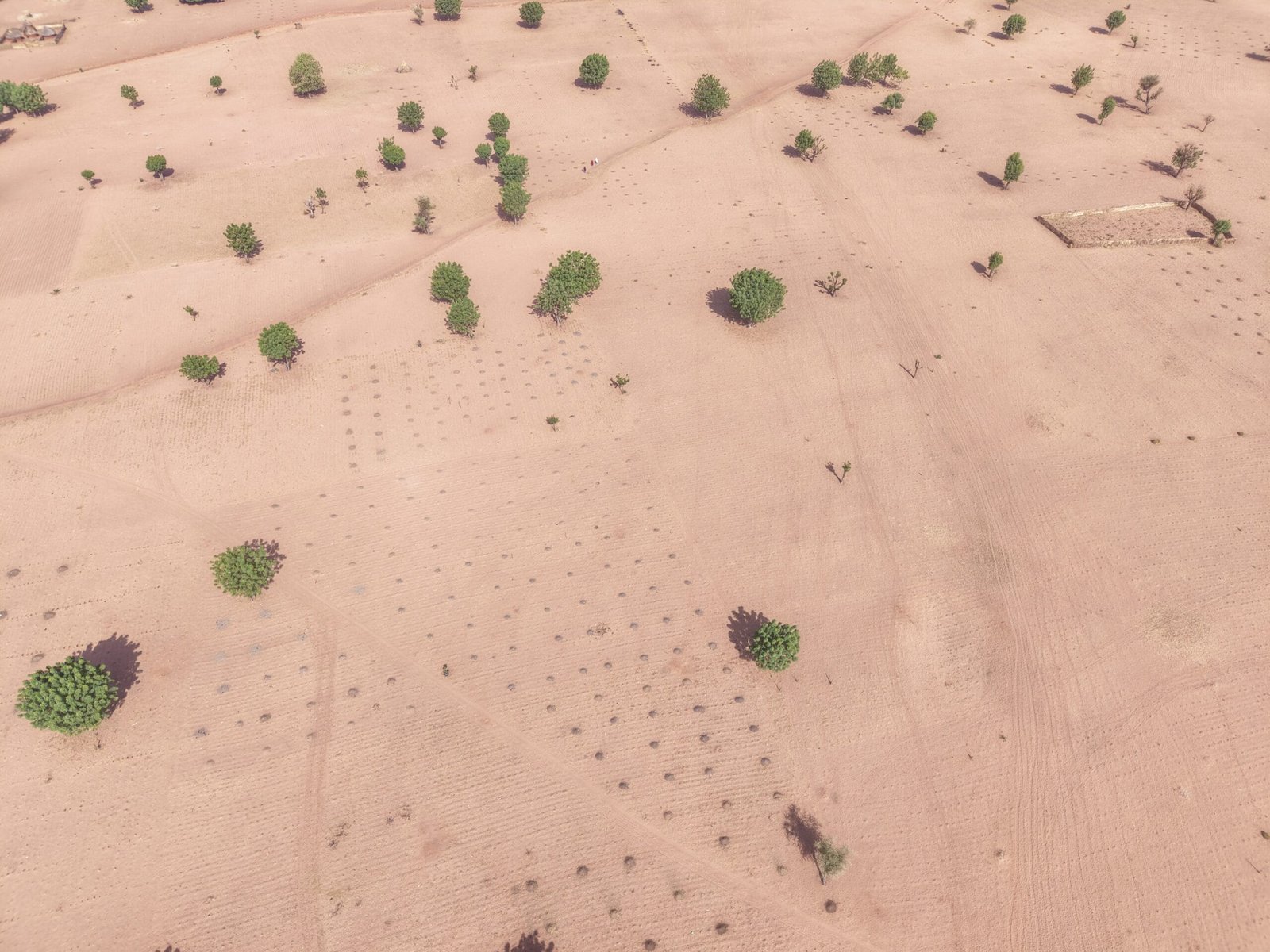
Identified degraded lands for restoration across Bauchi North
Alongside economic interventions, the project is also investing in the long-term sustainability of the natural resources upon which farming communities depend, targeting to restore 29,000 hectares of land.
Baseline findings showed that 41 per cent of land was already degraded, while 63 per cent had experienced deforestation. More than 80 per cent of respondents reported moderate to severe climate-related impacts on their agricultural production.
To help reverse these trends, ESTRRA has begun implementing regenerative agriculture and landscape restoration activities across the project area.
So far, five hectares of degraded land have been identified for restoration through soil and water conservation measures, like earth bunds, while more than three hectares have been designated for agroforestry and fruit forest development.
The project has also procured over 24,000 of improved seedlings, including 4,200 cashew seedlings, 4,200 guava seedlings, 700 plantain seedlings, 700 banana seedlings, 1,000 moringa seedlings, 1,500 papaya seeds, and several varieties of mango and citrus.
These interventions are expected to improve soil fertility, enhance biodiversity, increase moisture retention, and create future income opportunities through fruit and tree crop production, helping communities address environmental degradation while strengthening long-term resilience.

Although still in its first year out of three, the ESTRRA Project is already demonstrating how targeted investments in people, enterprises and local systems can generate meaningful change.
Through improved access to agricultural services, support for rural enterprises, livelihood diversification, and regenerative agriculture initiatives, the project is helping households strengthen their livelihoods while preparing for future challenges.
Perhaps the broader significance of the intervention is best captured by beneficiary Altine Lamara’s reflection:
“When women are enabled to work, entire communities benefit.”
Across Northern Bauchi, that transformation is already taking shape. Through the partnership between the HEINEKEN Africa Foundation and FSSS, farmers are gaining access to services, enterprises are growing, and communities are building greater resilience against economic and climate-related shocks.
While the journey is far from complete, the first six months of ESTRRA have demonstrated the power of investing in people, local systems and sustainable livelihoods, creating opportunities that will continue to benefit farming communities long after the project ends.