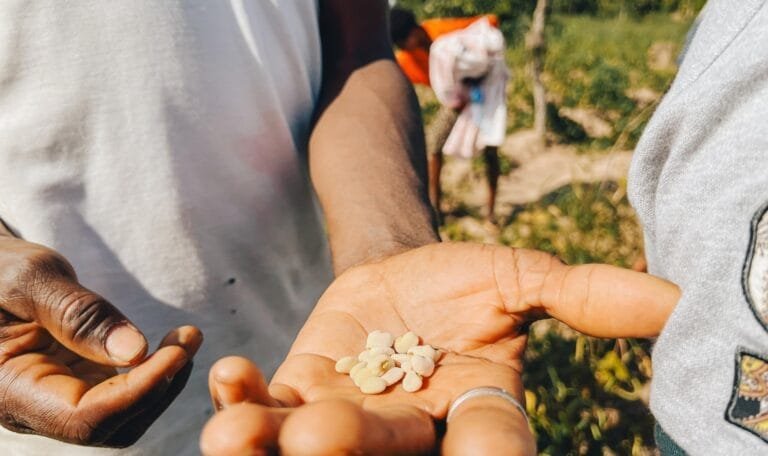

For many smallholder farmers across Northern Bauchi, a successful harvest begins with access to the right seed. Yet, sustainable access to quality seeds remains one of the biggest challenges limiting agricultural productivity, household incomes, and food security across the region.
A 2026 baseline study conducted under the Empowerment of Smallholder Farmers to Thrive and Build Climate Resilience through Regenerative Agriculture (ESTRRA) Project revealed that most farming communities in Northern Bauchi rely heavily on informal seed systems. The study found that 87% of seeds used by Community-Based Organisations (CBOs) come from farmer-saved or local seed sources, while only 12% originate from improved or certified sources supplied by research institutes, certified seed companies, government programmes, or development projects.
The assessment also revealed that only 22% of CBOs had ever accessed Early Generation Seeds (EGS), the foundation for producing certified quality seed, while 78% had never purchased them. At household level, 71% of smallholder farmers cultivate only local crop varieties, with just 5% growing three to five improved varieties. In addition, more than half (50.7%) of CBOs had not received any agricultural training in the previous two years, limiting their capacity to support farmers with improved technologies and practices.
These findings help explain why many farming communities continue to experience low yields, poor crop performance, and limited resilience to pests, diseases, and climate change.
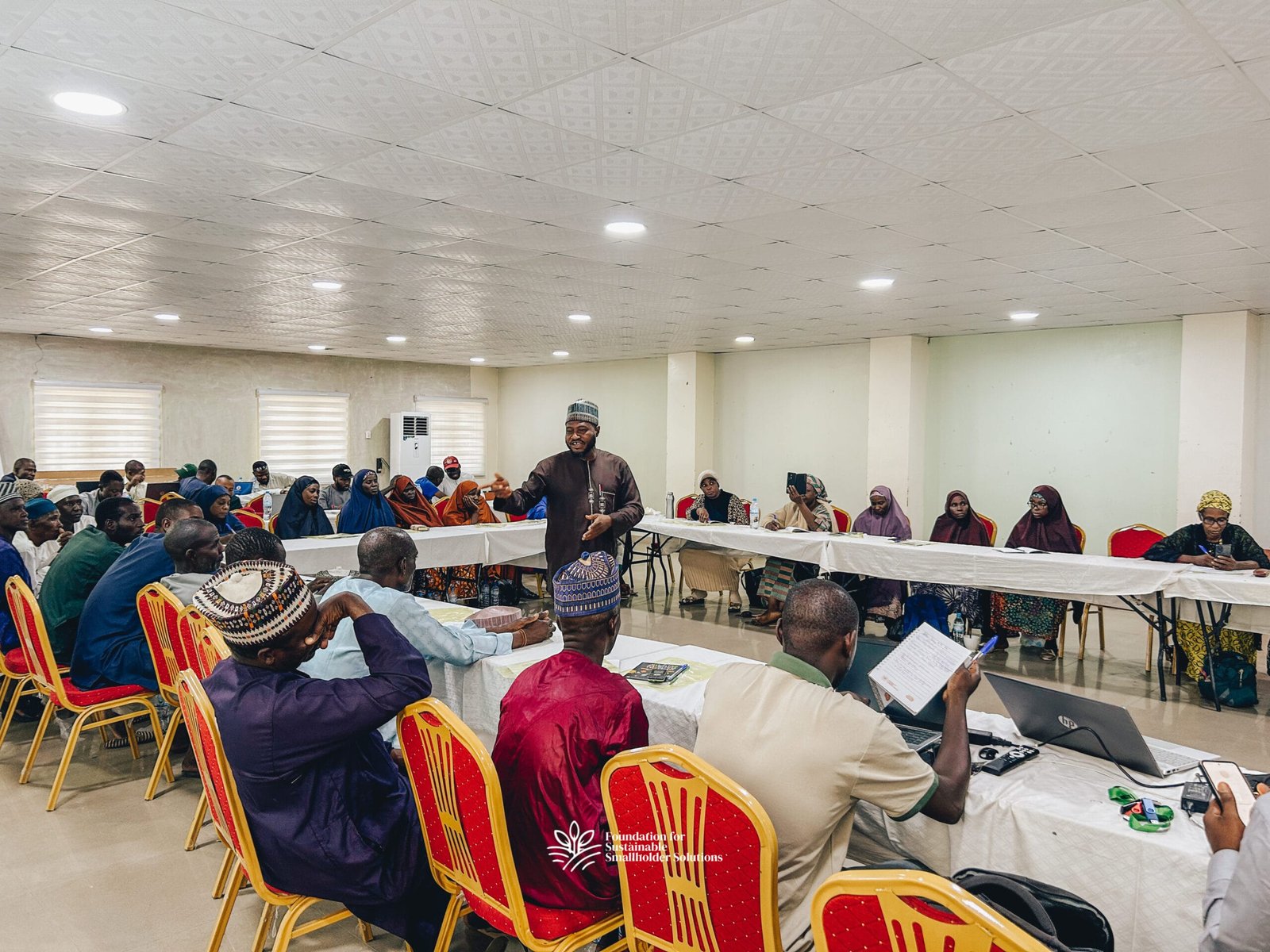
To address these challenges, the Foundation for Sustainable Smallholder Solutions (FSSS), with funding from the HEINEKEN Africa Foundation (HAF), organised a two-day training on improved seed production technologies for Community-Based Seed Producers. The training was designed to strengthen community seed systems rather than simply improve access to seed. Instead, it focused on building local institutions capable of producing, managing, and sustaining quality planting materials for future generations.
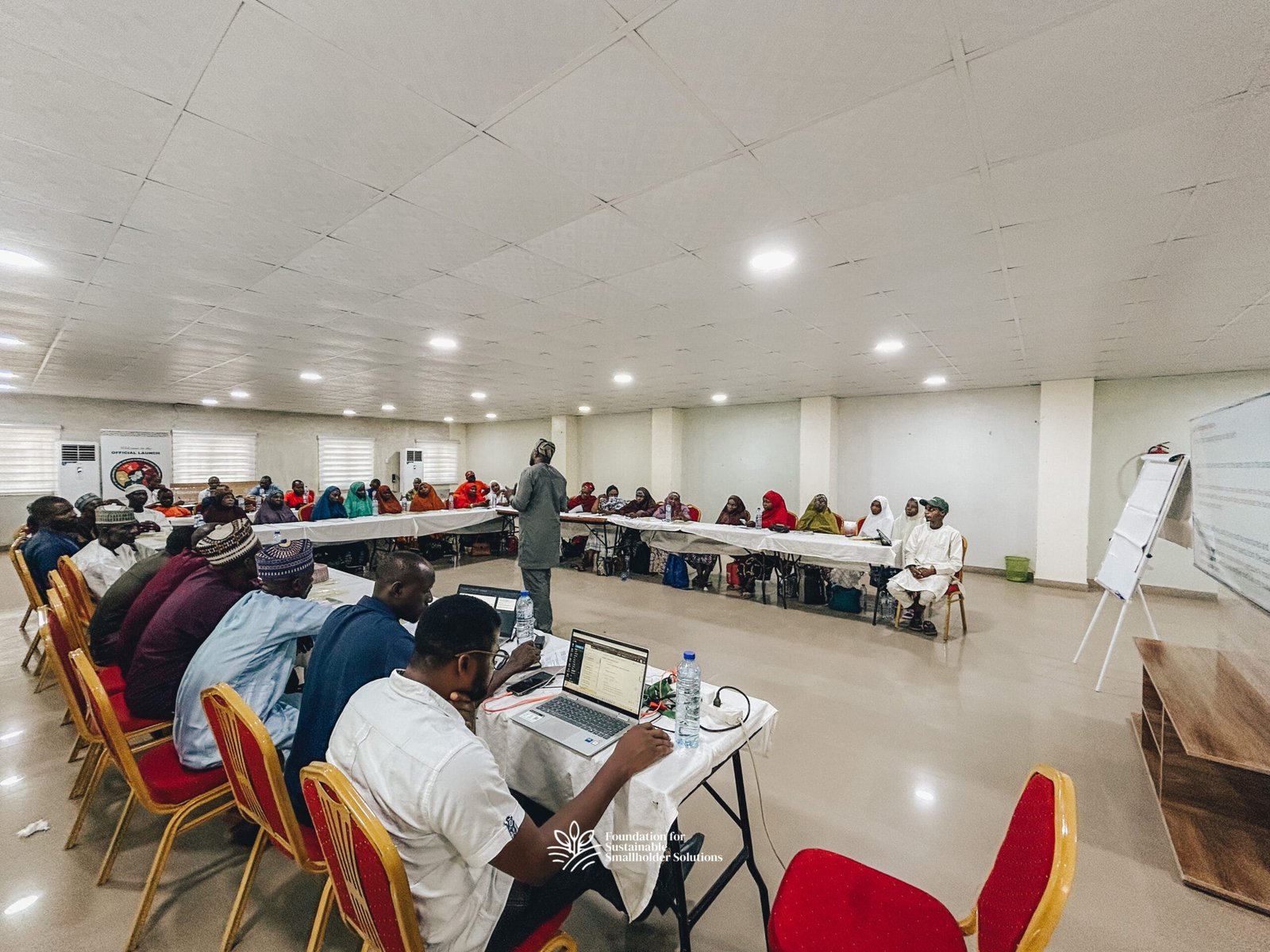
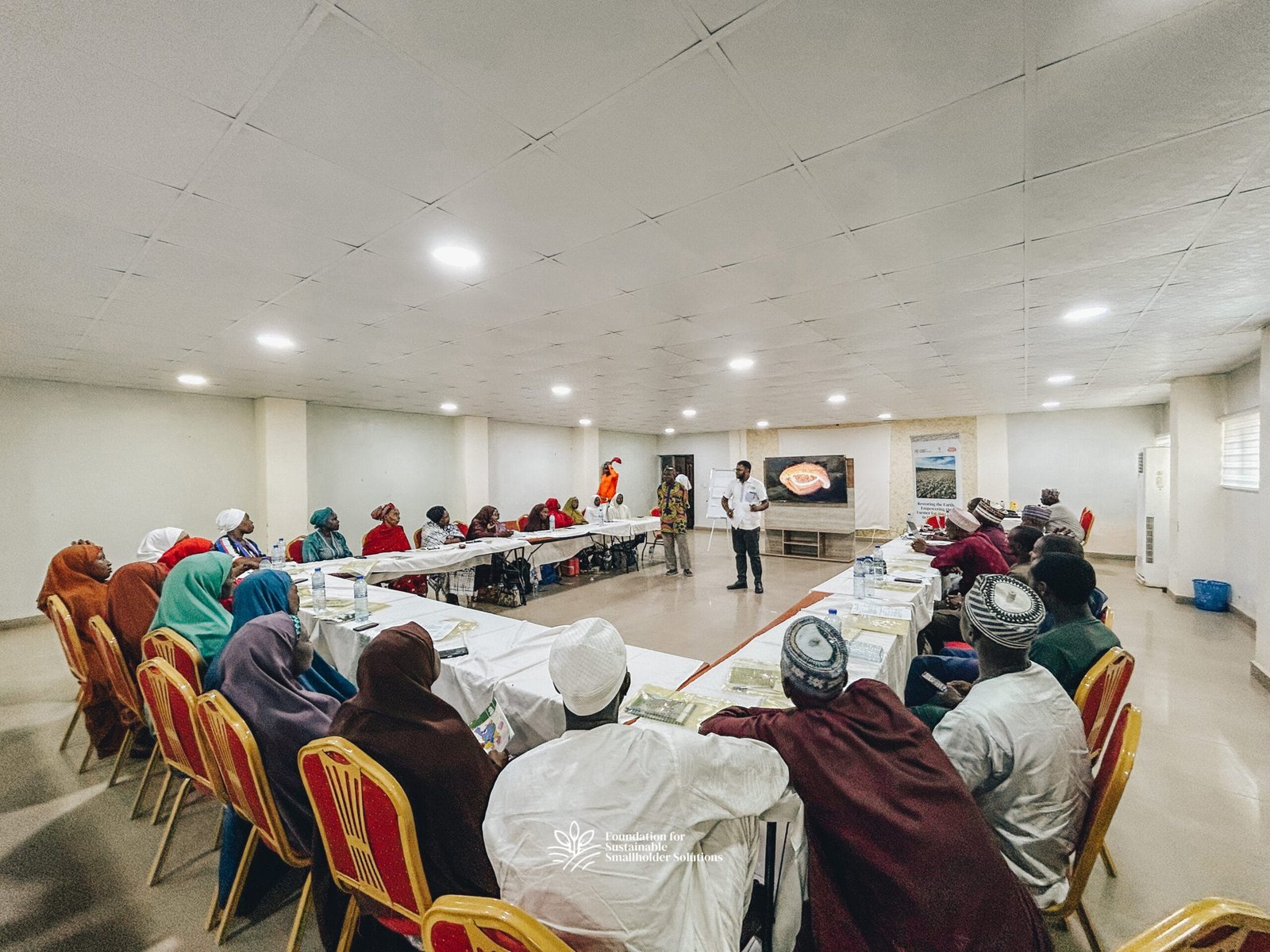
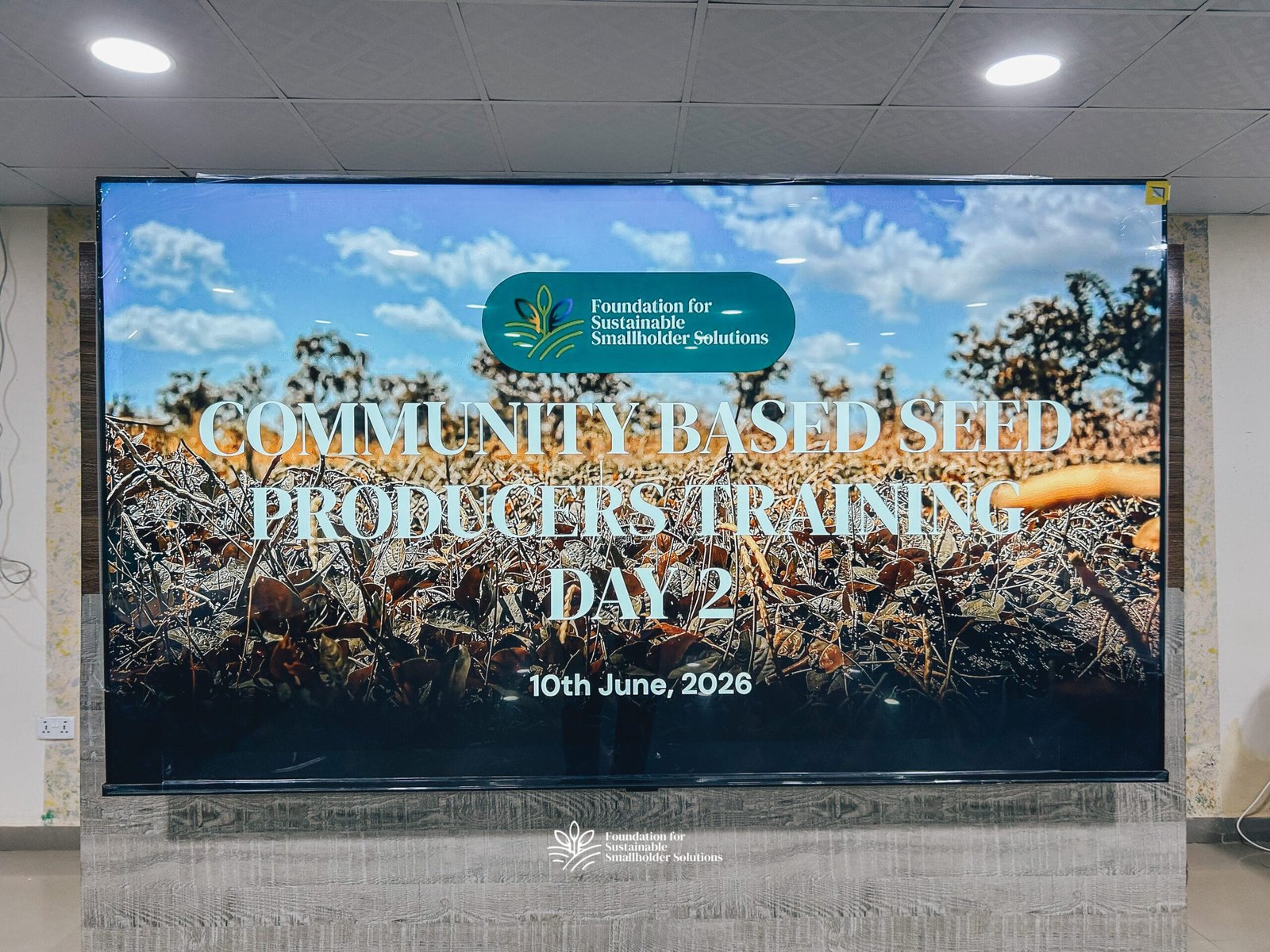
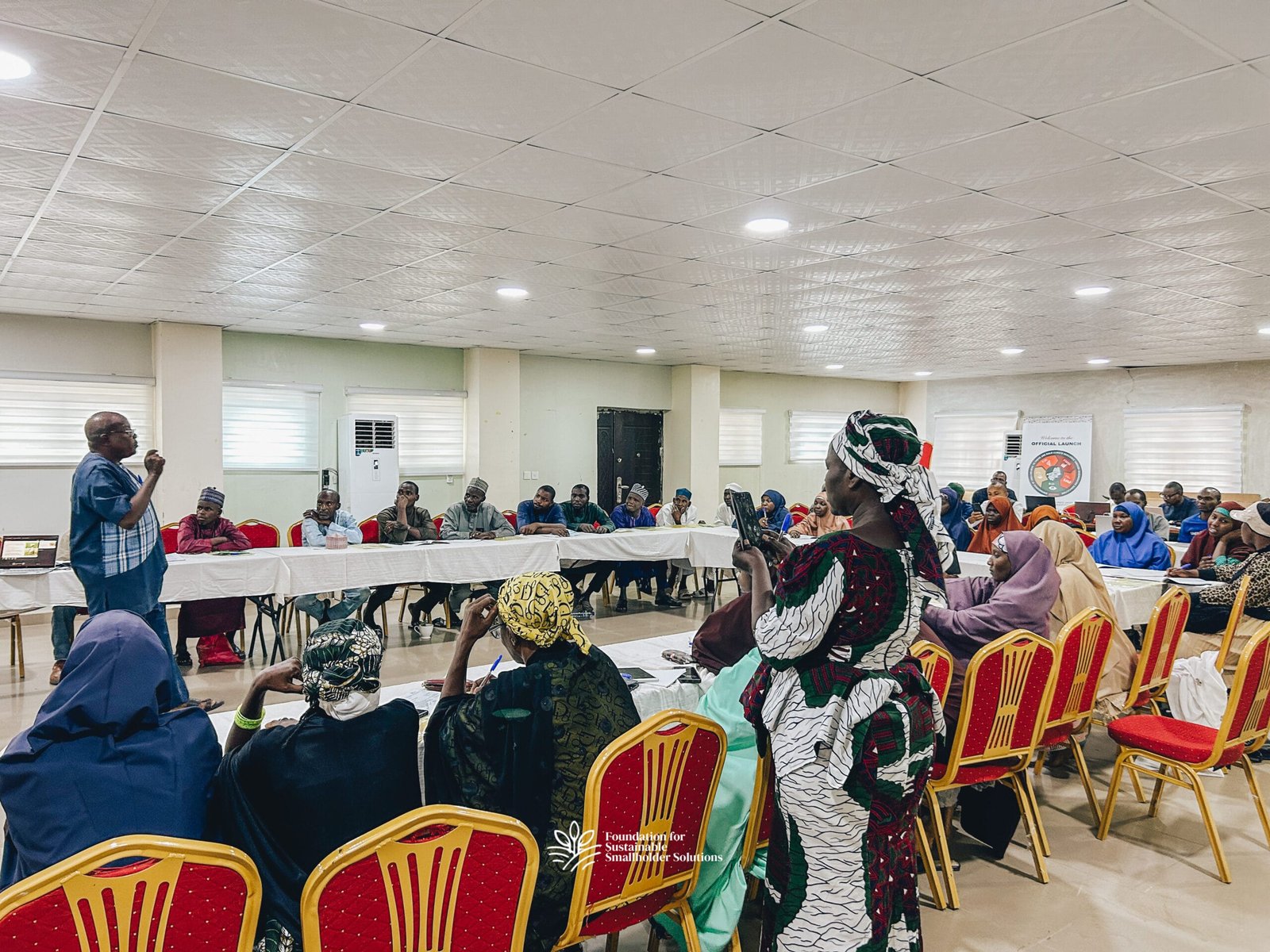
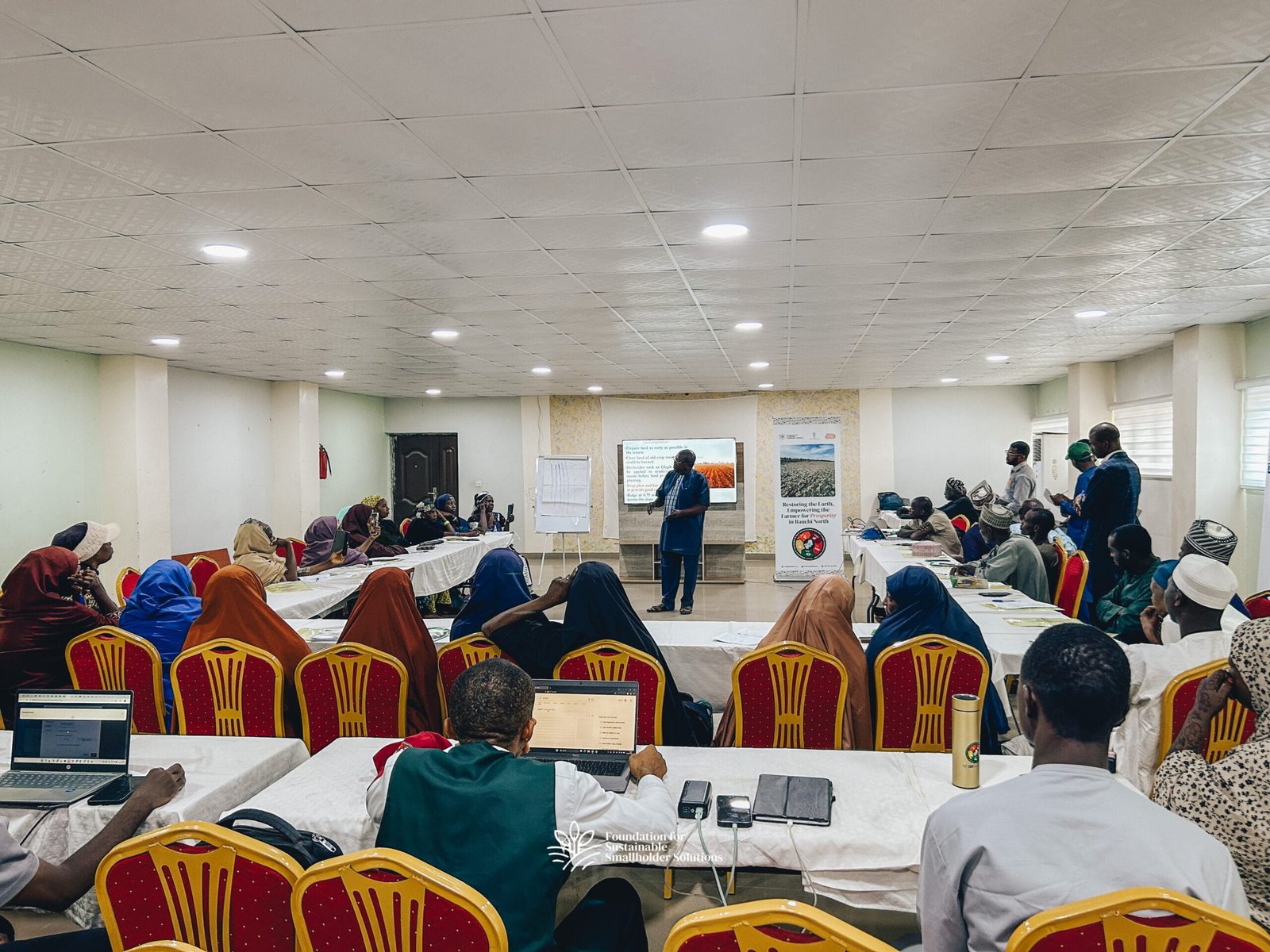
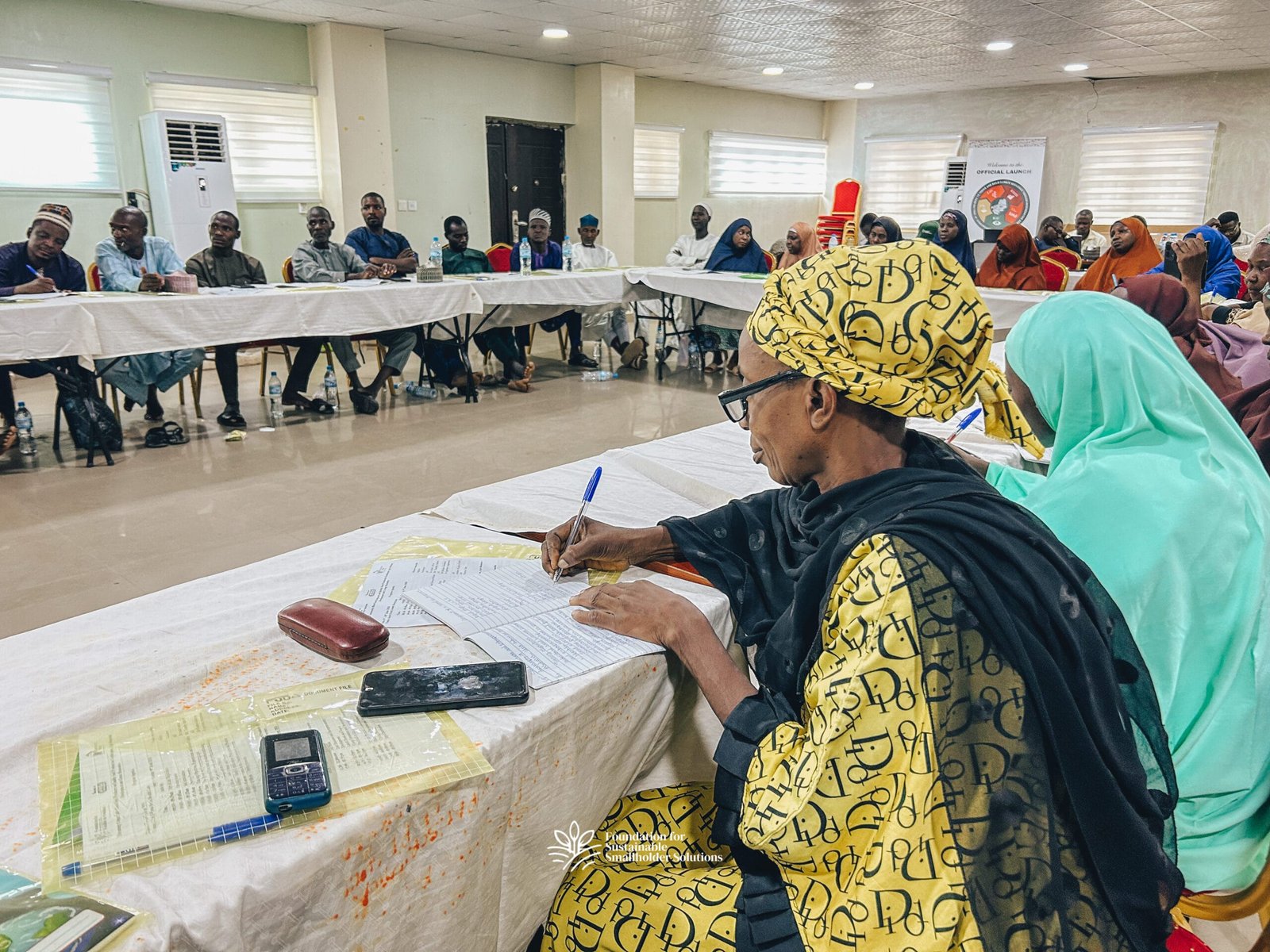
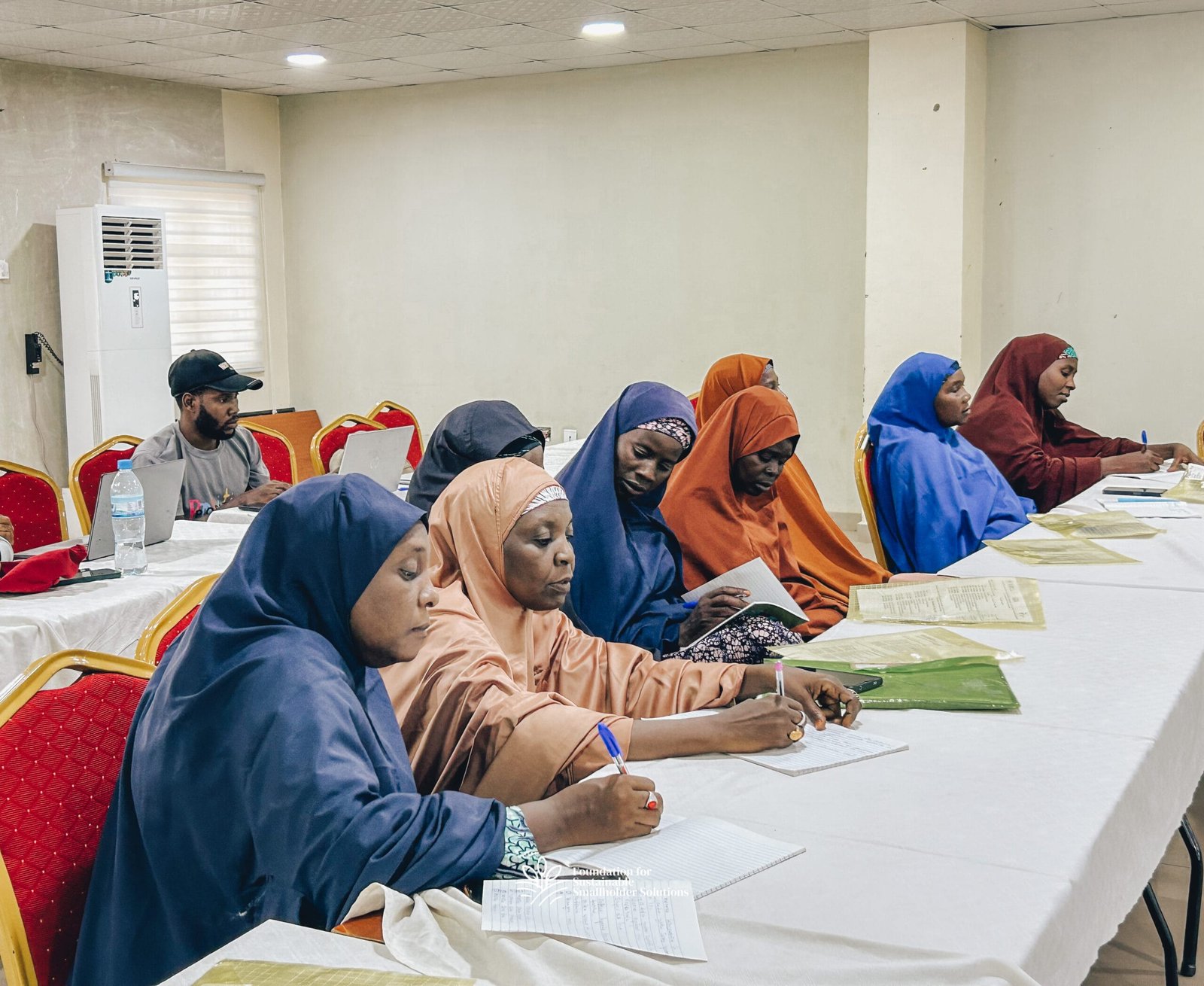
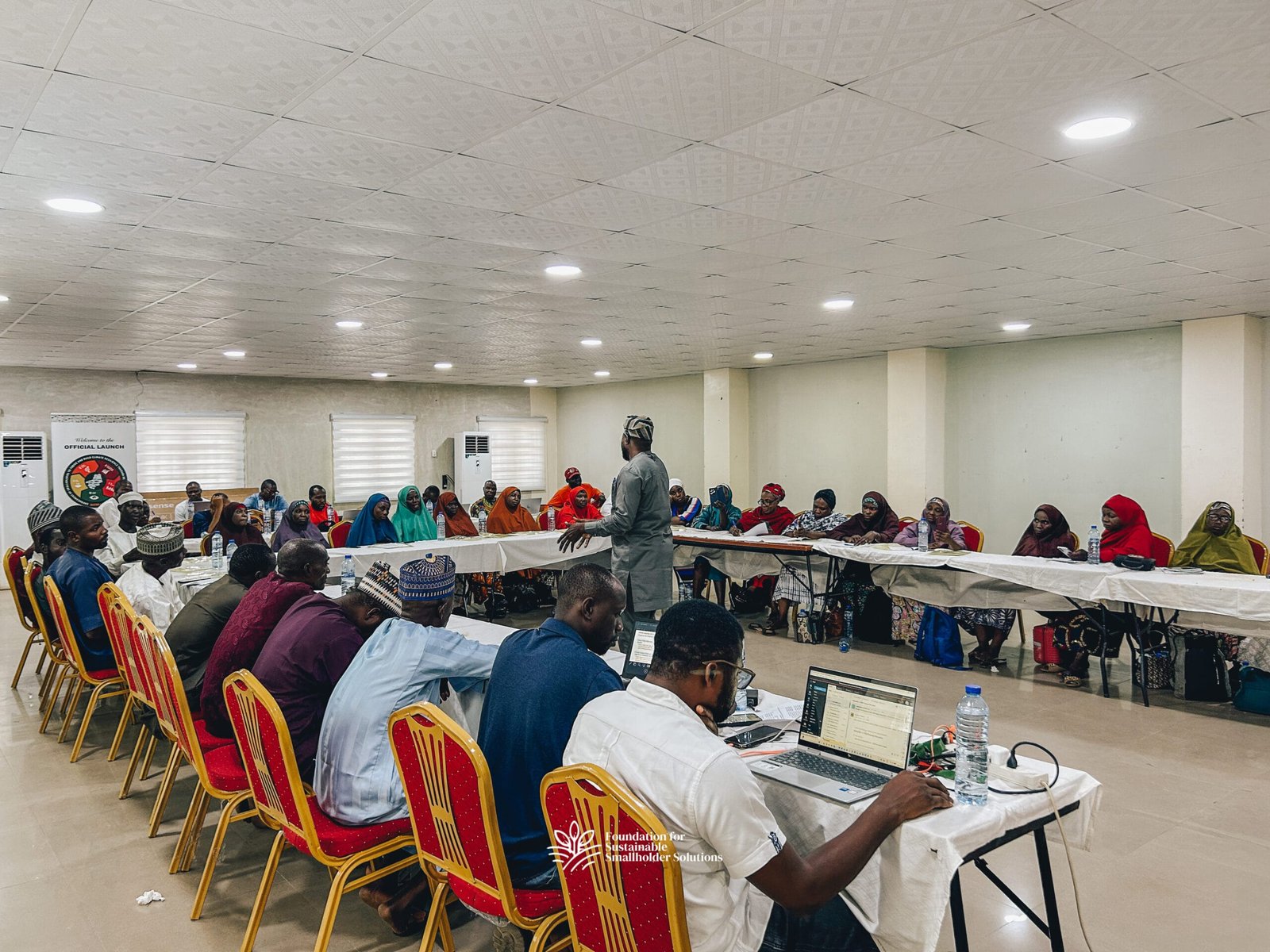
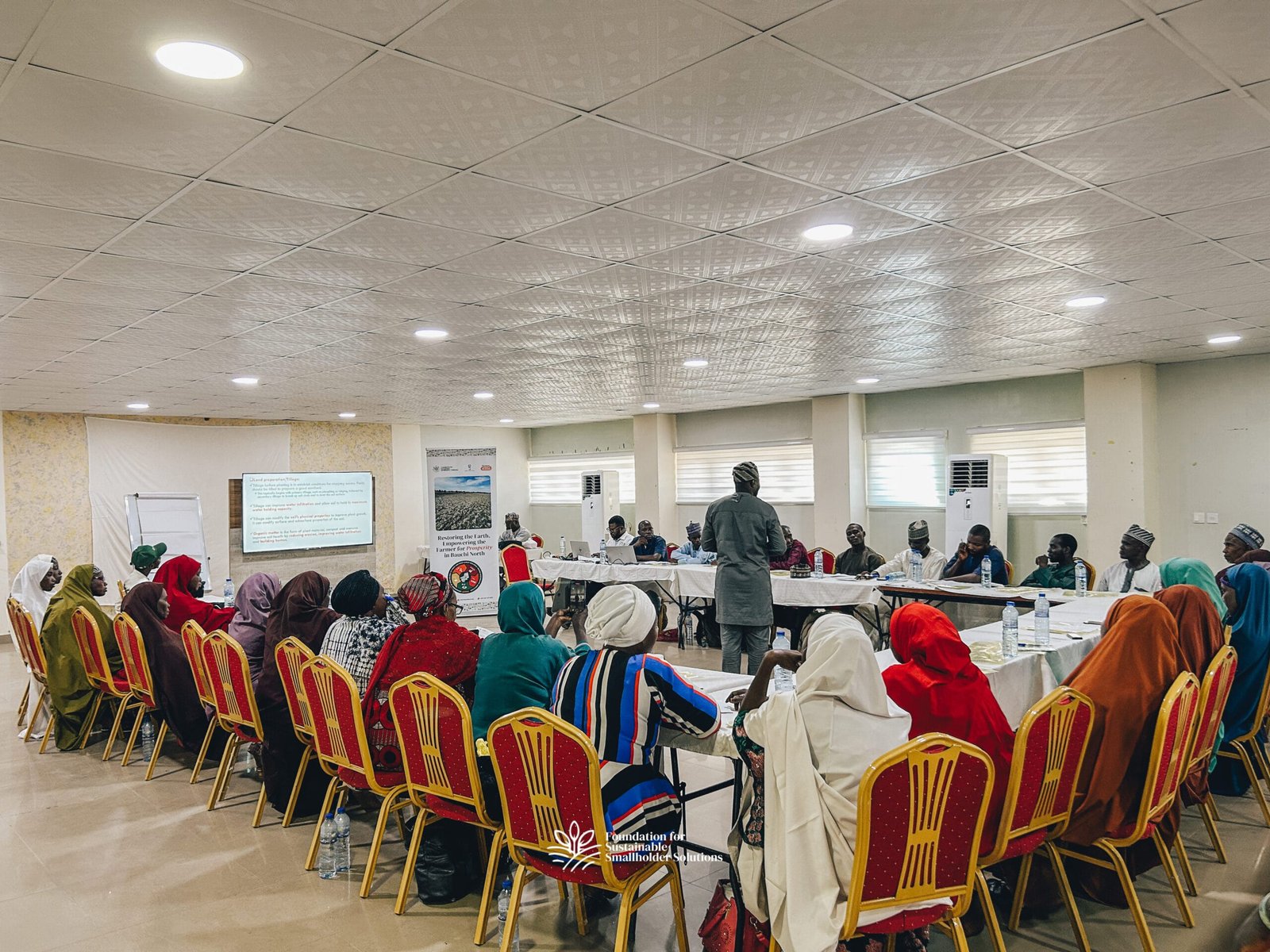
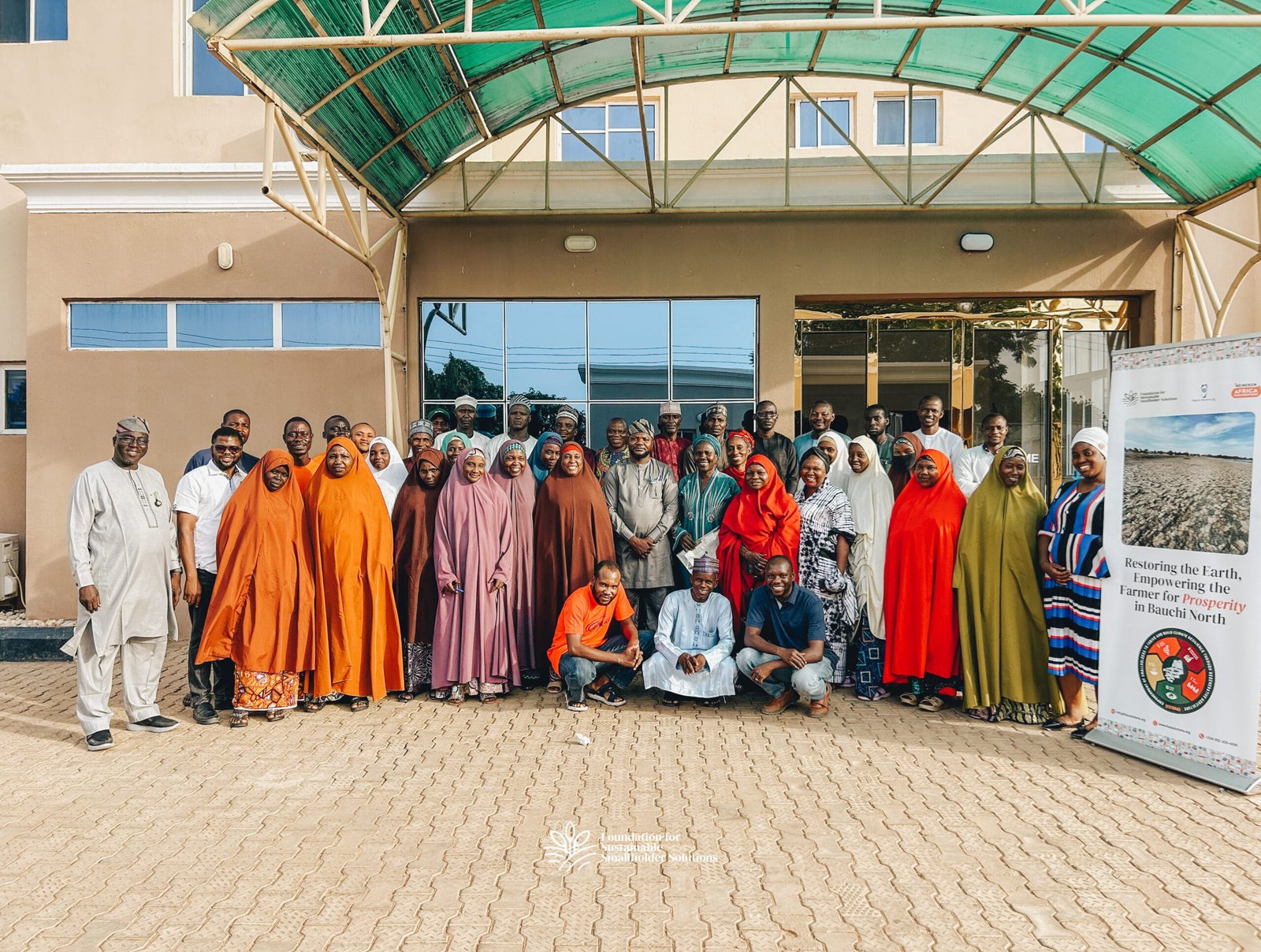
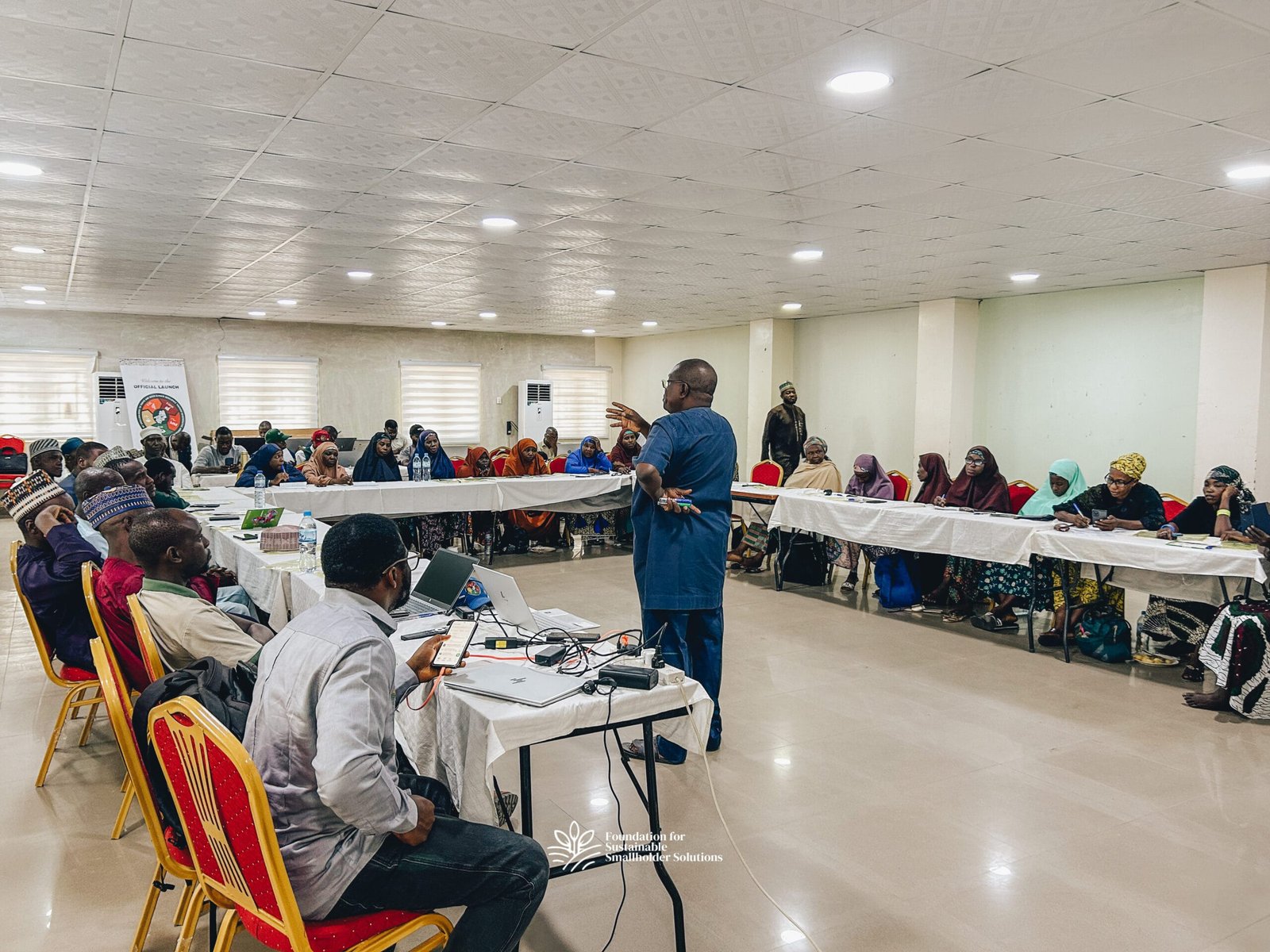
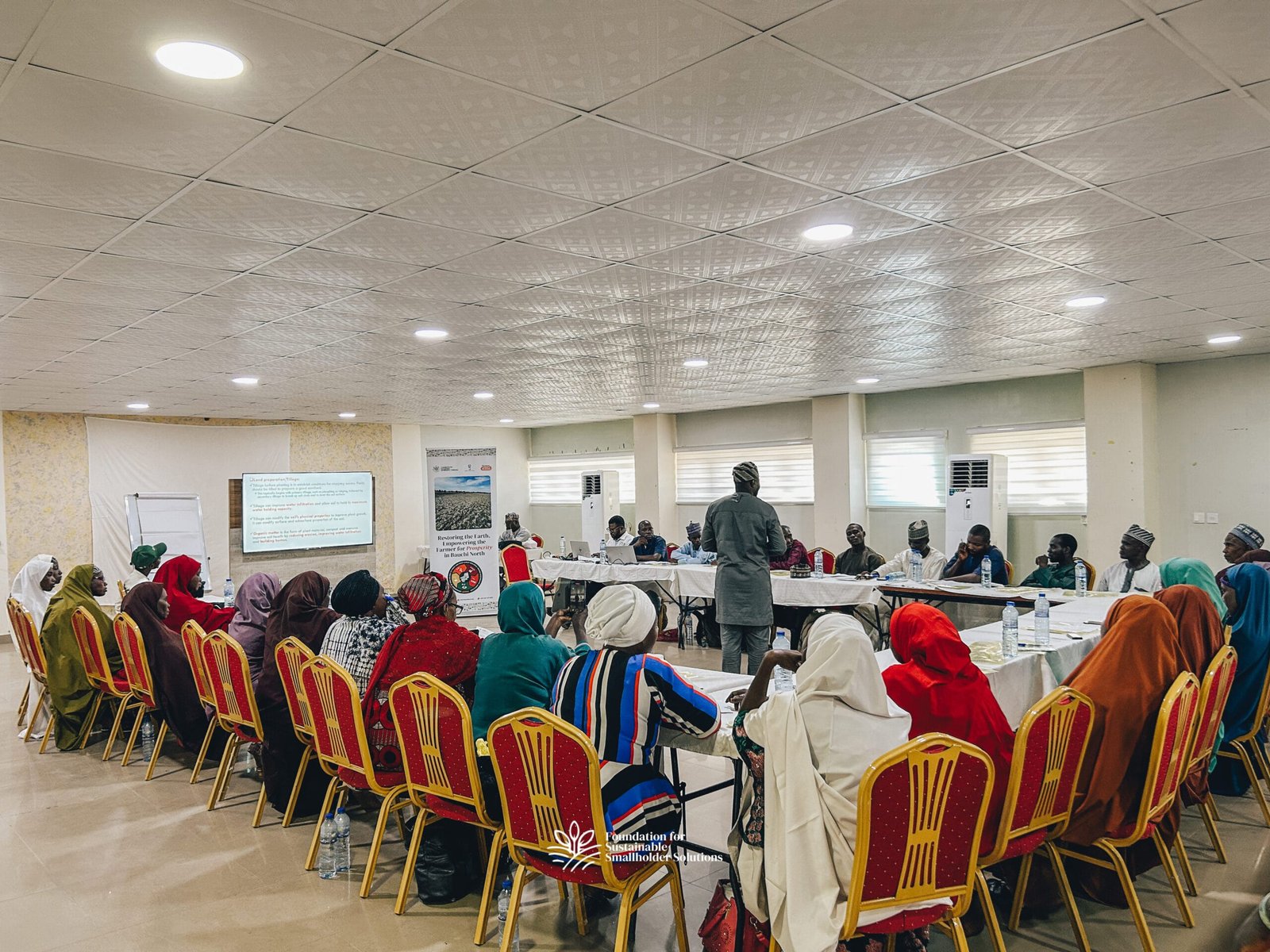
Held from 9 to 10 June 2026 at Jamil Hotel and Towers, Azare, the training brought together 28 representatives from seven CBOs across the project’s beneficiary Local Government Areas in Bauchi North.

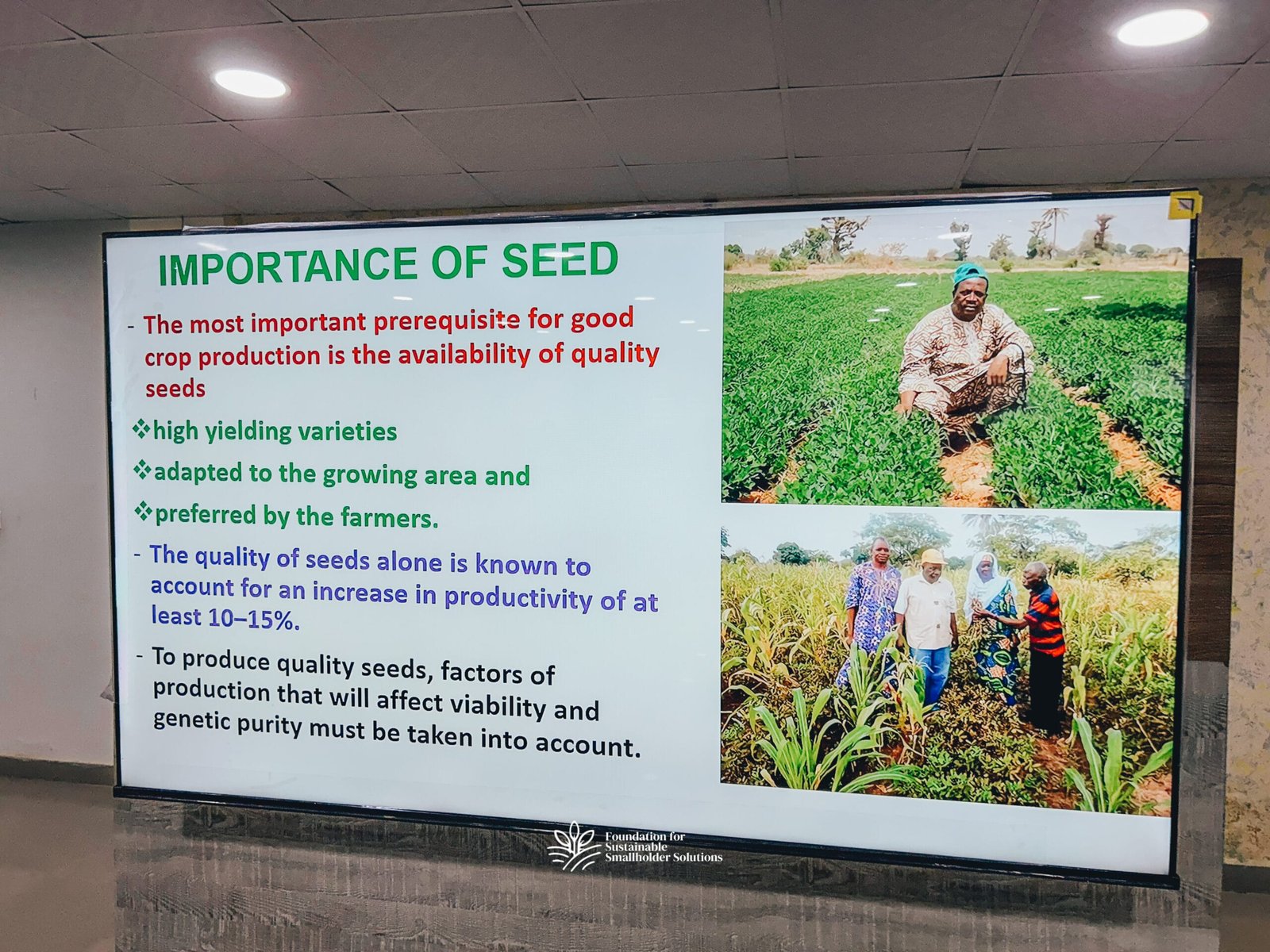
Recognising that quality seed forms the foundation of productive agriculture, the training was designed to equip CBOs with the technical knowledge and practical skills required to establish community-led seed production enterprises capable of serving farmers within their own communities.
Unlike conventional interventions that rely primarily on external seed suppliers, the ESTRRA Project is investing in local organisations that understand the needs of their communities and can continue producing improved planting materials year after year. Through this approach, CBOs become trusted local institutions that improve farmers’ access to certified seed, technical knowledge, and agricultural opportunities.
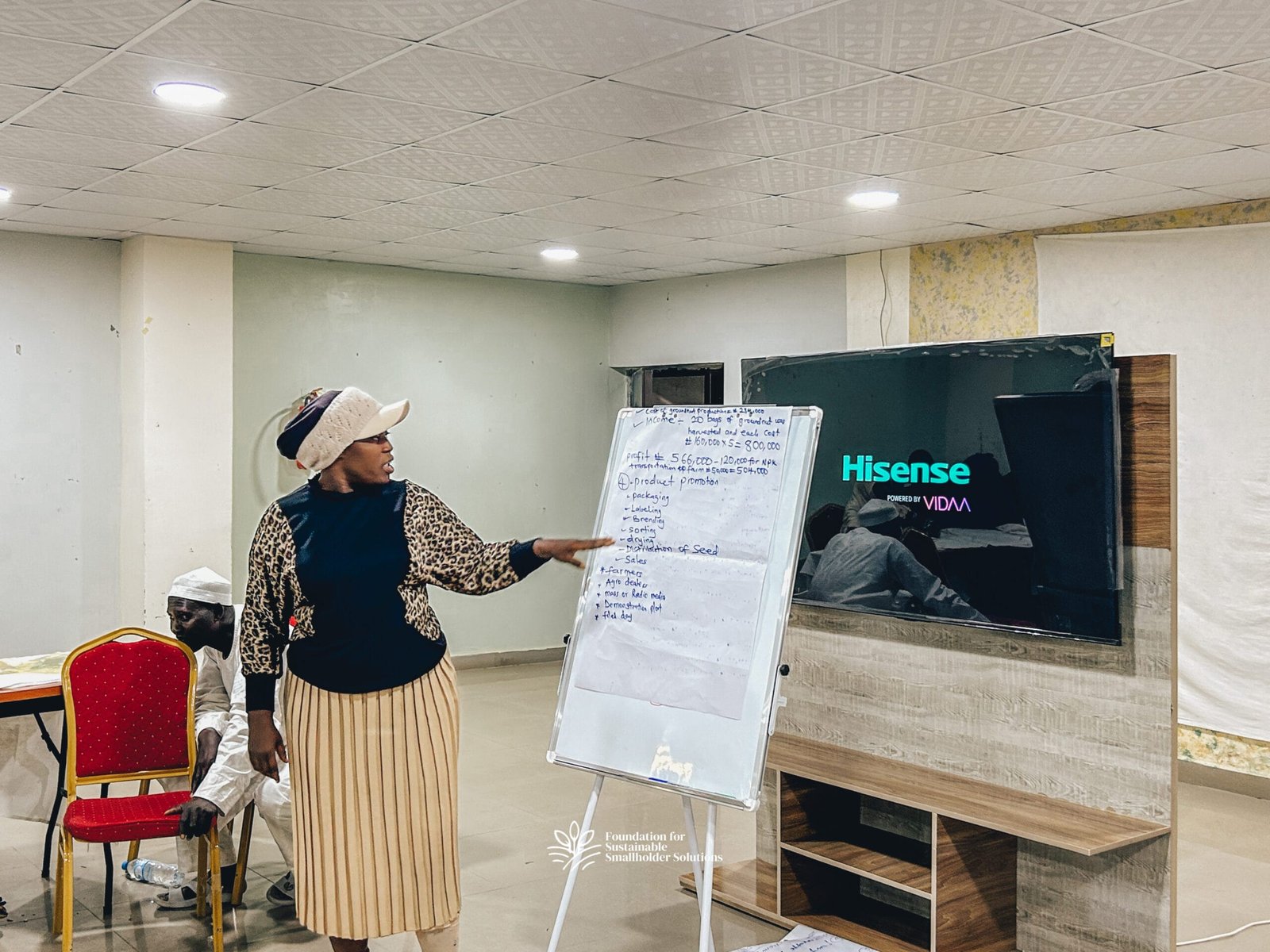
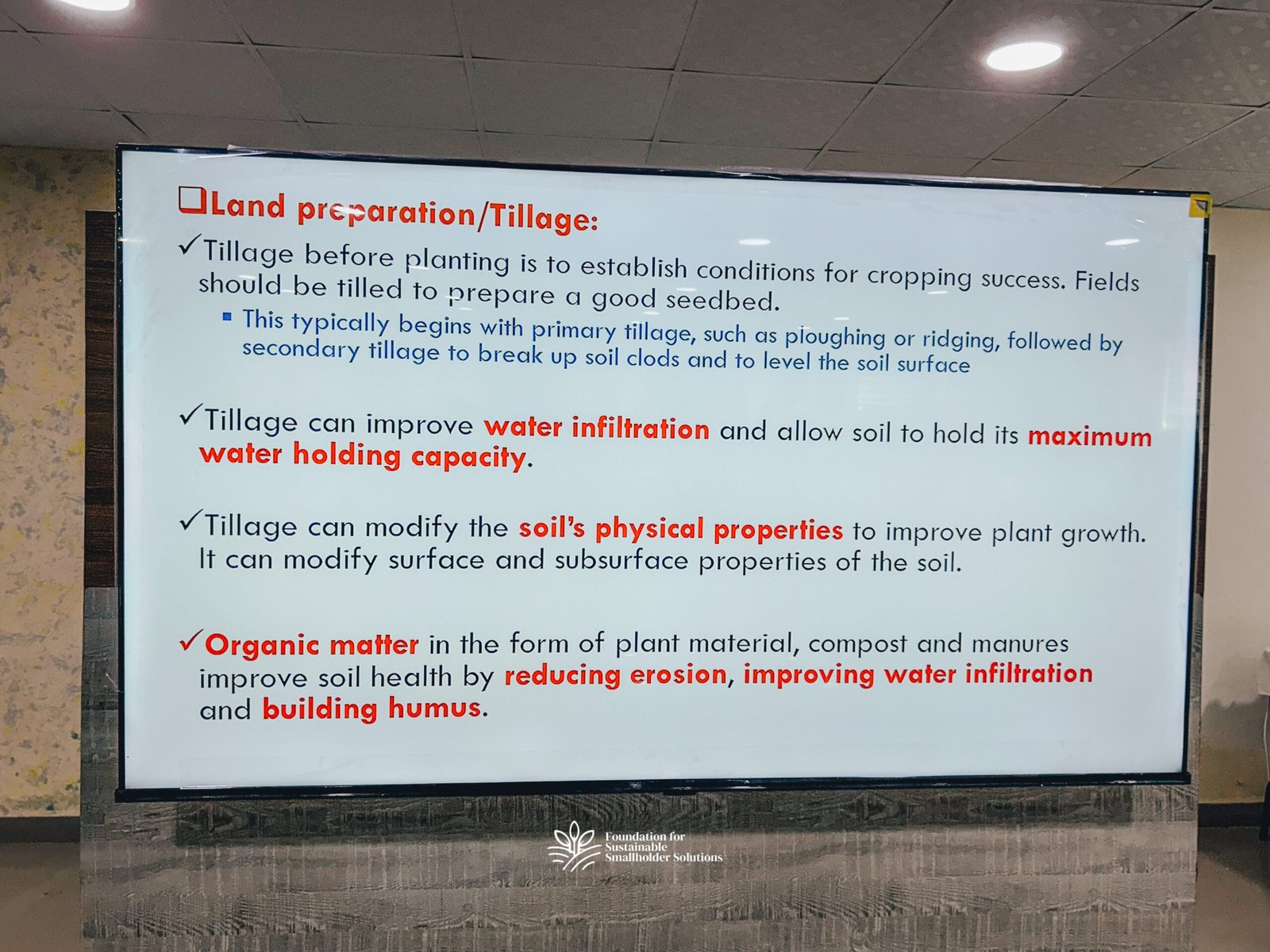
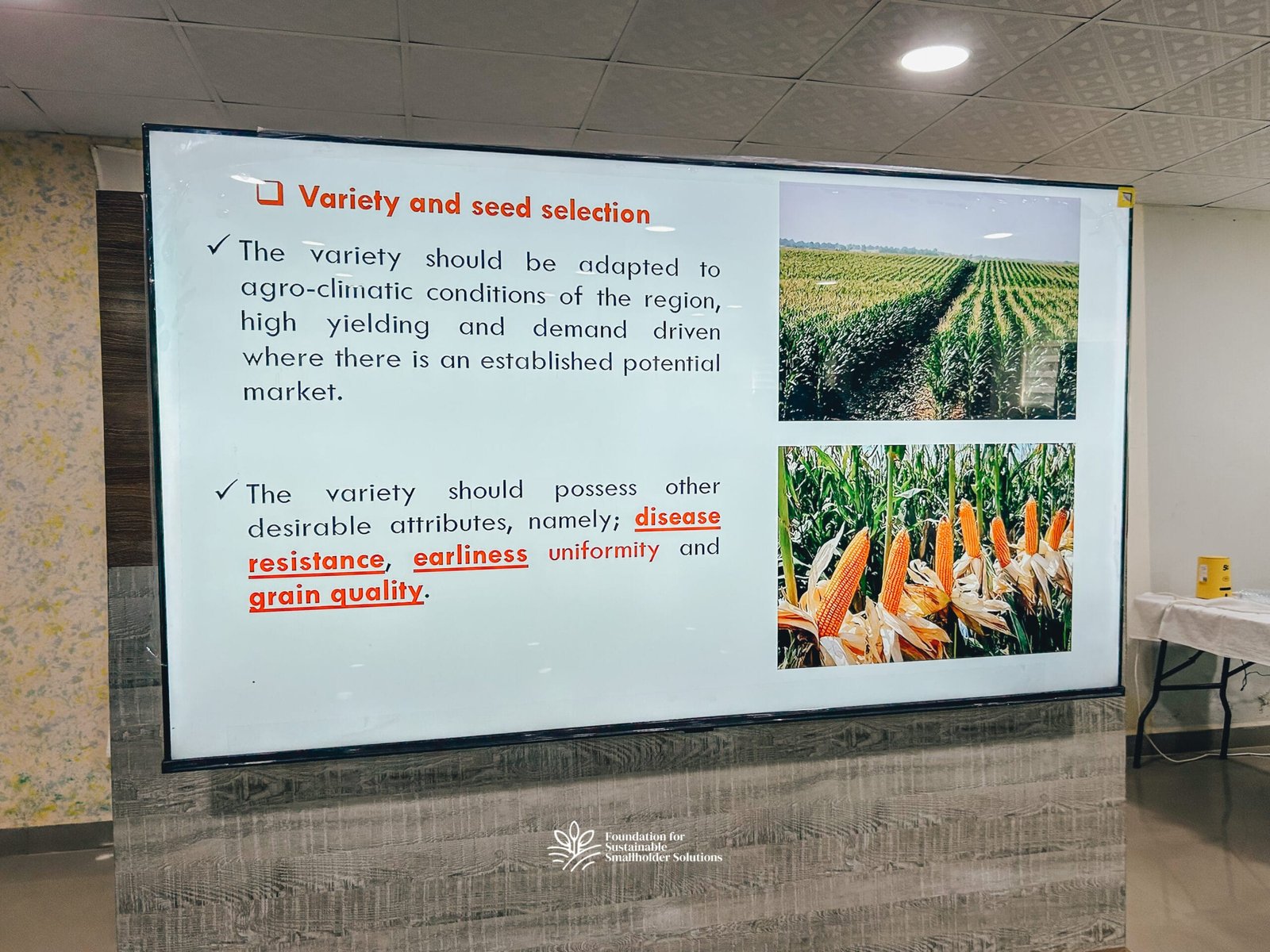
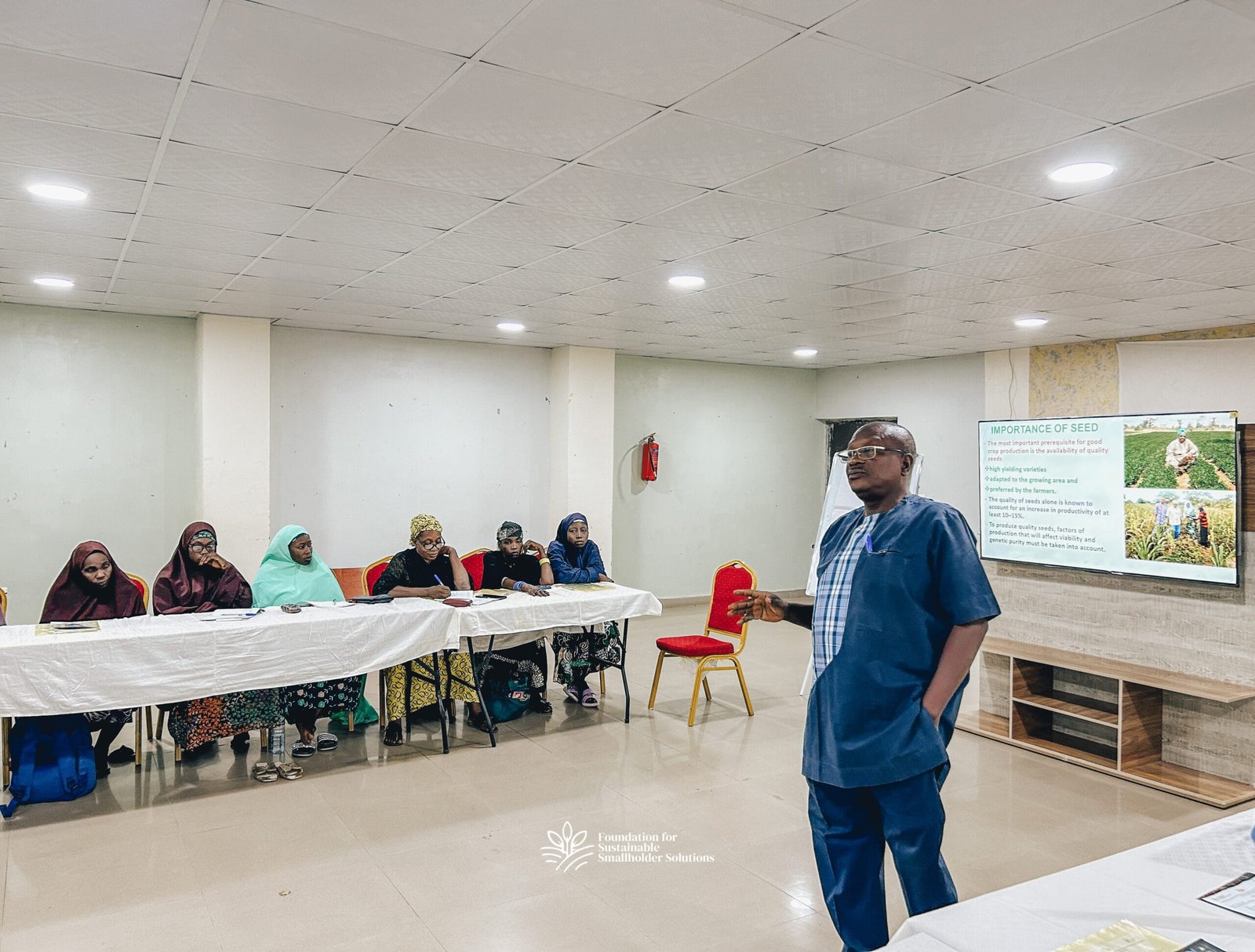
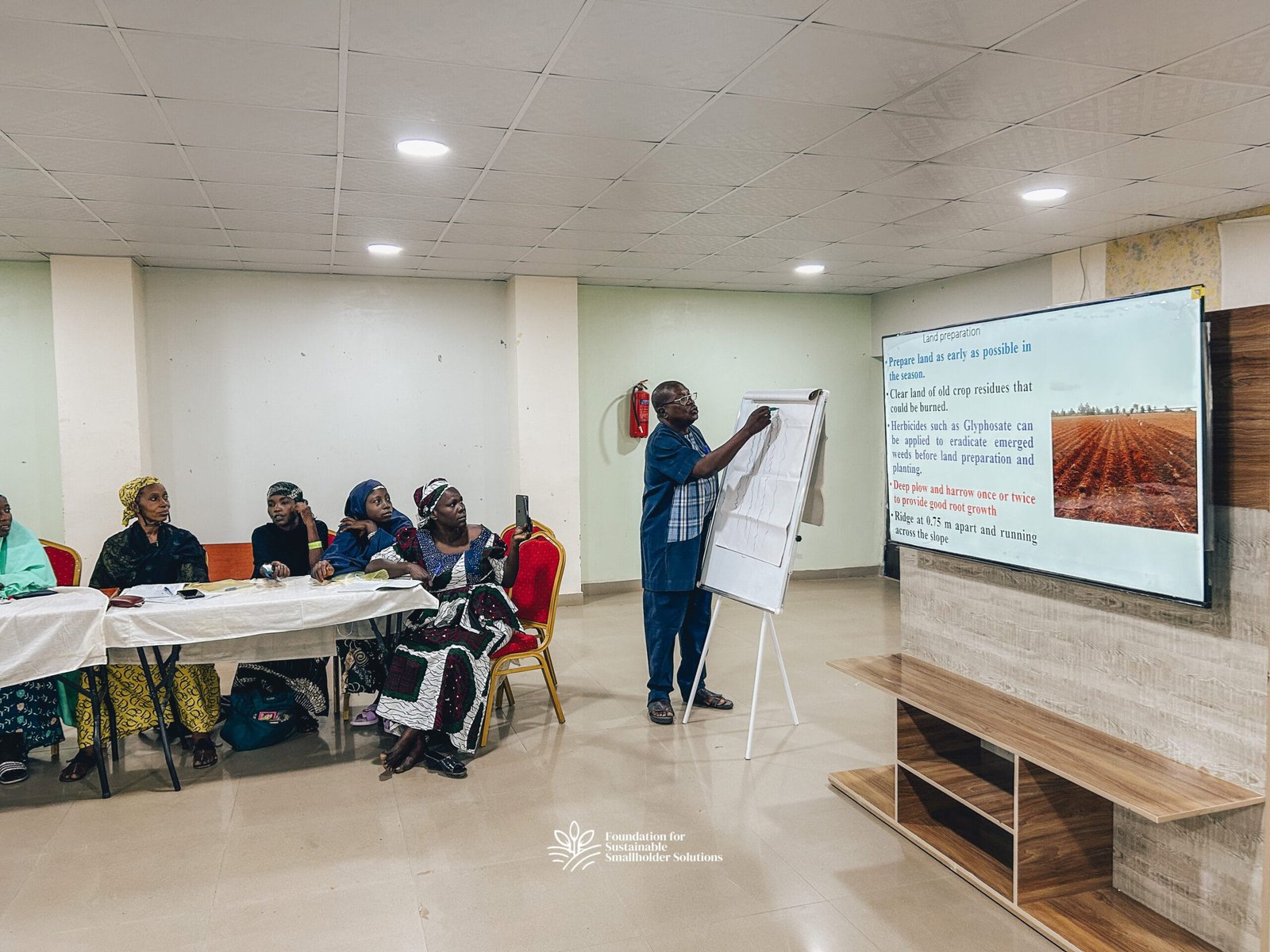
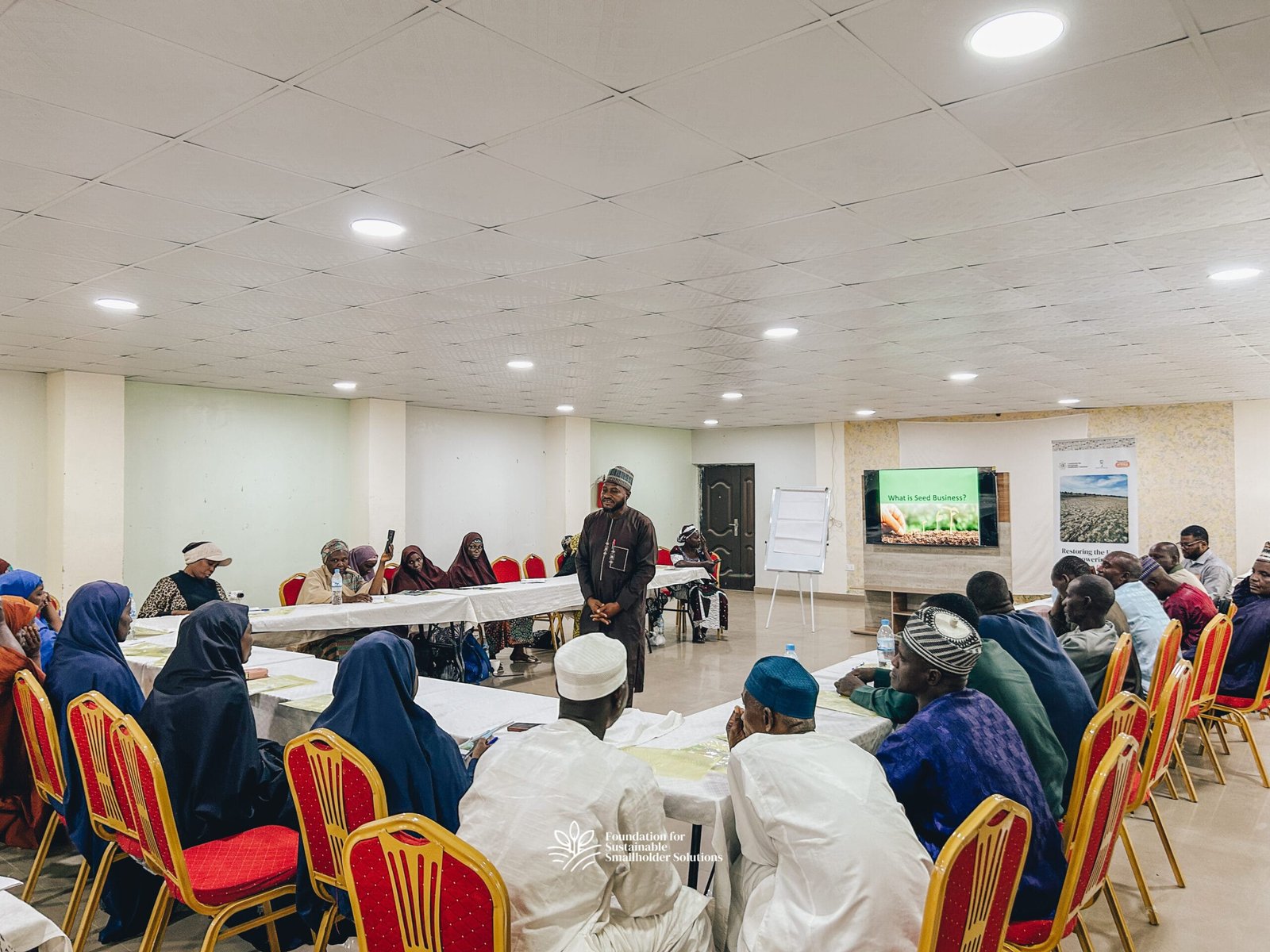
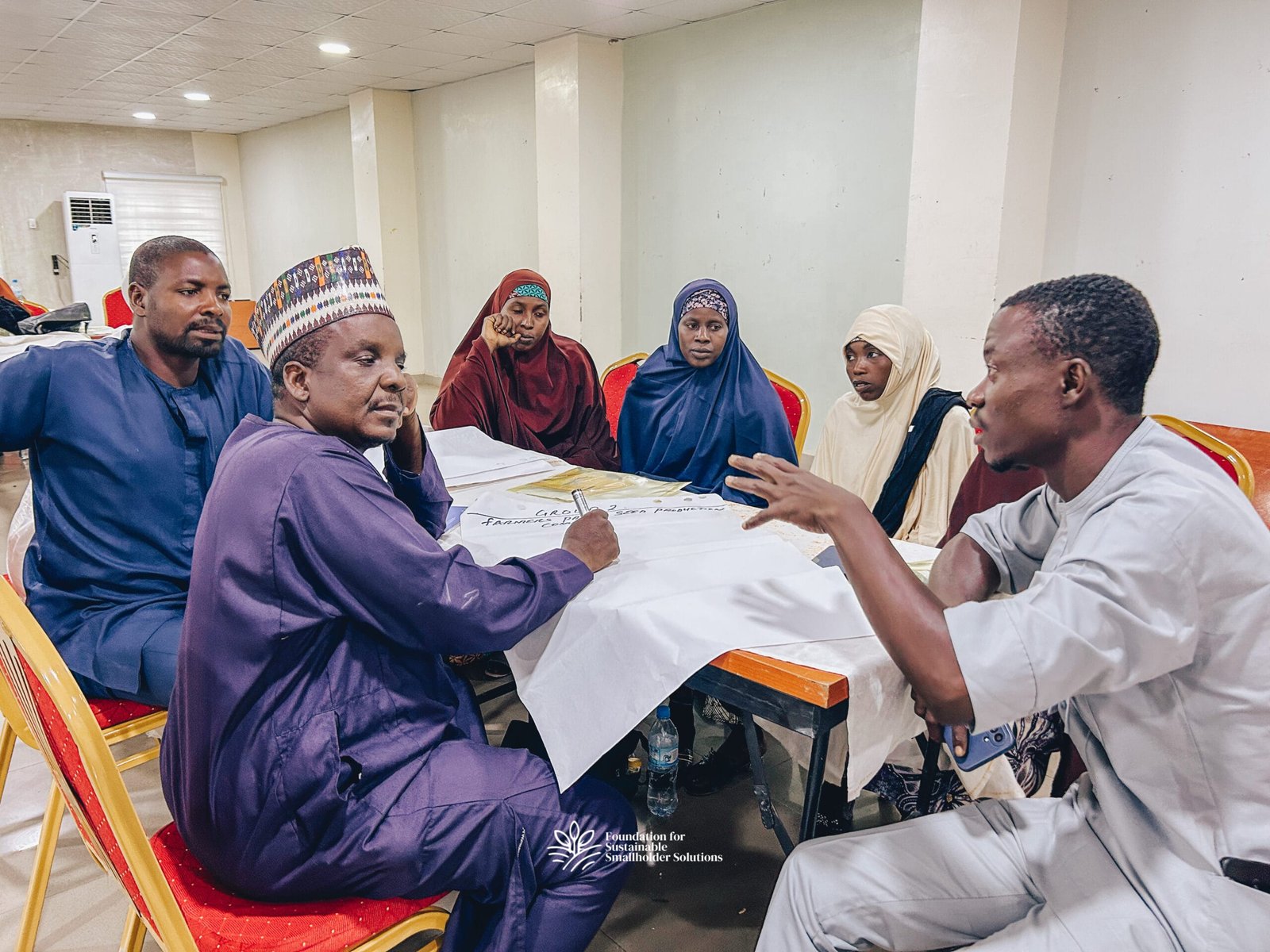
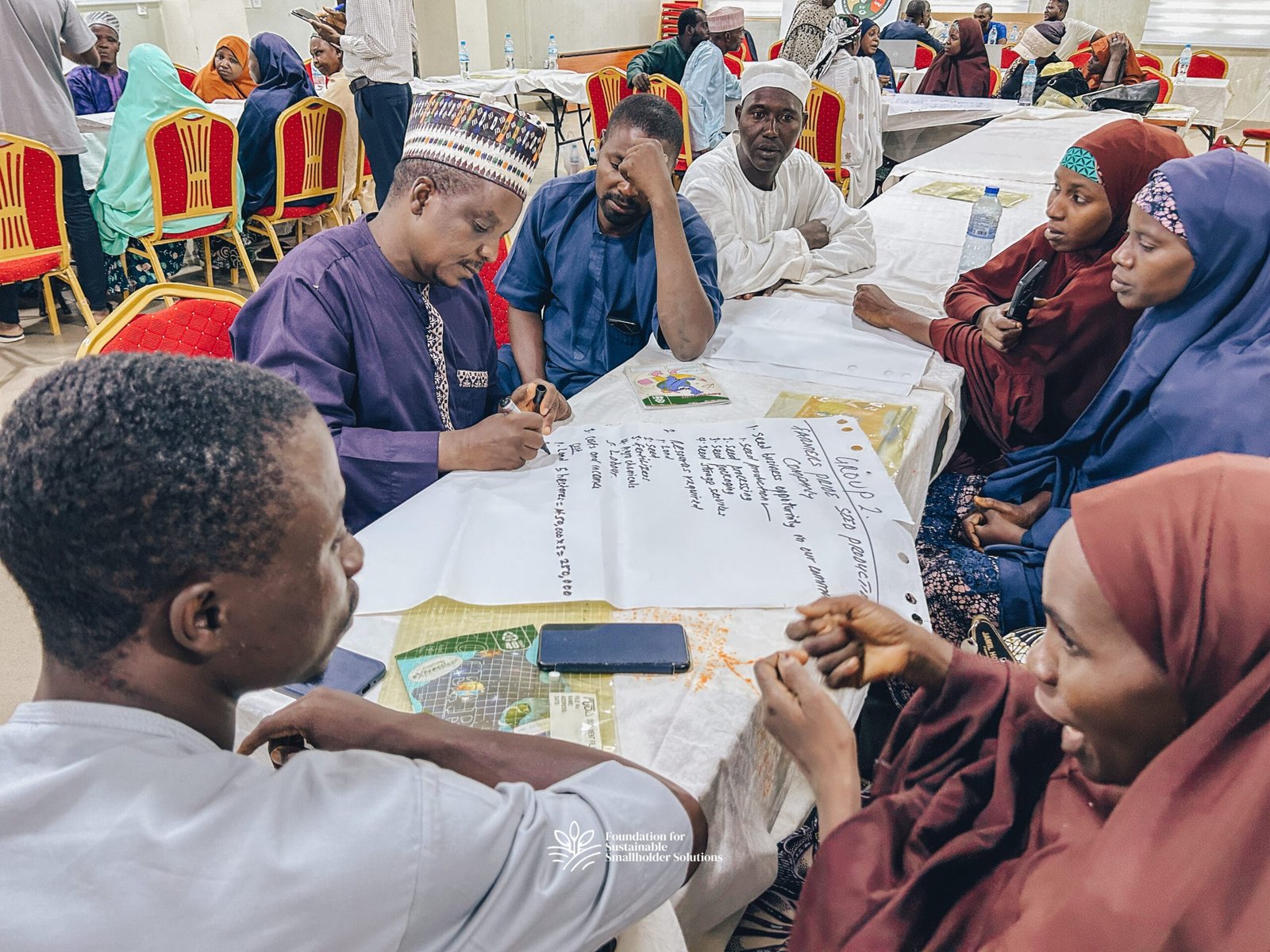
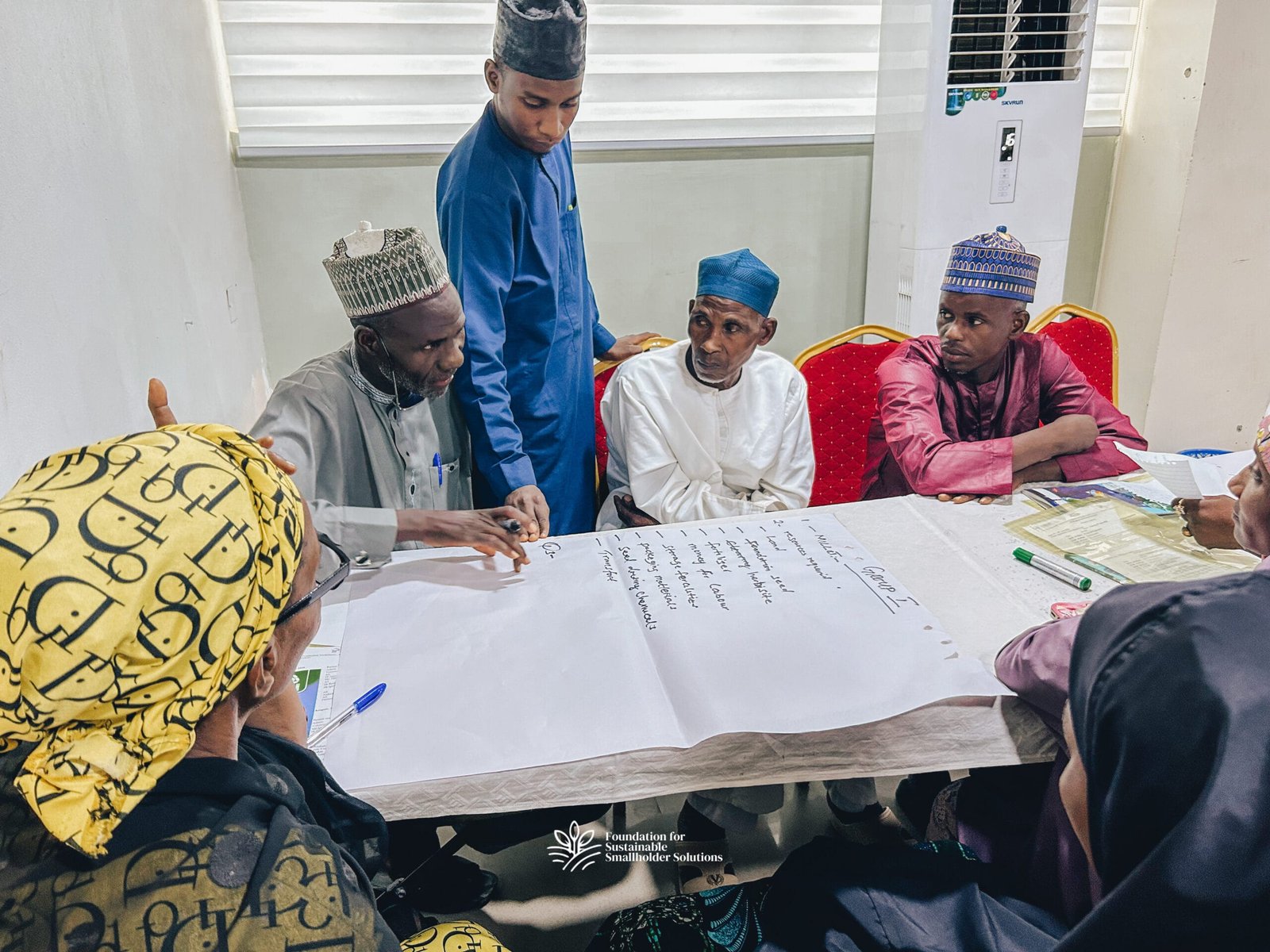
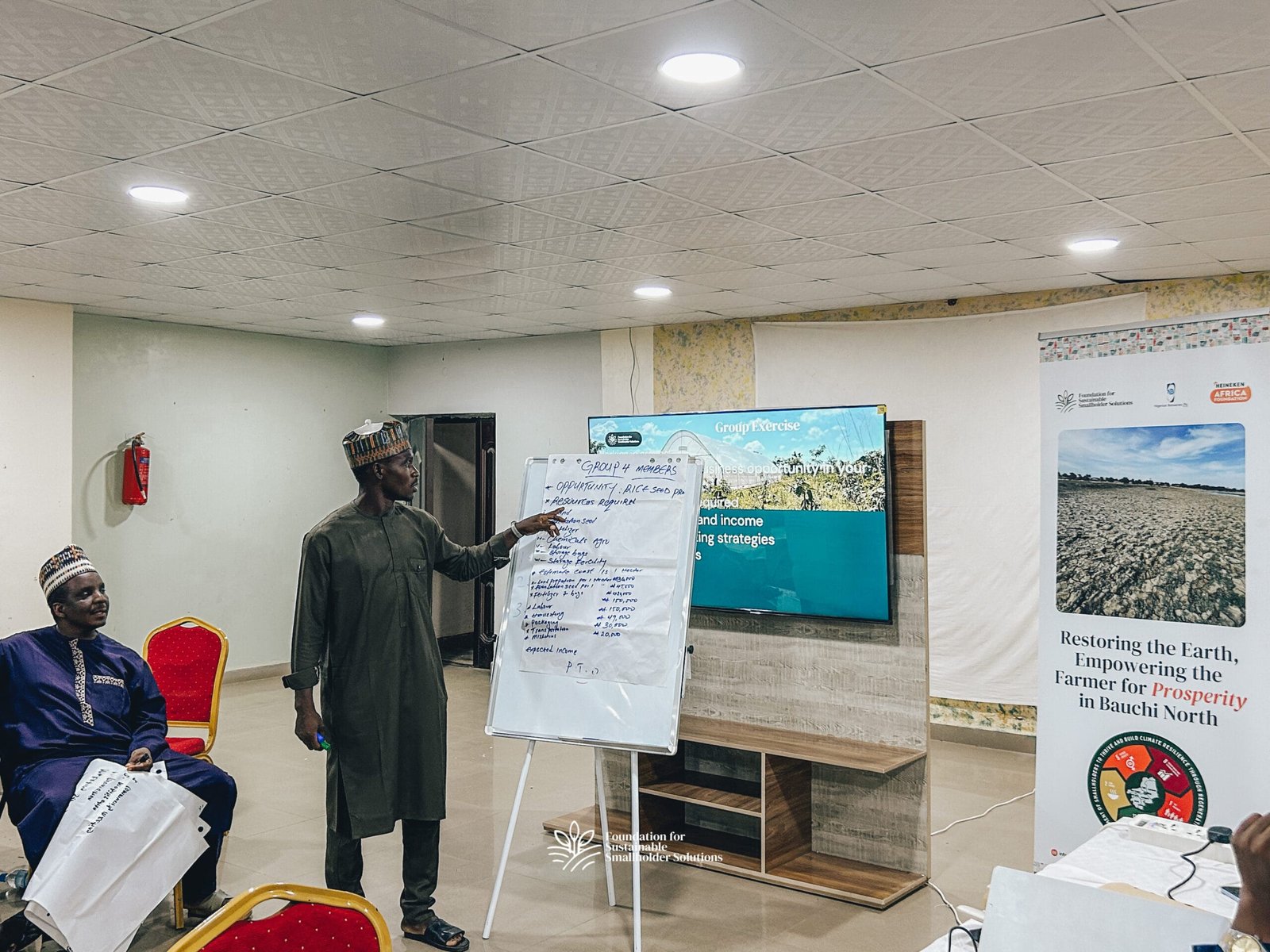
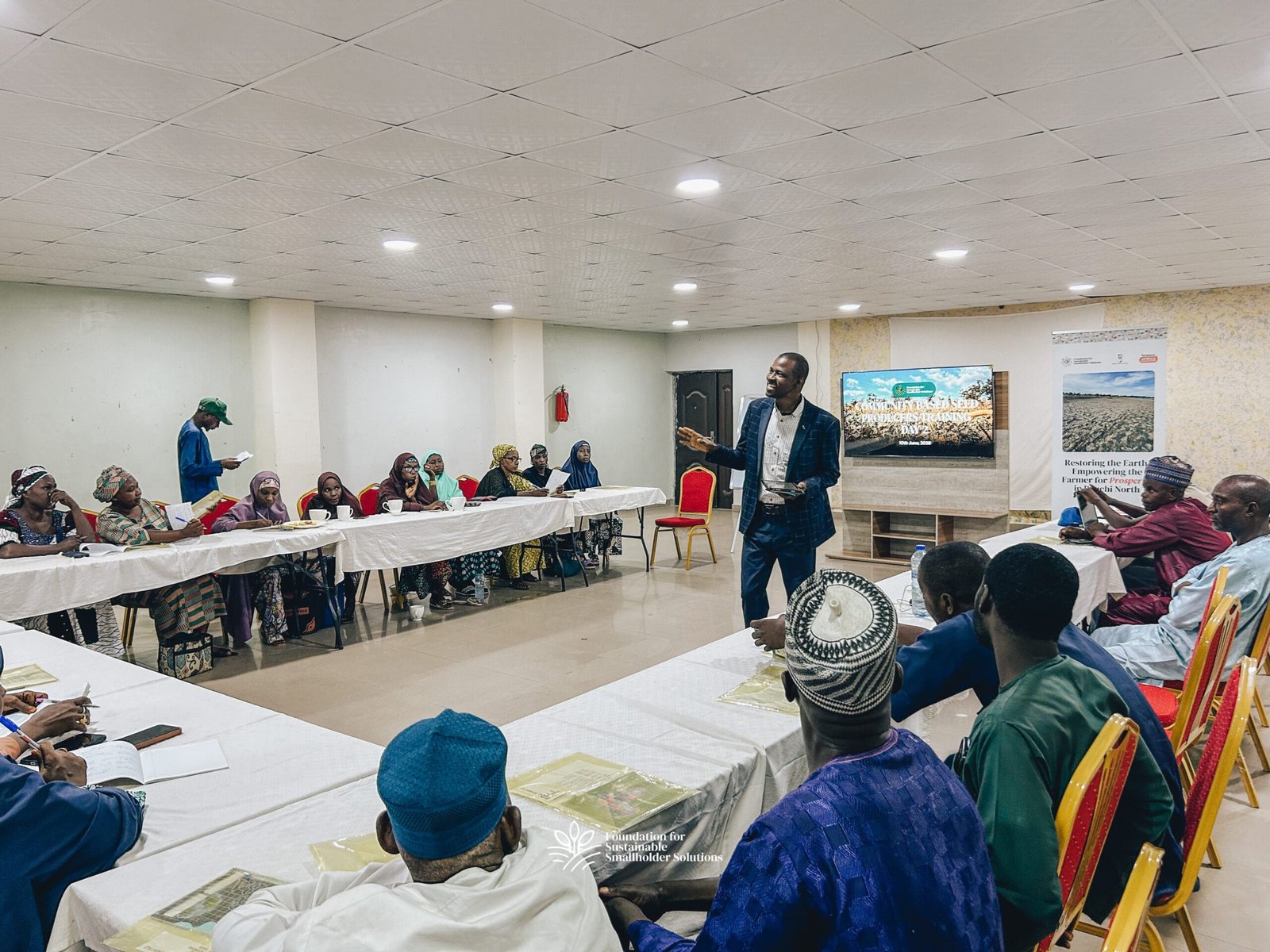
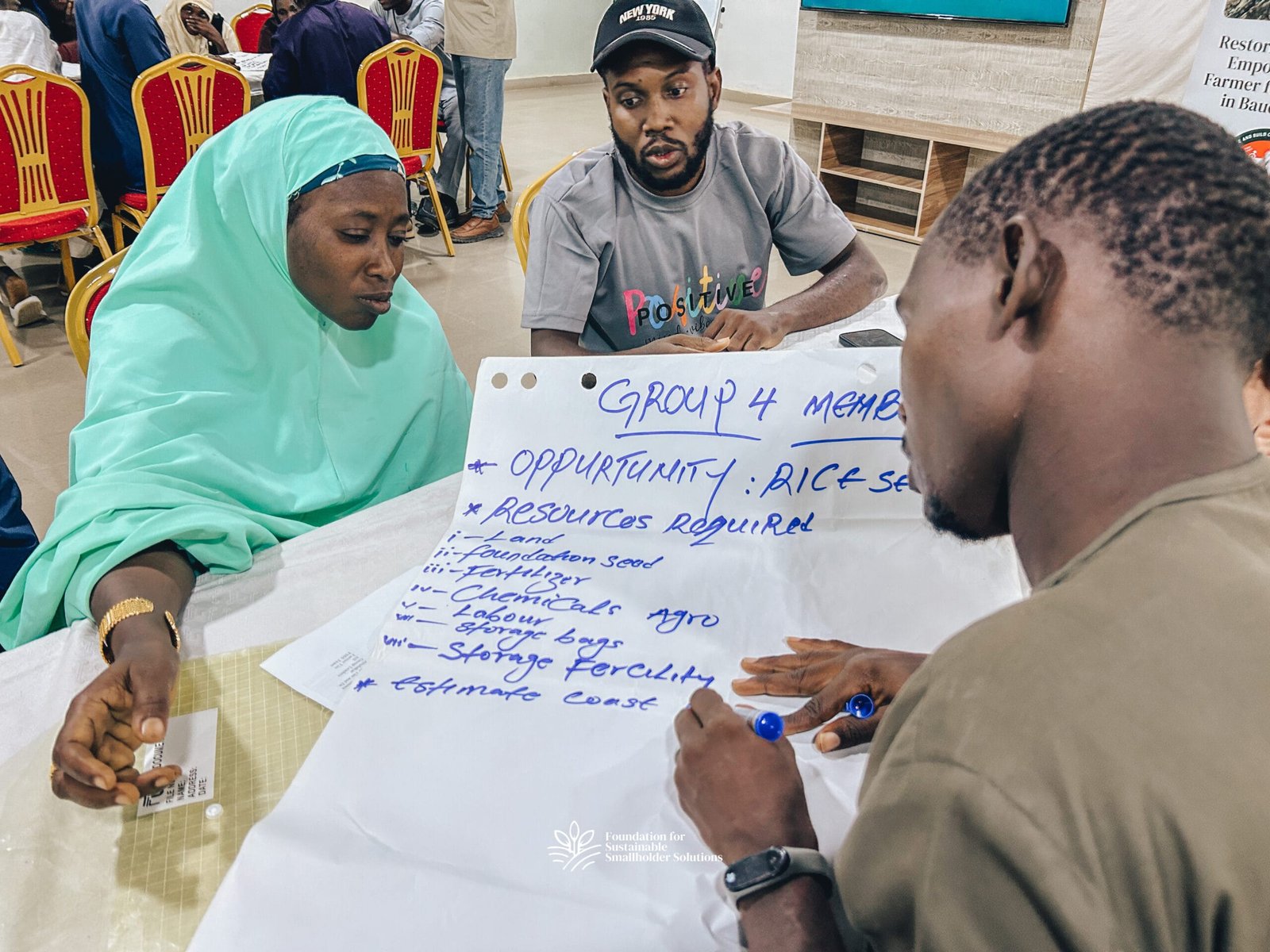
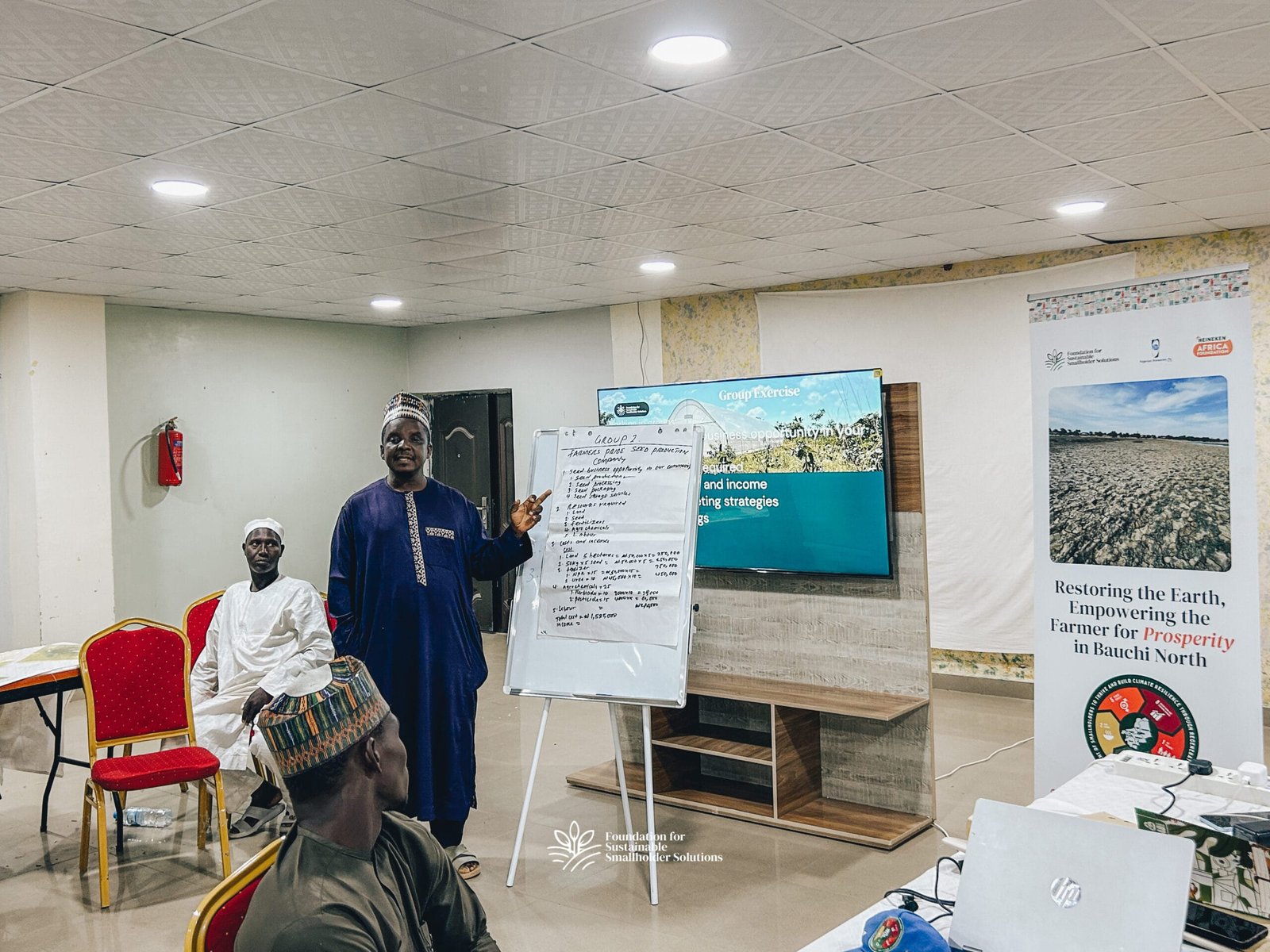
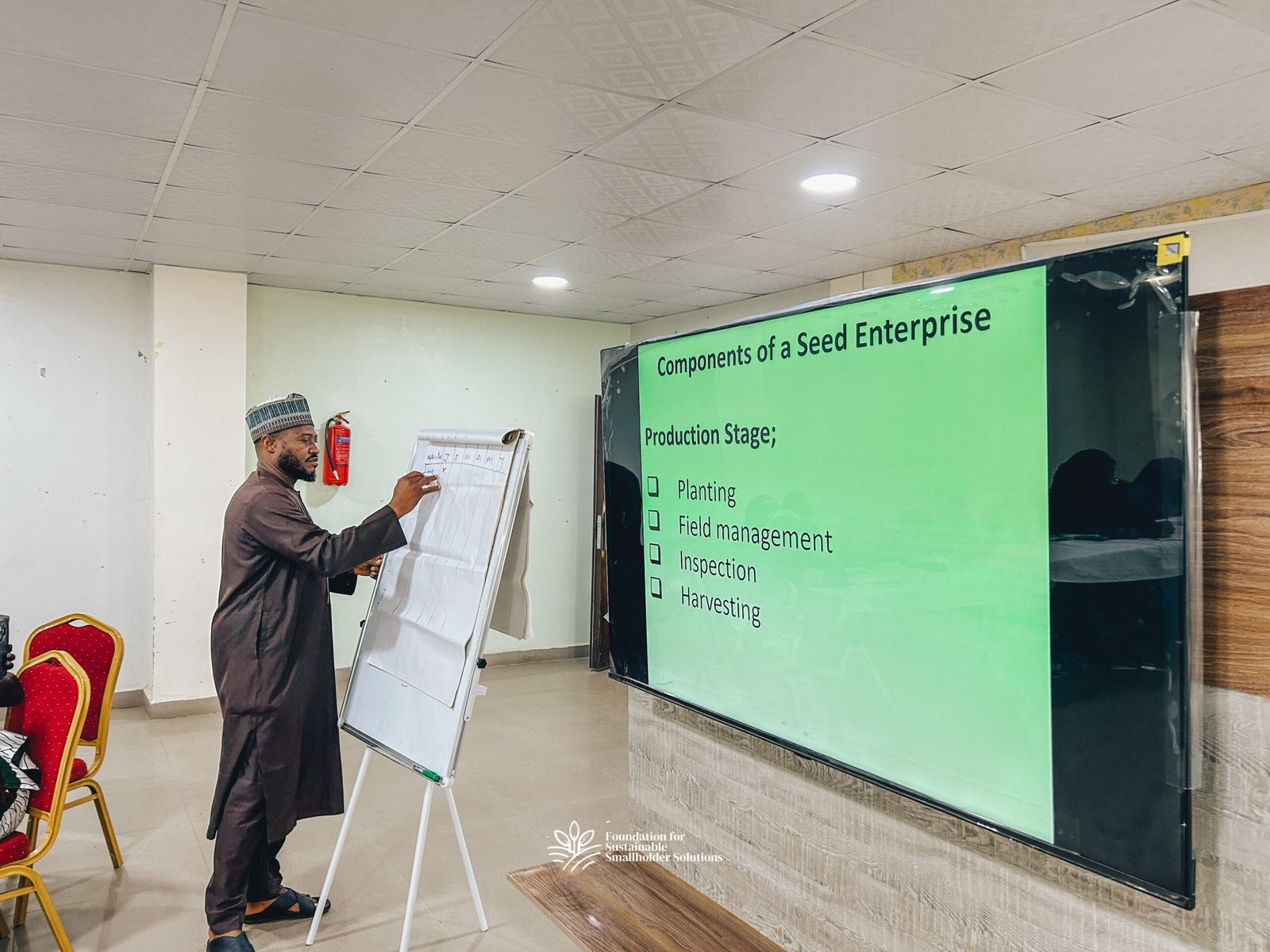
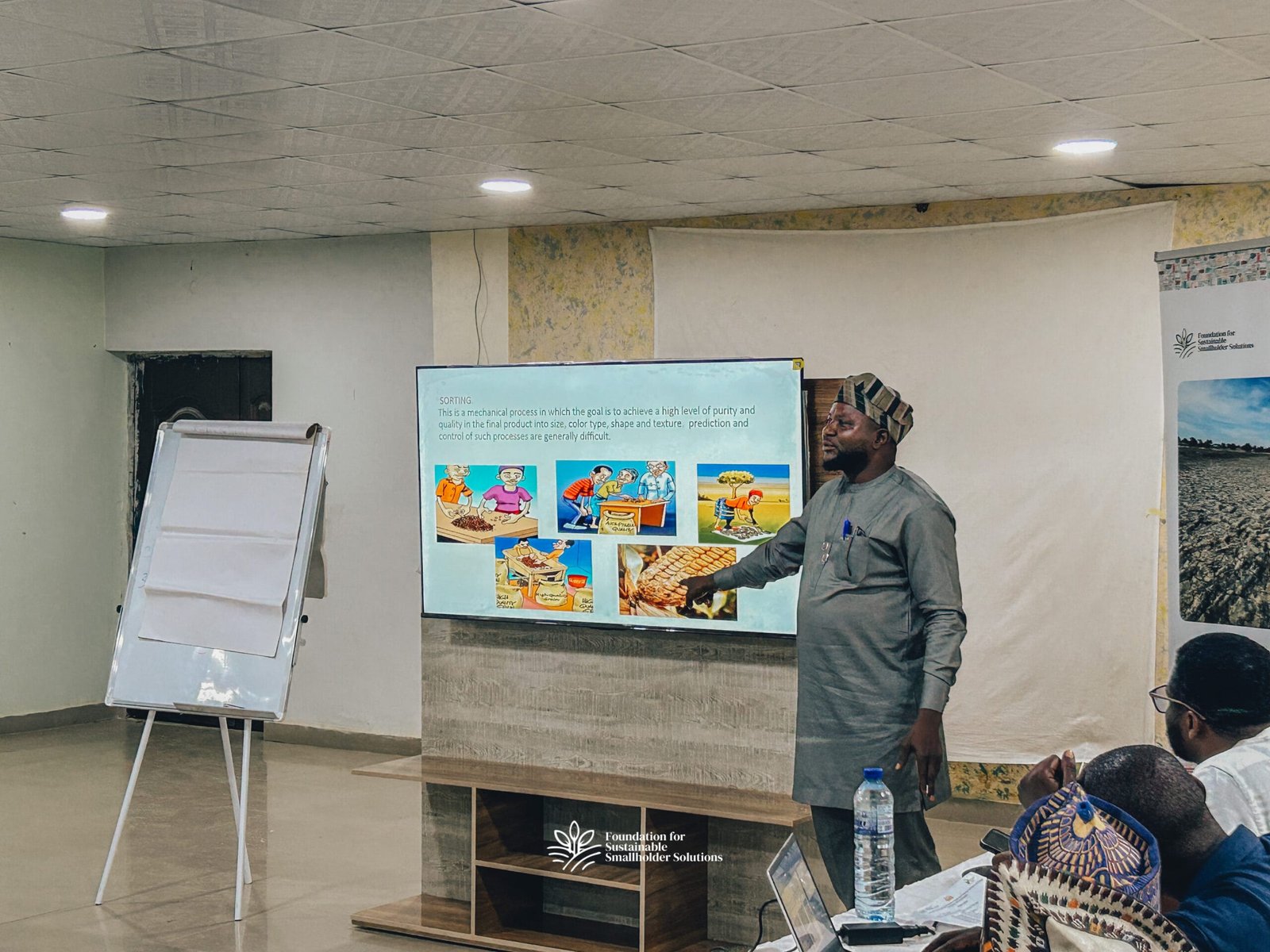
Throughout the two-day programme, participants received intensive training on improved seed production technologies for rice, millet, sorghum, groundnut, and cowpea. Through classroom presentations, group discussions, and practical demonstrations, participants learned how to maintain varietal purity, identify off-type plants, apply recommended field management practices, and meet the standards required for certified seed production. The sessions also explored how community-based seed enterprises can be managed as sustainable businesses capable of serving local farmers.
The sessions were facilitated by experienced researchers, seed system specialists, and agricultural professionals, including Dr Reuben Solomon, Dr Ignatius Angarawai, Dr Hakeem Ajeigbe, Dr Abubakar Hassan Inuwa, Andrew Kigbu, Acting Zonal Director (North-East) of the National Agricultural Seed Council (NASC), and seed business expert Abdullahi Idris.
Speaking during the training, Dr Ignatius Angarawai explained that strengthening community seed systems remains one of the most sustainable pathways to improving agricultural resilience.
“When farmers can produce quality seed within their own communities, they become less dependent on external supply chains and more resilient in the face of changing agricultural realities. Community-based seed production is not only about seed availability; it is about building local capacity, strengthening food systems, and creating sustainable opportunities for farming households.”
His remarks reflected one of the ESTRRA Project’s central objectives: enabling communities to drive their own agricultural development through stronger local institutions and improved technical capacity.

Also speaking during the training, Andrew Kigbu emphasised the importance of maintaining quality standards throughout the seed production process.
“Quality seed is the foundation of agricultural productivity, but quality must be guaranteed. Seed certification ensures that farmers receive seeds that meet approved standards for purity, germination, and performance. By equipping these Community-Based Organisations with the knowledge of seed certification principles and practices, we are helping to build trusted local seed systems that farmers can rely on season after season.”
For FSSS, strengthening CBOs goes beyond increasing seed availability. This view was reinforced by Dr Abubakar Hassan Inuwa, Senior Agronomist at FSSS:
“Our goal is not simply to distribute seeds but to build the capacity of communities to become seed producers themselves. By equipping these organisations with both technical knowledge and production resources, we are laying the foundation for stronger local seed systems that can continue serving farmers long after the project cycle.”
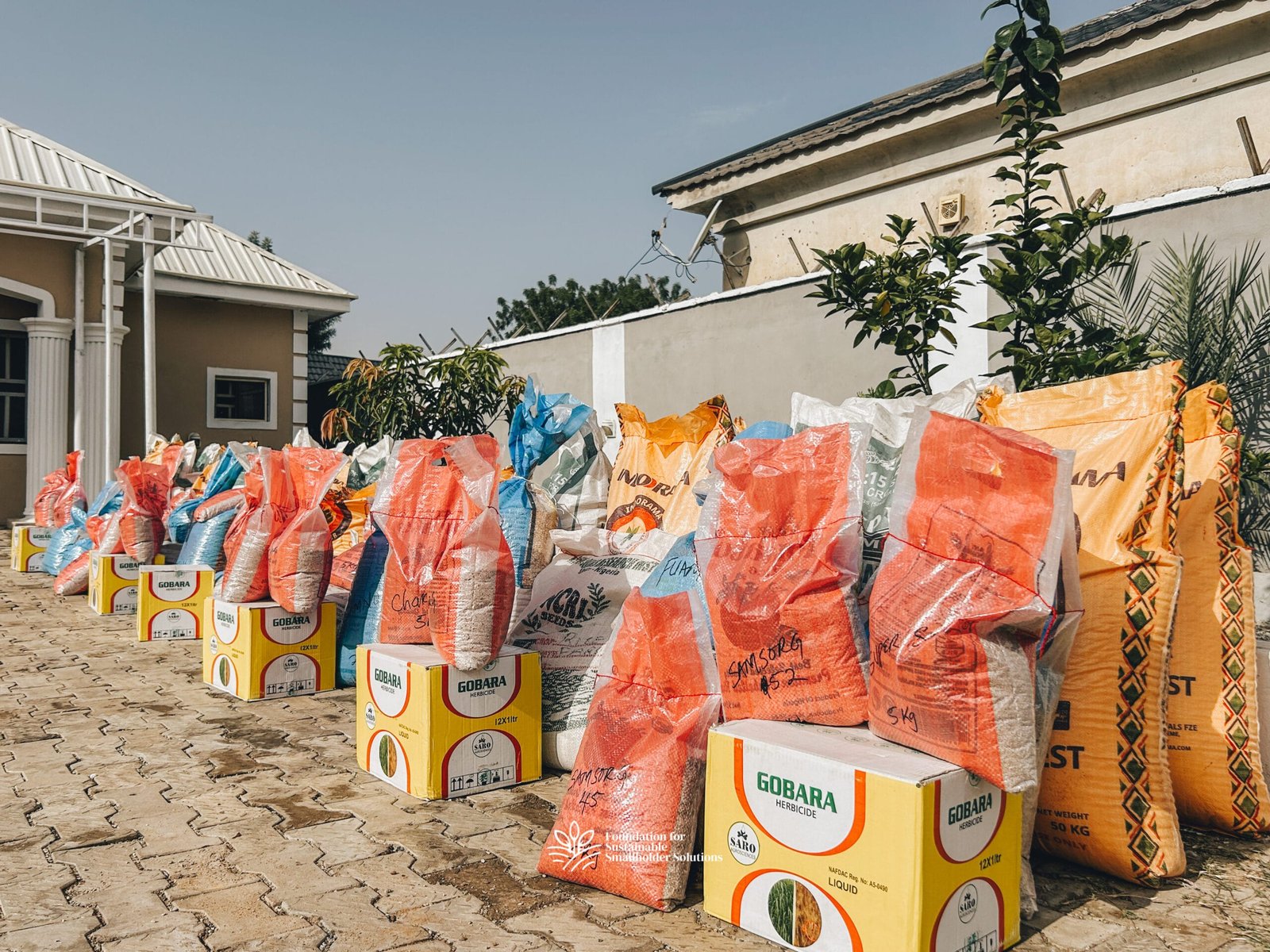
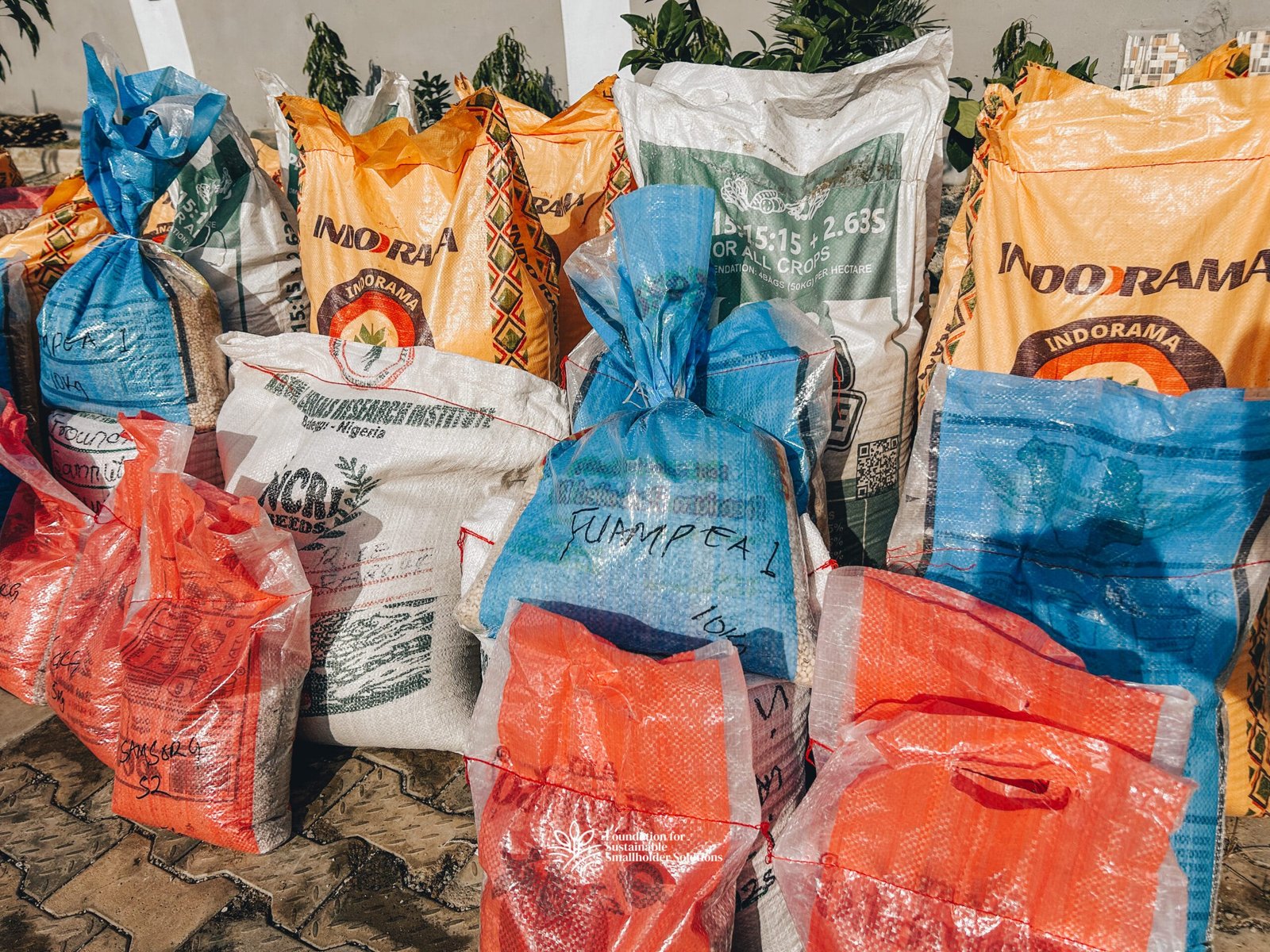
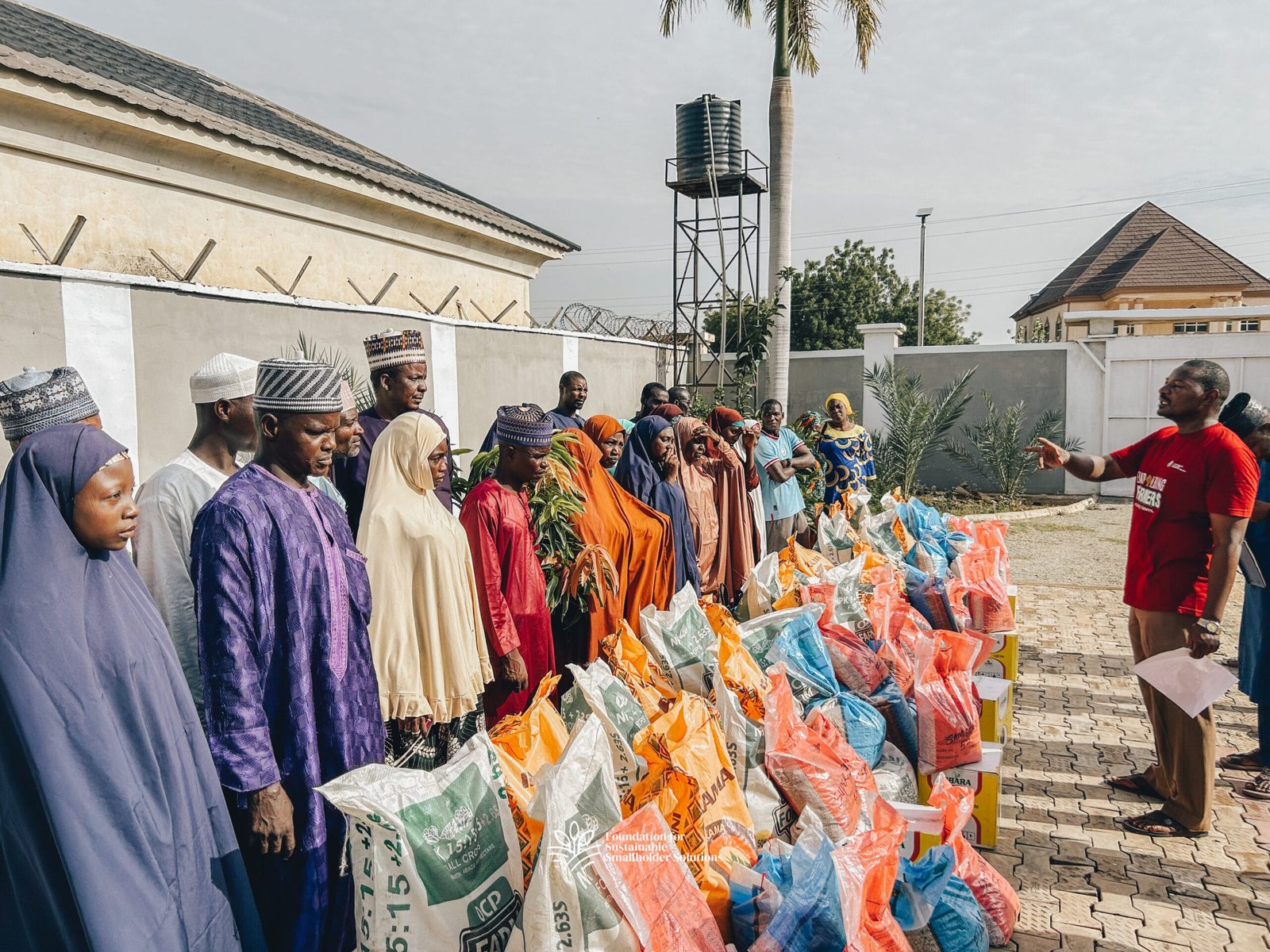
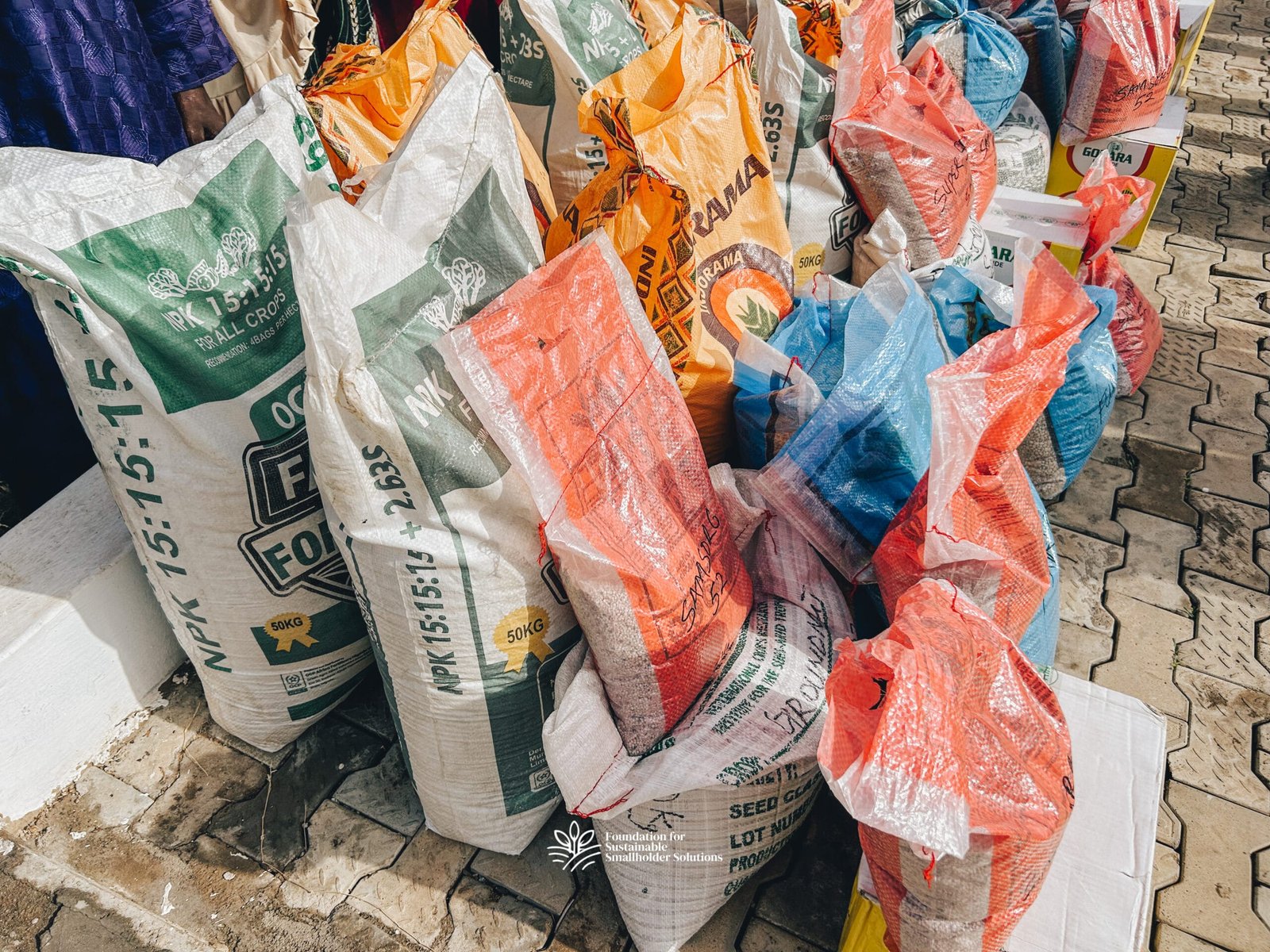
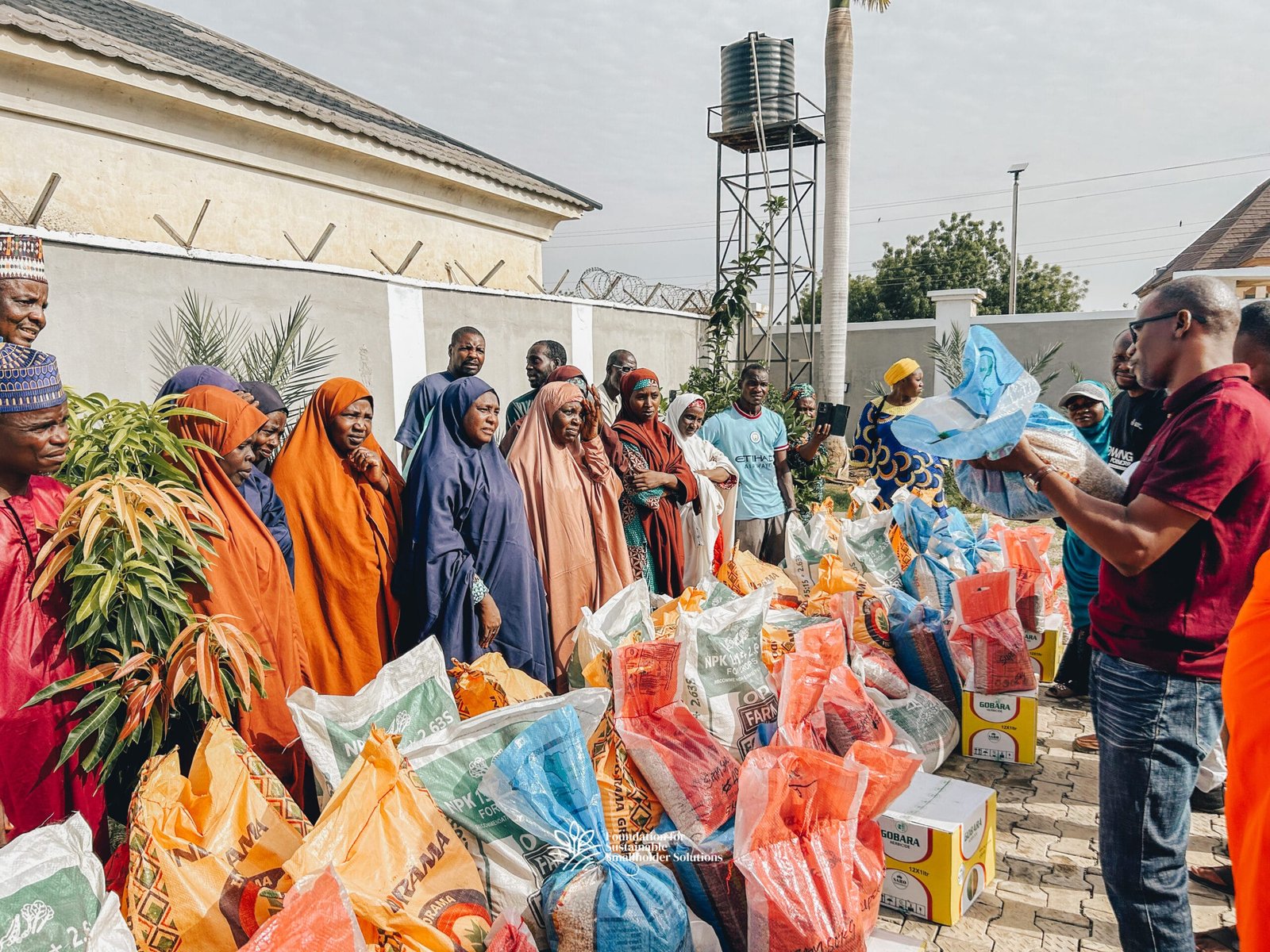
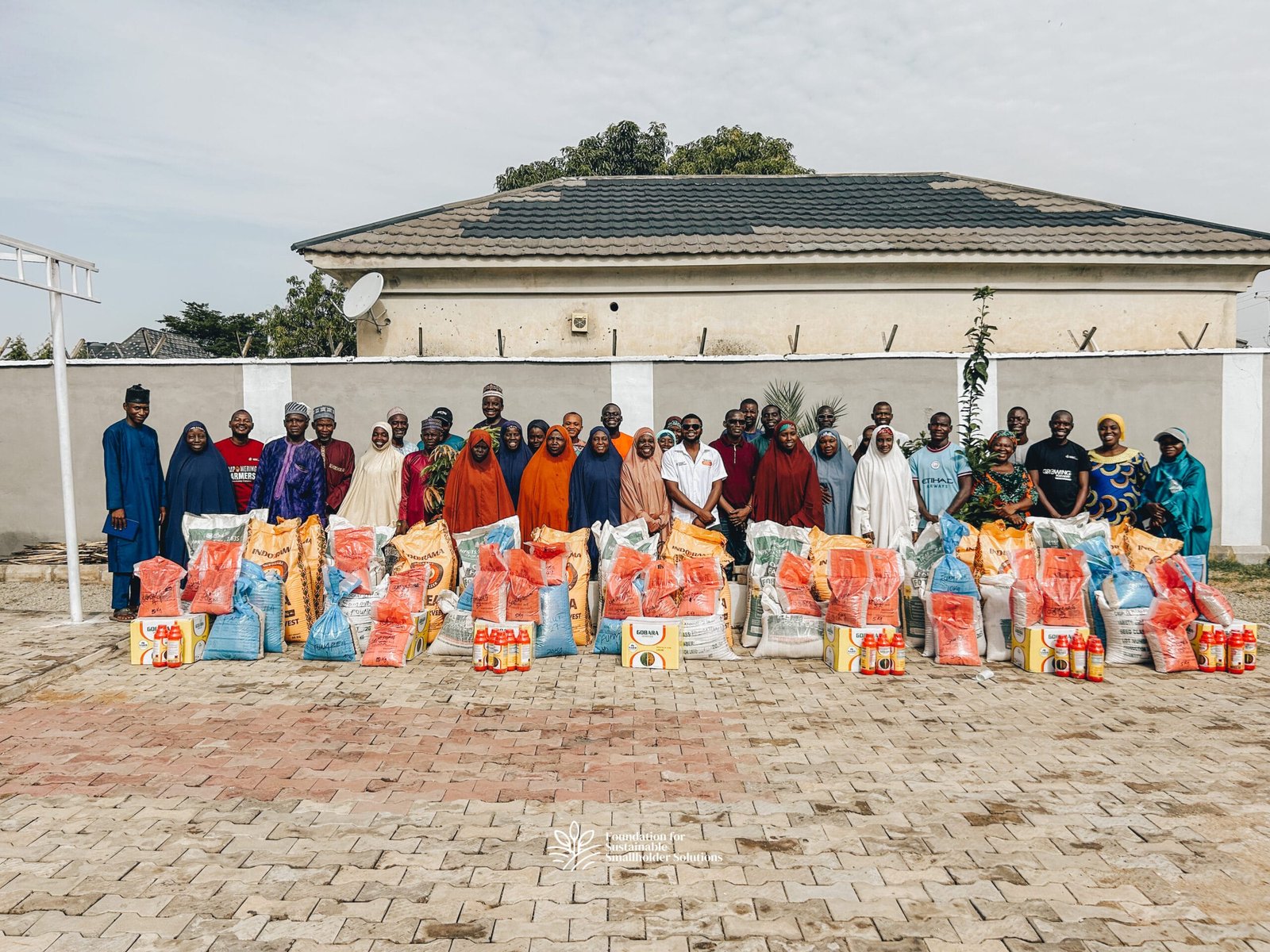
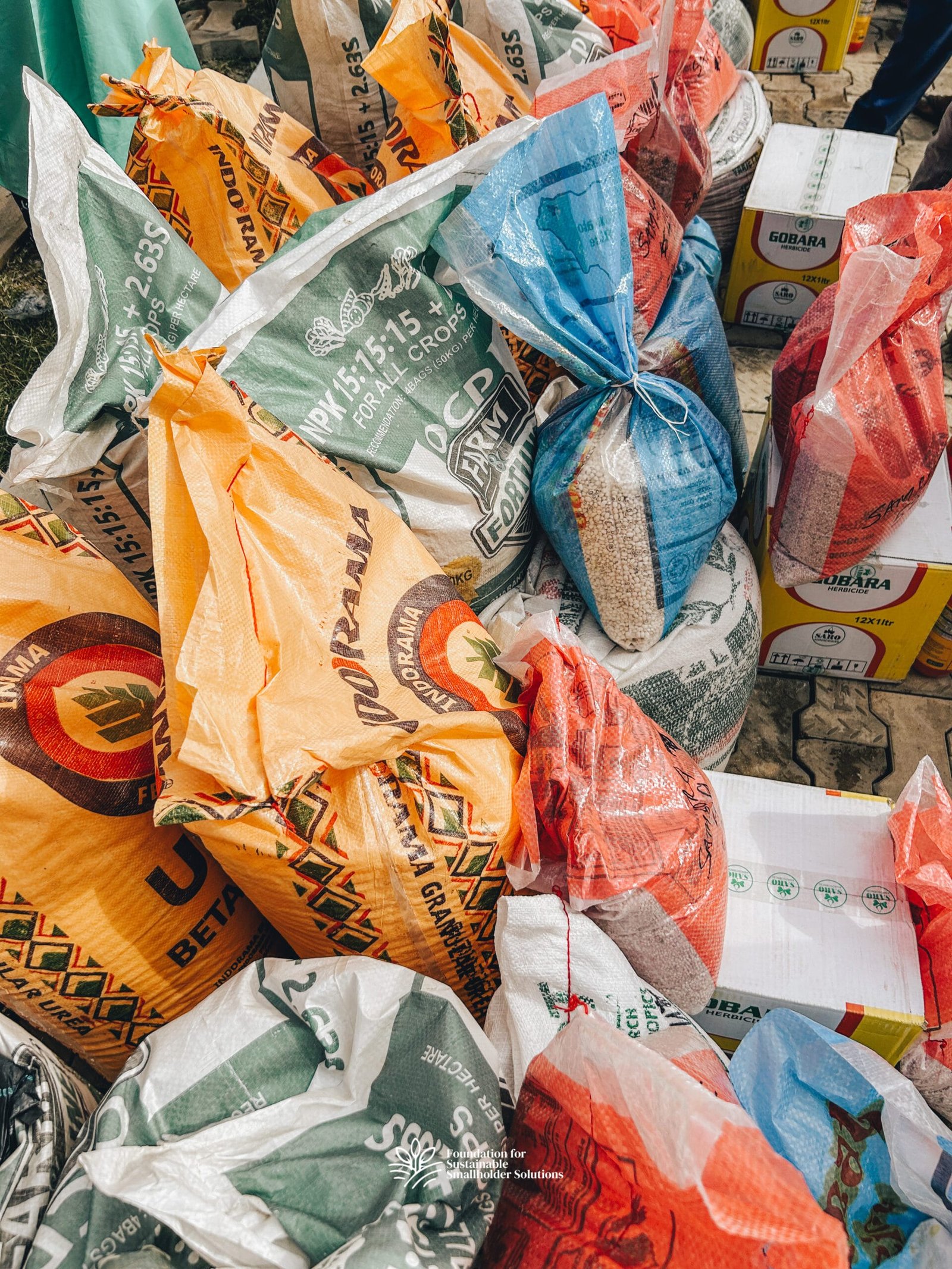
To enable participants to apply their new knowledge immediately, each CBO received foundation seeds of sorghum, millet, rice, cowpea, and groundnut, alongside fertilisers and crop protection products, including herbicides, pesticides, and fungicides.
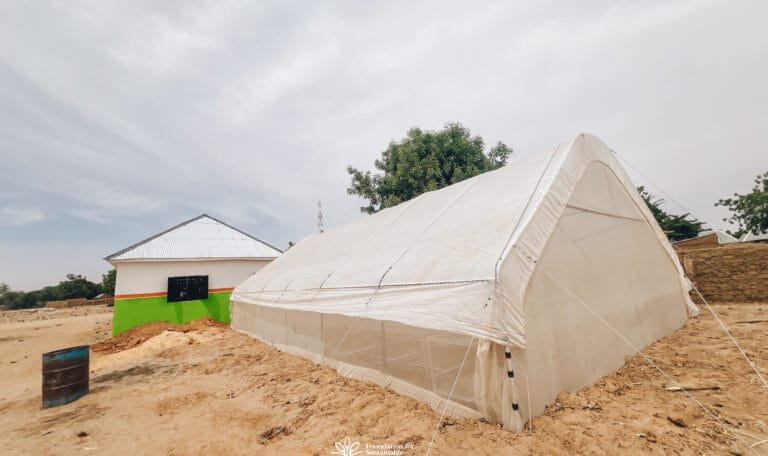
The support will enable each organisation to establish at least three hectares of community seed multiplication fields within its respective Local Government Area during the current cropping season. Beyond producing certified seeds, these demonstration fields will serve as practical learning sites where other farmers can observe improved seed production techniques and access quality planting materials. Through these seven organisations, the knowledge and technologies introduced during the training are expected to benefit thousands of smallholder farmers across Bauchi North.
For many participants, the training represented more than an opportunity to acquire technical skills. It marked the beginning of a new role as custodians of stronger community seed systems.
Abigail Kwila, one of the participants, said the programme had transformed her understanding of seed production.
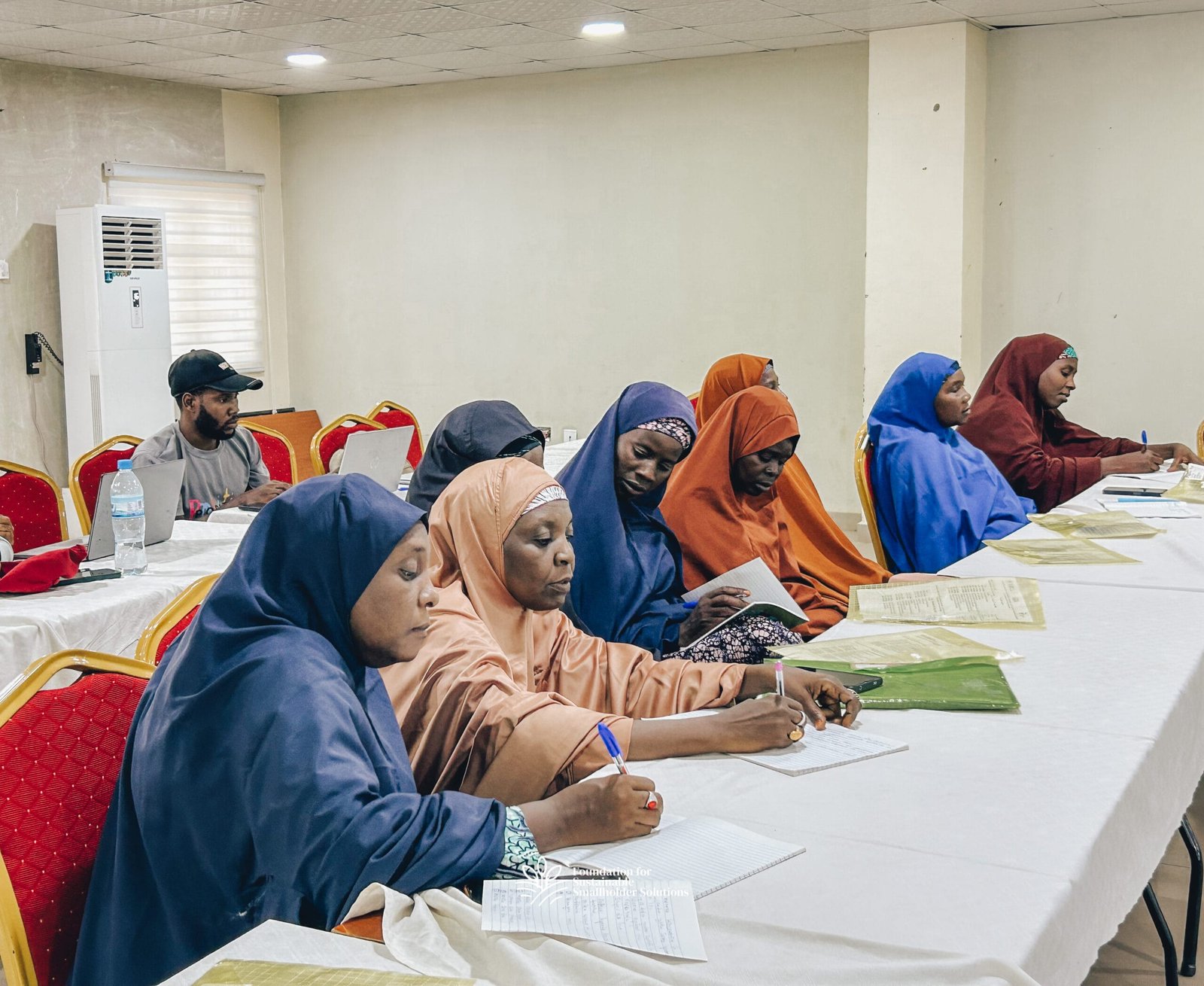
“Before this training, many of us did not fully understand the requirements for producing quality seed. We have learned about proper seed production practices, certification requirements, and how to manage seed production as a business. With the foundation seeds and inputs provided, we are confident that we can establish successful seed multiplication fields and make quality seeds more available to farmers in our community.”
As the newly trained CBOs establish seed multiplication fields across Bauchi North, the benefits are expected to extend far beyond a single cropping season. Increased access to certified seed will help farmers improve productivity, diversify crop varieties, strengthen resilience to climate change, and create new livelihood opportunities through community-led seed enterprises.
The training marks another important milestone in the implementation of the ESTRRA Project. More importantly, it demonstrates how investing in local leadership, technical capacity, and community institutions can create lasting change.
For FSSS and the HEINEKEN Africa Foundation, strengthening CBOs is about far more than producing more seed. It is about enabling communities to build resilient local seed systems, support one another with knowledge and innovation while ensuring that quality planting materials remain available for generations of farmers to come.