- Welcome to FSSS Nigeria!
- info@fsssolutions.org
- 1190, Mabushi, Abuja

Carbon Farming: A Green Opportunity for Smallholder Farmers in Nigeria and Sub-Saharan Africa
SUSTAINABLE FARMING
Climate change is increasingly threatening Africa’s food systems, with studies projecting that crop yields across Sub-Saharan Africa could decline significantly by 2050 if current trends continue. At the same time, agriculture remains one of the largest contributors to global greenhouse gas emissions, accounting for nearly a third worldwide. This dual challenge has placed growing attention on carbon farming as a pathway to both environmental sustainability and economic resilience.
Carbon farming involves agricultural practices that capture and store carbon in soils, trees, and vegetation through activities such as agroforestry, improved soil management, and sustainable land use. These climate-friendly practices can generate certified carbon credits for sale in carbon markets, creating additional income opportunities for farmers. By linking climate action with rural livelihoods, carbon farming presents a promising model for sustainable agricultural development.
How Carbon Markets Work
Carbon credits are tradeable certificates that represent one metric ton of carbon dioxide (CO₂), or its equivalent, either prevented from entering or removed from the atmosphere. Governments, companies, and institutions purchase these credits to offset their greenhouse gas emissions. Carbon markets generally operate through two main systems: compliance markets and voluntary carbon markets.
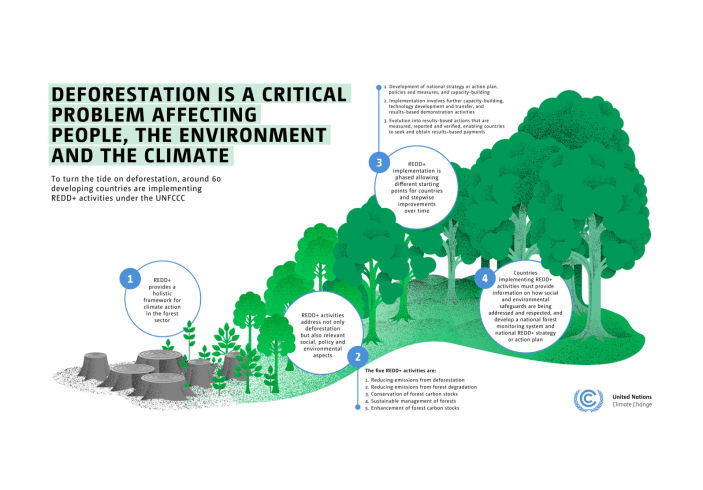
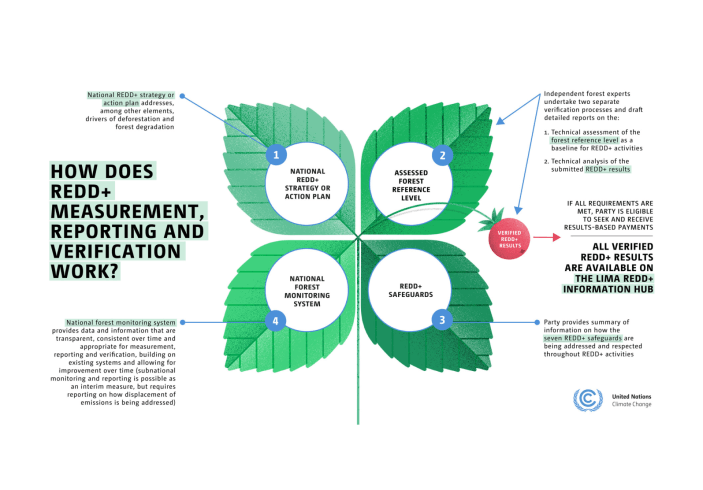
Compliance markets, such as the EU Emissions Trading System, are regulated by governments and require industries to stay within specific emission limits. Credits in these systems are commonly generated through large-scale industrial emission reductions or forest conservation projects such as REDD+. Historically, however, many agricultural and soil-based practices were excluded because of strict measurement and verification requirements.
Voluntary carbon markets (VCMs), on the other hand, allow organisations and individuals to voluntarily purchase carbon credits to meet sustainability goals or climate commitments. In recent years, VCMs have increasingly recognised agricultural carbon projects, including regenerative farming and soil carbon sequestration. This has created new opportunities for smallholder farmers to participate in climate finance initiatives.
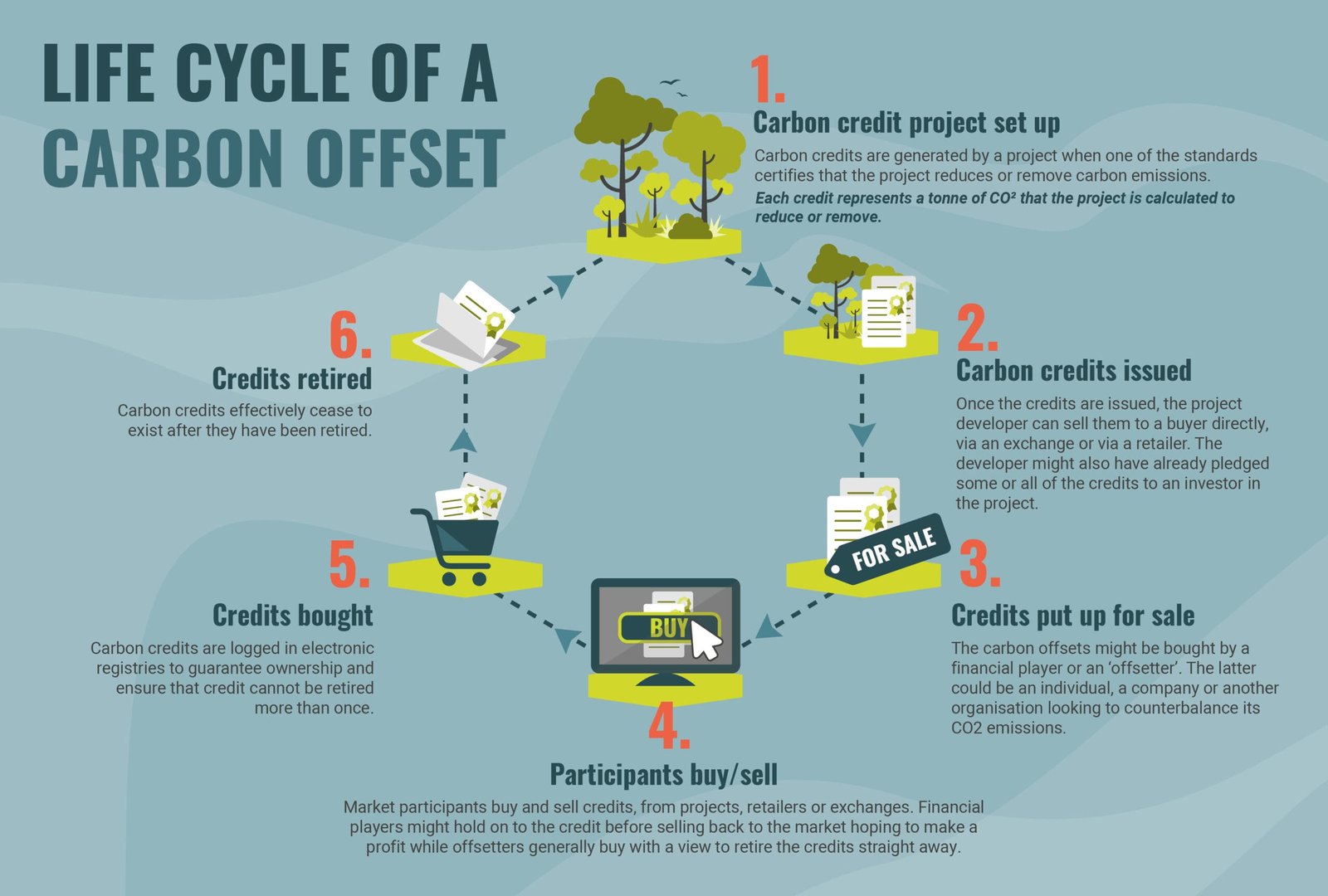
Under a voluntary carbon project, farmers adopt climate-smart agricultural practices that either reduce emissions or increase carbon storage in the soil. The environmental benefits are then measured and independently verified using recognised standards such as Verra’s Verified Carbon Standard (VCS) or the Gold Standard. After verification, carbon credits are issued through approved registries and sold to buyers, including multinational companies and climate-focused investors. Revenue from these sales can then be shared with participating farmers.
Global demand for carbon credits continues to rise rapidly. The voluntary carbon market is currently valued at around $2 billion annually and is projected to grow significantly by 2030. Despite Africa’s vast agricultural potential, the continent currently contributes only a small share of global carbon credit supply, highlighting a major untapped opportunity. For Nigeria’s smallholder farmers, carbon markets could provide a new income stream while supporting sustainable agriculture and climate resilience.
Carbon Farming Practices for Smallholders
Carbon farming refers to a range of climate-smart agricultural practices that help capture and store carbon in soils, trees, and vegetation while improving farm productivity and resilience. Across Nigeria and sub-Saharan Africa, several approaches are showing strong potential for smallholder farmers.
Agroforestry involves integrating trees such as fruit-bearing or nitrogen-fixing species into farmland. These trees absorb and store carbon as they grow, while also providing shade, reducing soil erosion, improving biodiversity, and creating additional income opportunities through fruits, fodder, or timber. Agroforestry has become a leading strategy in many African climate and restoration projects.
Conservation tillage, also known as minimum or no-till farming, reduces soil disturbance from ploughing. By leaving crop residues on the field, farmers help retain soil carbon, reduce erosion, conserve moisture, and improve long-term soil fertility.
Cover cropping involves planting crops, often legumes, during off-seasons or between crop rows. These crops increase soil organic matter, improve nitrogen levels naturally, suppress weeds, and enhance water retention. Leguminous cover crops such as cowpea are especially valuable because they fix atmospheric nitrogen while adding biomass that later becomes stored soil carbon.
Applying organic amendments such as compost and animal manure also strengthens soil carbon levels over time. These materials improve soil structure, increase nutrient availability, and support healthier microbial activity, all of which contribute to more productive and resilient farming systems.
In addition, crop rotation and intercropping help improve nutrient cycling, diversify production, and strengthen soil health. Rotating crops with different rooting depths or growing complementary crops together can improve soil structure and support greater carbon accumulation.
Together, these practices not only help remove carbon dioxide from the atmosphere but also improve yields, strengthen resilience to climate change, and support sustainable livelihoods for smallholder farmers. For instance, agroforestry initiatives in Kenya combining fruit trees with maize have been shown to increase yields while storing significant amounts of carbon annually.
| Practice | Description | Climate/Co-benefits |
|---|---|---|
| Agroforestry | Planting trees among cropland (fruit, timber, nitrogen-fixing) | Stores carbon in biomass and soils; improves shade, moisture, and yields |
| No/Reduced Tillage | Minimising ploughing to leave residues on field | Preserves soil carbon, prevents erosion, and saves labour |
| Cover Crops | Growing crops (often legumes) between main crops | Adds organic matter, fixes nitrogen, suppresses weeds |
| Organic Amendments | Applying compost or manure to fields | Builds soil carbon and fertility, reduces chemical fertiliser needs |
| Crop Rotation/Intercropping | Varying crop types and planting together | Boosts soil health and nutrients; spreads risk and income |
Voluntary Carbon Market Trends (2024–2025)
The voluntary carbon market (VCM) has experienced significant fluctuations in recent years, yet long-term demand for credible carbon credits remains strong.
Market Size and Growth
The global VCM was estimated at roughly $2 billion in 2024, with hundreds of millions of carbon credits issued worldwide. Africa’s contribution to the market has grown considerably, accounting for nearly a quarter of issued credits by 2023, up from about 13.5% in 2018. Despite this progress, the market faced a sharp downturn in 2023, when its total value dropped by 61% to approximately $723 million amid growing scrutiny over credit quality and transparency. Even so, agricultural carbon credits continued to gain traction, recording a 24% increase in trading volumes, although prices remained relatively low.
Types of Carbon Credits
Globally, most carbon credits still come from projects focused on avoiding emissions, such as forest conservation and renewable energy development, rather than carbon removals. In Africa, around half of all credits originate from forestry and land-use projects, while community-based initiatives such as clean cookstoves and water programmes account for roughly 42%. Carbon removal projects, including soil carbon and engineered removals, still represent only a small share of the market. However, demand for high-integrity, nature-based removals is increasing steadily, particularly where projects deliver social and environmental co-benefits.
Credit Pricing and Value
Carbon credit prices vary widely depending on project quality and type. Traditional nature-based avoidance credits often sell for only a few dollars per tonne. For example, Shell reportedly paid an average of about $4.15 per tonne for credits retired in 2024. In contrast, engineered removal credits command significantly higher prices. Microsoft’s carbon purchases in 2024 averaged approximately $189 per tonne, largely due to its focus on advanced removal technologies such as BECCS (Bioenergy with Carbon Capture and Storage). Increasingly, projects that demonstrate strong environmental integrity and direct community impact are attracting premium pricing, particularly smallholder initiatives that improve livelihoods alongside carbon sequestration.
Major Corporate Buyers
Large corporations in the energy, finance, and technology sectors continue to dominate the voluntary carbon market. Shell retired an estimated 14.5 million credits in 2024, while financial institutions also remained major participants. Technology companies including Microsoft, Google, and Meta are becoming increasingly active buyers, particularly of high-quality removal credits. Buyer preferences are gradually shifting toward long-term agreements, durable carbon removals, and projects that provide measurable social and environmental benefits in addition to emissions reductions.
Examples of Carbon Farming Projects in Africa
- Farm Africa – “Growing Green” Project, Kenya
Since 2020, Farm Africa, in partnership with Rabobank’s Acorn platform and AGRA, has engaged more than 21,500 smallholder farmers in Kenya’s Embu and Tharaka Nithi counties. Farmers planted fruit and nitrogen-fixing trees across more than 14,000 hectares of degraded land. By the end of 2023, the project had sequestered nearly 25,000 tonnes of CO₂, generating equivalent Carbon Removal Units. Importantly, 80% of carbon credit revenues are paid directly to participating farmers, many of whom have used the income to support education, expand farms, and start small businesses. Beyond carbon revenues, the initiative has also improved soil health and increased crop yields by as much as 30–50% in some pilot areas.
- Tourba Carbon Initiative, Nigeria
Tourba, a Nigerian agritech startup, launched carbon farming programmes in 2024 targeting smallholder farmers in Niger and Nasarawa States. Through agroforestry and intercropping practices implemented across more than 15,000 hectares, the company trains farmers over an 18-month period and supports them toward carbon certification readiness. Tourba aims to scale participation to one million hectares by 2030. Speaking during a World Earth Day 2025 webinar, the company noted that carbon farming improves soil health, boosts yields, and creates additional income opportunities for farmers through carbon credit sales. The initiative has already expanded into Kano, Kaduna, and Bauchi States.
- Rabobank Acorn Agroforestry Programme
Supported by FSD Africa, Rabobank’s Acorn programme operates in Nigeria, Kenya, and Zambia, providing smallholders with “carbon loans” to support agroforestry investments. Farmers receive financing to purchase seedlings and integrate trees into existing farming systems. Revenue from future carbon credit sales is expected to offset the cost of transition while improving long-term productivity. Early reports indicate encouraging farmer participation and increased interest in climate-smart agricultural practices.
- Zowasel Sorghum Project, Nigeria
Zowasel, in collaboration with IDH and Guinness Nigeria, is supporting 2,000 sorghum farmers in Southwest Nigeria to adopt regenerative agricultural practices. Central to the project is a digital Monitoring, Reporting, and Verification (MRV) system known as D-MRV, which combines satellite imagery, mobile technology, and field verification to accurately measure carbon sequestration. The company also provides farmers with access to financing through its ACESS credit-scoring platform. By combining technology, market access, and climate-smart practices, the project aims to connect Nigerian smallholders directly to the global voluntary carbon market while strengthening agricultural productivity and resilience.
These examples demonstrate that both NGO-led initiatives and private-sector models can successfully integrate smallholder farmers into carbon farming systems. Across these approaches, one lesson remains consistent: farmers need strong support structures. Training, financing, aggregation systems, and reliable market linkages are essential to ensure that farmers can adopt climate-smart practices and receive fair compensation for their efforts.
Challenges Facing Smallholder Participation
Despite the growing promise of carbon markets, smallholder farmers continue to face significant barriers to participation. During a recent webinar hosted by FSSS, Emmanuel Orjichukwu highlighted several critical challenges limiting inclusion across Nigeria and sub-Saharan Africa.
One of the biggest obstacles is the high upfront and transaction costs associated with carbon projects. Farmers often need capital to adopt new practices such as agroforestry, cover cropping, or regenerative land management. In addition, monitoring and verification processes are expensive. Independent certification audits can cost tens of thousands of dollars, making participation unrealistic for individual farmers or small projects without external support.
Complexity is another major concern. Carbon programmes require extensive documentation, baseline assessments, activity records, and compliance with strict standards. These systems are often designed without considering the realities of rural smallholders, many of whom lack the technical knowledge, digital access, or formal records needed to participate effectively. Weak governance systems and limited institutional support further compound the challenge.
Market uncertainty also discourages participation. Farmers are frequently expected to commit to long-term agreements before there is any guarantee of stable buyers or reliable carbon prices. Since adopting climate-smart practices requires investment and patience, fluctuating carbon prices can undermine trust and profitability. If credit prices fall or demand weakens, farmers may not recover their costs.
The fragmented nature of farming systems across Nigeria and much of Africa presents another challenge. Millions of smallholder farms are scattered across rural communities, making project coordination difficult. Successful carbon programmes often depend on cooperatives, aggregators, or intermediary organisations that can organise farmers into scalable groups.
Awareness and technical capacity remain low as well. Many farmers, local organisations, and even extension actors are still unfamiliar with how carbon markets operate. In rural communities where immediate income needs are pressing, future carbon payments may seem uncertain or abstract compared to traditional farming activities.
These barriers explain why donor support, concessional financing, and NGO-led facilitation remain crucial in the early stages of most smallholder carbon initiatives. Without this support, many farmers would struggle to participate.
Recommendations: Making Carbon Farming Work for Smallholders
Unlocking the full potential of carbon finance for smallholders will require coordinated action from governments, development partners, NGOs, and the private sector.
First, farmer capacity must be strengthened. Extension services, NGOs, and community-based organisations should provide practical training on climate-smart agriculture, agroforestry, soil restoration, and simple record-keeping systems. Demonstration plots and farmer field schools can help communities see the direct benefits of improved soil health, productivity, and resilience.
Second, aggregation systems must be improved. Organising farmers into cooperatives or structured groups allows them to participate collectively, reducing administrative burdens and lowering verification costs. Simplified methodologies, digital monitoring systems, satellite technologies, and mobile data tools can further reduce the cost of measurement, reporting, and verification. Emerging solutions such as digital MRV platforms are already showing how technology can make participation more affordable and scalable.
Fair compensation mechanisms are equally important. Carbon buyers and corporations should provide stronger purchasing commitments and clearer pricing structures to reduce uncertainty for farmers. Early-stage projects may also require donor-backed guarantees or minimum pricing mechanisms that protect farmers from volatile markets. Bridging finance can help farmers sustain participation while credits are being verified and sold.
Carbon projects should also emphasise their broader social and environmental benefits. Programmes that improve food security, strengthen livelihoods, empower women, restore biodiversity, or improve nutrition often attract stronger support from development agencies and impact investors. Integrating these co-benefits can make projects more attractive while delivering lasting value to communities.
Finally, stronger policies and partnerships are needed. Governments should integrate soil carbon, agroforestry, and sustainable land management into national climate strategies while creating enabling regulations that support farmer participation. Regional initiatives and international partnerships can help strengthen market transparency, financing access, and long-term confidence in African carbon markets.
By addressing these barriers and investing in farmer-focused support systems, stakeholders can ensure that smallholders become active participants in climate solutions rather than being excluded from emerging opportunities. Carbon markets cannot succeed with a one-size-fits-all approach. They must be designed around the realities, capacities, and needs of smallholder farmers.
Ultimately, carbon farming presents a major opportunity for Nigeria and the wider African continent. Beyond helping mitigate climate change, it can improve soil health, increase resilience, strengthen food systems, and create new income streams for rural communities. With the right partnerships and support structures in place, smallholder farmers can benefit not only from healthier farms and improved livelihoods, but also from their growing role as custodians of climate resilience and sustainable development.
References
- Supporting Climate-Resilient African Smallholder Farmers Through Carbon Markets – SAIIA
- Carbon Farming: Definition & Opportunities – Welthungerhilfe
- Africa’s green wealth: unlocking the potential of carbon markets | UNREDD Programme
- Agroforestry and carbon markets transform farming in eastern Kenya – Farm Africa
- Introduction to the Voluntary Carbon Market in Africa
- Shell and Microsoft Are The Biggest Carbon Credit Buyers in 2024: What Projects Do They Support?
- Behind the green curtain: big oil and the voluntary carbon market – Carbon Market Watch
- Tourba Sensitises Kaduna Farmers on Carbon Farming – THISDAYLIVE
- Rabobank Acorn Agroforestry Carbon Programme – FSD Africa
- IDH and Zowasel Form Partnership to Transform Nigeria’s Sorghum Value Chain through Regenerative Agriculture – AgriBusiness Global
- Overcoming Barriers to the Development of an Agricultural Carbon Market – Farm Foundation