- Welcome to FSSS Nigeria!
- info@fsssolutions.org
- 1190, Mabushi, Abuja

Changing Behaviours, Restoring Land: How ESTRRA Is Taking Climate-Smart Farming Messages to Bauchi North
IMPACT
Across communities in Northern Bauchi, farming practices that were once considered routine are increasingly putting pressure on the land and the livelihoods that depend on it. Indiscriminate tree cutting, bush burning, continuous cultivation without adequate soil restoration, and poor land management are contributing to declining soil fertility, erosion, loss of vegetation and reduced water retention.
These practices are becoming more costly as droughts and unpredictable rainfall place additional pressure on already degraded farmland. With fewer trees to protect the soil, less organic matter to retain moisture and increasing exposure to erosion, farmers are finding it harder to maintain productive fields and sustain household food and income.
Addressing these challenges therefore requires more than responding to the effects of climate change. It requires changing the practices and behaviours that are making farms and landscapes vulnerable in the first place.
It is against this backdrop that the Foundation for Sustainable Smallholder Solutions (FSSS), with funding support from the HEINEKEN Africa Foundation and Nigerian Breweries PLC, launched a Social and Behaviour Change Communication (SBCC) campaign under the ESTRRA Project to encourage farmers and communities to adopt practices that protect the land, conserve water and build more resilient farms.
The ESTRRA Project, which stands for Empowerment of Smallholder Farmers to Thrive and Build Climate Resilience through Regenerative Agriculture, is being implemented across seven Local Government Areas in Bauchi North: Katagum, Shira, Jama’are, Giade, Itas-Gadau, Zaki and Gamawa.
While the project is investing in practical interventions such as agroforestry, land restoration, improved seed systems and Farmers’ Hubs, FSSS recognised that infrastructure and inputs alone cannot deliver lasting change.
Farmers also need the knowledge and motivation to change practices that are damaging their farms and adopt approaches that help the land recover.
The SBCC campaign was therefore designed to take these messages directly to farming communities.
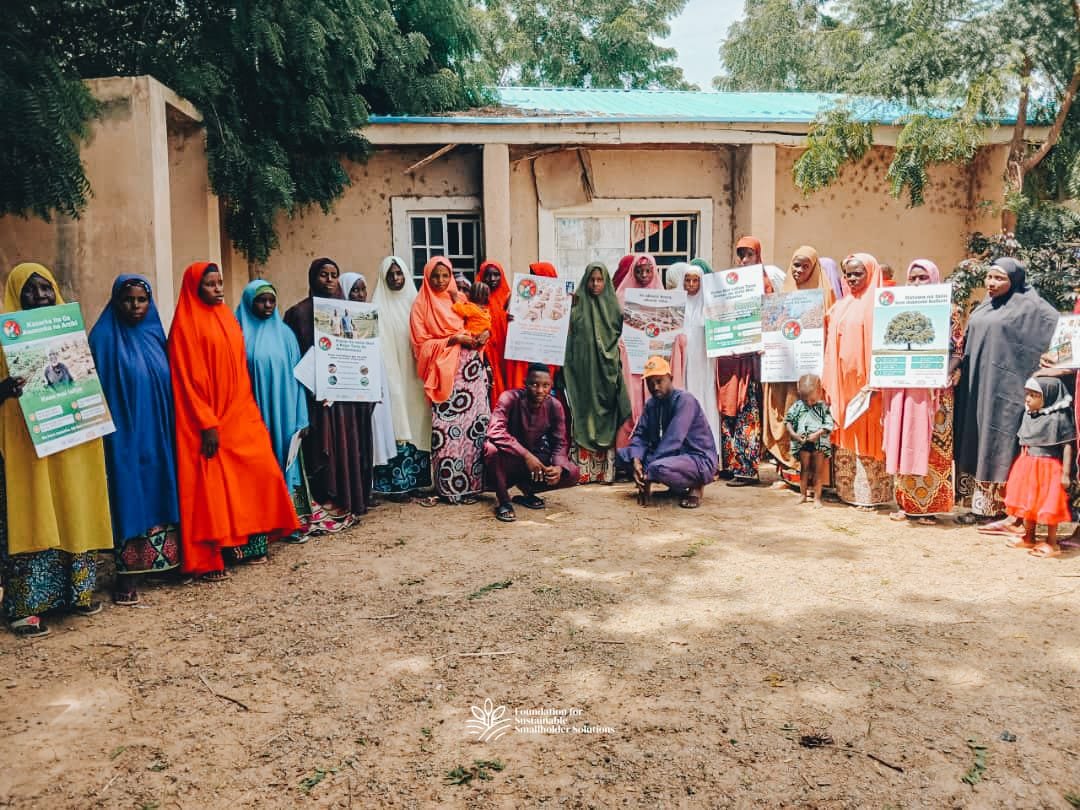
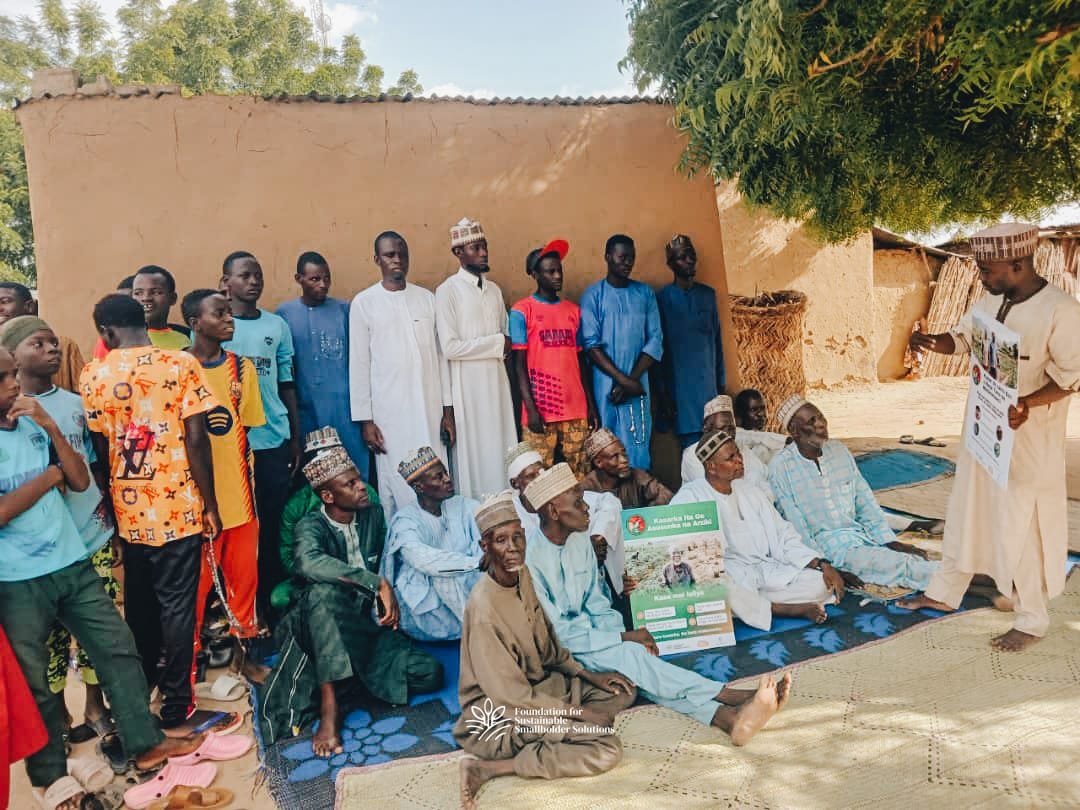
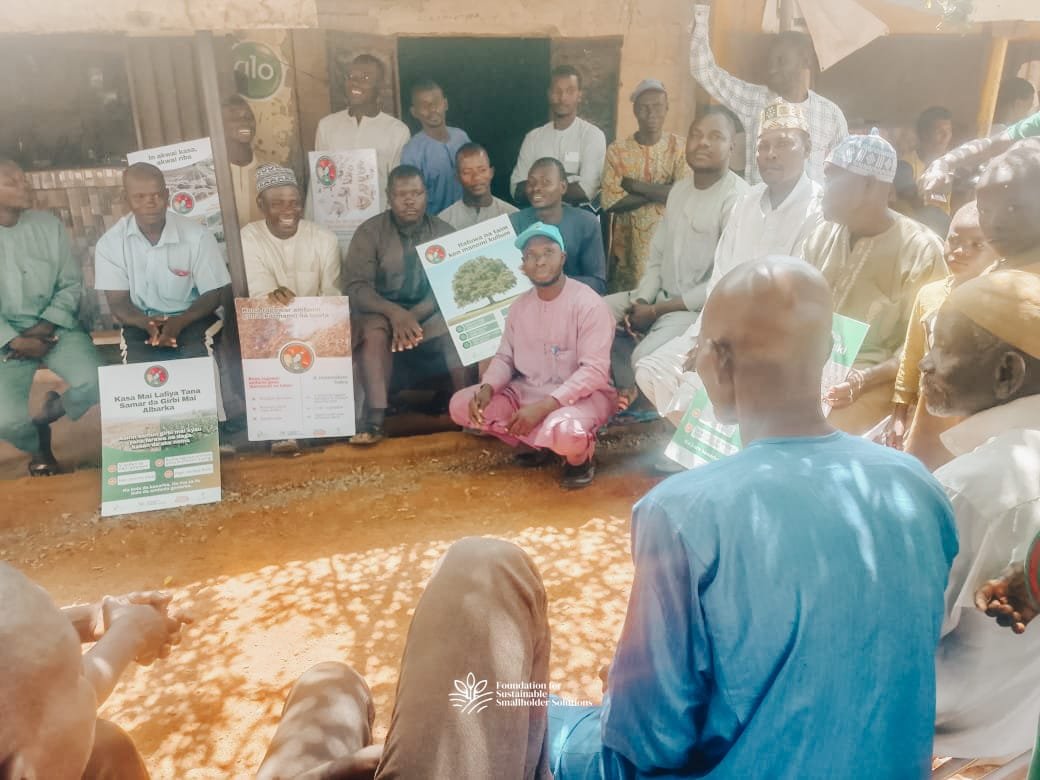
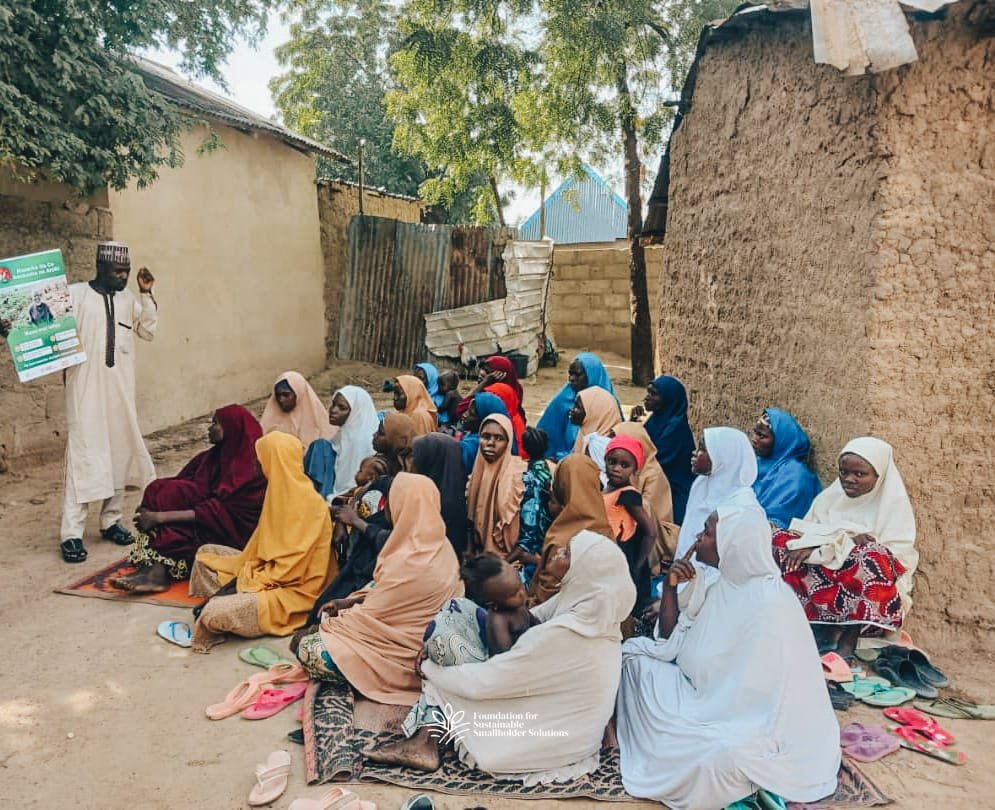
Through community-level mobilisation and training, farmers were engaged on the importance of planting and caring for trees, preventing bush burning, protecting soil, conserving water and improving soil health through regenerative practices.
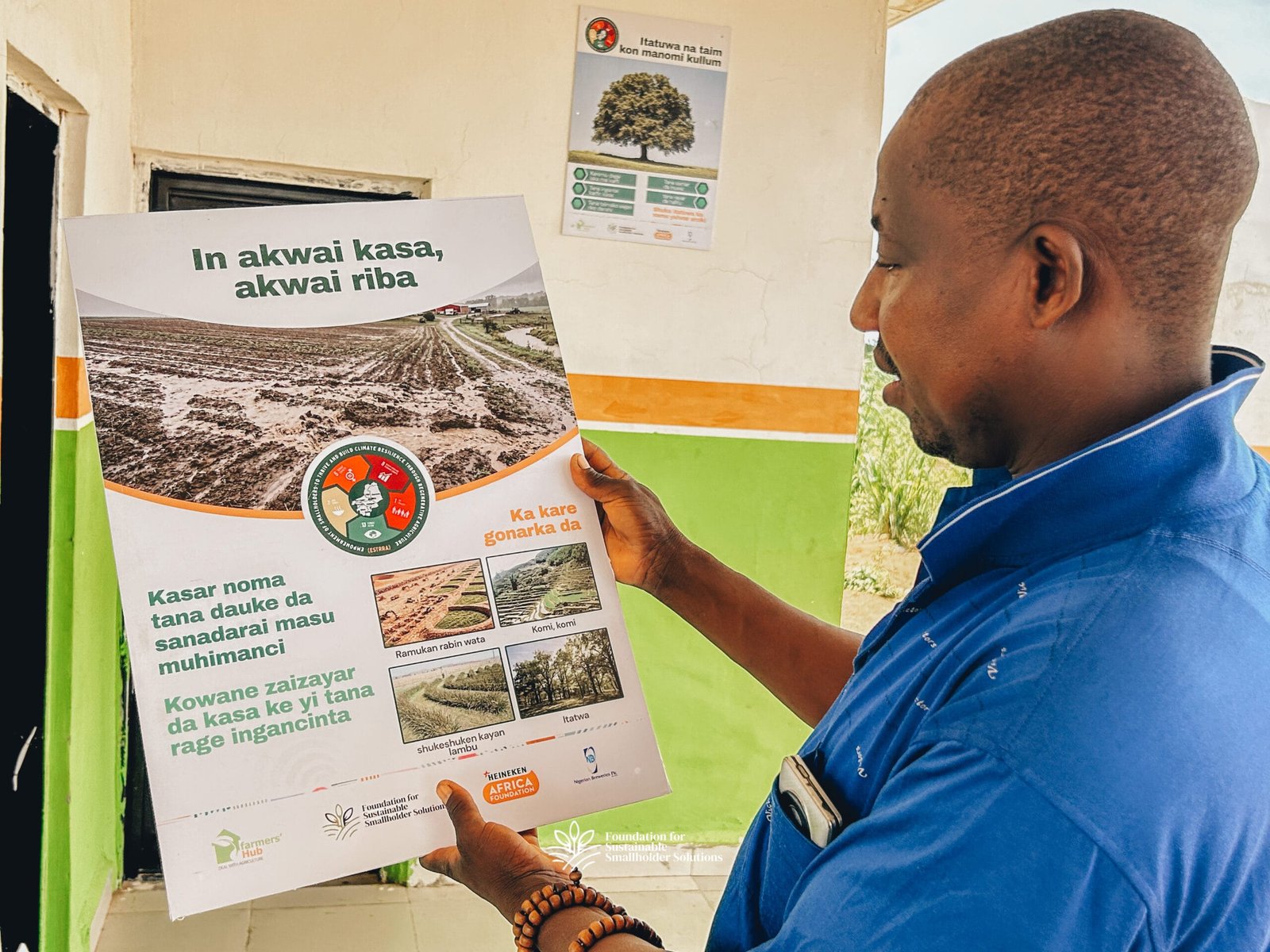
Farmers were also introduced to practical land and water management techniques such as earth bunds and half-moons, which help slow down water runoff, reduce erosion and allow more rainwater to infiltrate the soil.
Other messages focused on mulching, composting, manure application and other organic fertilisation techniques that can help improve soil structure and fertility while reducing farmers’ dependence on costly external inputs.
The emphasis was not simply on telling farmers what to do, but helping them understand how these practices can translate into healthier soils, better water retention, improved crop performance and more resilient livelihoods.
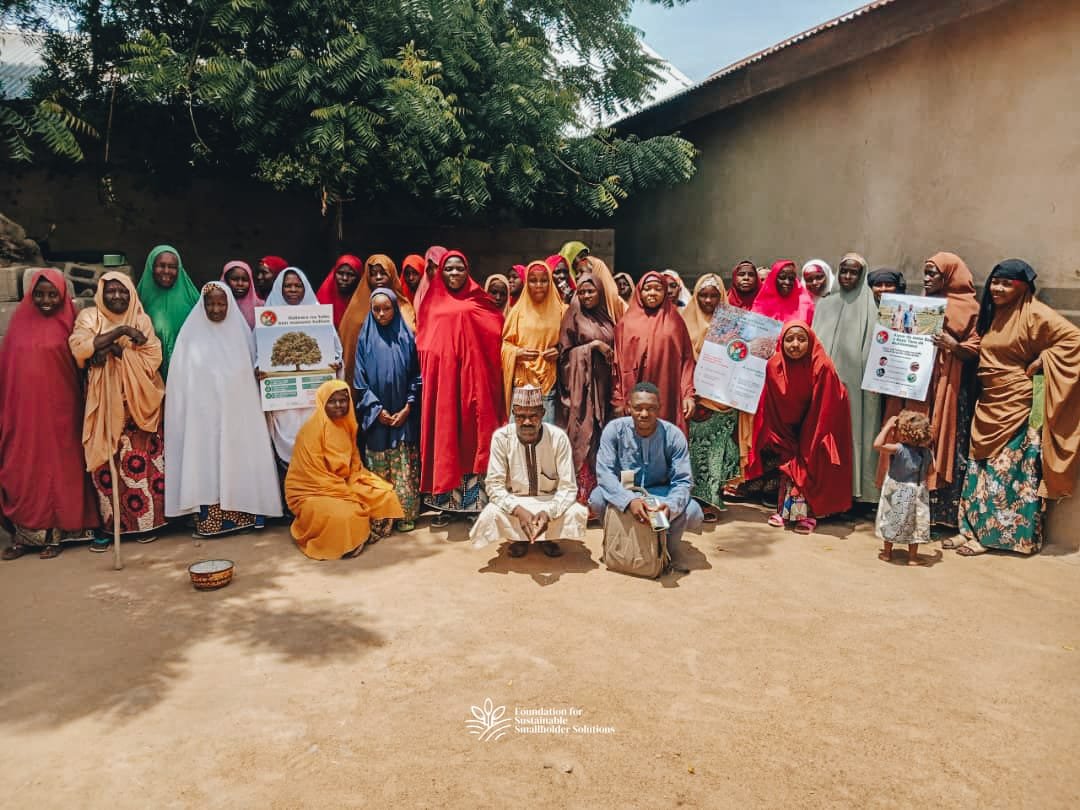
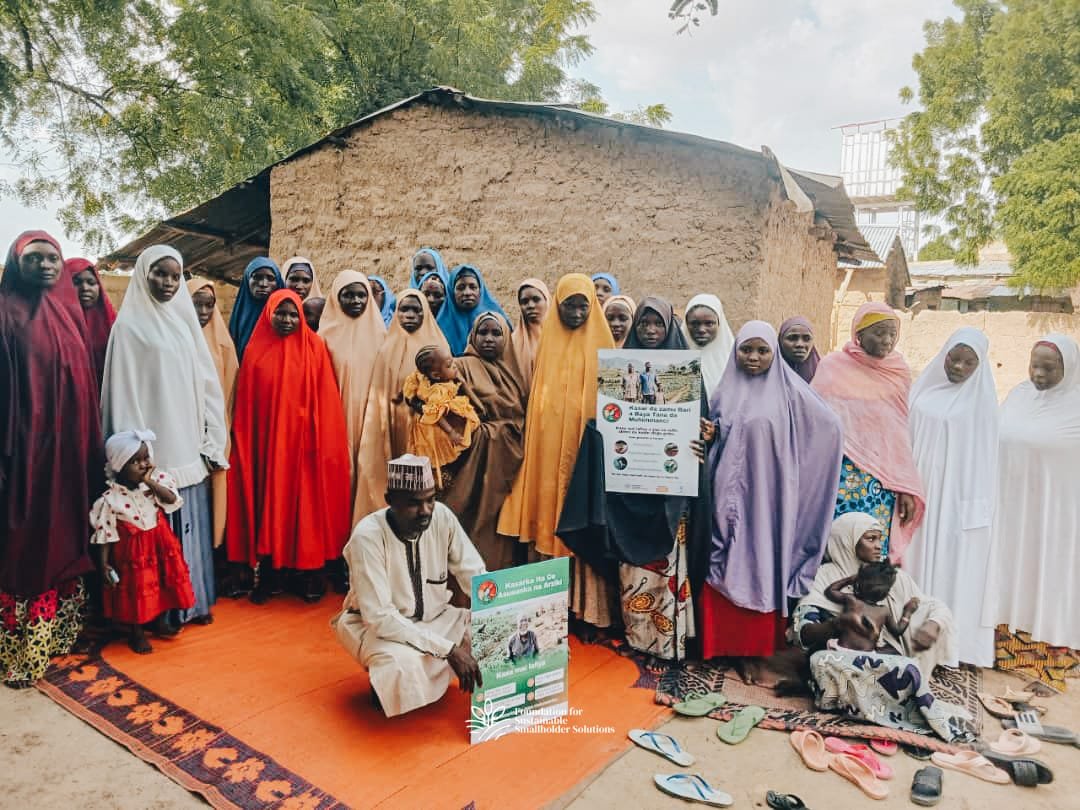
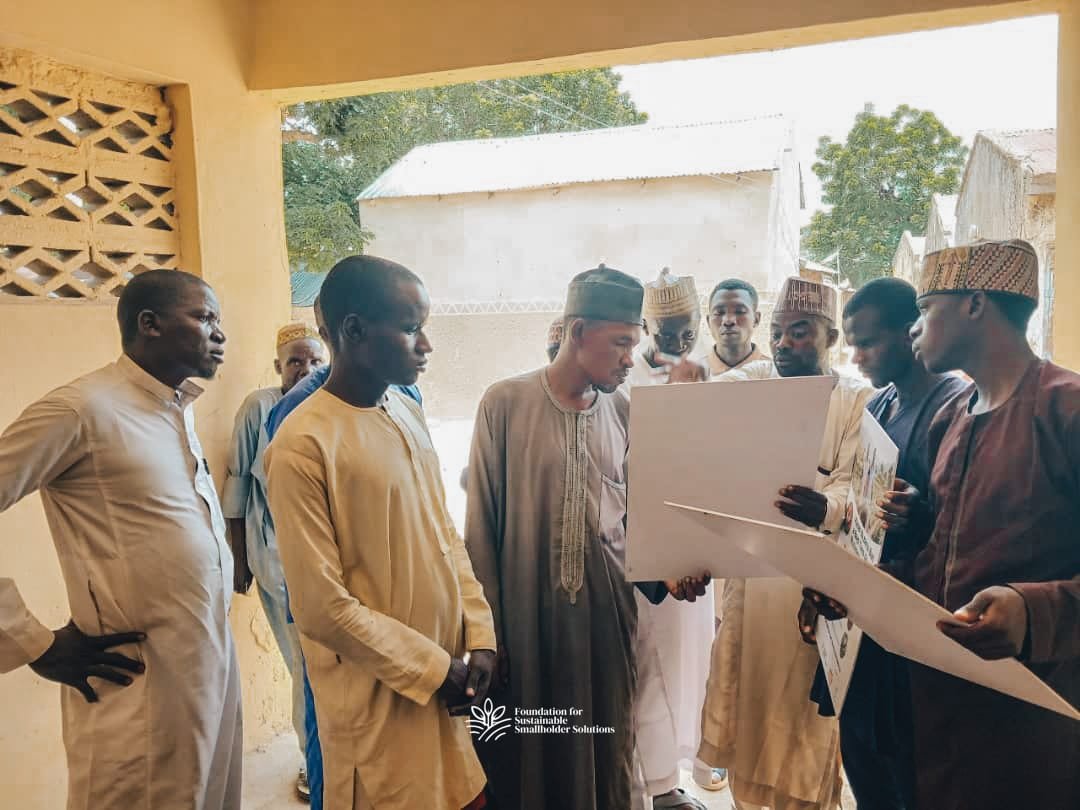
To extend the reach of the campaign, FSSS mobilised and trained community-level agents who took the ESTRRA messages directly to farmers across the project areas.
Through these efforts, the campaign reached more than 21,000 farmers, bringing practical messages on regenerative agriculture and environmental protection closer to farming households.
Women and young people were particularly prominent in the campaign, with 12,442 women and 13,850 young people reached through the engagement activities.
Their participation is significant because women and youth play important roles in farming households and community economies. Reaching them with practical knowledge creates more opportunities for climate-smart practices to be adopted and reinforced at household and community levels.
FSSS also took the campaign to the airwaves, recognising radio as one of the most accessible ways of reaching farmers across rural Bauchi communities.
Radio campaigns were broadcast through Falcon FM 100.3 and Bauchi Radio Corporation (BRC) 94.6 FM, using practical messages that farmers could easily understand and relate to.
The jingles and radio messages addressed issues such as bush burning, tree planting, soil protection, water conservation and the importance of adopting regenerative farming practices.
The campaign also introduced farmers to the Farmers’ Hub model, highlighting the services available through the hubs, including improved seeds, farm inputs, training, mechanisation services, climate information and market opportunities.
By combining face-to-face mobilisation with radio communication, FSSS was able to reinforce the same messages through multiple channels, giving farmers repeated opportunities to hear, understand and act on them.
Planting the message with the next generation
But if the goal is to create lasting change, the conversation cannot end with today’s farmers.
This is why the SBCC campaign eventually moved beyond farms and radio stations into schools across the ESTRRA project communities.
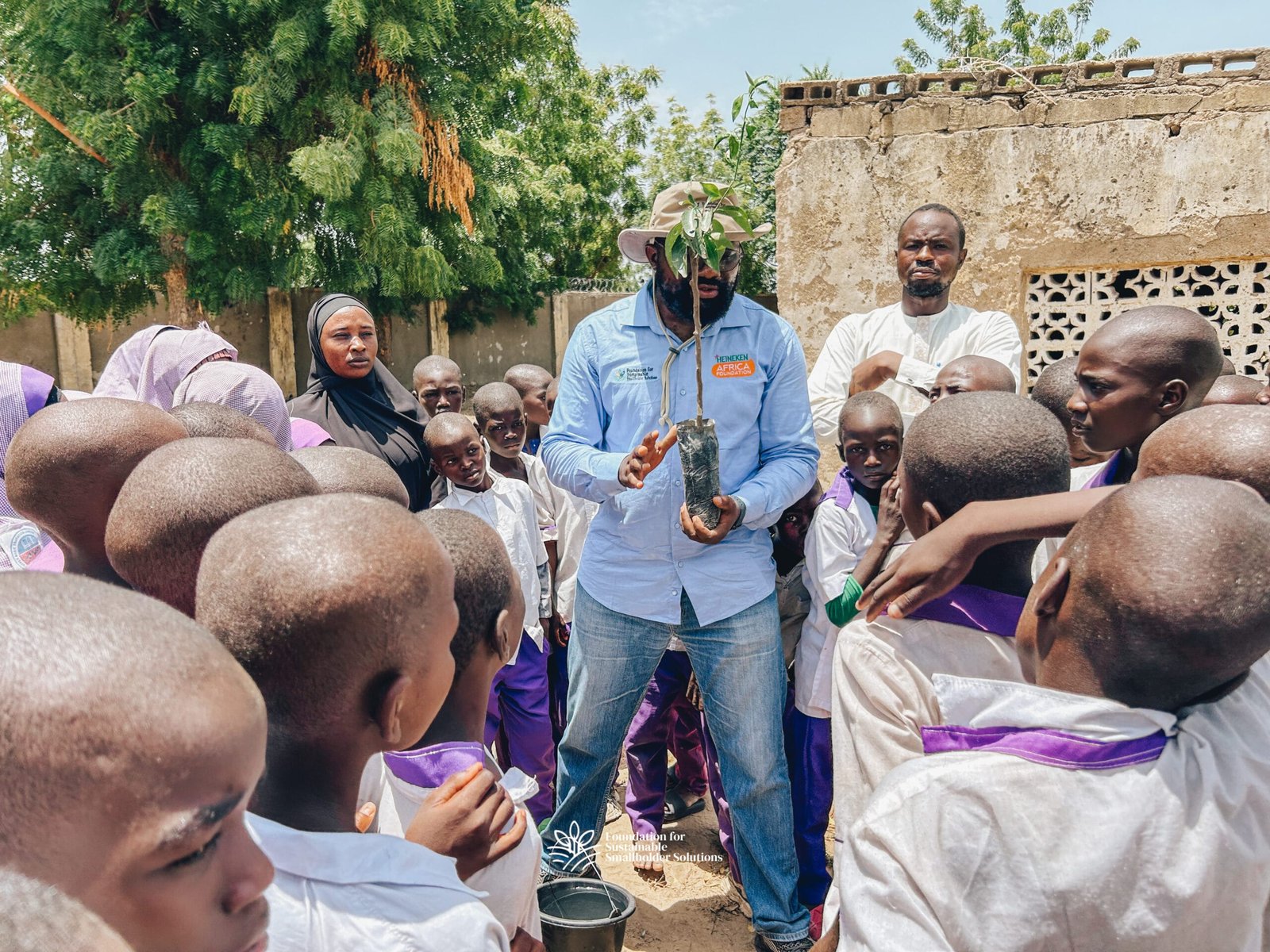
Through the Young Environmental Champions initiative, students were introduced to the importance of trees, healthy soils, biodiversity, water conservation and climate resilience.
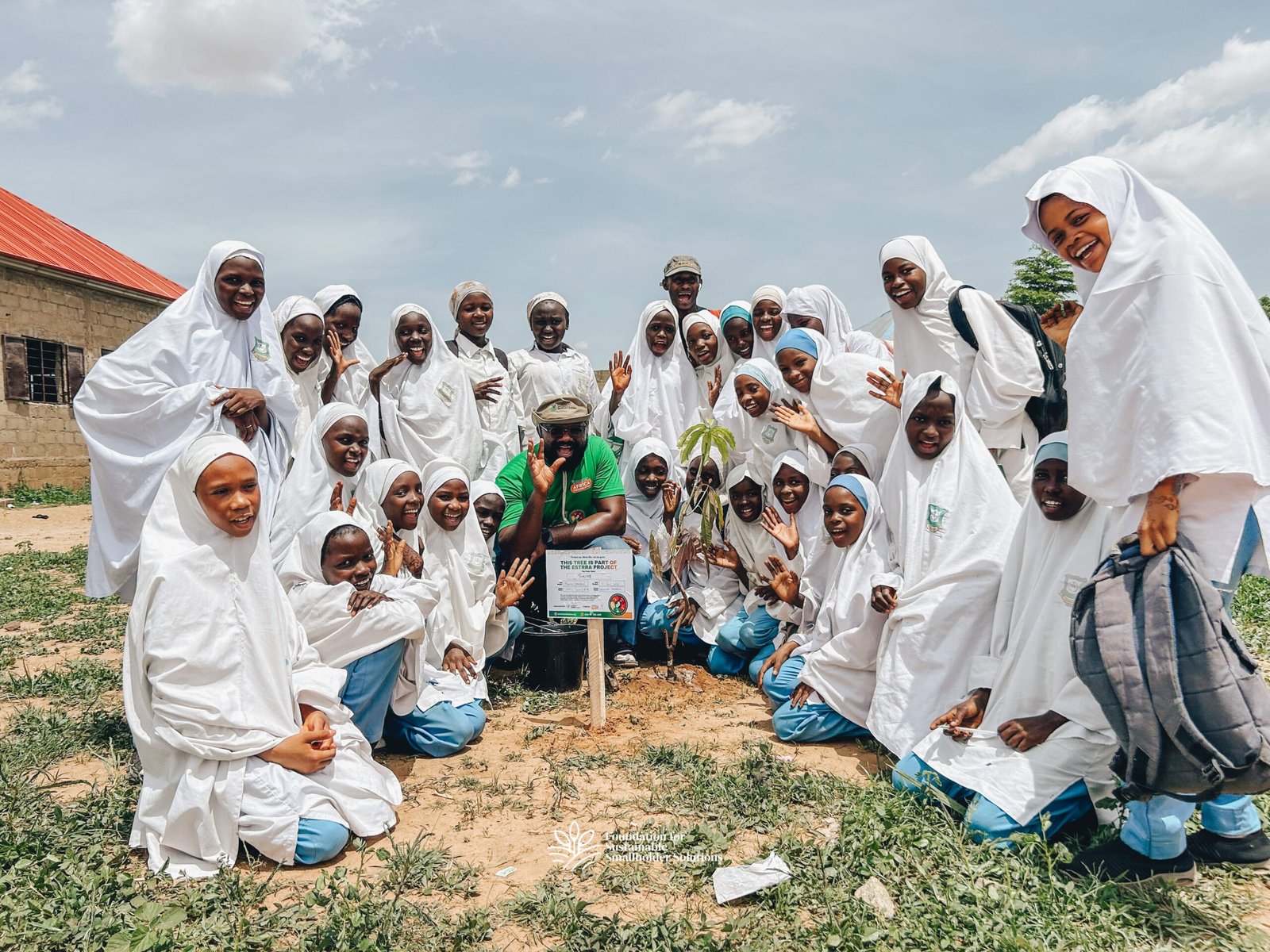
Students were taught not only why trees matter, but also how to plant and care for them. They participated in practical tree-planting activities, with classes encouraged to take responsibility for trees and learn through caring for them over time.
The campaign also sought to establish Young Environmental Champions Clubs, creating a platform for students to continue promoting environmental stewardship within their schools and communities.
The thinking is simple: today’s students are tomorrow’s farmers, community leaders, entrepreneurs and decision-makers. Giving them an understanding of environmental protection today can help shape how they interact with land and natural resources in the future.
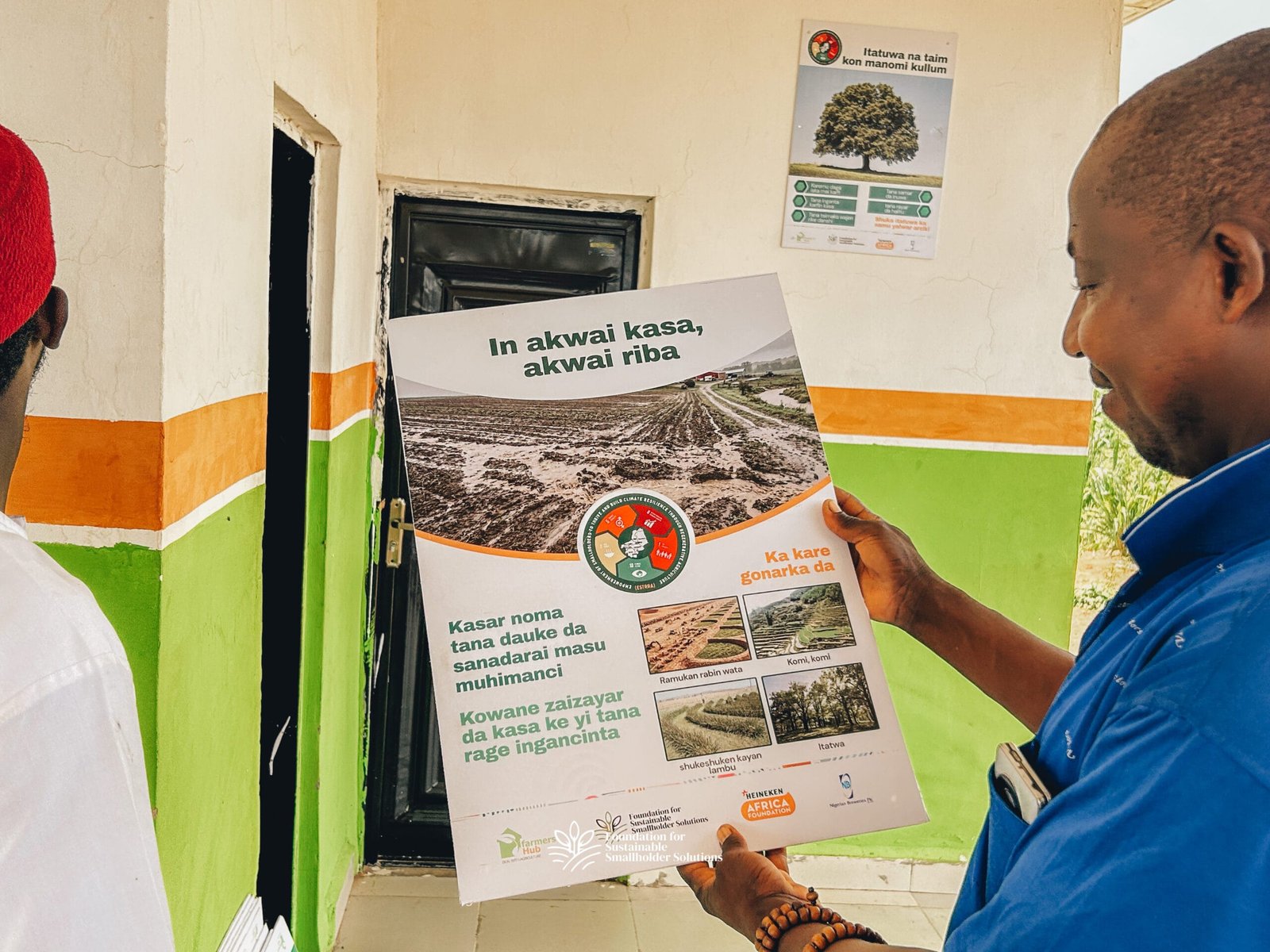
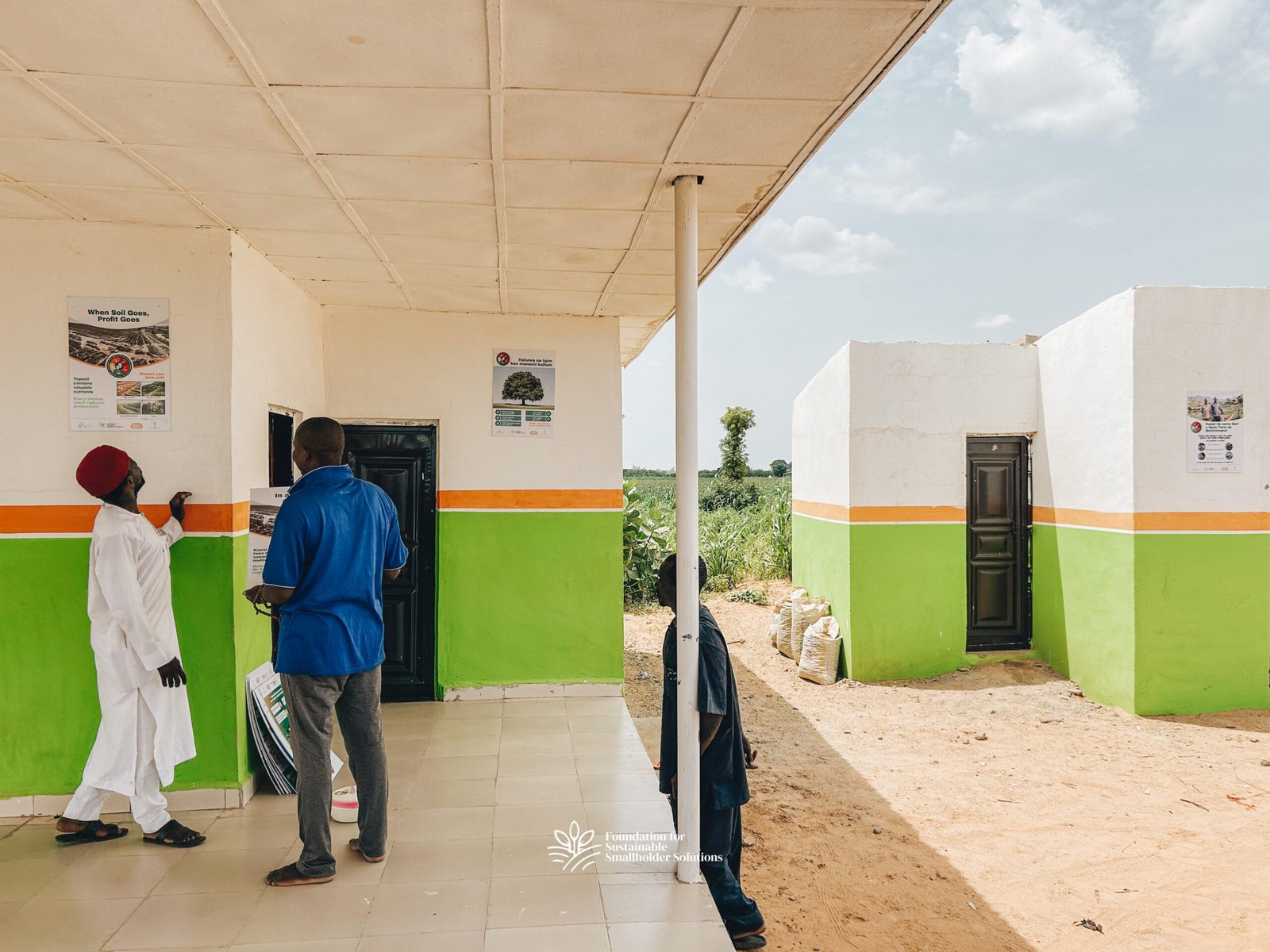
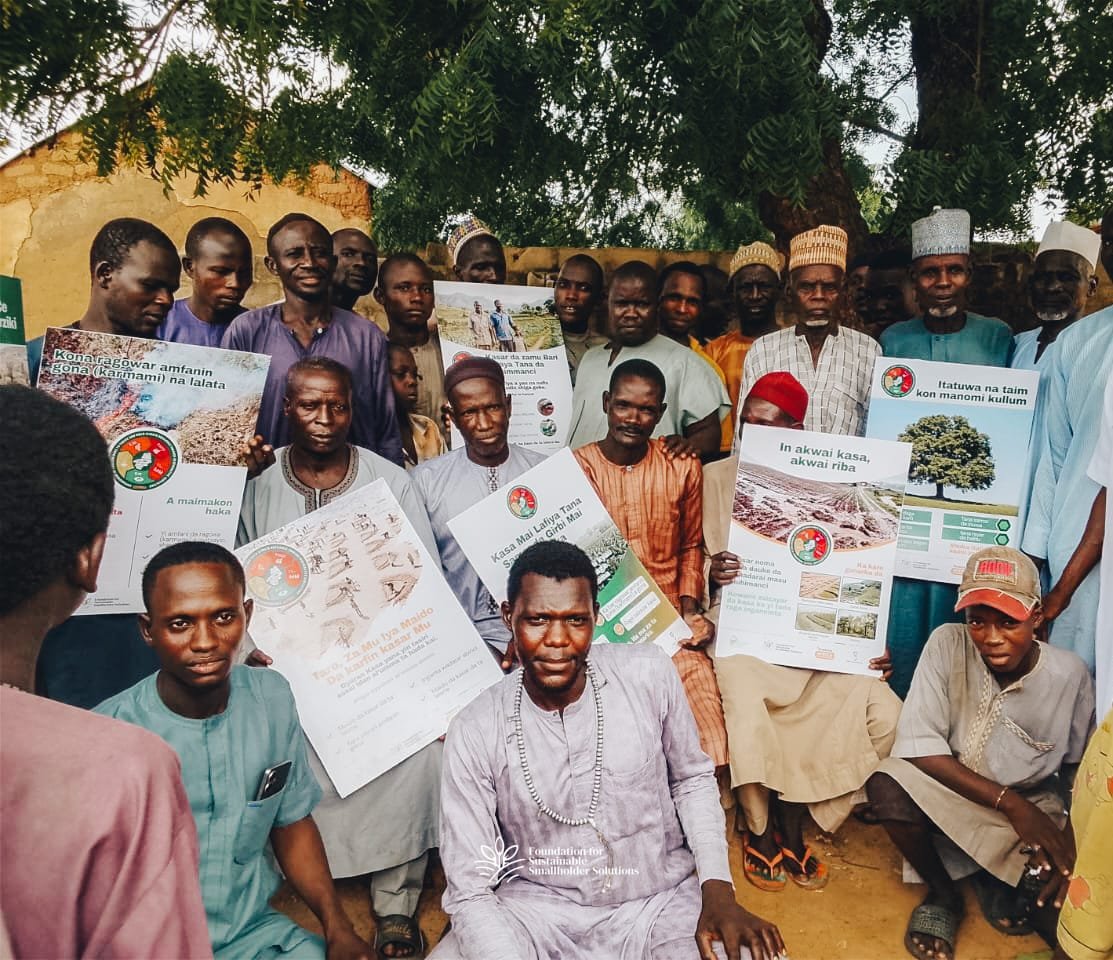
The SBCC campaign is an important part of the wider ESTRRA strategy, which aims to directly reach 14,000 smallholder farmers and contribute to the restoration of 29,000 hectares of degraded land across Bauchi North.
The project is combining behaviour change with practical interventions, including agroforestry and fruit forests, earth bunds and half-moons, improved seed systems, climate-smart agriculture, nutrition-sensitive farming, livelihood diversification and Farmers’ Hubs.
The ambition is for farmers to have both the knowledge and the tools to respond to the challenges confronting their farms.
A farmer who understands why bush burning damages soil can choose to protect crop residues instead. A farmer who understands the value of trees can plant and nurture them. A farmer who knows how to use half-moons or earth bunds can capture more of the rain that falls on their land. And a farmer who improves soil health through mulching, manure and organic matter can gradually rebuild the productive capacity of the farm.
Ultimately, the campaign is about helping communities recognise that resilience begins with everyday decisions.
The trees planted today will take years to mature. The soil may take seasons to recover. Behaviour change may not happen overnight.
But by reaching farmers with practical knowledge, reinforcing the message through radio and taking the conversation into schools, FSSS is helping to build a community-wide movement towards healthier land, stronger farms and a more resilient future for Bauchi North.
Through ESTRRA, the message is taking root alongside the trees: protect the land, restore the soil, conserve water and build a future that can sustain the generations to come.