- Welcome to FSSS Nigeria!
- info@fsssolutions.org
- 1190, Mabushi, Abuja

ESTRRA Farmers Mark World Food Day with Local Foods, Nutrition Education and Climate-Smart Agriculture
From traditional dishes and practical nutrition lessons to farmers’ produce and climate-smart farming, the ESTRRA World Food Day festival brought together the different ways communities can grow and eat better.
NEWS
What does it take to nourish the people who feed the nation? For smallholder farmers, the answer begins on the farm but does not end at harvest. It also includes the food they eat, how they prepare it and whether their households can access nutritious meals.
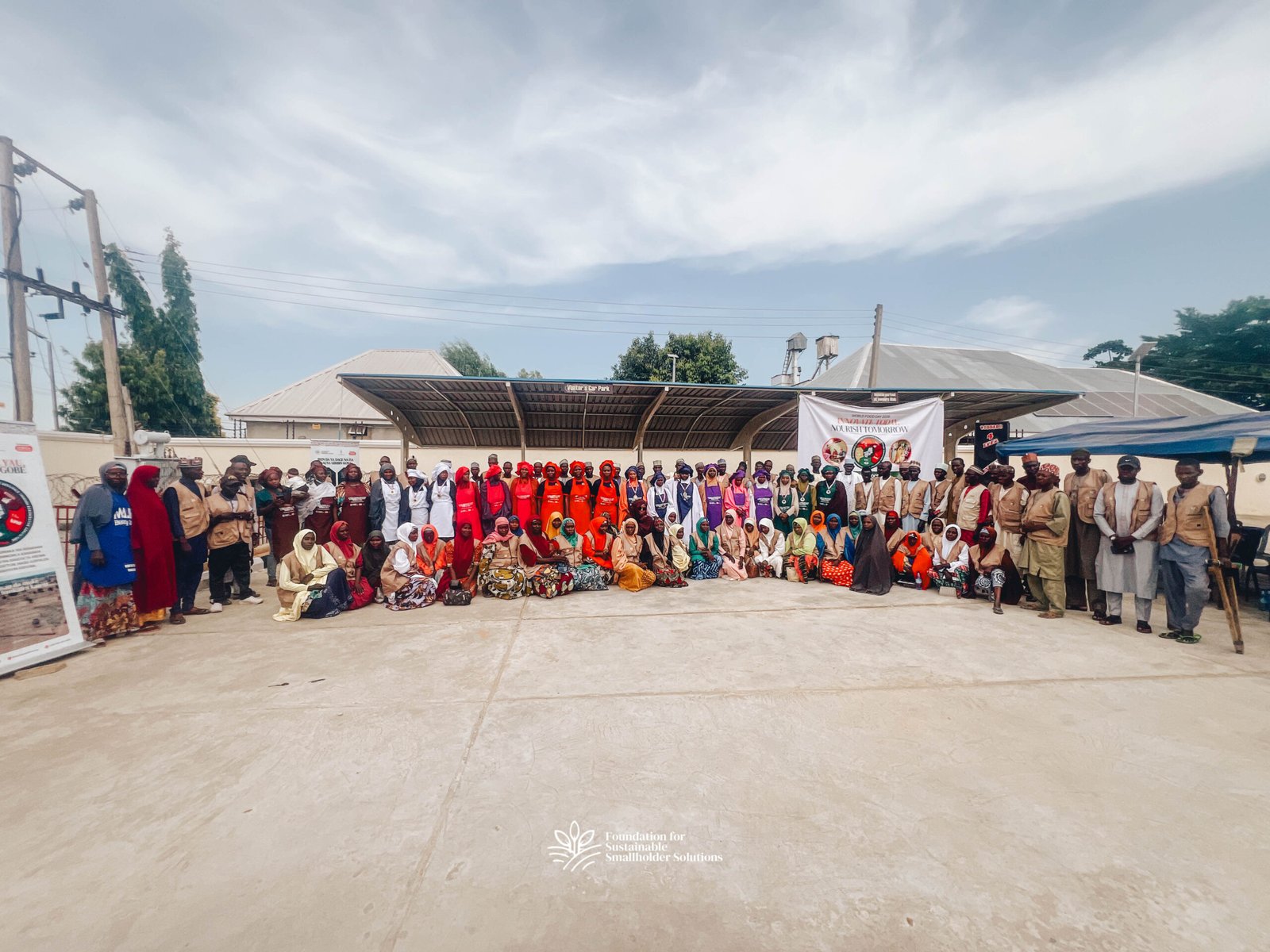
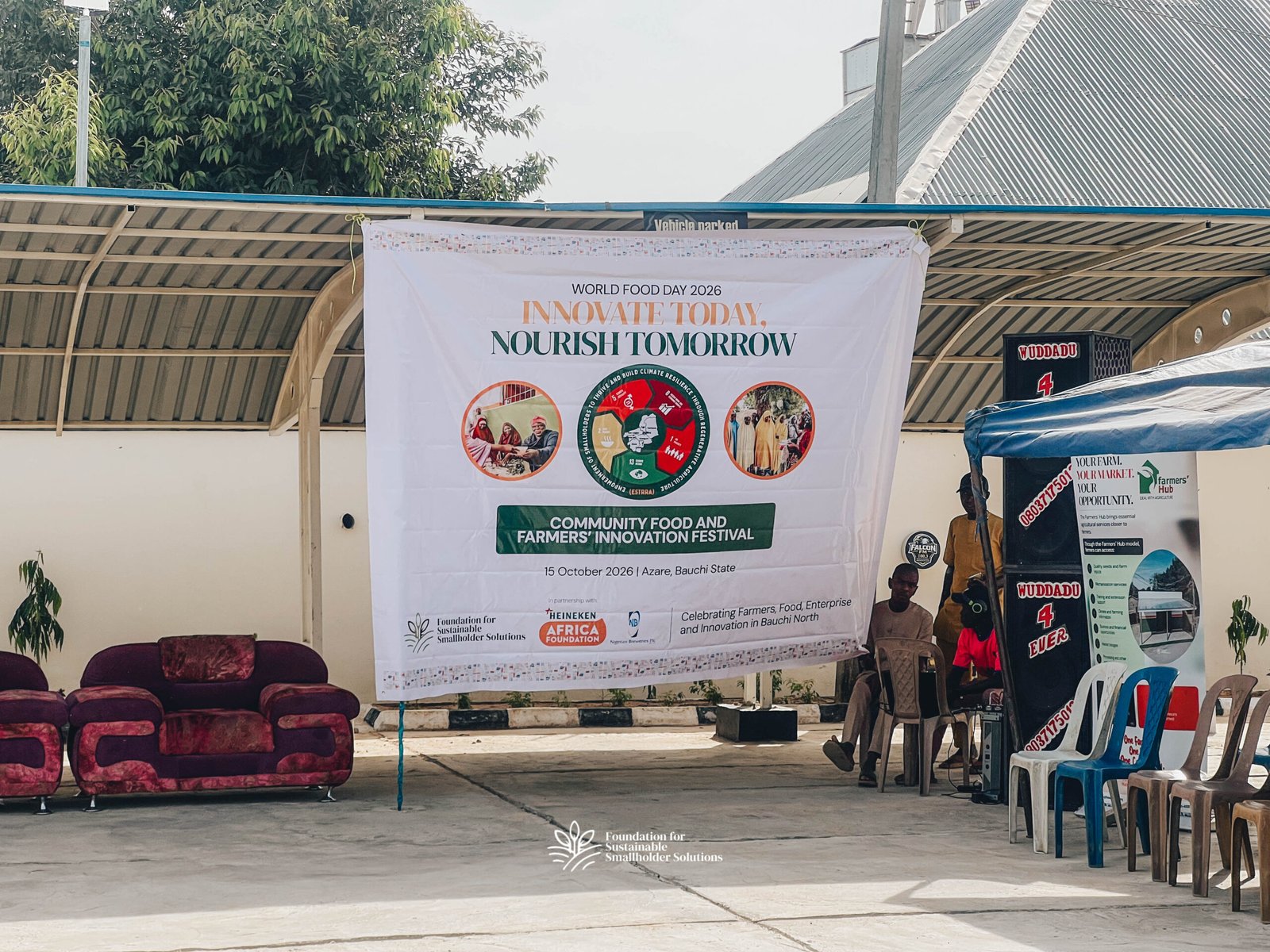
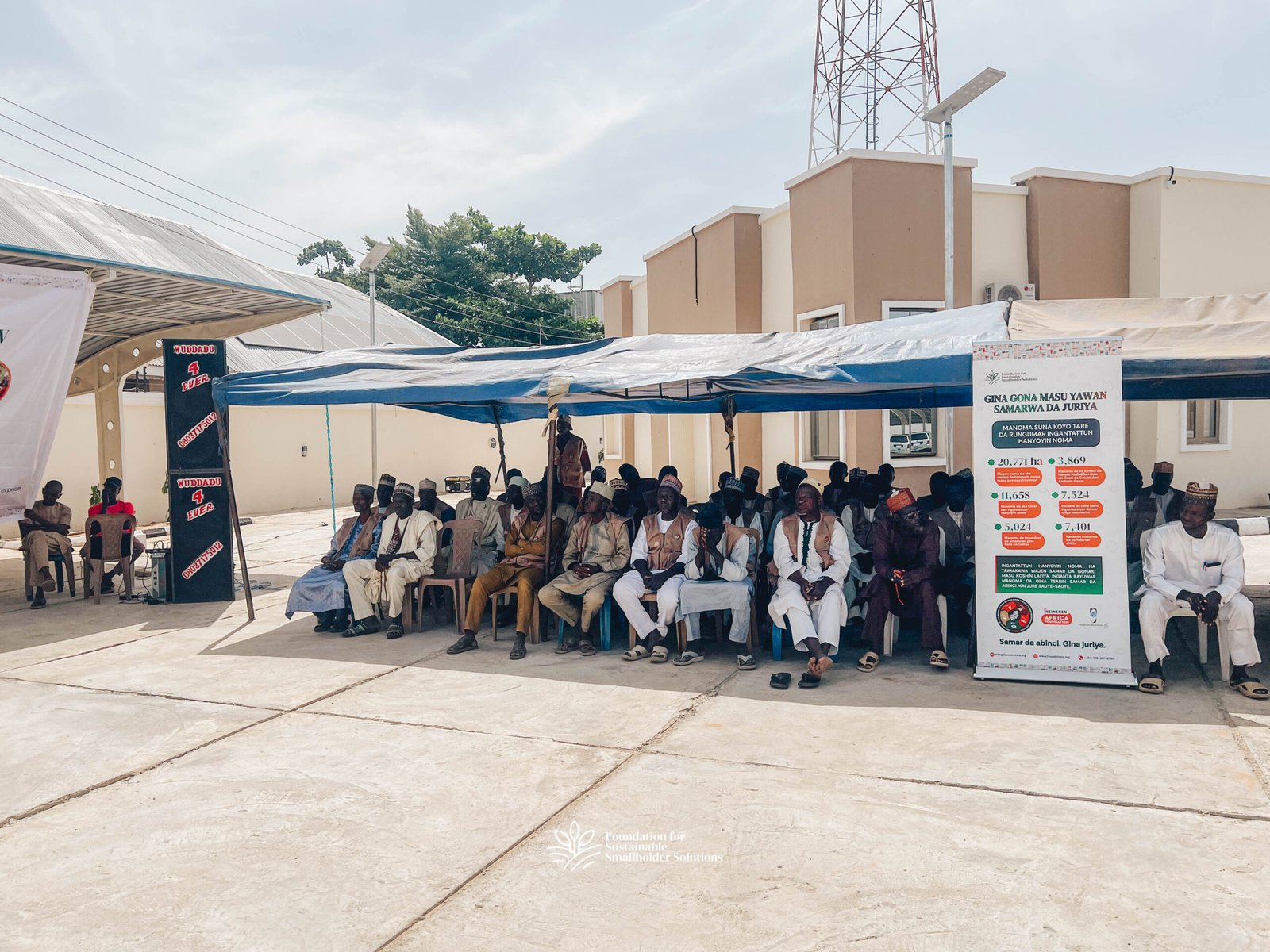
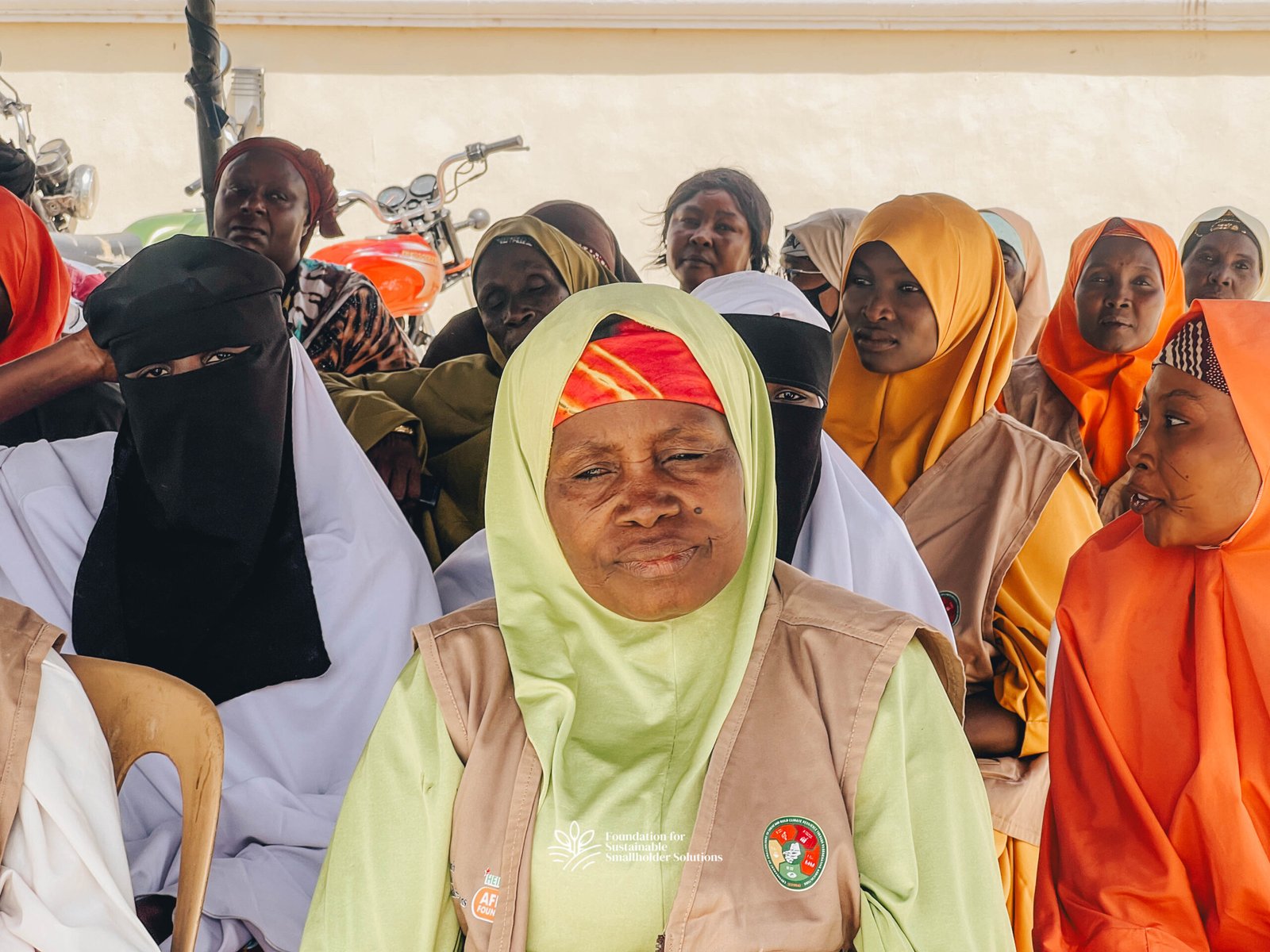
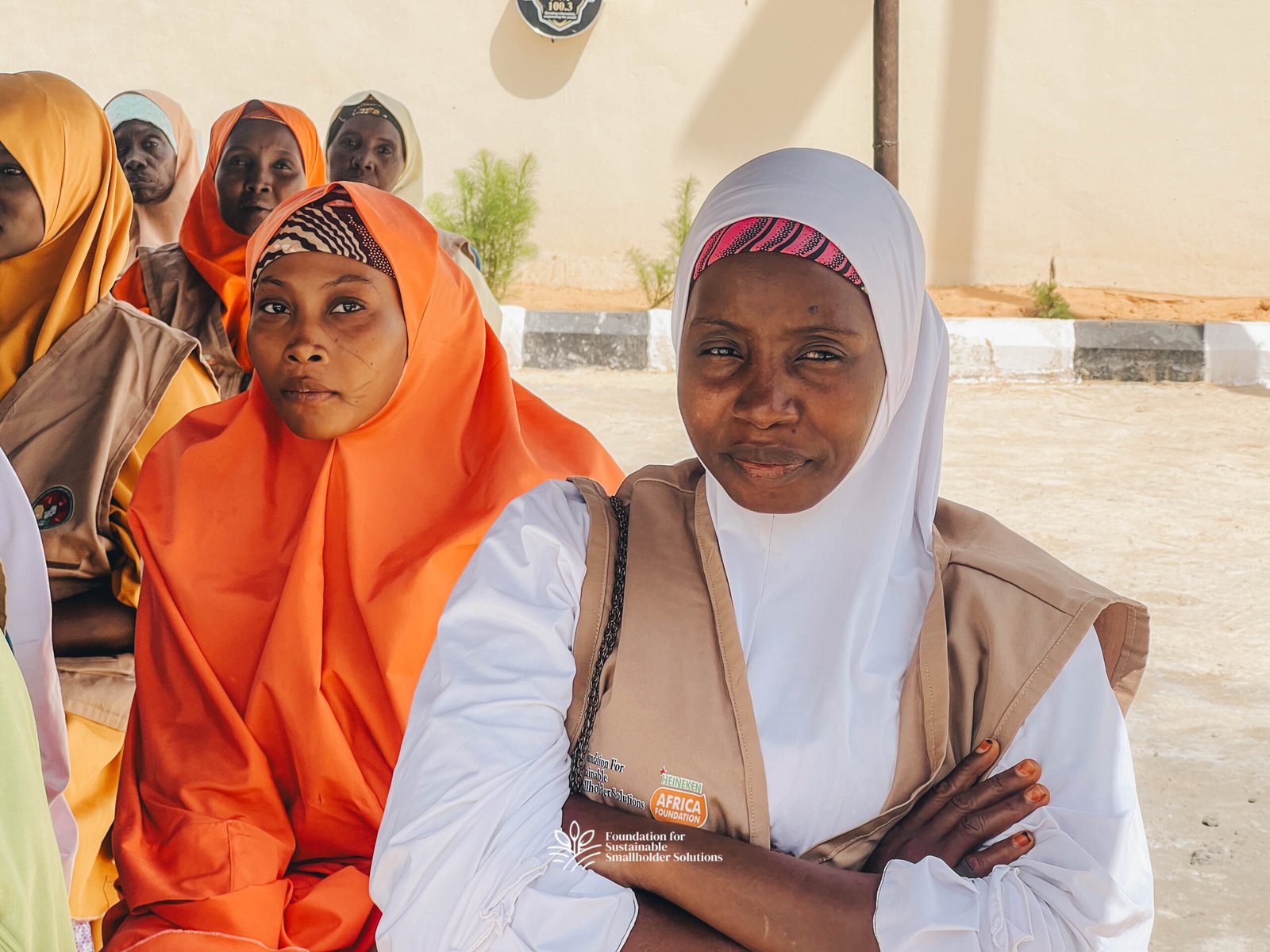
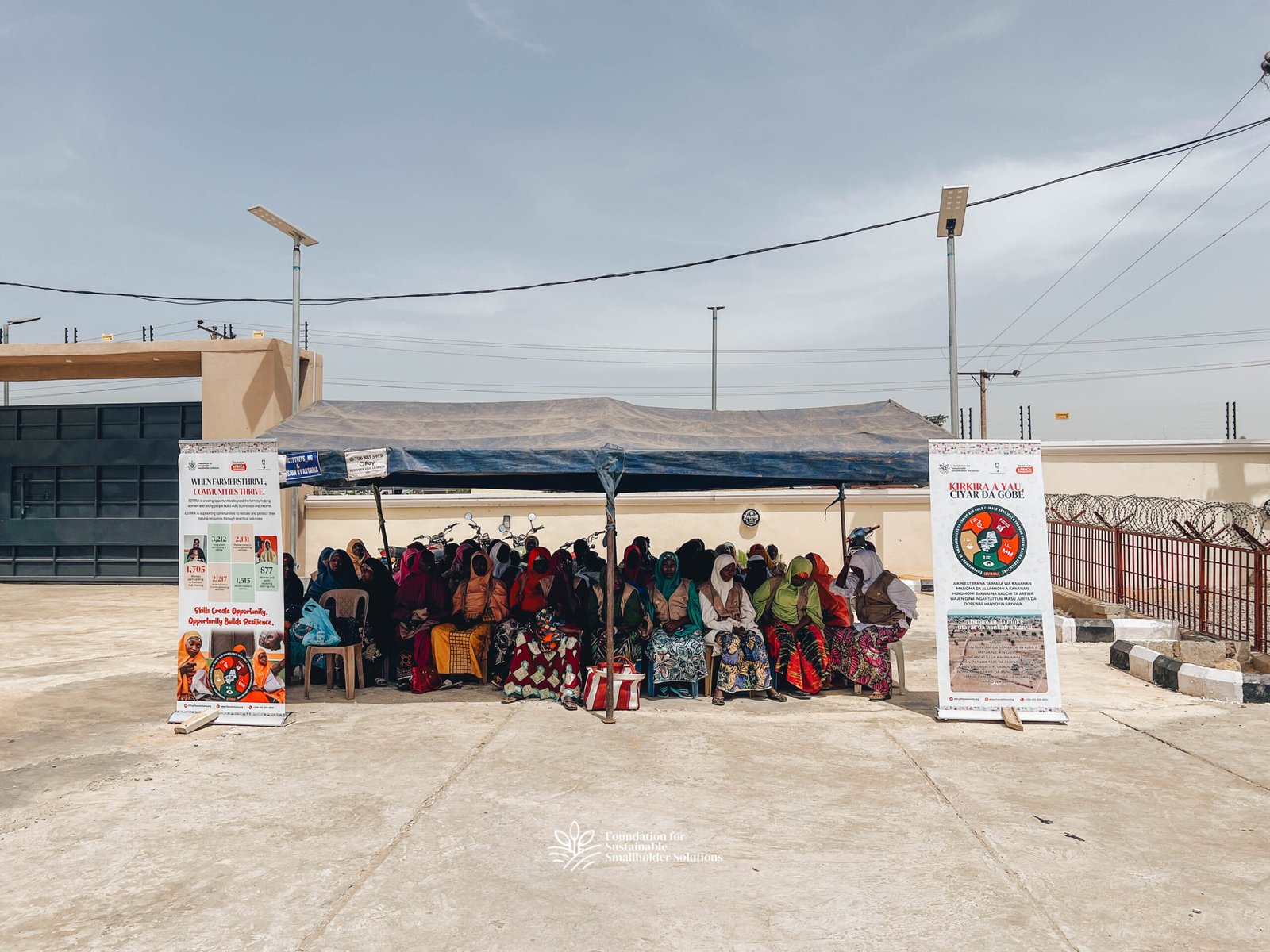
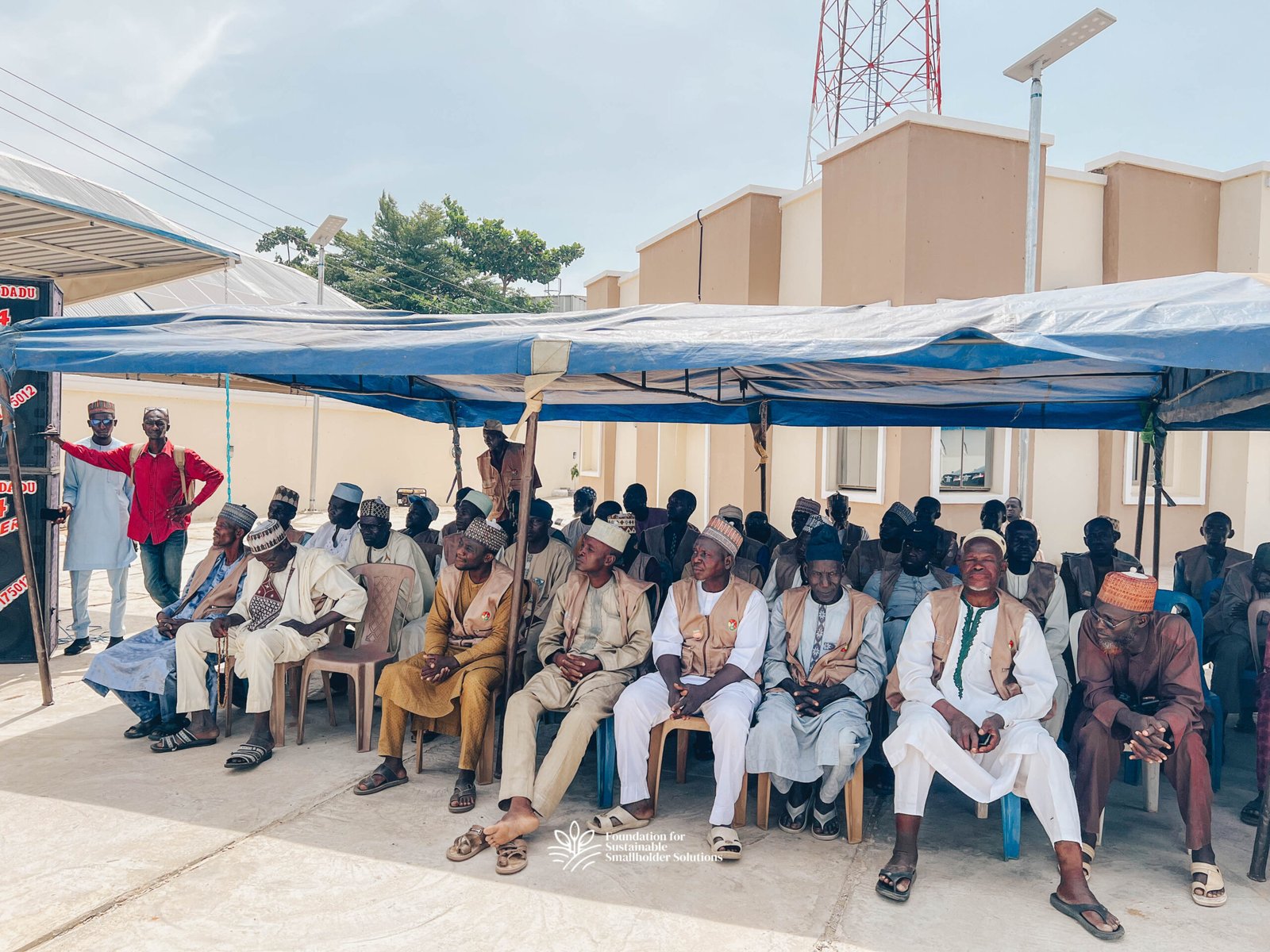
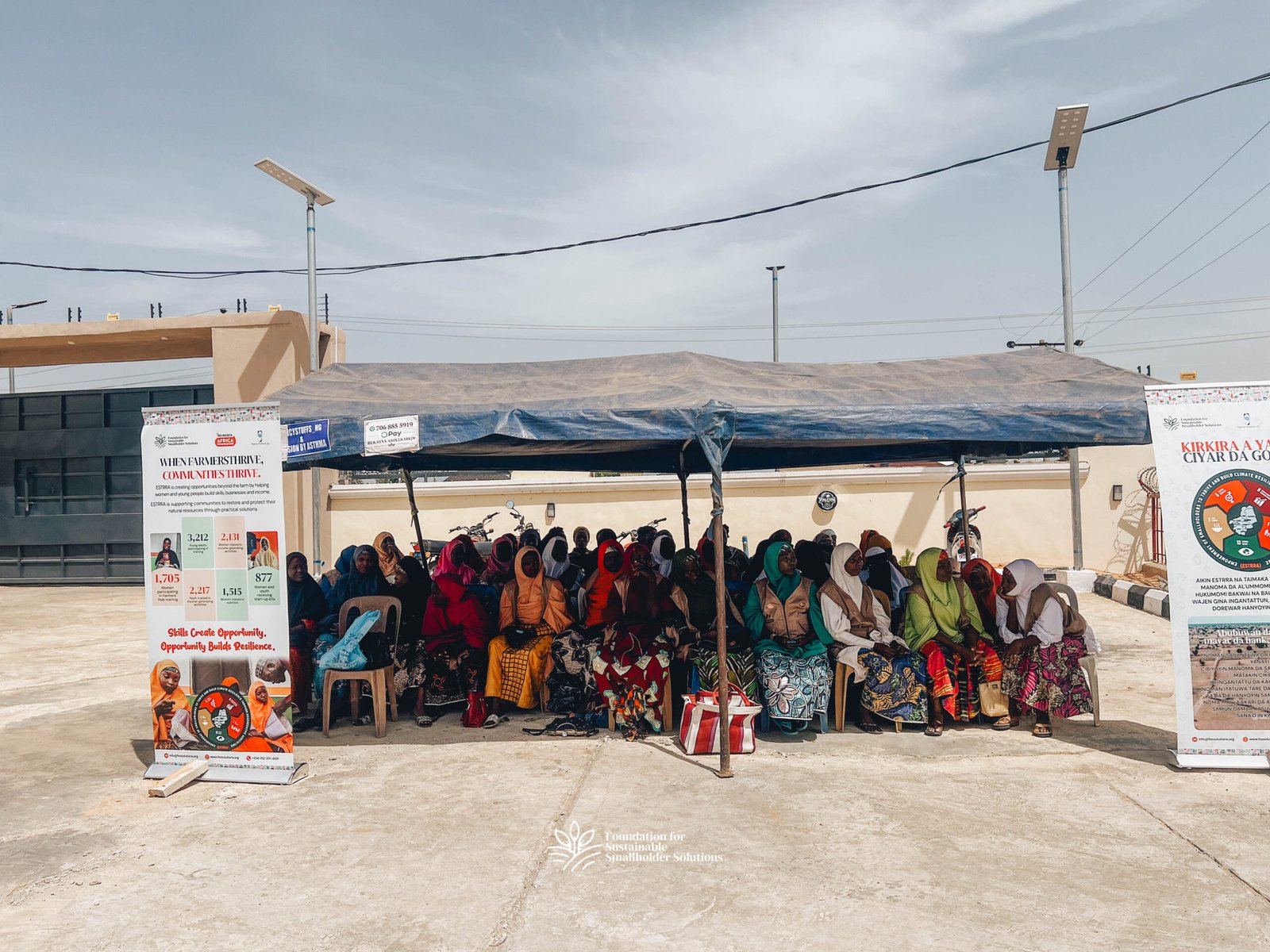
These issues came together on Thursday, 15 October 2026, when the Foundation for Sustainable Smallholder Solutions (FSSS) held the ESTRRA Community Food and Farmers’ Innovation Festival in Azare, Bauchi State, to mark World Food Day.
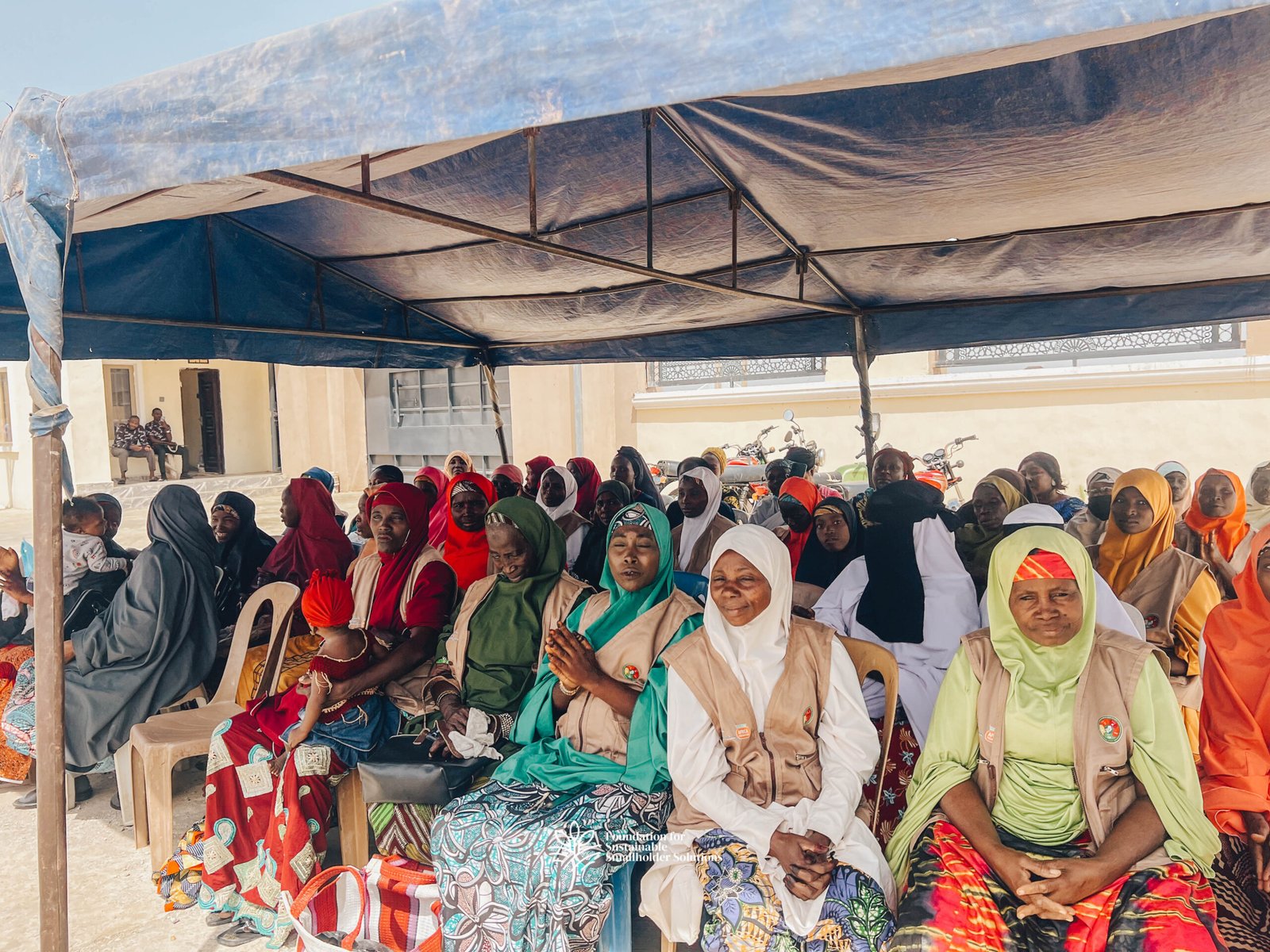
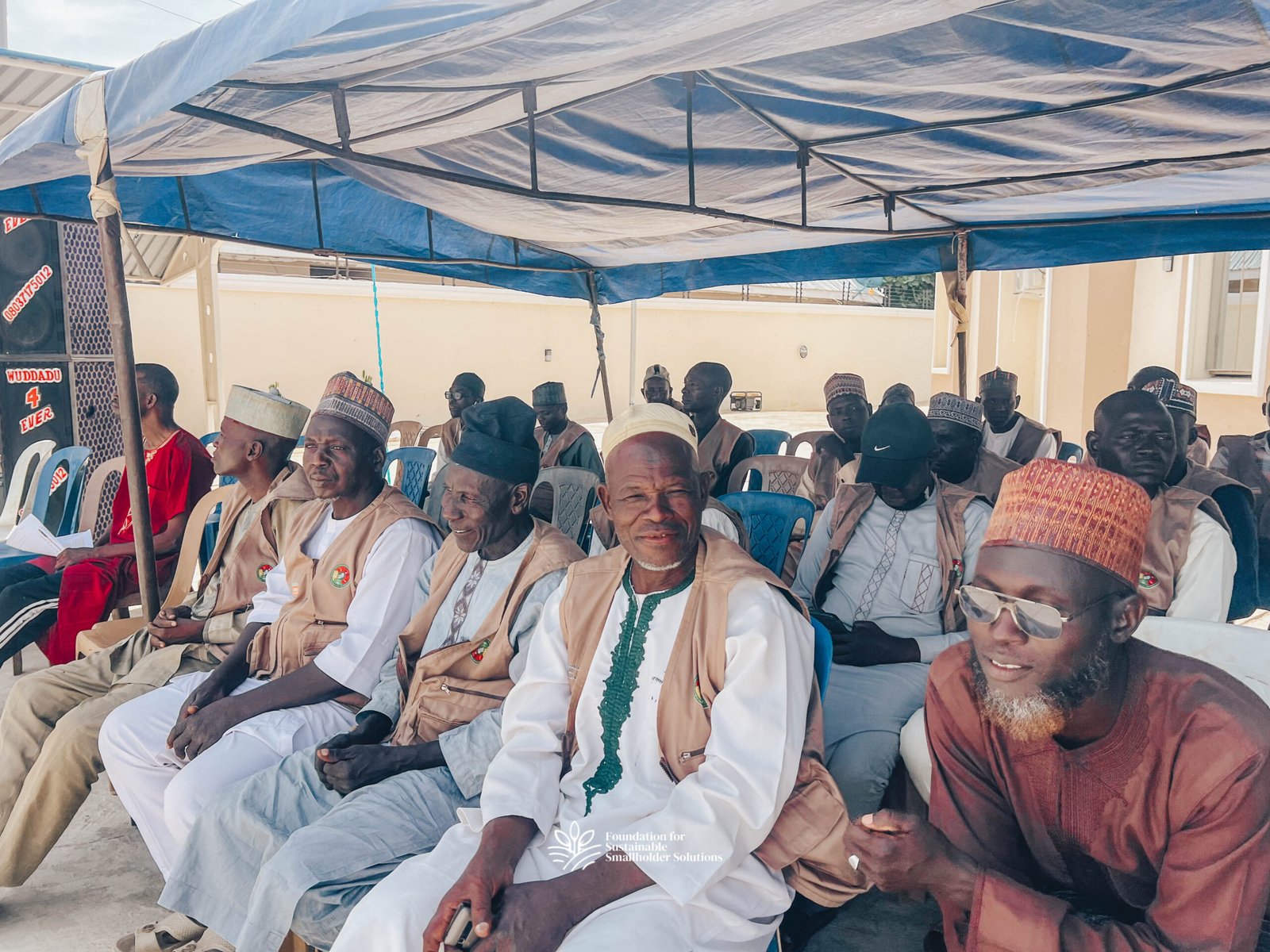
Held under the theme “Innovate Today, Nourish Tomorrow,” the event brought together farmers and rural entrepreneurs from seven Local Government Areas in Bauchi North. A farmers’ market, a traditional cooking competition, nutrition education and displays of agricultural innovations gave participants different ways to explore the connection between food production, nutrition and resilient livelihoods.
The festival was organised through the Empowerment of Smallholder Farmers to Thrive and Build Climate Resilience through Regenerative Agriculture (ESTRRA) Project, implemented by FSSS with support from the HEINEKEN Africa Foundation and Nigerian Breweries PLC.
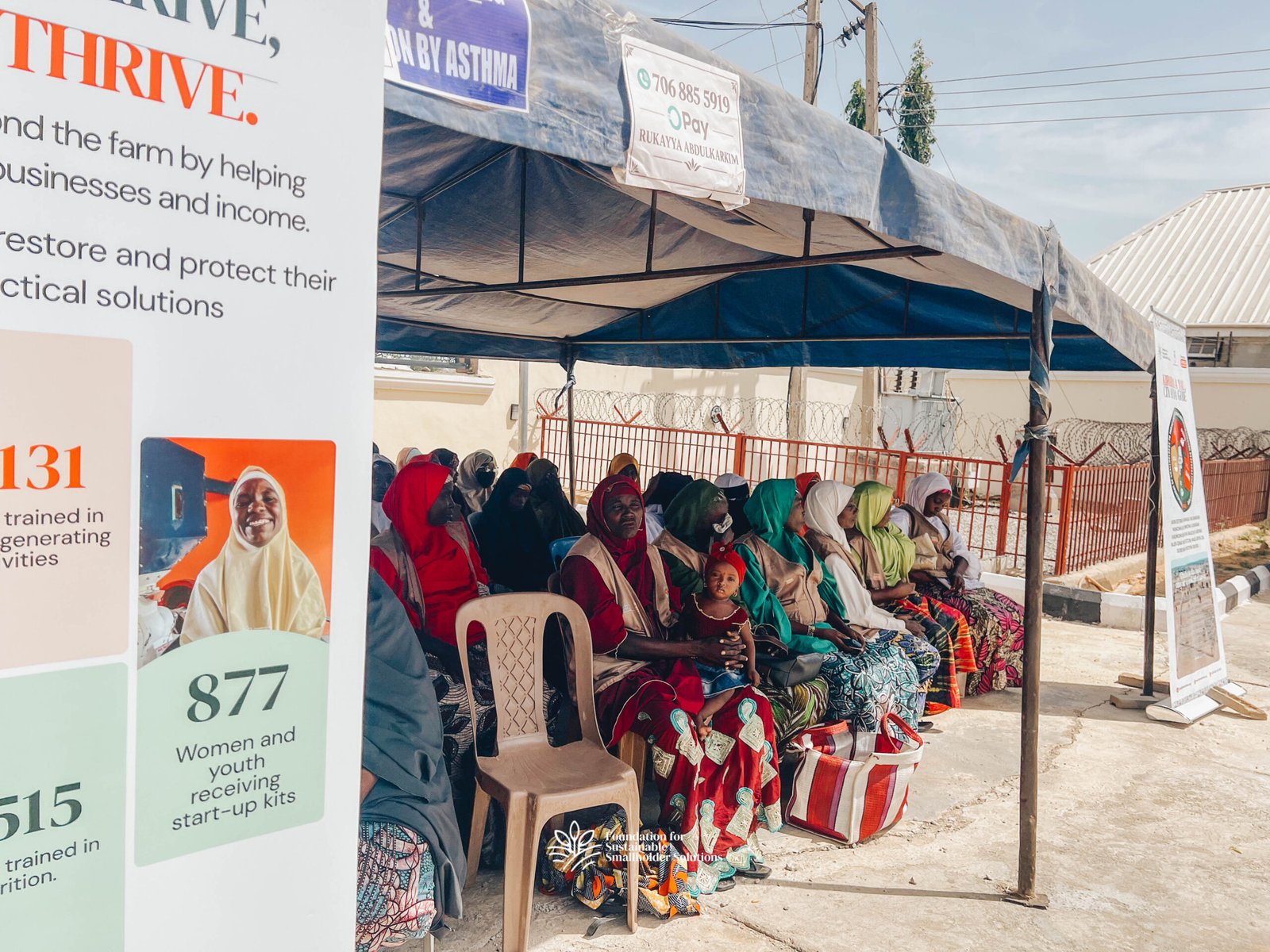
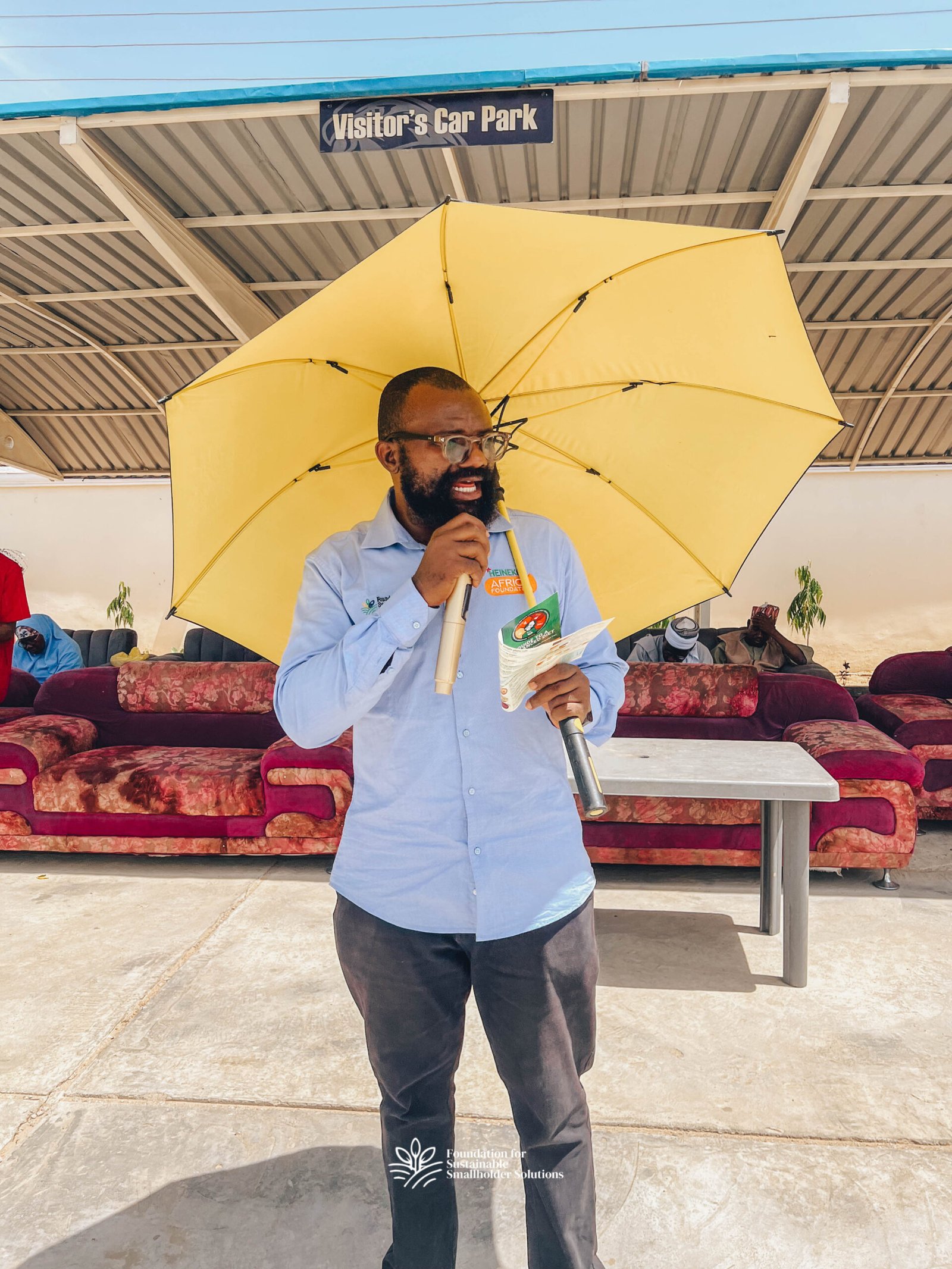
One of the day’s highlights focused on a simple but often overlooked part of food security: the nutrition of farmers themselves. Clinton Inene, FSSS Brand and Communication Manager, led a session on the importance of nourishing the people who feed the nation. Farmers need energy to carry out demanding work, and the quality of their diets matters to their health and ability to work on their farms.
Rather than discussing nutrition in abstract terms, the session showed participants how to combine foods they eat every day to make their meals more nutritious. The practical demonstration encouraged them to think about how familiar ingredients can be used to improve the quality of their diets.
The message was that better nutrition does not have to begin with unfamiliar foods or complicated recipes. It can start with understanding what goes into everyday meals and how available foods can be combined to provide a more balanced diet.
For farming households, this connects food production directly to household wellbeing. Growing food is essential, but what families eat from their harvest also matters.
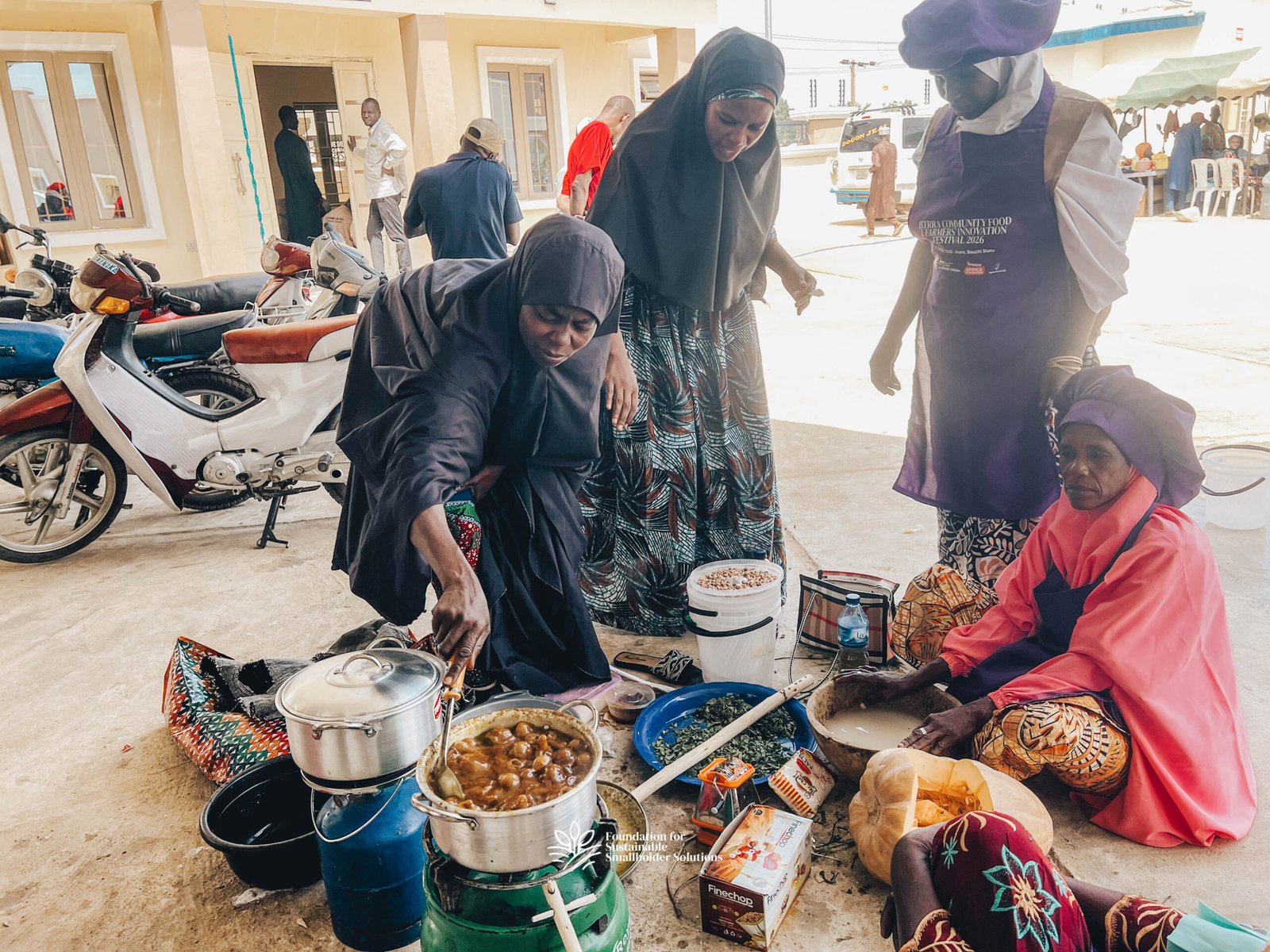
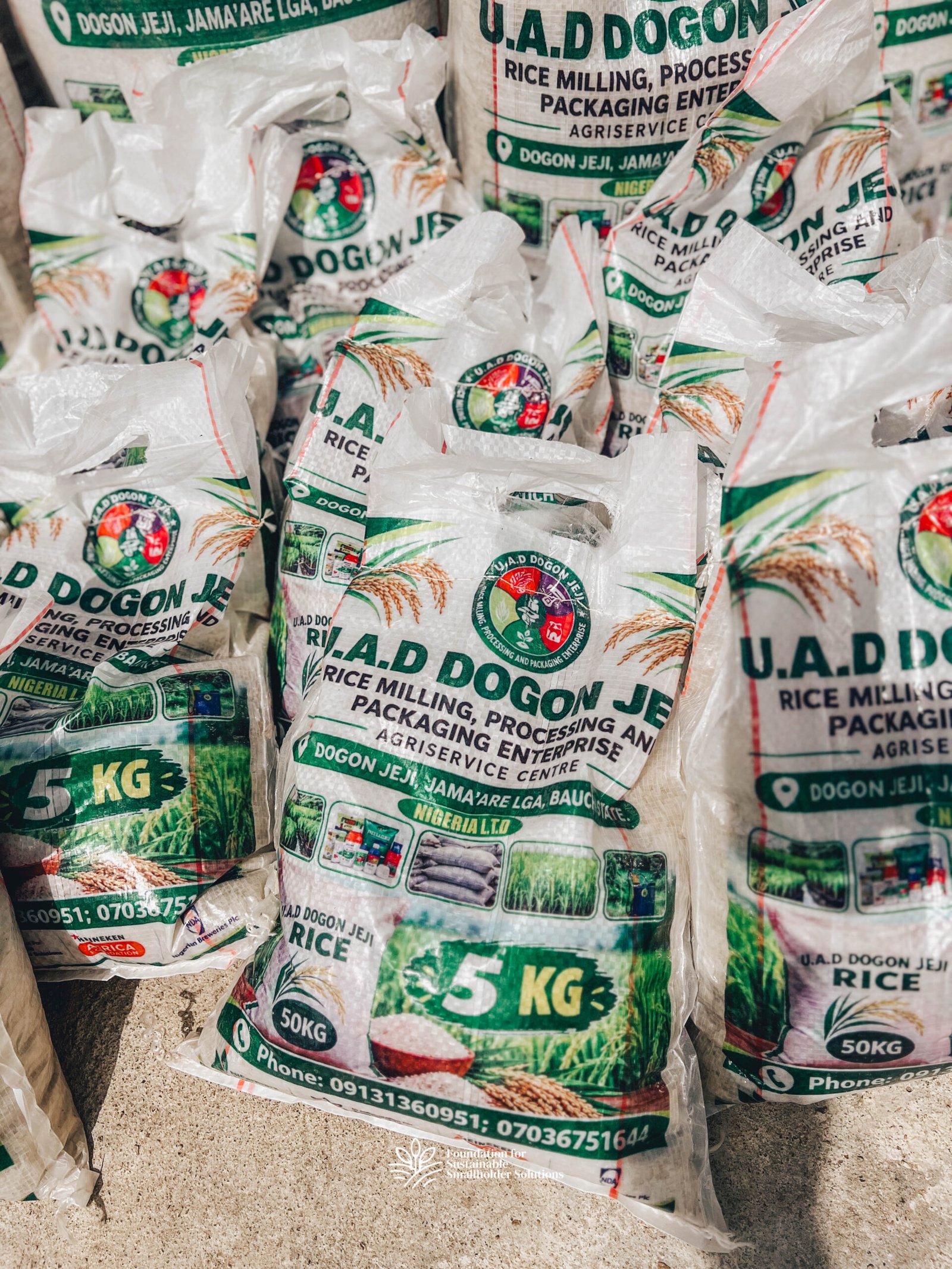
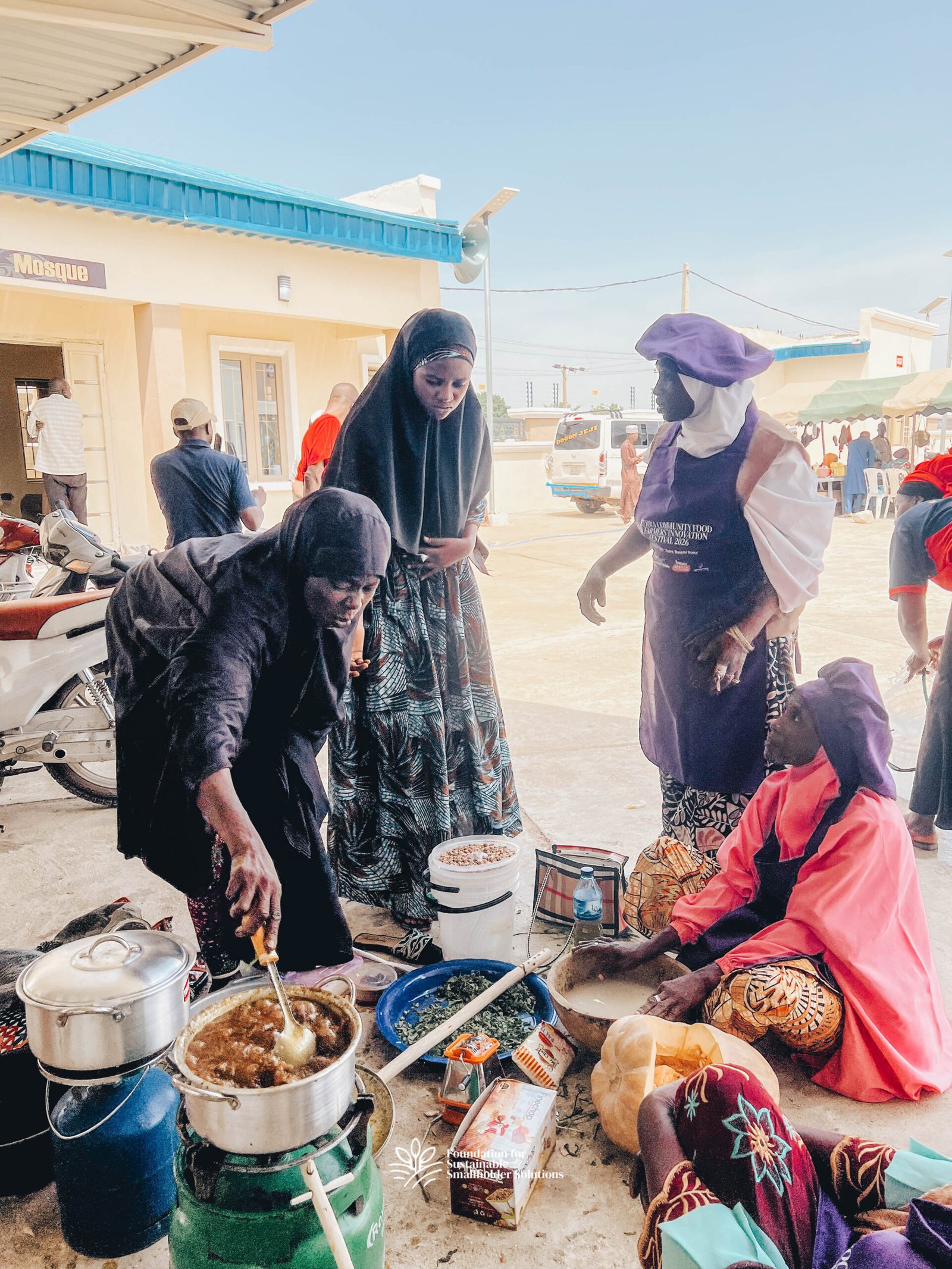
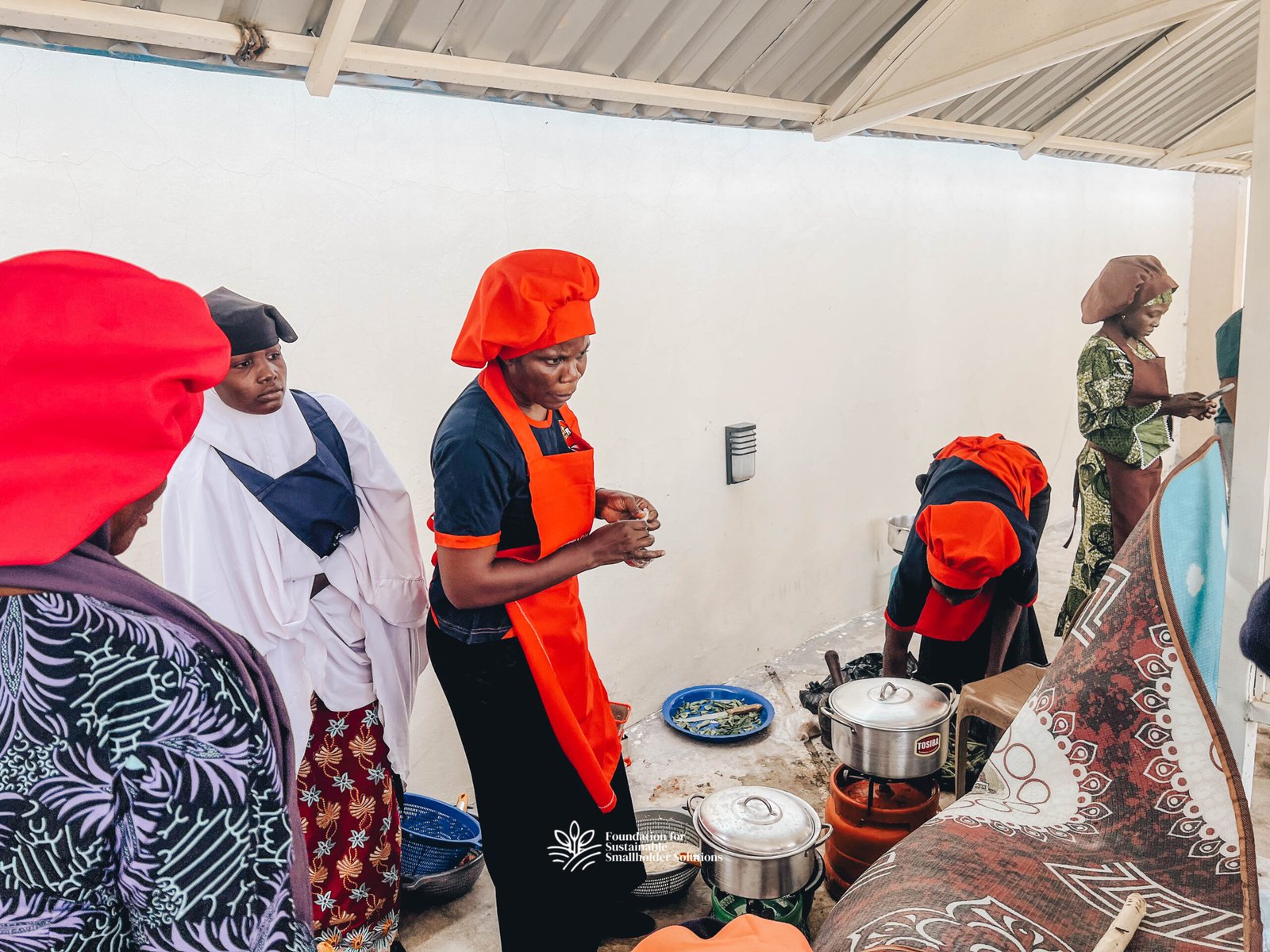
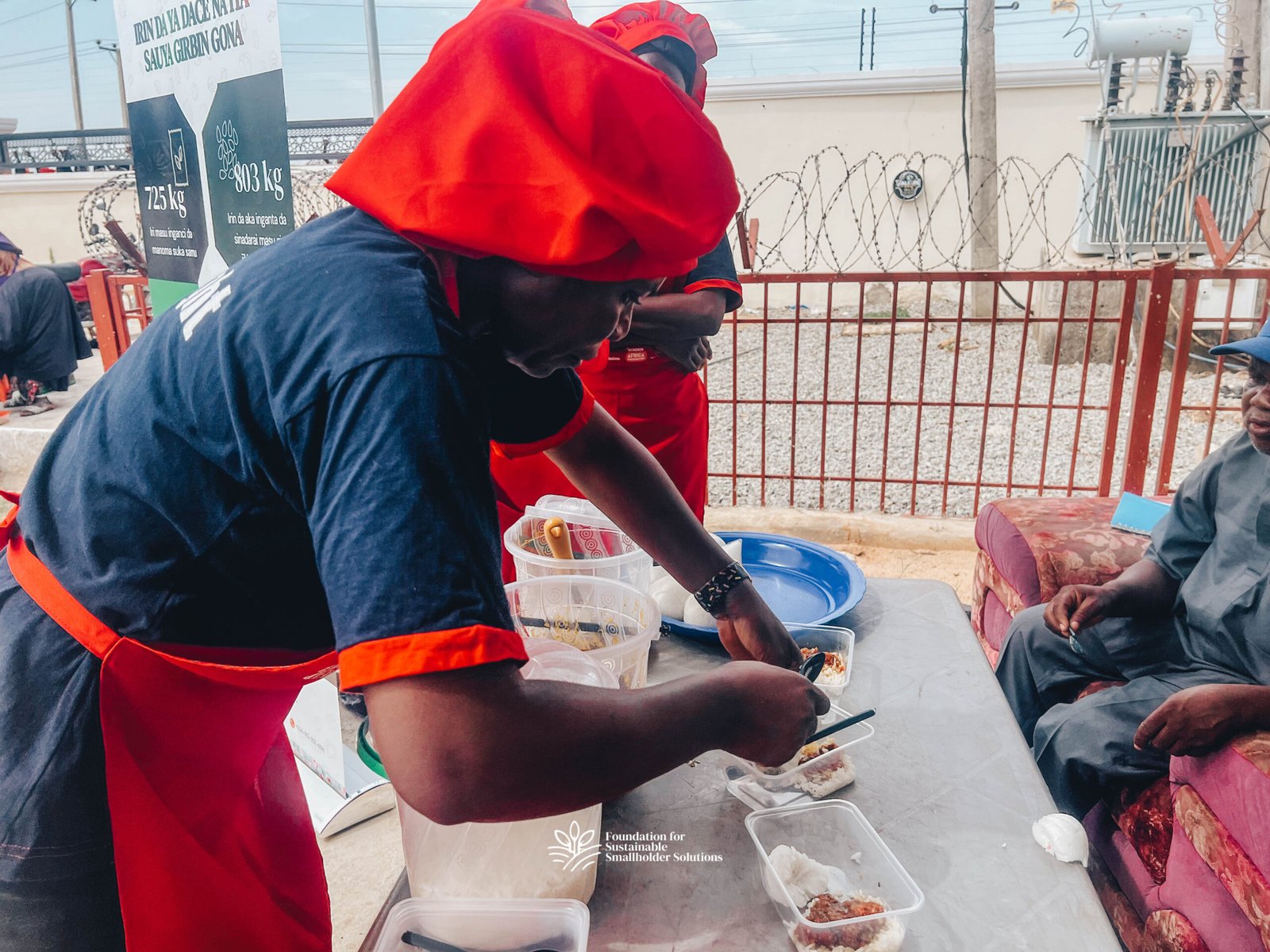
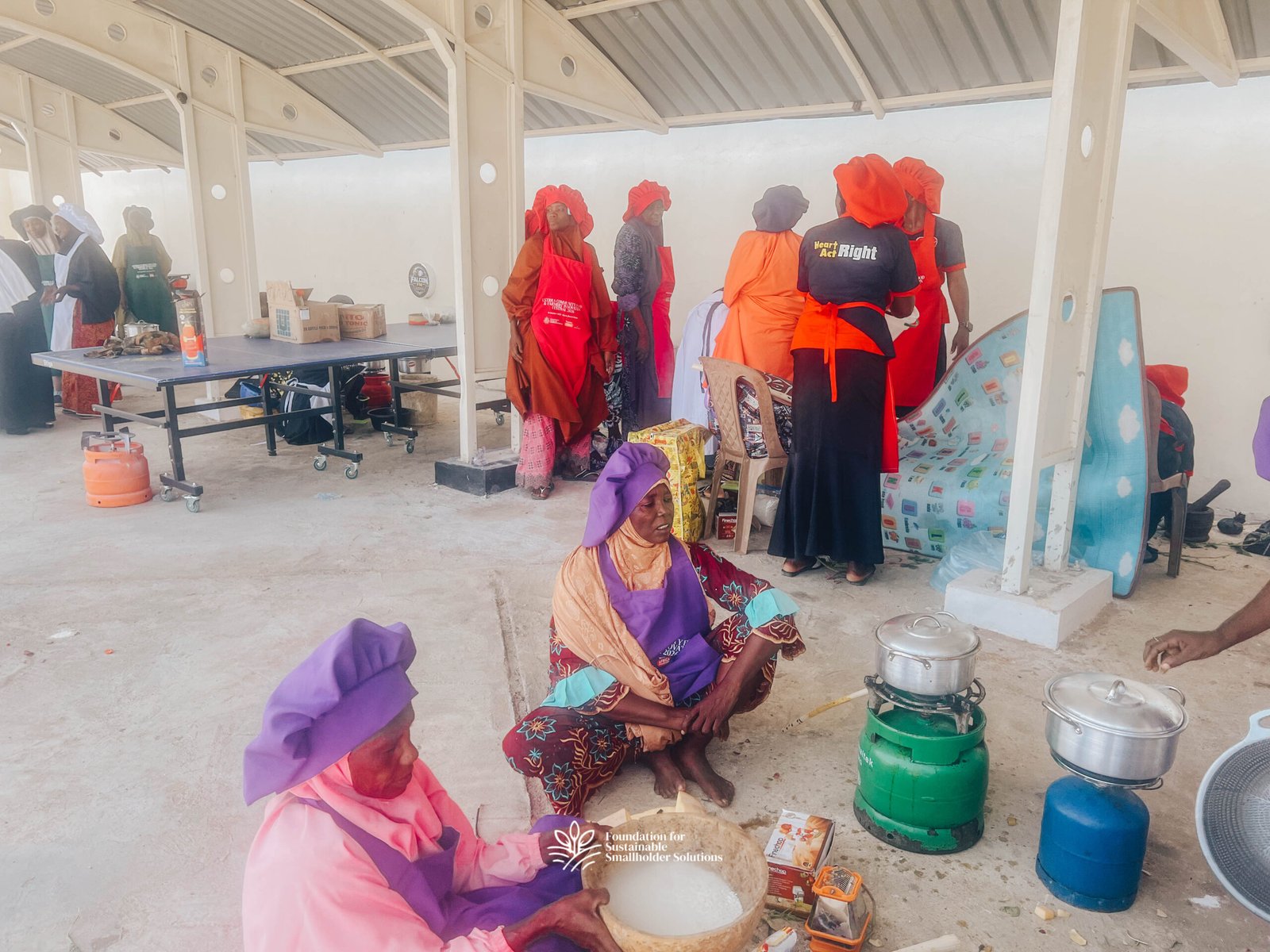
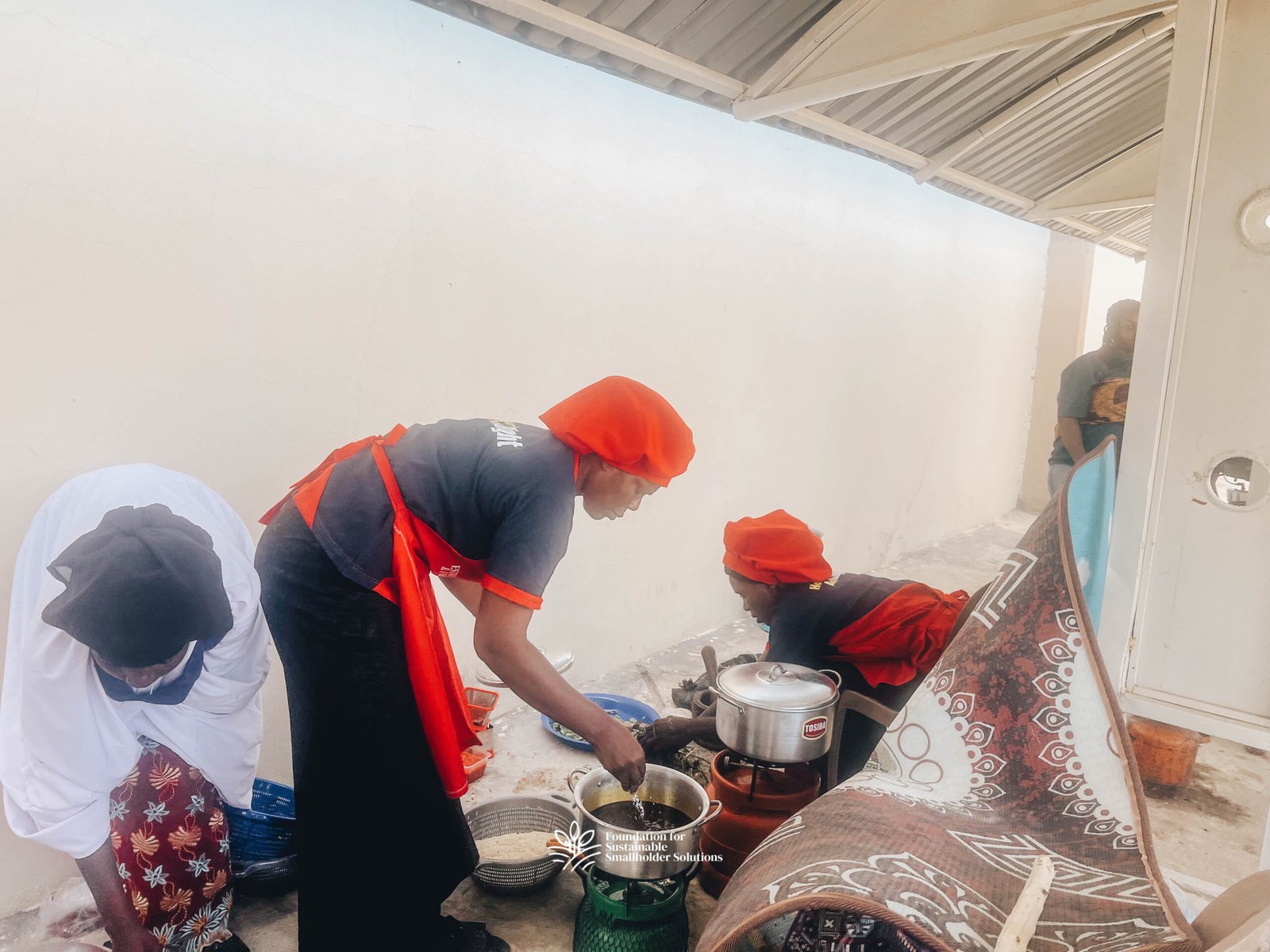
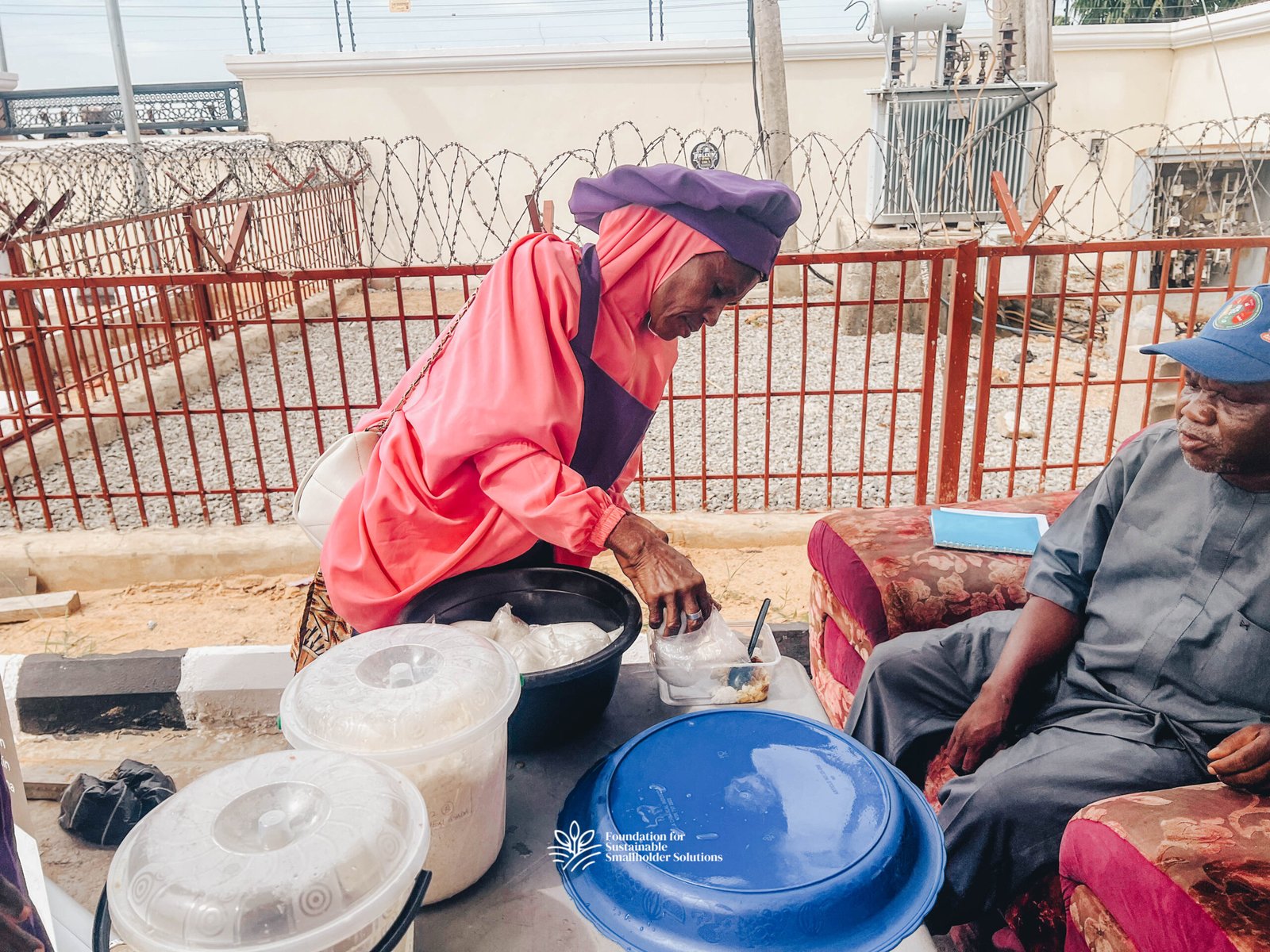
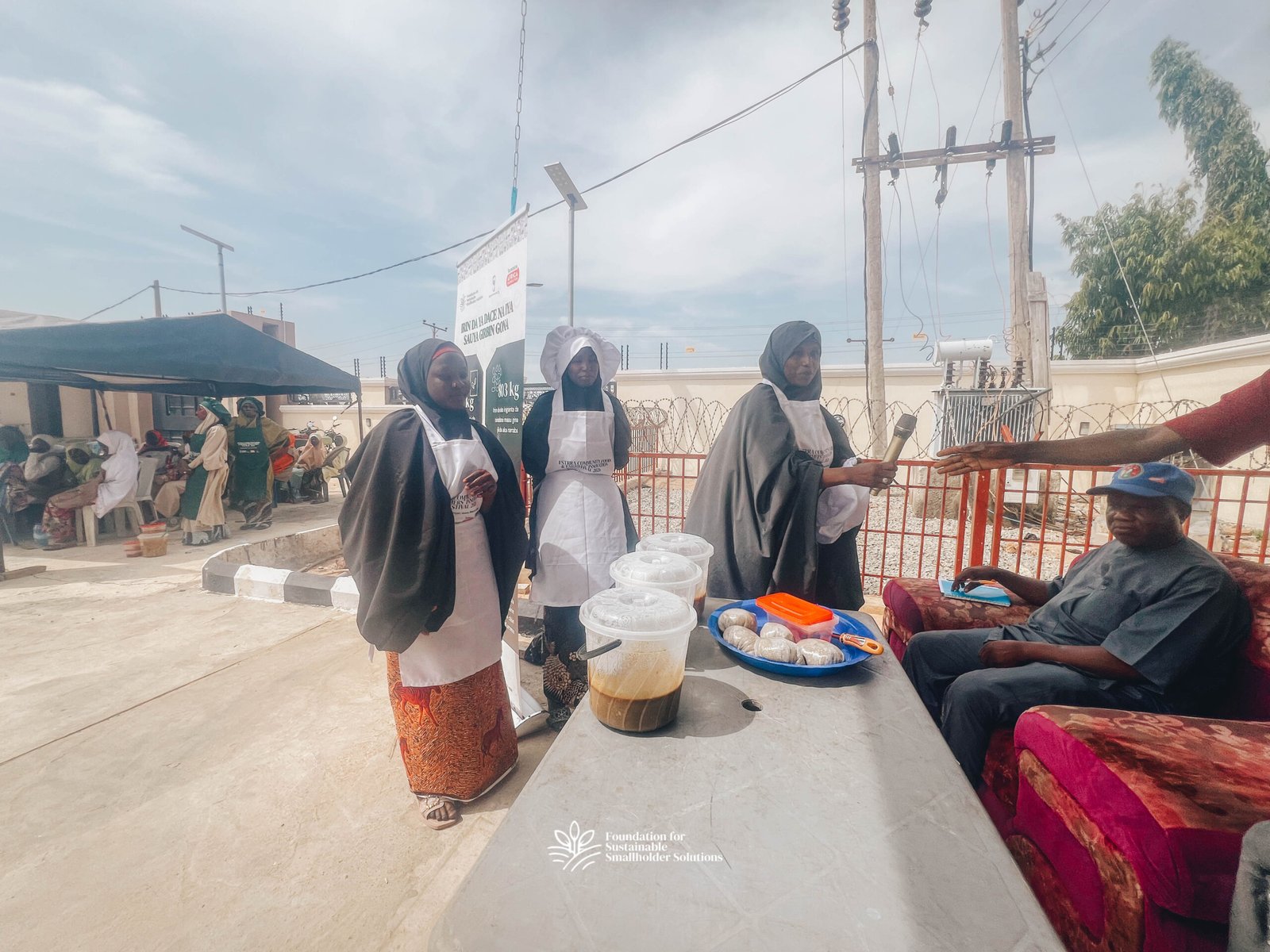
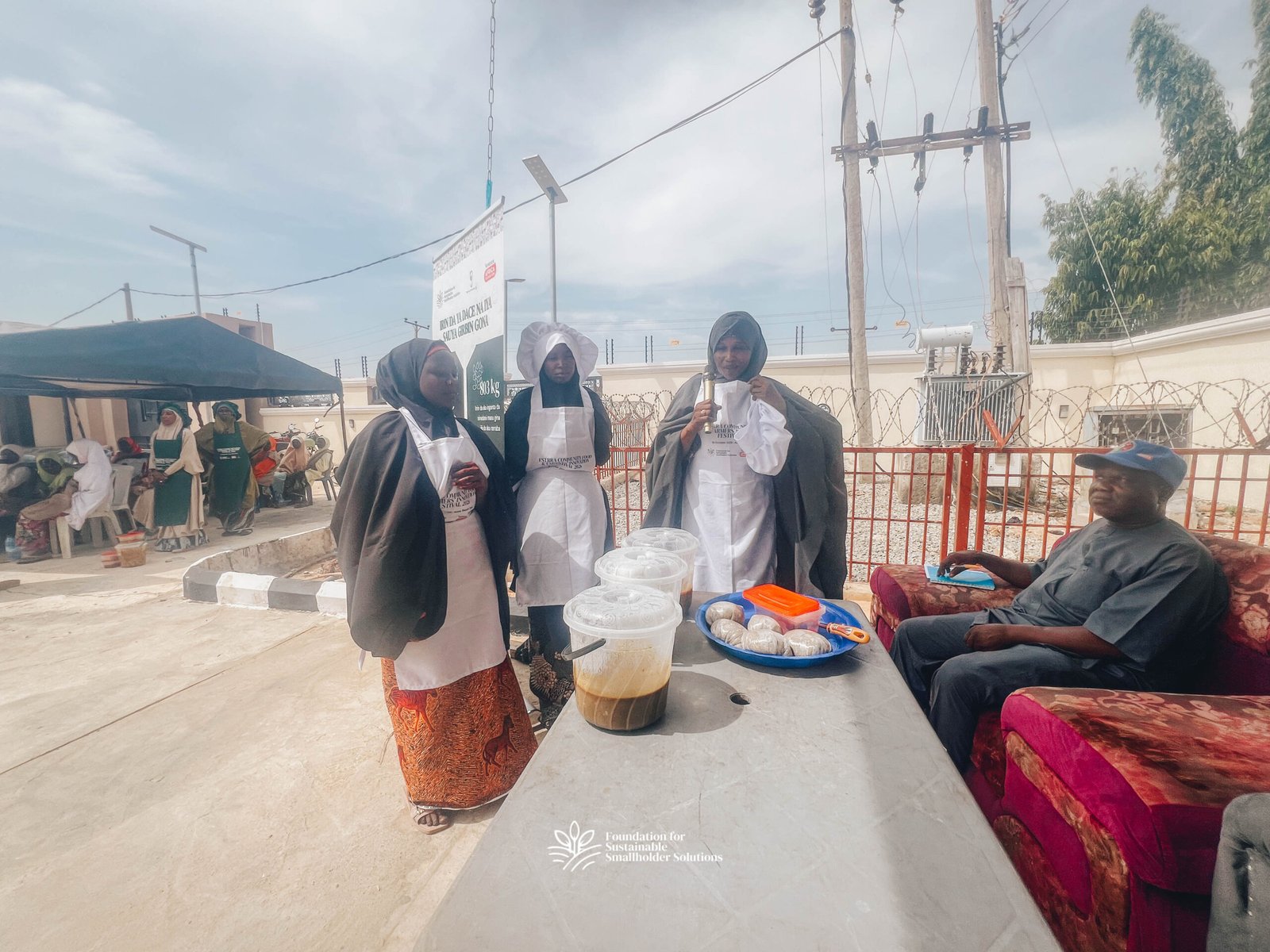
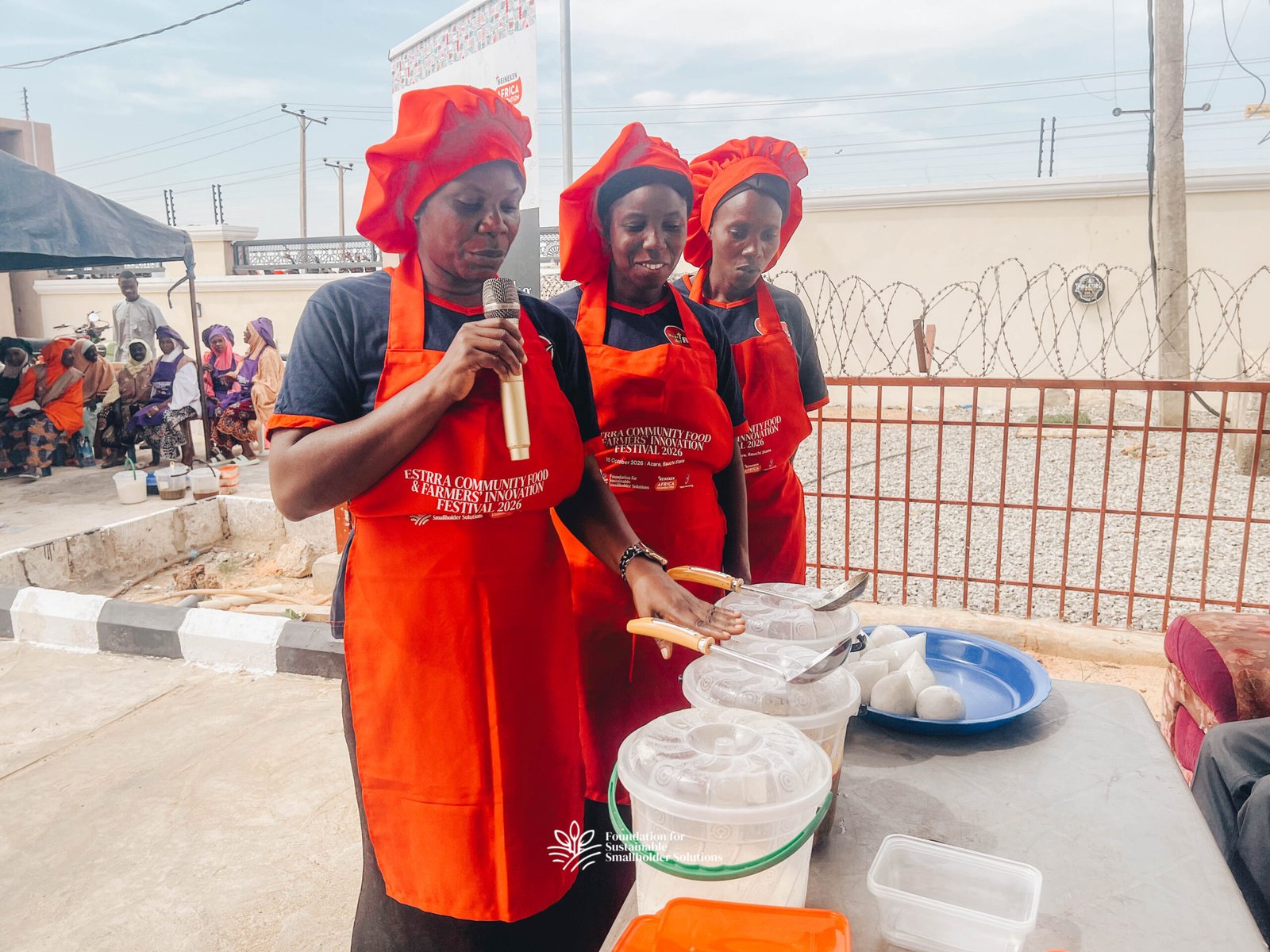
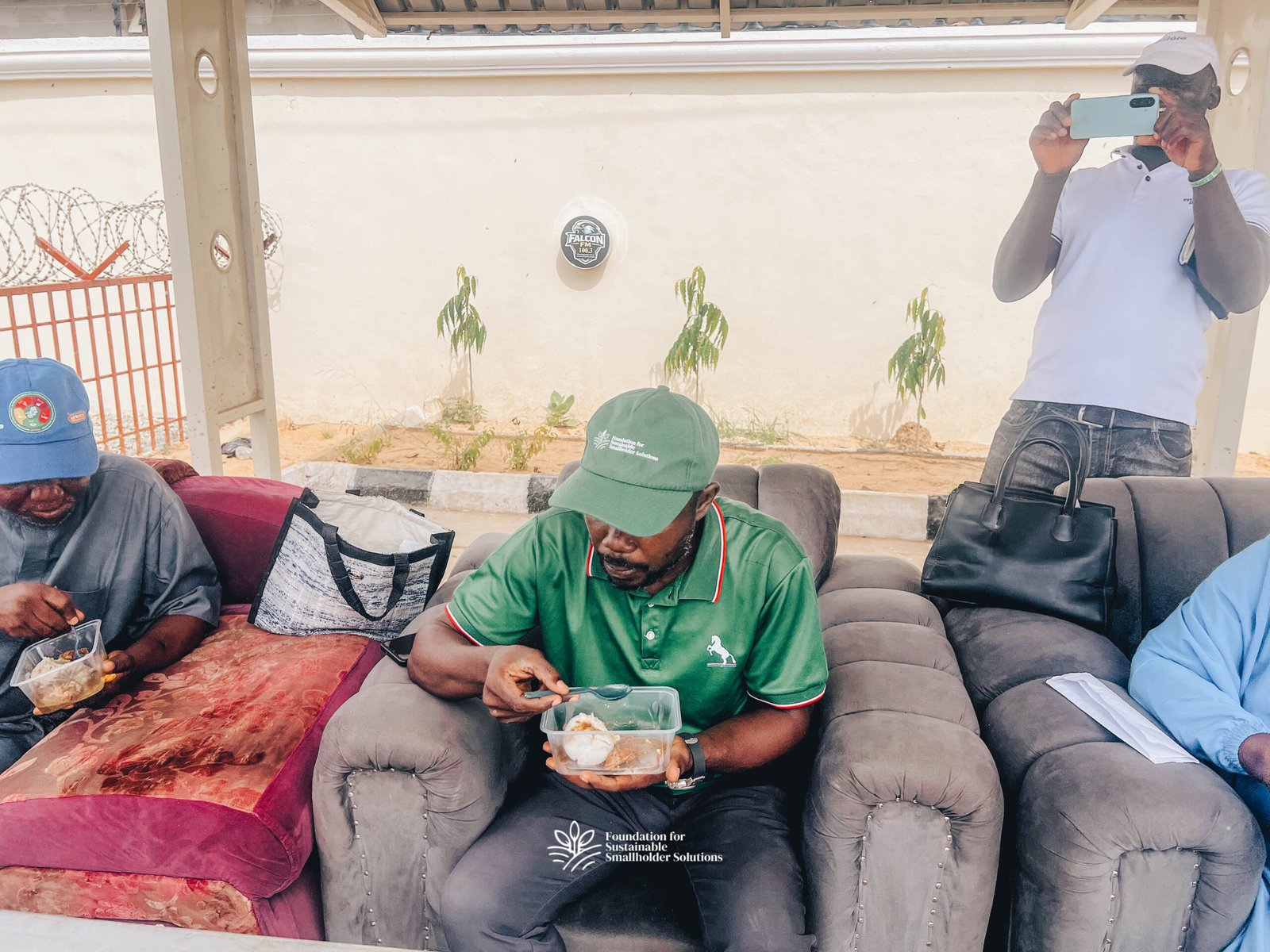
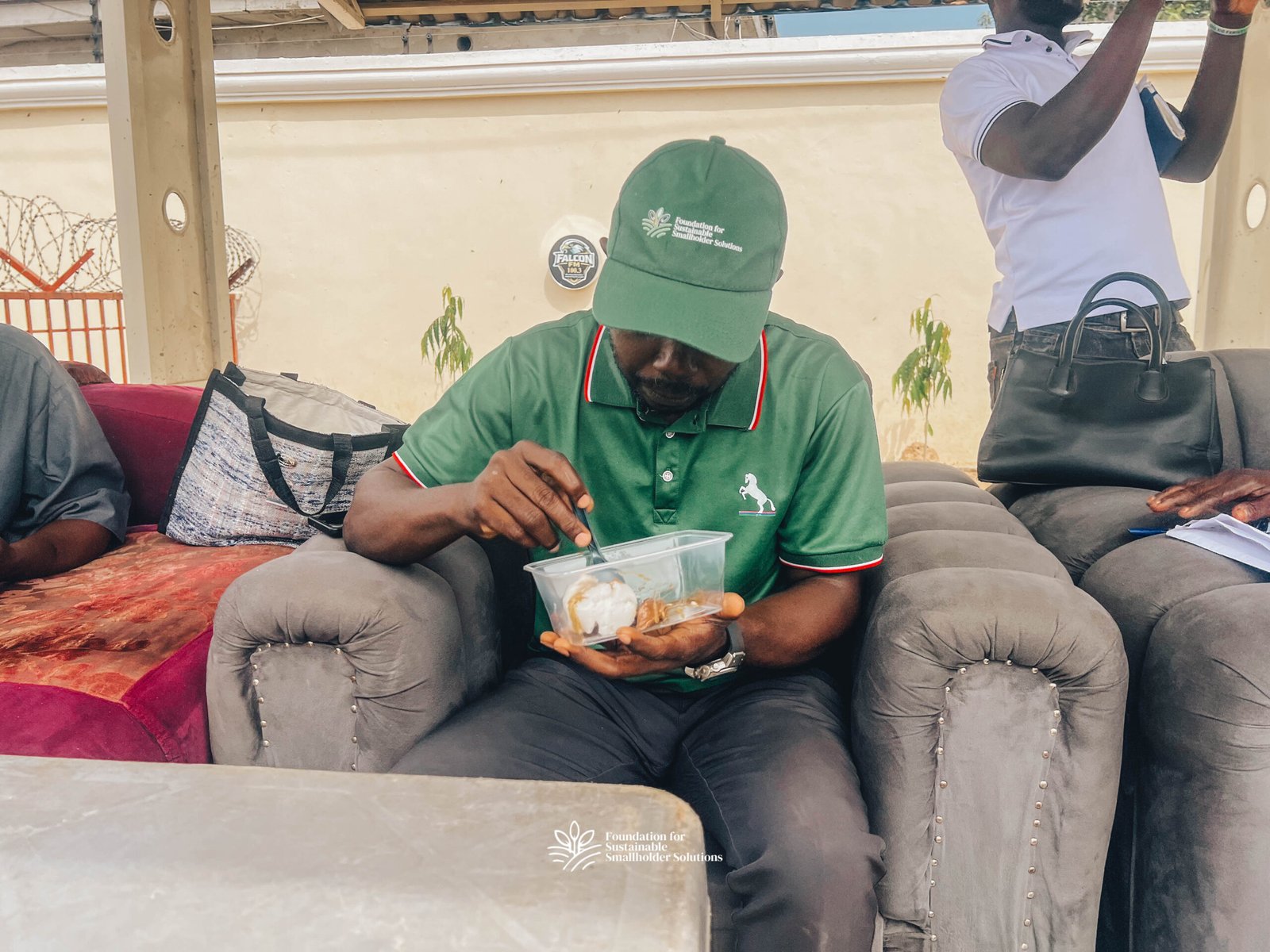
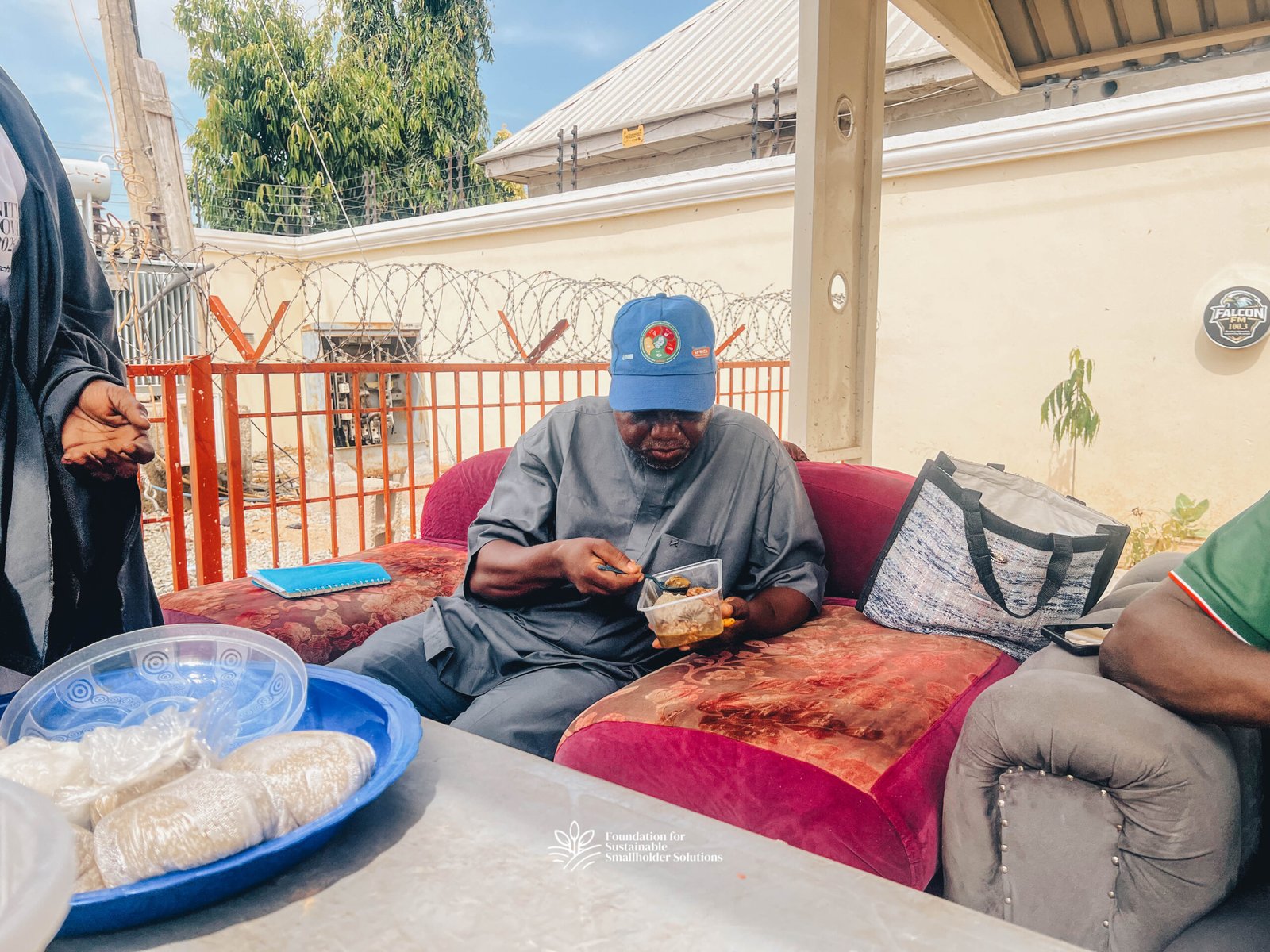
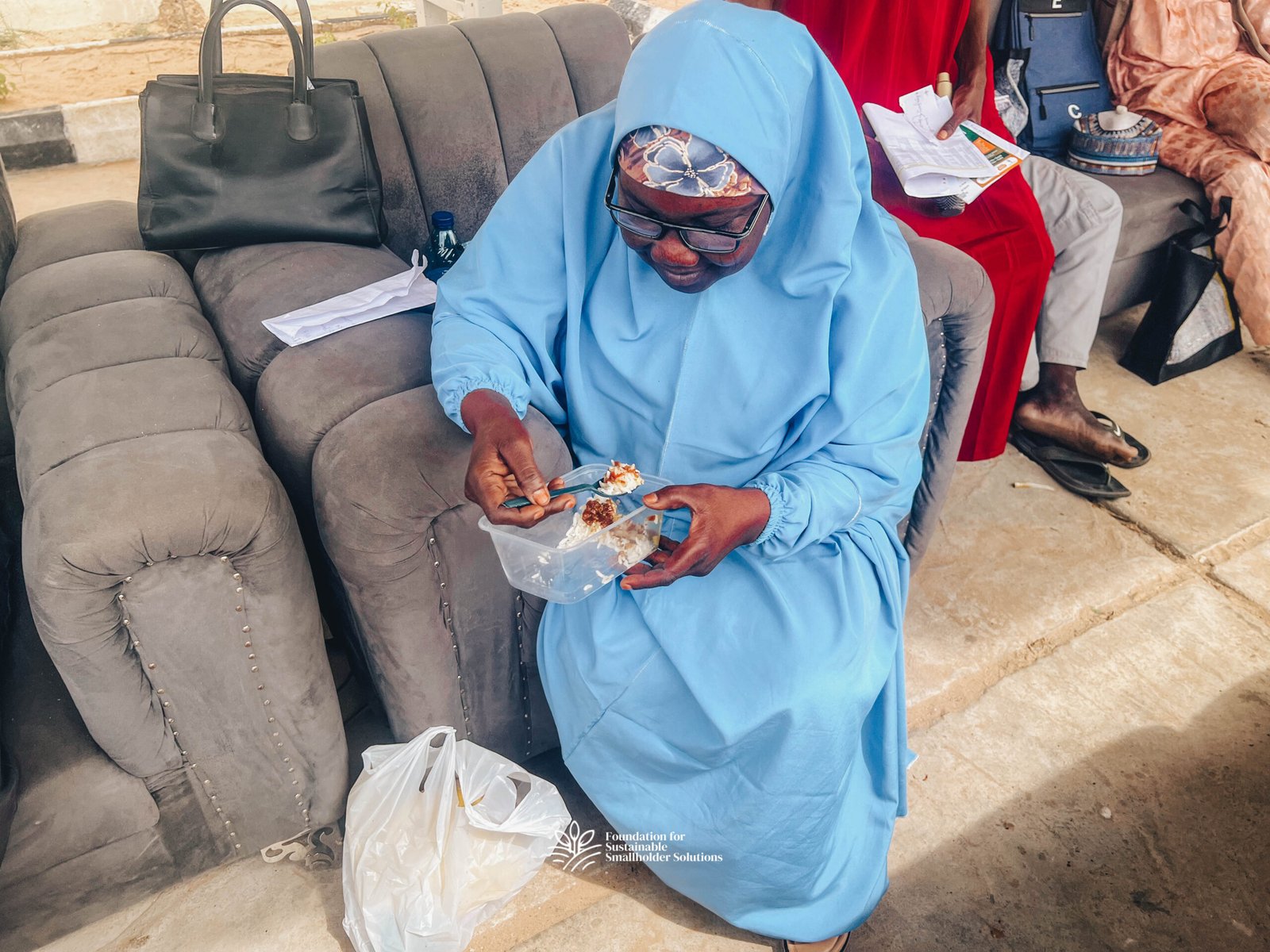
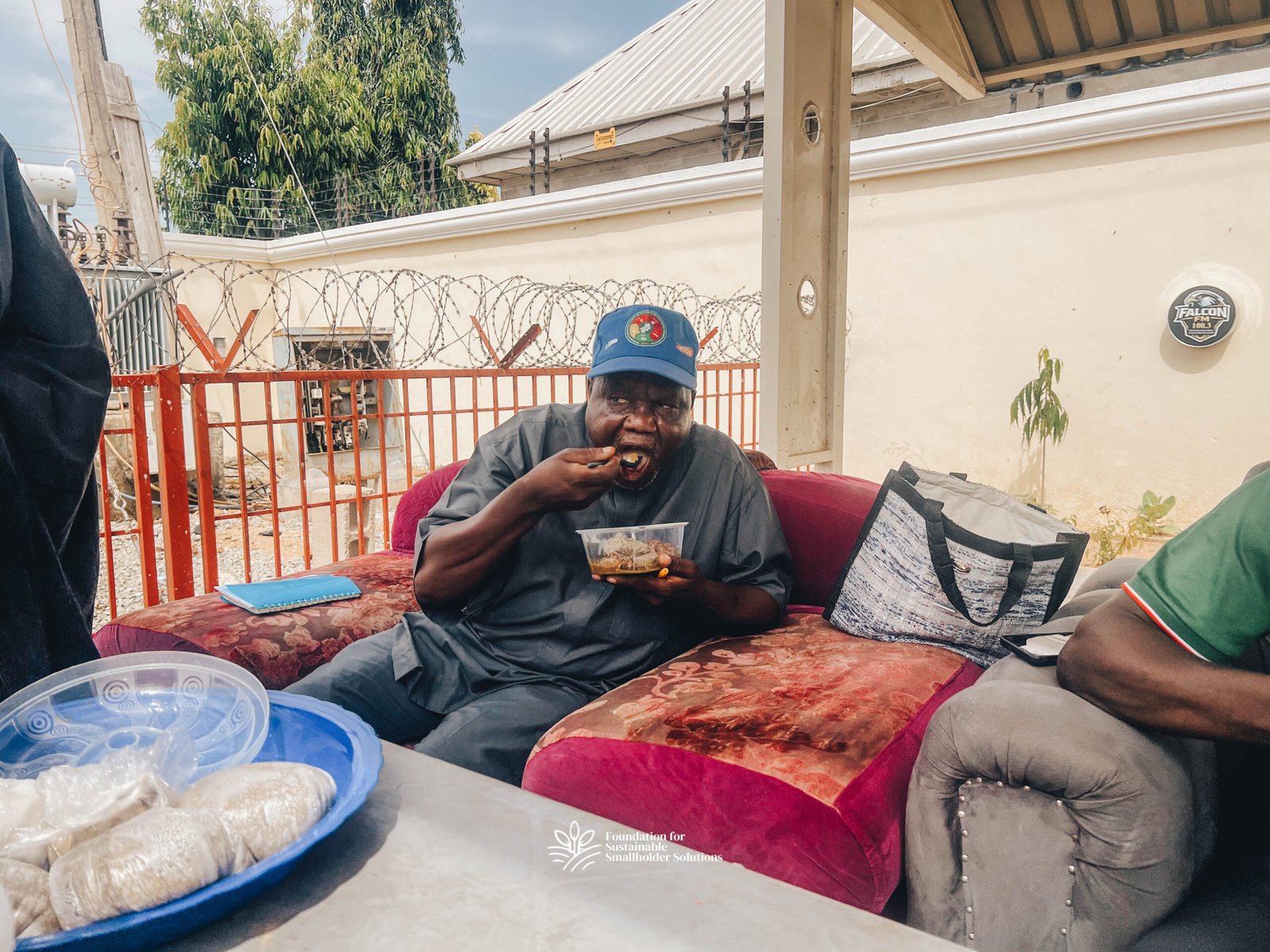
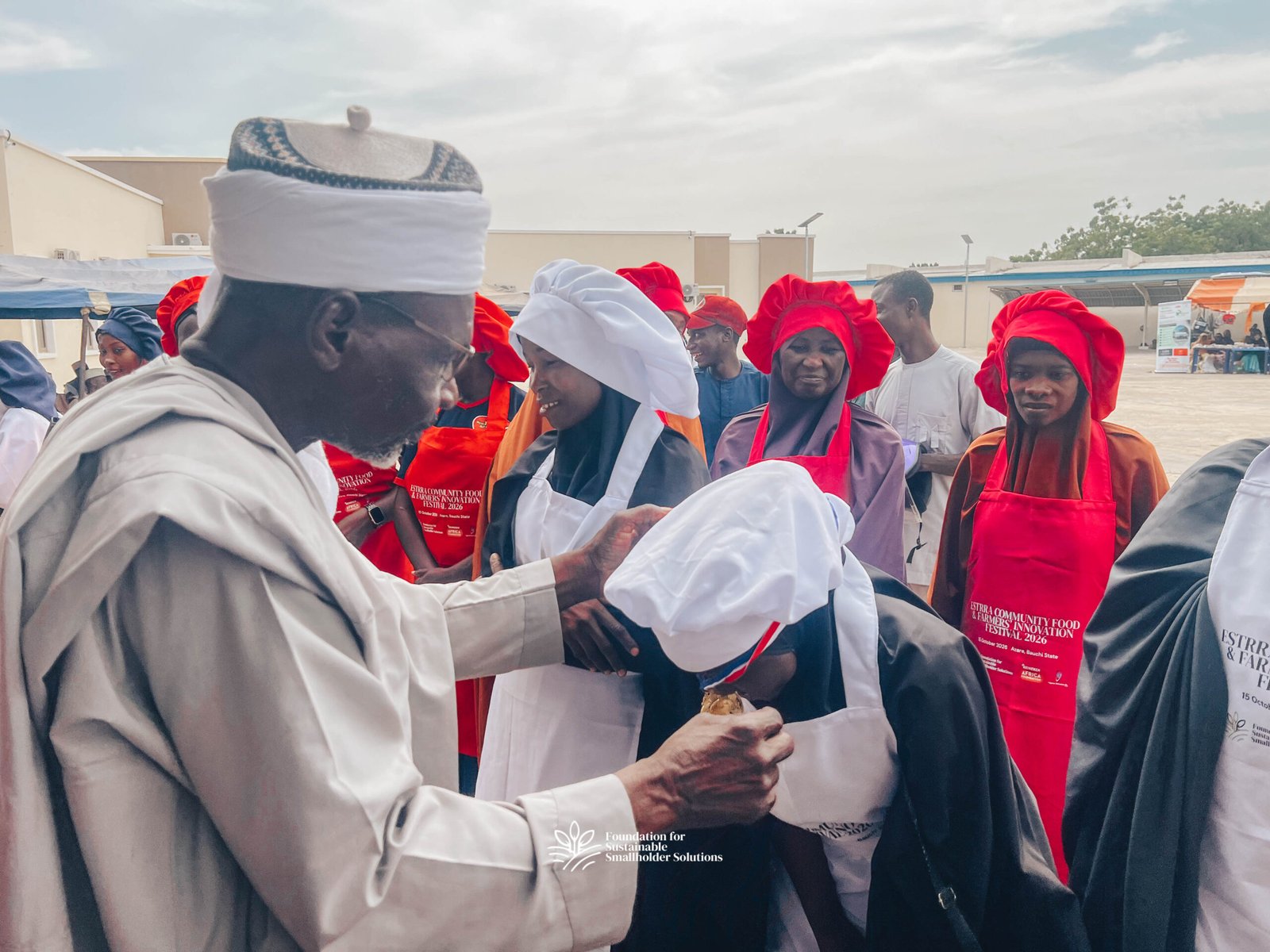
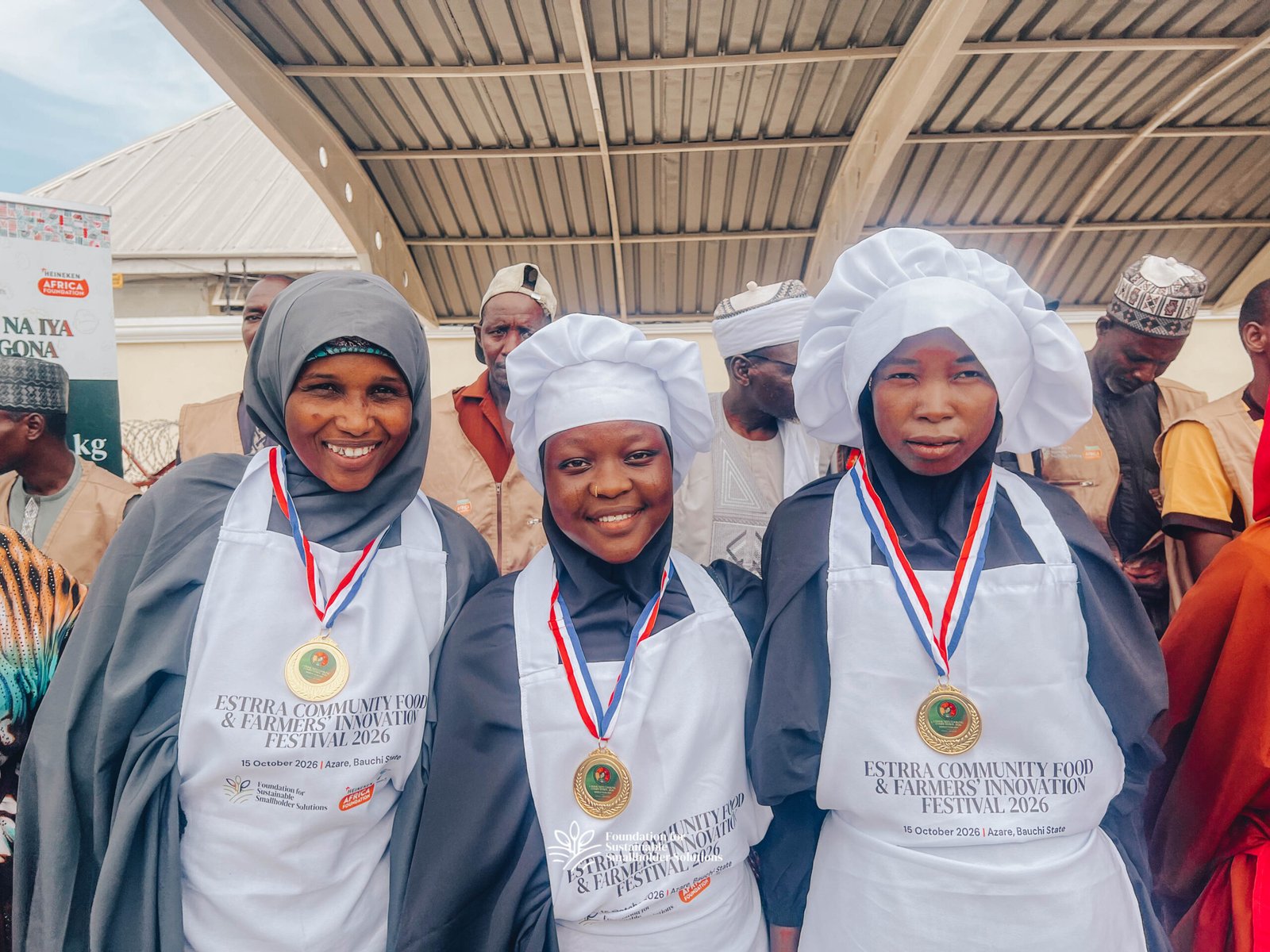
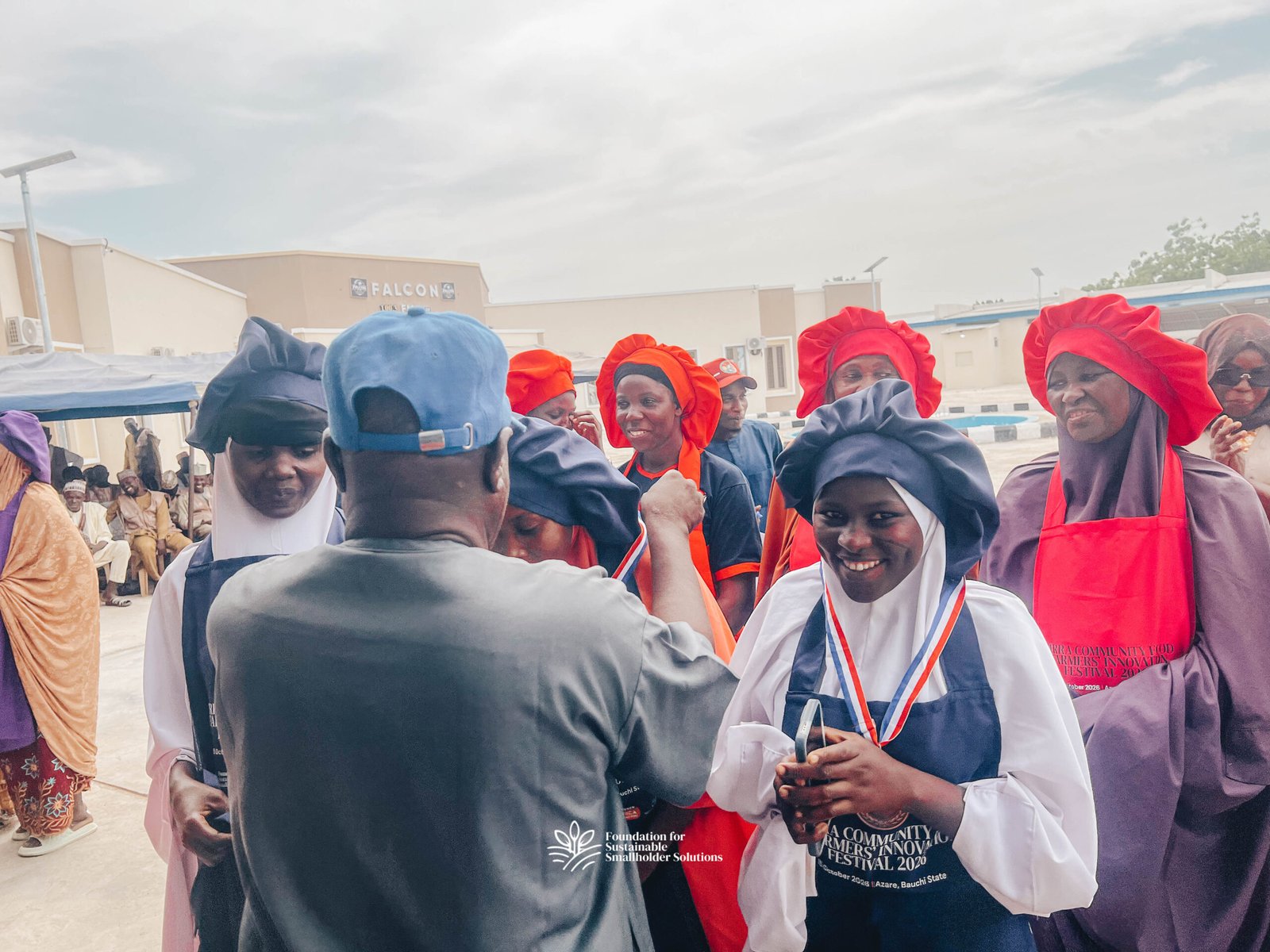
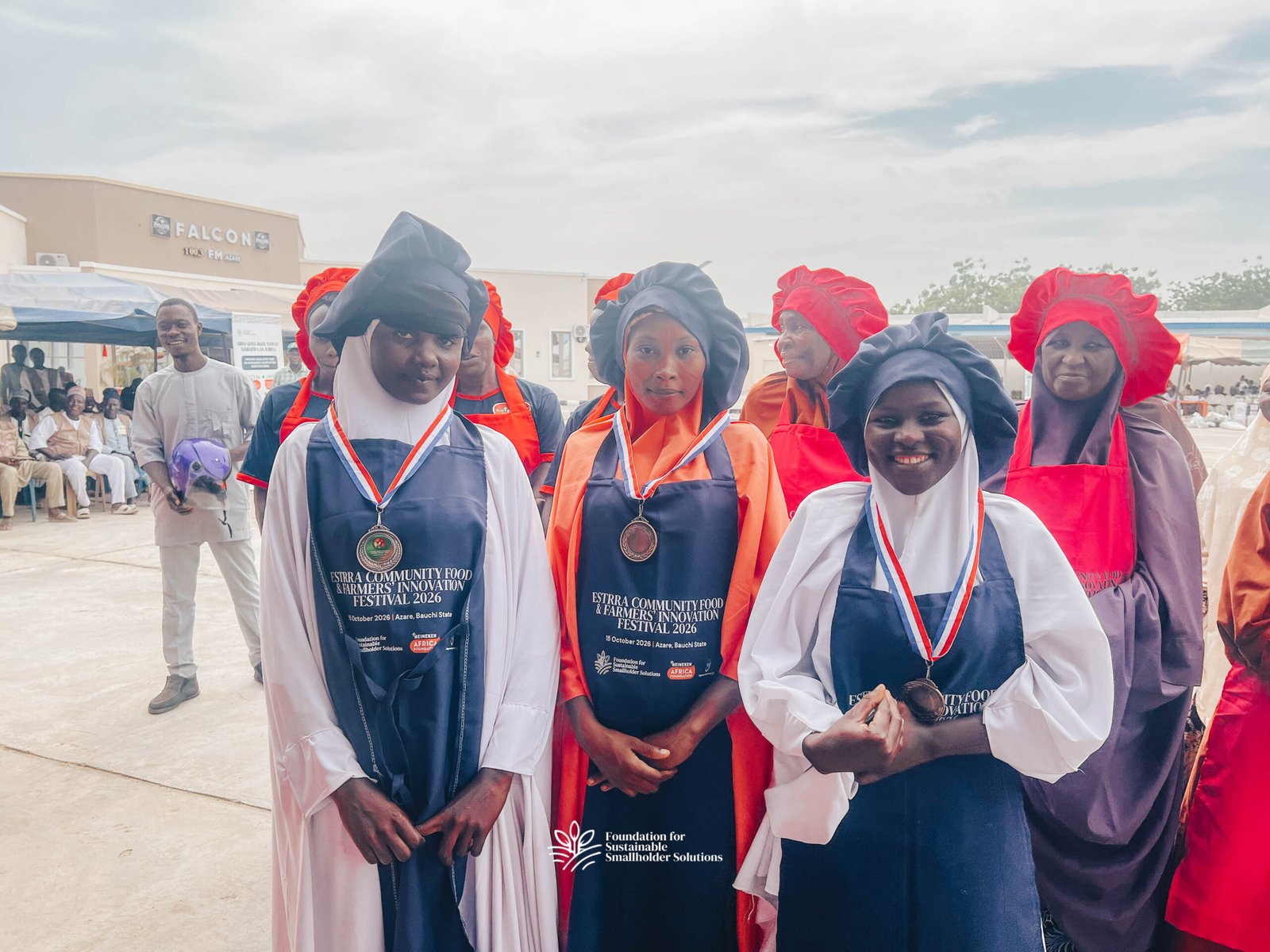
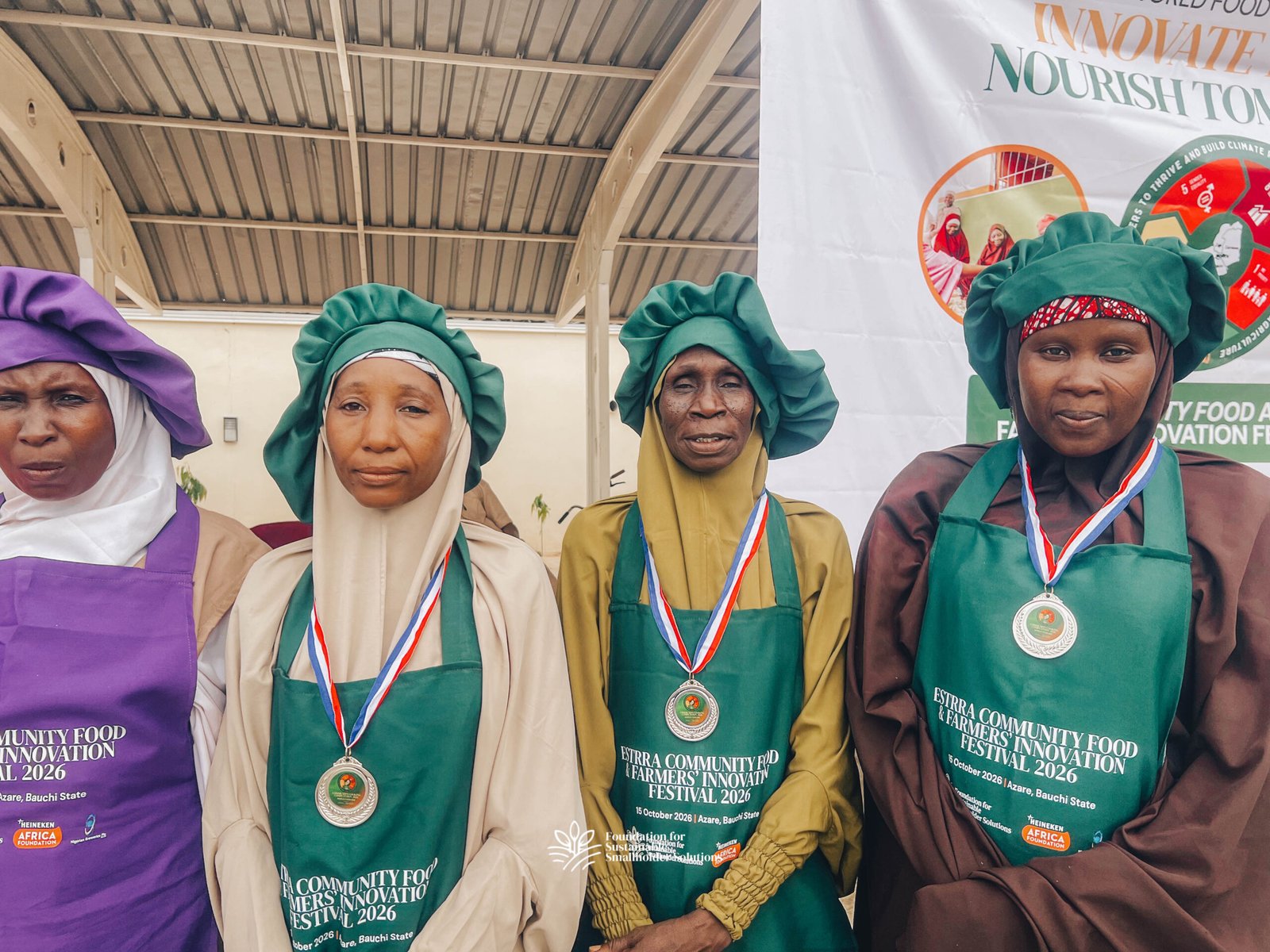
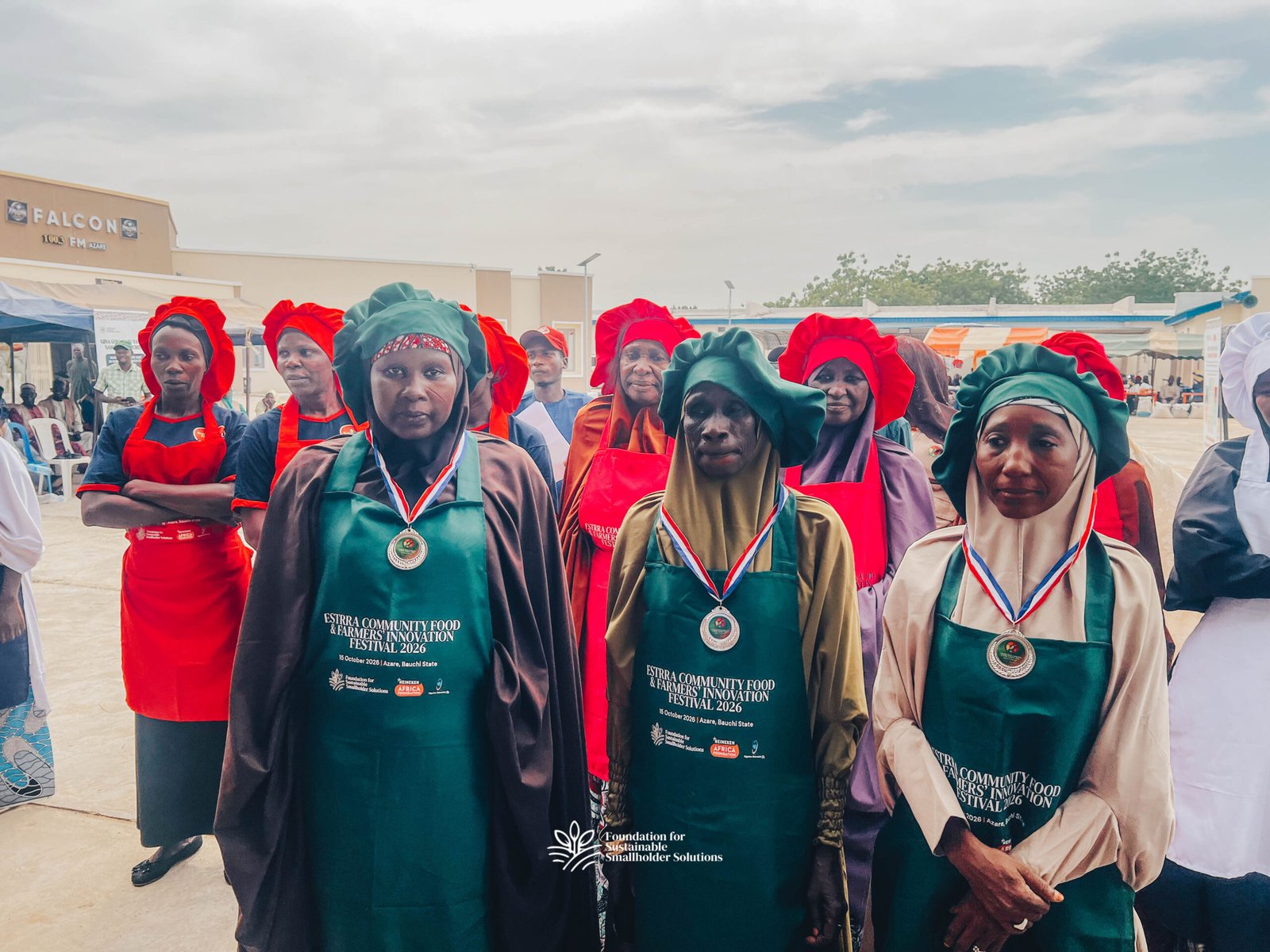
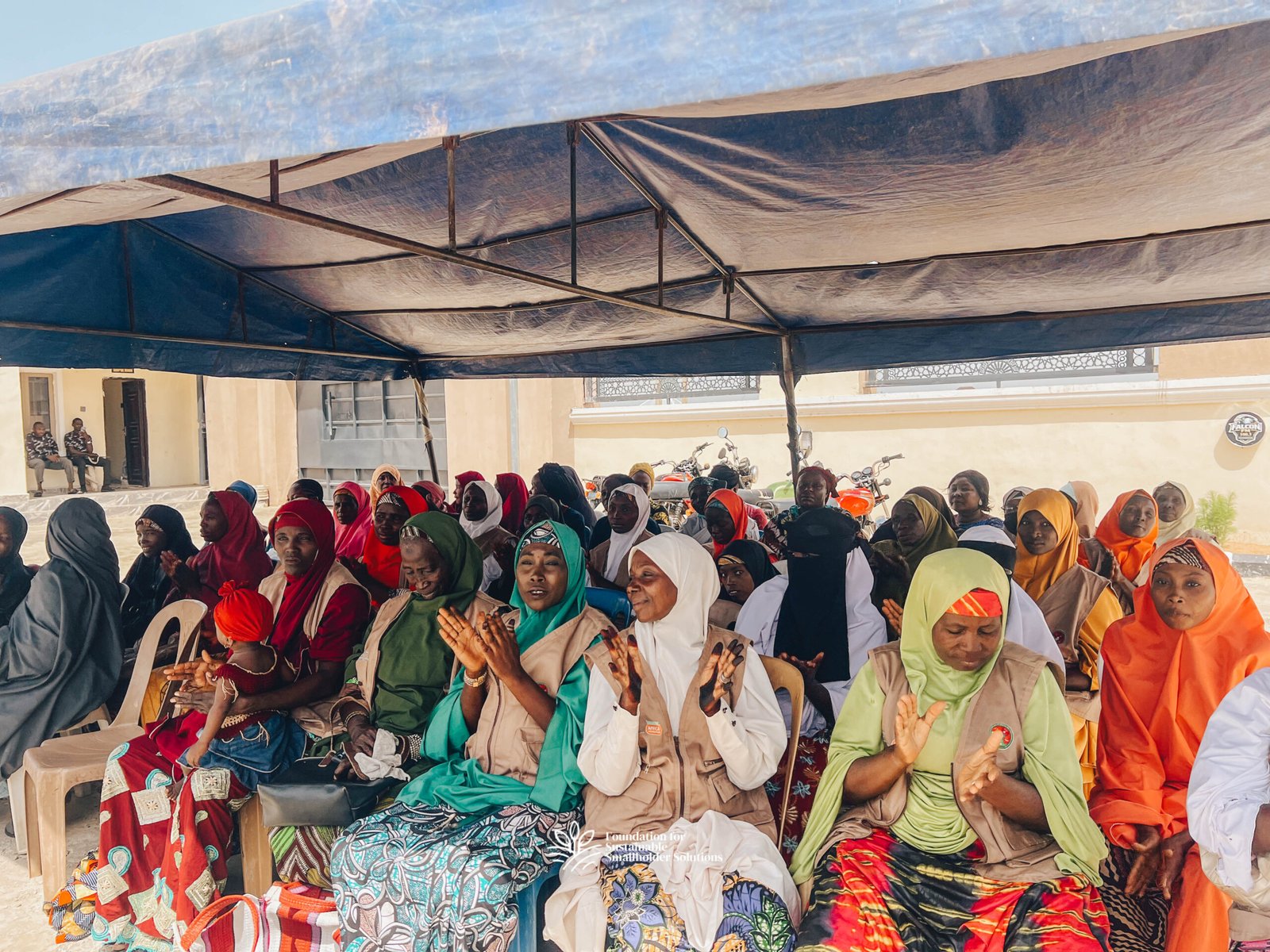
The cooking competition brought this connection to life. Women representing the participating local governments prepared traditional dishes, including tuwo shinkafa, tuwo masara, rice and stew, miyan kuka and rice porridge, among others. The judges tasted and graded the dishes, with the Jama’are team emerging as the winner. All 21 participants received 5kg bags of rice and 1 litre cooking oil, both produced by beneficiaries of the project.
Beyond the competition, the dishes reflected the food traditions and ingredients that form part of everyday life in the communities. The activity celebrated local cooking knowledge while creating an opportunity to discuss the food people eat and how familiar meals contribute to household nutrition. It also complemented the nutrition session: while the women demonstrated how local ingredients are prepared, participants were encouraged to think more deliberately about how everyday meals can nourish the body.

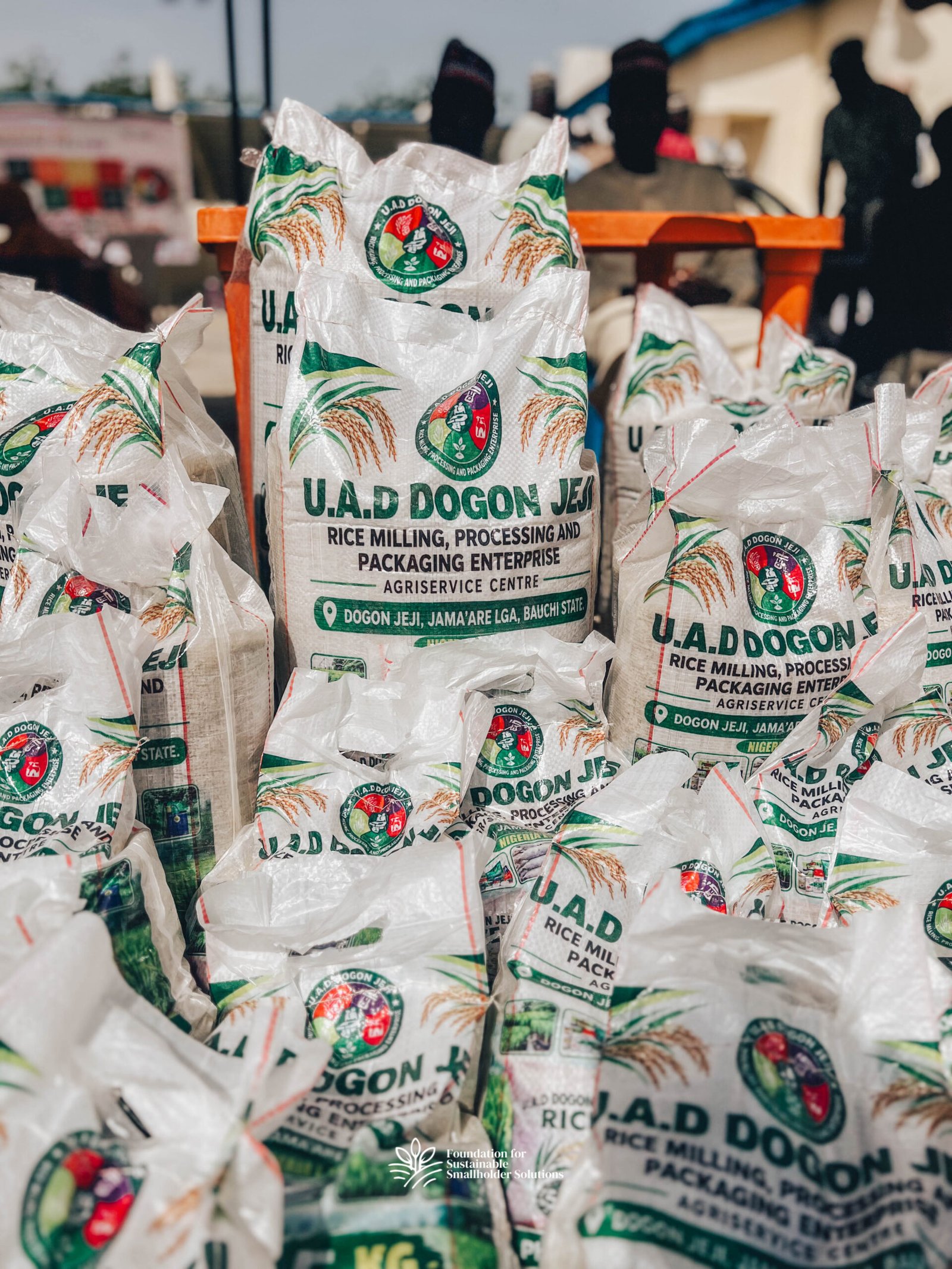
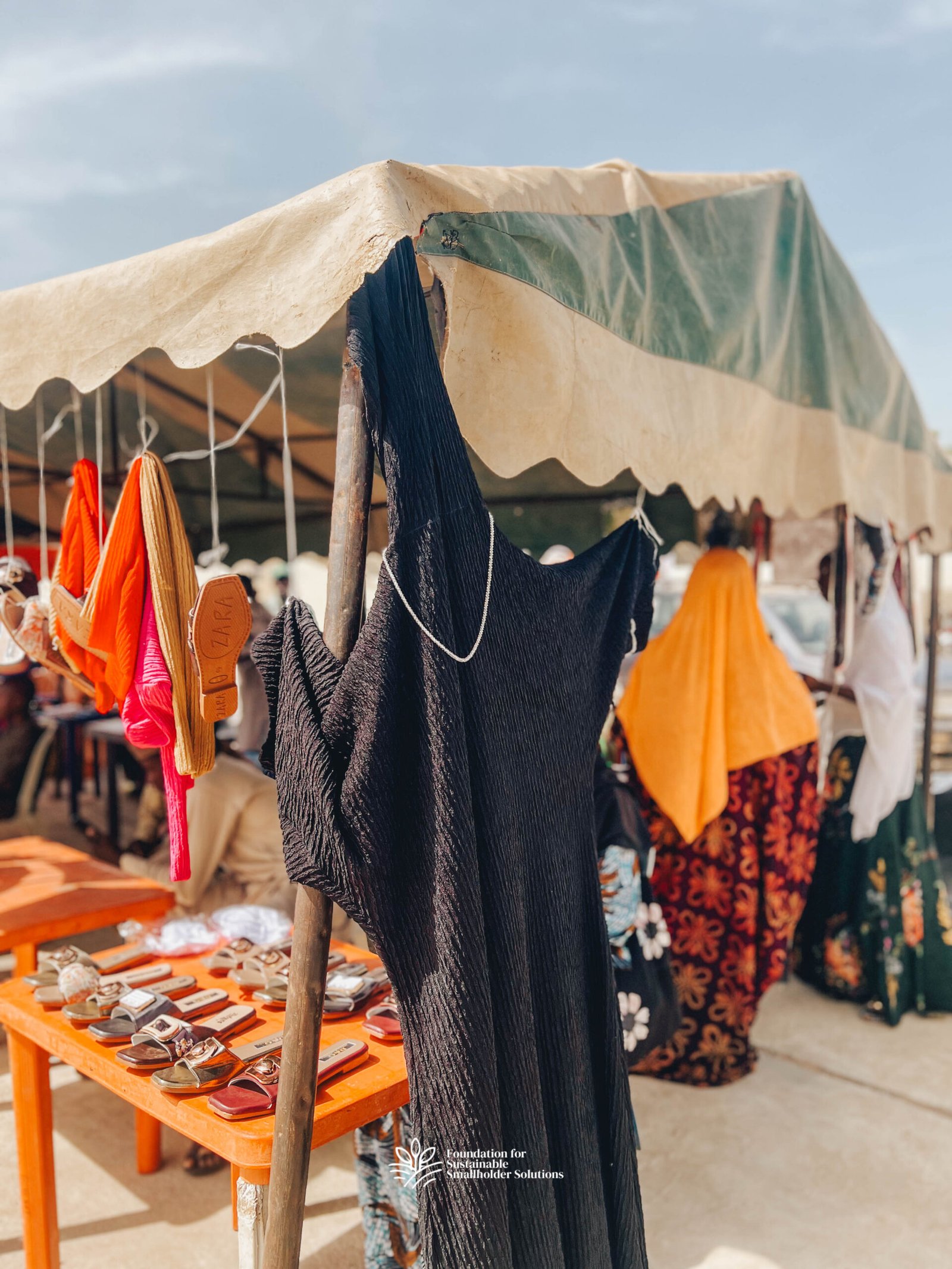

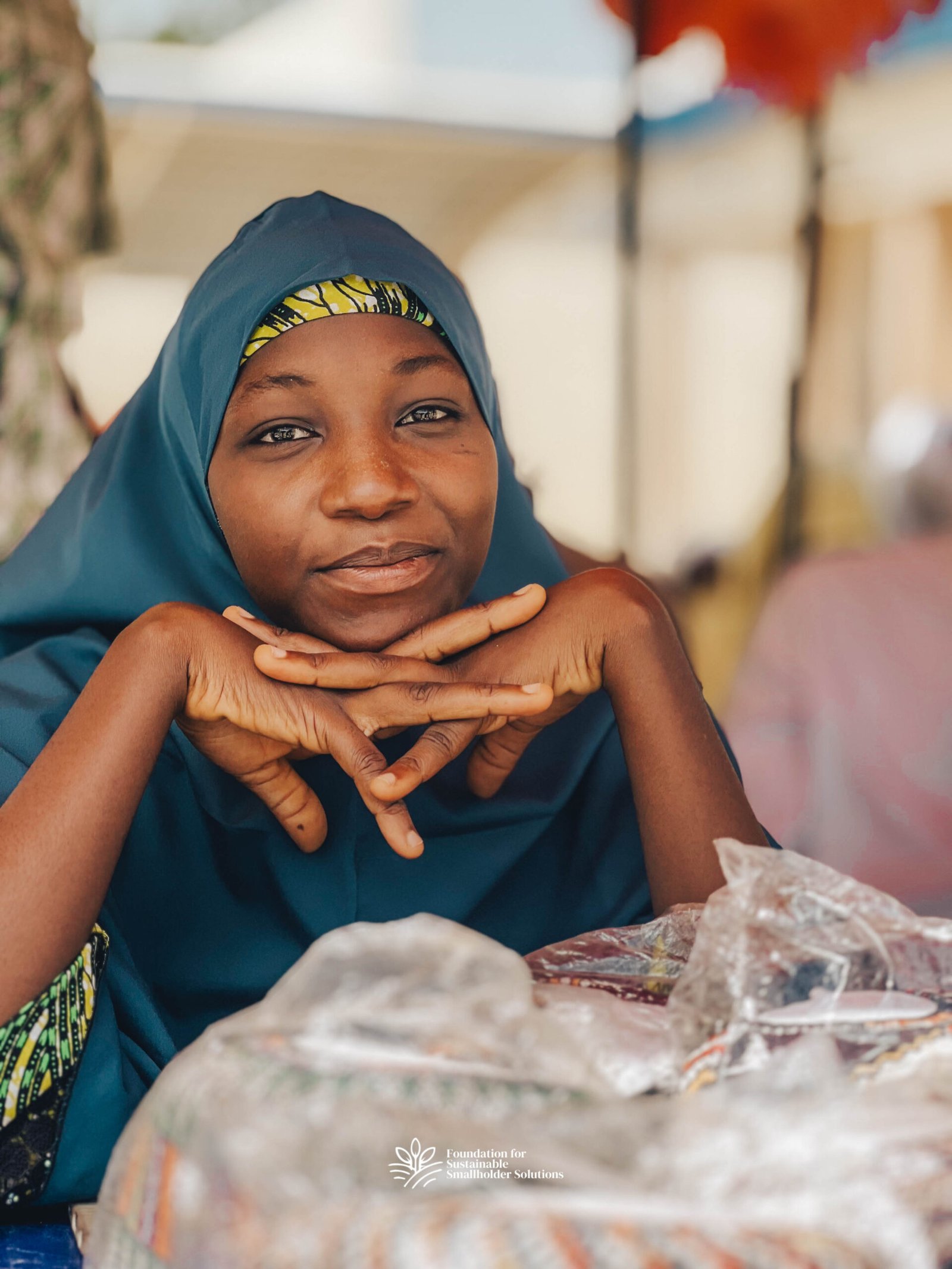

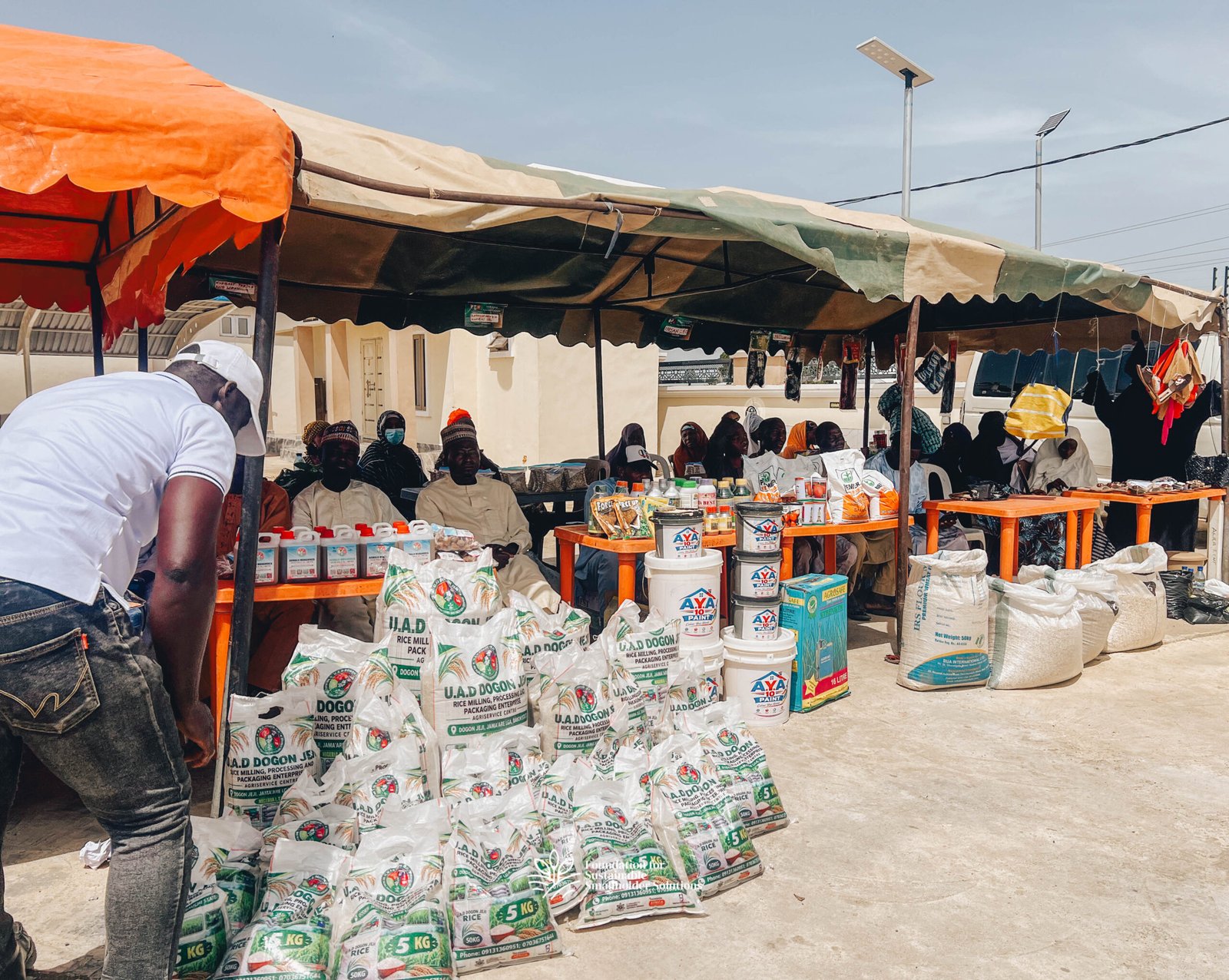
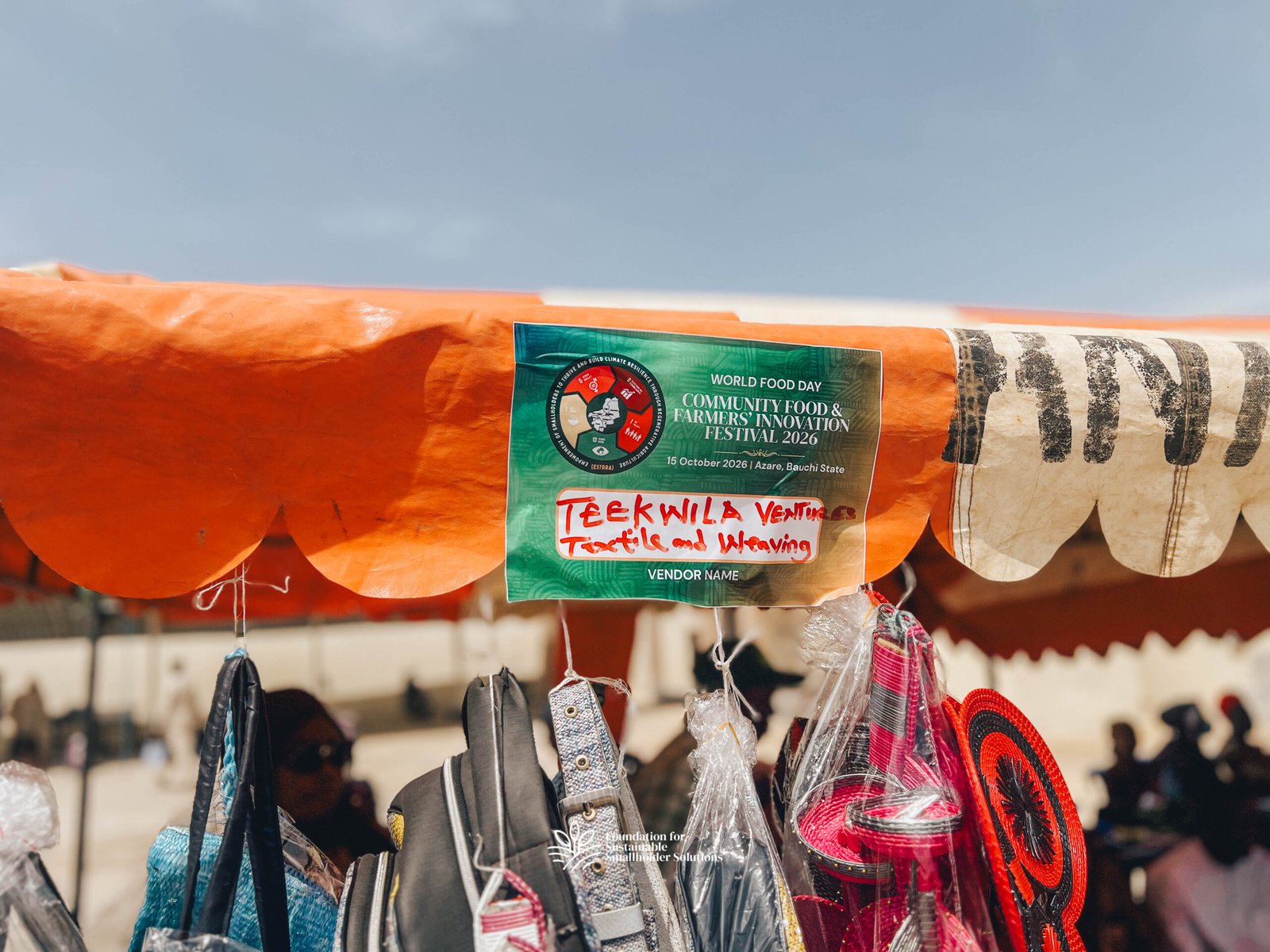
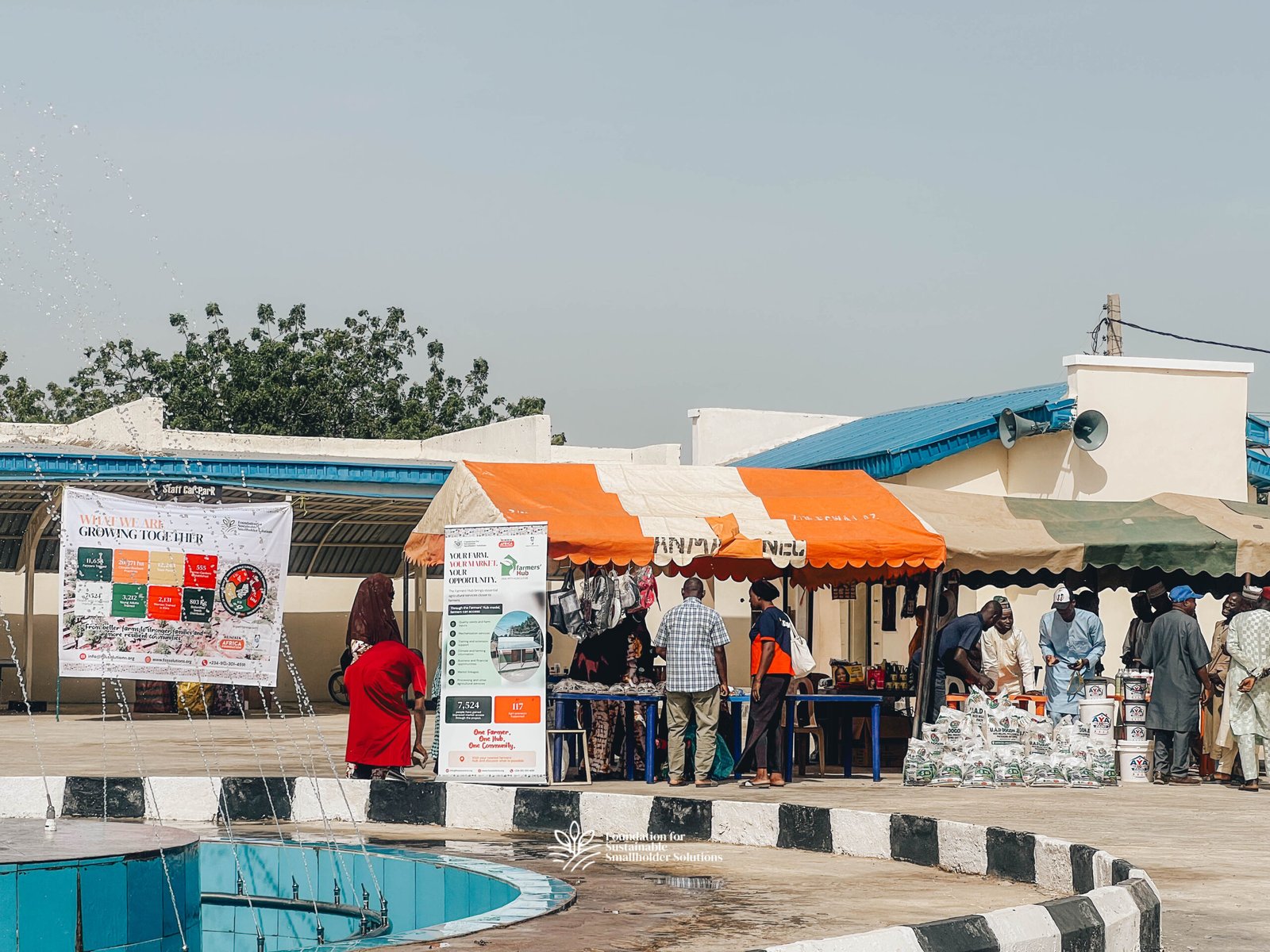
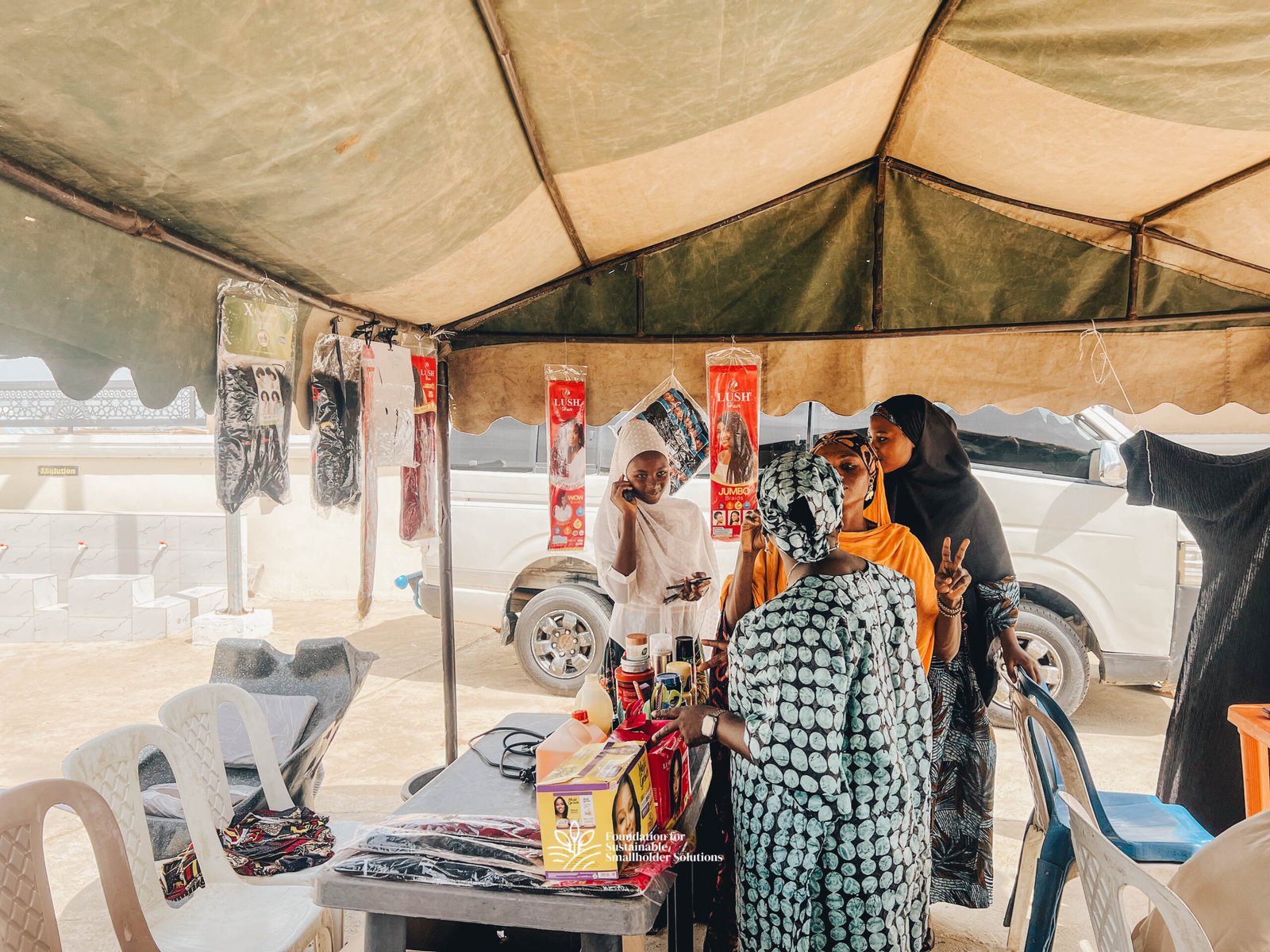
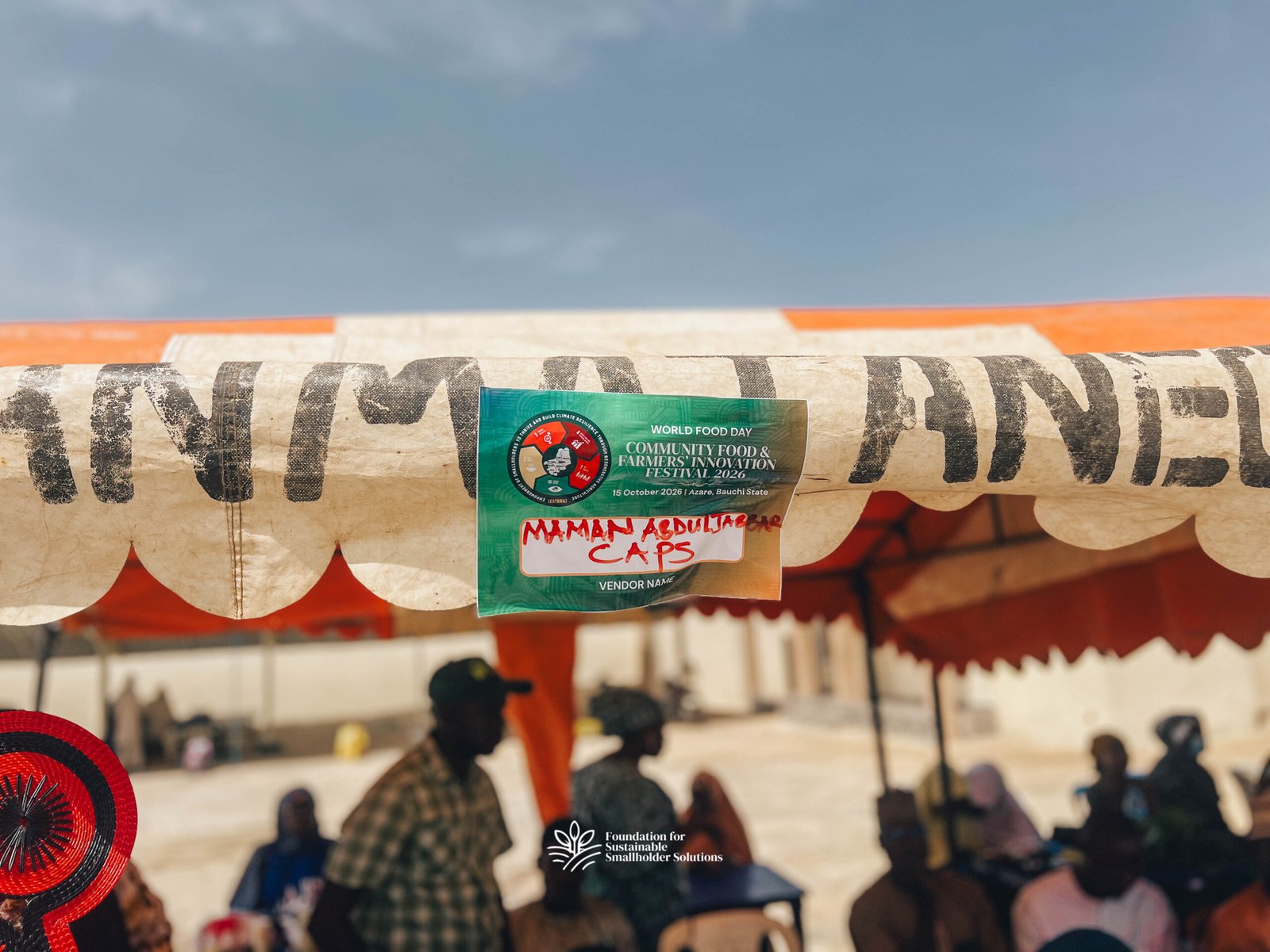
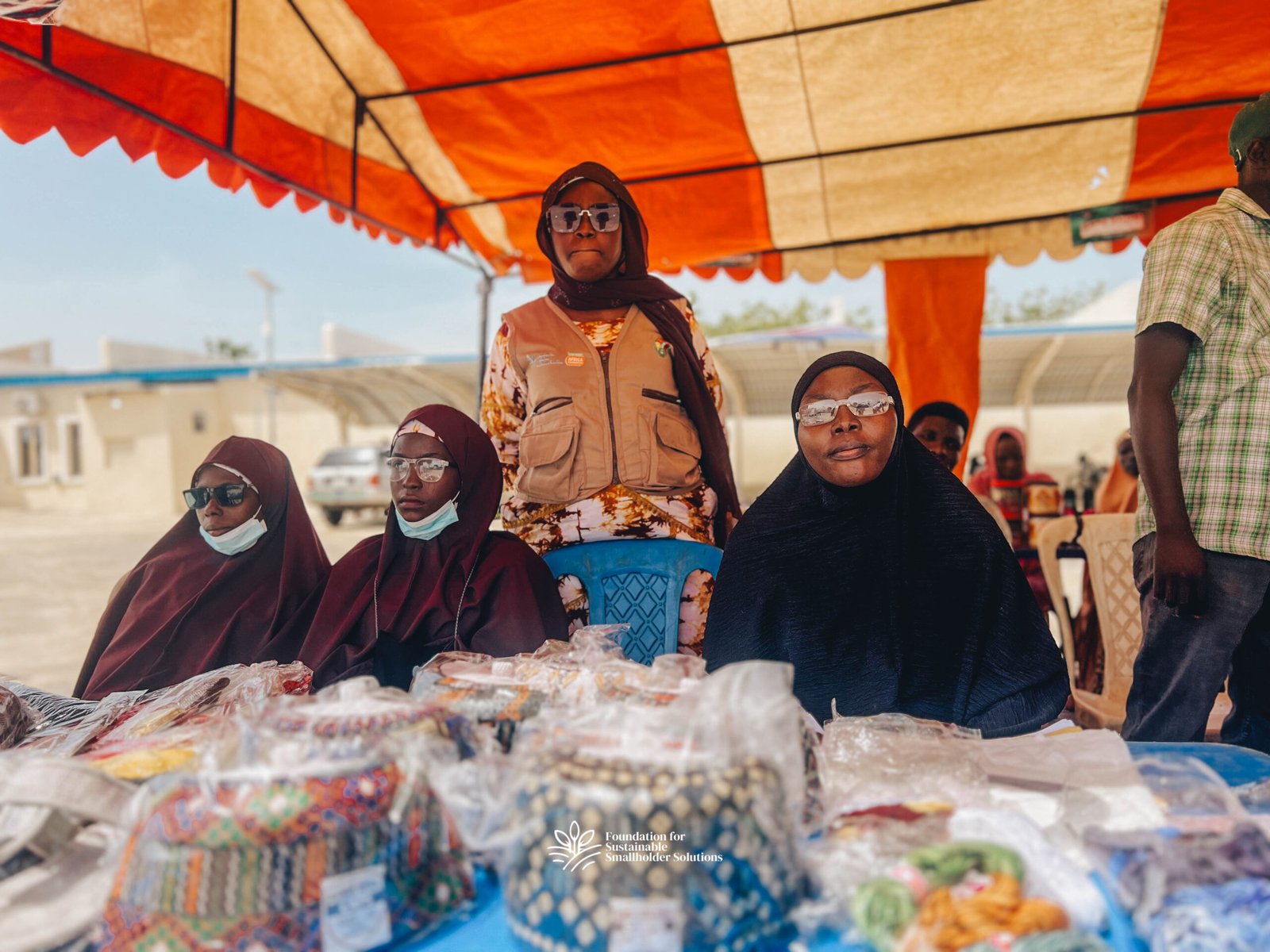
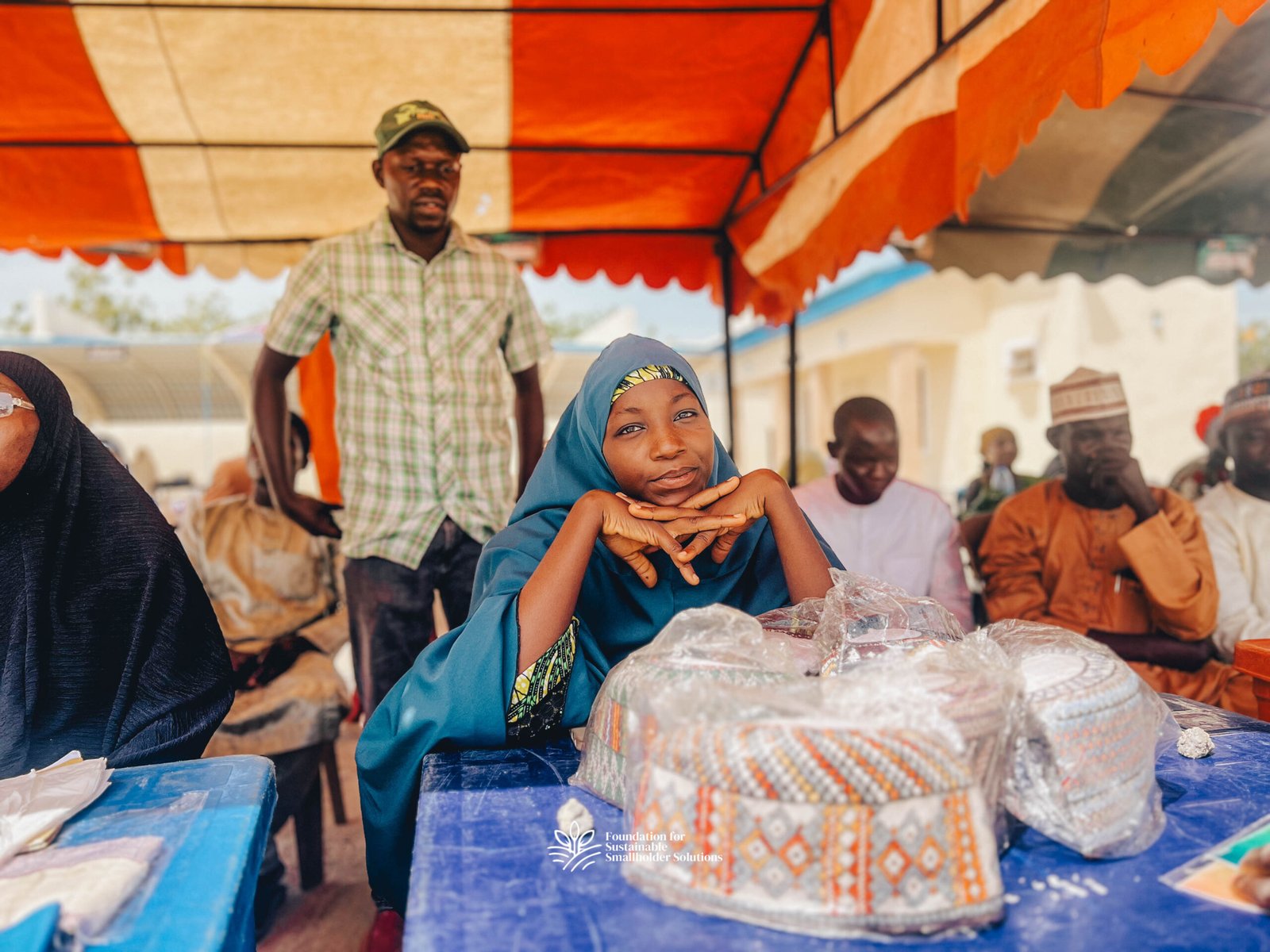
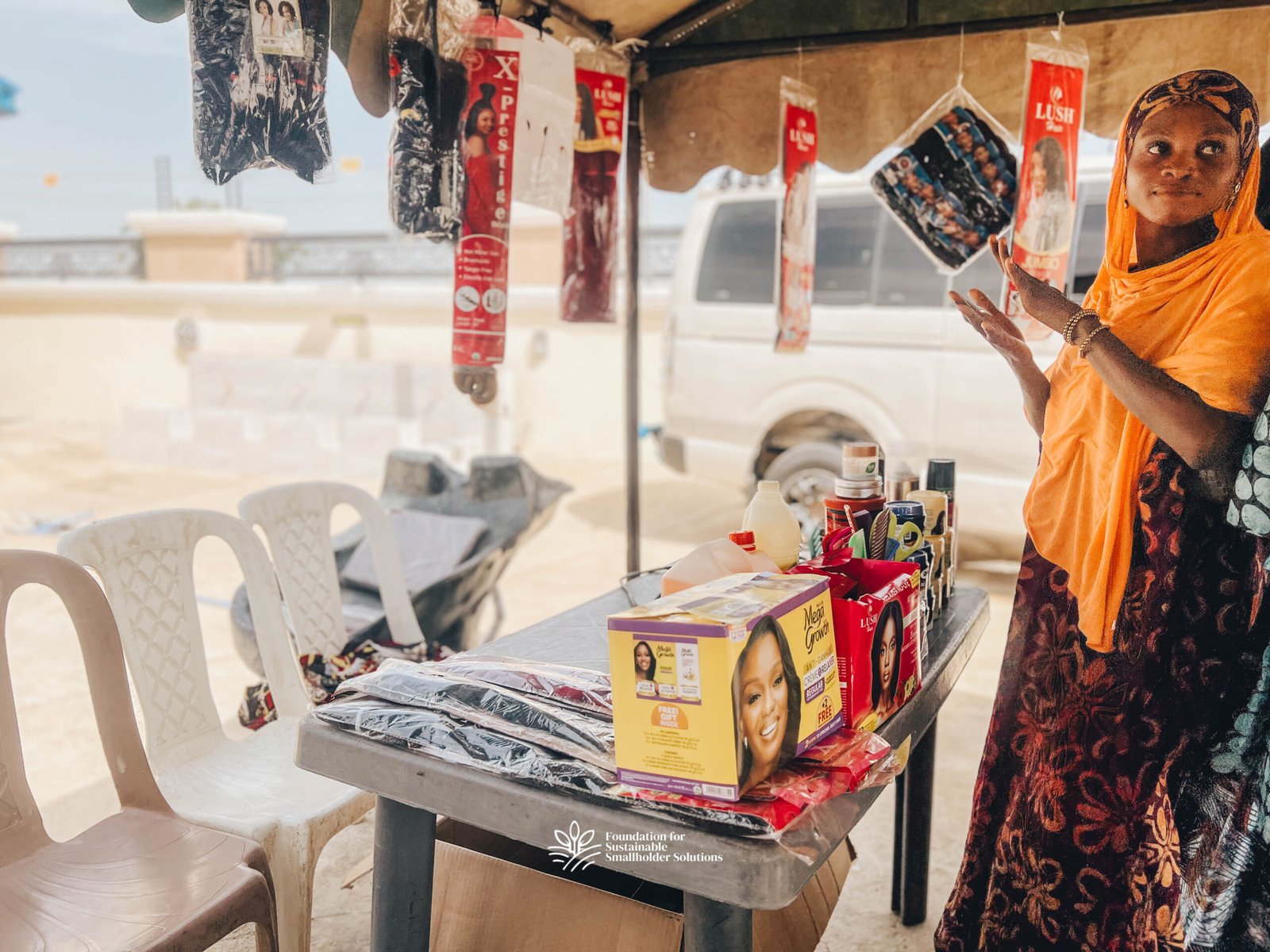
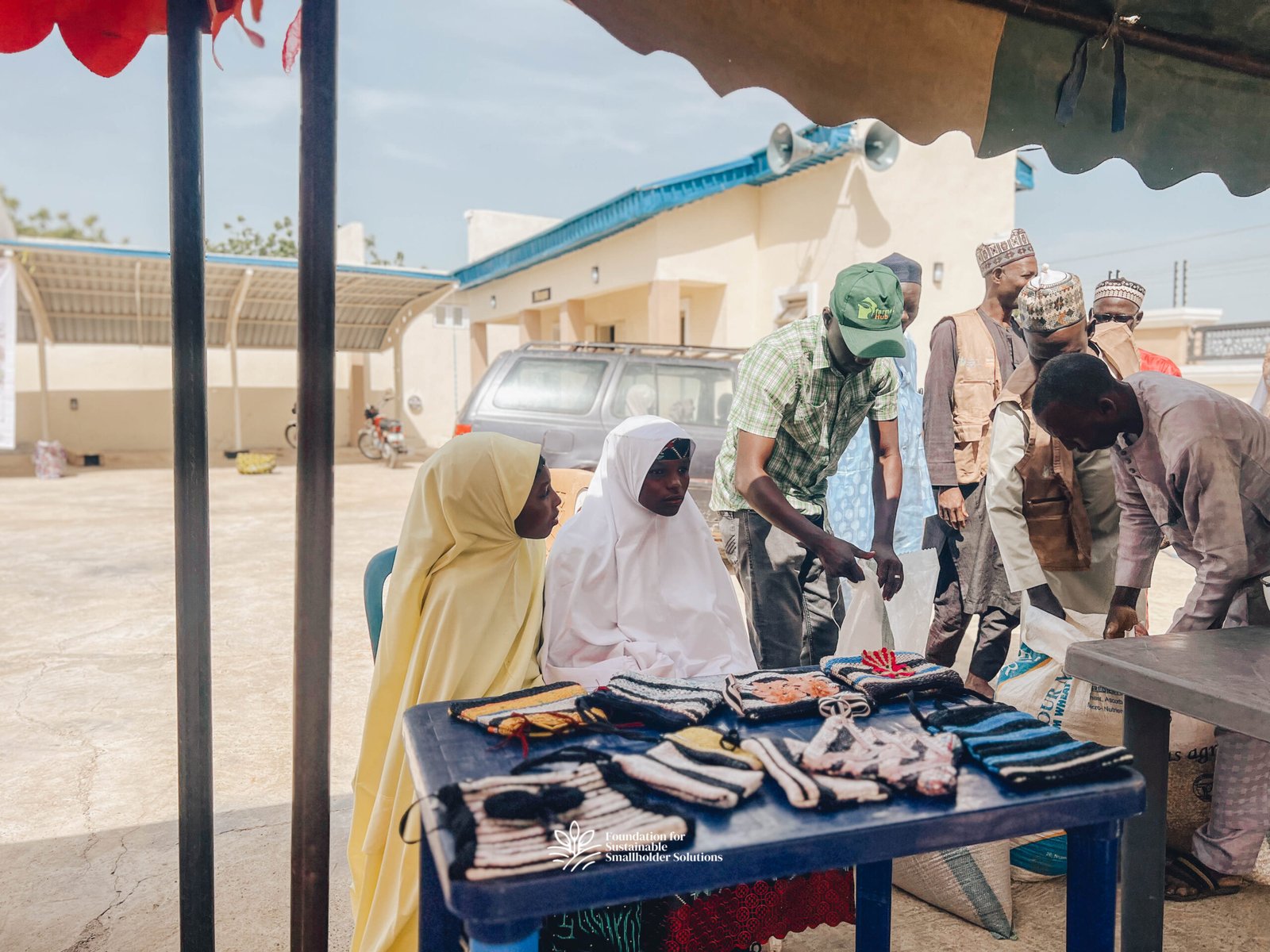
Food was also on display at the Farmers’ Market, where beneficiaries showcased their agricultural produce, processed foods and products from businesses developed through ESTRRA’s livelihood support activities. For Clinton Inene, the festival brought together the work carried out across Bauchi North during the project’s first year.
“Today is more like a combination of all the activities that we have been doing for the past one year in Bauchi North. What we have been doing in these local governments is building resilience on the farm and strengthening the livelihood resilience of farmers,” he said.
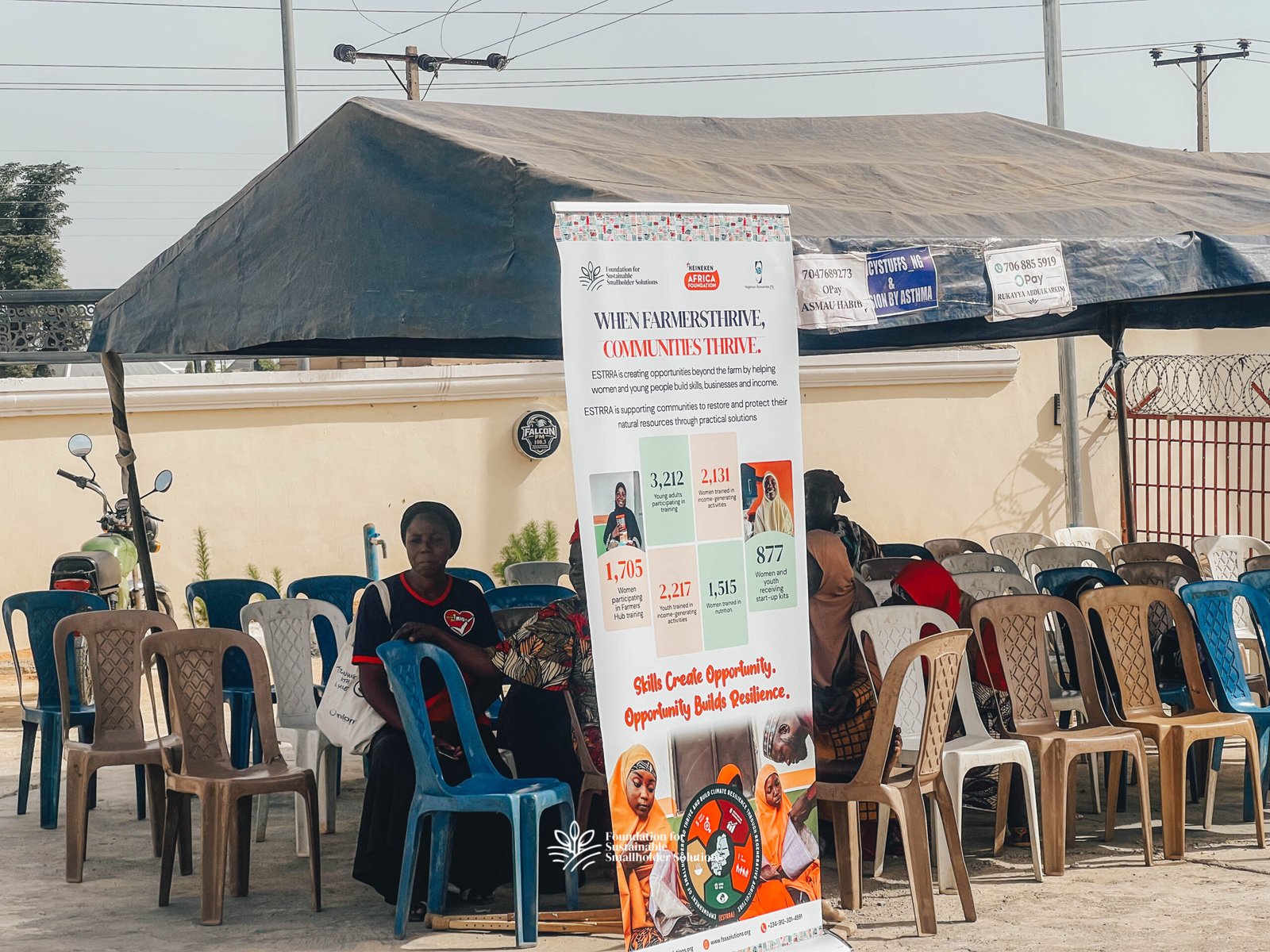
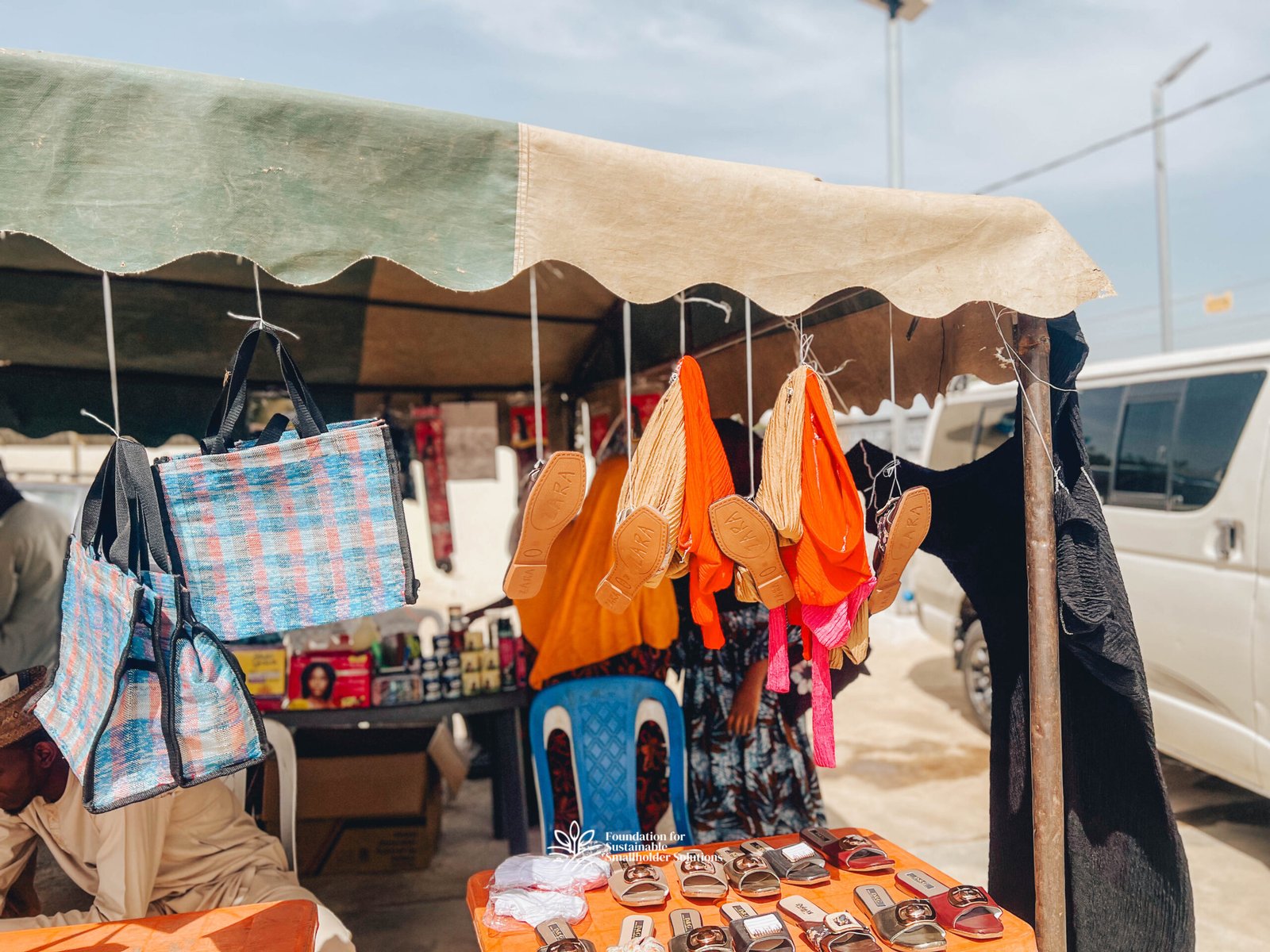
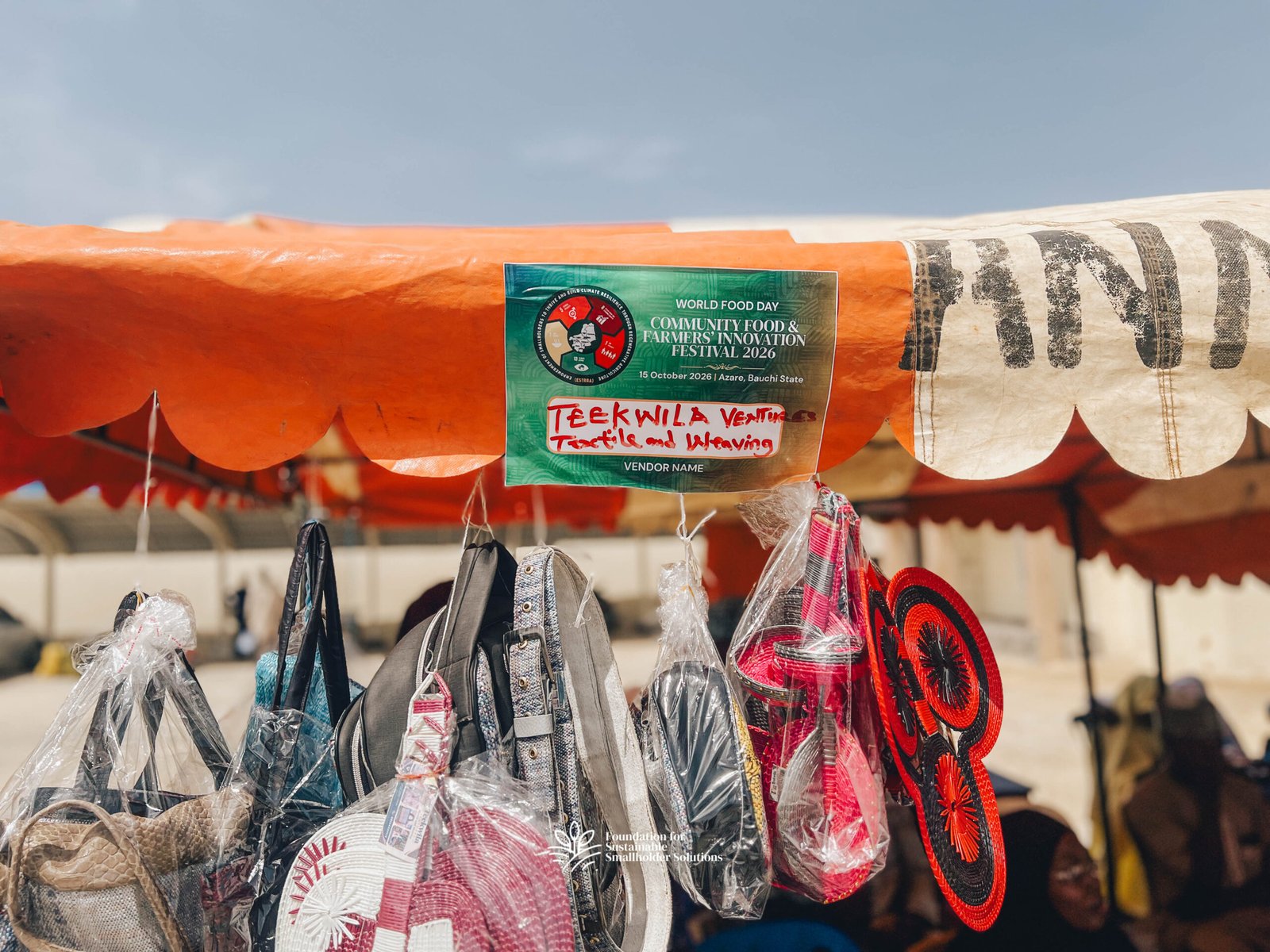
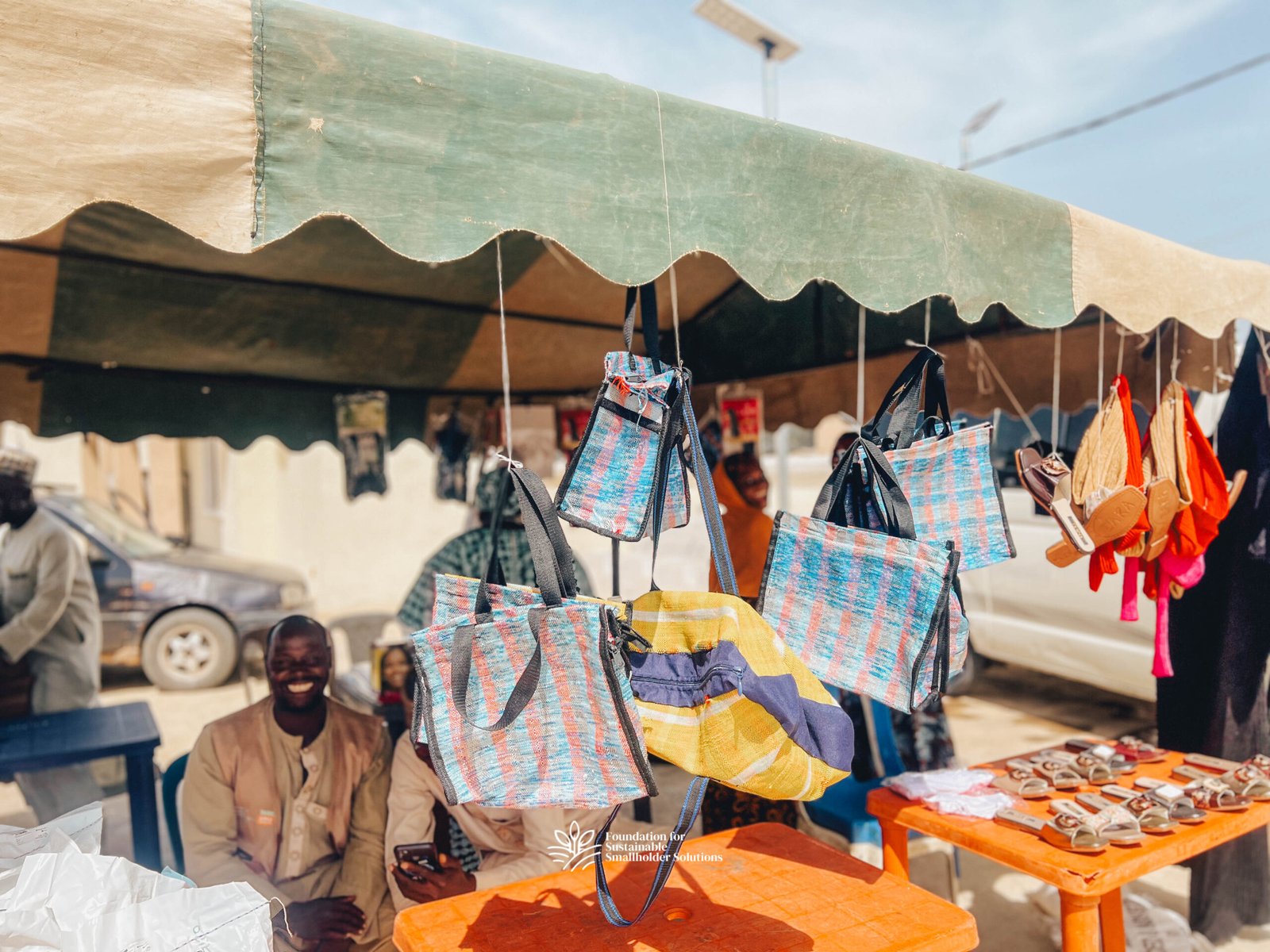
Alongside farm produce, visitors saw products such as traditional caps and bags made by beneficiaries exploring additional sources of income. The displays showed that supporting food systems also means helping rural households build businesses and earn income beyond crop production.
Umar Abdulraheem, a rice miller from Dogon Jeji in Jama’are LGA, said support from FSSS had helped him improve his business through the provision of milling machines and a dedicated structure.
“Before I met the foundation, I just sold rice like every marketer in the market, but now I have branded my package, and I am a registered company,” he said.
His experience showed how processing equipment and business development can help farmers and rural entrepreneurs add value to agricultural produce before it reaches consumers.
The festival also highlighted why producing enough food depends partly on the ability to cope with changing weather conditions. Through ESTRRA, farmers are being introduced to practices and technologies including agroforestry, water conservation, irrigation, improved agricultural inputs and drought-resistant seeds.
These interventions are intended to help farmers protect their land, manage water and sustain production when rainfall becomes unreliable. Irrigation, in particular, can create opportunities to grow crops during the dry season rather than relying entirely on rain-fed farming.
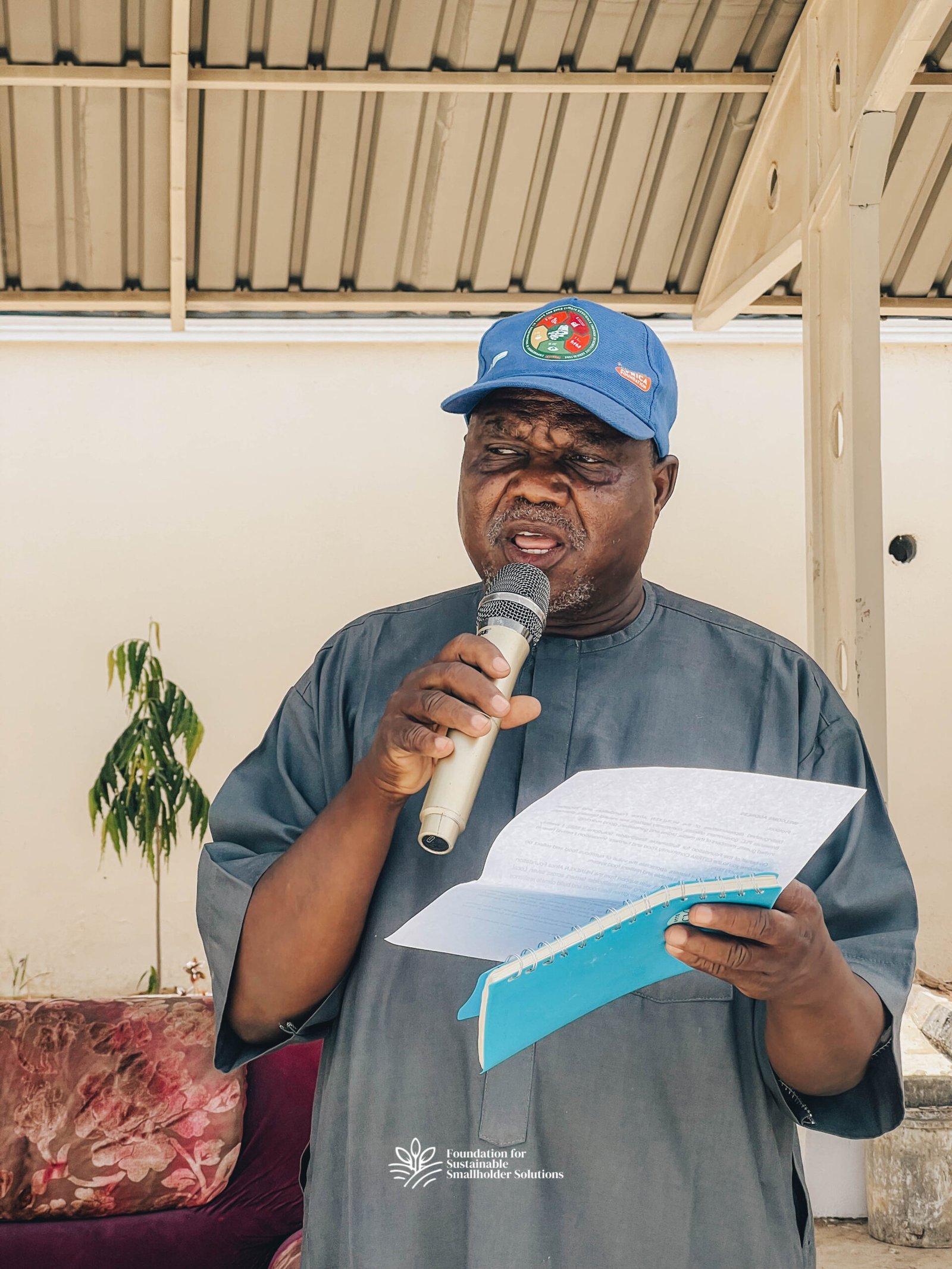
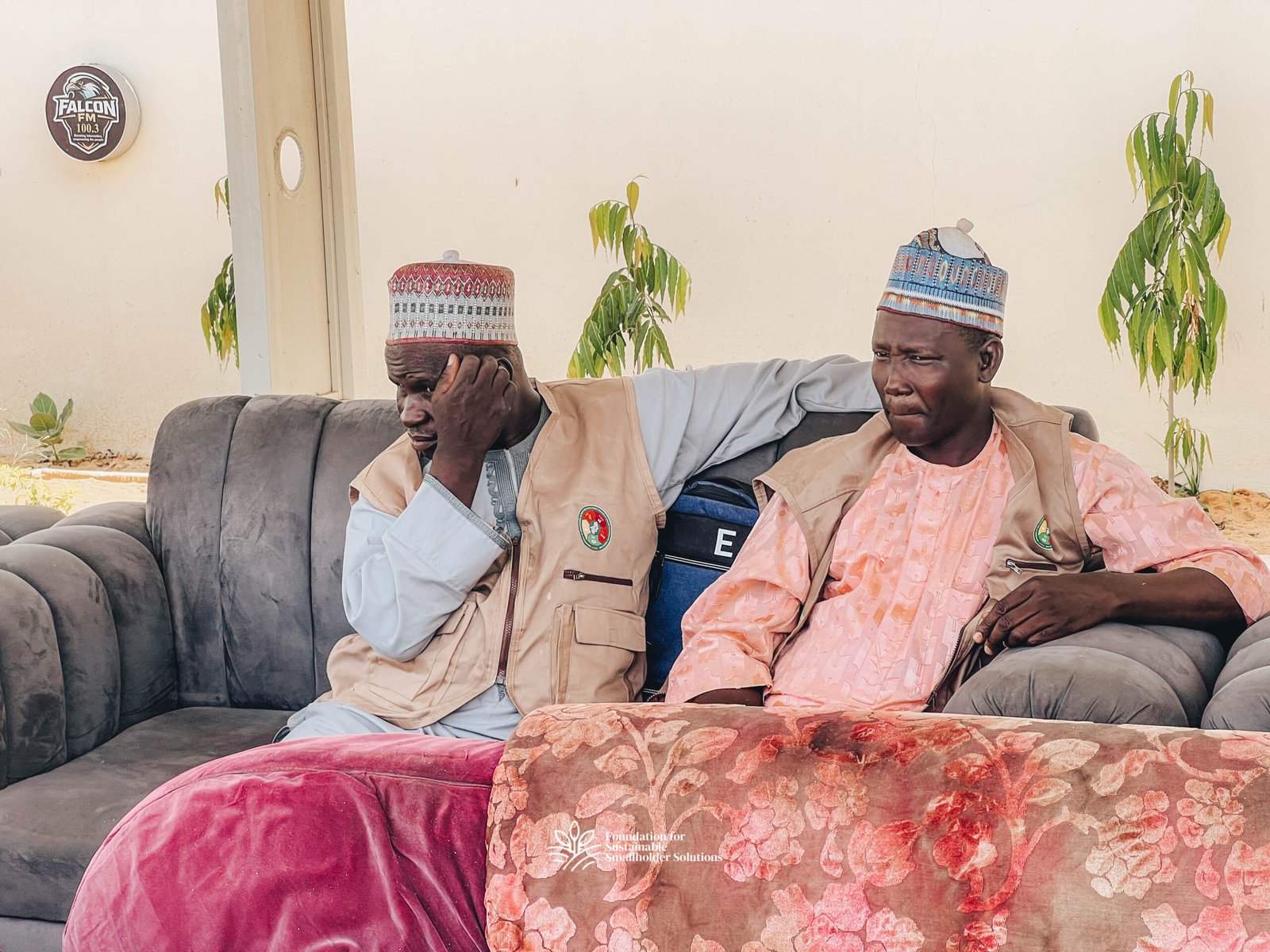
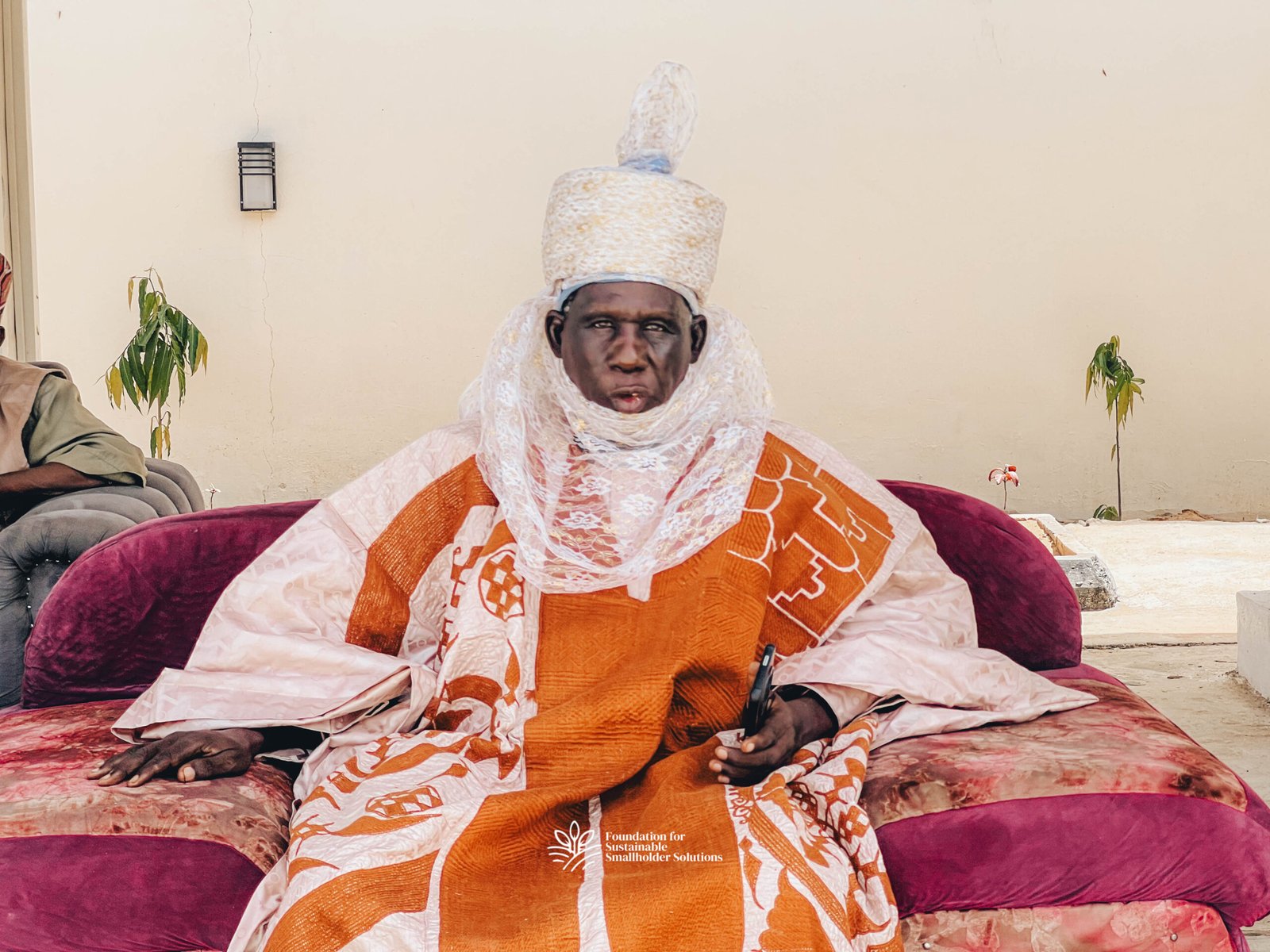
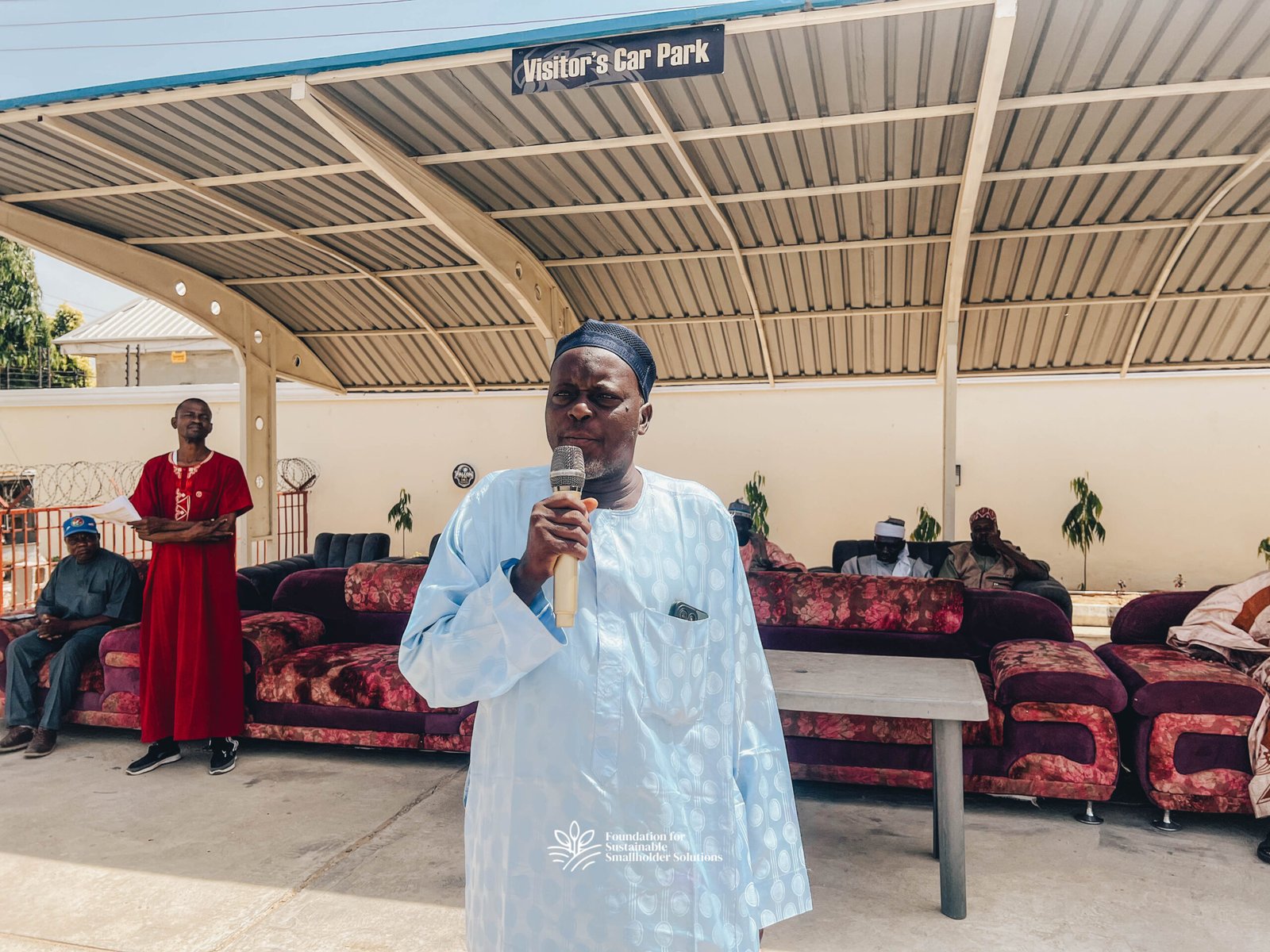
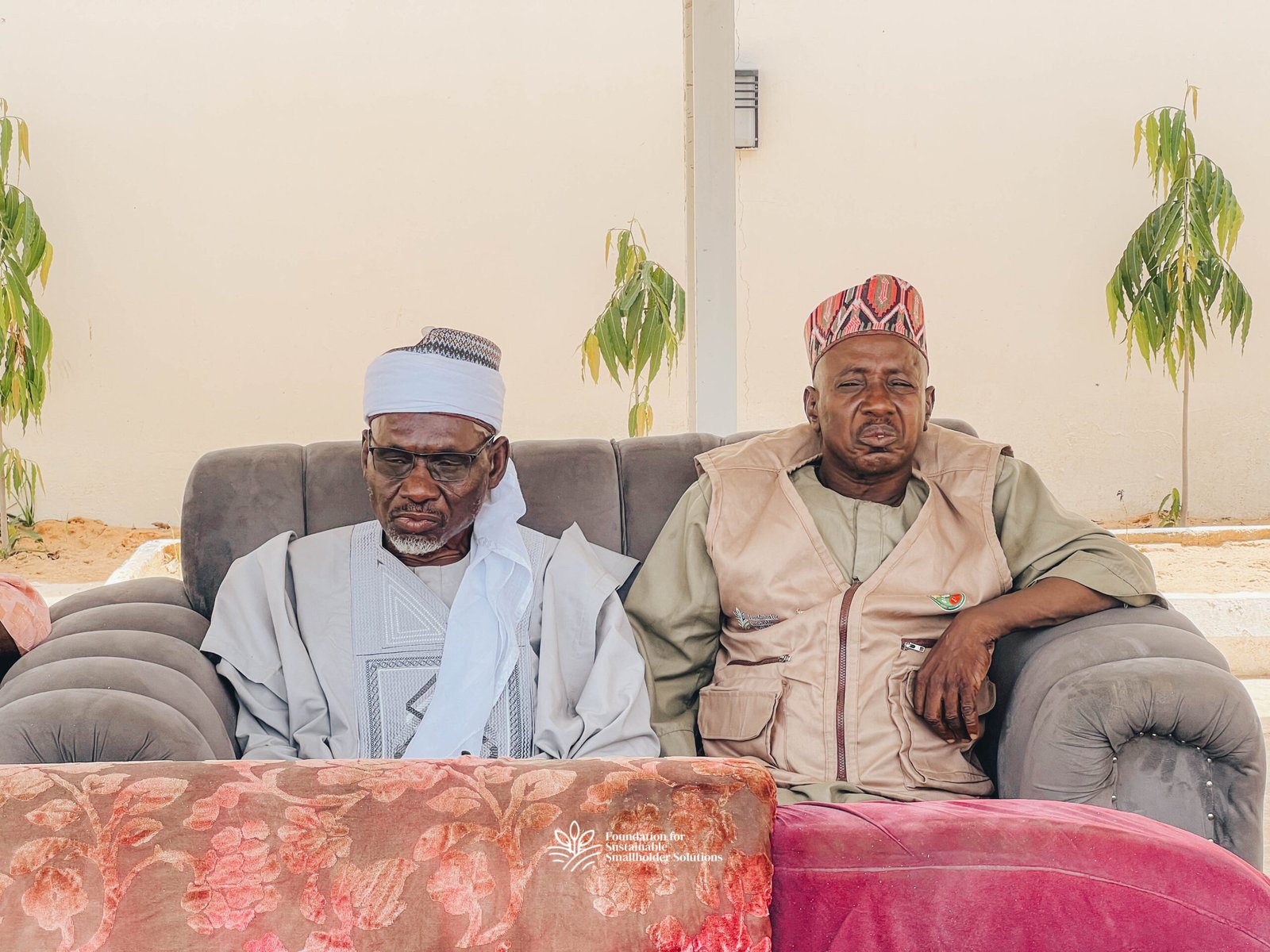
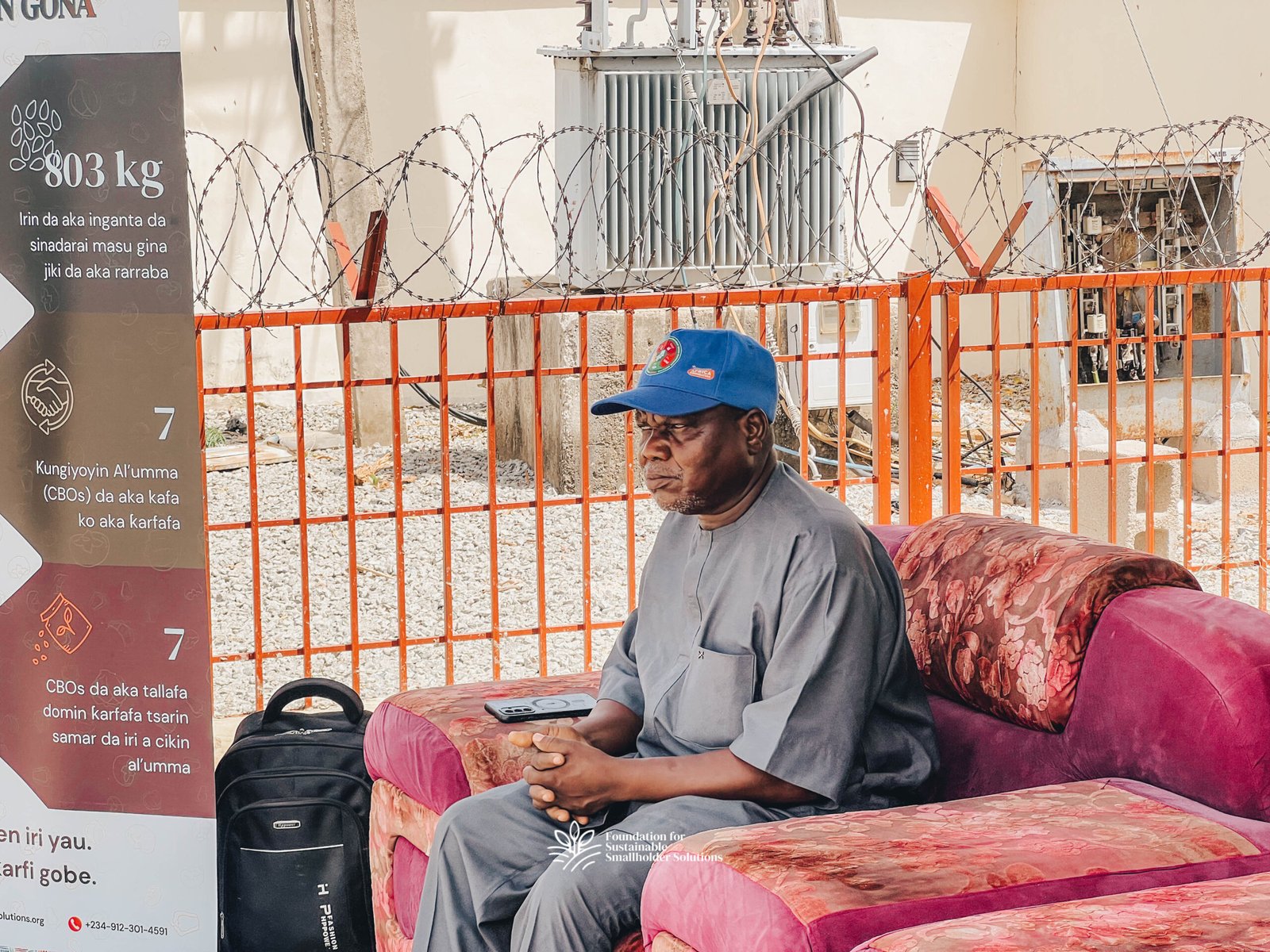
The Emir of Katagum, Umar Faruq, represented at the event by the Uban Doma of the emirate, Ummaru Lili Hassan, urged farmers to put their training into practice and embrace dry-season farming.
“Our people are farmers, but I am aware that the training by this group has empowered you with new technologies. So, I call on you to take the training seriously, especially for dry-season farming,” he said.
He added: “We can no longer survive only with rainy-season farming. We need our farmers to embrace dry-season farming.”
The message was a reminder that food security starts with the ability to produce food reliably. Protecting soils, managing water and adapting to changing rainfall can help farmers maintain production and support local food supplies.








World Food Day provided an opportunity to bring these issues together: the need to grow food, protect the resources used to produce it, make it available to households and ensure that people understand how to nourish themselves.
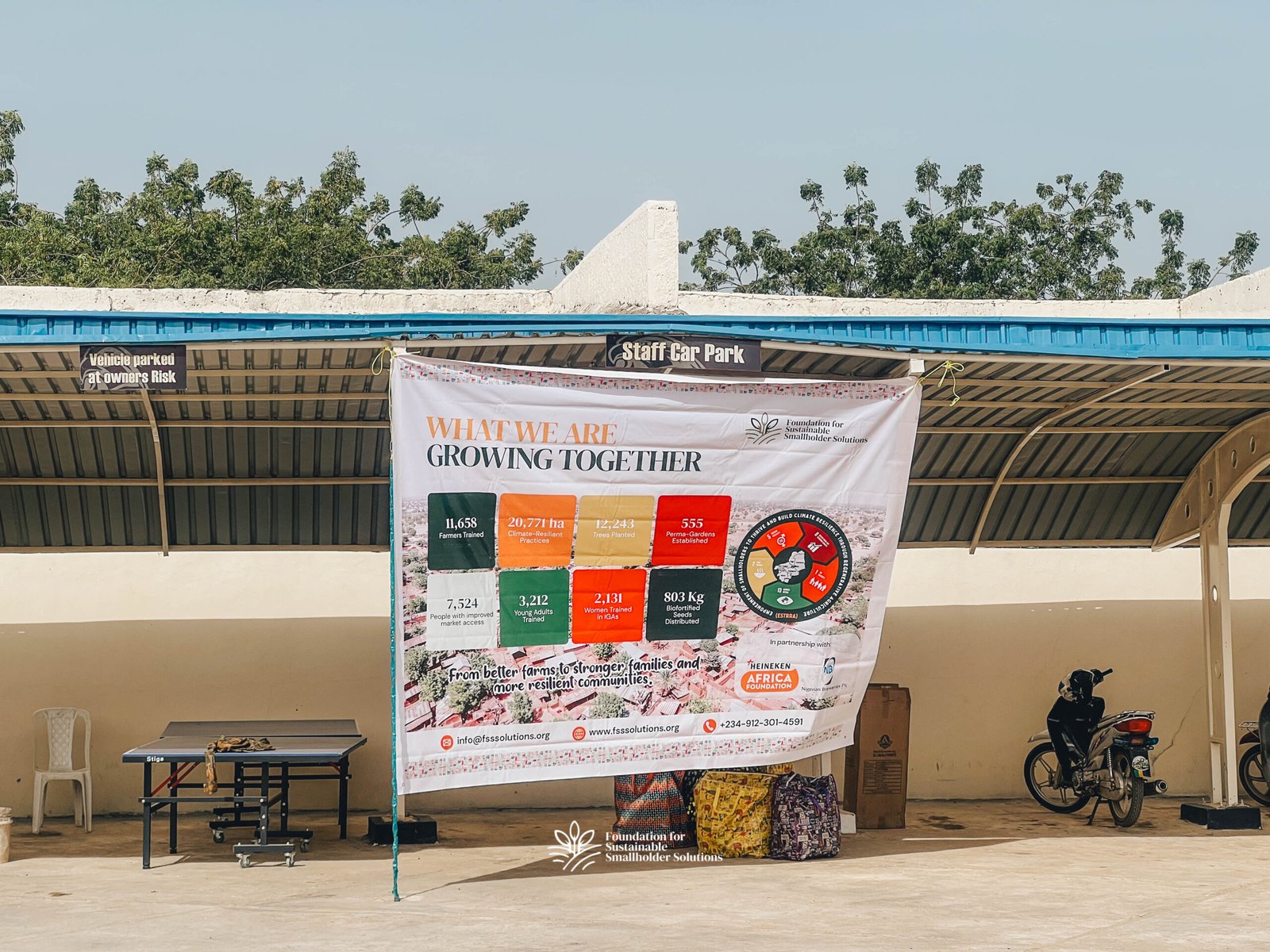
At the ESTRRA festival, the cooking competition celebrated local dishes, the nutrition session offered practical guidance for everyday meals, and the farmers’ market connected agricultural production with processing and enterprise. The agricultural displays showed how climate-resilient practices can support the production on which these activities depend.
For FSSS and its partners, the work in Bauchi North is about more than helping farmers produce more. It is also about strengthening the livelihoods and knowledge that enable households to benefit from what they grow.
The message behind the festival was clear: nourishing tomorrow begins with the choices communities make today; from how they farm and conserve resources to how they prepare and share the food on their tables.