- Welcome to FSSS Nigeria!
- info@fsssolutions.org
- 1190, Mabushi, Abuja

ESTRRA at One: A Year of Building Resilient Farming Communities in Northern Bauchi
From community entry and baseline assessment to Farmers’ Hubs construction, farmer training, and climate-smart interventions, ESTRRA’s first year has laid important foundations for a more resilient smallholder livelihoods in Bauchi North.
IMPACT
When the Empowerment of Smallholders to Thrive and Build Climate Resilience through Regenerative Agriculture (ESTRRA) project kicked off in October 2025, the starting point was about understanding the realities of the farming communities in northern Bauchi it was conceptualised and designed to serve.
Implemented by the Foundation, with funding support from HEINEKEN Africa Foundation and Nigerian Breweries PLC, the project covers seven Local Government Areas in Bauchi North: Katagum, Giade, Itas-Gadau, Gamawa, Jama’are, Shira and Zaki.
A little over a year ago, the journey began with community entry visits and engagements with local leaders, farmer groups, and other stakeholders. These engagements helped introduce the project, establish relationships, and create a foundation critical to the first year’s success and to working with the communities.
Afterwards, a baseline assessment followed, covering 1,508 households, 88 farmer groups and 54 community-based organisations. It provided a clearer picture of what we already knew about the challenges facing farmers, including limited access to quality seeds and agricultural services, inadequate storage and processing facilities, climate-related production losses, land degradation, and household food insecurity. The findings helped shape the project’s interventions and establish a reference point for measuring progress.
From there, our boots hit the ground, and implementation moved into the communities.
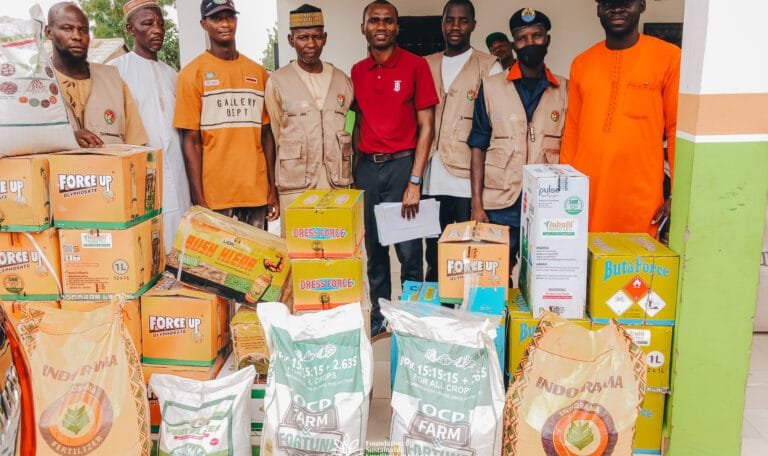
During the first year, 11 Farmers’ Hubs and agro-processing centres were established across the seven LGAs, bringing agricultural inputs and processing services closer to farmers. Eleven demonstration plots and Farmer Field Schools were also set up to support practical learning.
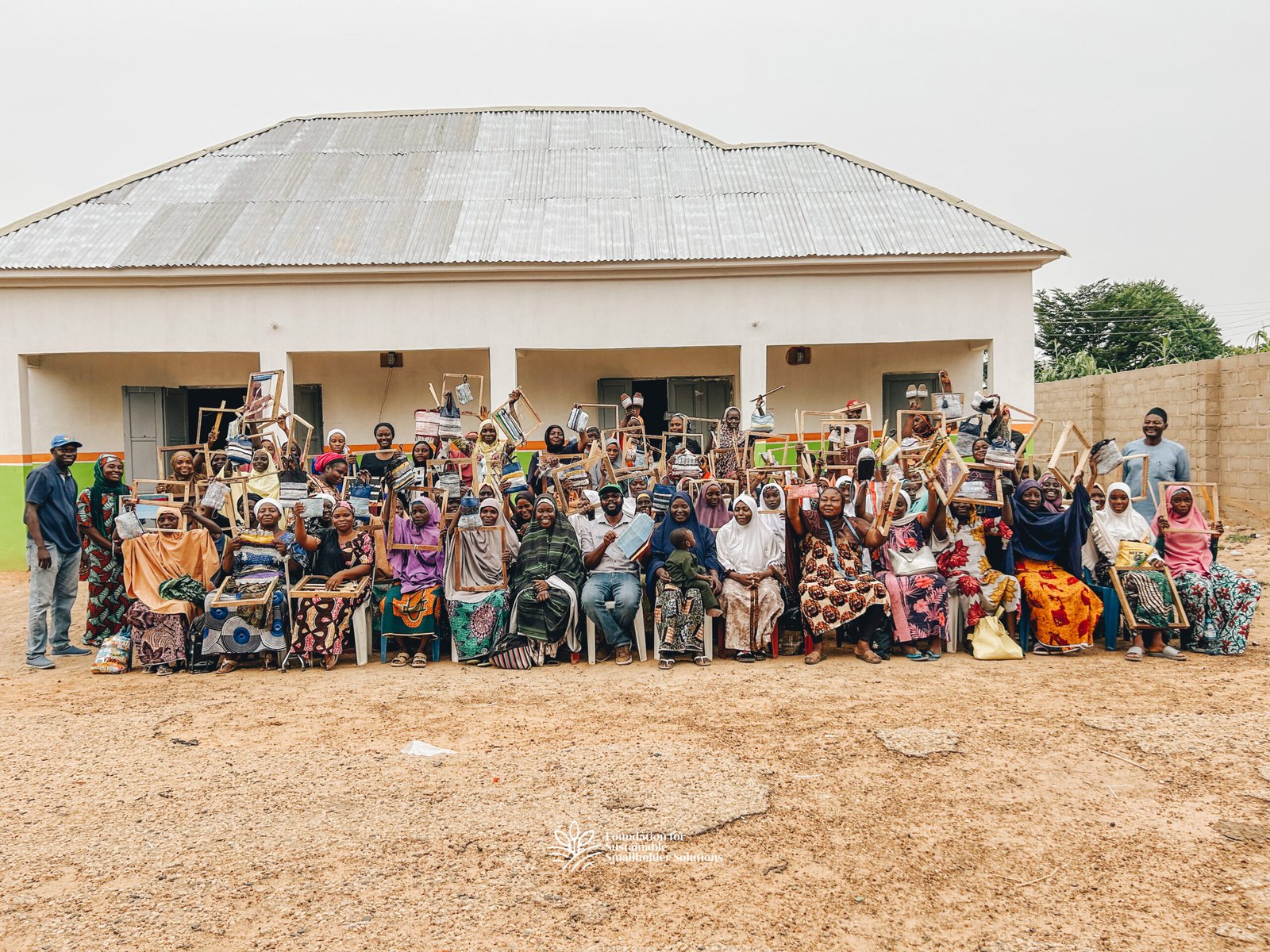
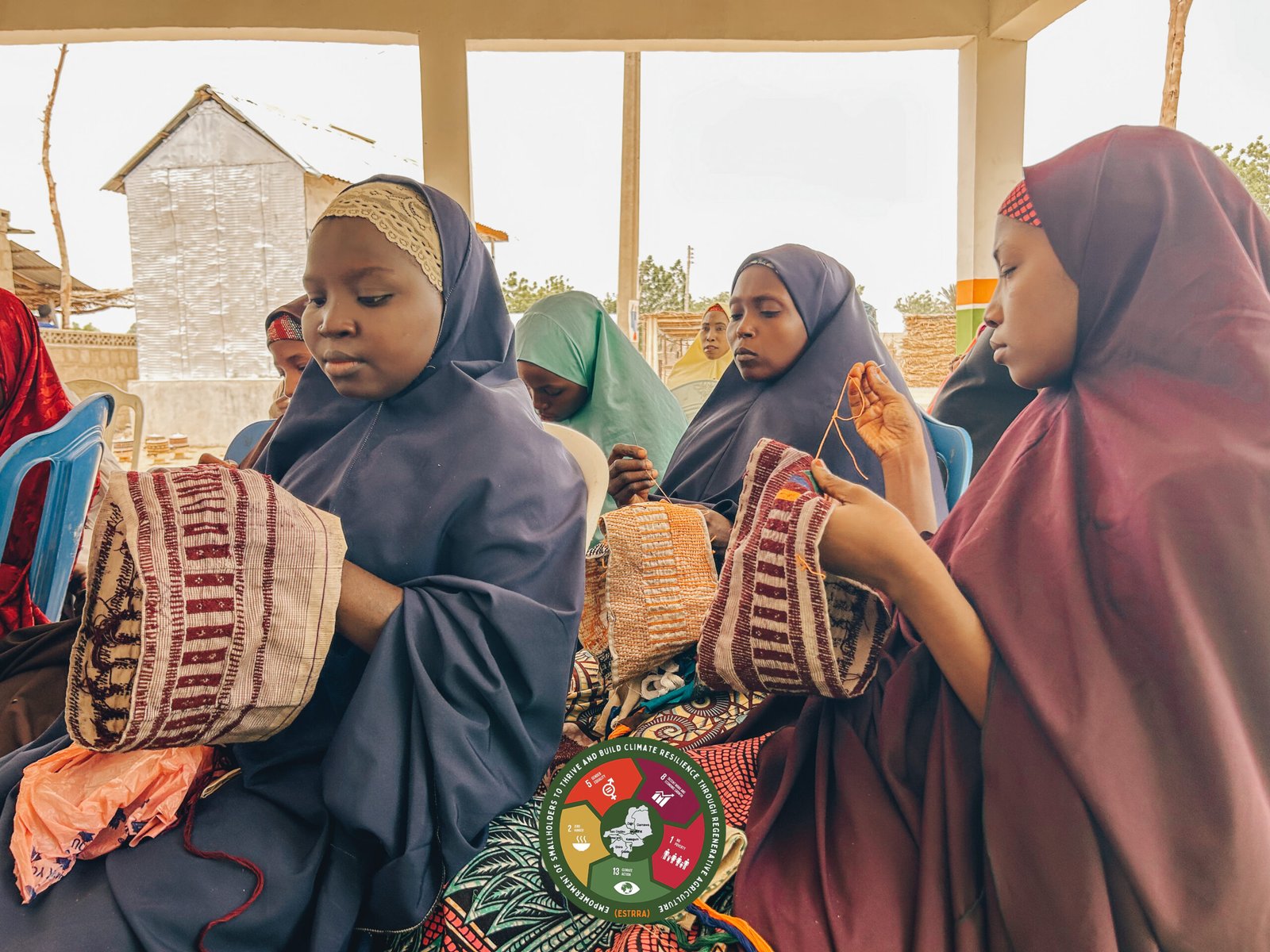
The project trained 11,658 farmers in improved agricultural practices, profiled and registered 7,401 farmers, and supported seven community-based seed producer organisations. Farmers received improved seeds and agricultural inputs, while women and young people participated in technical and enterprise development training.
Work also extended beyond crop production. Through support for rural agripreneurs, vocational training, start-up kits, home gardens, bio-fortified crops, permagardens and small livestock, the project began creating opportunities for households to diversify their sources of income and improve nutrition.
Climate resilience and land restoration remained central to the work. Ten irrigation systems were installed or upgraded, 20,771 hectares were reported under climate-resilient and regenerative agricultural practices, and 905 half-moon structures were constructed at two land reclamation sites to help capture rainwater and reduce runoff. Tree planting, agroforestry learning sites, integrated pest management, and organic soil management practices also formed part of the intervention.
These achievements represent an important first lap, not the end of the journey. The next phase will build on the structures already established, strengthen the capacity of farmers and local enterprises, and track how the interventions translate into lasting improvements in productivity, livelihoods, and resilience.
See the journey
The first year has been about more than activities and numbers. It has been about entering communities, listening to farmers, identifying gaps, and working alongside local people to push practical solutions to longstanding challenges.
Watch the ESTRRA Year One Documentary Premiere to see the communities, people and interventions behind the progress achieved so far.
This is the first in a series of stories exploring ESTRRA’s four objectives and the work taking place across Bauchi North. In the coming weeks, we will take a closer look at how the project is strengthening farmer capacity, supporting rural enterprises and household nutrition, improving climate resilience, and promoting regenerative agricultural practices.
One year into the work, the journey continues.