A delegation from the Foundation for Sustainable Smallholder Solutions (FSSS), led by Executive Director Dr Isaiah Gabriel, has met with the Bauchi State Commissioner for Agriculture, Dr Iliyasu Aliyu Gital, and the Programme Manager of..
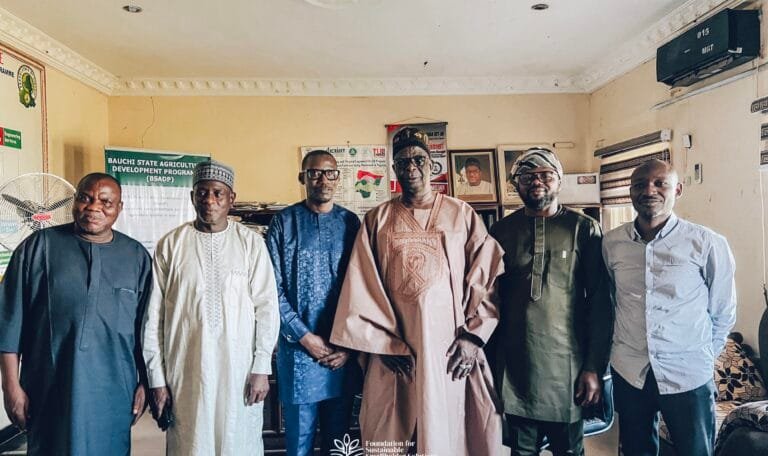


A delegation from the Foundation for Sustainable Smallholder Solutions (FSSS), led by Executive Director Dr Isaiah Gabriel, has met with the Bauchi State Commissioner for Agriculture, Dr Iliyasu Aliyu Gital, and the Programme Manager of..
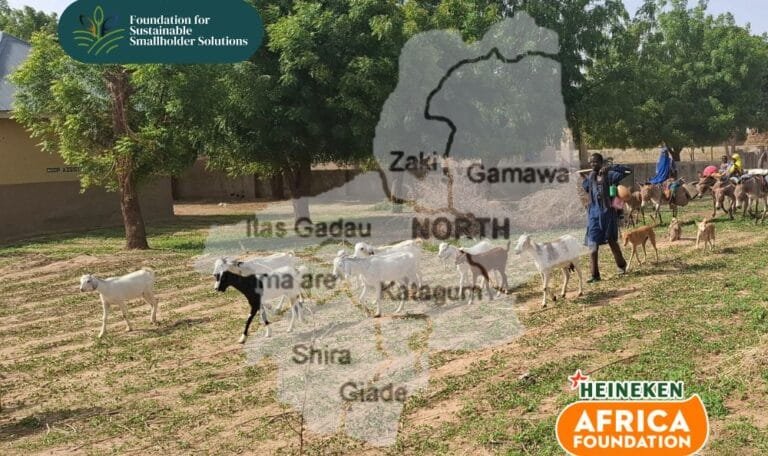
FSSS and Heineken Africa Foundation launch three-year programme to build climate resilience for 14,000 smallholder farmers in Bauchi North
On his farm in Lagelu, Oyo State, Ajibola Wasiu Opeyemi turns waste into wealth, corn stalks feed livestock, maggots feed fish, and animal waste enriches his soil. His circular farming system shows how practical sustainability can boost yields, cut costs, and regenerate the land for smallholder farmers.
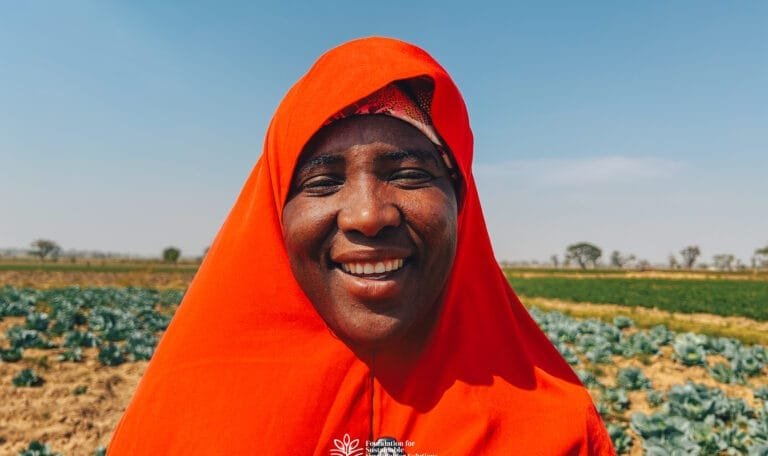
FSSS’s gender-focused study across ten Nigerian states reveals how women farmers face persistent barriers in accessing improved seeds and decision-making. The report calls for inclusive, gender-responsive agricultural research that empowers women as equal participants in innovation and strengthens community resilience.
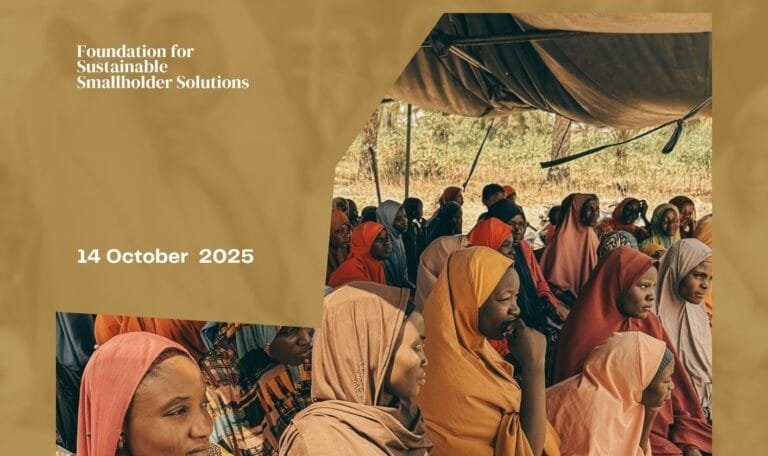
Explore how gender dynamics shape seed adoption in Northern Nigeria, offering insights to strengthen women’s roles in agriculture as revealed by FSSS study.
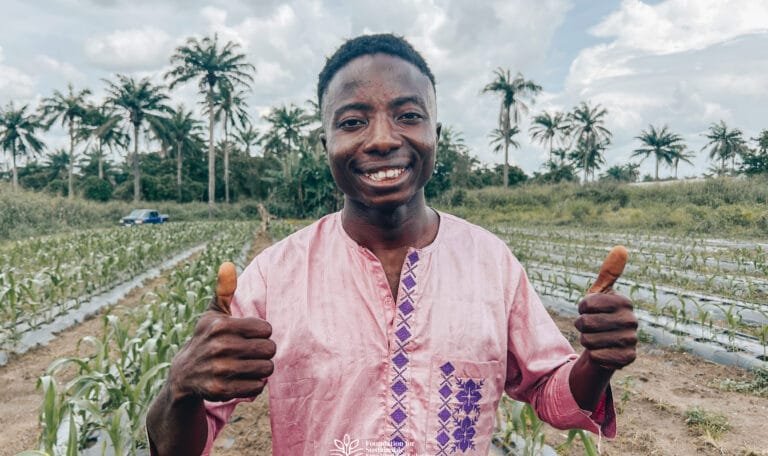
When Ajibola Wasiu Opeyemi first picked up a hoe as a second-year student, it was an experiment that changed his life. A decade later that spark has grown into a ₦10m farmers’ hub that trains over 1,000 farmers and runs a free community academy.
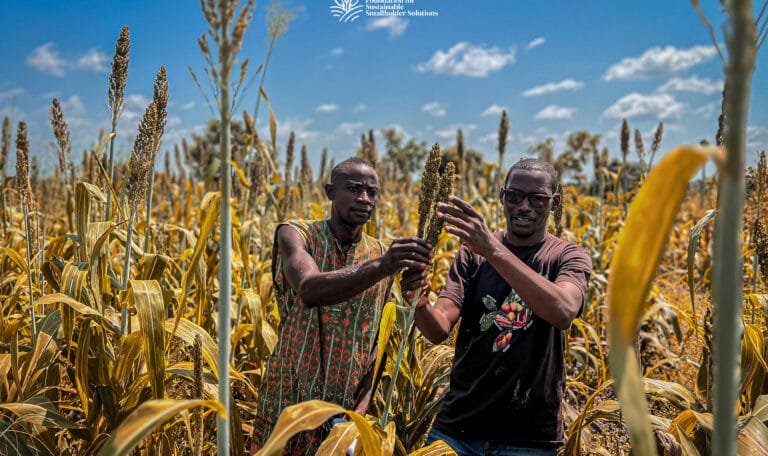
Despite pandemic shocks, Northern Nigeria’s grain systems proved resilient. Certified seeds emerged as key to sustaining productivity and food security.

A study of cowpea and sorghum farmers in Northern Nigeria reveals how certified seeds boosted yields and incomes, even during COVID-19 disruptions.
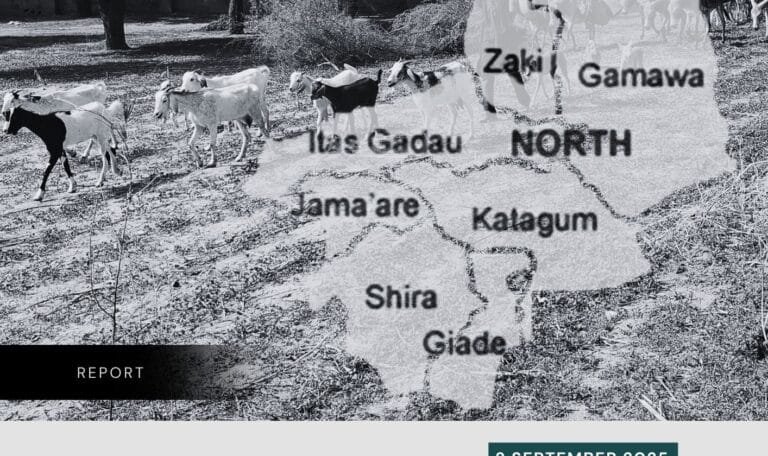
The 2025 Bauchi North Needs Assessment highlights urgent challenges facing smallholder farmers, from poor input access to climate shocks.
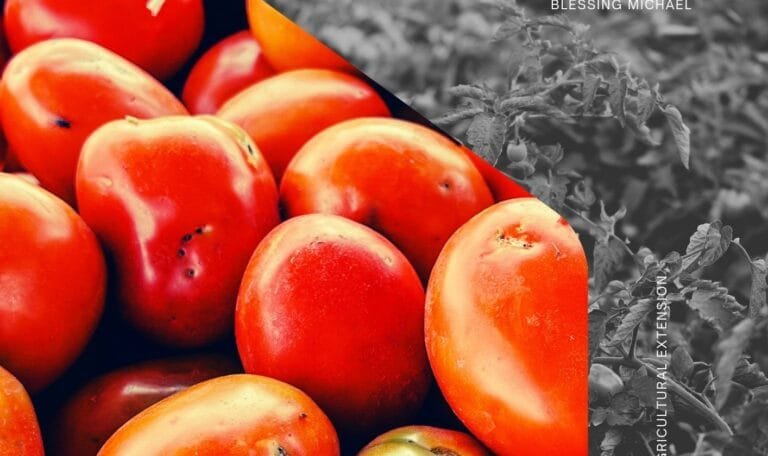
Tomato production remains a vital livelihood for smallholder farmers in Northwest Nigeria, yet low yields persist due to reliance on recycled seeds, weak extension services, and minimal adoption of modern nursery practices.