A Nigerian-led study has developed high-yielding cowpea varieties with durable, multi-gene resistance to Striga, offering a scalable solution for smallholder farmers.
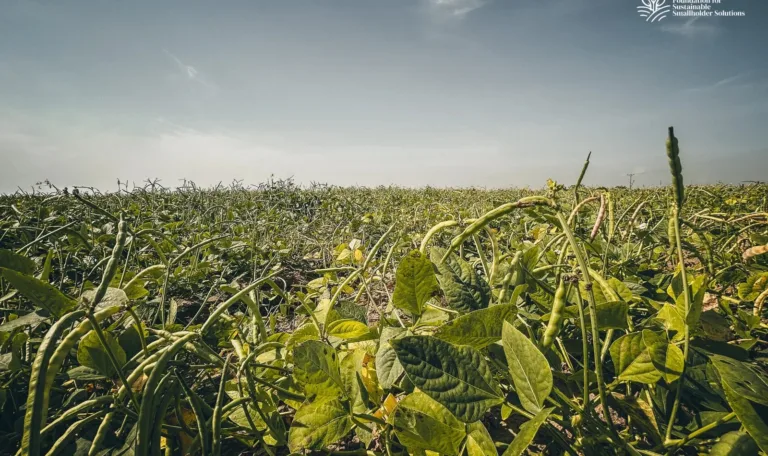


A Nigerian-led study has developed high-yielding cowpea varieties with durable, multi-gene resistance to Striga, offering a scalable solution for smallholder farmers.

Women power much of Africa’s agricultural workforce, yet they remain among the most underserved in access to land, finance, and markets. Insights from the FSSS International Women’s Day webinar reveal why investing in women farmers is not charity but a strategic pathway to stronger food systems, resilient communities, and inclusive economic growth.
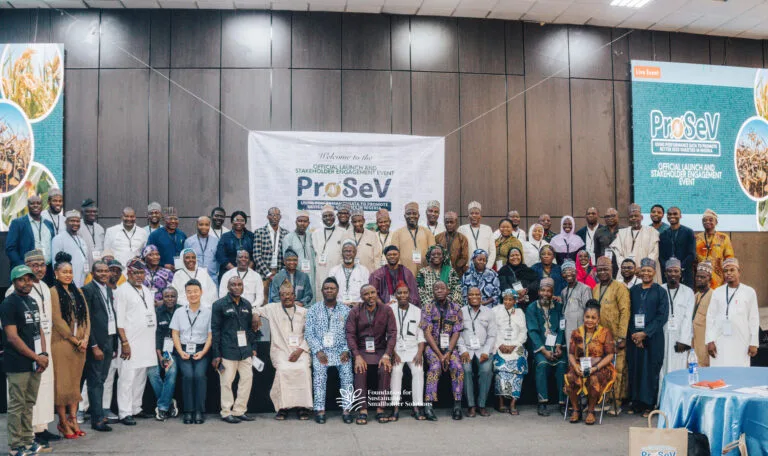
The ProSeV Project launches a data-driven platform to guide farmers in Nigeria on the best-performing seed varieties.
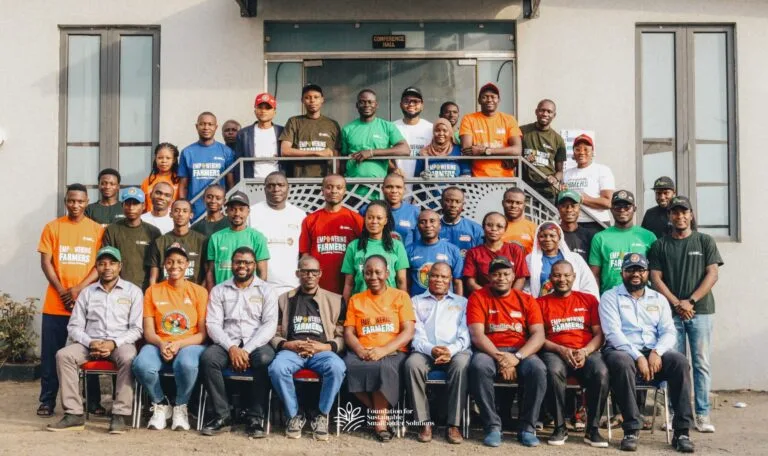
The 2026 Staff Retreat united FSSS teams to reflect, reconnect, and embrace the new North Star—Growing Forward—driving impact for farmers.

FSSS takes the ESTRRA Project to the airwaves in Northern Bauchi State as part of the Foundation’s strategic communications and engagement efforts to gain local farmers support.

Bauchi State Governor Bala Abdulkadir Mohammed has lauded the Foundation for Sustainable Smallholder Solutions (FSSS) and the Heineken Africa Foundation (HAF) for launching the ₦4 billion ESTRRA Project.
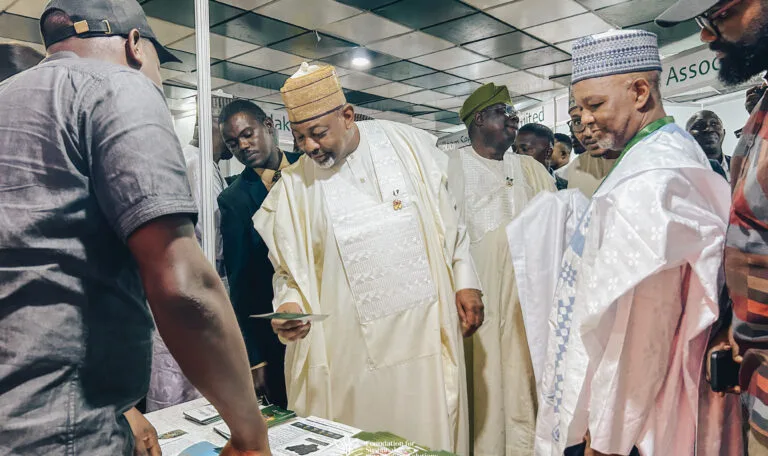
FSSS participated in Seed Connect 2025 in Abuja, showcasing its Farmers’ Hub model and reaffirming its commitment to strengthening Nigeria’s seed systems
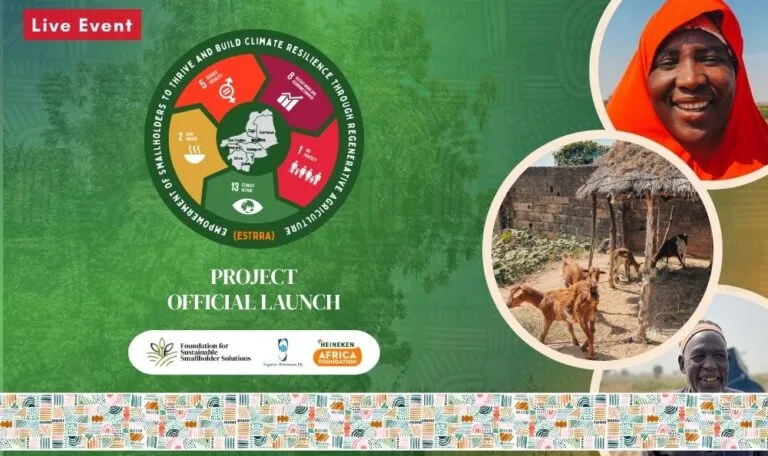
The Foundation for Sustainable Smallholder Solutions (FSSS) is delighted to announce the official launch of its new three-year project titled “Empowerment of Smallholders to Thrive and Build Climate Resilience through Regenerative Agriculture.” This initiative, funded..
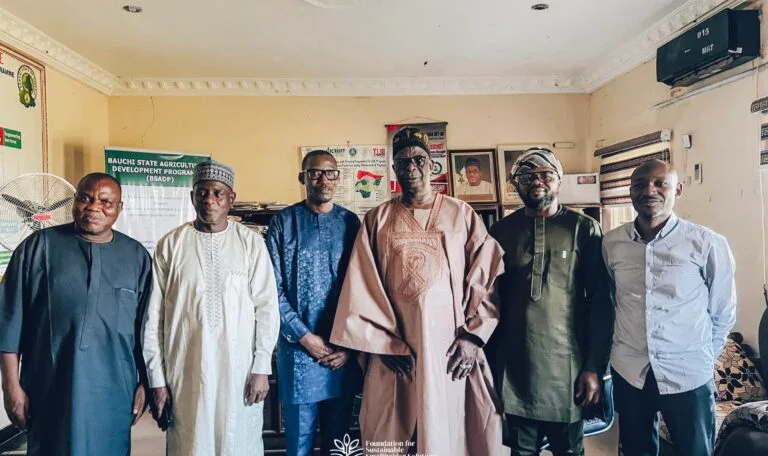
A delegation from the Foundation for Sustainable Smallholder Solutions (FSSS), led by Executive Director Dr Isaiah Gabriel, has met with the Bauchi State Commissioner for Agriculture, Dr Iliyasu Aliyu Gital, and the Programme Manager of..
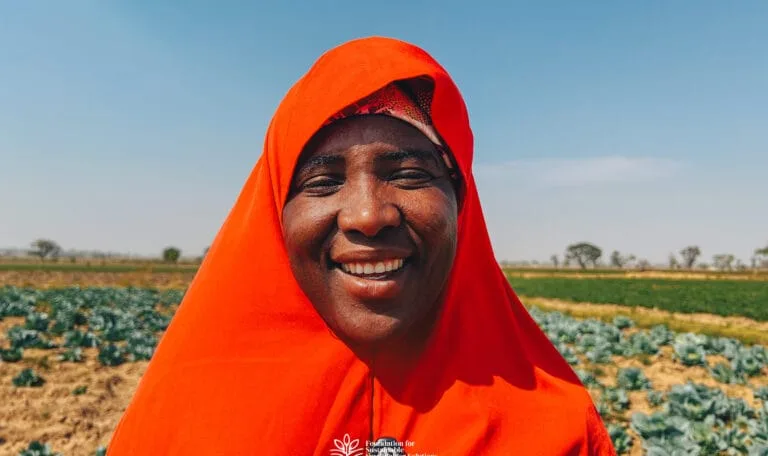
FSSS’s gender-focused study across ten Nigerian states reveals how women farmers face persistent barriers in accessing improved seeds and decision-making. The report calls for inclusive, gender-responsive agricultural research that empowers women as equal participants in innovation and strengthens community resilience.