- Welcome to FSSS Nigeria!
- info@fsssolutions.org
- 1190, Mabushi, Abuja

From Long Trips for Inputs to a Hub at Home: A New Chapter for Sabiu Adamu and Farmers in Kurba
IMPACT
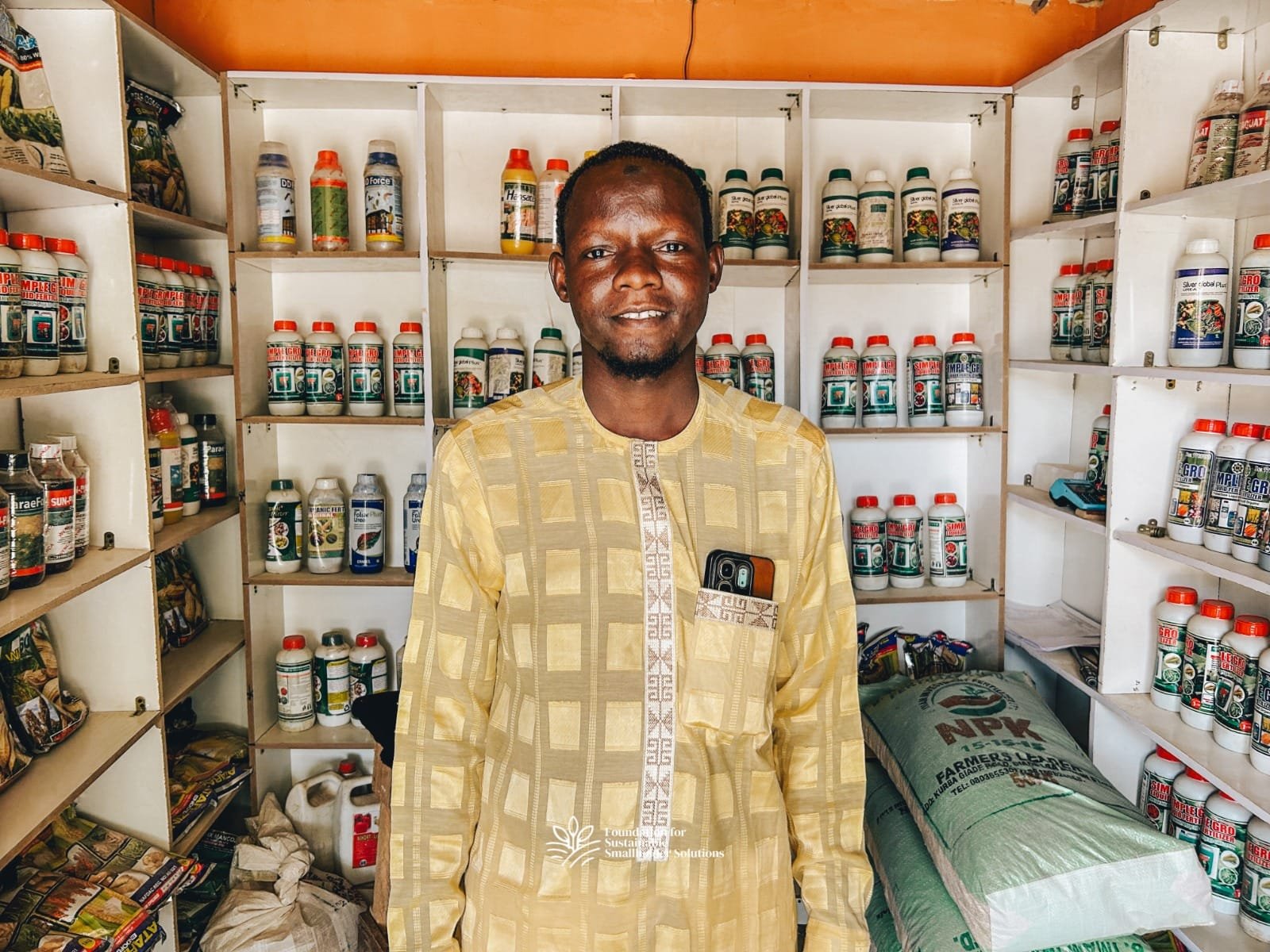
Meet Sabiu Adamu, a young and well-respected agro-input dealer and farmer from Kurba community, nestled in the heart of Giade Local Government Area of Bauchi State. Dressed in a bright orange traditional outfit, he wears a smile that reflects both gratitude and optimism as he shares his journey from humble beginnings to a point where years of hard work are finally beginning to pay off.
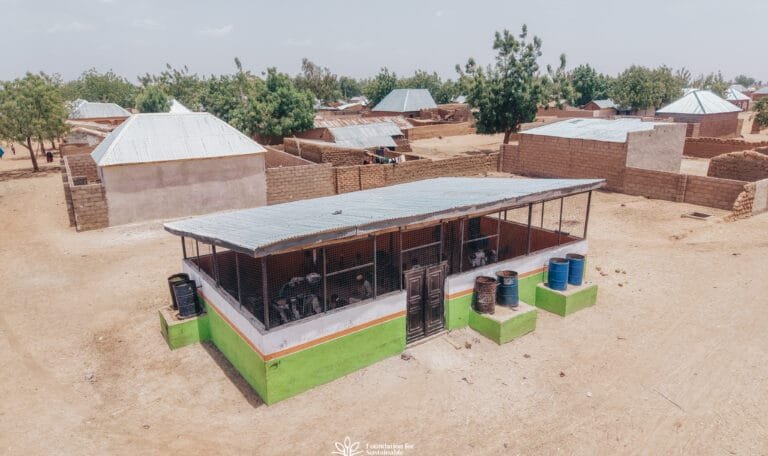
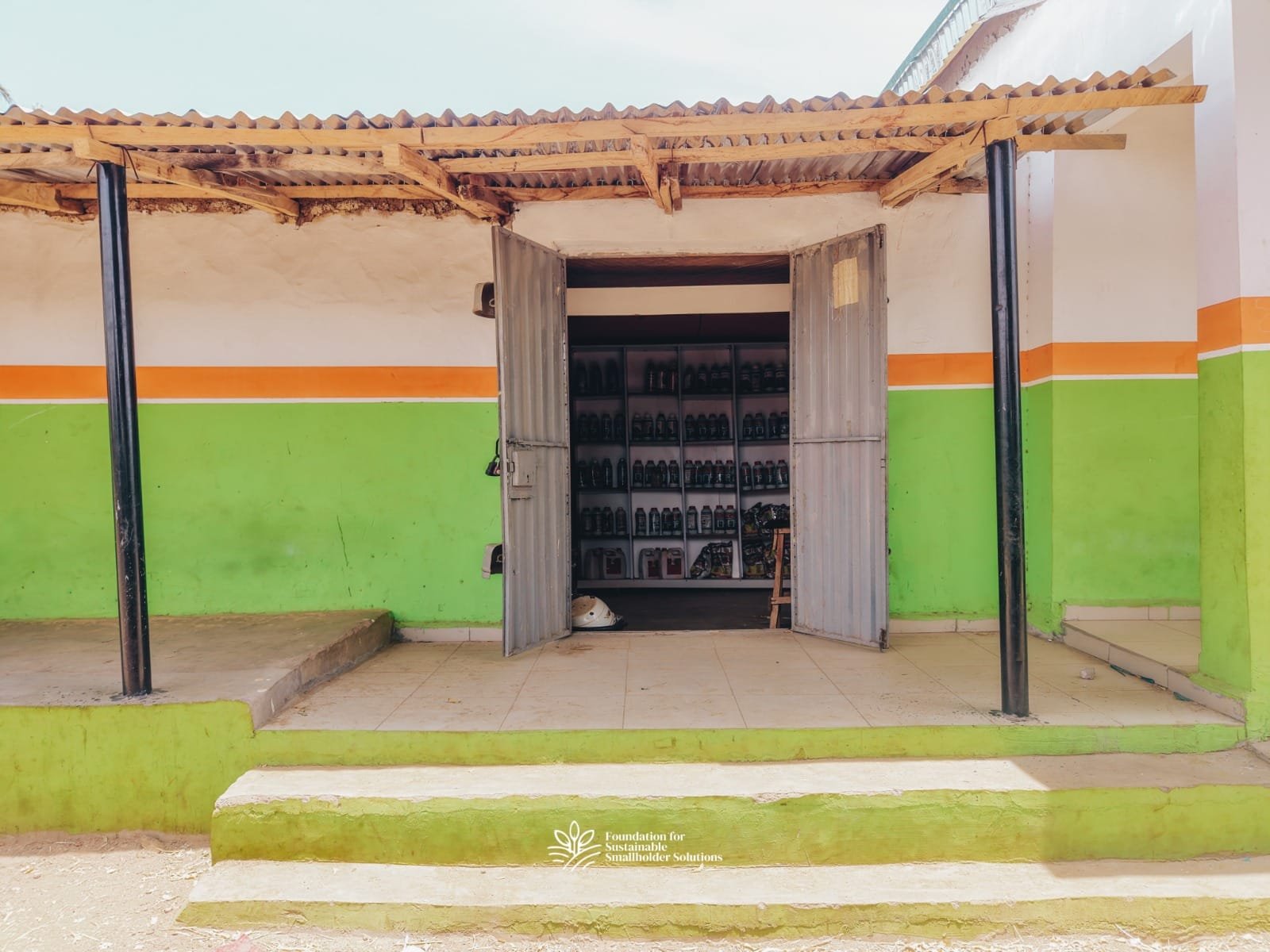
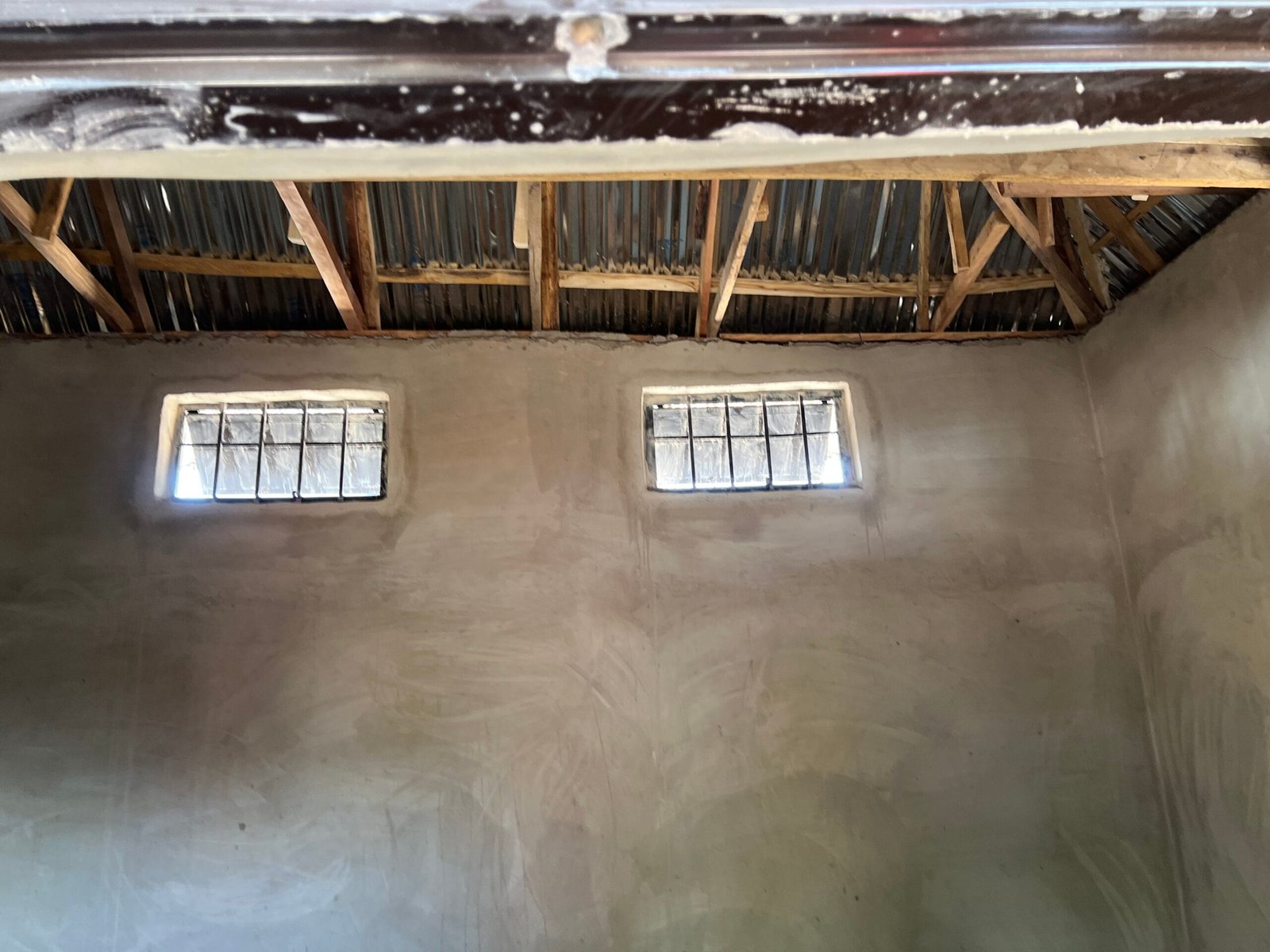
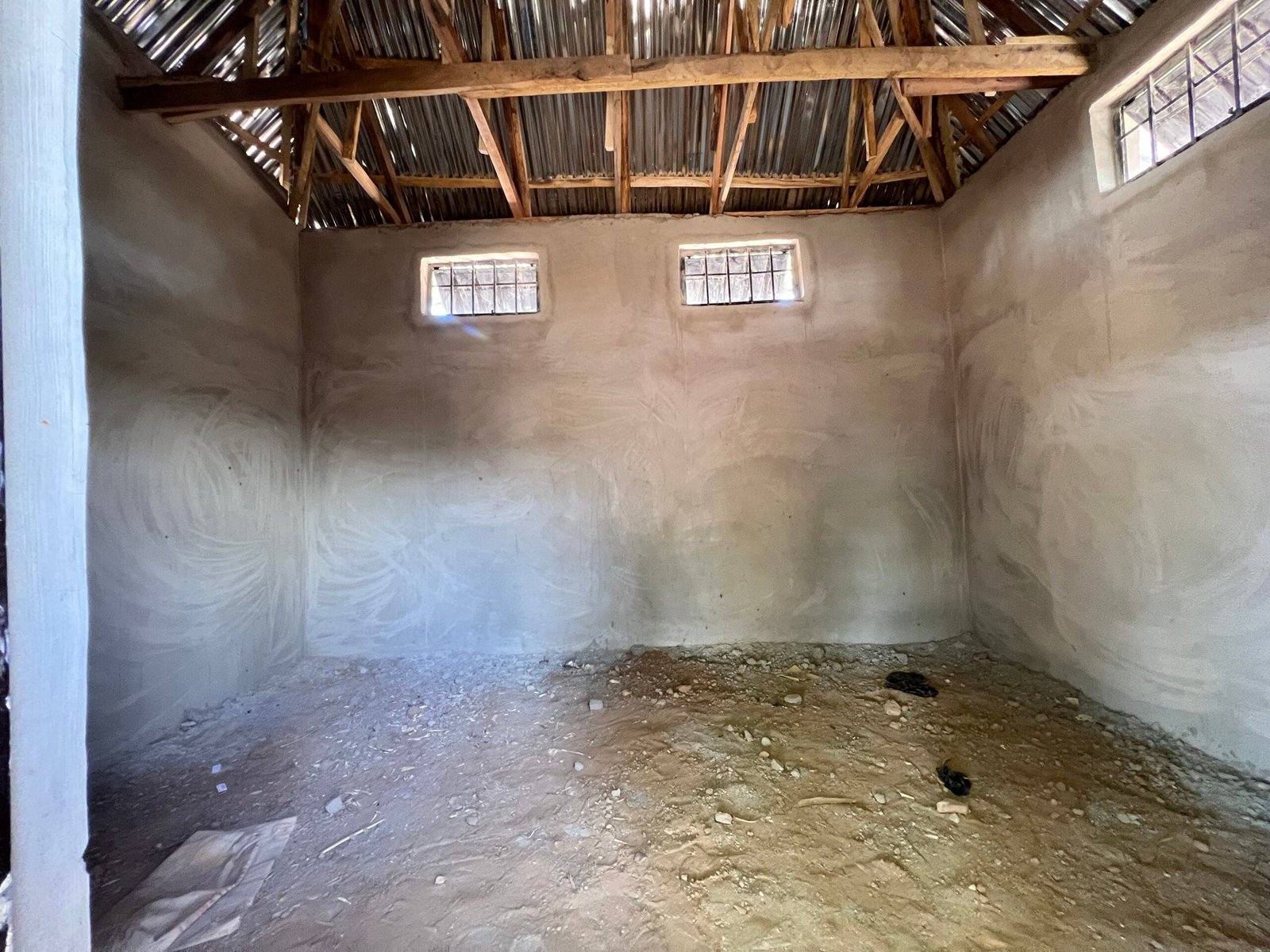
The modest but solid structure behind him, with its freshly plastered walls, newly installed doors, and dedicated space for agricultural services, is more than a building. It is a symbol of opportunity, enterprise, and hope for hundreds of farmers across Kurba and neighbouring communities.
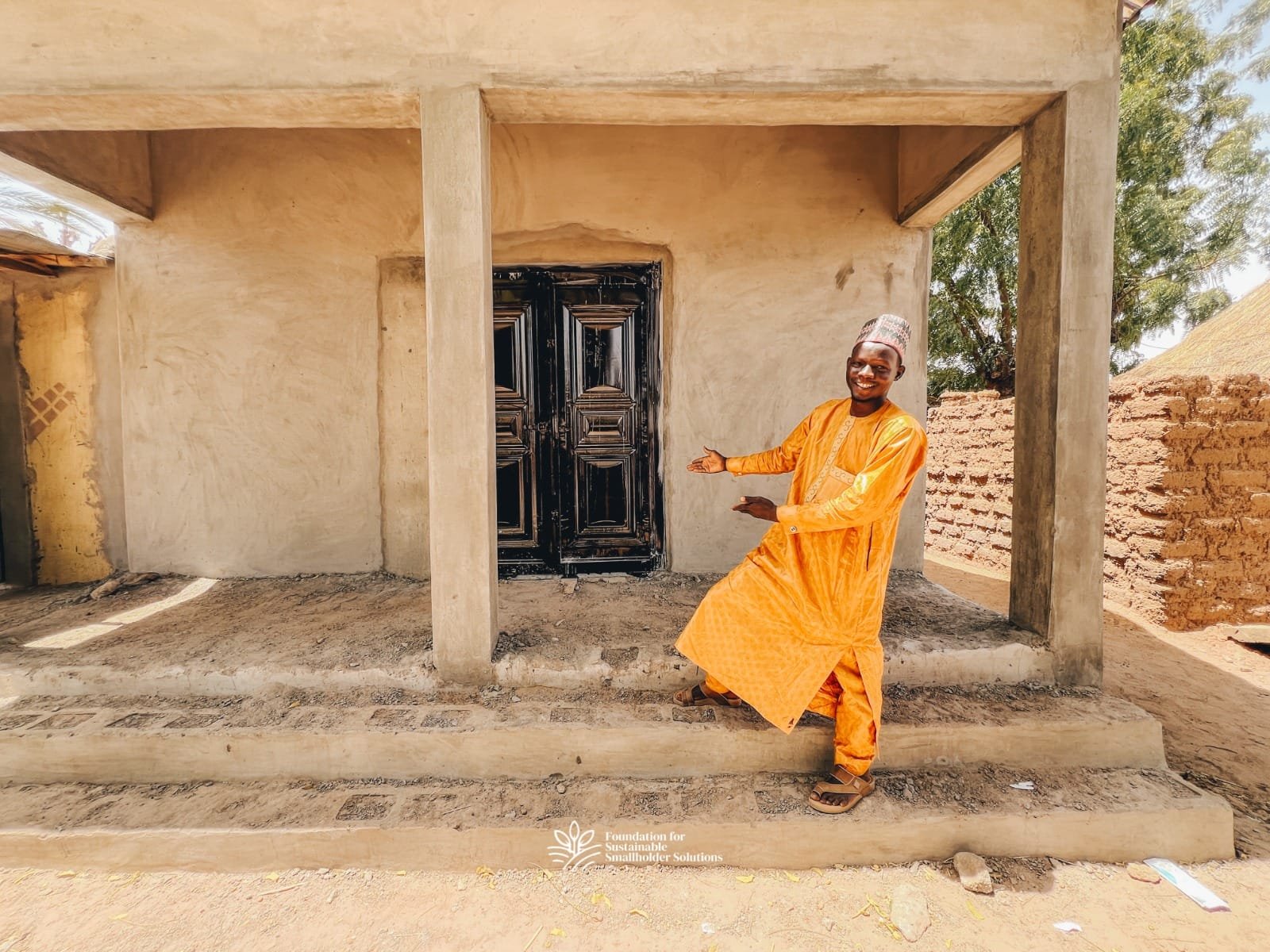
For more than a decade, Sabiu has been serving farmers through his agro-input business, supplying agrochemicals and other farm care products. But long before becoming an agro-dealer, he was a farmer himself, experiencing first-hand the challenges many smallholders face in accessing quality agricultural inputs.
“I have been doing this business for over 10 years. Before then, I was a farmer,” he recalls.
His decision to venture into agribusiness was born out of a challenge he witnessed repeatedly in Kurba. Farmers often had to travel long distances to purchase seeds, fertilisers, agrochemicals, and other essential farm inputs, increasing costs and limiting their ability to access quality products when they needed them most.
“I noticed that people from my community had to travel to other places to get farm inputs. Then I thought about selling agro-inputs alongside my farming. I decided to test the waters by investing some money into the business.”
What started as a small investment gradually became an important service for local farmers. Yet, like many rural agro-dealers, Sabiu faced challenges in accessing quality products, building supplier relationships, and expanding his reach.
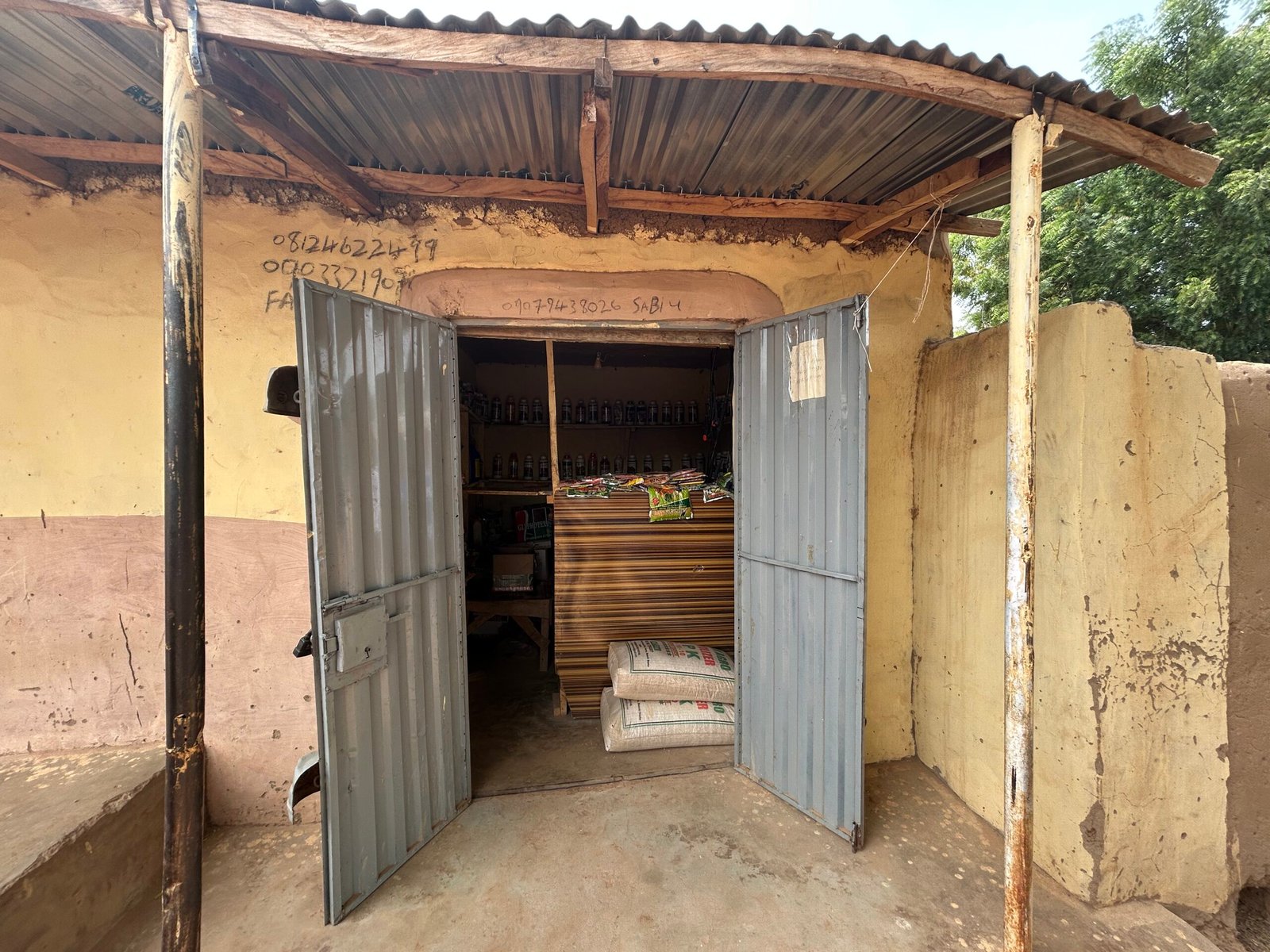
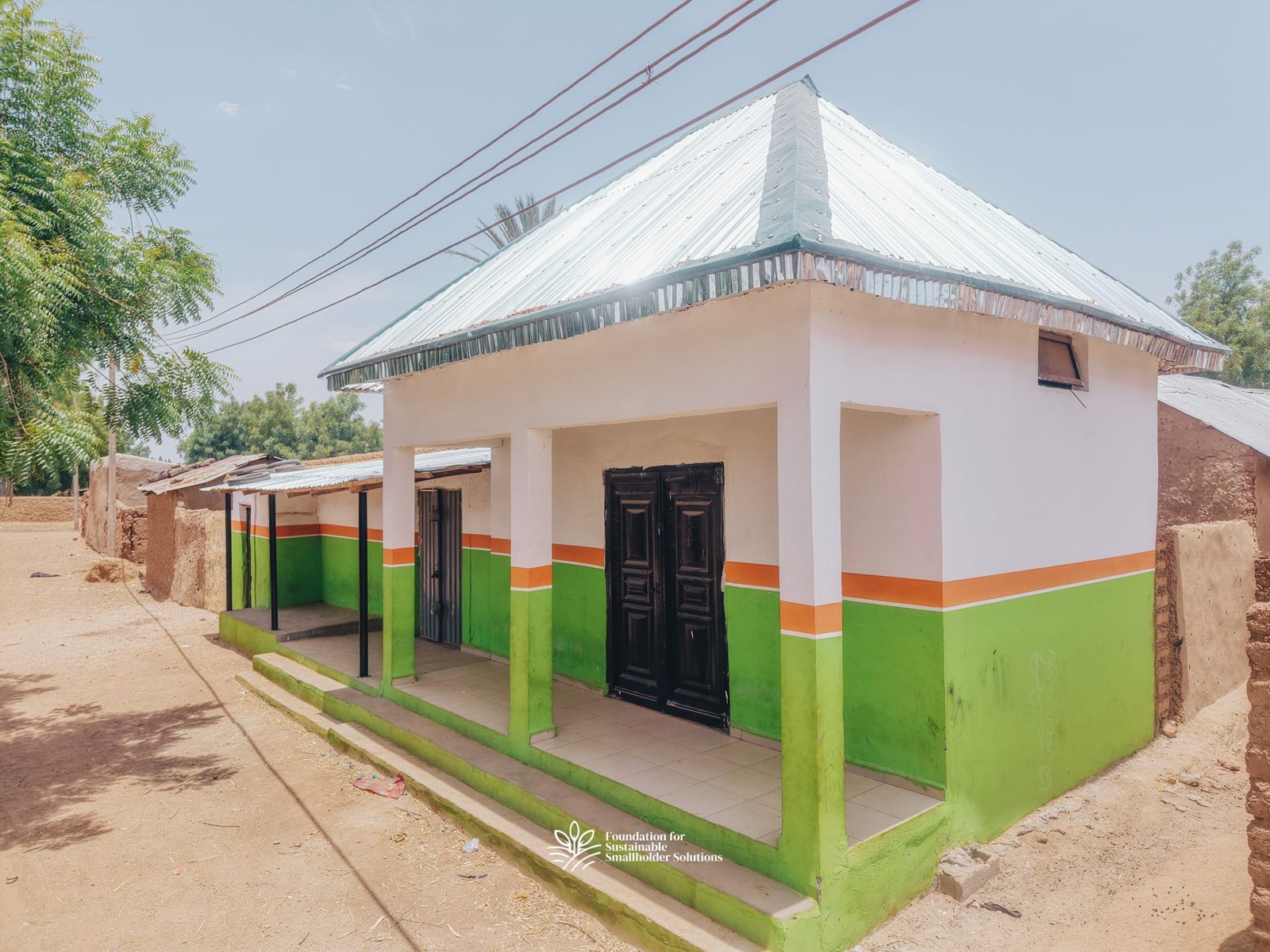
Before and after photograph of the project intervention on Sabiu’s store, now a Farmers’ Hub
That was where the ESTRRA Project—Empowerment of Smallholders to Thrive and Build Climate Resilience through Regenerative Agriculture—came in.
Funded by the HEINEKEN Africa Foundation and implemented by the Foundation for Sustainable Smallholder Solutions (FSSS), the three-year initiative is being implemented across seven Local Government Areas in Bauchi North, Katagum, Shira, Jama’are, Giade, Itas-Gadau, Zaki, and Gamawa, to help smallholder farmers improve productivity, strengthen climate resilience, and build sustainable livelihoods.
The project combines regenerative agriculture, climate-smart farming practices, livelihood diversification, nutrition-sensitive agriculture, and community-led service delivery through the Farmers’ Hub model. It aims to directly support 14,000 smallholder farmers and contribute to the restoration of 29,000 hectares of degraded land through interventions such as fruit forests and earth bunds.
For Sabiu and his community, one of the most visible outcomes of the project is the Farmers’ Hub standing behind him.
“The intervention by the Foundation has brought me great progress,” he says. “What they have done for me and the community has been immense. They even built a Farmers’ Hub for us and connected me with companies to get quality agri-inputs and other farming necessities.”
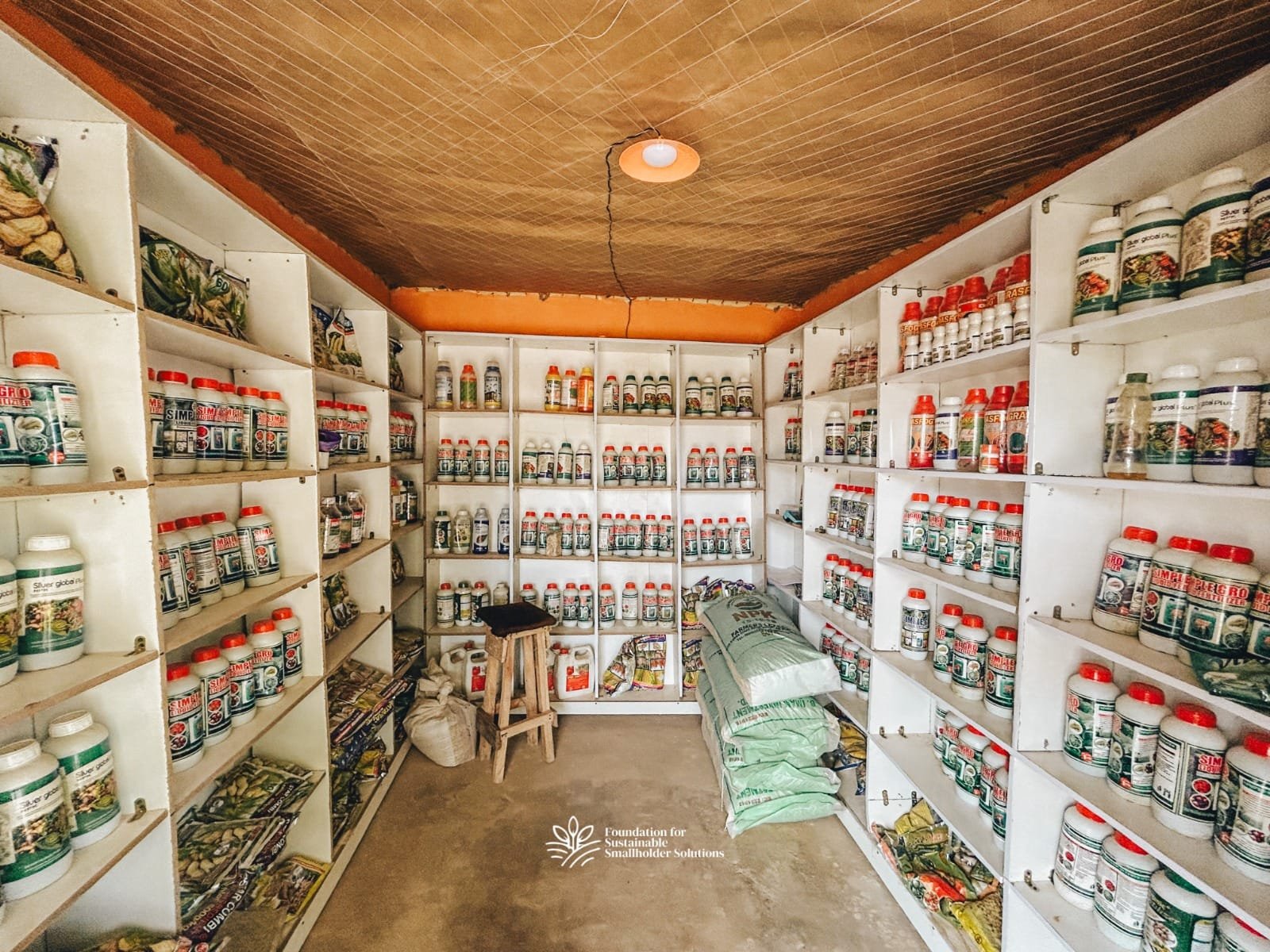
The Farmers’ Hub model serves as a one-stop centre where farmers can access quality seeds, agrochemicals, mechanisation services, climate information, training, and market opportunities. By bringing these services closer to farmers, the hubs reduce costs, improve access, and help transform farming from a subsistence activity into a viable business.
For communities like Sabiu’s, the impact extends beyond individual businesses. The hub is expected to become a centre of agricultural activity, creating opportunities for farmers, women, youth, and local entrepreneurs while strengthening food production and economic activity across the area.
“This initiative will help our community greatly and also the local government at large,” Sabiu explains.
His aspirations mirror the broader vision of the ESTRRA Project: thriving farming communities that can withstand climate shocks, improve household incomes, and create opportunities for future generations.
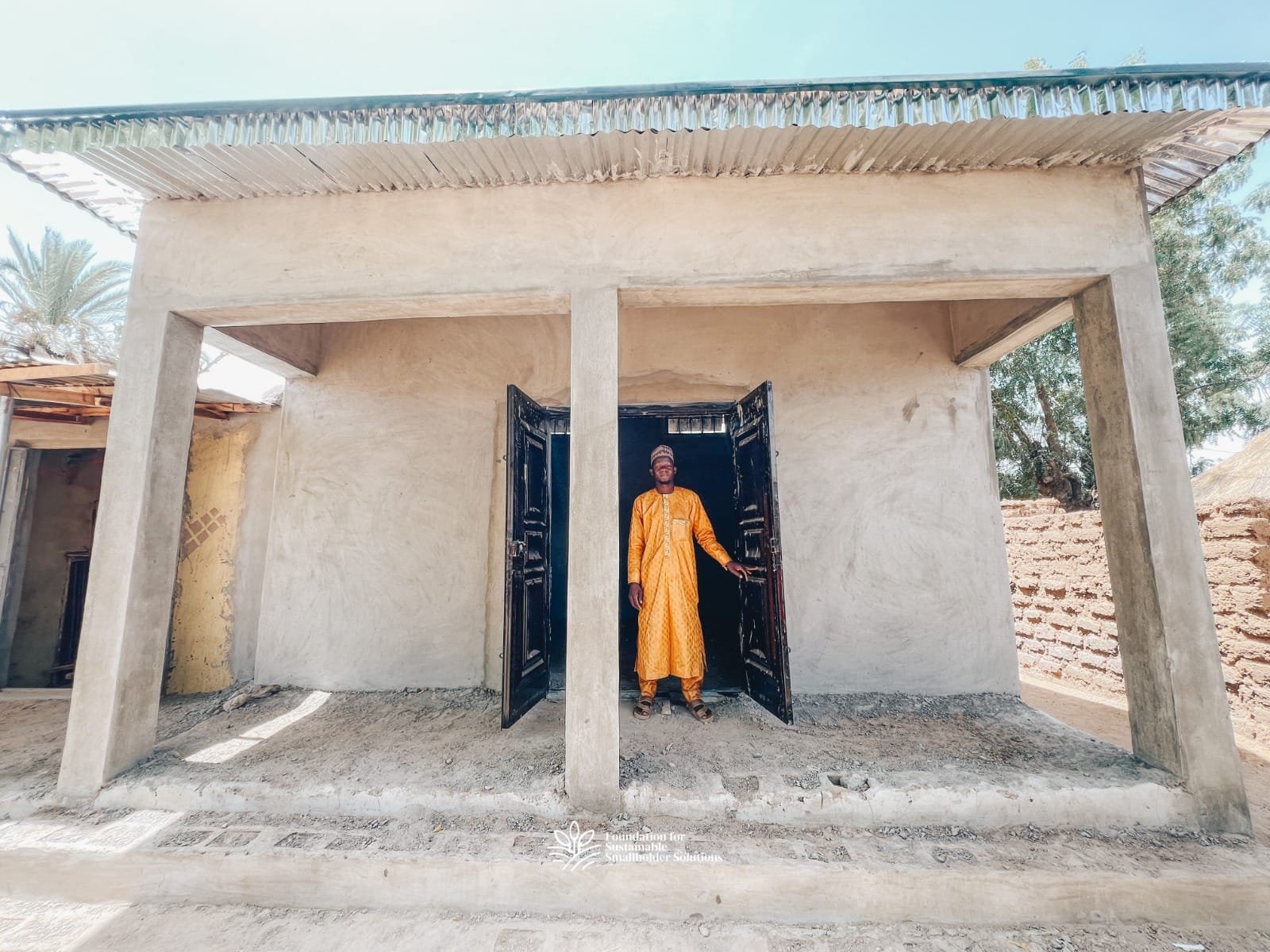
Standing proudly in front of the newly completed Farmers’ Hub, Sabiu sees more than a building. He sees farmers gaining easier access to the tools they need to succeed. He sees young people finding opportunities closer to home. He sees a community becoming more resilient and self-reliant.
“I am appreciative of the Foundation for what they have done. We are happy about the intervention, and it’s only forward from here.”
For Sabiu Adamu, the Farmers’ Hub represents progress. For his community, it represents opportunity, access, and hope. And for the ESTRRA Project, it is another step towards building a future where smallholder farmers in Bauchi State can thrive, prosper, and lead the transformation of agriculture within their own communities.