- Welcome to FSSS Nigeria!
- info@fsssolutions.org
- 1190, Mabushi, Abuja

Growing Hope from the Ground Up: A Greenhouse Offers New Possibilities for Vegetable Farmers in Chibiyayi
IMPACT
There is something delightful about Abdullahi Ya’u Chibiyayi. Aside from the fact that he wears a smile as often as he wears clothes, ask him where he is from and his answer almost sounds rehearsed: “My name is Abdullahi Ya’u Chibiyayi, from Chibiyayi.” Meeting him for the first time, people often smile at the coincidence, and smile I did. With a name that mirrors the village he has proudly called home all his life, it is perhaps fitting that his own story has become so closely intertwined with that of the community itself.
Nestled on the outskirts of Zaki Local Government Area of Bauchi State along the Azare-Hadejia Road, Chibiyayi is a quiet but remarkably energetic farming community. Beneath its calm atmosphere is a bustling local economy driven by agriculture and the determination of its people. Its youthful population keeps the community vibrant, while every market day attracts traders, labourers, transporters, and buyers from across Nigeria, all hoping to earn a living or purchase the produce for which Chibiyayi has become well known.
Rice, sorghum, maize and other staple crops are grown here, but vegetables tell the real story of Chibiyayi. During the farming season, fields of tomatoes, peppers, onions, and sprawling watermelon vines stretch across the landscape, supplying markets far beyond Bauchi State. Agriculture is not simply the backbone of the local economy; it is the rhythm to which the community dances.
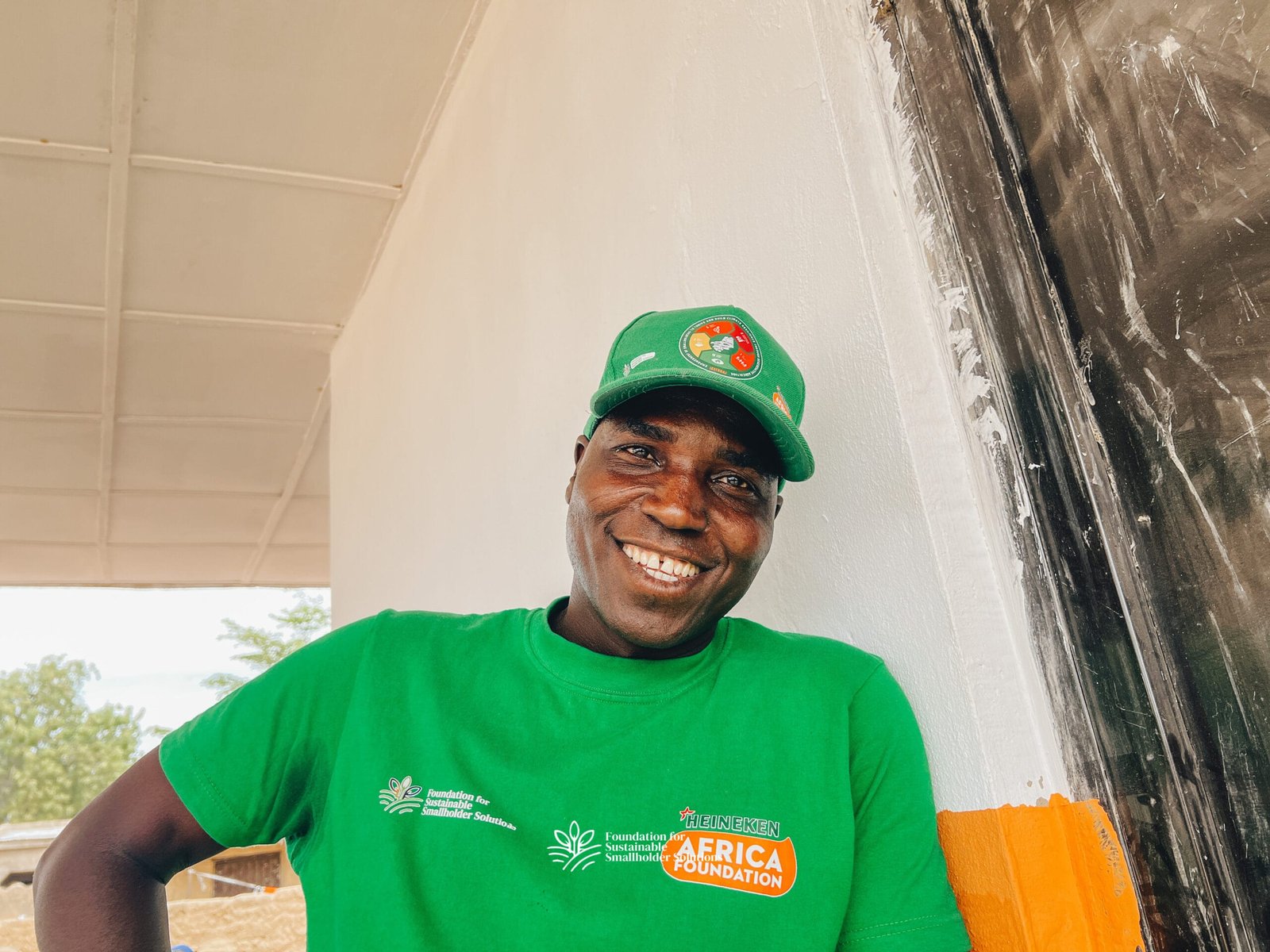
For the past ten years, one man has quietly played an important role in keeping that rhythm going.
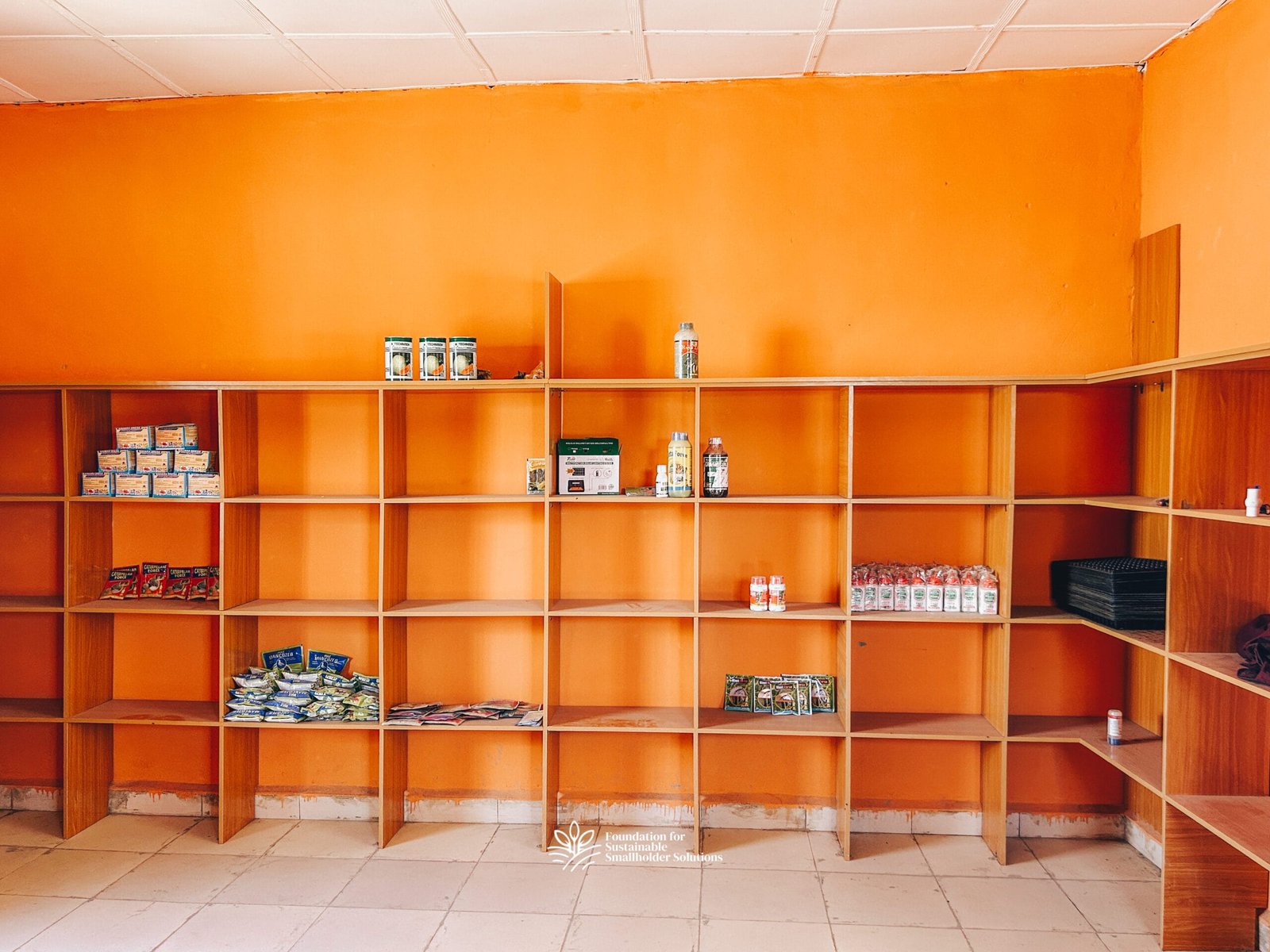
Abdullahi is the community’s only agro-input dealer. From a modest shop, he has supplied farmers with agrochemicals and other essential farm inputs while advising them on how best to use them. For many farmers, a visit to Abdullahi is often the first step towards a successful planting season.
“I am the sole agro-dealer in Chibiyayi community. I have been in the business of agrochemical sales for ten years, and a lot of people have benefitted from it. I’ve also made a lot of progress from it.”
Yet despite the community’s reputation for vegetable production, one challenge has remained constant. Farmers have often struggled to access the modern way to raise healthy seedlings and improved vegetable varieties at the right time. Many depended on sourcing seedlings from distant towns or raising them under open-field conditions, where harsh weather, pests, and diseases frequently reduced survival rates before the crops even reached the field.
Abdullahi had long hoped there would be a better way.
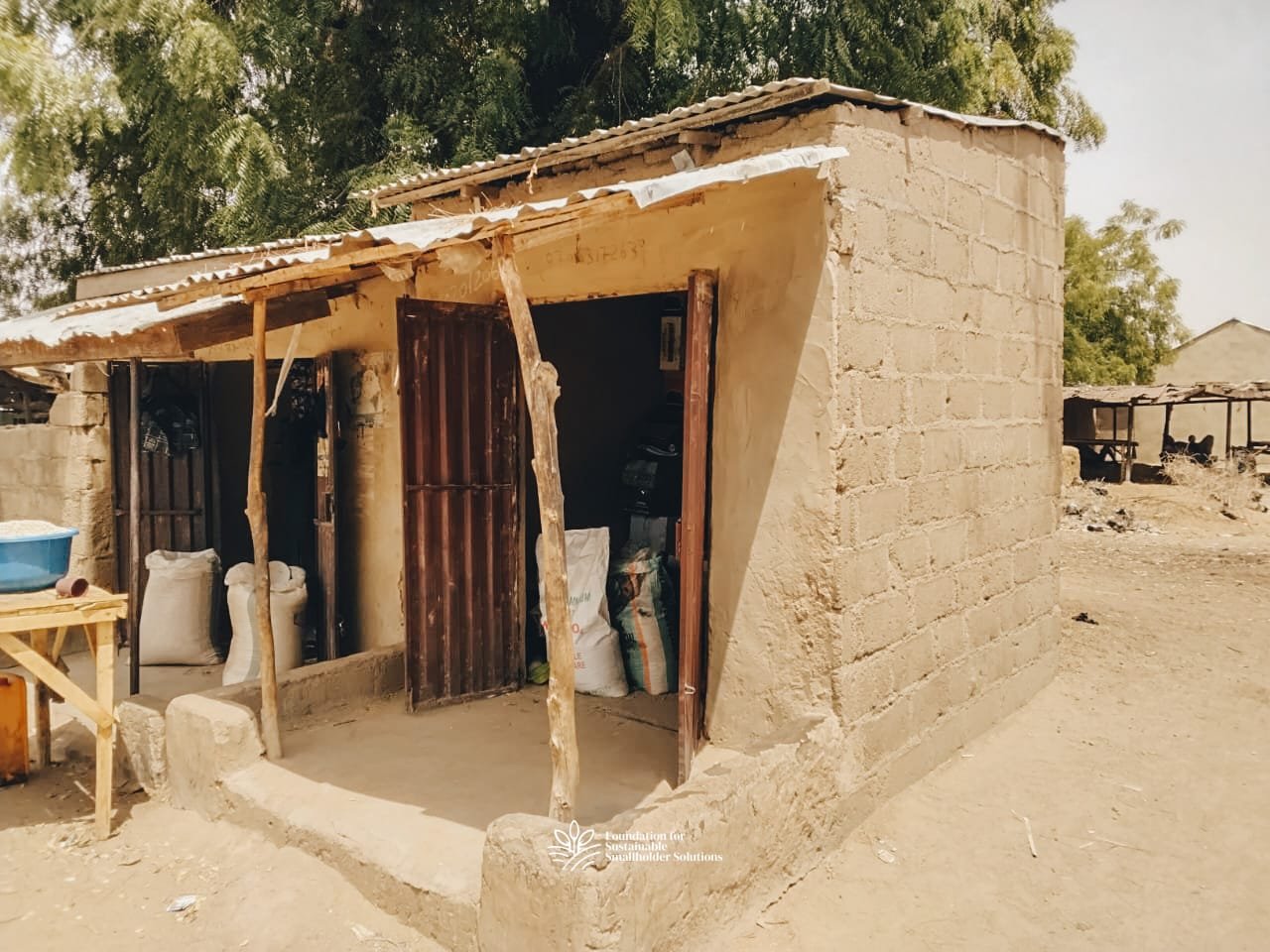
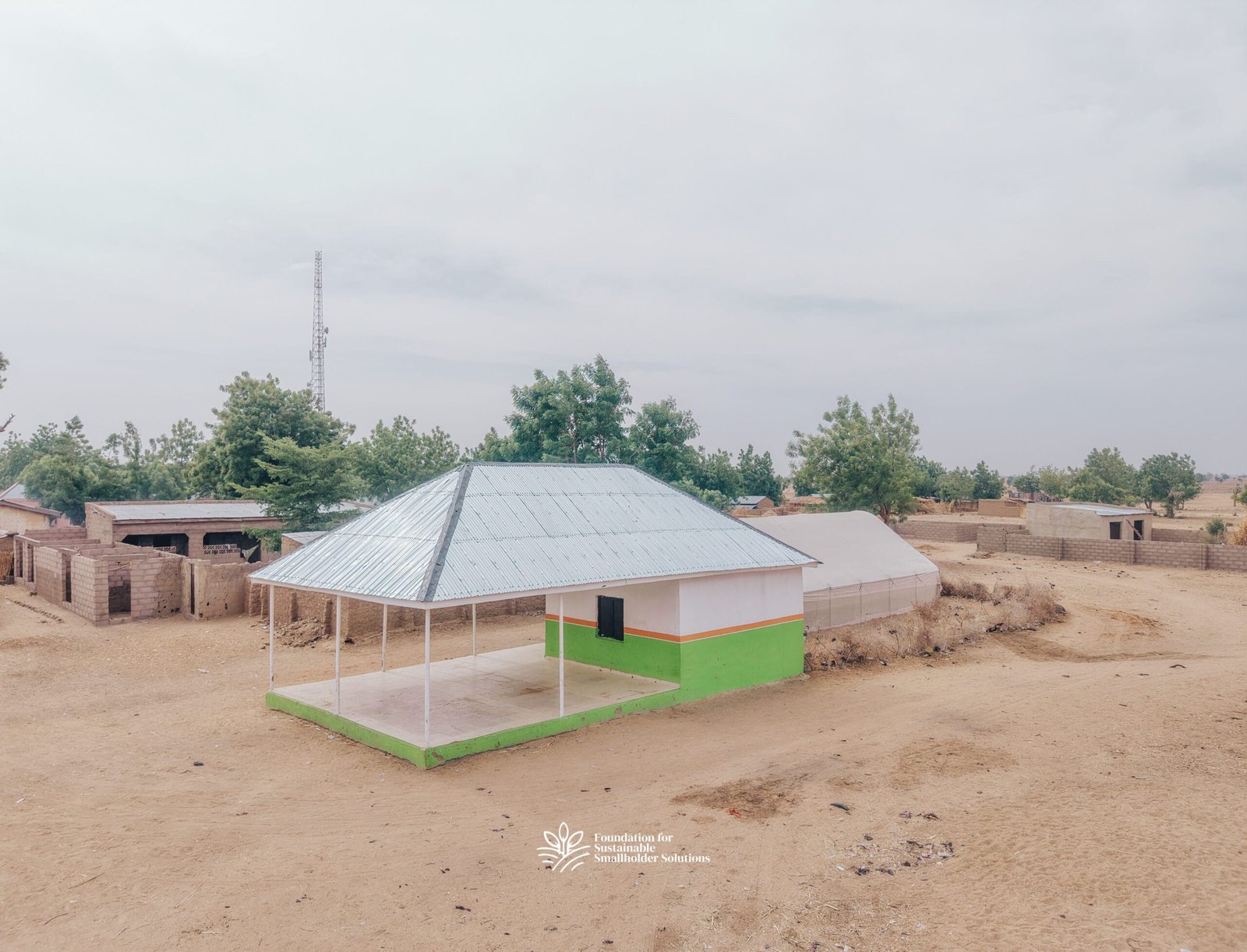
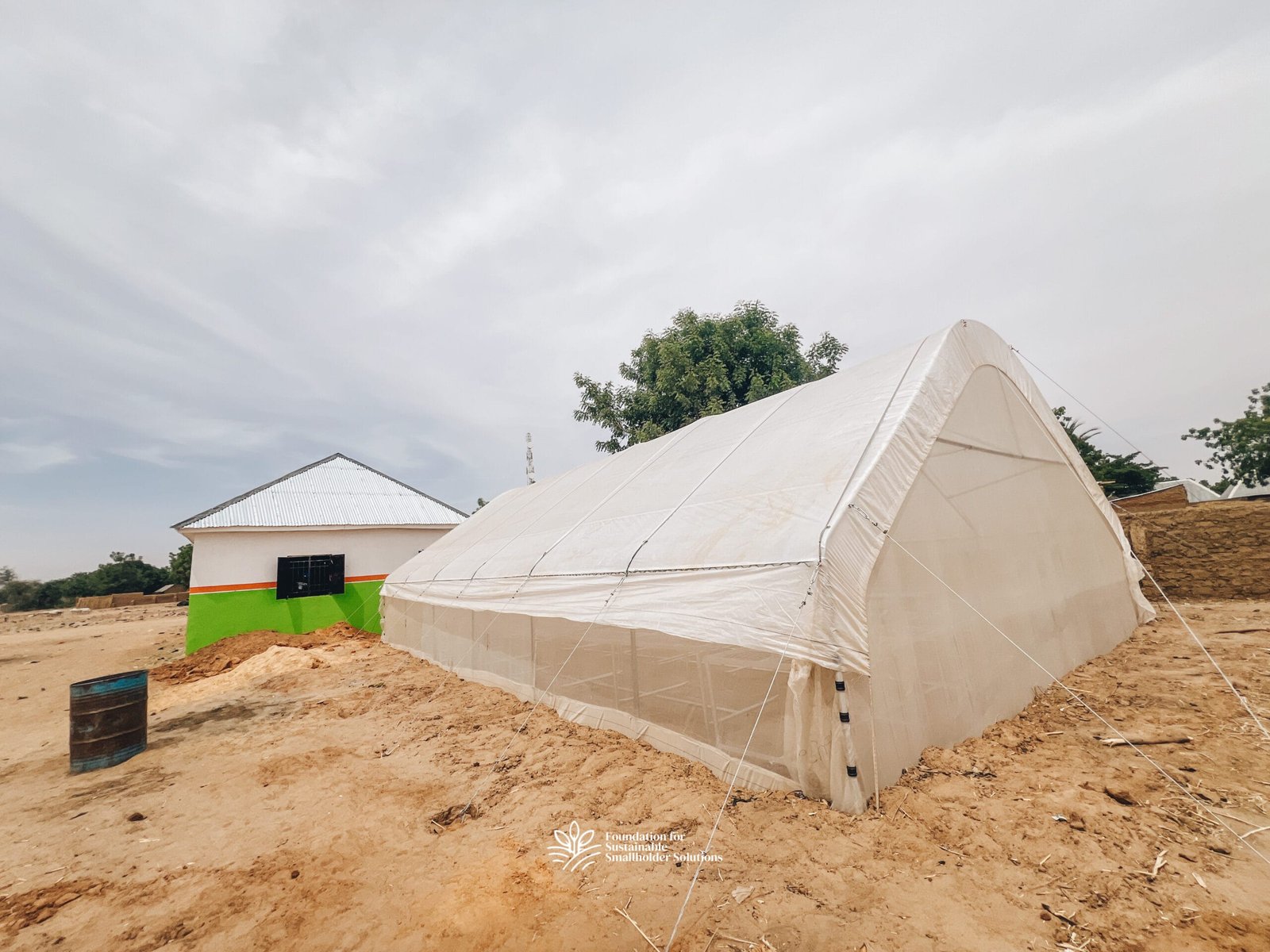
Photographic depiction of before and after the construction of Chibiyayi’s Farmers’ Hub.
That hope began taking shape through the Empowerment of Smallholders to Thrive and Build Climate Resilience through Regenerative Agriculture (ESTRRA) Project.
Funded by the HEINEKEN Africa Foundation and implemented by the Foundation for Sustainable Smallholder Solutions (FSSS), the three-year project is working across seven Local Government Areas in Bauchi North to strengthen climate resilience and improve the livelihoods of smallholder farmers through regenerative agriculture, improved seed systems, nutrition-sensitive agriculture, livelihood diversification, and the innovative Farmers’ Hub model.
The project aims to directly support 14,000 smallholder farmers while restoring 29,000 hectares of degraded land through interventions such as fruit forests and earth bunds. Central to this vision is the establishment of Farmers’ Hubs, community-based centres that bring together quality inputs, extension services, climate information, mechanisation, training, and market opportunities closer to farmers.
For Chibiyayi, however, the intervention goes a step further.
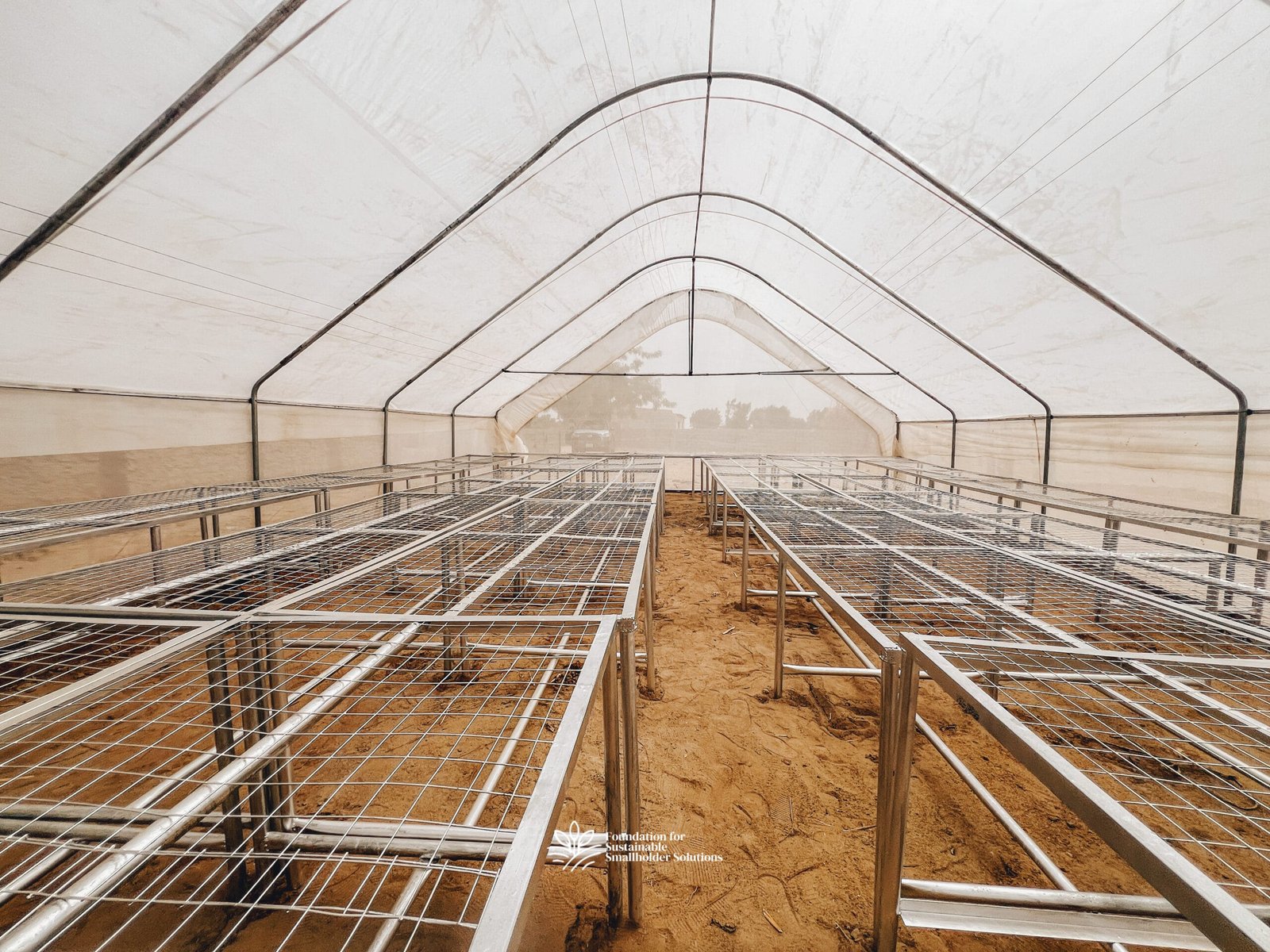
Recognising the community’s strong vegetable farming tradition, the project established a Farmers’ Hub complete with a greenhouse, creating the foundation for what many hope will become a reliable source of healthy vegetable seedlings and improved seed varieties for local farmers.
Although the greenhouse has only recently been operationalised, its potential is already generating excitement across the community. By providing a controlled environment for raising seedlings, the facility is expected to improve germination rates, produce healthier planting materials, and give farmers easier access to improved tomato, pepper, onion, watermelon, and other crop varieties without travelling long distances.
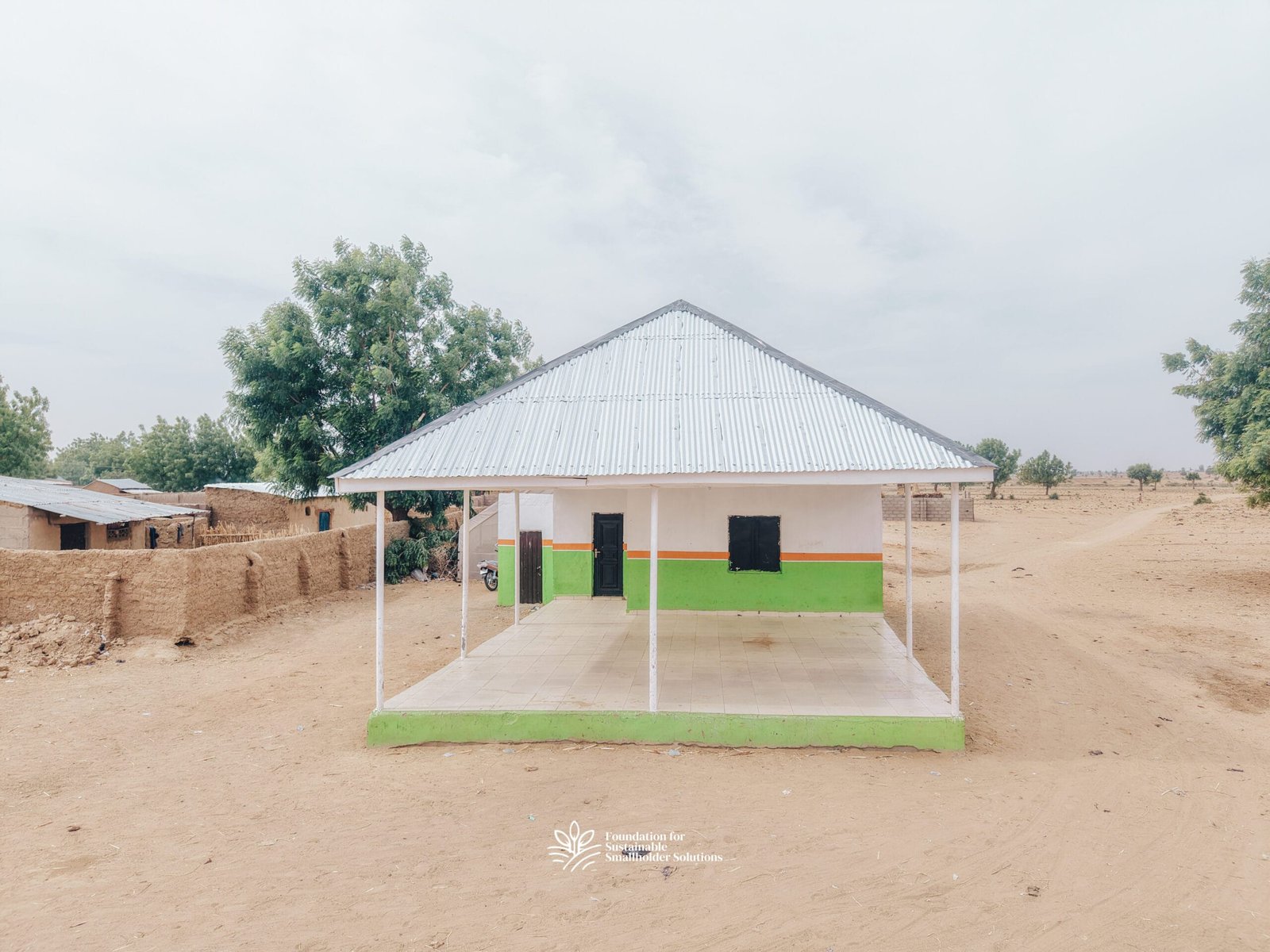
For Abdullahi, whose business has always centred on supporting farmers, the greenhouse represents an opportunity to do much more than sell agricultural inputs. He hopes it will become a place where farmers begin every planting season with seedlings that can guarantee a better harvest while getting sound advice that’s great for farmers’ confidence.
“I am happy about what the Foundation did for me, especially the Farmers’ Hub. I am so happy, happy in a manner that I can’t even explain because I never expected it.”
His excitement is shared by the people around him. Throughout Chibiyayi, the new Farmers’ Hub has quickly become a symbol of possibility. Community members regularly stop by to see the facility, curious about what it could mean for the future of farming in their village.
“The people of Chibiyayi are happy and constantly praying for the Foundation for what they’ve done for us,” Abdullahi says with a smile.
“The farmers in Chibiyayi are very happy with this development that has been brought to our community because anytime they come around and see what FSSS has done, they pray for more blessings for them.”
For many farmers, the significance of the greenhouse goes beyond the structure itself. It represents easier access to improved planting materials, reduced production costs, and an opportunity to embrace better farming practices. As the facility begins raising seedlings, farmers who once relied on distant suppliers and traditional methods will be able to access healthier, more resilient planting materials much closer to home.
The intervention also reflects one of the ESTRRA Project’s core principles: creating lasting change by strengthening local institutions and empowering trusted community actors. Rather than simply distributing inputs, the project is building systems that communities can own, manage, and sustain. Through Farmers’ Hubs like the one in Chibiyayi, agro-dealers become service providers, demonstration centres become learning spaces, and communities become active participants in shaping their own agricultural future.
For Abdullahi, the opportunity comes with a deep sense of responsibility. As the only agro-dealer in the community, he understands that the success of the hub will not be measured by the building itself but by the number of farmers it serves and the confidence it inspires.
He envisions the greenhouse becoming a place where vegetable farmers can access quality seedlings, learn improved production techniques, and gradually adopt varieties capable of producing higher yields while withstanding increasingly unpredictable weather. He also hopes the hub will encourage more young people to see agriculture not as a last resort but as a viable business capable of creating jobs and sustaining families.
“We are very happy. A lot of people are happy and wowed by the intervention.”
Those few words capture the optimism that now surrounds Chibiyayi. While the greenhouse has only recently begun operations, and its full impact will unfold over the current and coming planting seasons, the community already sees it as the beginning of something bigger.
If villages had ambassadors, Abdullahi would undoubtedly be one of Chibiyayi’s. His name already carries the identity of the community; now, through the Farmers’ Hub, he hopes to help shape its future.
For him, the greenhouse is more than a facility for raising seedlings. It is a place where hope can be cultivated alongside tomatoes, peppers, onions, and watermelons. A place where better harvests begin long before crops reach the field. A place where one investment today has the potential to strengthen an entire community for years to come.
And for the ESTRRA Project, it is another step towards a future where smallholder farmers across Bauchi North are not only more productive and climate-resilient, but are also equipped with the knowledge, infrastructure, and opportunities to build lasting prosperity from the ground up.