- Welcome to FSSS Nigeria!
- info@fsssolutions.org
- 1190, Mabushi, Abuja

The Mill That Brought Opportunity Home to Kurba
IMPACT
If you sit down with Aminu Ya’u, as I have, and ask him why he became a rice miller, his answer will surprise you because it isn’t about making money. Rather, it is about solving a problem that every household in his community knew too well.
Within Kurba community in Giade Local Government Area of Bauchi State, farming is more than an occupation. It is the backbone of their daily life. During harvest season, rice fields paint the surrounding landscape in shades of gold, reflecting months of hard work by hundreds of farming families whose livelihoods depend on what they can produce from the land.
Yet, despite being a rice-producing community, Kurba lacked one basic service.
There was nowhere to mill rice.
Every harvest, farmers loaded their paddy onto cow-driven trolleys, motorcycles, tricycles, and pickup vans before travelling 25 kilometres to Giade or nearly 20 kilometres to Doguwa town, simply to process what they had grown. The additional transport costs reduced profits, wasted valuable time, and made an already demanding farming season even more difficult.
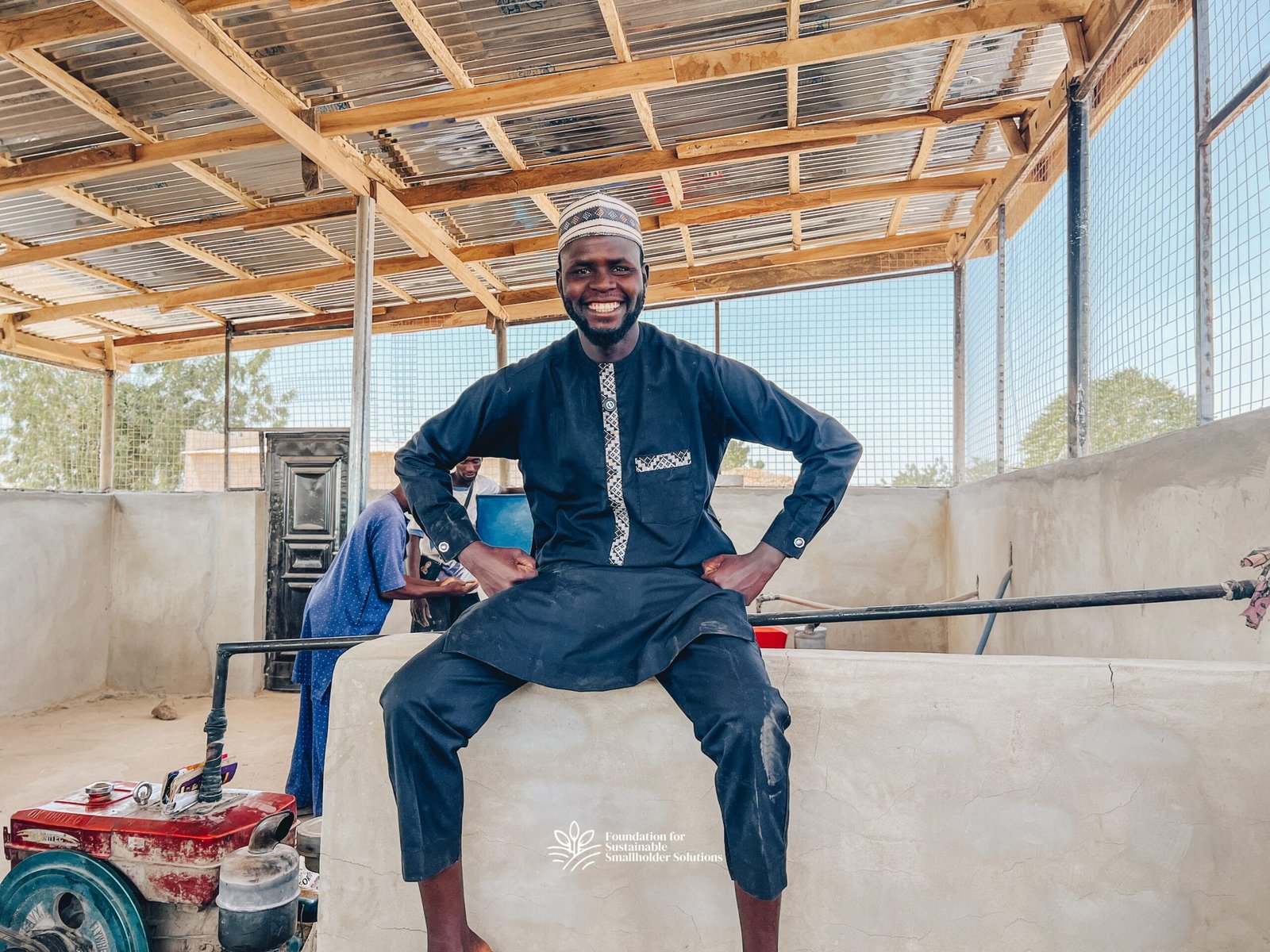
For Aminu, this was more than an inconvenience. It was an opportunity to serve his community.
“I have been doing this work for three and a half years,” he recalls.
“I started this business because in my whole community, there wasn’t a single place to mill rice. We used to travel about 25 kilometres to Giade or 19 kilometres to Doguwa just to mill our rice.”
Determined to change the situation, Aminu invested in a small rice milling machine. His modest business quickly became an important lifeline for local farmers, but demand soon outpaced what it could handle.
“I was milling rice for over three years, but my machine could only mill ten bags per day.”
As more farmers brought their harvests to him, the limitations became obvious. Processing was slow, the quality could be improved, and operating from a temporary location offered little protection for the equipment or confidence for customers.
Then came an opportunity that would change both his business and the community’s future.
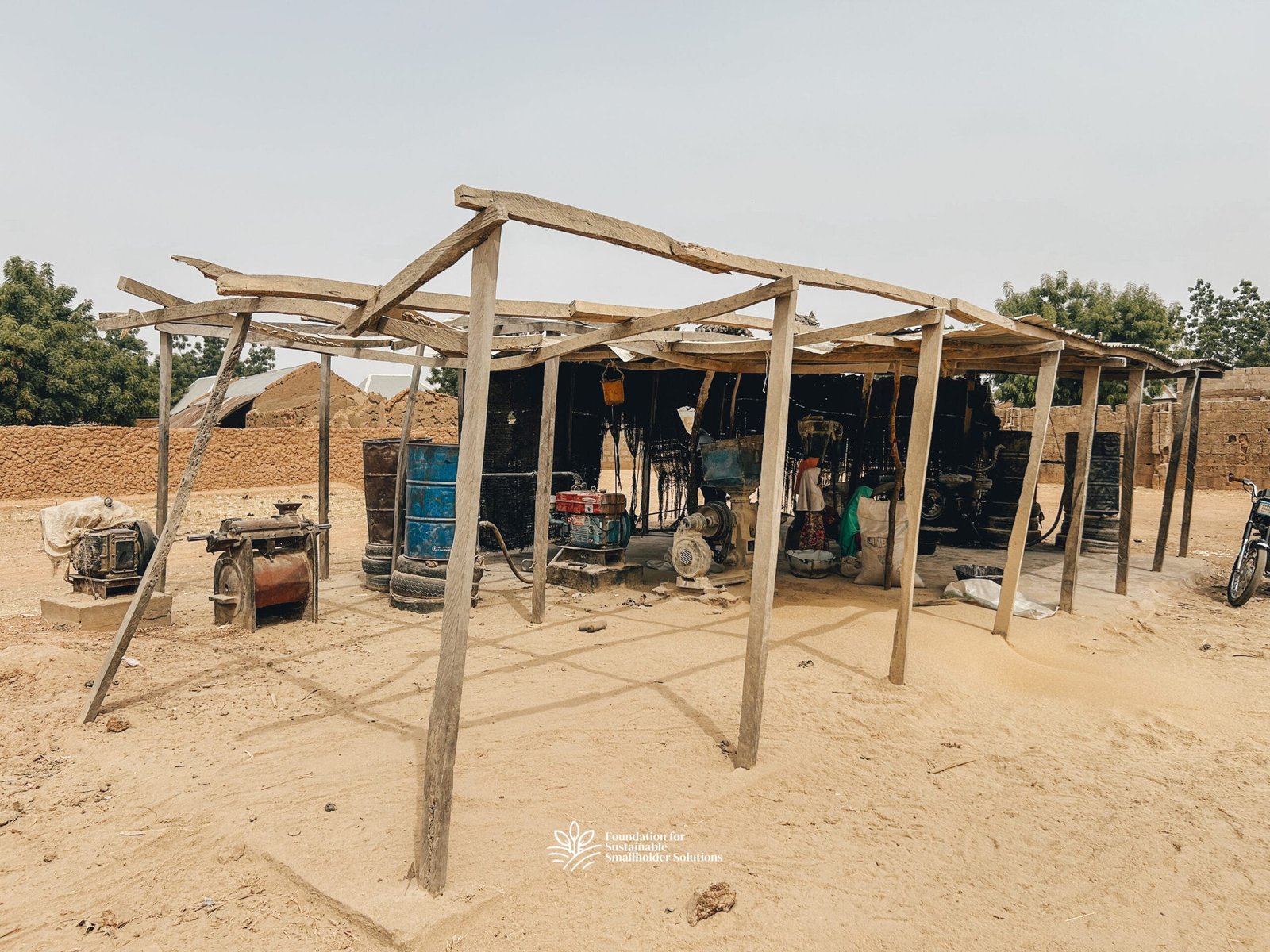
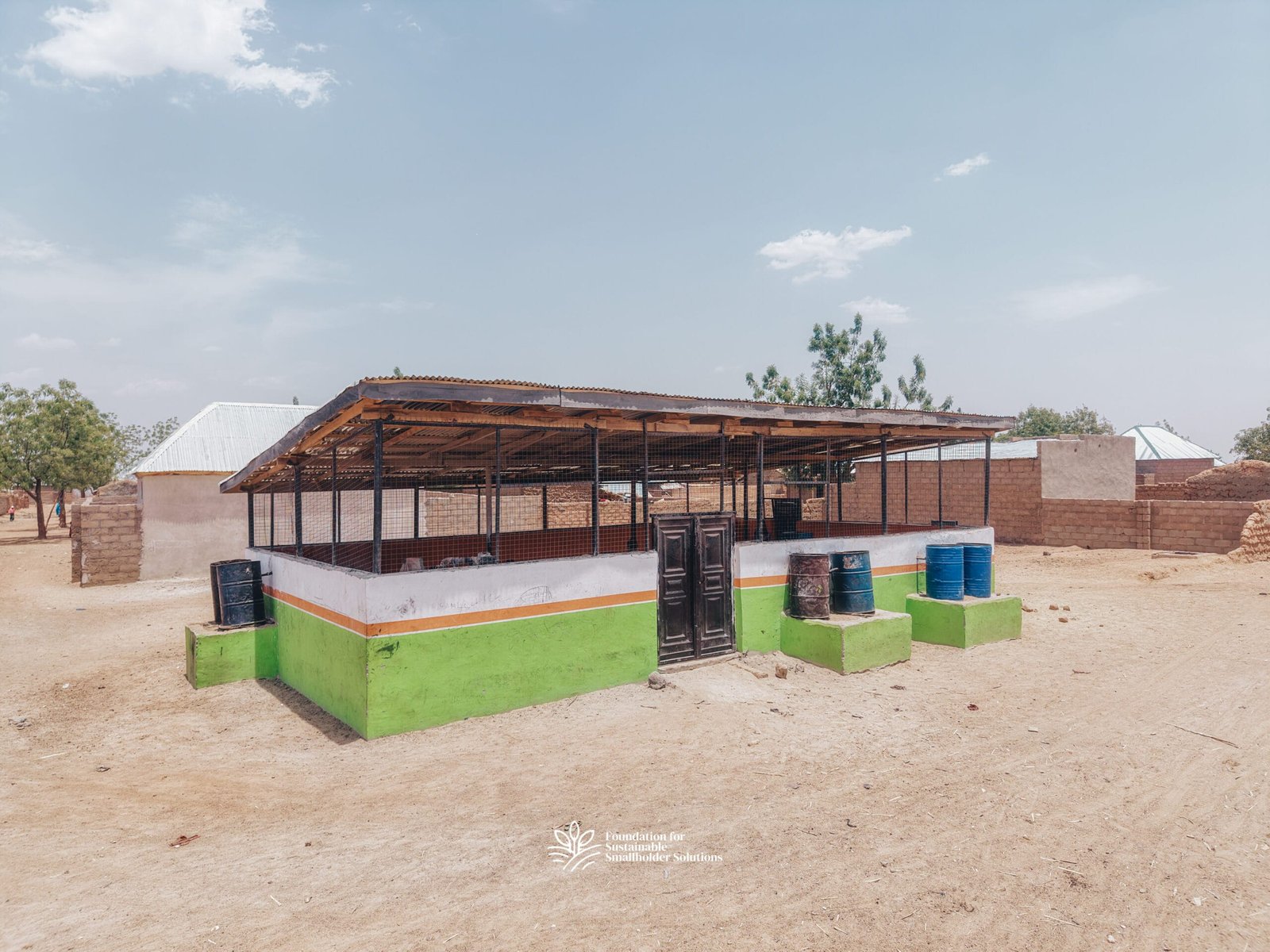
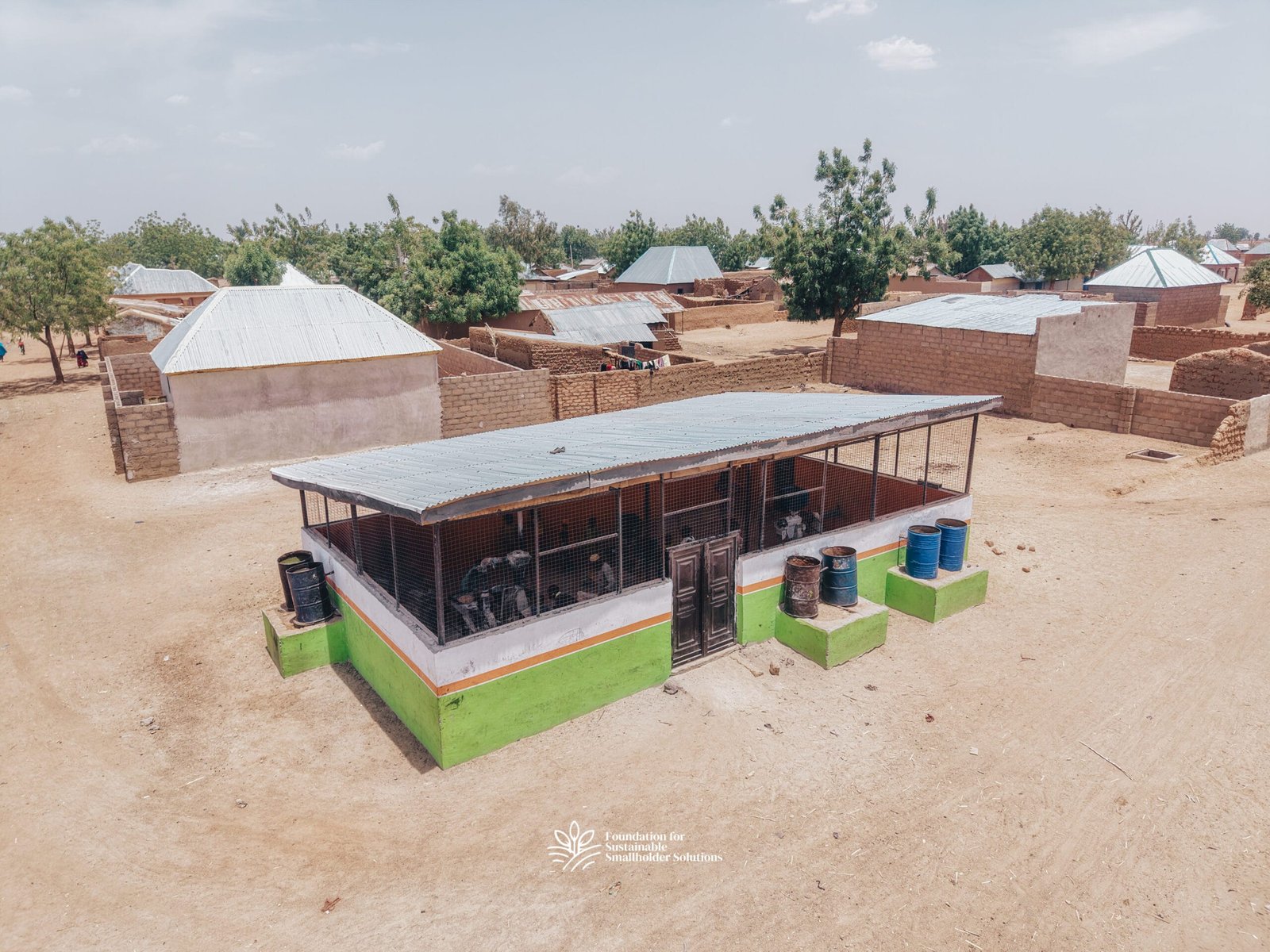
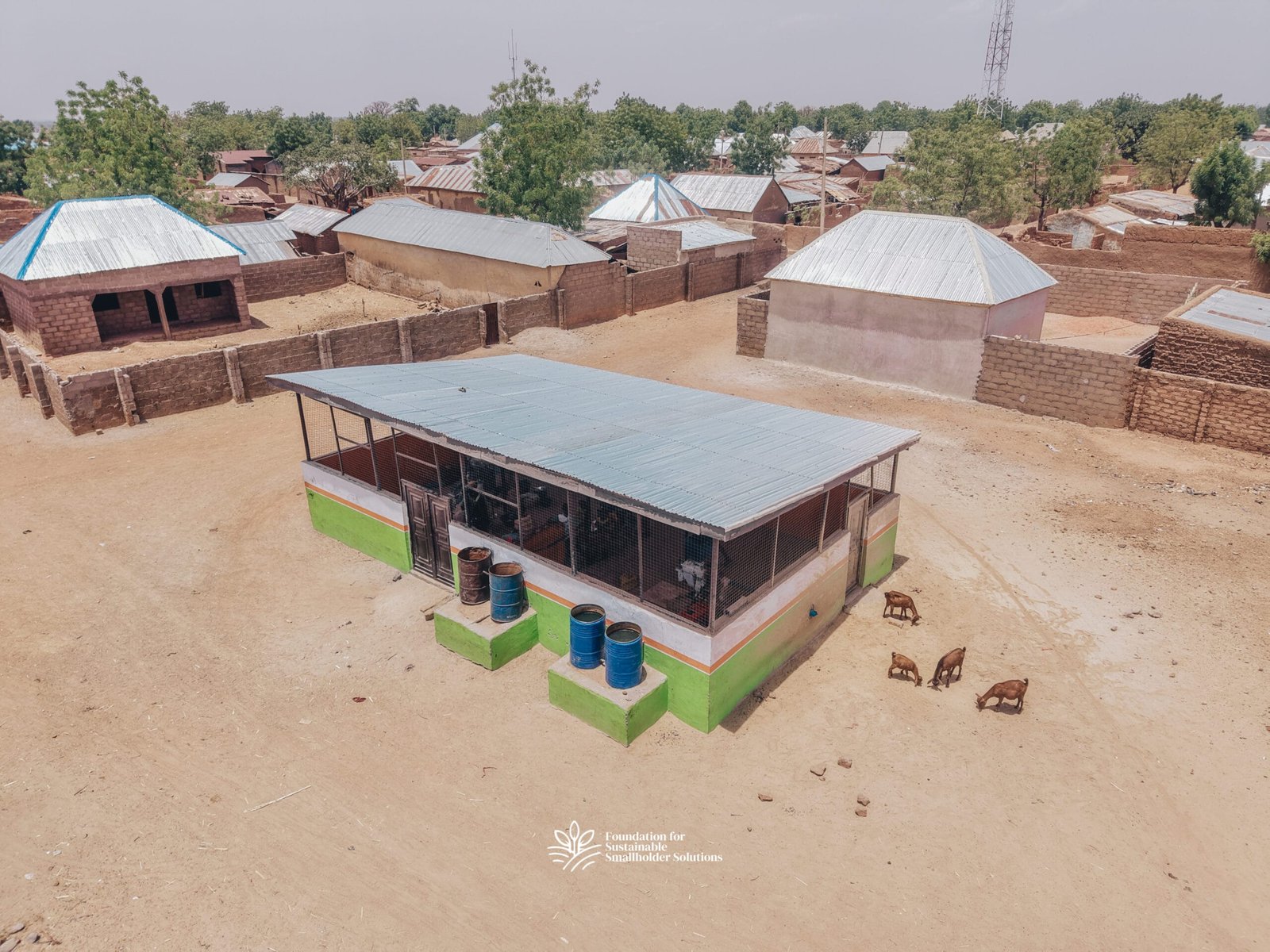
Before-and-after photographs of the construction of Aminu Ya’u’s Rice Milling Farmers’ Hub.
Through the Empowerment of Smallholders to Thrive and Build Climate Resilience through Regenerative Agriculture (ESTRRA) Project, Aminu was selected to receive support that would transform his rice milling enterprise.
Funded by the HEINEKEN Africa Foundation and implemented by the Foundation for Sustainable Smallholder Solutions (FSSS), the three-year ESTRRA Project is improving the livelihoods of 14,000 smallholder farmers across seven Local Government Areas of Bauchi North. While the project promotes regenerative agriculture, improved seed systems, climate-smart farming, nutrition-sensitive agriculture, and the restoration of 29,000 hectares of degraded land, it also strengthens rural economies through the establishment of Farmers’ Hubs and support for local agribusinesses that provide essential services to farming communities.
For Aminu, that support arrived in the form of a modern rice milling facility.
FSSS equipped him with a high-capacity 11/30 kW rice milling machine, complementary milling equipment, and a purpose-built structure complete with secure doors and protective netting. What had once been a temporary operation was transformed into a permanent rice milling centre capable of serving not only Kurba but neighbouring communities as well.
“FSSS came and empowered me with a superior 11/30 kW machine and all the necessary tools for milling. They also built a structure for me with doors and protective nets for better security.”
The difference was immediate.
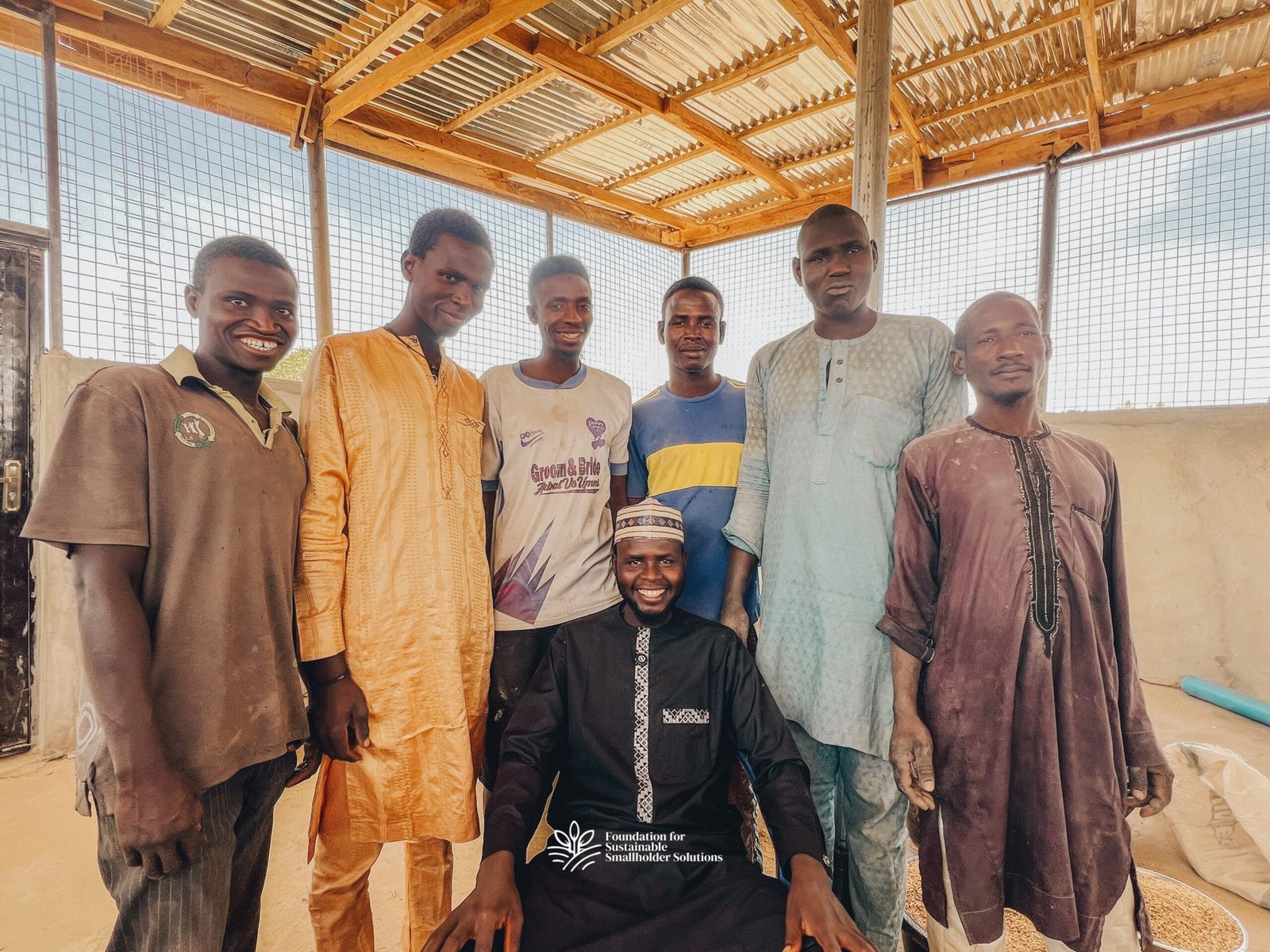
Where the previous machine struggled to process ten bags of rice each day, the new facility has doubled that capacity.
“Since the Foundation brought this bigger machine, the output of my work has increased. The machine can mill up to twenty bags of rice within a very short time, and if we run both engines, we can mill up to thirty bags a day if many people come to mill.”
But for Aminu, productivity tells only part of the story.
The upgraded machine produces cleaner, better-quality rice, giving farmers greater confidence in the service and increasing the value of the rice they take to market.
“The new engine has improved the quality of the rice, and my people are happy with the outcome.”
Perhaps even more significant is what the permanent milling centre represents.
For the first time, Kurba has a dependable processing facility within the community, reducing the need for costly journeys to neighbouring towns and allowing farmers to spend more time on their farms and with their families. It also means more of the value created by rice production remains within the local economy.
When news of the intervention spread, Aminu says the excitement extended well beyond his own family.
“When FSSS told us about their plans to give me a machine and structure, the whole community was happy. Before, I was at a temporary location, but with the structure FSSS gave me, I now have a permanent location.”
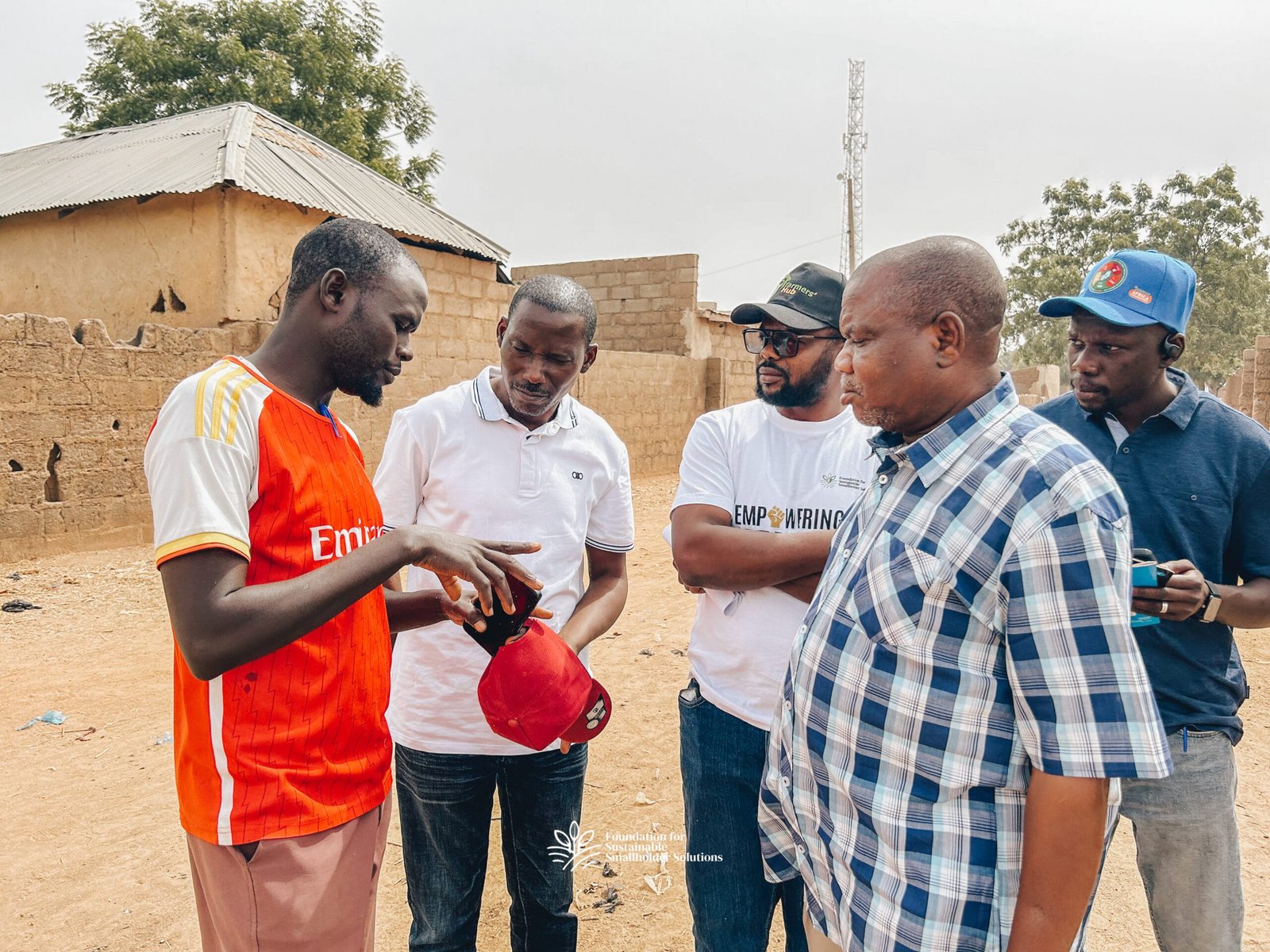
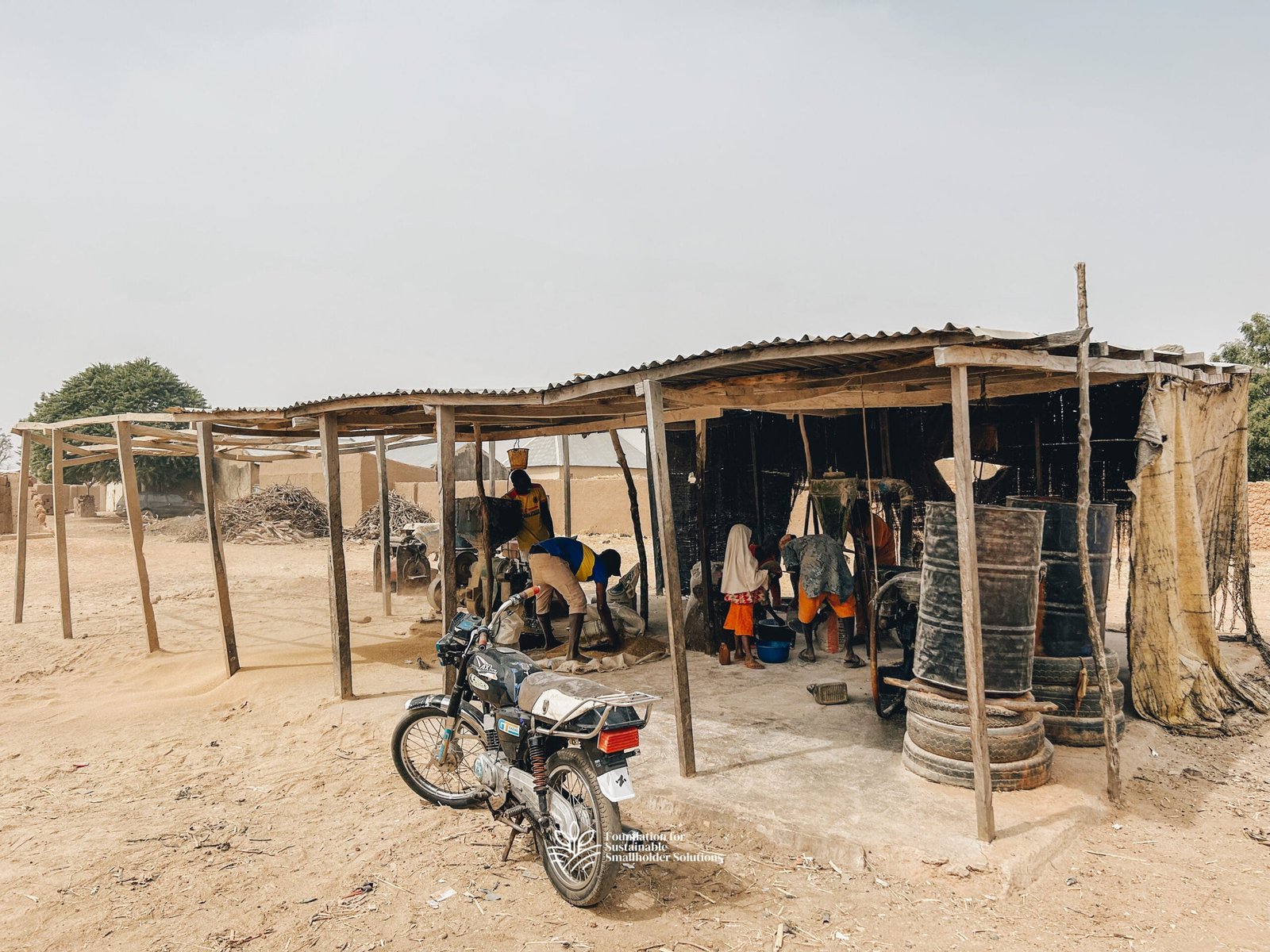
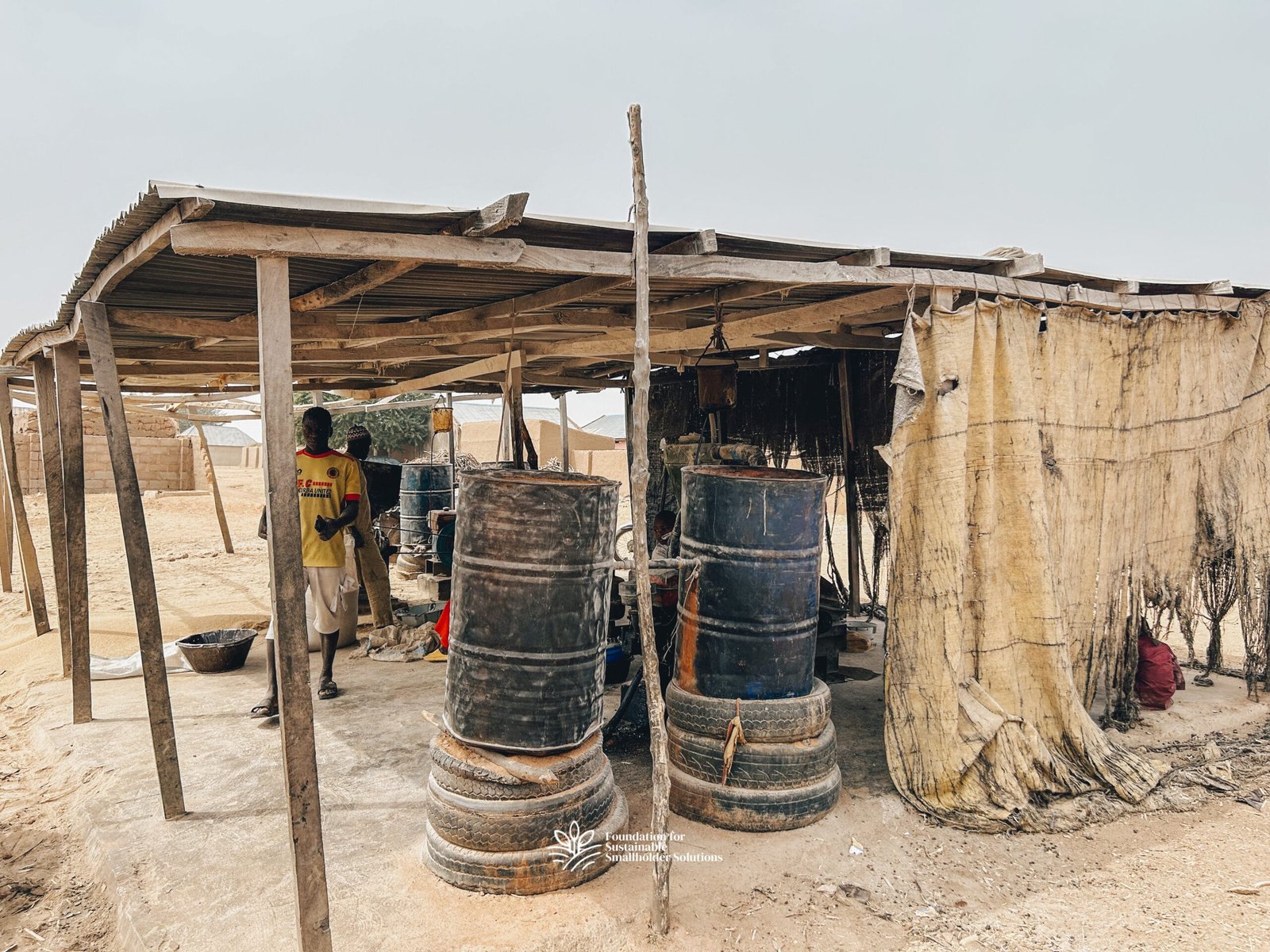
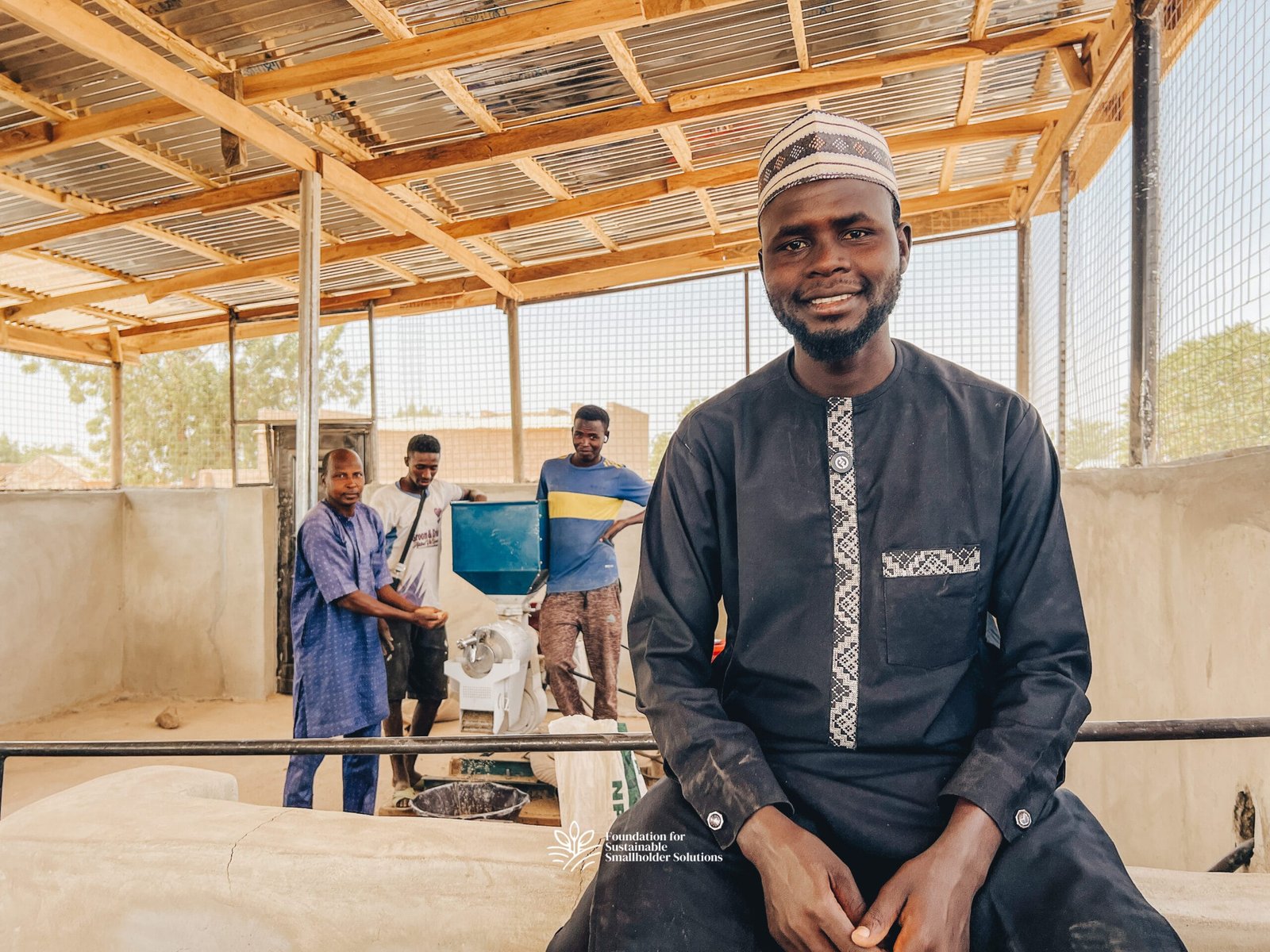
The benefits are also creating new opportunities for others.
With increased capacity and a more efficient operation, Aminu is looking beyond simply milling rice. He hopes to use the business to create employment and pass on practical skills to young people seeking meaningful work within agriculture.
“What FSSS has done is to help me stand firmly on my feet and also give me the opportunity to train youth and women.”
His ambitions reflect the broader vision of the ESTRRA Project: building rural enterprises that strengthen agricultural value chains, improve local economies, and create opportunities that extend beyond individual beneficiaries.
For Kurba, the new rice milling centre is more than a business. It is an investment in convenience, quality, and community resilience. Every bag of rice processed locally means lower transport costs for farmers, quicker access to markets, and more income circulating within the village.
Standing beside the humming machines that now fill his permanent workshop, Aminu sees more than steel, belts, and engines. He sees farmers no longer forced to travel long distances to process their harvest. He sees young people learning valuable skills. He sees a business with room to grow alongside the community it serves.
“This work is helping us sustain our livelihoods and also enabling us to save towards expanding the business. I am grateful to the Foundation for their help.”
For Aminu Ya’u, the intervention is not simply about increasing the number of bags milled each day. It is about bringing an essential service closer to farmers, strengthening a local enterprise, and ensuring that the value created from Kurba’s harvest remains where it belongs, in the hands of the community that grows it.