- Welcome to FSSS Nigeria!
- info@fsssolutions.org
- 1190, Mabushi, Abuja

Nationwide Establishment Of ProSeV Trial Sites Begins Across 18 States
NEWS
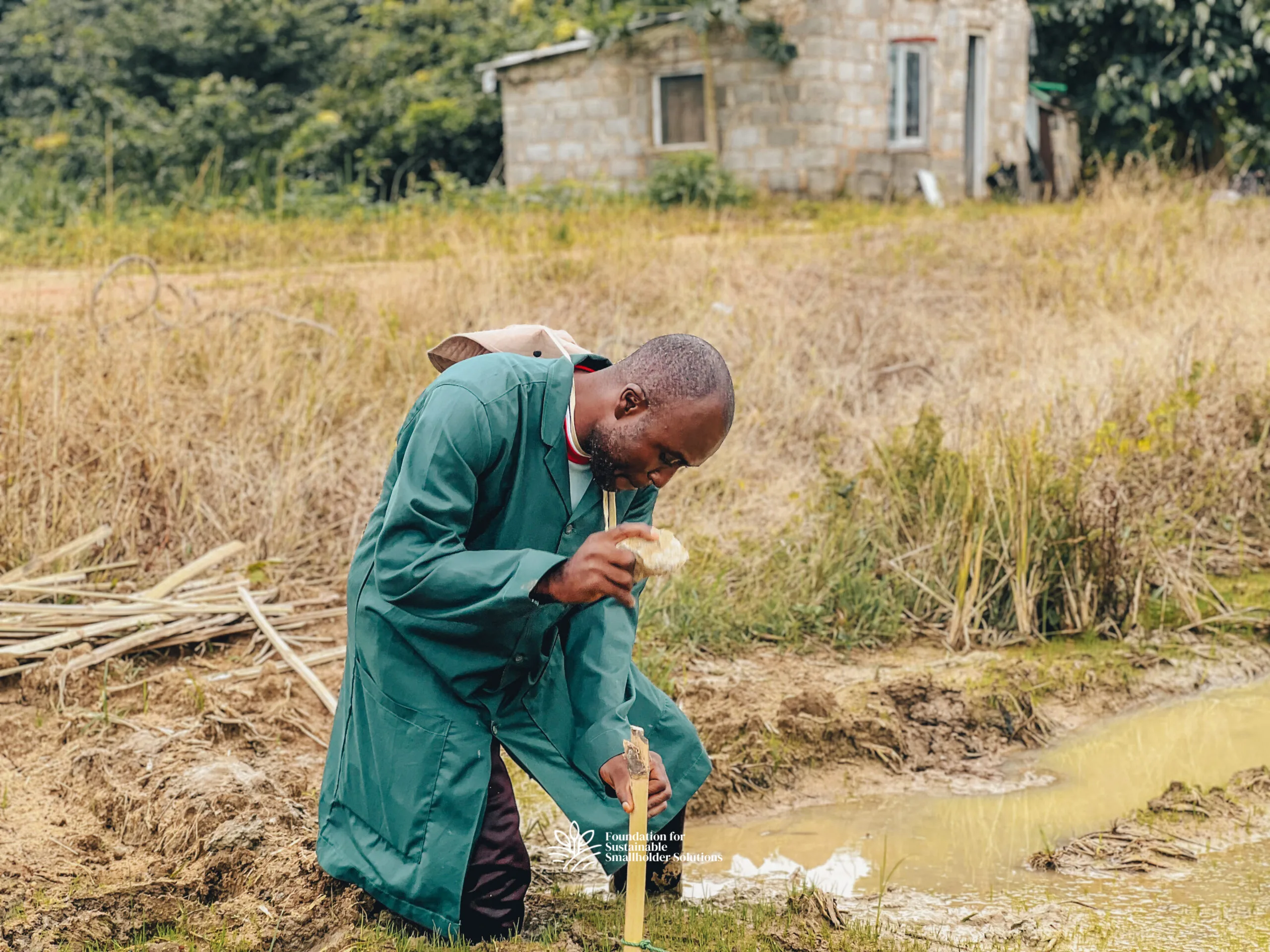
The Foundation for Sustainable Smallholder Solutions (FSSS) has commenced the establishment of field trial sites for the ProSeV Project across Nigeria, marking a major milestone in efforts to strengthen evidence-based seed selection and improve the country’s seed system.
The ProSeV Project, formally titled Using Performance Data to Promote Better Seed Varieties in Nigeria, is a three-year initiative designed to generate credible post-release performance data on improved crop varieties under real farming conditions. The evidence generated will support farmers, extension agents, seed companies, researchers, and policymakers in making informed decisions on crop variety selection.
The first phase of implementation is underway in 18 states across Nigeria, where FSSS has begun establishing scientifically managed trial sites for rice and maize. In total, the project has mapped out 88 rice trial sites, comprising 58 lowland rice trials and 30 upland rice trials, alongside 15 maize trial sites spread across the participating states.
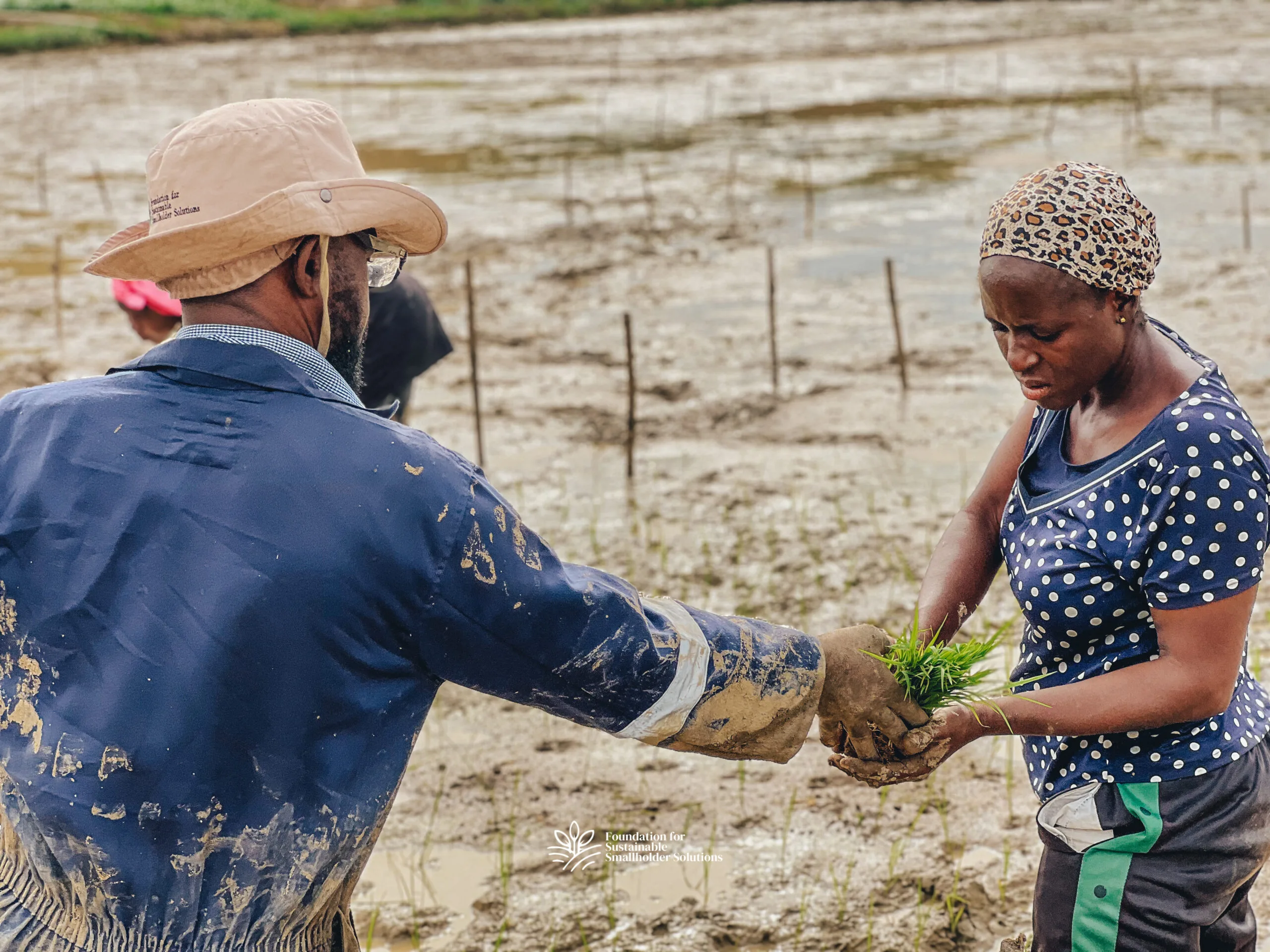
According to Reuben Solomon, the Foundation’s Senior Agronomists and Project Manager coordinating the field activities, each trial location has undergone rigorous site selection and establishment protocols to ensure that the data generated accurately reflects varietal performance under different agro-ecological conditions.
“The establishment of these trial sites follows carefully defined scientific protocols that ensure consistency, reliability, and comparability of results across locations,” Reuben explained.
“Our objective is to generate robust performance data that farmers and other stakeholders can rely on when selecting improved seed varieties.”
The project is being implemented across Taraba, Gombe, Bauchi, Jigawa, Kano, Kebbi, Kaduna, Nasarawa, Plateau, Benue, Niger, Cross River, Ebonyi, Edo, Ogun, Oyo, Kogi, and the Federal Capital Territory.
Early implementation activities have already seen the establishment of 44 rice trials and 50 rice nurseries, laying the foundation for subsequent transplanting into the prepared trial fields as the cropping season progresses.
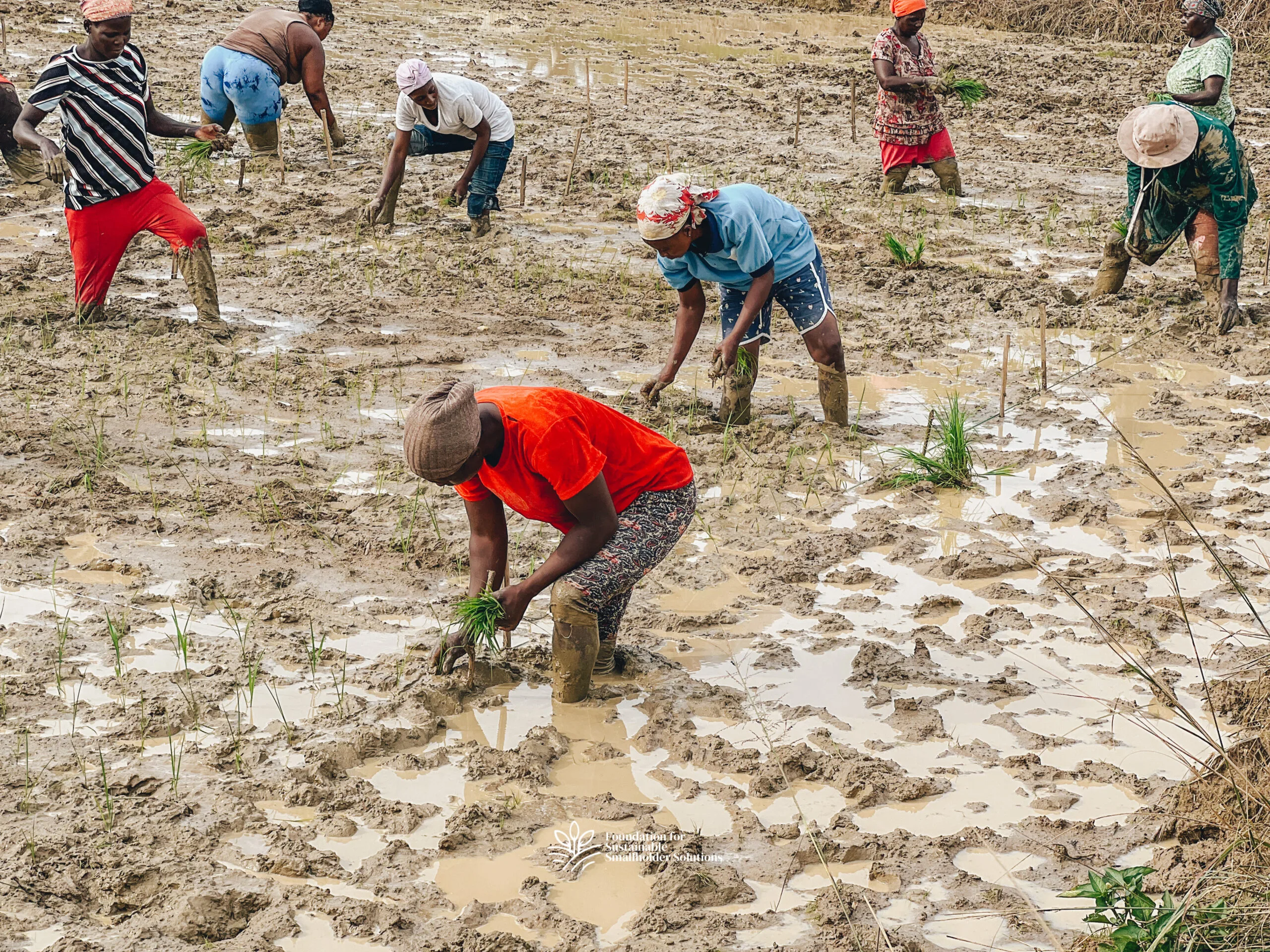
Unlike conventional demonstration plots, the ProSeV trials are established under scientifically controlled conditions that allow released crop varieties to be evaluated side by side using uniform management practices. This approach ensures that differences in performance are attributable to the varieties themselves rather than variations in field management.
Over the three-year implementation period, the project will evaluate rice, maize, and cowpea, generating location-specific performance evidence that will contribute to improved varietal recommendations and stronger post-release monitoring of improved crop varieties in Nigeria.
By producing reliable performance data from multiple agro-ecological zones, the ProSeV Project is expected to strengthen transparency within Nigeria’s seed sector, improve farmers’ confidence in improved varieties, and support more informed investment and policy decisions.
The ProSeV Project is implemented by the Foundation for Sustainable Smallholder Solutions (FSSS) with funding support from the Gates Foundation.