

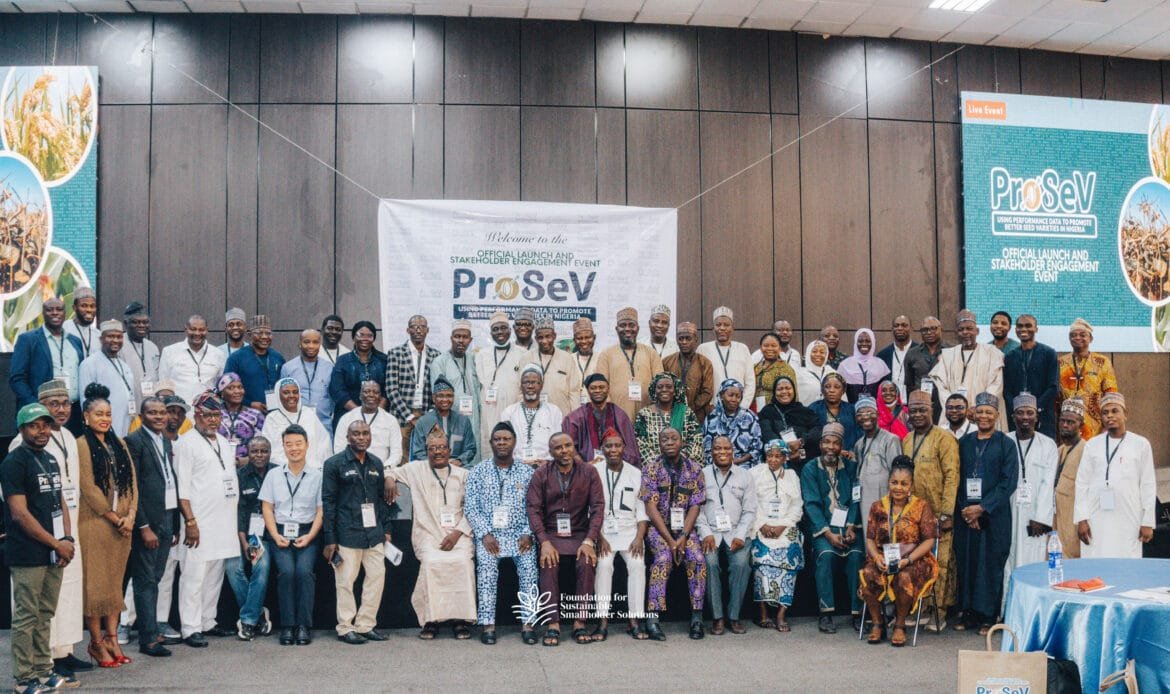
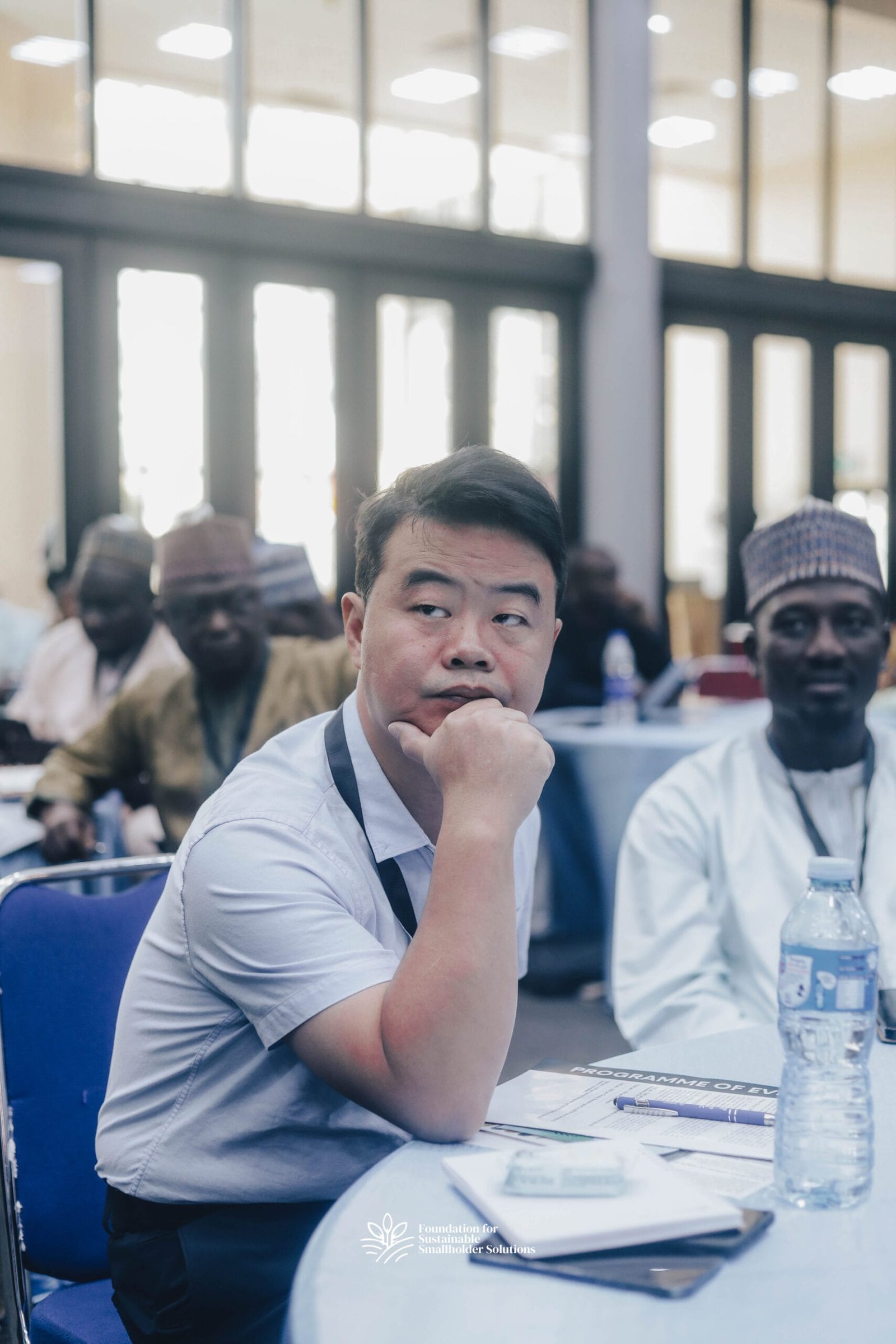
On 22 January 2026, the official launch and stakeholder engagement of the ProSeV Project (Using Performance Data to Promote Better Seed Varieties in Nigeria) took place at the NAF Conference Centre and Suites. The event brought together a diverse group of stakeholders representing research institutions, seed companies, agro-dealers, off-takers, development partners, and policymakers from both the public and private sectors.
The welcome address, delivered by Dr. Isaiah Gabriel, Executive Director of the Foundation for Sustainable Smallholder Solutions (FSSS), highlighted the challenges farmers face in accessing reliable seed performance information.
He remarked, “Farmers do not fail because they lack effort; they struggle because they lack the right information. When farmers are unsure, adoption slows. When adoption slows, productivity suffers, and the entire value chain feels the impact.”
Dr. Gabriel emphasised that the project aims to replace guesswork with evidence: “When a farmer asks, ‘Which variety works best for me?’ there should be a clear and trustworthy answer.”
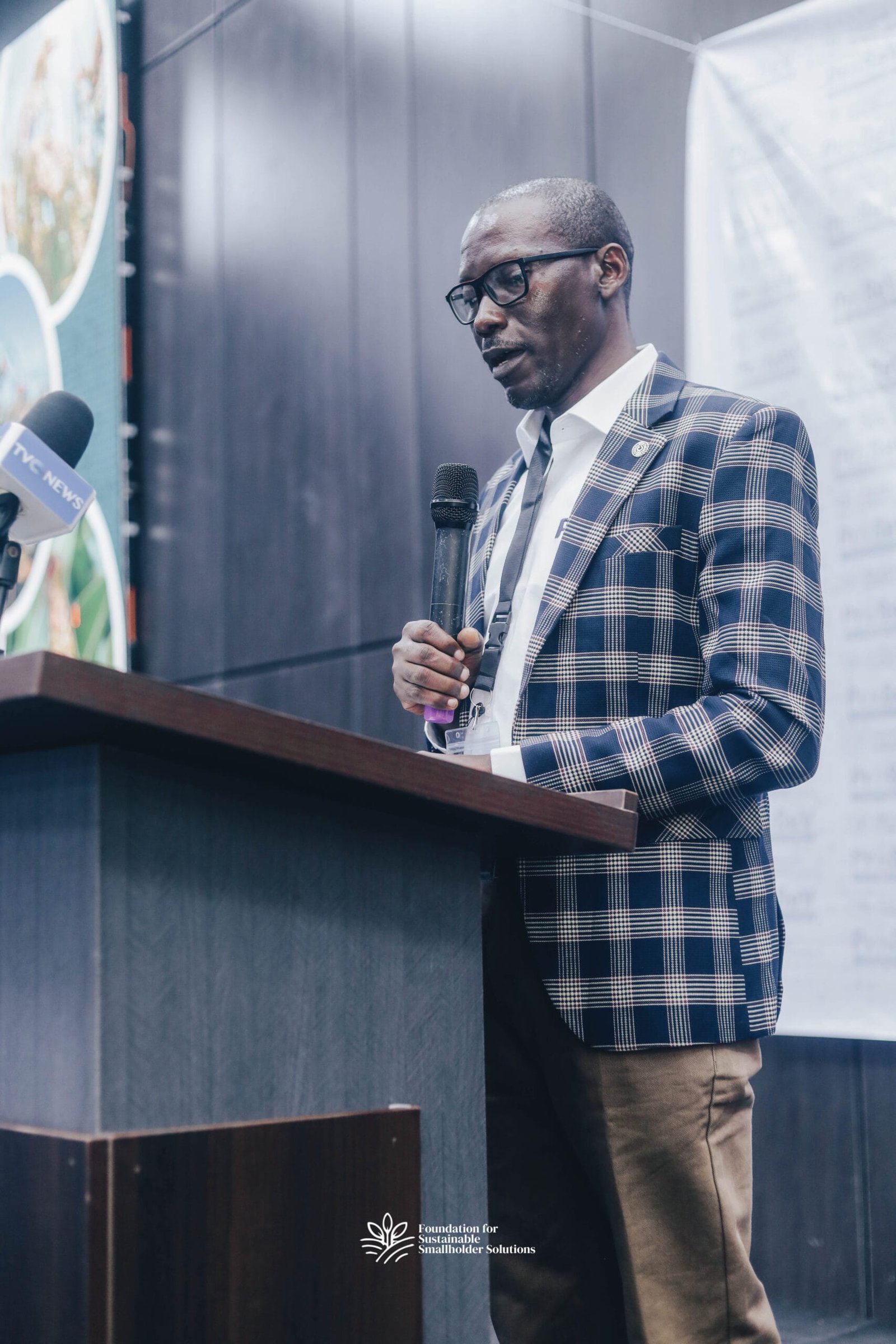
The keynote address, delivered on behalf of Hon. Fatuhu Muhammed, Director General of NASC, by Dr. Ibidun Adetiloye, Registrar of NACGRAB, reinforced the importance of variety adoption for agribusiness.
“Variety adoption is where science meets markets, where public investment generates private value, and where agriculture becomes a true driver of agribusiness growth,” he said.
He explained further that reliable post-release variety data enables agribusinesses to forecast supply, improve quality consistency, and encourage investment, while providing farmers with varieties that enhance yield, resilience, and nutrition.
The ProSeV Project, implemented by FSSS with support from the Gates Foundation, was conceived to address a longstanding gap: despite the release of multiple improved crop varieties in Nigeria, farmers, extension agents, and other seed system actors often lack access to reliable, up-to-date, and location-specific performance information. ProSeV establishes a national platform for post-release variety evaluation, generating robust, farmer-relevant data on rice, maize, and cowpea under real farm conditions, and translating it into actionable insights for seed selection, extension services, and policy formulation.
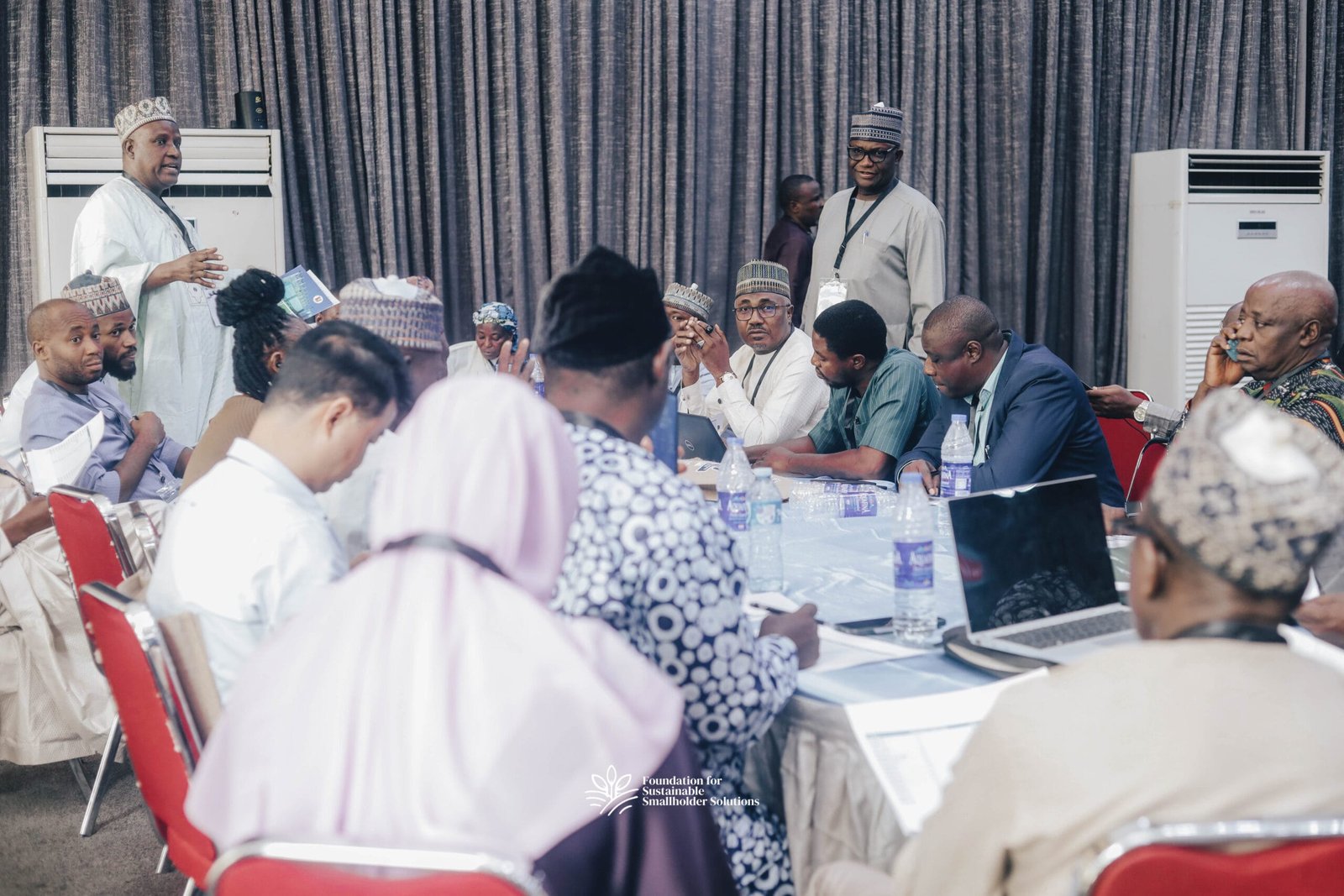
A key activity at the launch was an interactive breakout session, where participants actively shaped crop-specific trial strategies. The rice group reviewed and confirmed varieties suitable for upland and lowland ecologies, nominated additional local types for potential inclusion, finalised trial designs and plot specifications, validated trial locations, and suggested adoption sites. They also defined key data collection parameters, proposed metrics relevant to farmers, processors, and markets, assessed risks, and determined key performance indicators for the selected varieties.
Similar exercises were conducted for maize, covering hybrids and OPVs, and for cowpea, including dual-purpose varieties. Each group was guided by a senior agronomist, and recommendations were presented at the end of the session for adoption, directly shaping how the trials will be conducted, monitored, and evaluated.
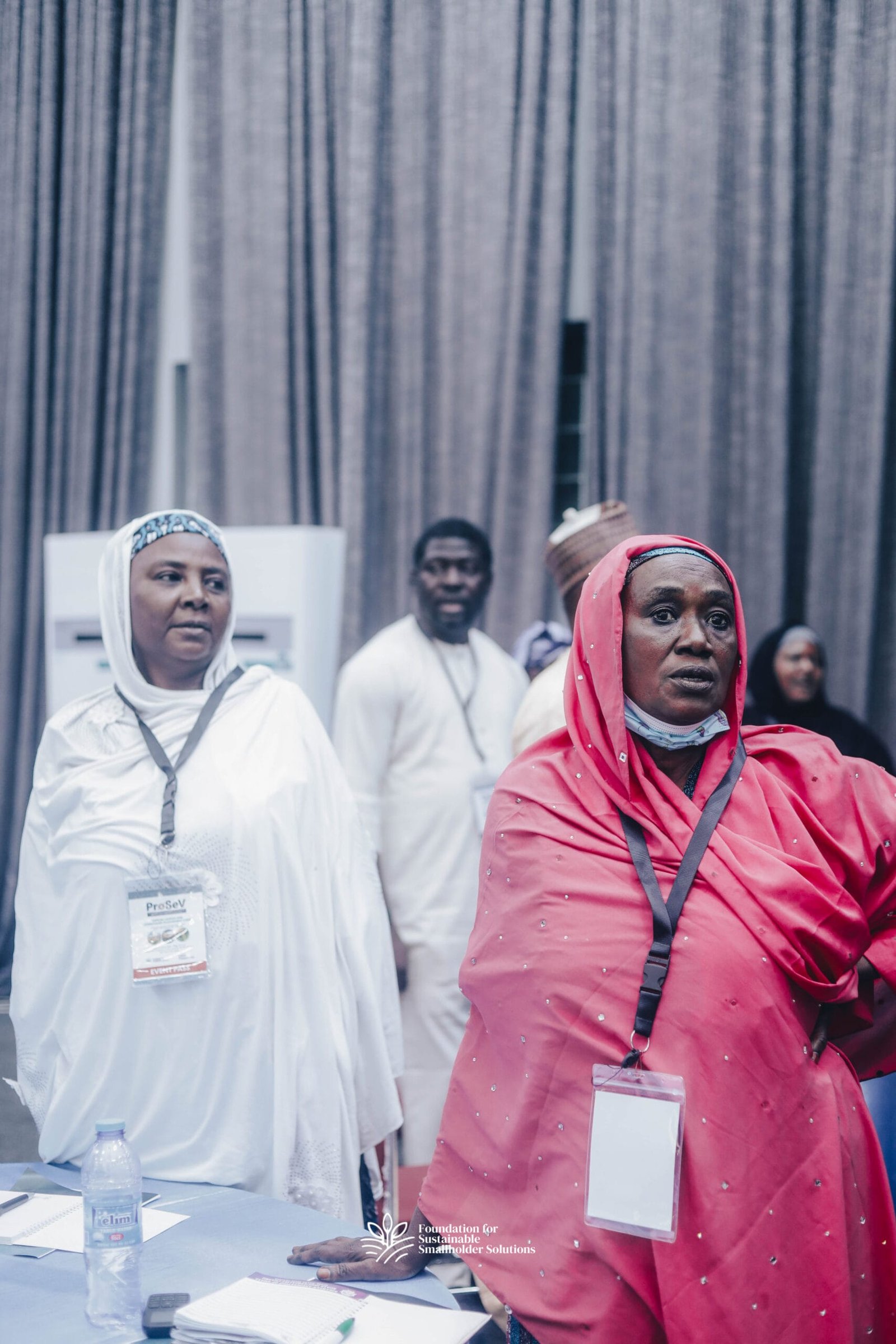
This event underscores the Foundation’s commitment to institutionalising a sustainable, nationally recognised platform for post-release variety performance evaluation. By combining science, collaboration, and farmer-focused solutions, the ProSeV Project aims to strengthen Nigeria’s seed system, improve crop productivity, and enhance resilience for smallholder farmers across the country. As Dr. Gabriel concluded, “Data only matters when it improves decisions, and decisions only matter when they improve lives.”
Notable attendees included representatives from ICRISAT, NCRI, ARCN, NASC, AfricaRice, SEEDAN, NACGRAB, AATF, Edo State College of Agriculture and Natural Resources, the Federal College of Horticulture Dadin Kowa, CDA-BUK, and commercial farms such as Gasol Farms, Gawal Farm, TGI-WACOT, TomatoJos, Leventis-Weppa Farm, Tiamin Rice Mills, and others, all of whom pledged their support for the project.