- Welcome to FSSS Nigeria!
- info@fsssolutions.org
- 1190, Mabushi, Abuja


FSSS Commissions 11 Farmers’ Hubs in Bauchi North to Boost Agricultural Productivity and Rural Development
NEWS
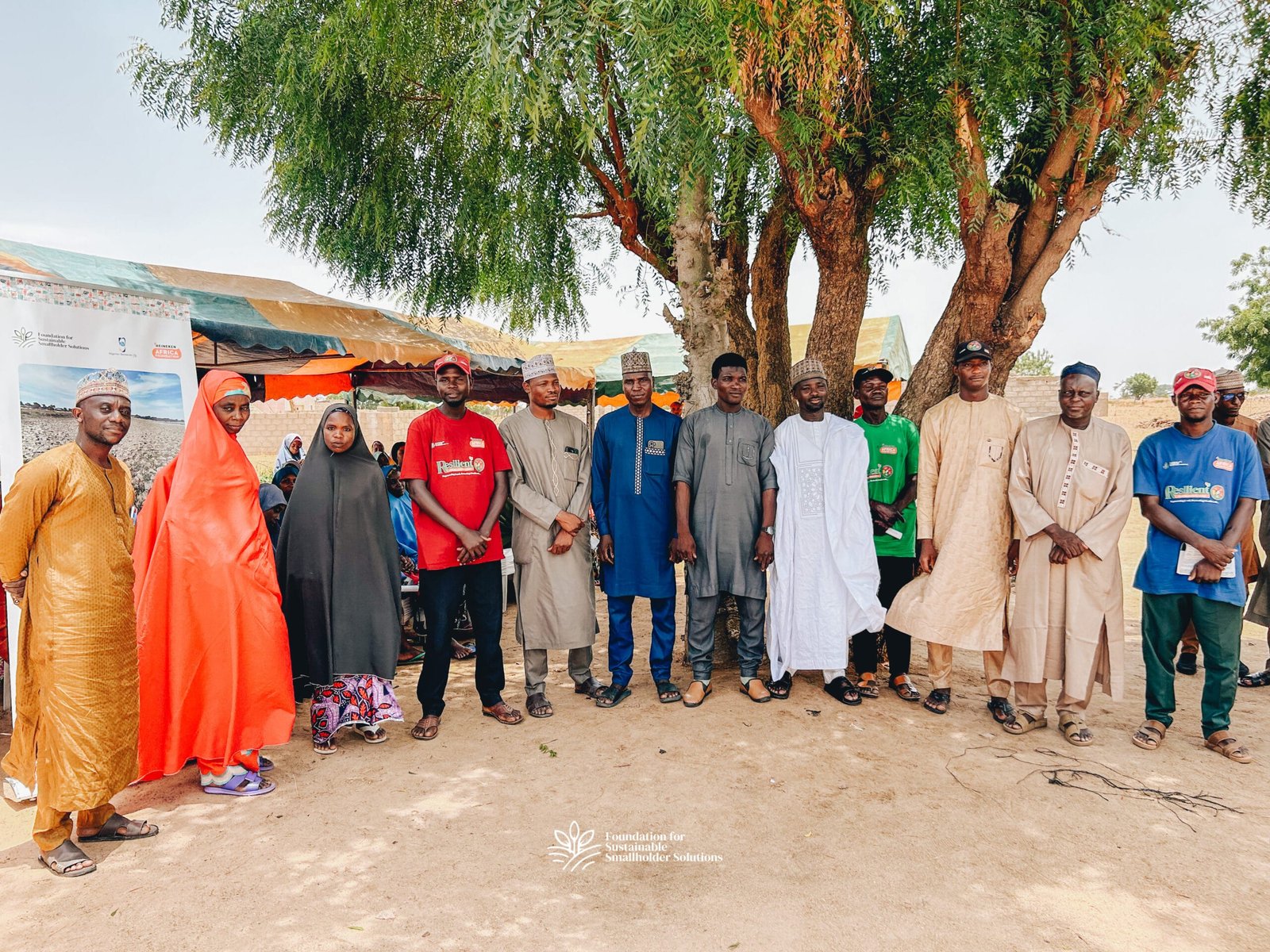
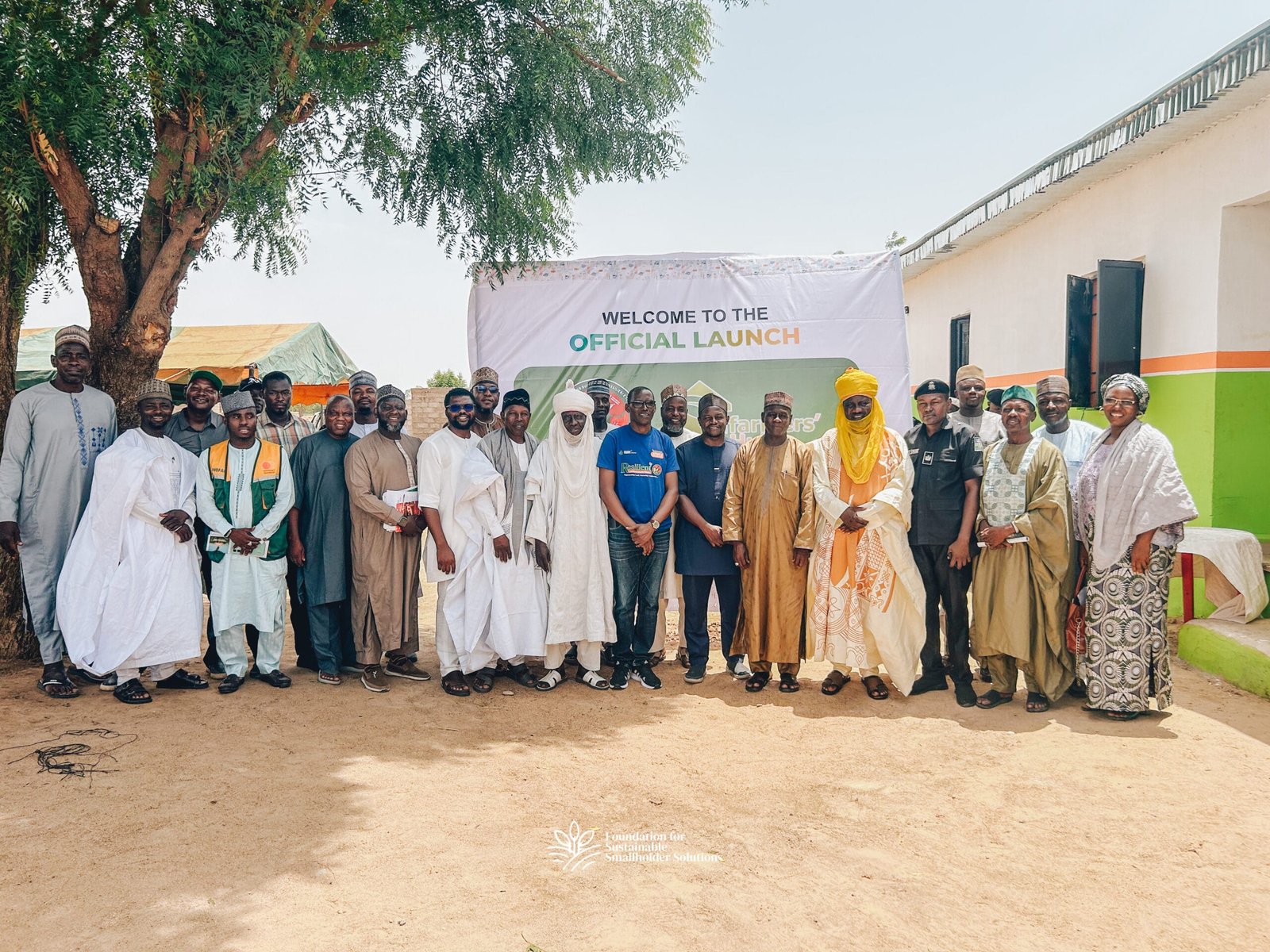
The Foundation for Sustainable Smallholder Solutions, with support from the HEINEKEN Africa Foundation, has commissioned 11 Farmers’ Hubs across the Bauchi North Senatorial District under the Empowerment of Smallholders to Thrive and Build Climate Resilience through Regenerative Agriculture (ESTRRA) Project.
The initiative, backed by a ₦4 billion intervention from the HEINEKEN Africa Foundation, is aimed at strengthening agricultural productivity, improving rural livelihoods, reducing poverty, and creating economic opportunities for smallholder farmers and rural communities across Bauchi State.
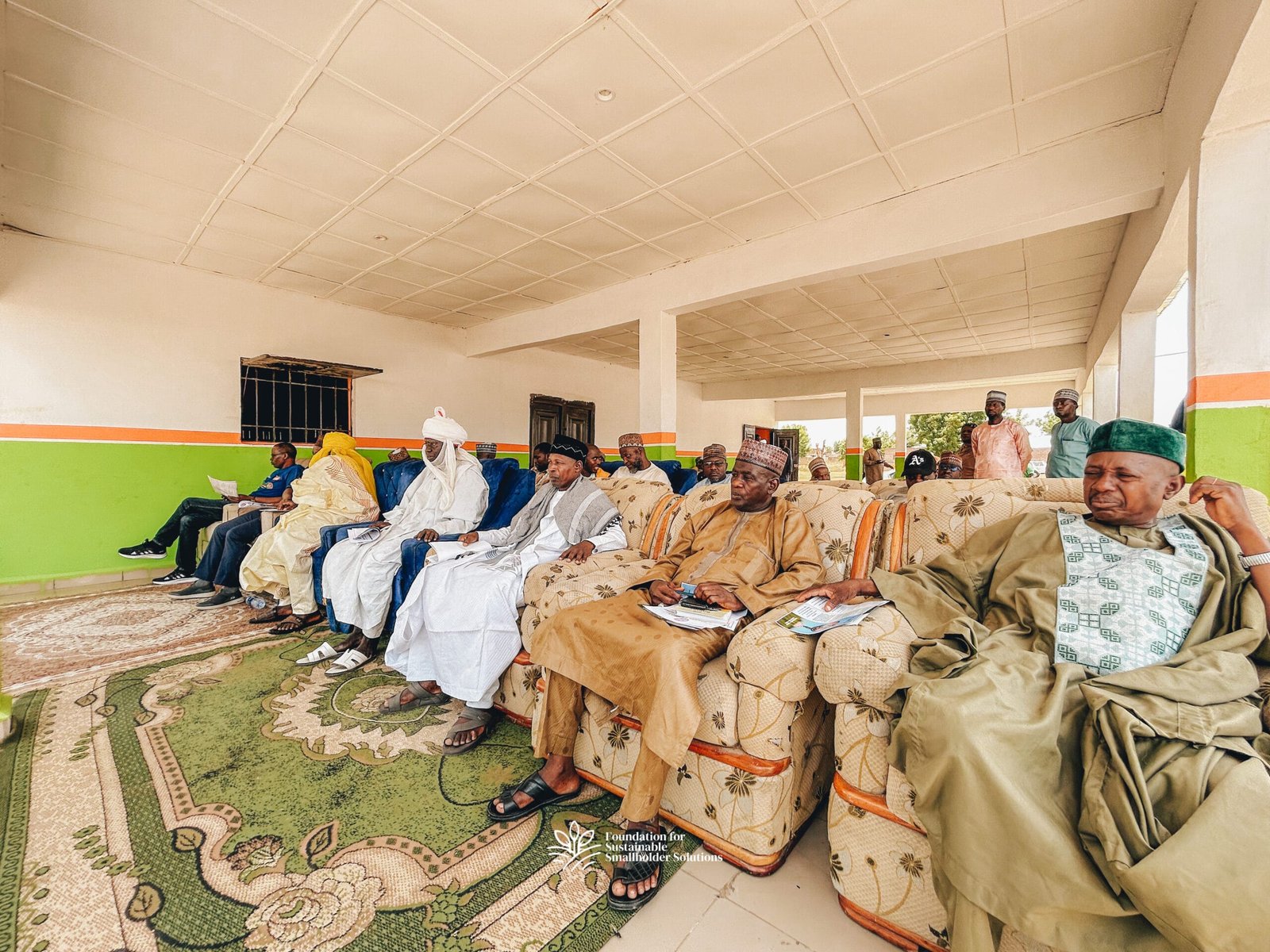
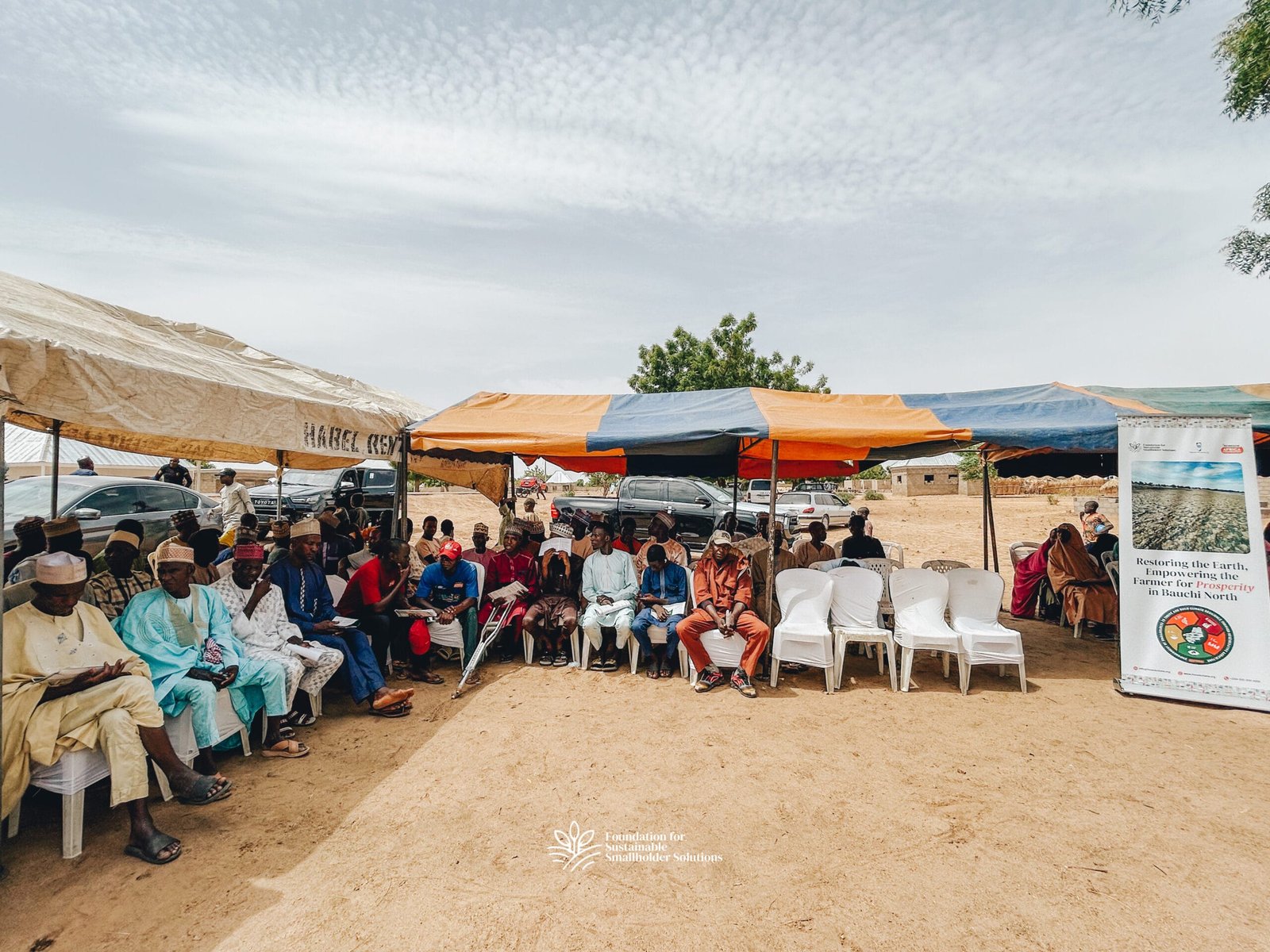
The commissioning ceremony was held at the newly completed UAD Dogon Jeji Rice Milling Farmers’ Hub in Dogon Jeji, Jama’are Local Government Area.
Speaking during the event, the Executive Director of Foundation for Sustainable Smallholder Solutions, Dr Isaiah Gabriel, described the project as a strategic investment in climate-resilient agriculture and community-driven development.
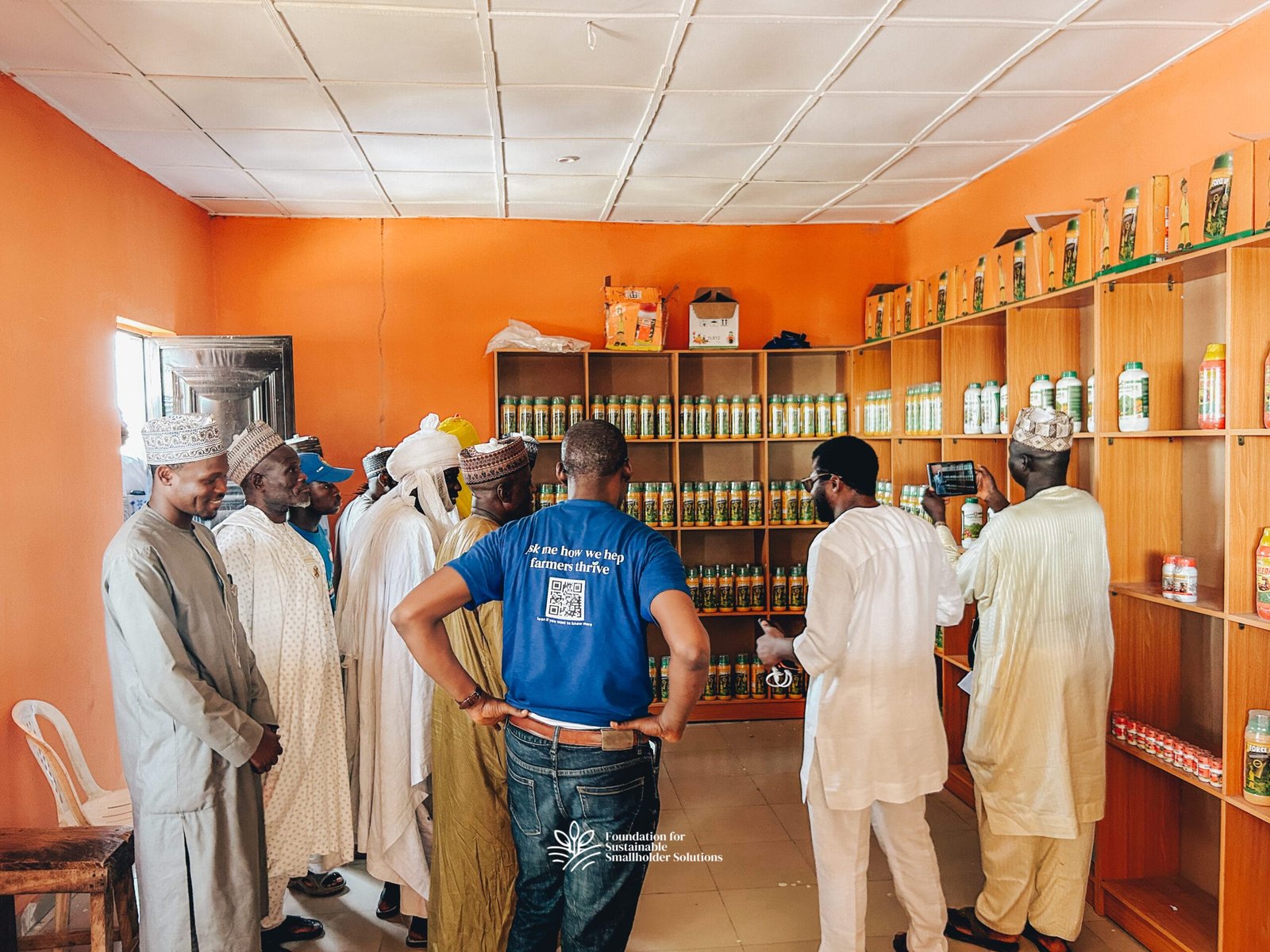
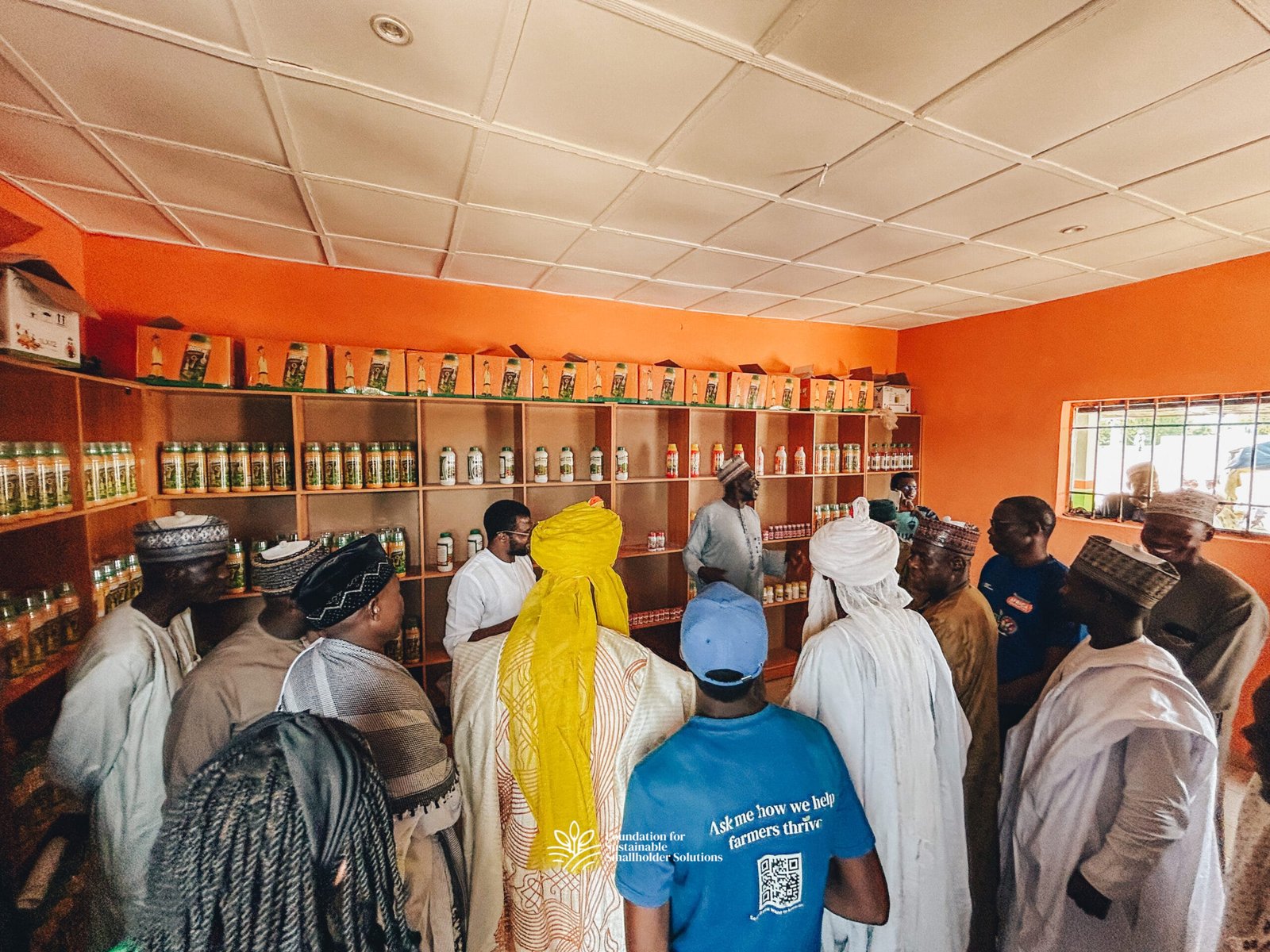
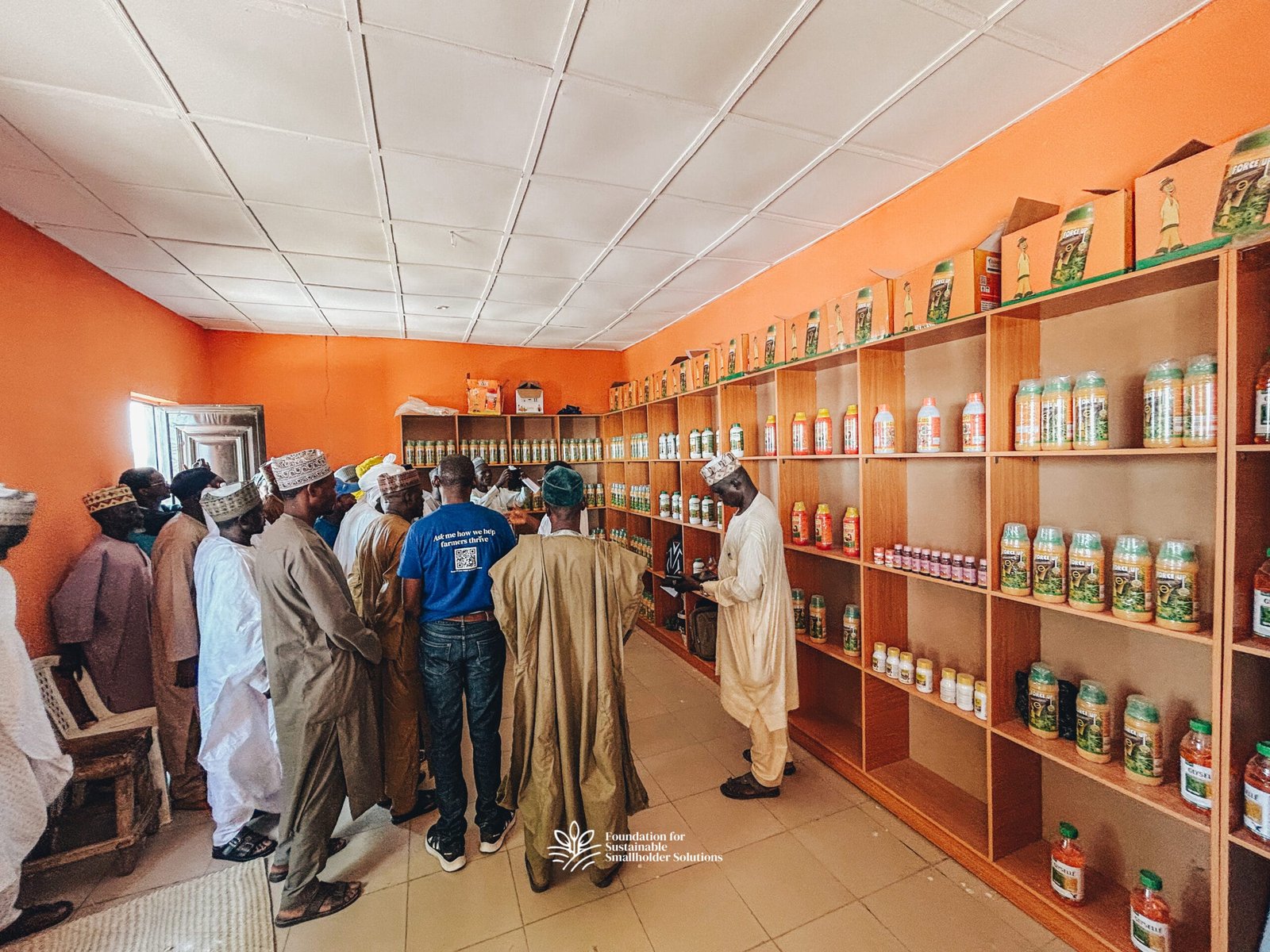
According to him, the Farmers’ Hubs will serve as integrated agricultural service centres providing farmers with access to quality farm inputs, improved seedlings, mechanisation support, extension services, aggregation opportunities, veterinary services, processing facilities, and climate-smart agricultural practices.
“These hubs are designed to become centres of agricultural innovation, enterprise development, youth engagement, and improved food systems. Our goal is to ensure that smallholder farmers have access to the resources, knowledge, and market opportunities they need to thrive,” he said.
Dr Gabriel further urged farmers and beneficiary communities to take ownership of the facilities and ensure proper maintenance to guarantee sustainability and long-term impact.
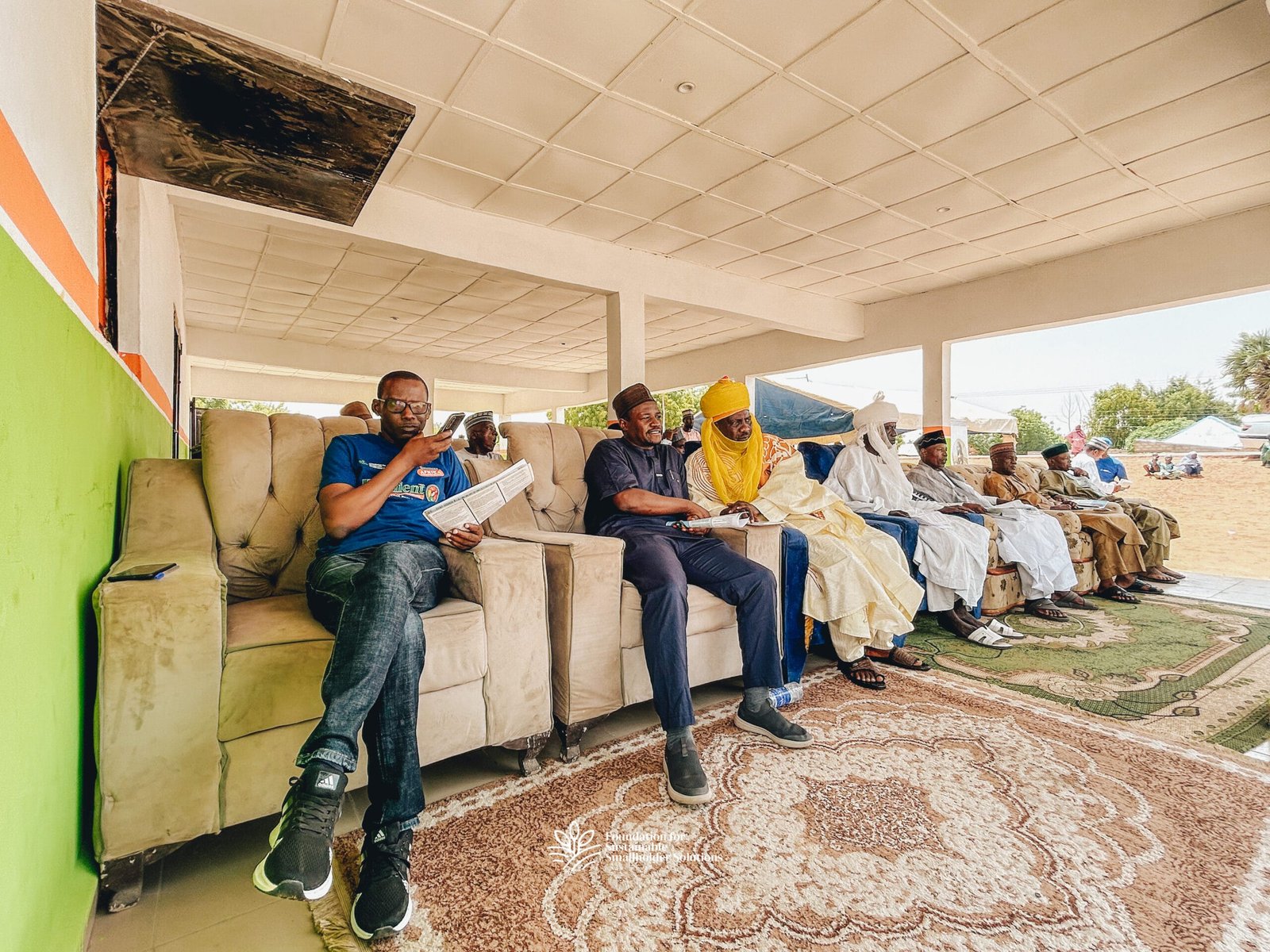
Representing the HEINEKEN Africa Foundation, Kabiru Kassim described the commissioning as a major milestone in the Foundation’s partnership with FSSS and its commitment to supporting vulnerable farming communities.
“Through our partnership with FSSS, the HEINEKEN Africa Foundation is supporting some of the poorest and most vulnerable farmers, and today we are witnessing an important milestone in that journey,” he said.
He commended the speed and impact of the intervention, noting that the progress recorded ahead of the rainy season demonstrates the effectiveness of the project.
“We have seen the hope that FSSS is creating in these communities, and this is truly remarkable. We expected to see results like this much later in the project cycle, but witnessing this level of progress even before the rainy season is highly commendable.”
Kassim explained that the hubs were established to function as centres for farm inputs, training, processing, and farmer support services to better prepare farmers for the planting season and improve productivity.
“Hearing testimonials from beneficiaries across the 11 hubs clearly shows that this initiative is already making impact at the grassroots level. It is a step in the right direction, and we look forward to seeing even greater outcomes in the coming farming seasons,” he added.
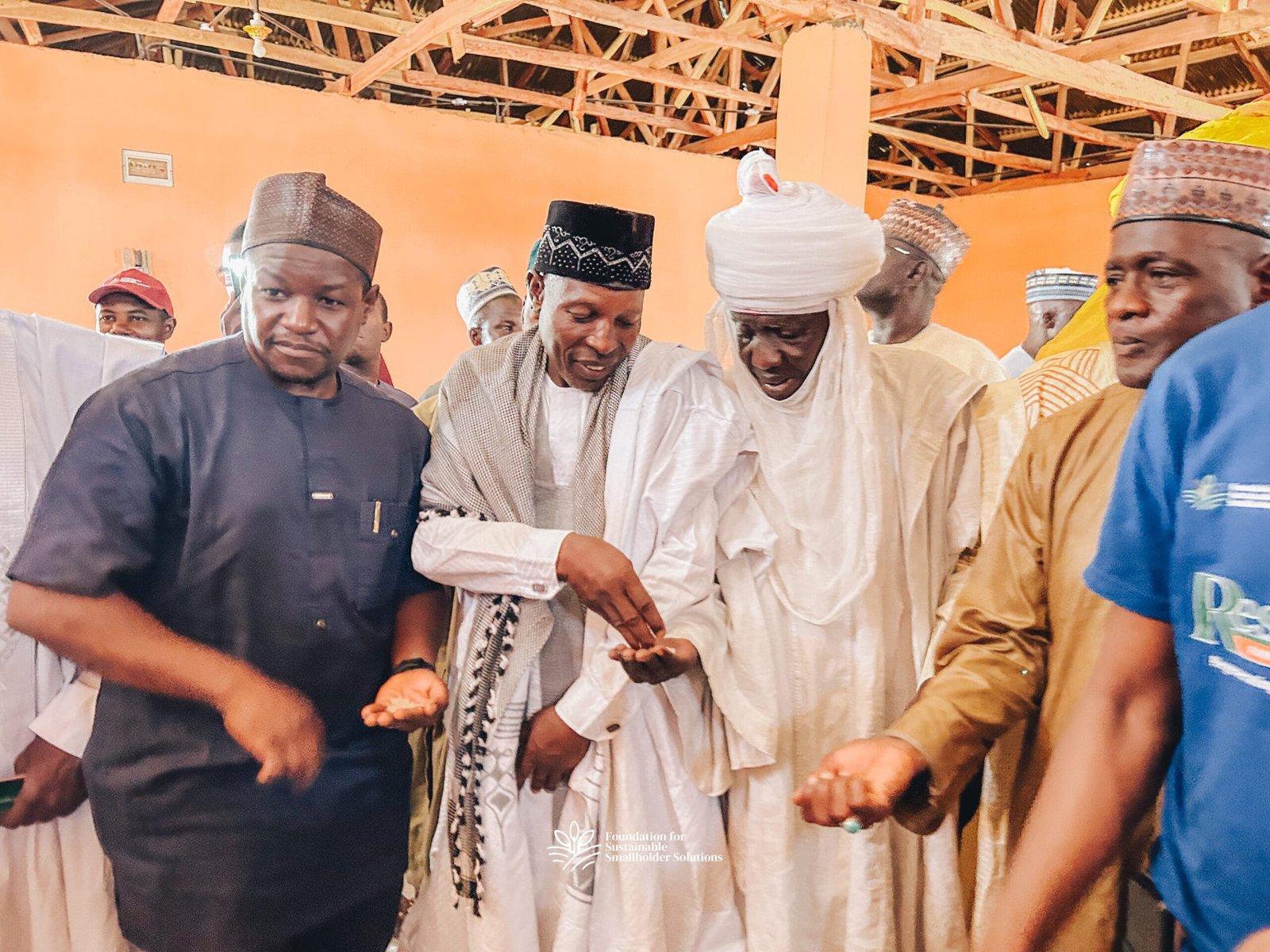
The Emir of Jama’are, represented by Alhaji Nuhu Ahmad Wabi, who officially commissioned the hub, commended Foundation for Sustainable Smallholder Solutions and the HEINEKEN Africa Foundation for bringing development closer to rural communities.

He noted that the project would significantly improve agricultural activities and economic opportunities within the district while calling for similar interventions in other parts of Bauchi State.
“This project is a major boost for our farmers and communities. We appreciate FSSS and the HEINEKEN Africa Foundation for this important investment and urge our people to protect and properly utilise these facilities for the benefit of future generations,” he stated.
Also speaking at the event, Alhaji Yau Mohammed described the initiative as timely and aligned with ongoing efforts to modernise agriculture and strengthen food security in the state.
Representing local farmers, the Sarkin Gona of the area, Alhaji Shehu Yakubu described the hubs as a “one-stop agricultural support centre” that would improve access to genuine agro-inputs, fertilisers, rice processing facilities, and market opportunities for farmers.
He added that the initiative would help improve productivity, reduce post-harvest losses, and increase incomes for farming households across the benefiting communities.
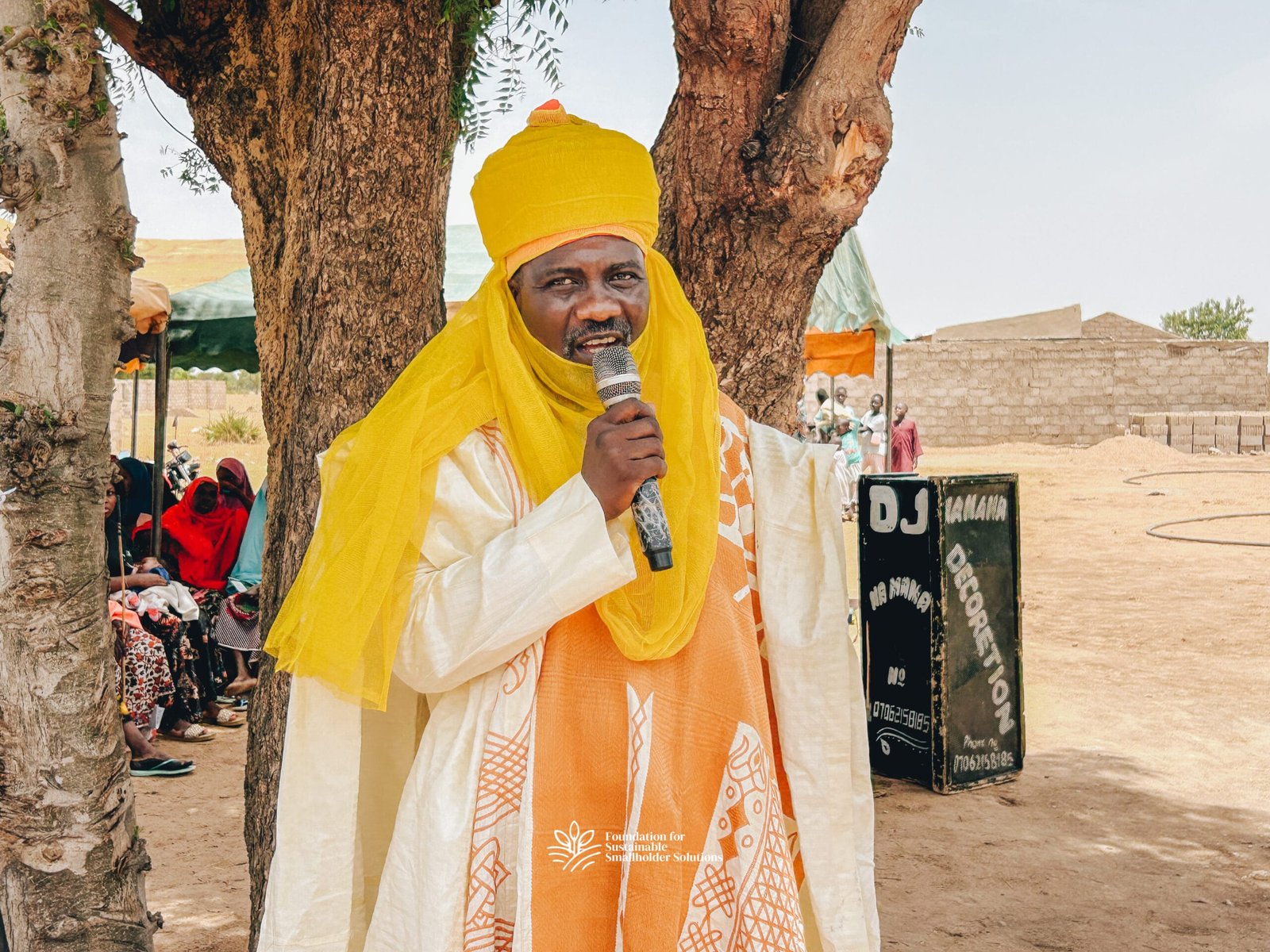
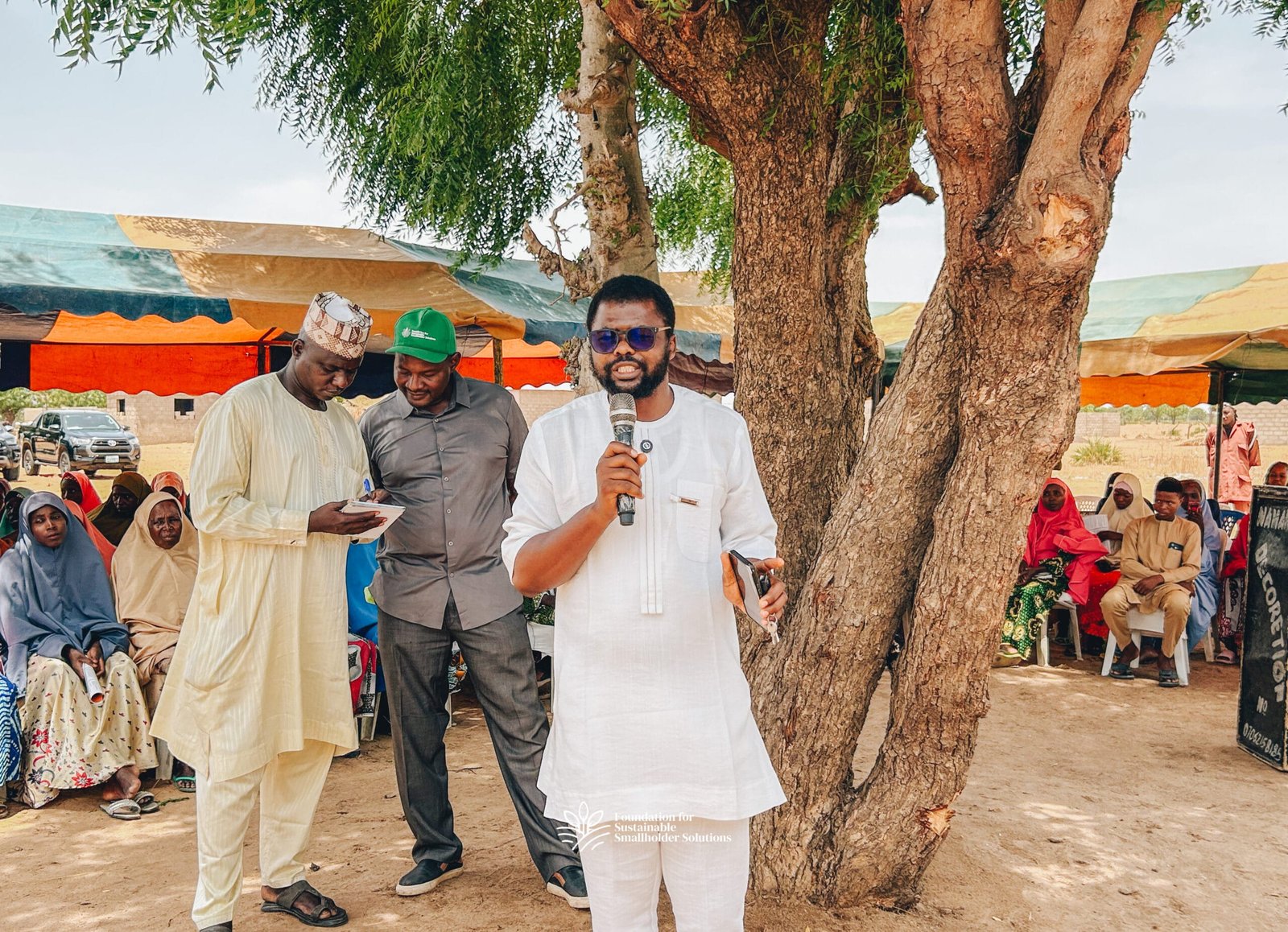
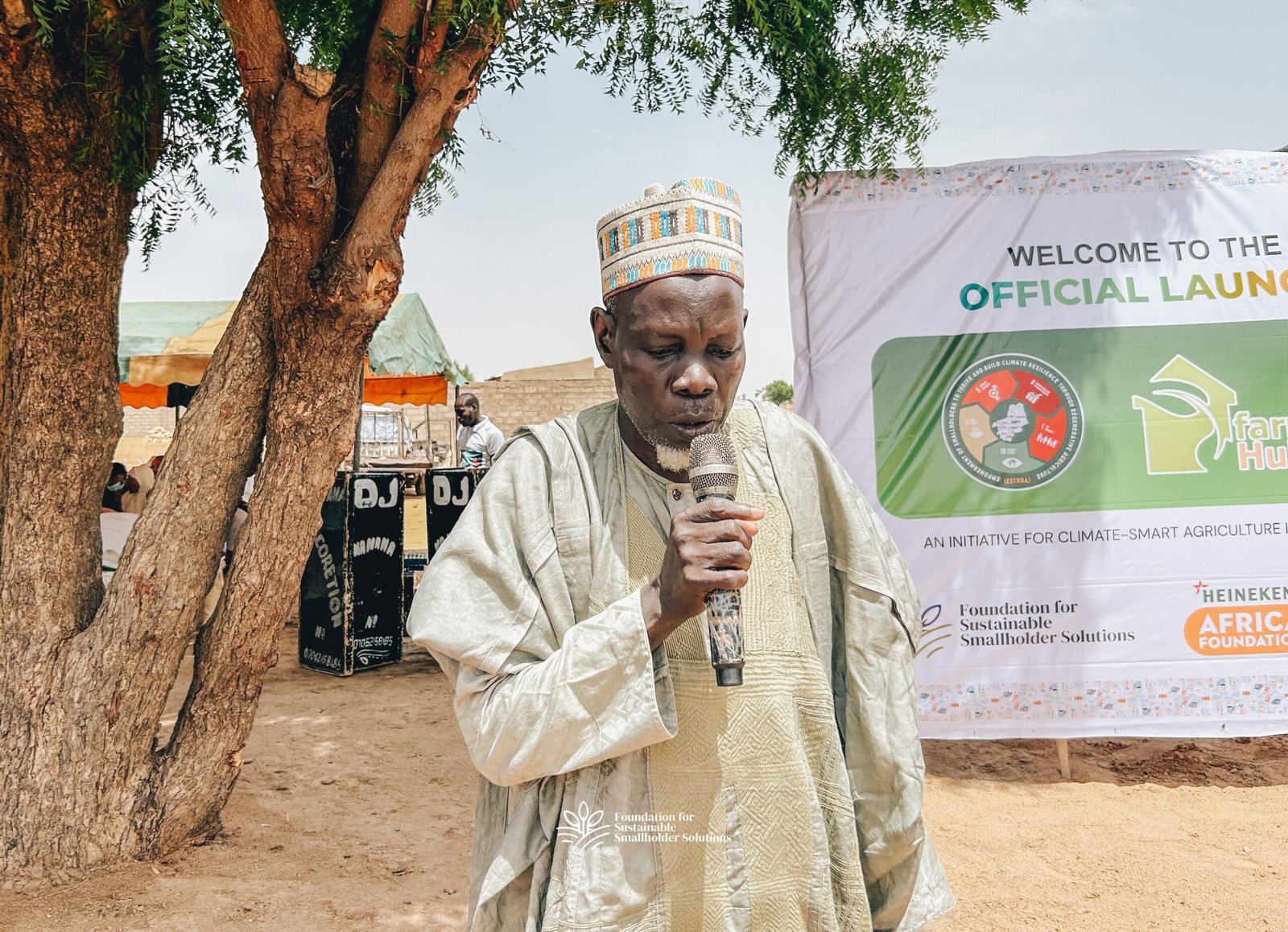
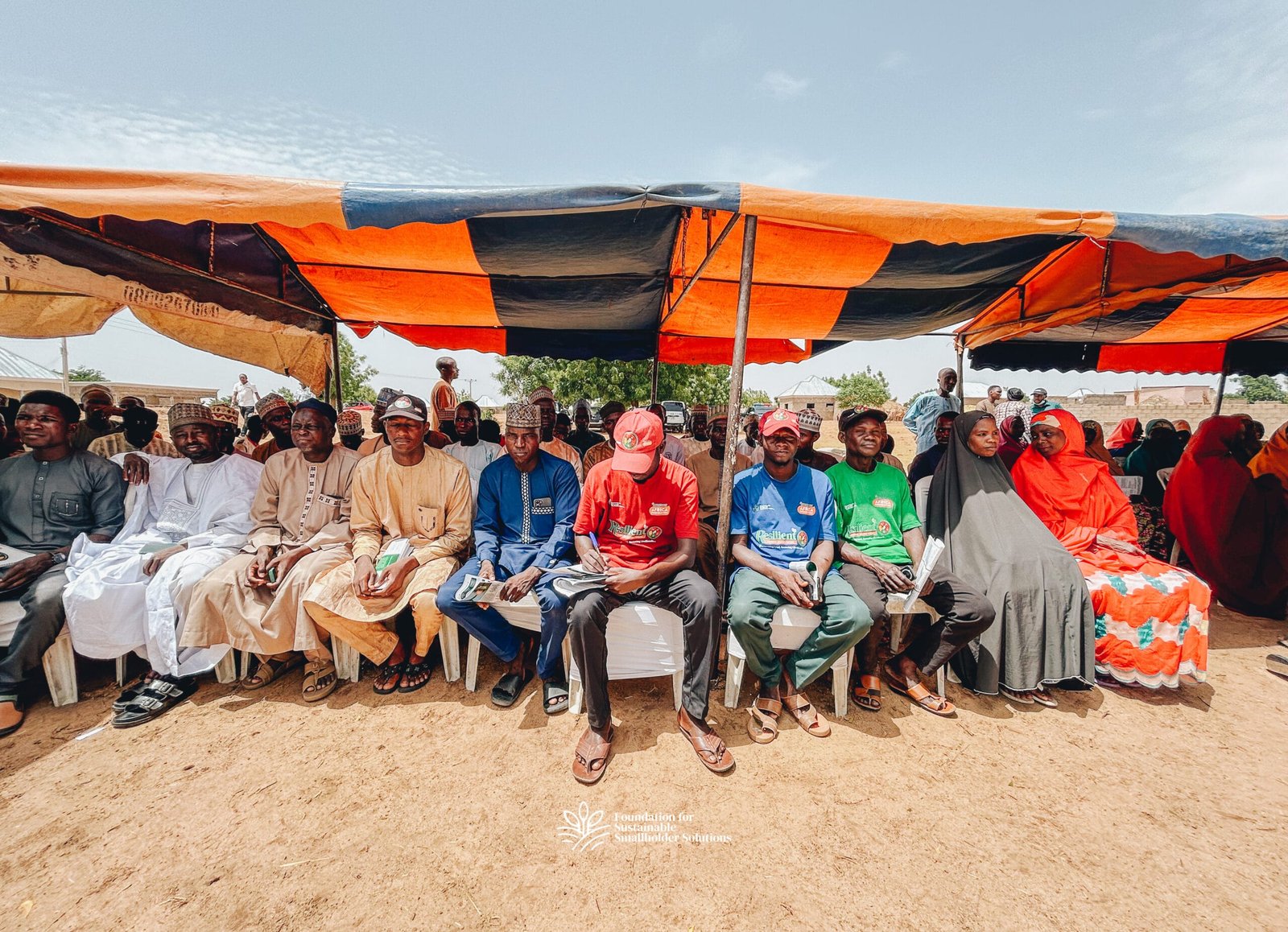
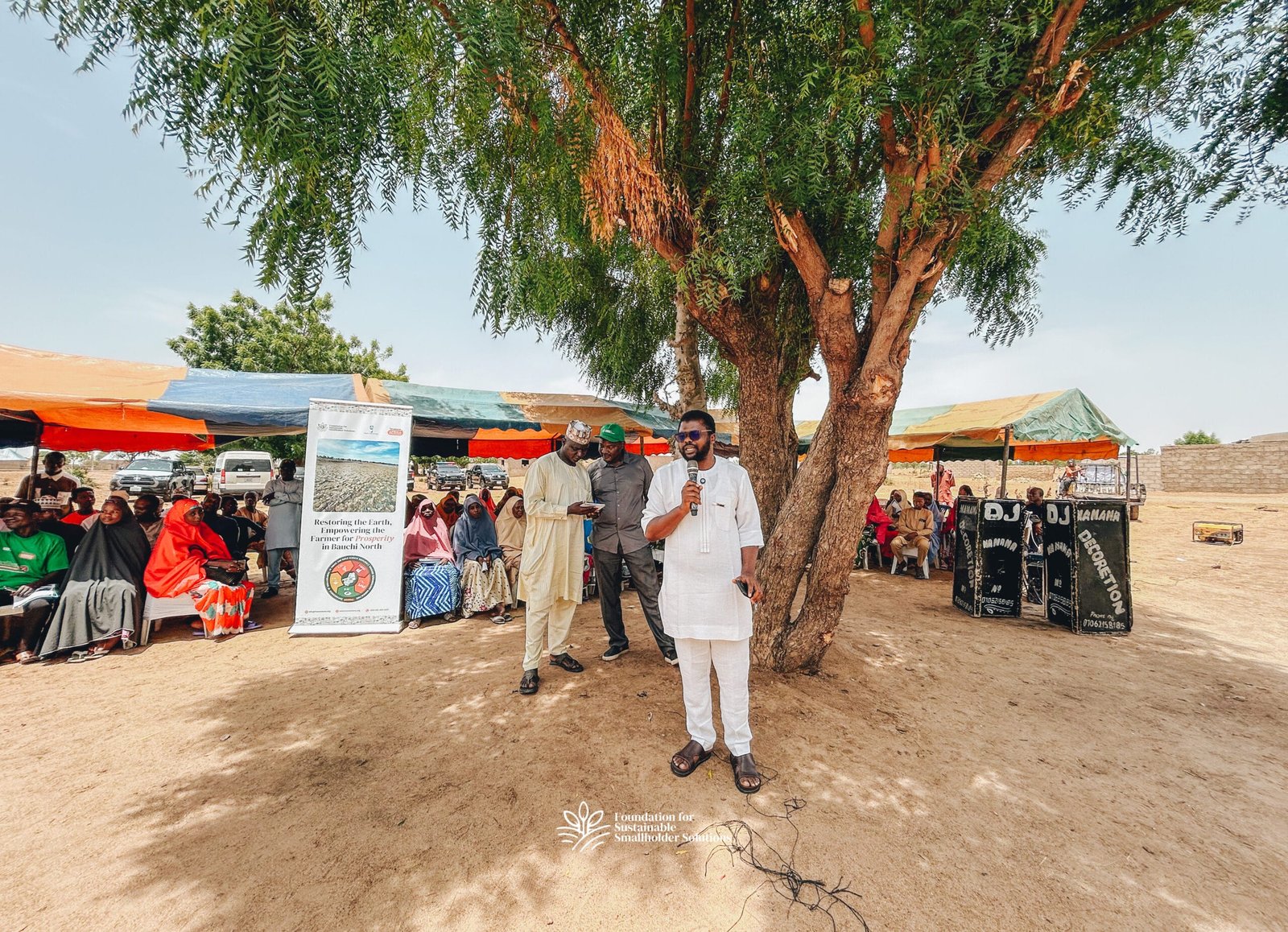
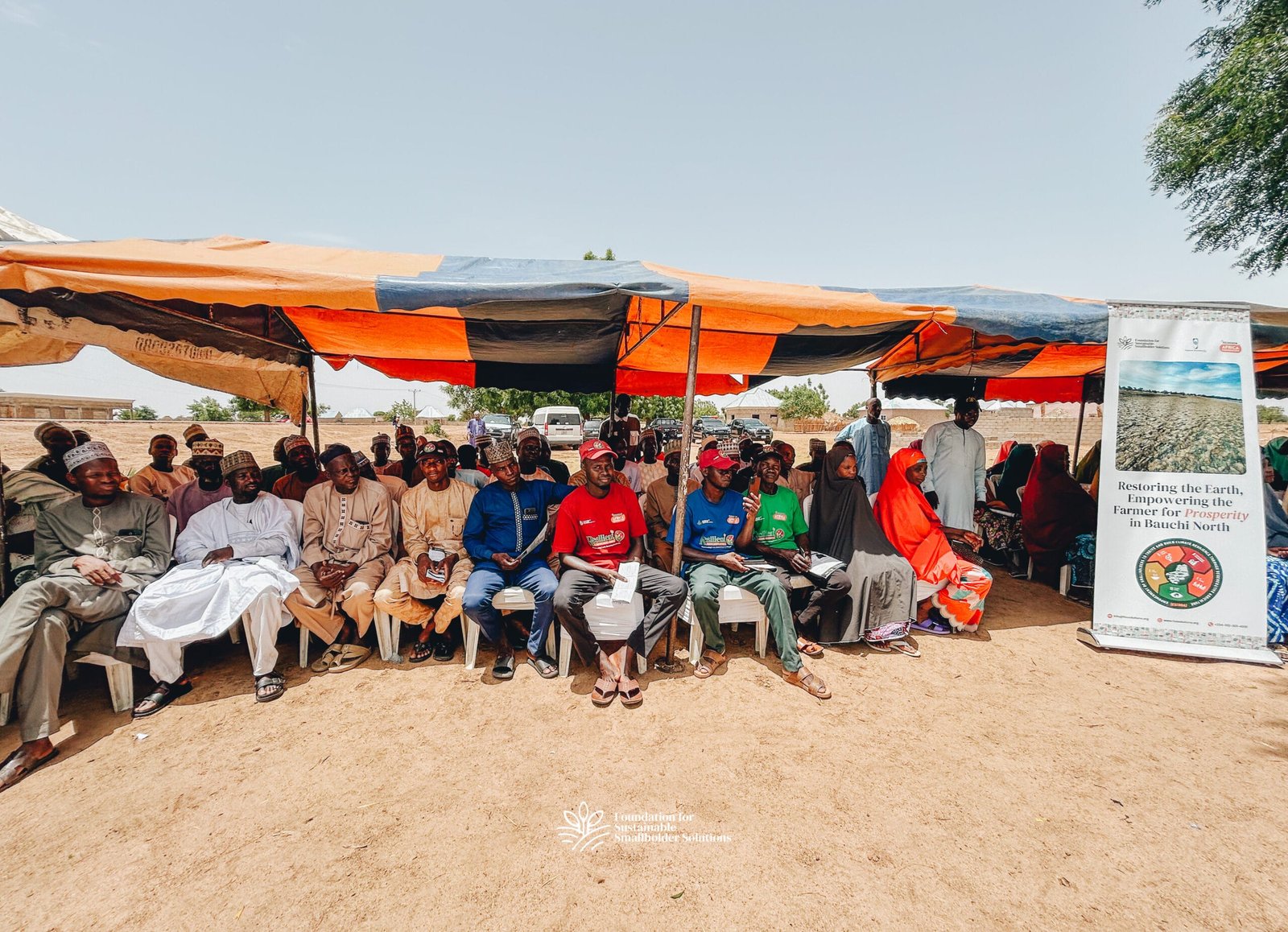
Also addressing participants, Alhaji Shafiyu Haladu of the Women Farmers Advancement Network emphasised the importance of proper management and community ownership, noting that the hubs would evolve into centres for agricultural trade, knowledge sharing, and economic activities during harvest seasons.
Similarly, a long-standing beneficiary of the Foundation’s Farmers’ Hub project in Kano and hub manager, Alhaji Yusuf Bichi highlighted the perennial challenge of counterfeit farm inputs and stated that the hubs would provide farmers with reliable access to genuine and high-quality agricultural products and services.
The ESTRRA Project forms part of the broader commitment of Foundation for Sustainable Smallholder Solutions to building inclusive, sustainable, and market-driven agricultural systems that improve livelihoods, strengthen climate resilience, and enhance food systems across Nigeria.