- Welcome to FSSS Nigeria!
- info@fsssolutions.org
- 1190, Mabushi, Abuja


As the Climate Changes, Farmers in Bauchi North Are Planting for Resilience
IMPACT
If you have visited Northern Bauchi, you will need no convincing of the impact of climate change. For farmers in the region, it is no longer a distant concern. Unpredictable rainfall, drought, floods, declining soil fertility and land degradation are increasingly shaping what farmers can grow and how much they can harvest.
With more than 80% of households in the project area depending on rain-fed agriculture, these changes can have serious consequences for families whose food and income depend on the land.
The ESTRRA Baseline Study found that more than 80% of respondents had experienced declining crop yields over the previous two years. It also recorded 41% land degradation and 63% deforestation, while 82% of households experience moderate food insecurity and another 14% experience high food insecurity.
For farmers, adapting to these realities means finding ways to protect their land while keeping their farms productive.
One of the responses to this predicament is taking root across the region: agroforestry.
Through the Empowerment of Smallholder Farmers to Thrive and Build Climate Resilience through Regenerative Agriculture (ESTRRA) Project, the Foundation for Sustainable Smallholder Solutions (FSSS) is helping farmers integrate economic trees into their farming systems as part of a wider approach to climate resilience.
Funded by the HEINEKEN Africa Foundation (HAF) and Nigerian Breweries PLC, the three-year project is supporting smallholder farmers across seven Local Government Areas to improve productivity, strengthen resilience and build more sustainable livelihoods.
Agroforestry is not entirely new to Bauchi North.
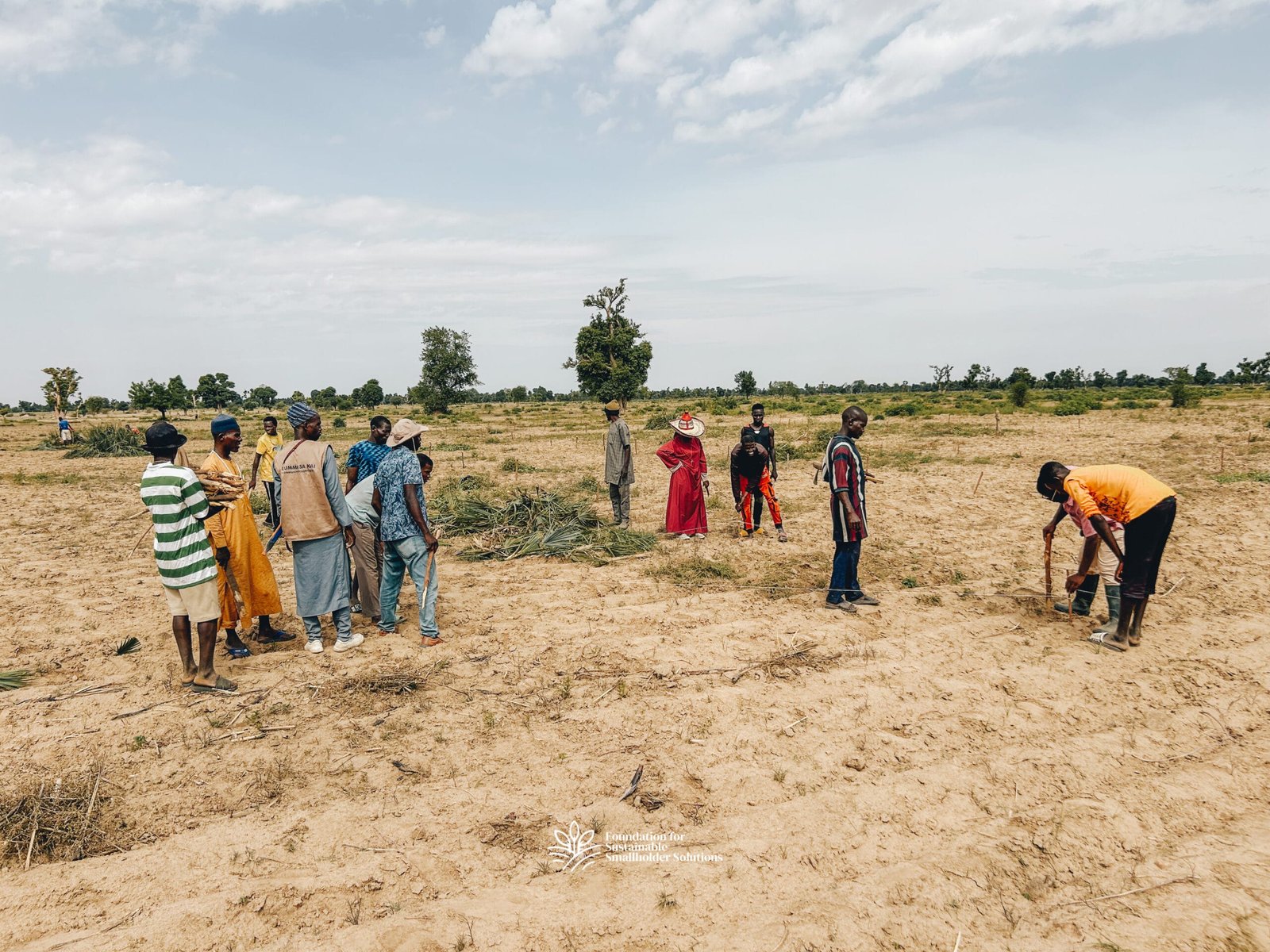
The ESTRRA baseline identified farmers already managing integrated fruit forests, where perennial trees are grown alongside annual crops. These systems can provide food and income while contributing to soil improvement, shade and greater resilience to environmental pressures.
The trees also offer another way for farming households to diversify what they produce.
ESTRRA is building on this existing knowledge and practice by giving farmers access to seedlings, training and practical learning opportunities.
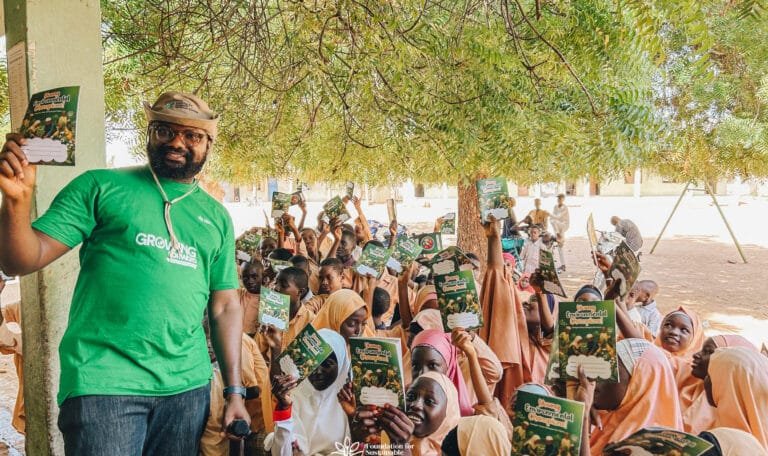
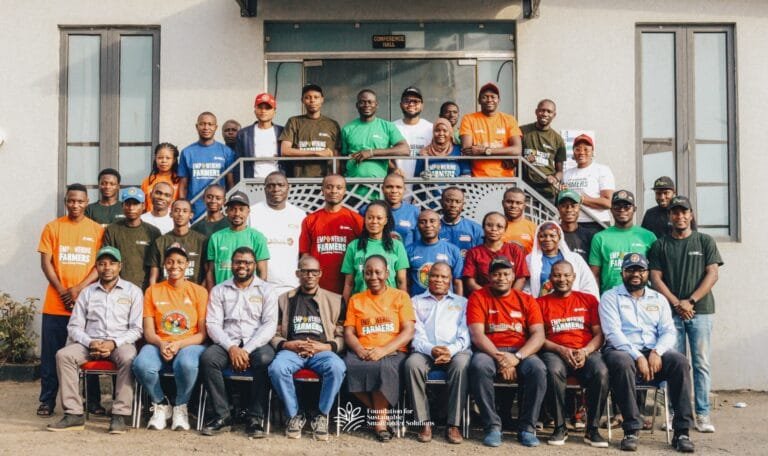
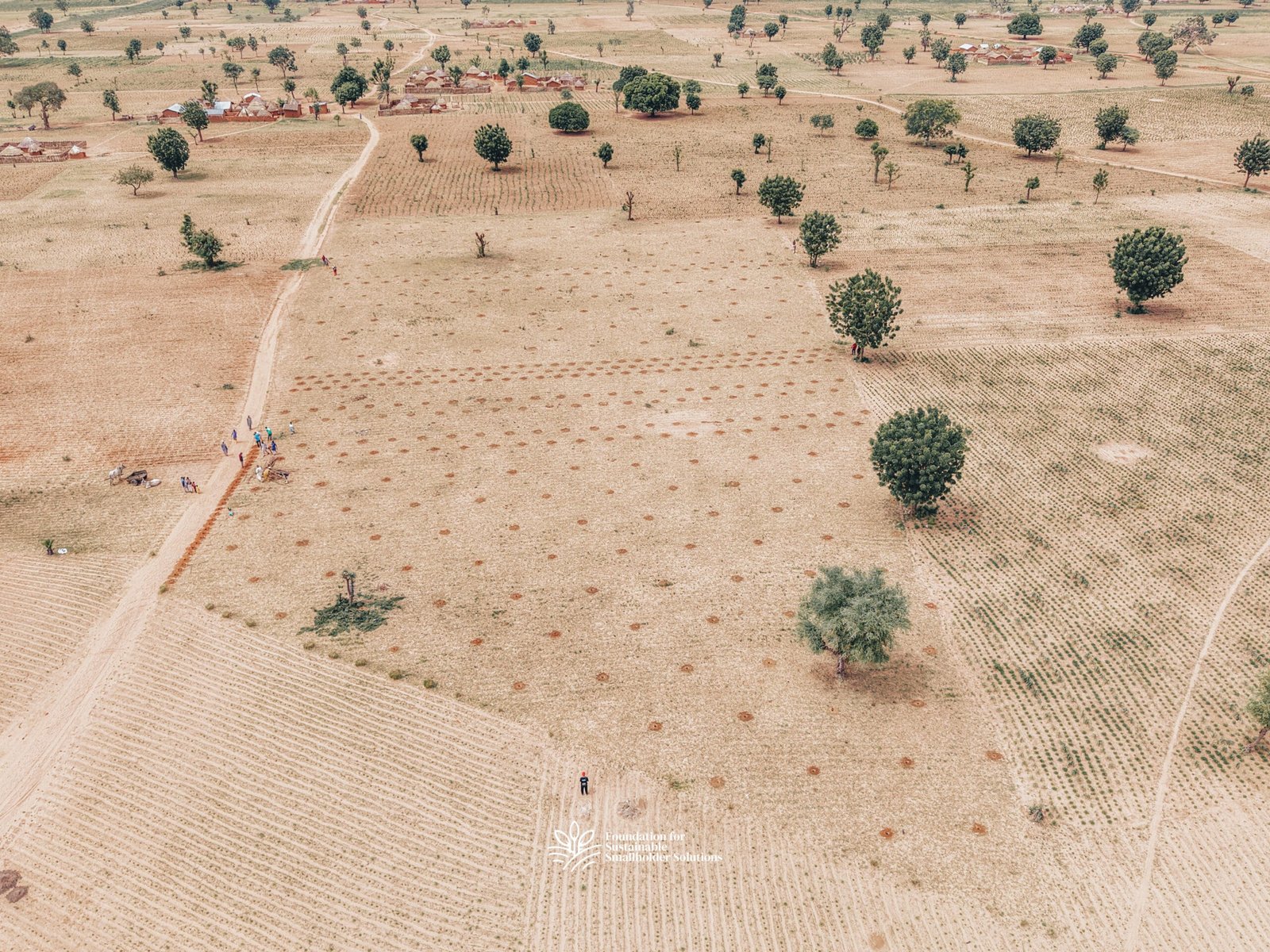
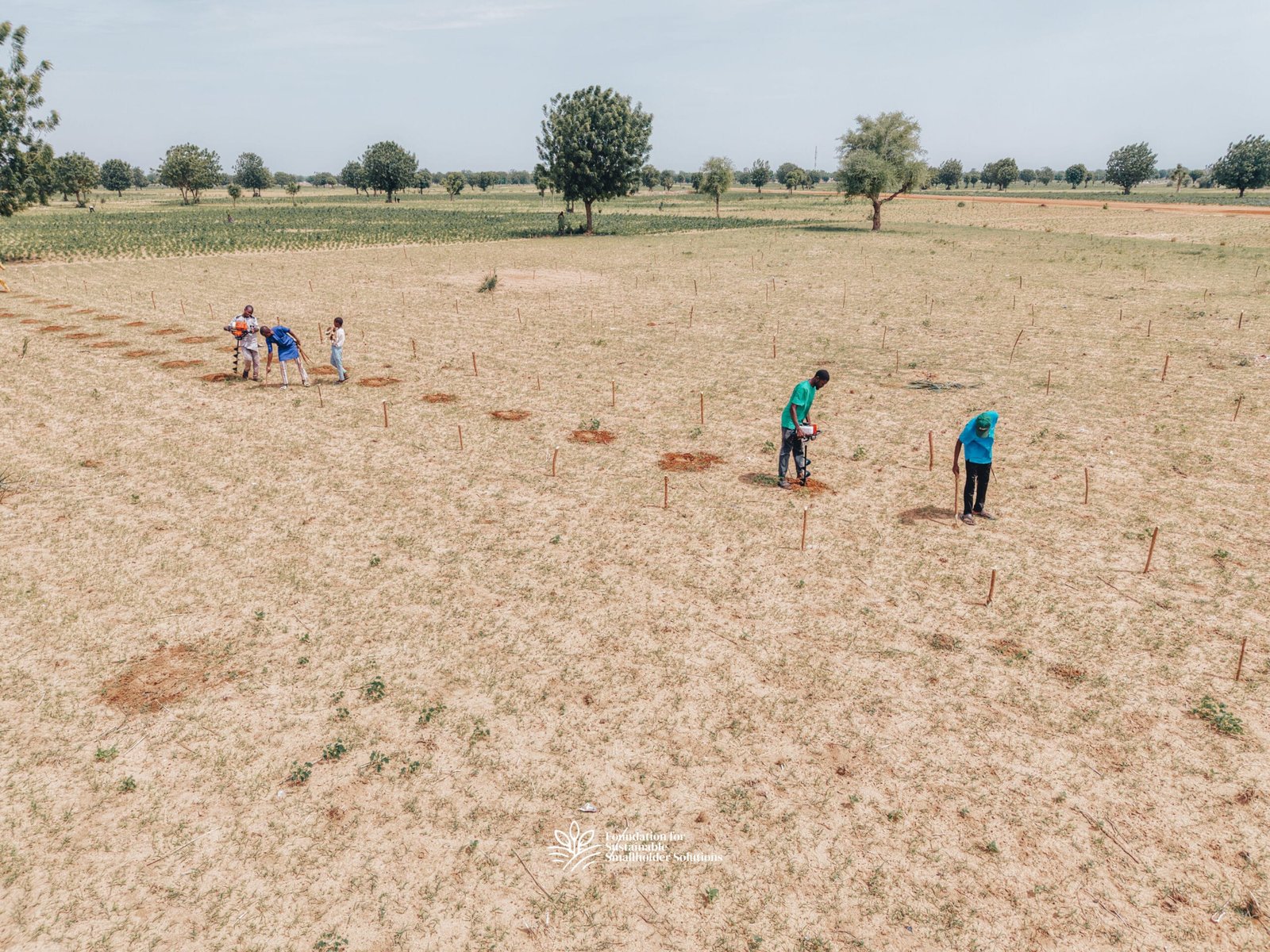
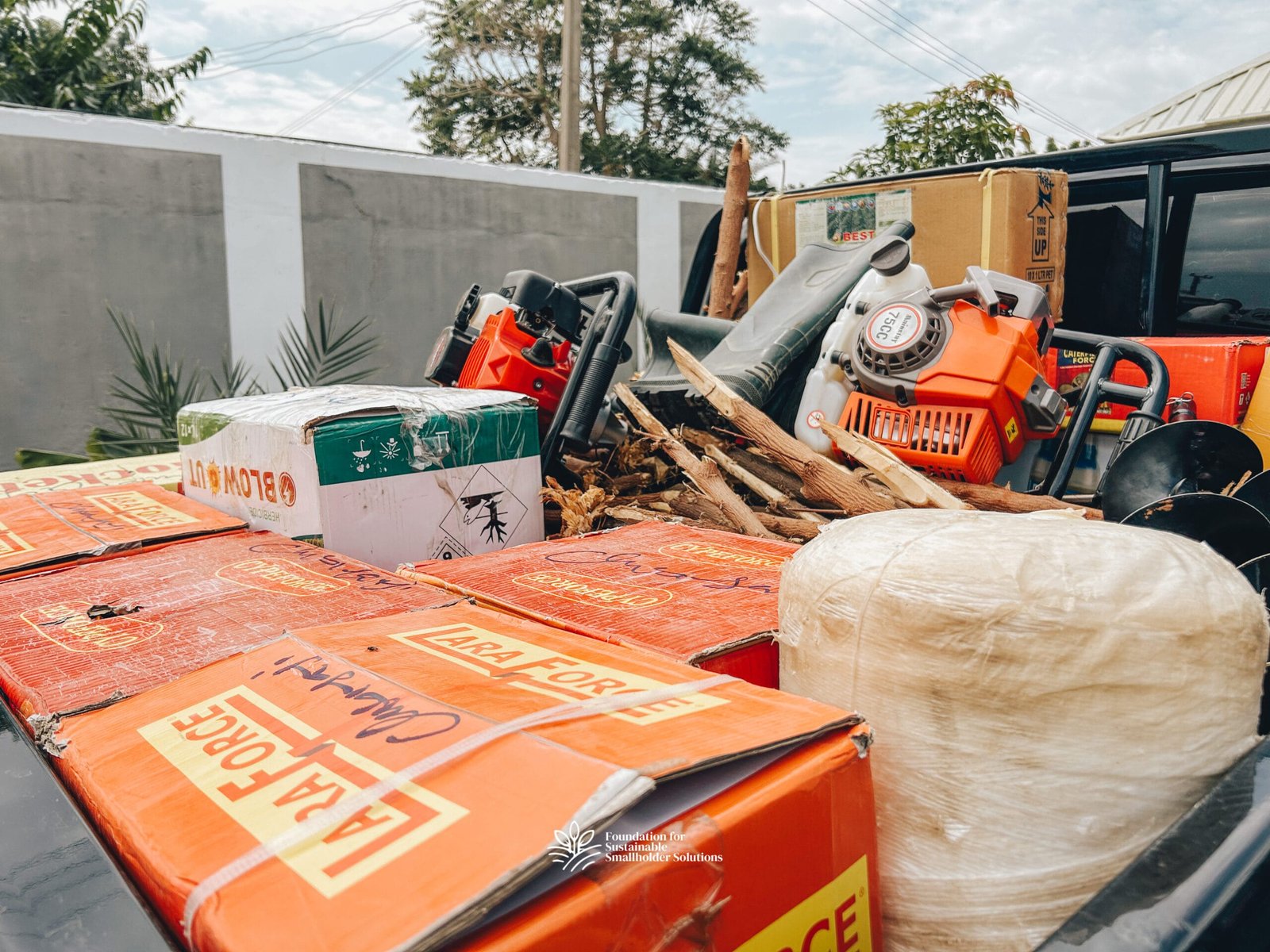
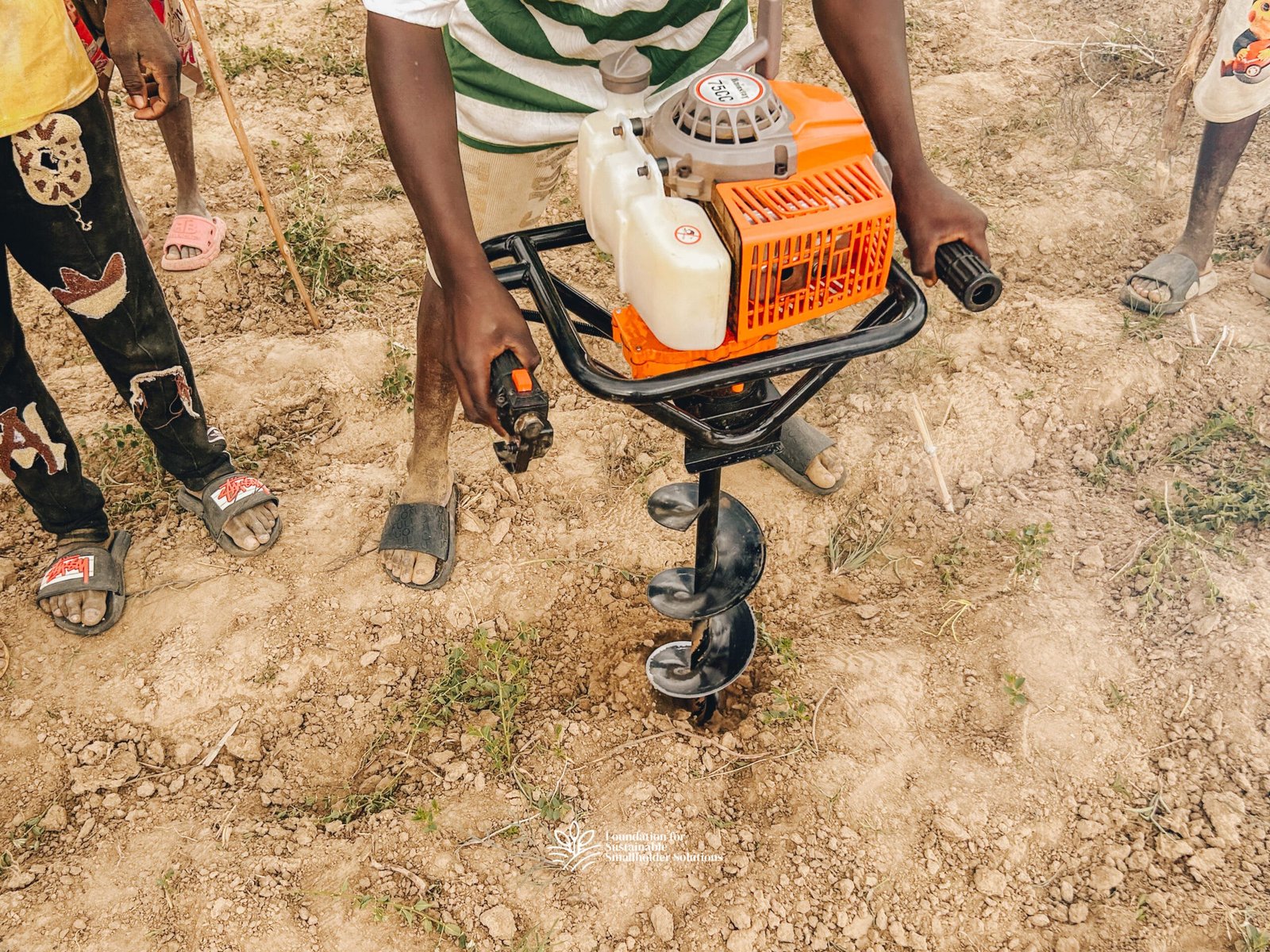
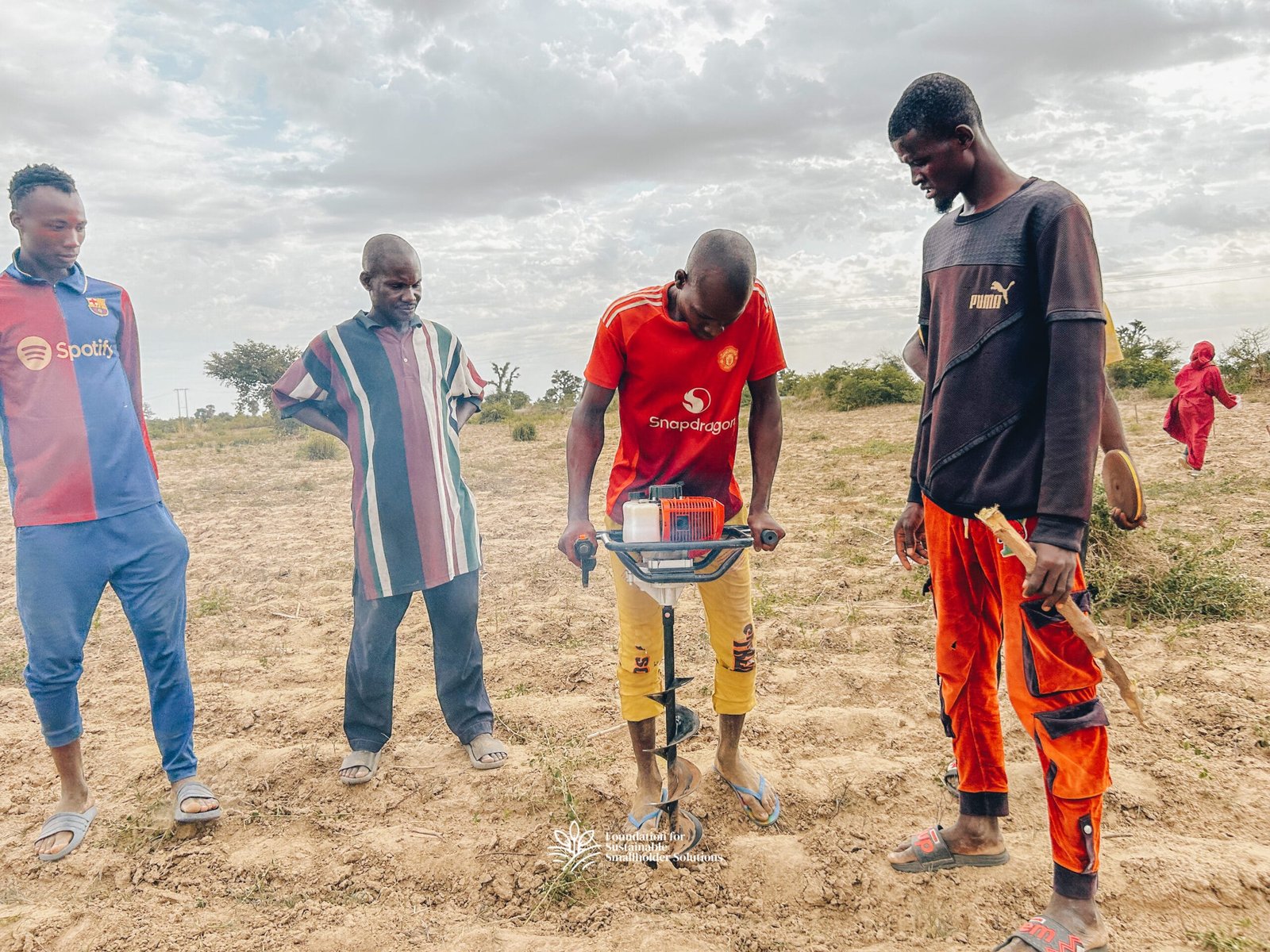
In the first phase, more than 70 farmers were trained in agroforestry and supported to establish eight agroforestry learning sites. The sites will serve as practical learning platforms for Farmer Field Schools, where farmers can learn how to establish, manage and integrate trees into their farming systems. 5,673 seedlings were used across the eight agroforestry sites, creating demonstration areas where farmers can see the practices develop over time.
The project also distributed 6,500 economic tree seedlings to 500 households, with each household receiving 13 seedlings to establish permagardens.
Together, the household permagardens and agroforestry learning sites accounted for 12,173 trees planted in the first year. Additionally, 70 trees were planted in secondary schools, bringing the total number of trees planted during the first phase to 12,243.
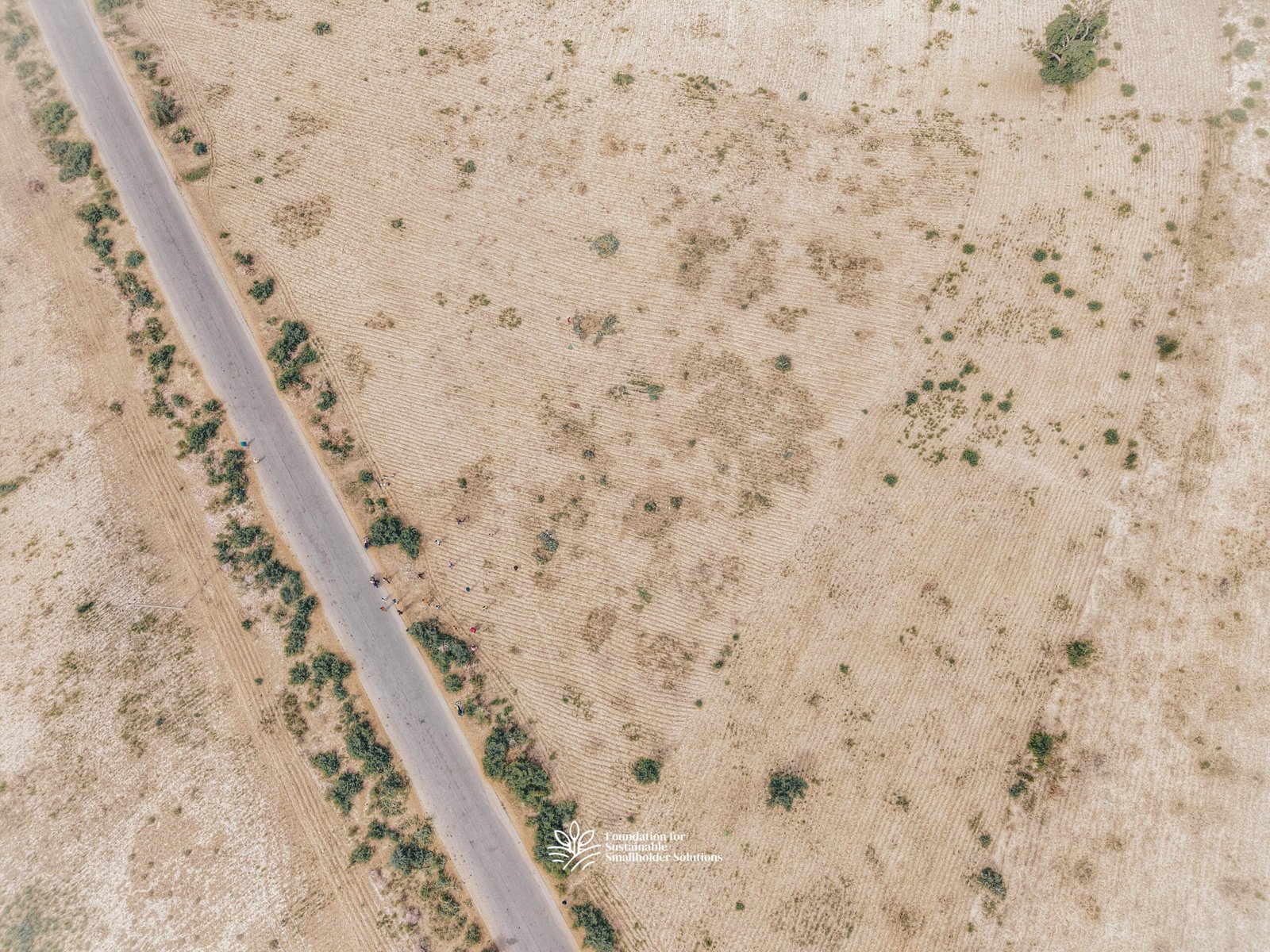
The intervention spans Kutnas in Gamawa, Dalli in Shira, Kurba in Giade, Dogon-Jeji in Jama’are, Magwanshi, Gambaki and Bangazel in Katagum, and Sa’adu Zungur University in Gadau.
The seedlings include Tommy, John Bull, Dausha and Broken mango varieties; Washington, Ibadan Sweet and Tangerine citrus varieties; guava, cashew, plantain, banana, moringa, gliricidia and papaya.
For Umar Aliyu, a farmer from Gambaki community in Katagum LGA and an ESTRRA beneficiary, planting these trees is an investment in what comes next.
“These trees are important to me because they can give us food and also something to sell in the future. The seedlings are still small now, but we will take care of them. I believe that when they grow, they will help my family and make the farm better.”
For the trees to survive and deliver these benefits, farmers need more than seedlings. They need the knowledge to establish and care for them.
That is why technical training has been an important part of the intervention.
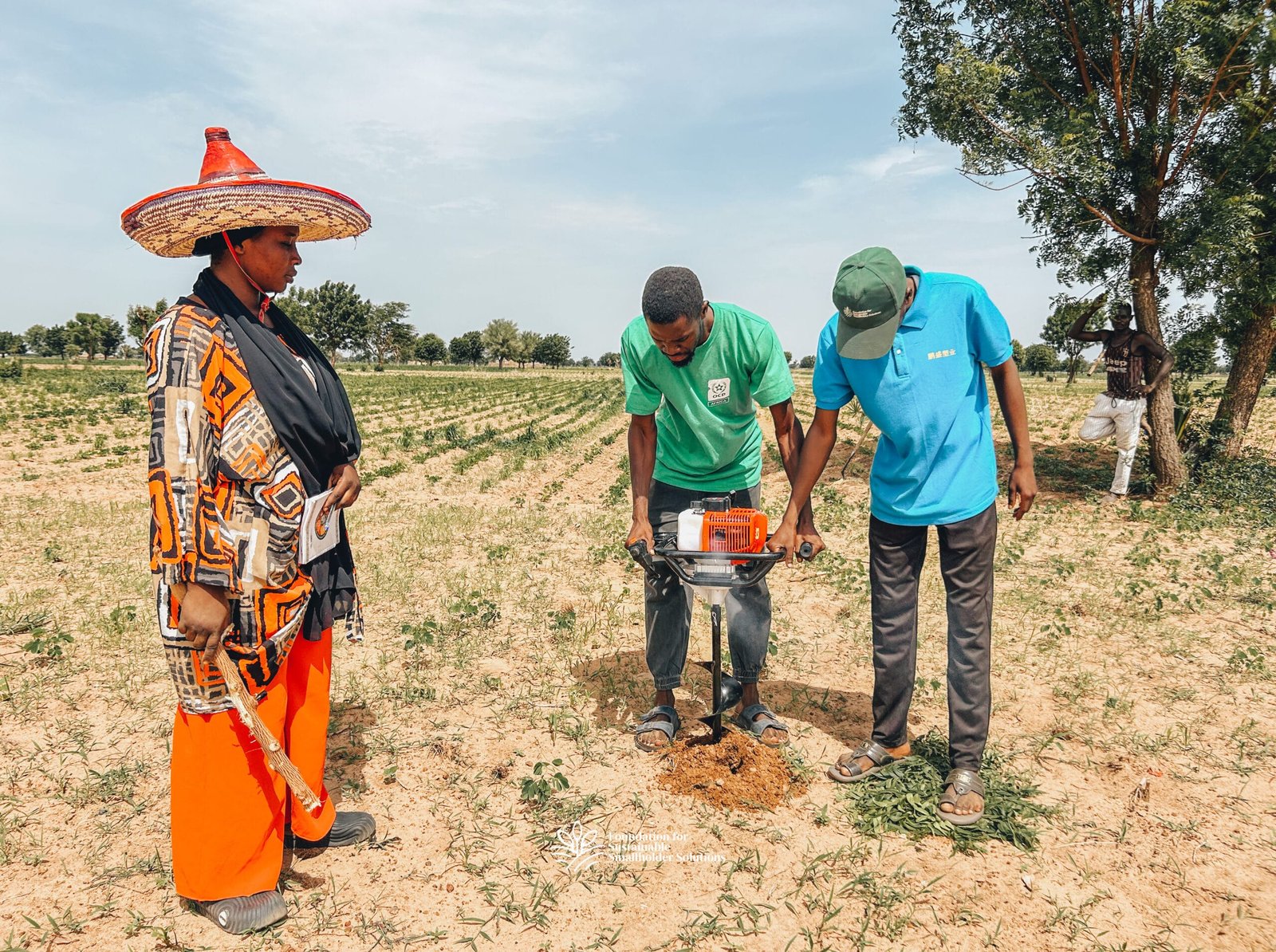
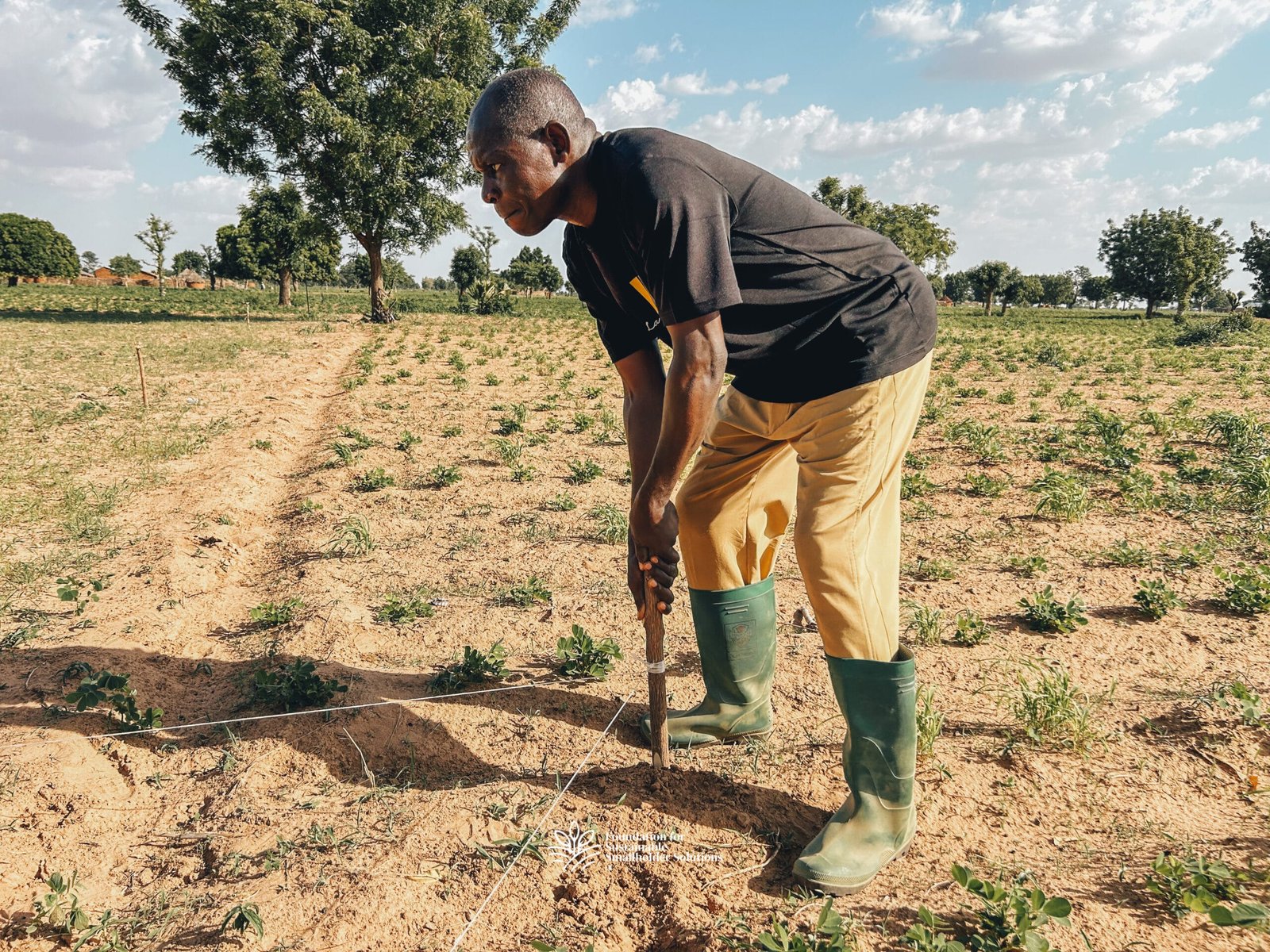
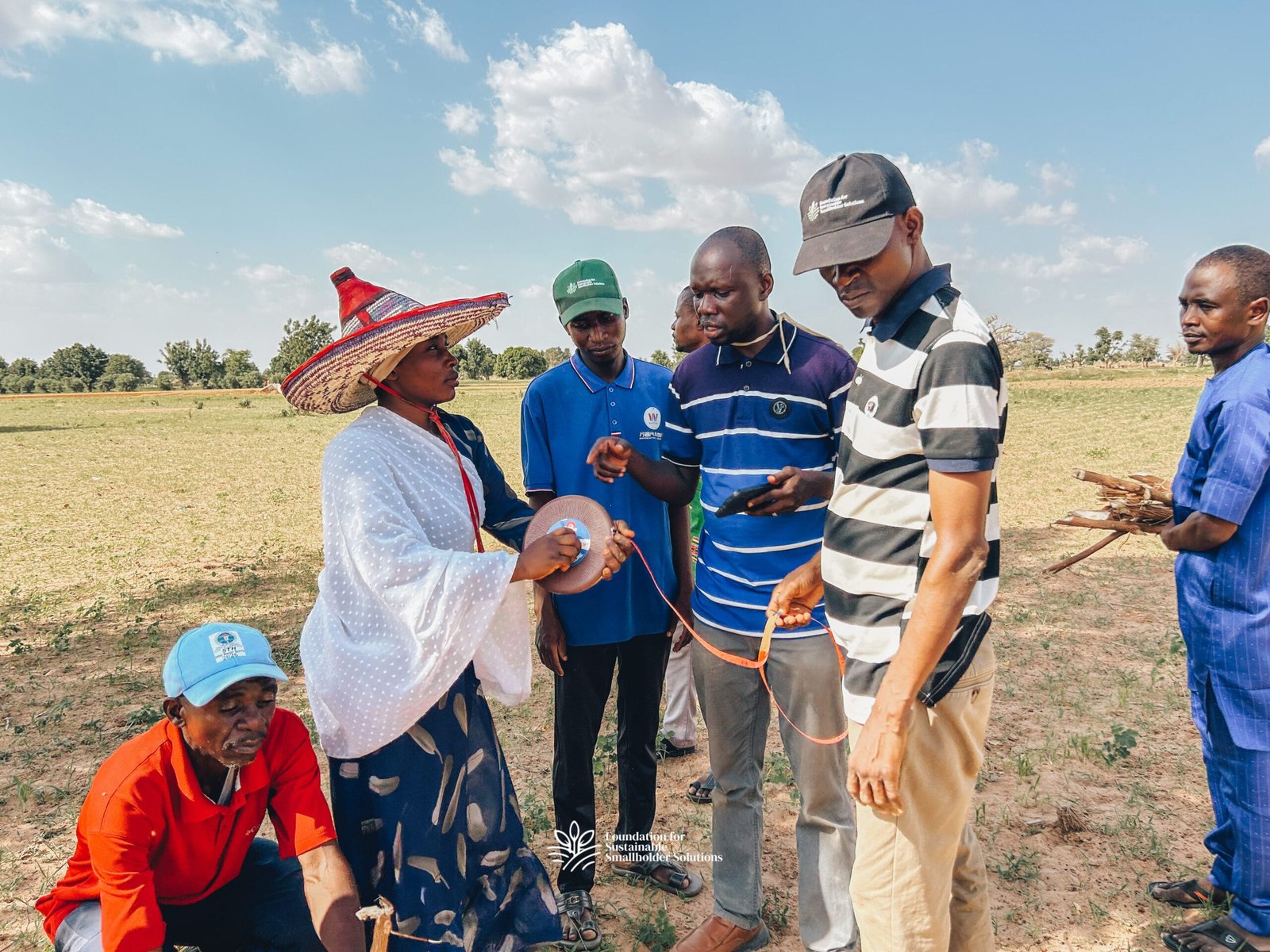
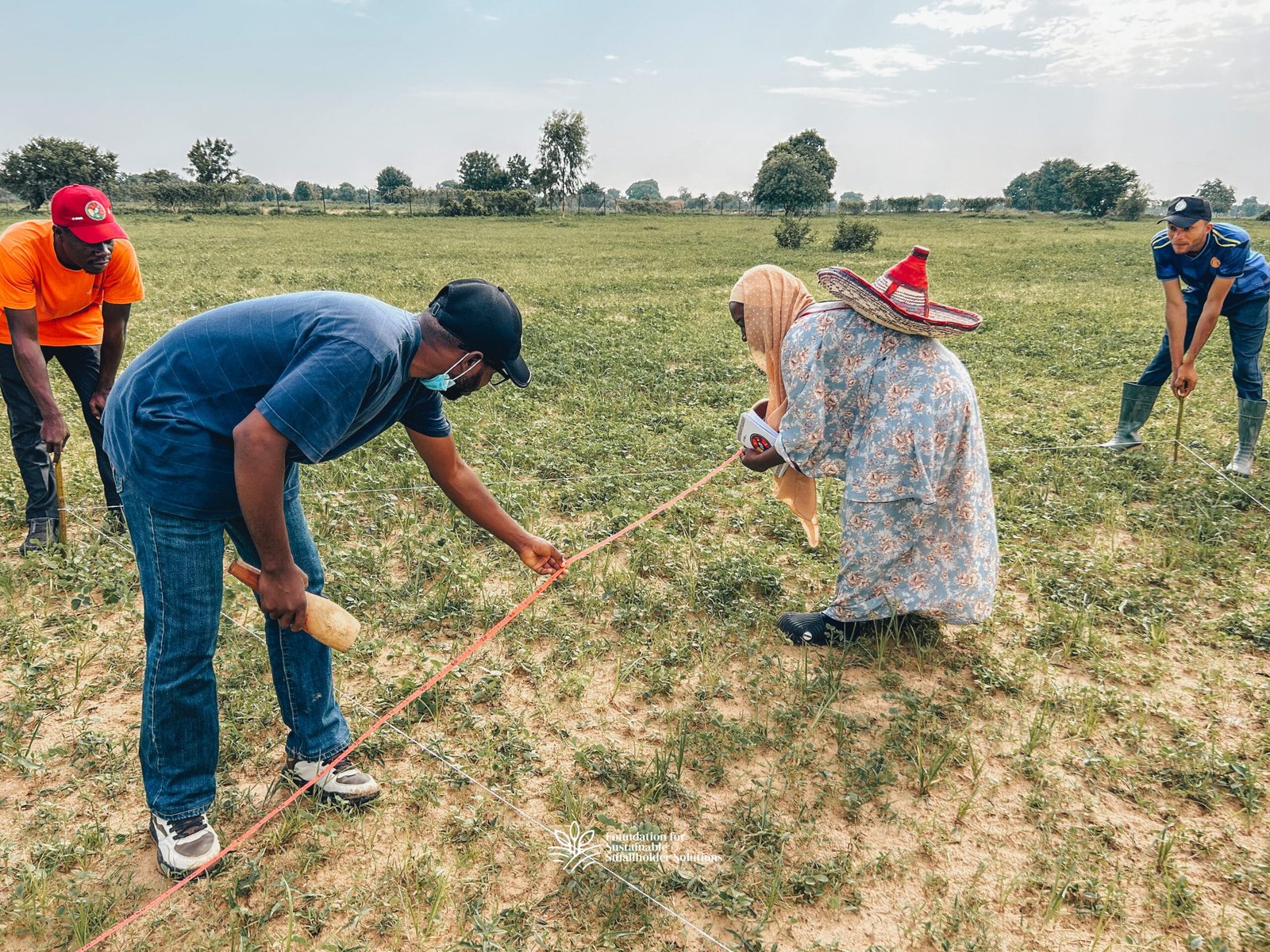
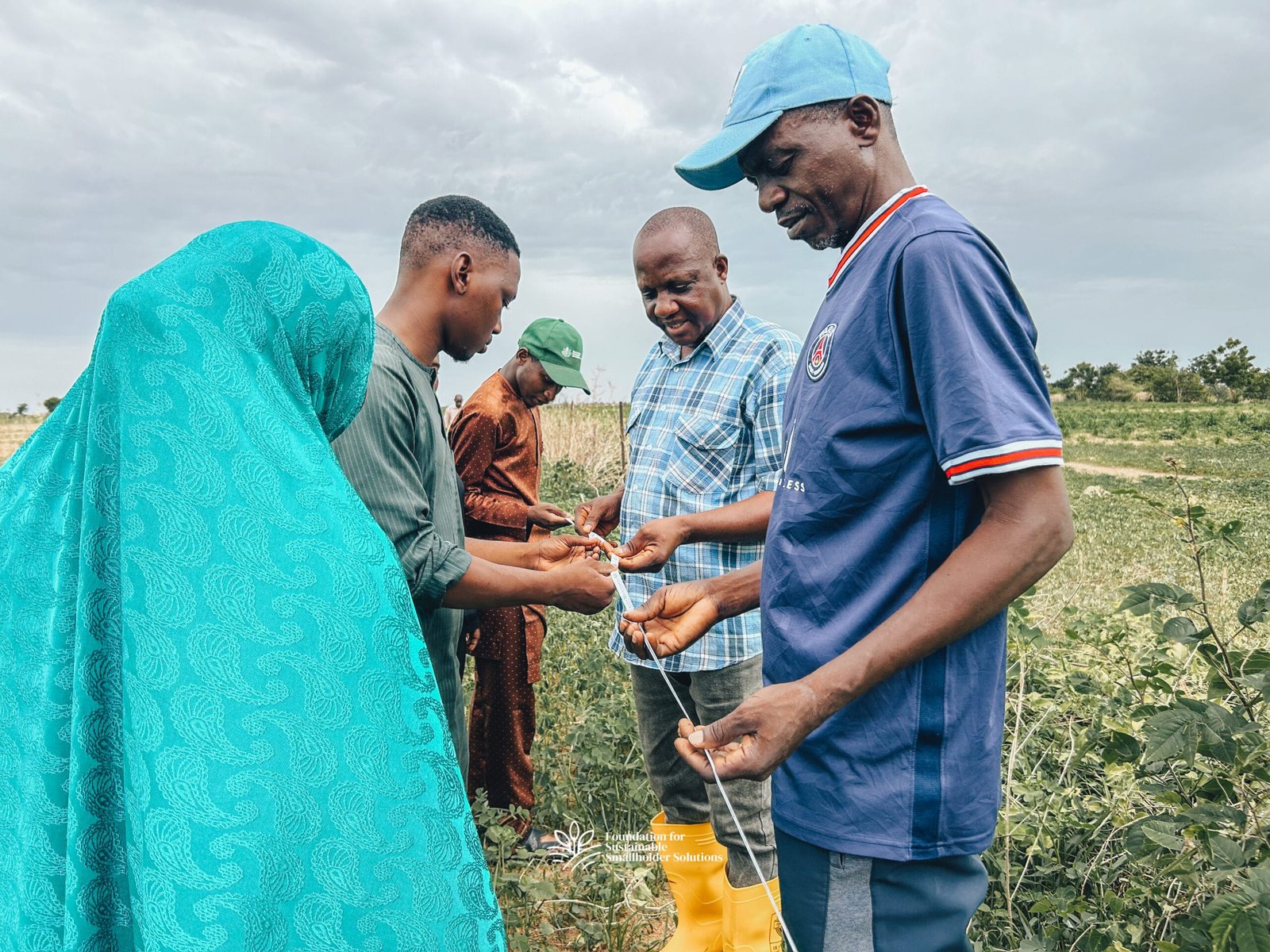
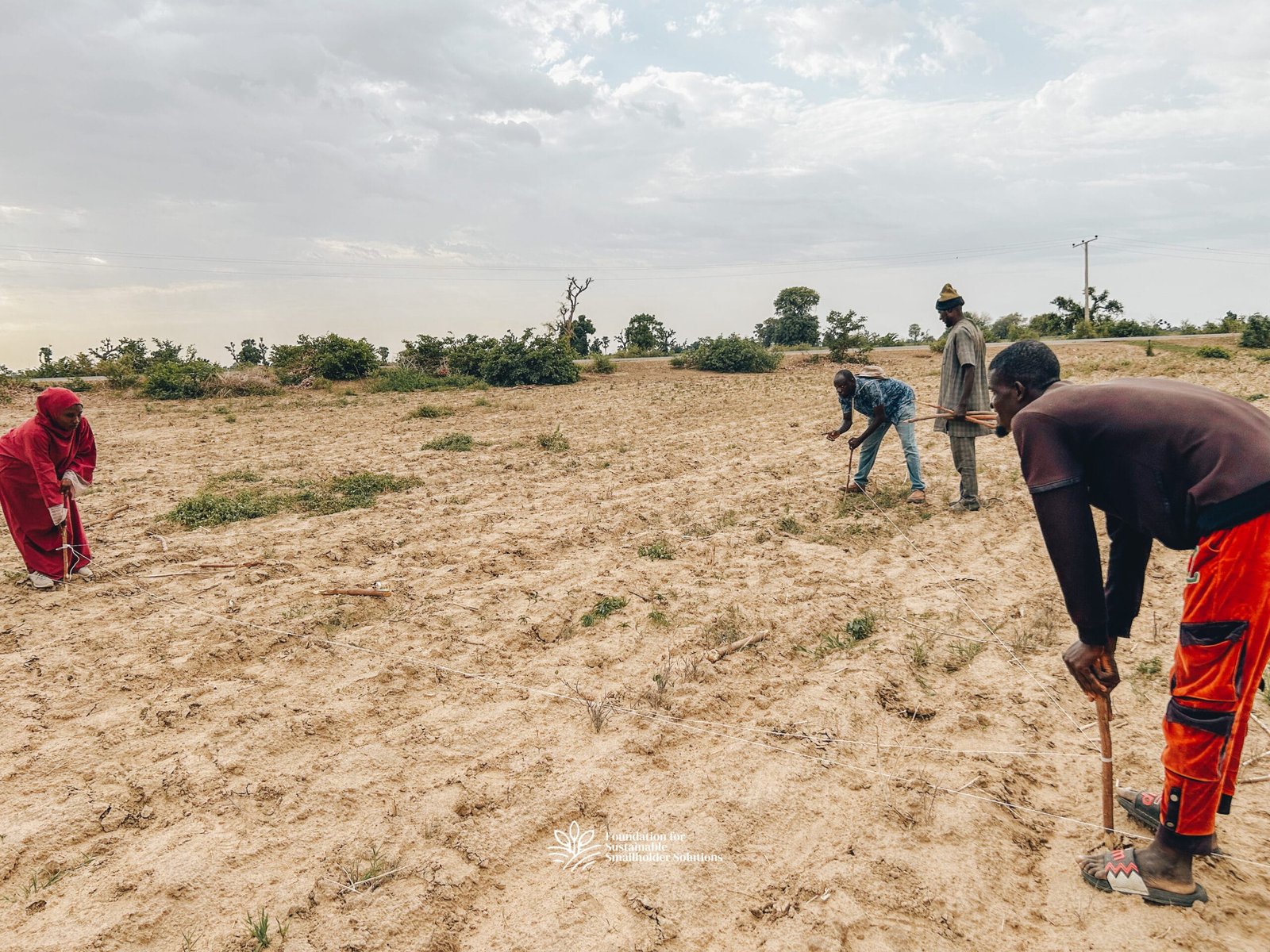
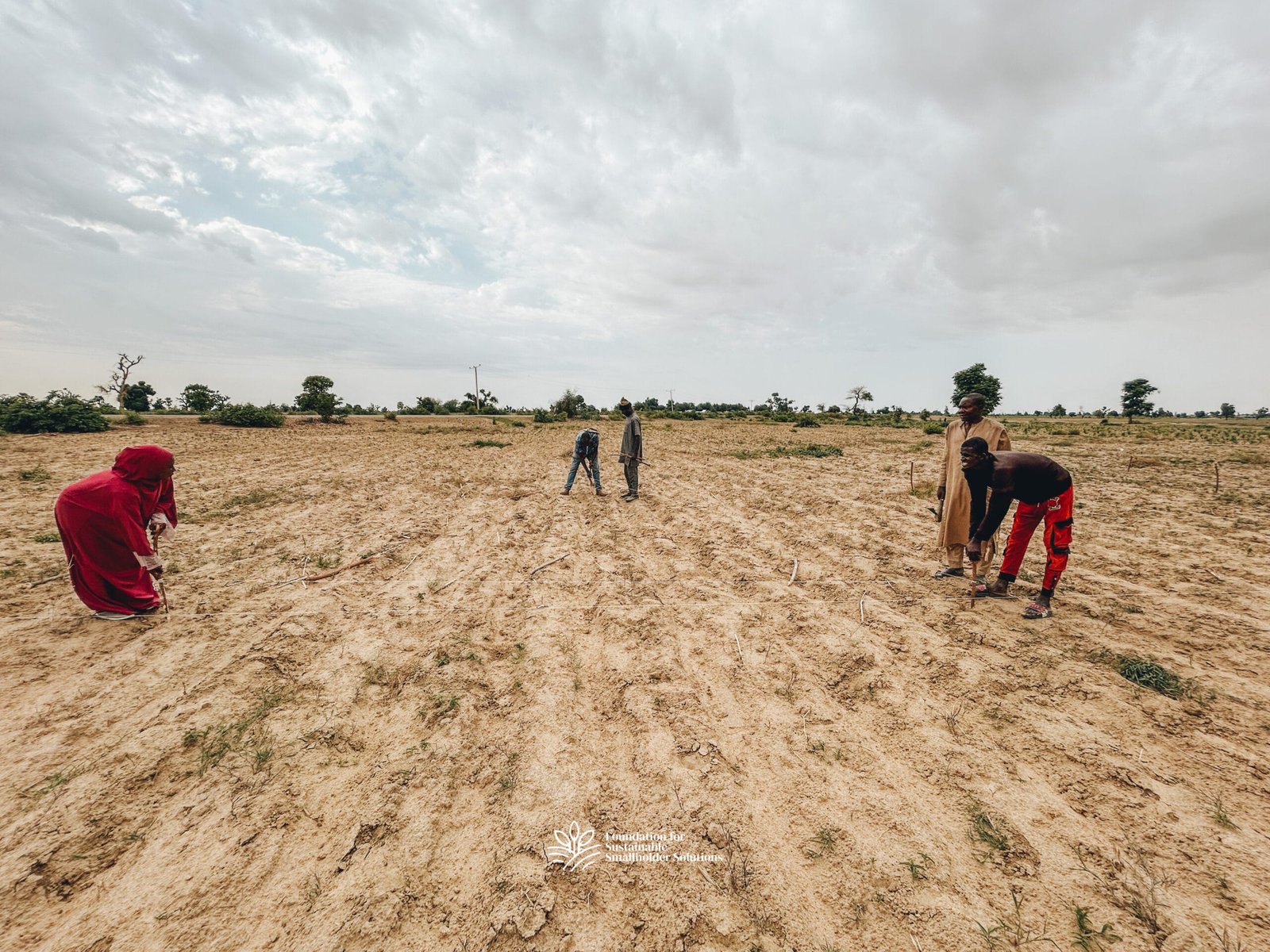
Paul Tamen, an Agricultural Expert and Consultant who supported the project with technical training, worked with the FSSS team on good agronomic practices for establishing and managing economic tree crops.
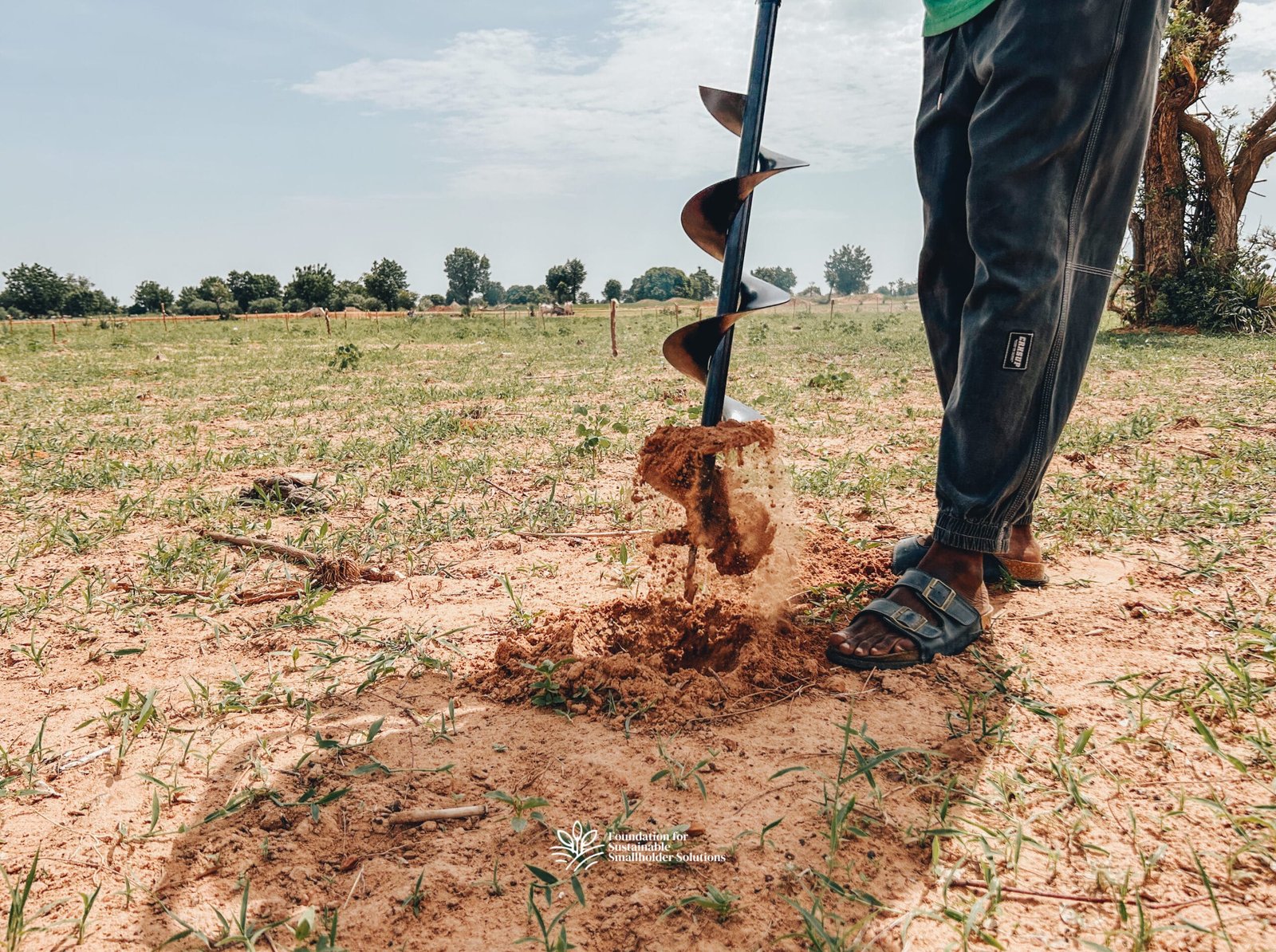
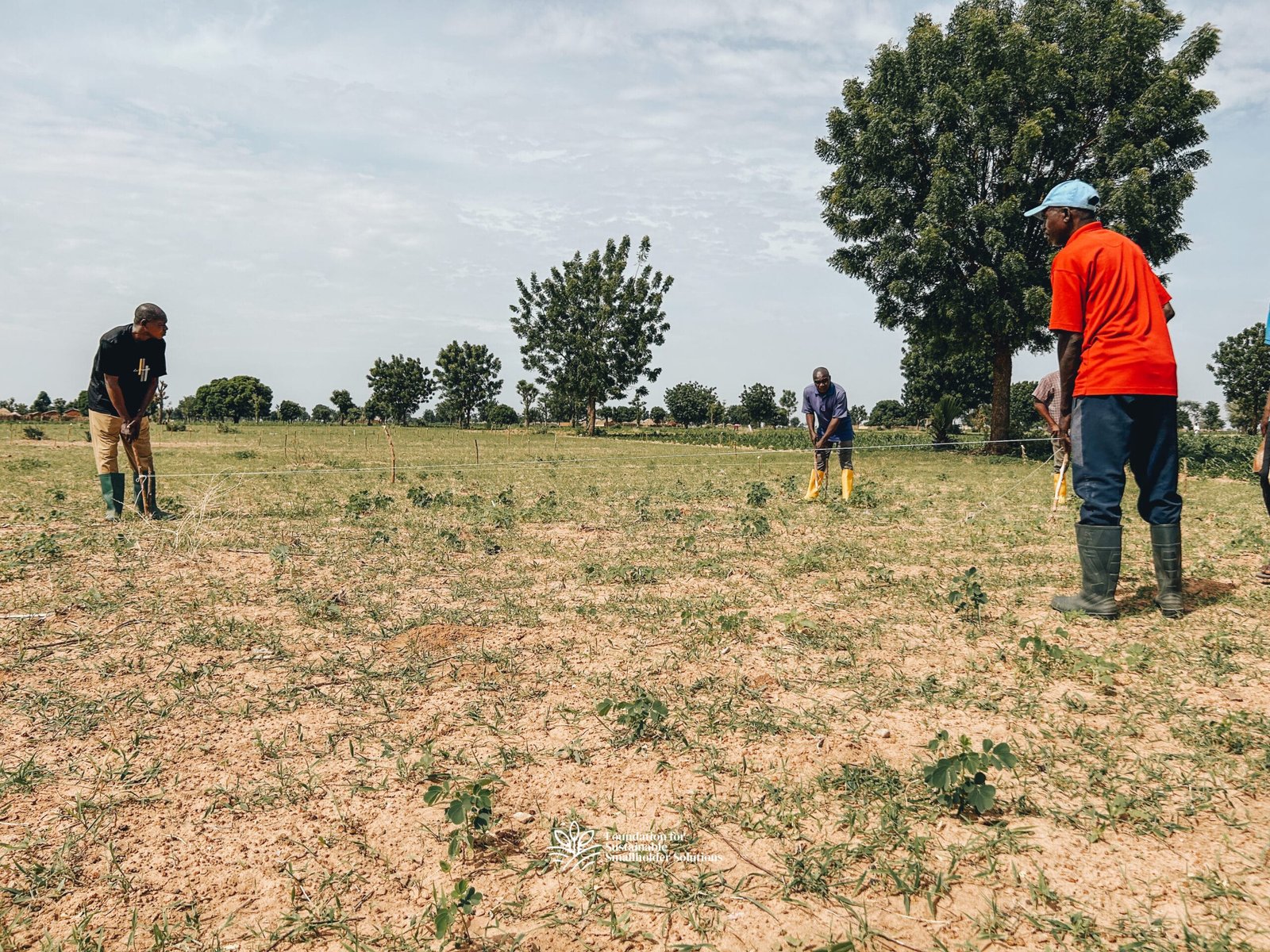
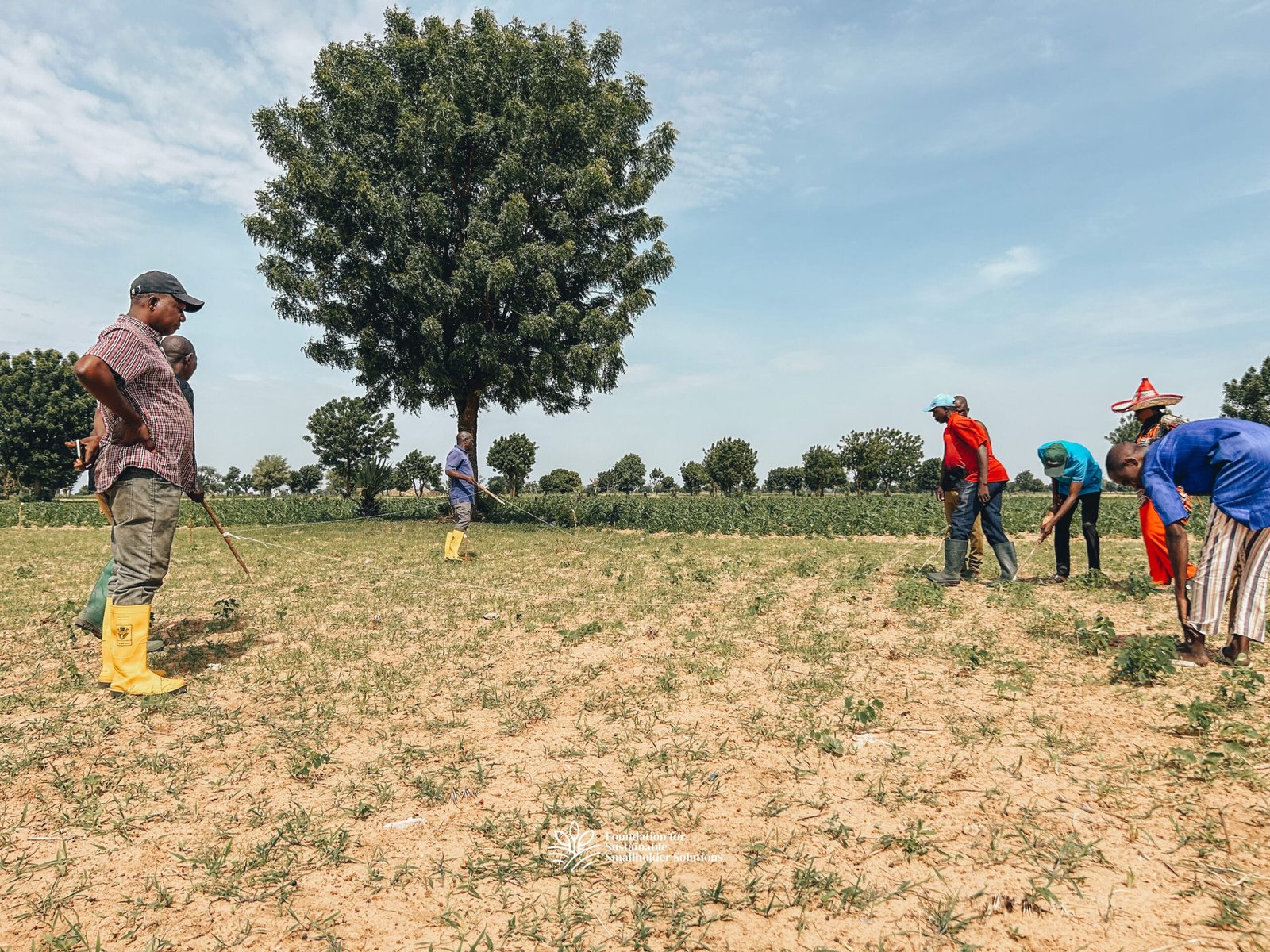
“My coming to the FSSS/HAF [ESTRRA] Project is to give the FSSS team comprehensive training on the economic tree crops. I gave training on good agronomic practices involved in establishing tree crops, laying out where the tree crops will be planted, and teaching the practical and technicalities involved.”
The training covers practical areas such as land mapping, spacing, farm layout, planting and seedling management. Farmers will be able to continue learning through the agroforestry sites and Farmer Field Schools.
This is particularly important as climate-smart agriculture adoption remains limited in the project area. The baseline found that 53% of respondents reported using no climate-smart agricultural practice.
ESTRRA is therefore working not only to put trees in the ground, but to equip farmers with practical knowledge they can use to manage their land in the face of climate pressures.
For Timothy Azakere, Technical Lead and ESTRRA Project Manager, the value of agroforestry lies in its multiple benefits.
“This part of the project is cross-cutting. One, we’re using agroforestry to regenerate the soil. The same fruit forests will also be used as an economic means for the farmers.”
As the trees mature, farmers will be able to consume some of their produce and sell the surplus.
“In the next three years, these things will start fruiting. The farmers will use it as food and the excess of it they will sell to get revenue.”
This creates an opportunity to diversify household food sources while providing another potential income stream.
The environmental benefits are equally important.
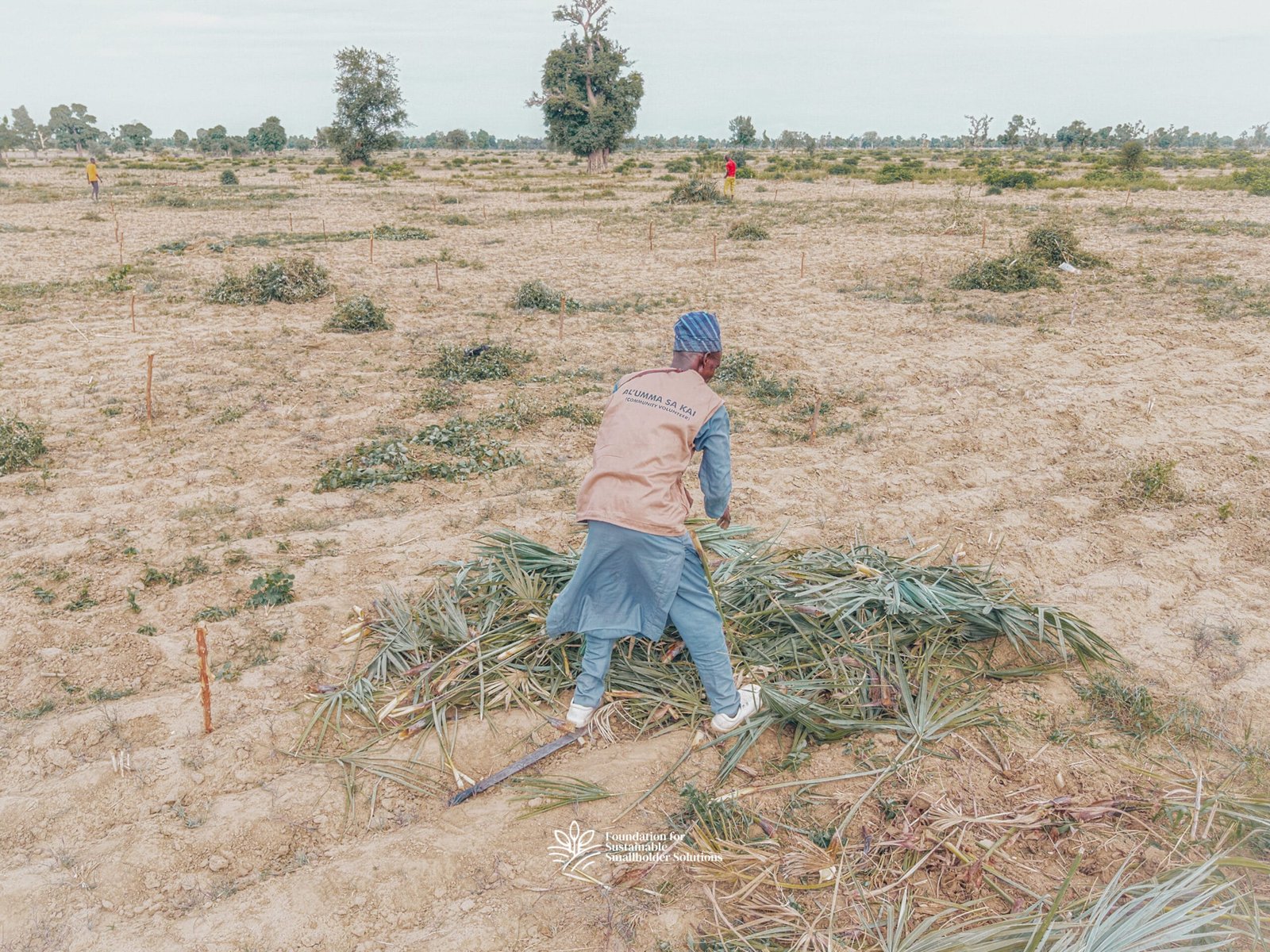
Trees can provide shade, while their roots and decomposing leaves can contribute to soil structure and organic matter over time. For farmers working on degraded land, these gradual changes can help improve the conditions in which crops are grown.
“Right now, the soil is very dry and degraded. And when all these processes begin to happen, it will start bringing life to the soil,” Azakere says.
The baseline found that 47% of respondents identified soil improvement and restoration as a key climate mitigation benefit, with others highlighting improved soil organic matter and reduced land degradation.
For farmers, resilience therefore means more than surviving the next drought or flood. It means building farming systems that can continue producing food and income despite changing conditions.
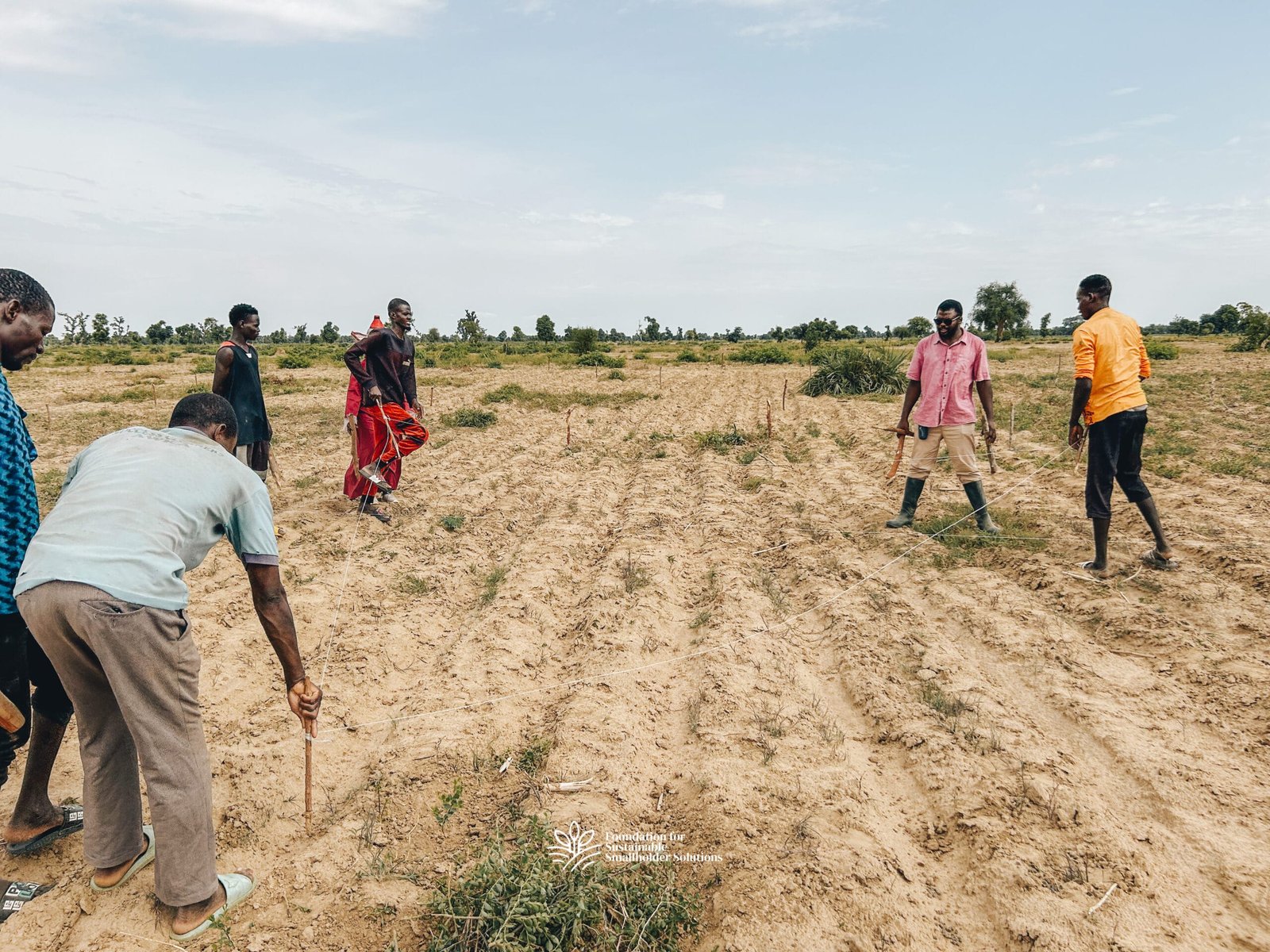
The first phase is laying the foundation for a wider expansion.
In the second phase, farmers who have received agroforestry training will receive seedlings from the 14,000 additional trees to cultivate on their own farms. This will allow them to take the knowledge gained from the training and learning sites directly into their fields, expanding agroforestry beyond the demonstration areas.
FSSS plans to plant 24,000 economic trees across the project area as part of the wider agroforestry intervention.
The work contributes to ESTRRA’s broader ambition to support the restoration of 29,000 hectares of degraded land across Bauchi North through regenerative approaches, including fruit forests, earth bunds and half-moon structures.
For now, the seedlings are still young.
They will need water, care and protection before they can provide fruit, income and shade.
But that is the nature of building resilience. It takes time.
For Umar, the future benefit is worth the effort.
“These trees are important to me because they can give us food and also something to sell in the future.”
Across Bauchi North, farmers are not waiting for the climate to become easier. They are learning, adapting and planting for what comes next.
Through ESTRRA, FSSS, with support from the HEINEKEN Africa Foundation and Nigerian Breweries PLC, is helping farmers put resilience into the ground, one tree at a time.