- Welcome to FSSS Nigeria!
- info@fsssolutions.org
- 1190, Mabushi, Abuja

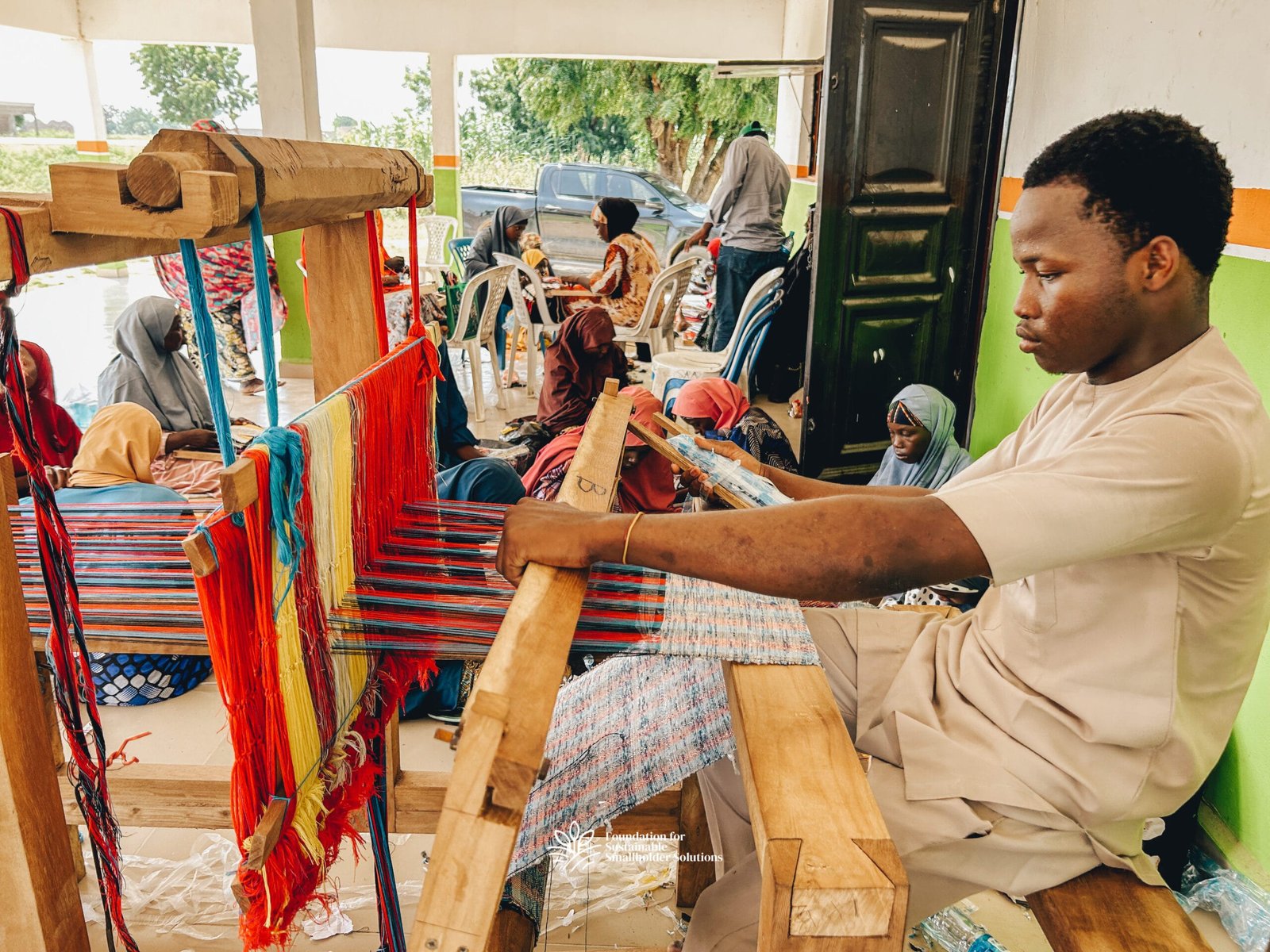
ESTRRA Trains 310 Beneficiaries in Rabbit Production and Textile Skills
Through rabbit management and housing training and textile recycling, the ESTRRA Project is helping smallholders and rural community members develop additional income opportunities beyond farming.
IMPACT
For smallholder farmers, building a resilient livelihood often means looking beyond the farm. Seasonal income, climate-related challenges and the costs of agricultural production make it important for households to explore other ways of earning a living.
Recognising this need, the Foundation for Sustainable Smallholder Solutions (FSSS), through the Empowerment of Smallholder Farmers to Thrive and Build Climate Resilience through Regenerative Agriculture (ESTRRA) Project, has been supporting income-generating activities (IGAs) to help smallholders and rural community members diversify their livelihoods.
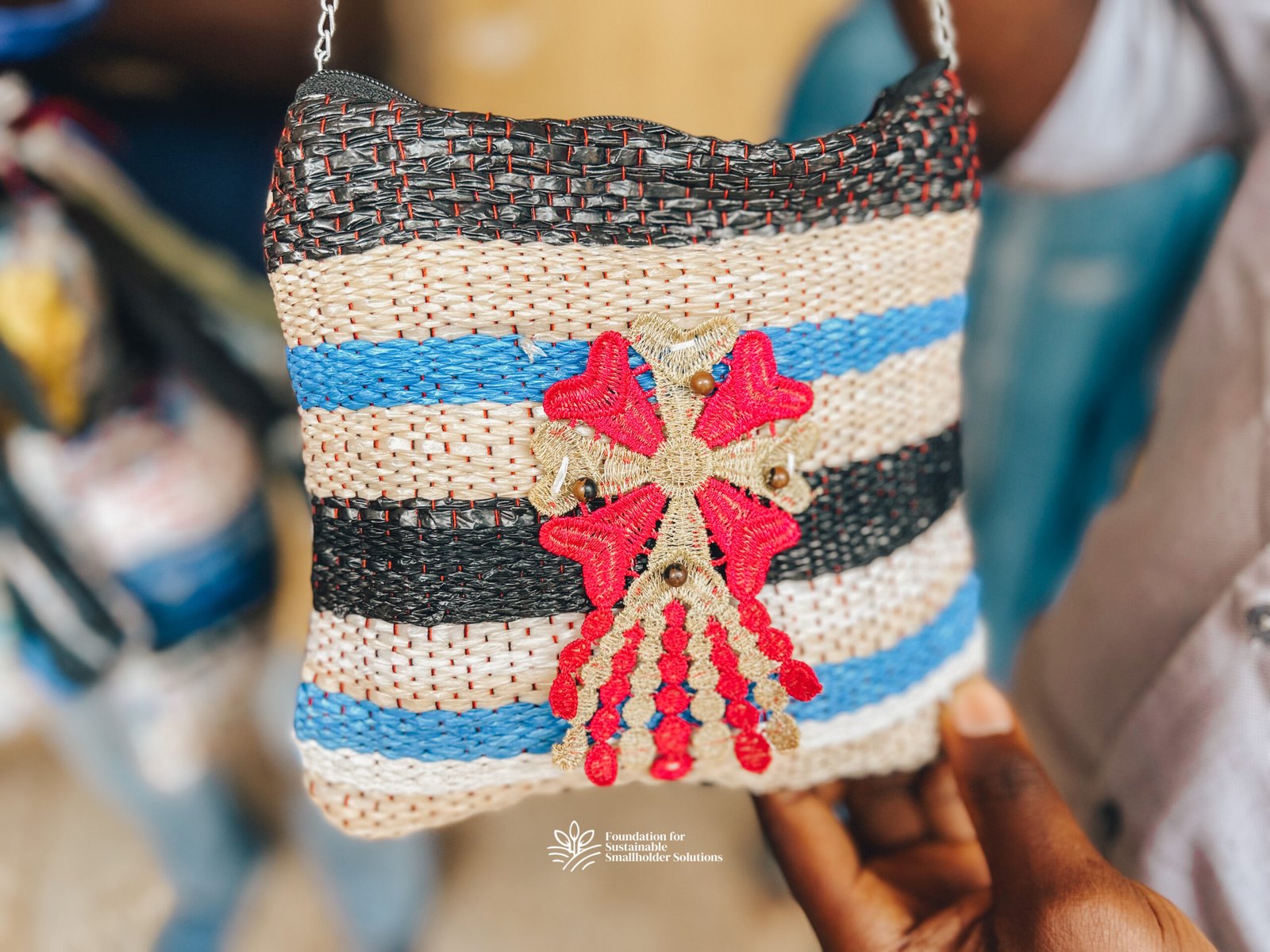
With support from the HEINEKEN Africa Foundation and Nigerian Breweries PLC, the project has provided vocational and enterprise skills training in areas including cap-making, painting and hairdressing. More recently, its livelihood diversification efforts have included rabbit management and housing, alongside textile and weaving skills that teach participants to turn discarded nylon into useful products.
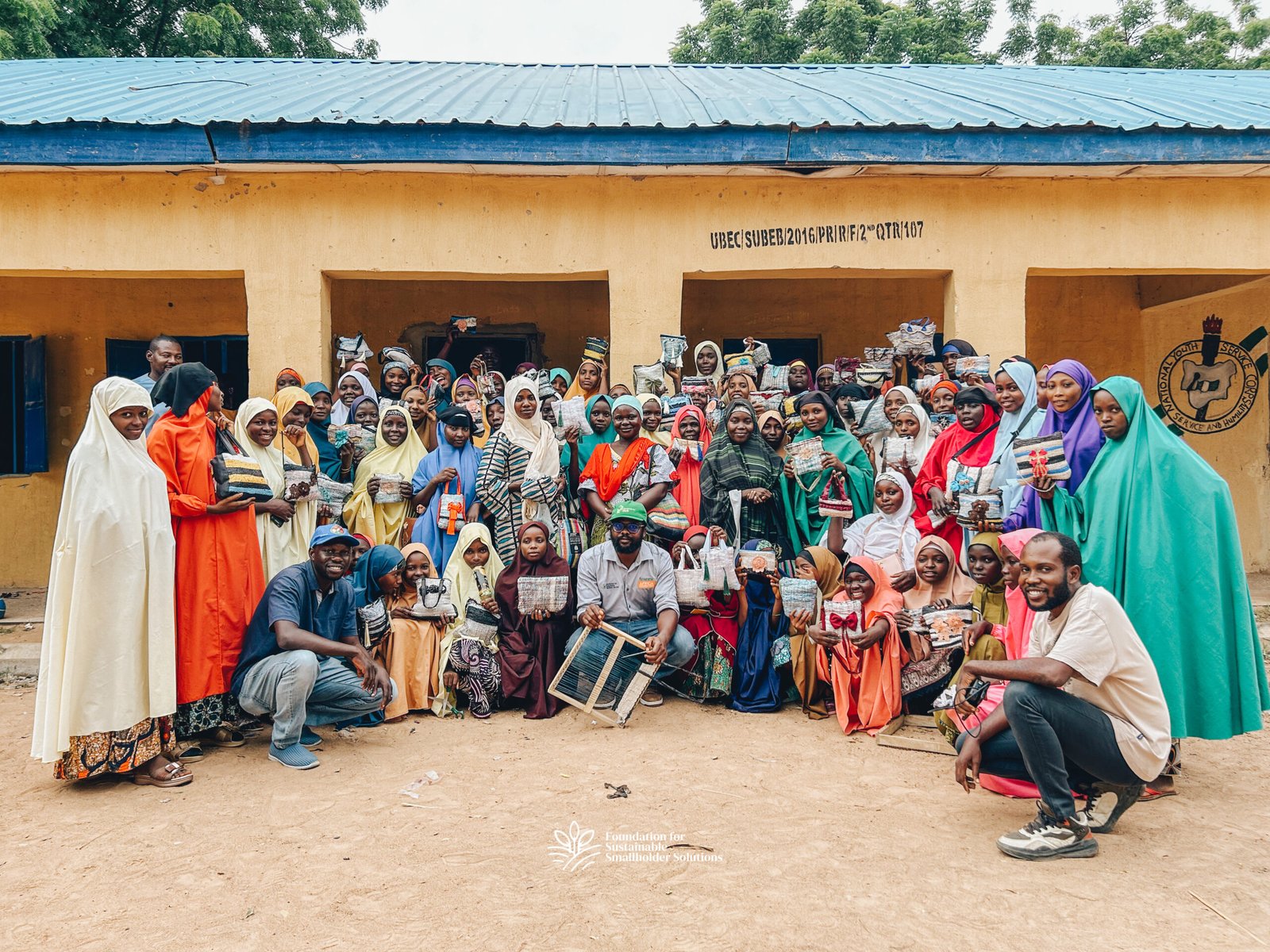
Together, the two recent initiatives reached 310 beneficiaries, equipping them with practical skills to explore additional livelihood opportunities and build enterprises beyond their usual agricultural activities.
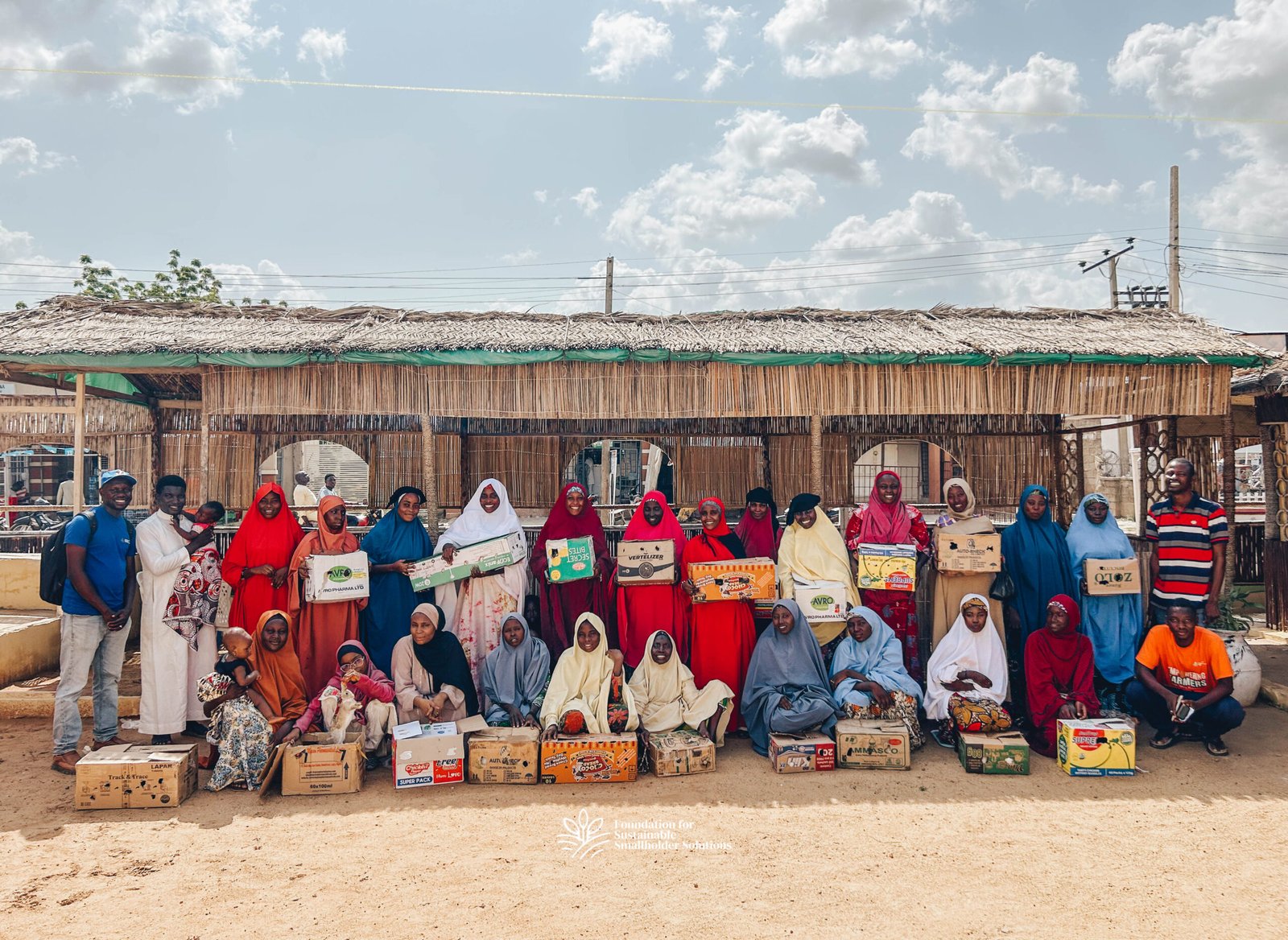
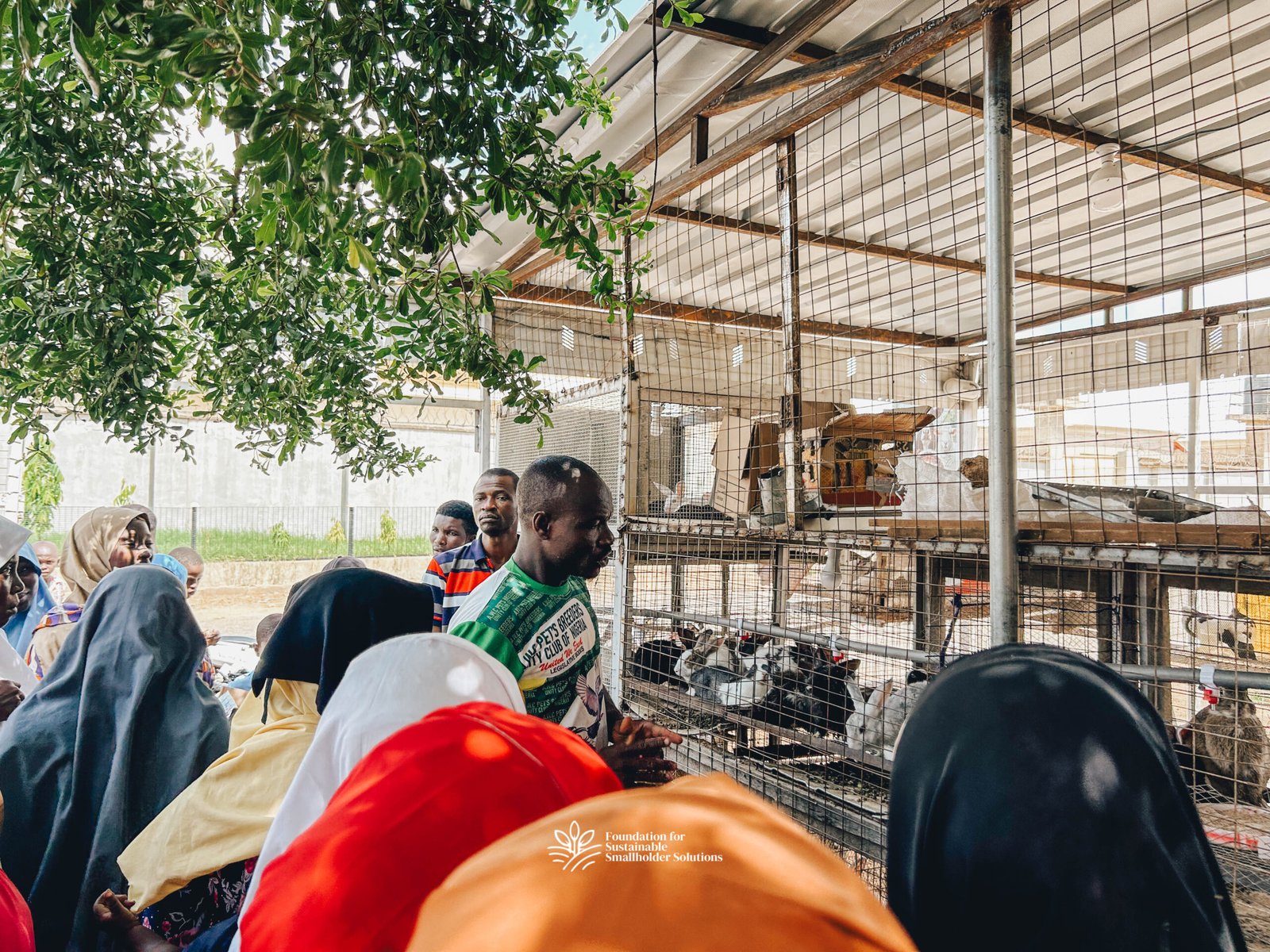
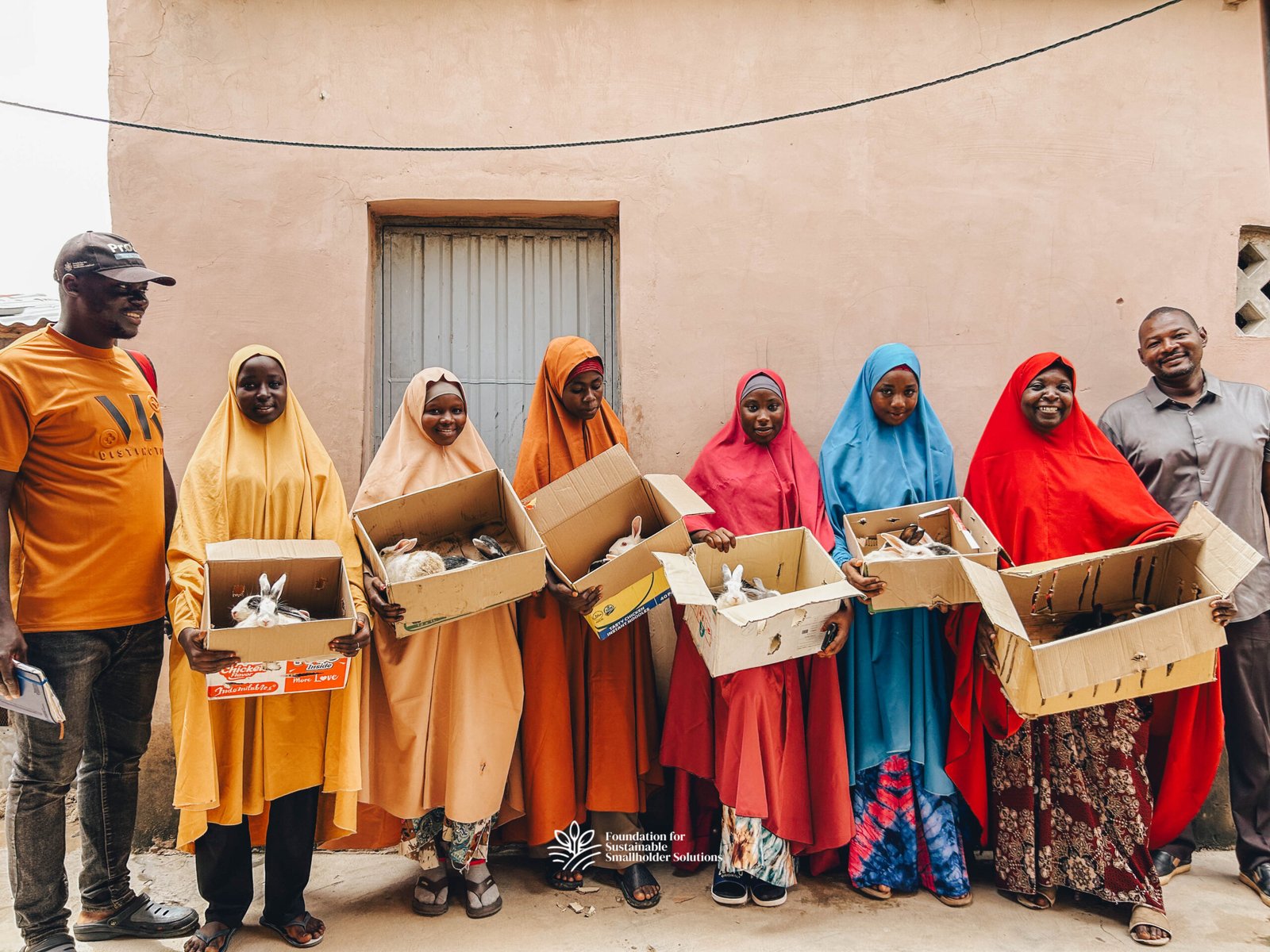
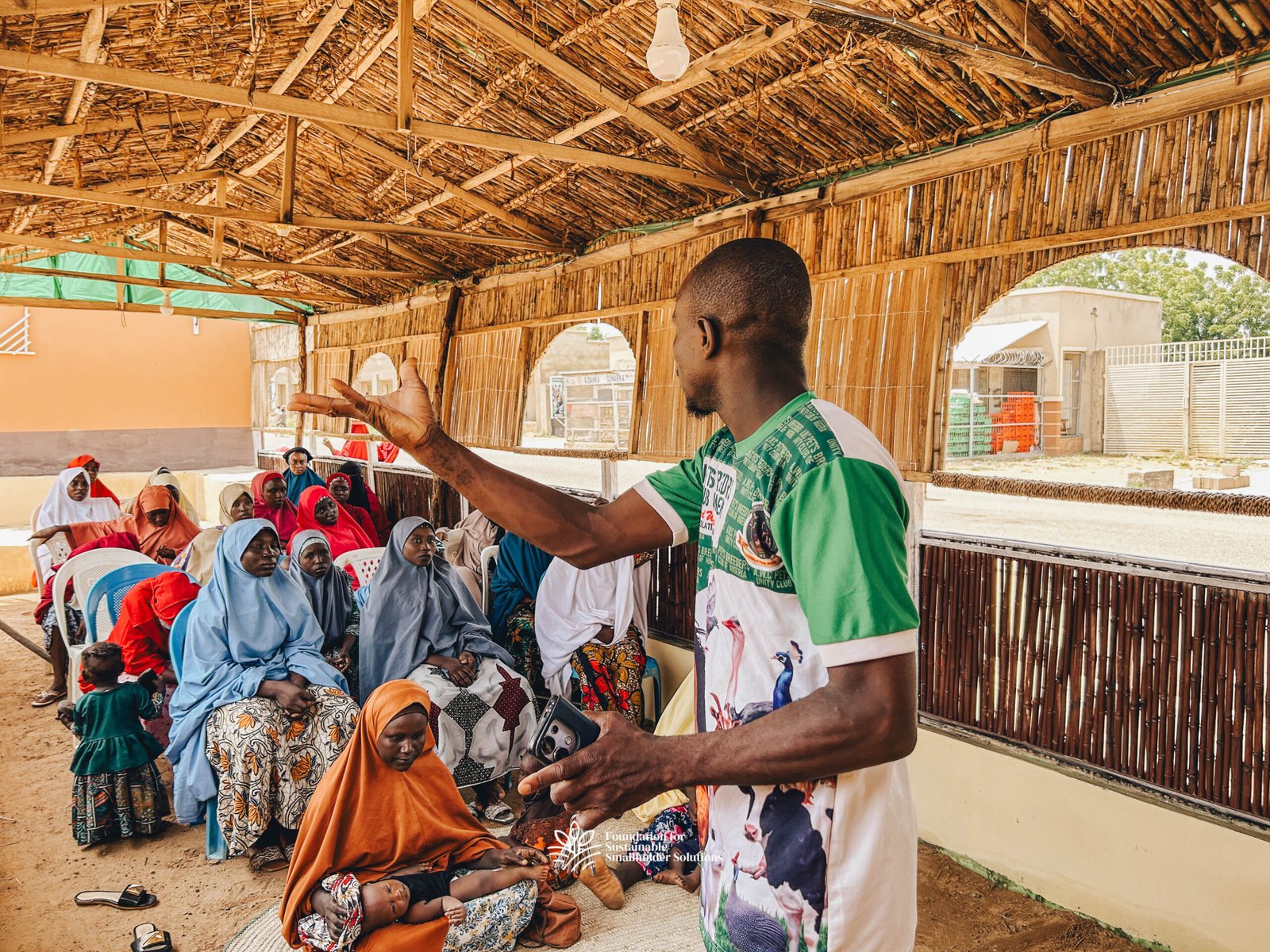
Between 16 and 22 September 2026, ESTRRA conducted rabbit management and housing training alongside start-up kit distribution for 150 beneficiaries across seven Local Government Areas in Northern Bauchi: Katagum, Giade, Shira, Gamawa, Itas-Gadau, Jama’are and Zaki.
The training introduced participants to rabbit production as an additional enterprise they could pursue alongside their existing agricultural activities. Through practical instruction on rabbit management and appropriate housing, participants gained knowledge to help them begin or improve rabbit-rearing activities.
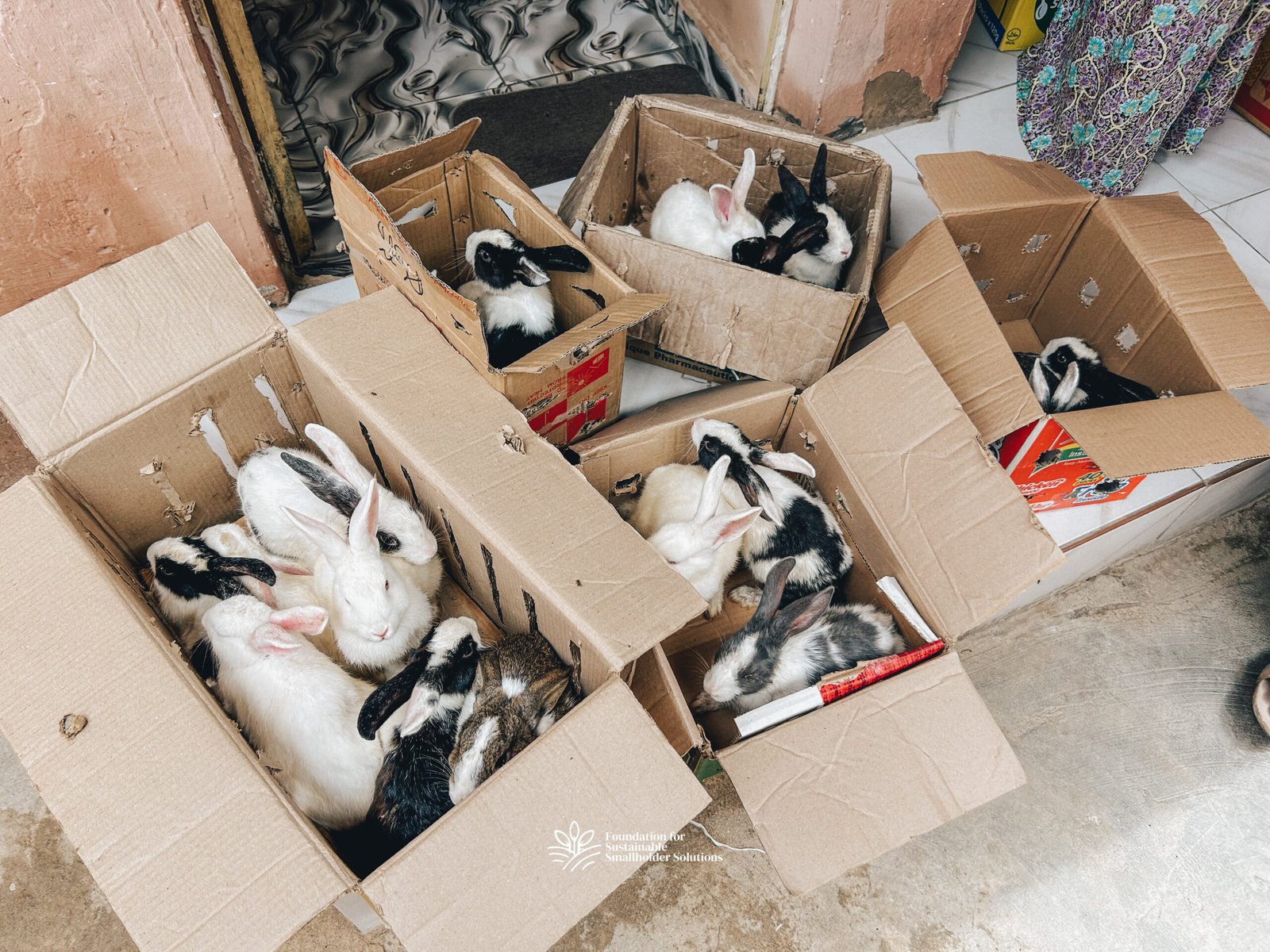
The accompanying start-up kits were intended to help beneficiaries put their training into practice and take initial steps towards establishing this additional livelihood activity.
Rabbit production offers participants a potential source of income through the rearing and sale of rabbits. Its contribution to household earnings will, however, depend on effective management, production costs, access to customers and the ability to sustain the enterprise over time.
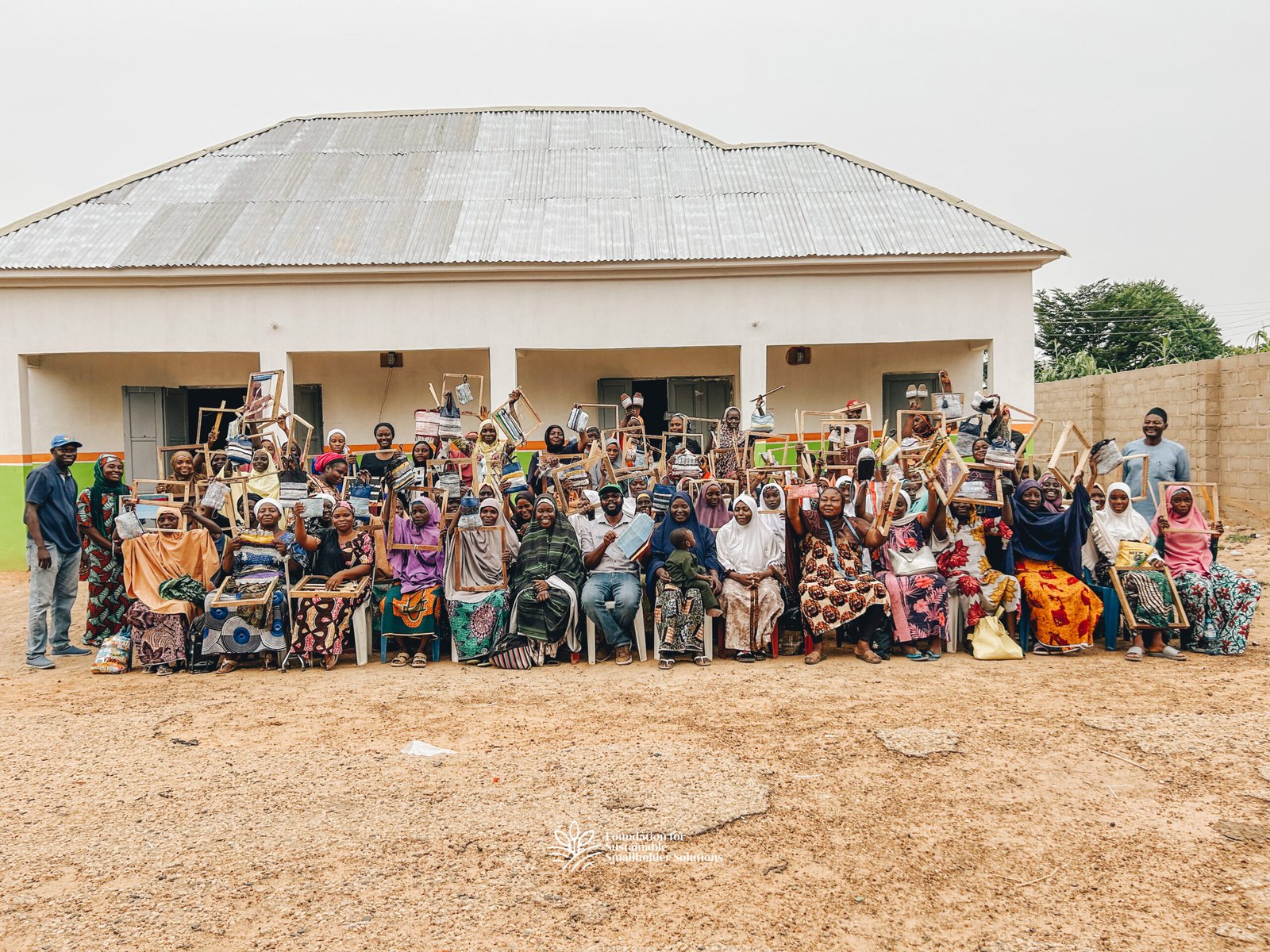
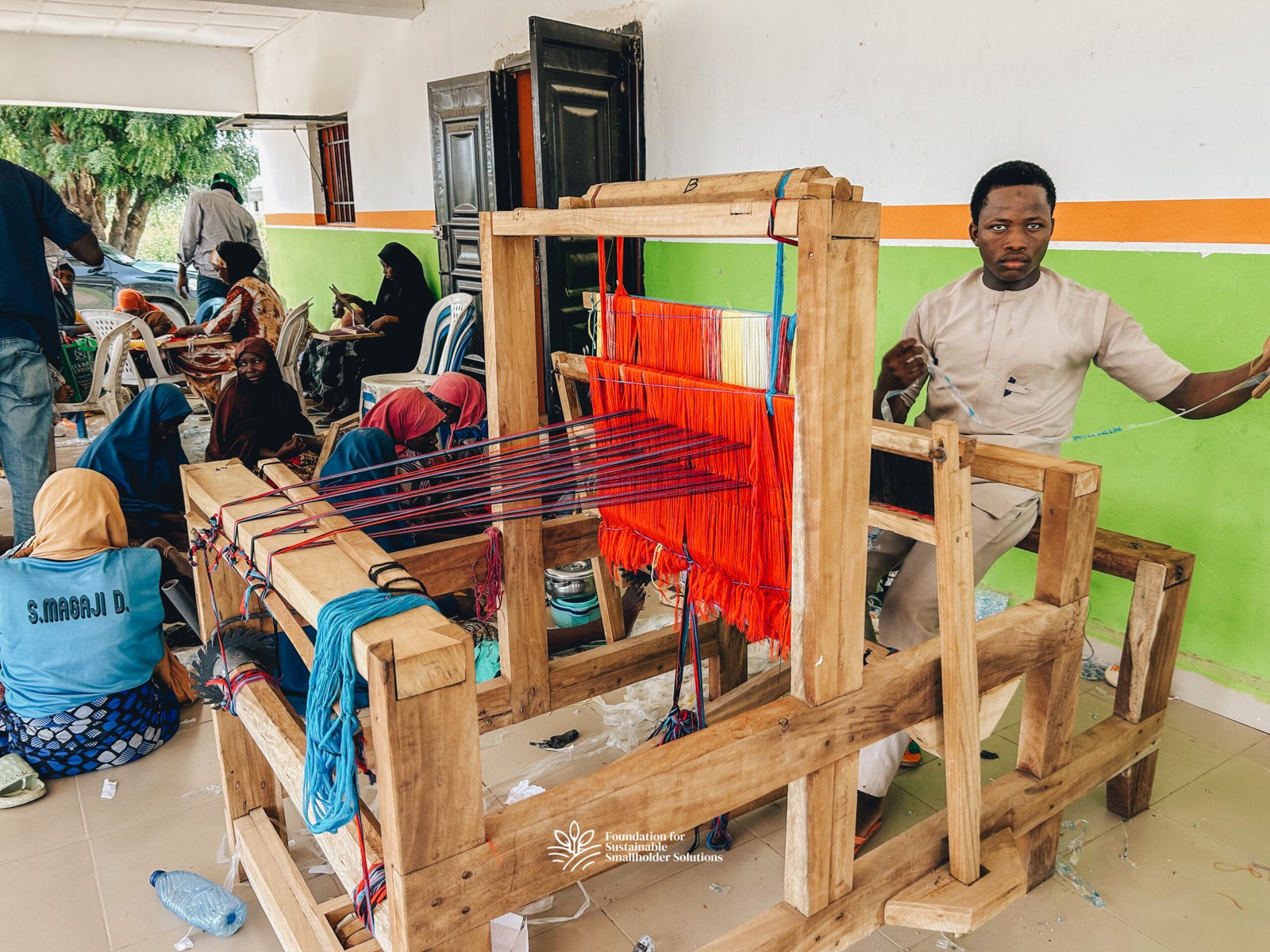
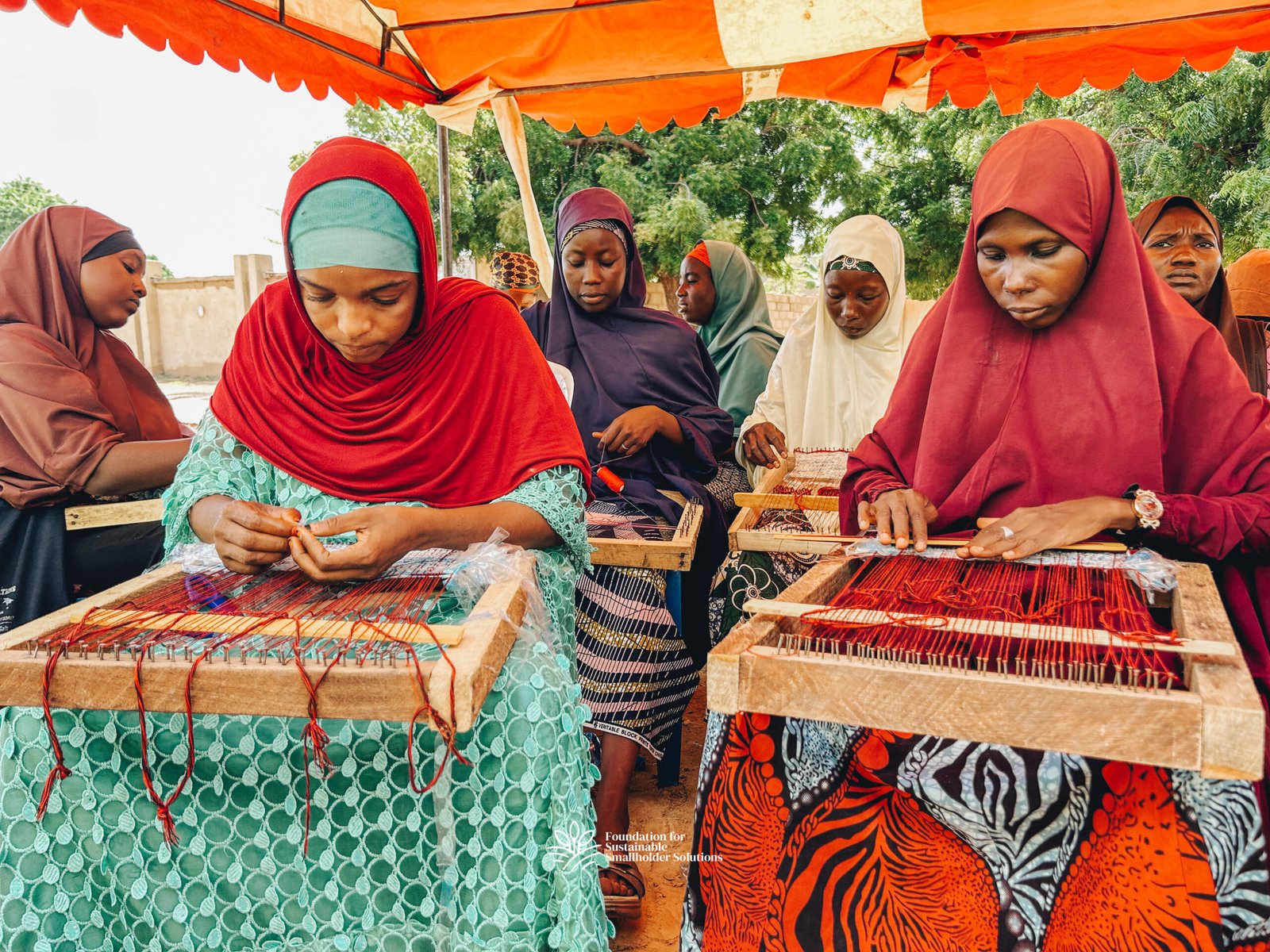
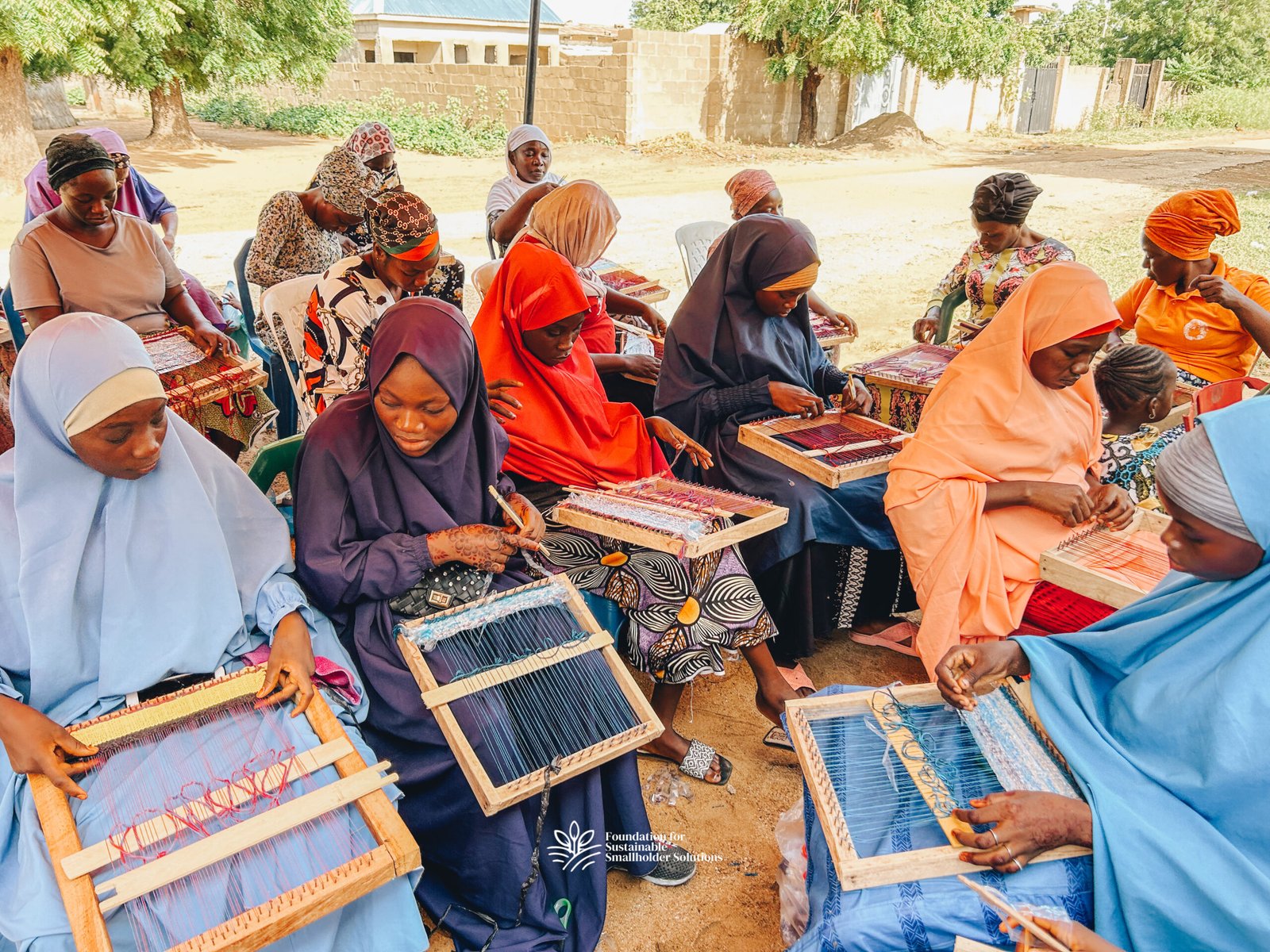
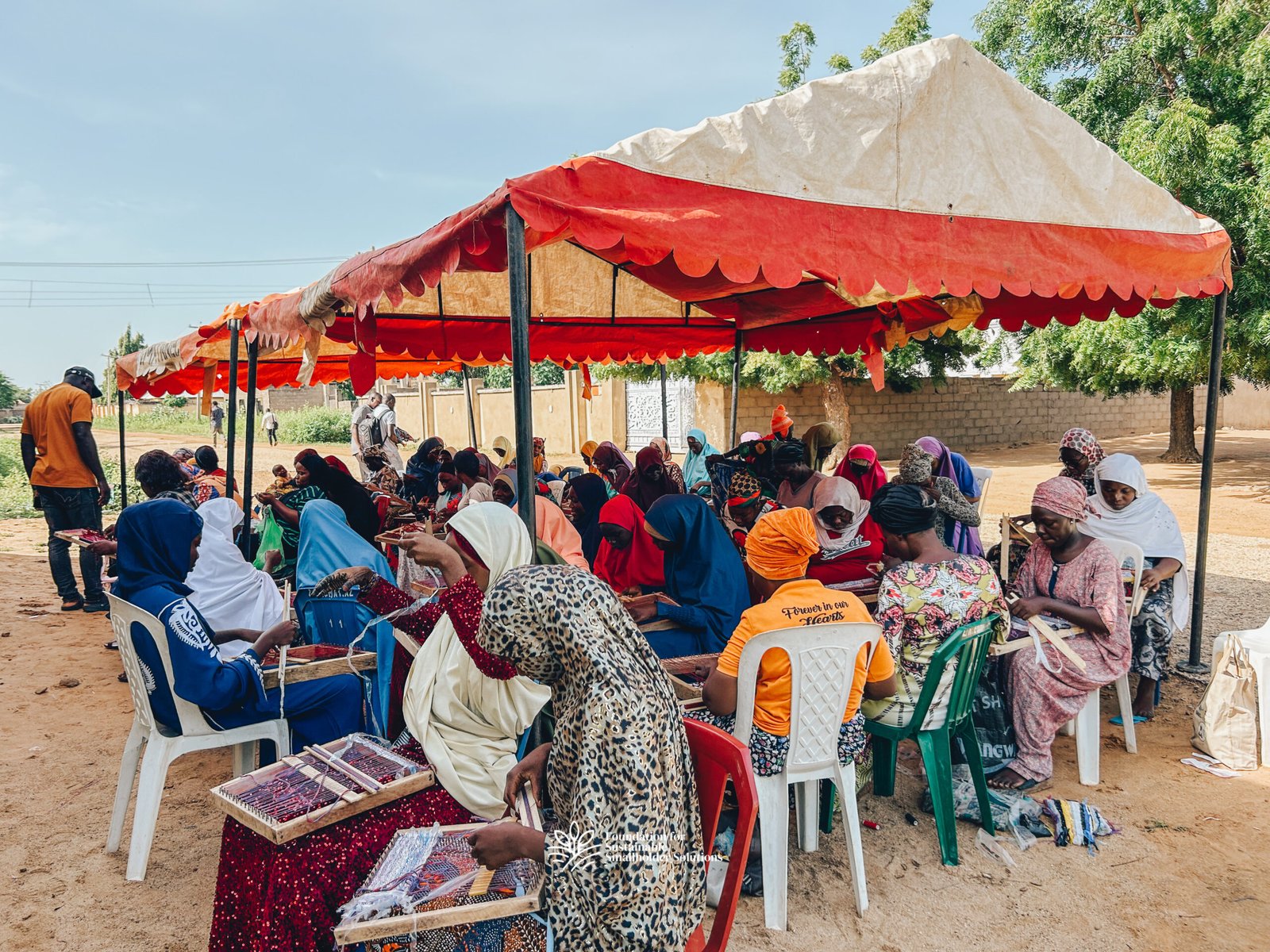
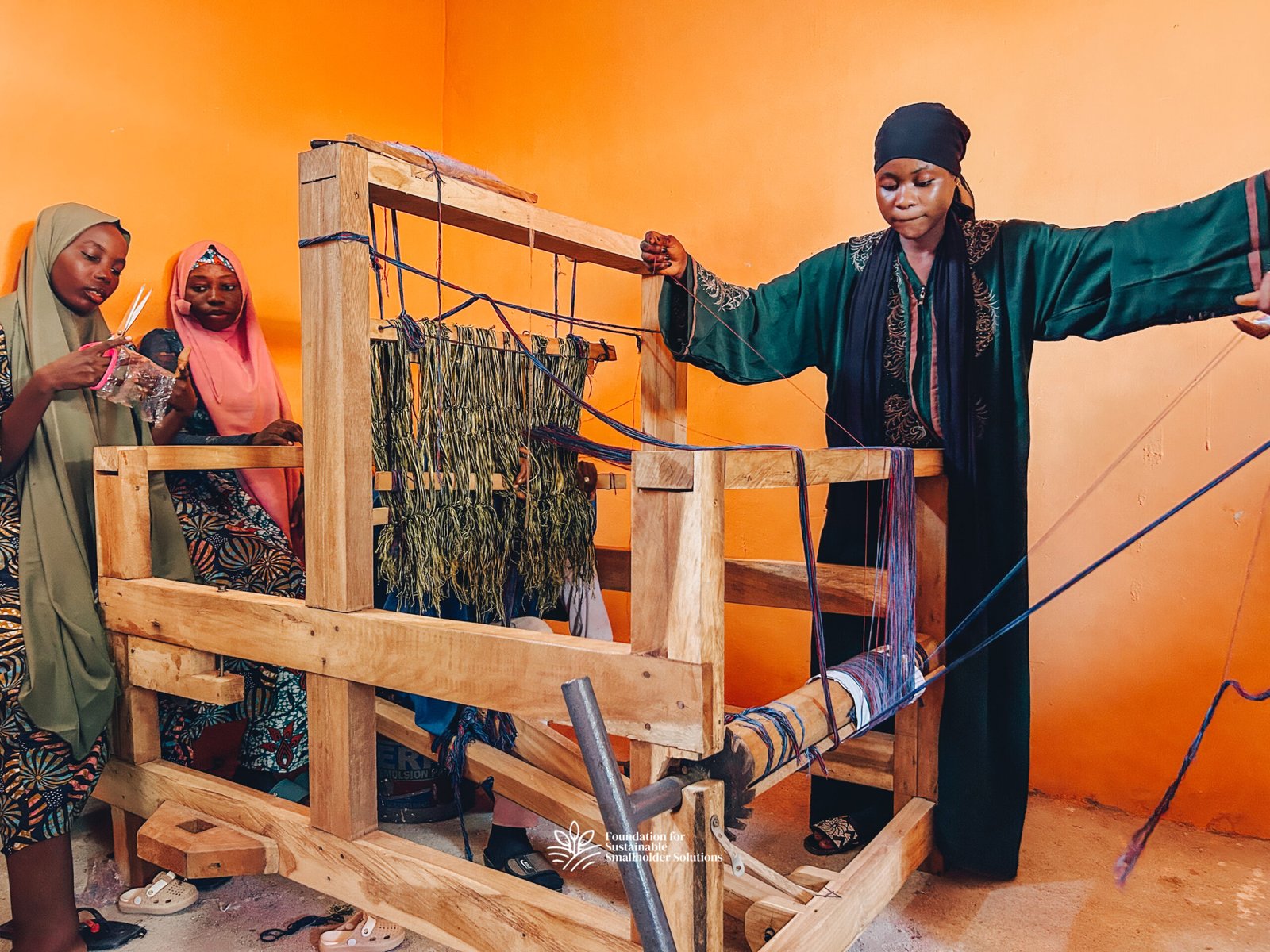
ESTRRA also trained 160 participants in textile and weaving skills across three locations: Azare, Kurba and Dogon-Jeji. The training included the conversion of discarded nylon materials into bags and other useful products, linking practical skills development with environmental responsibility.
Timothy Azakere, ESTRRA Project Manager and Technical Lead, explained why the project is investing in skills beyond farming.
“One of the essences is we want to empower our farmers beyond just farming, and so we’re giving them skills that will give them income when they’re not on the farm,” he said.
Participants were learning to transform discarded nylon into bags, with the potential to apply their skills to other products, including purses and laptop bags. These products could provide opportunities for small-scale businesses, depending on product quality, customer demand and access to suitable materials.
For facilitator Asma’u Adamu, the support provided by FSSS helped make the training possible.
“The Foundation really supported us, thank God. They put in so much effort and provided everything we needed to conduct the training,” she said.
Christiana Olotu, a beneficiary, highlighted the environmental value of the activity alongside its potential economic benefits.
“To be sincere, this training is so impactful. It will help us to keep the environment clean. Instead of littering everywhere with these nylons that we see and think are not useful, we can recycle them to make other products from what we think is waste,” she said.
Her observation reflects the two opportunities offered by the training: developing practical production skills while encouraging the reuse of materials that might otherwise contribute to environmental pollution. Turning these skills into sustainable businesses will depend on participants’ ability to produce quality items, identify buyers and access viable markets.
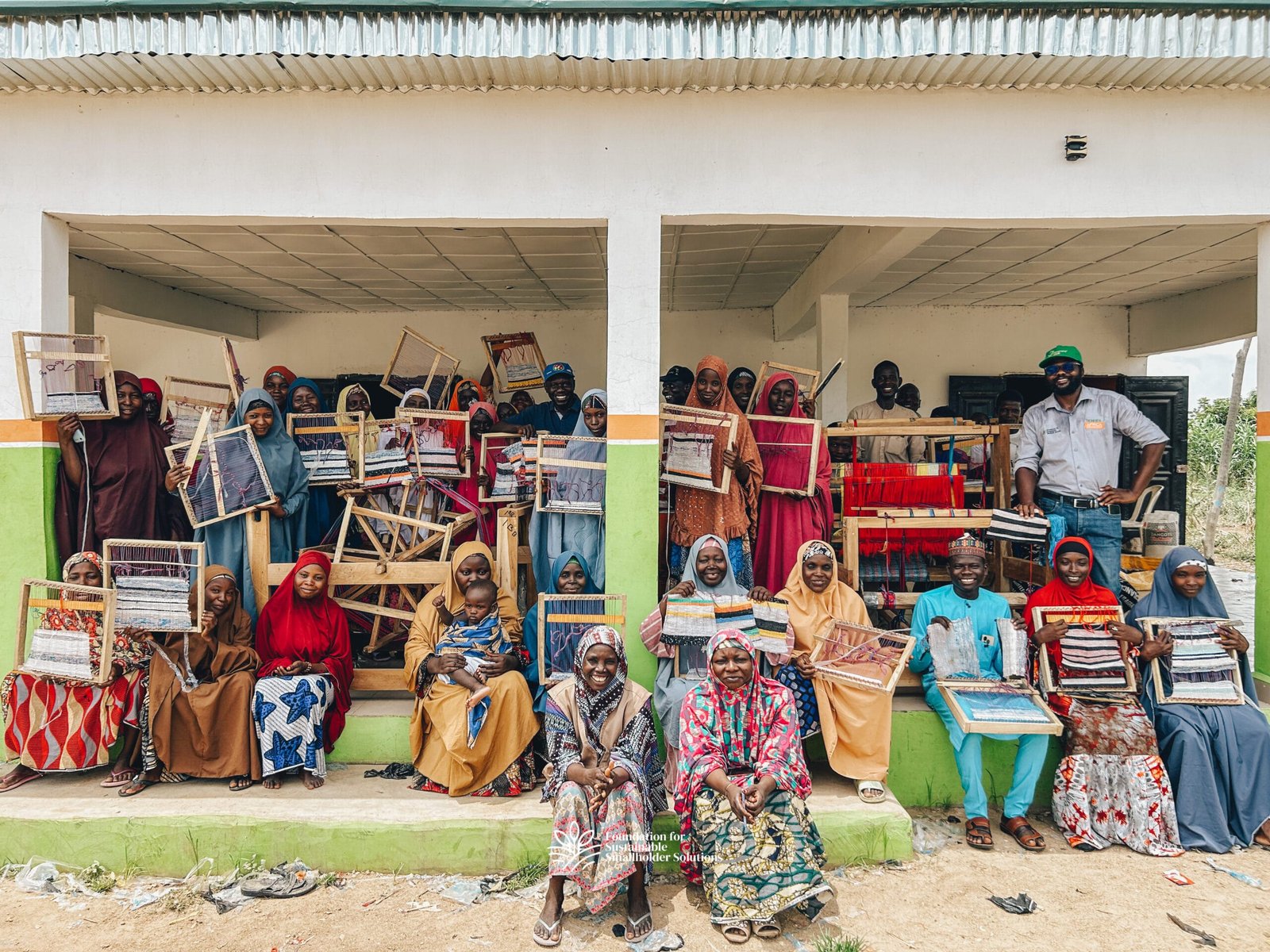
The rabbit production and textile skills initiatives form part of ESTRRA’s broader approach to livelihood diversification. Alongside earlier training in cap-making, painting and hairdressing, they demonstrate the project’s continued investment in practical skills that can help participants explore self-employment and additional income opportunities.
These training activities are an important first step. Their long-term value will depend on how participants apply their skills, establish businesses and connect with markets. Follow-up will therefore be important to assess the use of start-up kits, document enterprises established and track income generated from the activities.
Through these initiatives, FSSS and its partners are working to expand the livelihood options available to smallholders and rural communities. The aim is not to move farmers away from agriculture, but to help households develop complementary sources of income that can strengthen their resilience when farming alone is not enough.
By combining agricultural support with practical enterprise skills, ESTRRA is reinforcing a central message: stronger smallholder livelihoods can be built both on and beyond the farm.