


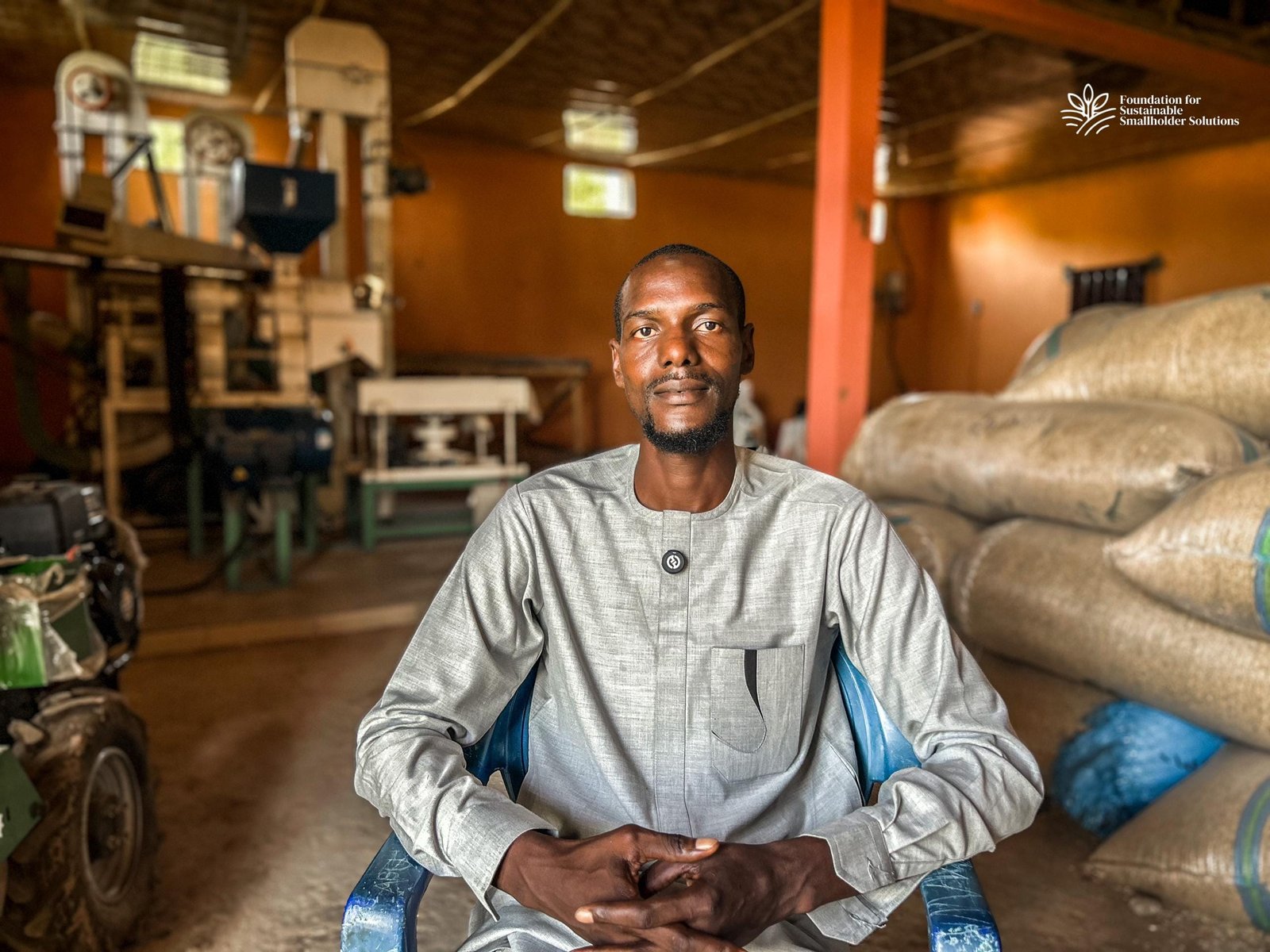
Lastly, the use of low-quality seeds has a cascading impact on agricultural productivity. Without access to high-yield and disease-resistant seed varieties, farmers are unable to maximise their yields. This issue affects not only their incomes but also the operations of processing facilities. As Doma Jibrin Bala, who manages a rice milling plant, highlights:
“The seeds farmers use here result in low yields, which means there’s not enough produce to run our milling facility at full capacity. Providing high-quality seedlings would change this.”
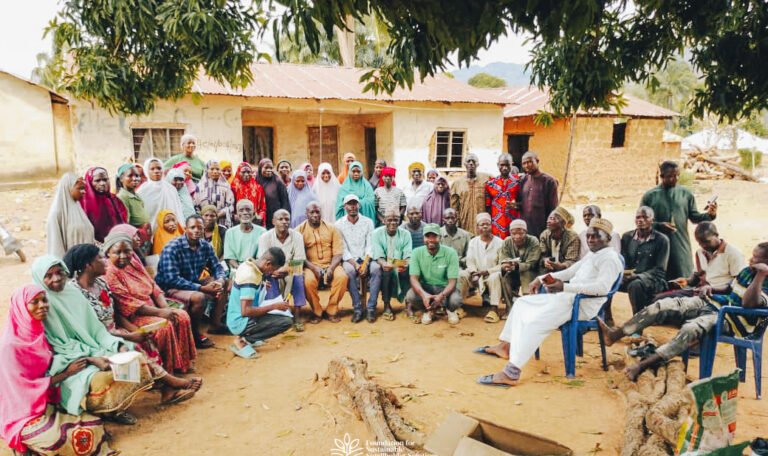
These systemic challenges—ranging from input shortages and infrastructure deficits to financial barriers—paint a vivid picture of the uphill battle Nigerian farmers, who produce the bulk of the country’s food, face in ensuring food security. Addressing these issues is essential to fostering a resilient agricultural sector capable of feeding the nation.
Our next article will explore solutions to the food security challenges in Nigeria, highlighting the Foundation for Sustainable Smallholder Solutions’ contributions to addressing these challenges.