- Welcome to FSSS Nigeria!
- info@fsssolutions.org
- 1190, Mabushi, Abuja

Why The Right Seed Depends On The Right Data
AGRI INSIGHT
A farmer can buy an improved seed, plant it properly, apply fertiliser, and do everything right, yet still end up wondering why the harvest did not turn out as expected. Sometimes, the problem is not the farmer. It is the location.
A rice variety that performs well in one part of Nigeria may not deliver the same results somewhere else. Different soils, rainfall patterns, water availability, and other environmental conditions can change how a variety grows and yields. For farmers making decisions with limited information, this can make choosing the right seed a bit of a gamble.
The ProSeV Project, led by the Foundation for Sustainable Smallholder Solutions (FSSS) with funding support from the Gates Foundation, is trying to make that decision less of a gamble.
The question, therefore, is straightforward: Which varieties perform best, where, and under what conditions?
The answer, however, requires data.
Not Every “Improved” Seed Performs The Same Way
New crop varieties are constantly being developed and released. Breeders improve varieties to address different challenges, including yield, maturity, disease resistance, and adaptation to particular conditions. But releasing a variety is not the end of the story.
The challenge is understanding how those varieties perform once they leave the research station and enter the diverse environments where Nigerian farmers actually grow their crops. This is where post-release performance data becomes important.
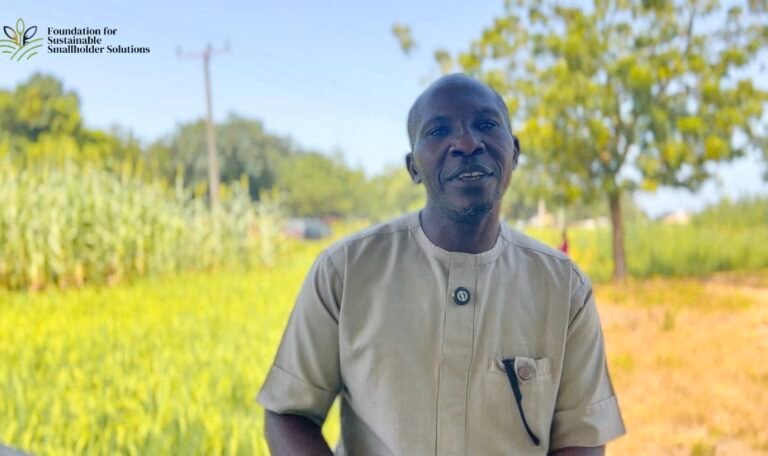
“Performance data is data that is being collected by our trained field agronomists across the country in Nigeria,” Dr Solomon explains.
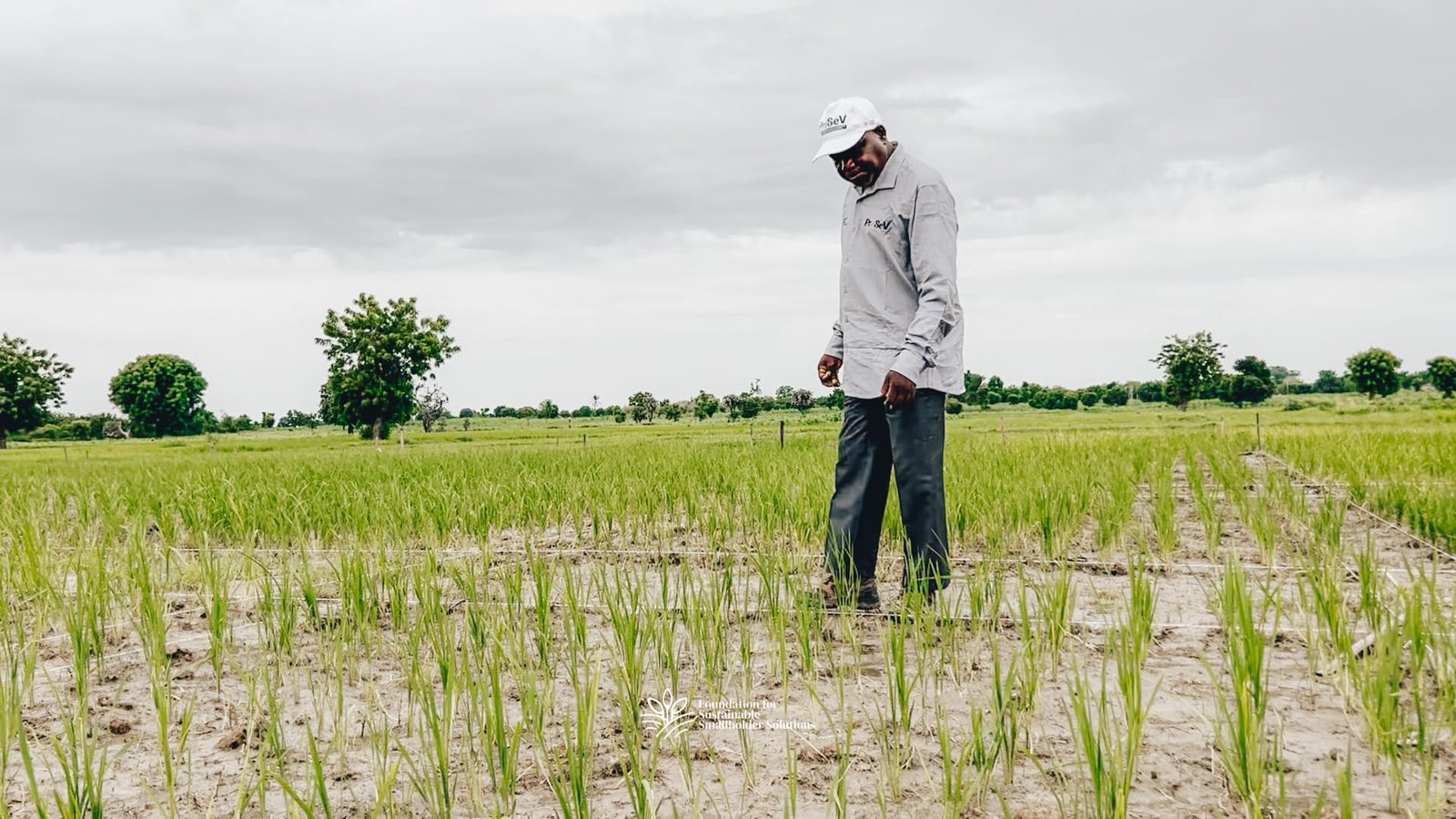
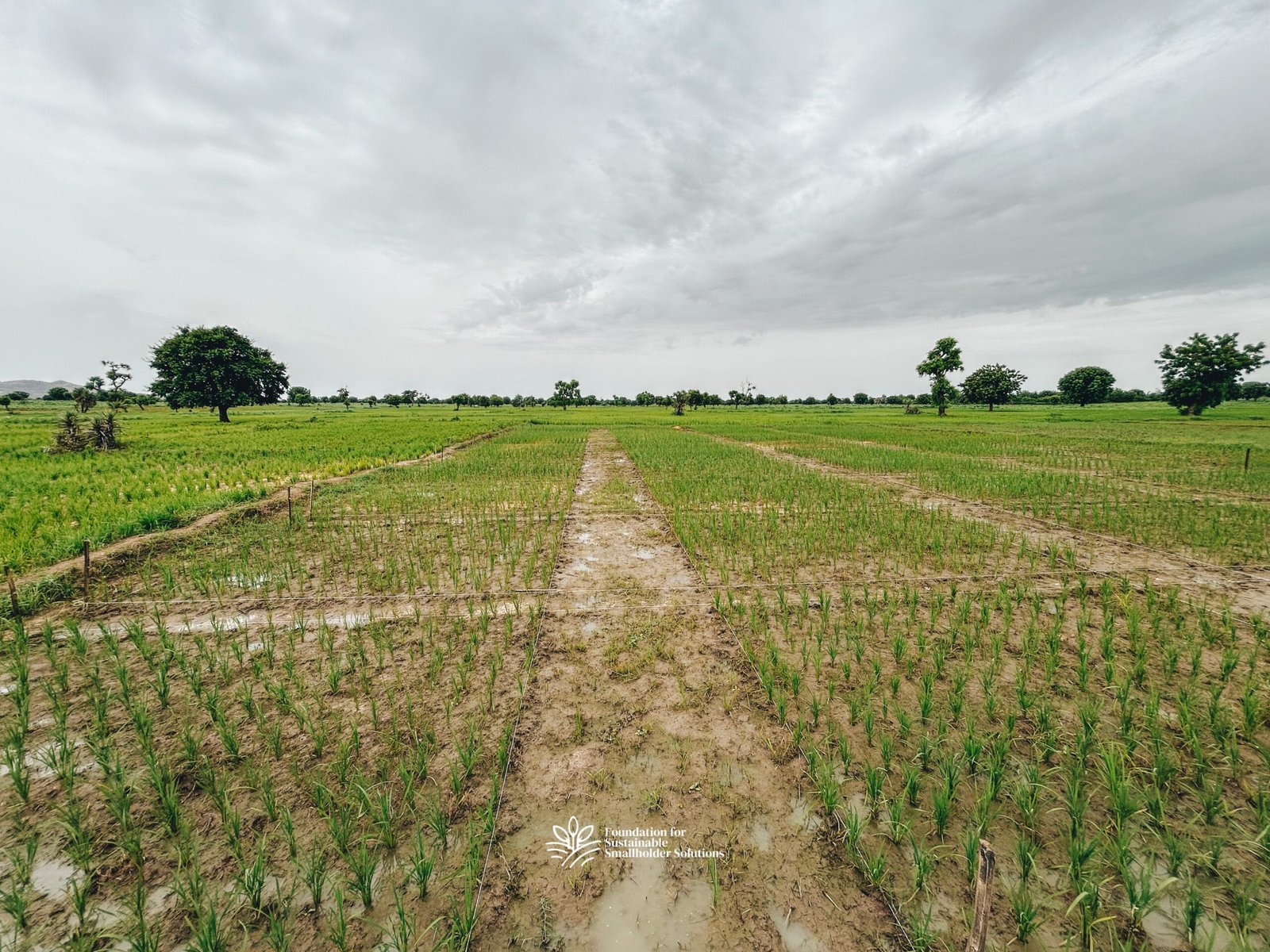
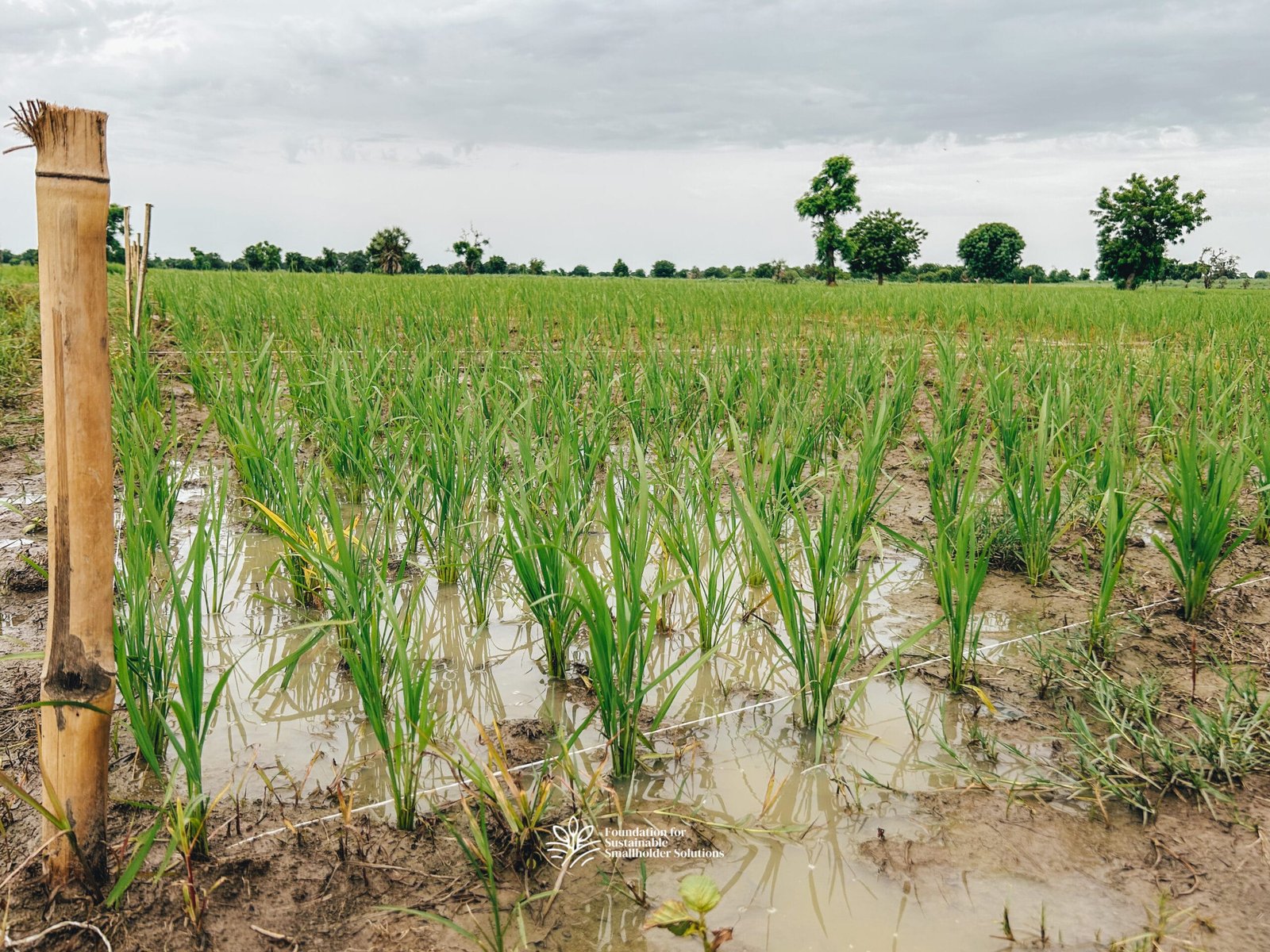
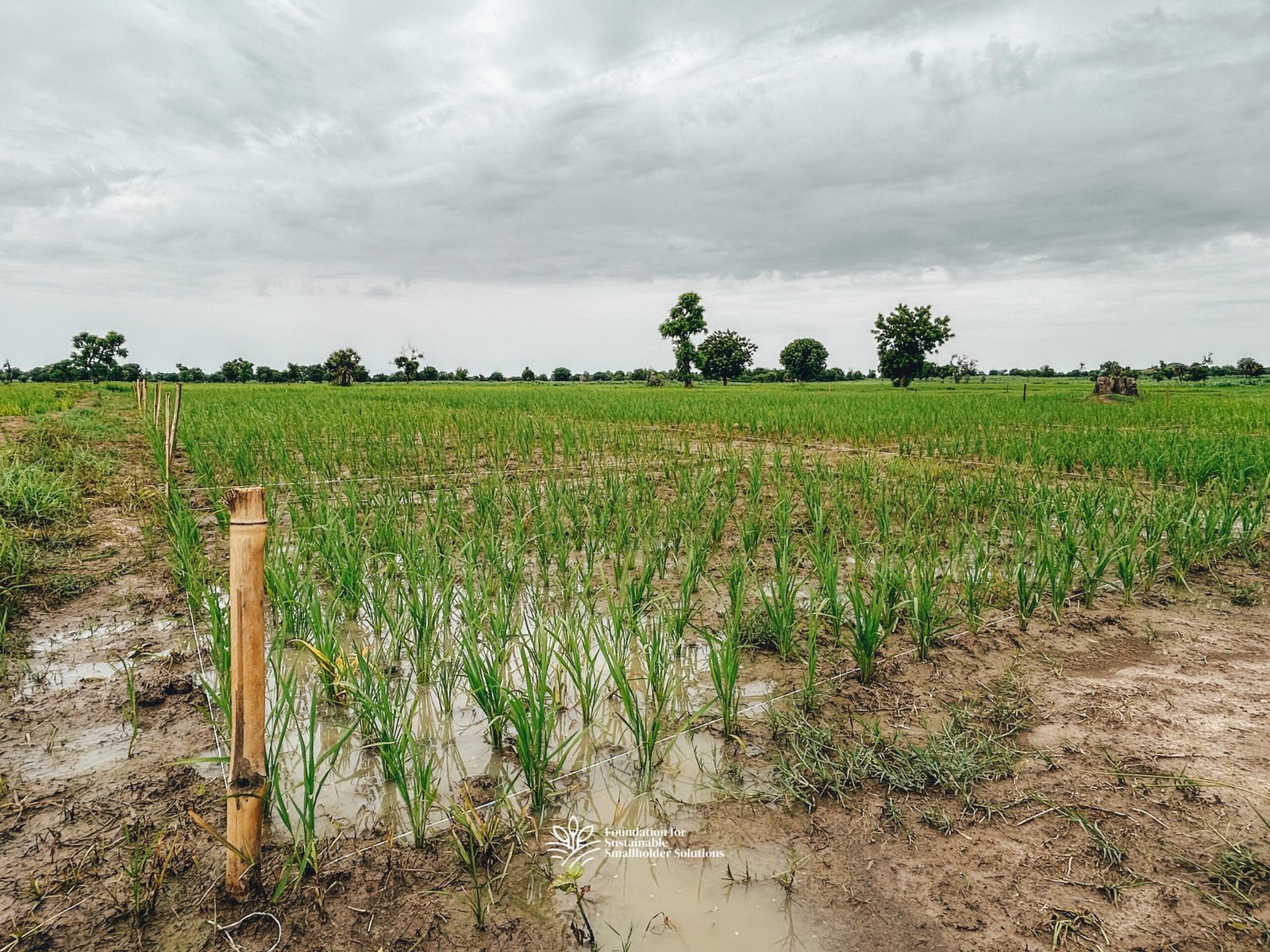
Through ProSeV, FSSS is conducting multi-location trials to evaluate selected crop varieties across different environments. The project is currently establishing trials across 18 Nigerian states, covering rice and maize in the current field activities, with cowpea also included in the broader three-year project.
The idea is simple: put different varieties through comparable conditions, collect the data, and see what the numbers say.
Why One Location Isn’t Enough
Agriculture does not happen in a laboratory. A variety may encounter different soil types, rainfall patterns and growing conditions depending on where it is planted. Even farms within the same agro-ecological zone can have significant differences. Agronomists refer to this as genotype-by-environment interaction, or G × E.
“In some places, the soils are different from other places,” Dr Solomon says. “Even if a place is in the same agro-ecological zone, there’s a possibility that the soil will be different.”
That difference matters.
“So the performance of a particular variety in Location A will differ from Location B because of the difference in environment,” he explains. “It’s the same genotype, just different environment.”
If a variety performs exceptionally well in Location A but poorly in Location B, recommending it simply because it performed well somewhere else could lead farmers in Location B to make a poor seed choice. This is why ProSeV is taking the trials to multiple locations.
“By establishing multi-location trials, we’ll be able to capture all the variabilities and compare based on agro-ecologies,” Dr Solomon says, adding that the project will also consider differences in soil types where possible.
The objective isn’t necessarily to find one best variety for Nigeria. It is to find the right variety for the right place.
The Work Starts Before The Field
Getting to that answer involves more than planting seeds and waiting for harvest. Before trial sites and varieties were finalised, FSSS scouted potential locations and assessed varieties with strong performance potential. The proposed sites and varieties were then subjected to a stakeholder validation process.
“Stakeholders gathered to validate our sites,” Dr Solomon explains. “Some were changed while some were approved.”
The stakeholders also played a role in validating the varieties selected for the trials.
“They validated our varieties and selected the 10 top-performing rice varieties,” he says.
For maize, the project is testing different categories of varieties, including early-maturing open-pollinated varieties (OPVs) and early-maturing hybrids.
“So that where we are testing early-maturing open-pollinated varieties, we’re also testing early-maturing hybrids,” Dr Solomon explains. “That will now form two trials per that location.”
This process is important because research becomes more useful when it reflects the realities of the environments and production systems where its findings will eventually be applied.
There Is An App In The Field Too
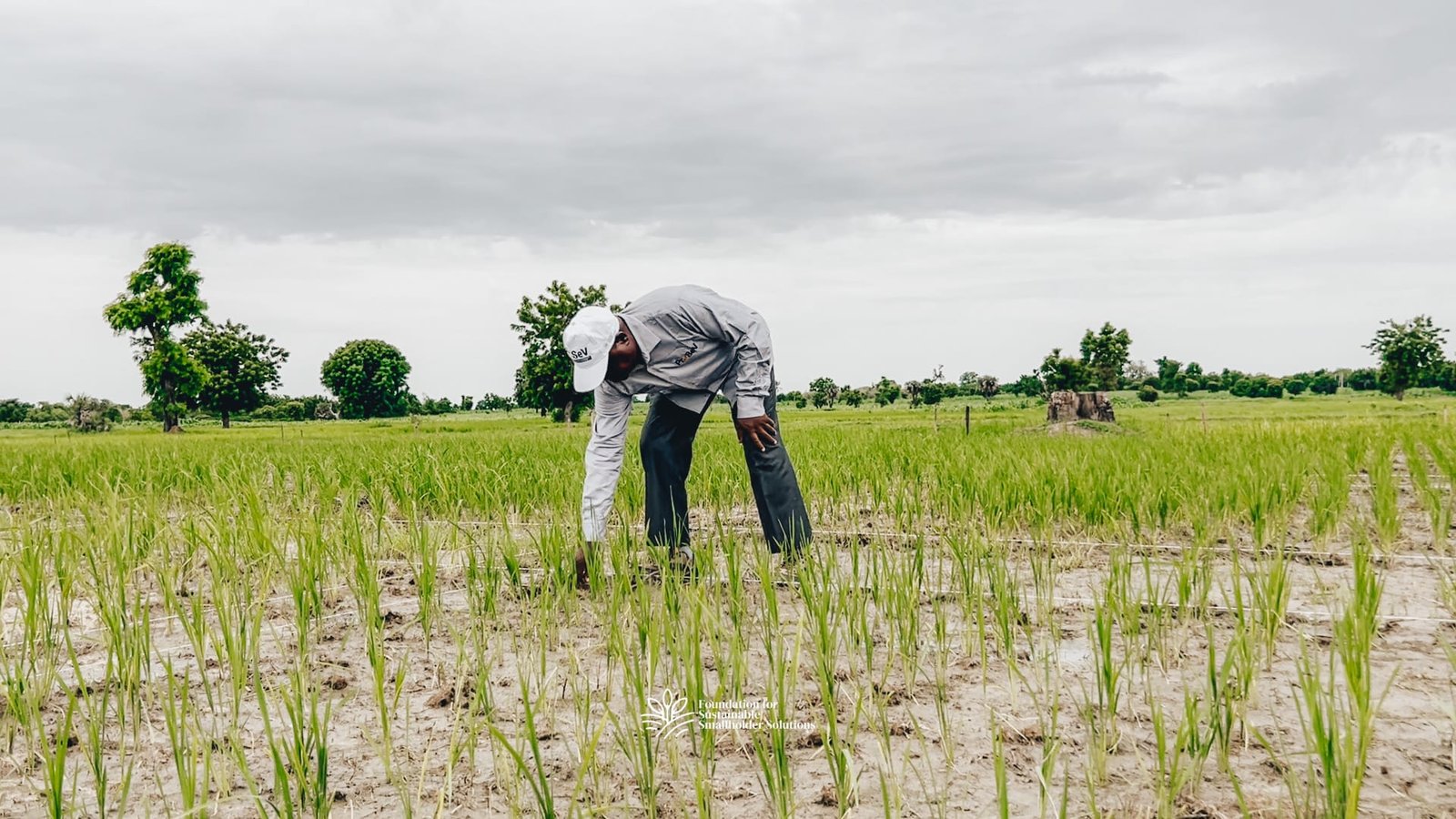
There is another part of ProSeV that is easy to overlook: the data infrastructure behind the trials. FSSS has trained field agronomists who are responsible for establishing and monitoring the trials across the country. Instead of relying solely on paper-based records, they collect field observations using the ProSeV App.
“The ProSeV Project ensures that the data being collected is credible, correct and true to type,” Dr Solomon says.
The data moves from the field to a central dashboard, where Senior Agronomists and the Dashboard Manager review submissions.
“They will be able to identify whether the data coming in is correct or not,” he explains. “If it is not correct, they will have to go back and retake the data.”
But the quality checks begin even before the data reaches the dashboard.
“If the data is not correct, the app will not record the data,” Dr Solomon says. “But if it is correct, it will capture the data.”
The verified data is then uploaded to the dashboard for further review and analysis. This creates a trail from what happens in the field to the evidence eventually used to make decisions. You cannot make better seed recommendations with unreliable data.
What Happens After The Harvest?
This is where the project moves from research to impact. At the end of each season, data from the different locations will be brought together for comparative analysis.
“At the end of the season, after all the data has been collated, we will carry out the head-to-head analysis to determine which variety performs best in each of the regions and across the whole country,” Dr Solomon says.
Over the project’s three-year period, these results will build a broader evidence base around crop variety performance. The ambition is that the evidence will eventually help answer questions such as:
Which rice variety performs best in this environment?
Which maize variety is better suited to this location?
Where should a particular variety be promoted?
And perhaps most importantly:
What should a farmer plant?
From Data To Better Decisions
For Dr Solomon, the value of the project ultimately comes down to matching varieties with environments.
“By establishing these trials across the country, we’ll be able to identify the best environments for each of the varieties of rice that is being promoted in Nigeria,” he says.
That information can help farmers and other agricultural actors make more informed decisions about what to grow and where.
“That will encourage farmers and large processors to grow that variety in that particular region,” Dr Solomon explains.
The expected benefit goes beyond simply identifying a high-performing variety.
“This will increase yield and also sustain productivity, which will solve the problem of food insecurity,” he says.
The logic is straightforward. If farmers can identify varieties that perform better under the conditions they face, they can make more informed choices rather than relying on general recommendations or assumptions.
“If you are able to know that growing this variety in this region is better than what the farmers have been doing, it will increase their yield a lot more,” Dr Solomon says.
The principle behind the project is simple: put the right variety in the right location.
“That is the good thing about this particular experiment we are carrying out right now,” he says.
From Field Research To Impact
The seedlings being transplanted today are not simply being grown to produce another harvest. They are part of a larger effort to understand Nigeria’s diverse agricultural environments and build a stronger evidence base for the seed choices farmers make. And the project will need time to build that evidence.
“At the end of the three years, it will give us an idea on which particular variety performs best in which area or agro-ecology,” Dr Solomon says.
That knowledge could help farmers make better seed choices, support seed companies in targeting varieties to suitable environments, strengthen extension recommendations, and provide researchers and policymakers with better evidence for decisions around Nigeria’s seed system. Because the goal isn’t simply to develop or promote better varieties.
It is to know where those varieties work best, prove it with data, and get that knowledge into the hands of the people who need it. That is how research moves from the field to impact.