
From Pharmacology Graduate to Community Agripreneur: How Mohammed Dahiru Auwal is Building a Future Through a Farmers’ Hub

IMPACT

Meet Mohammed Dahiru Auwal, an agrochemical dealer from Bulkachuwa community in Katagum Local Government Area of Bauchi State. A very soft-spoken young man with big ambitions, Mohammed represents a new generation of rural entrepreneurs who are combining education, family legacy, and community service to transform the sector at the grassroots level.

His story is deeply rooted in three things: service, family, and farming.
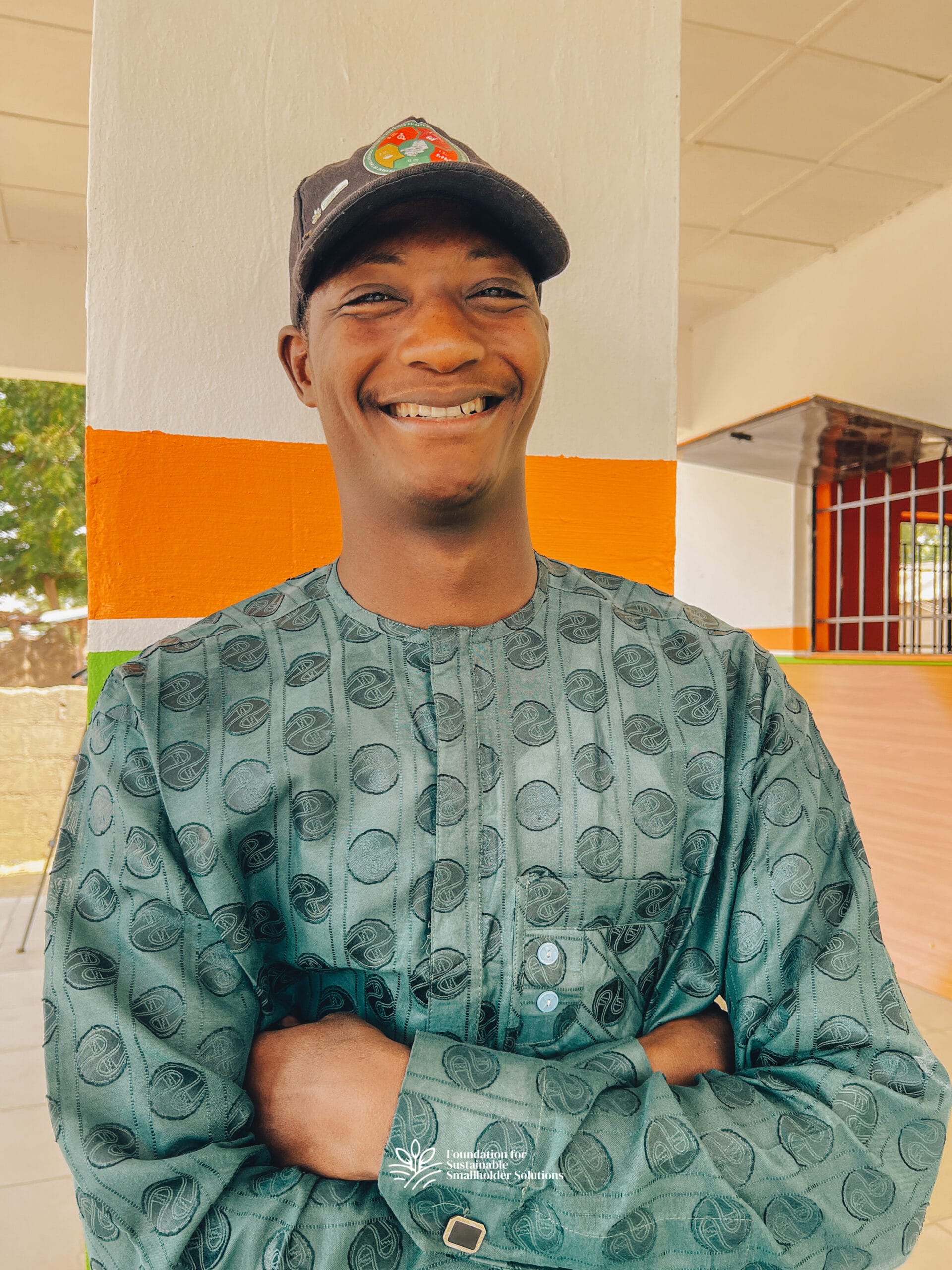
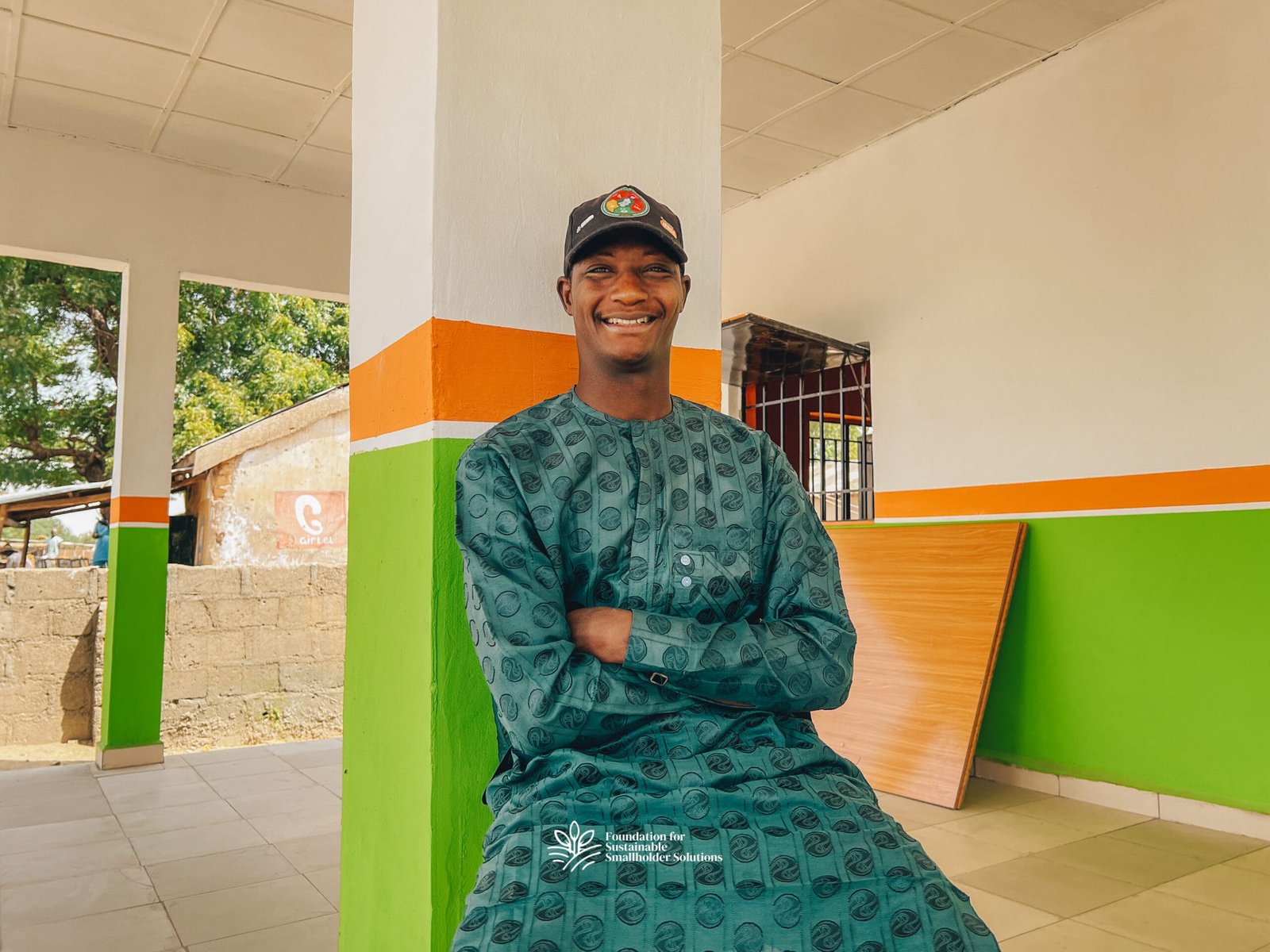
Mohammed Auwal Dahiru smiling with his arms folded across his chest.Growing up, Mohammed watched his father, a farmer, travel to Kano State to purchase agrochemicals and other farm inputs to use on his farm. Over time, neighbouring farmers began approaching his father for advice and assistance in sourcing the same products that had helped improve his yields and productivity.

“My dad is a farmer. He buys agrochemicals from Kano State. That is why farmers in our community come to my dad to help them get the same chemicals he uses on his farm for them,” Mohammed explains.

What started as occasional support for fellow farmers gradually grew into a business opportunity. Recognising the growing demand for quality agricultural inputs and trusted advice, Mohammed’s father established an agrochemical business alongside his farming activities. The venture not only supported local farmers but also helped provide educational opportunities for his family.

“He was just a farmer, but farmers sought his advice regarding inputs, so he decided to start the agrochemical business and was able to send me to Bauchi State University to study Pharmacology,” Mohammed says.

After completing his university education and returning from national service, Mohammed faced a decision familiar to many young Nigerian graduates: whether to seek opportunities elsewhere or return home and contribute to his community’s development.
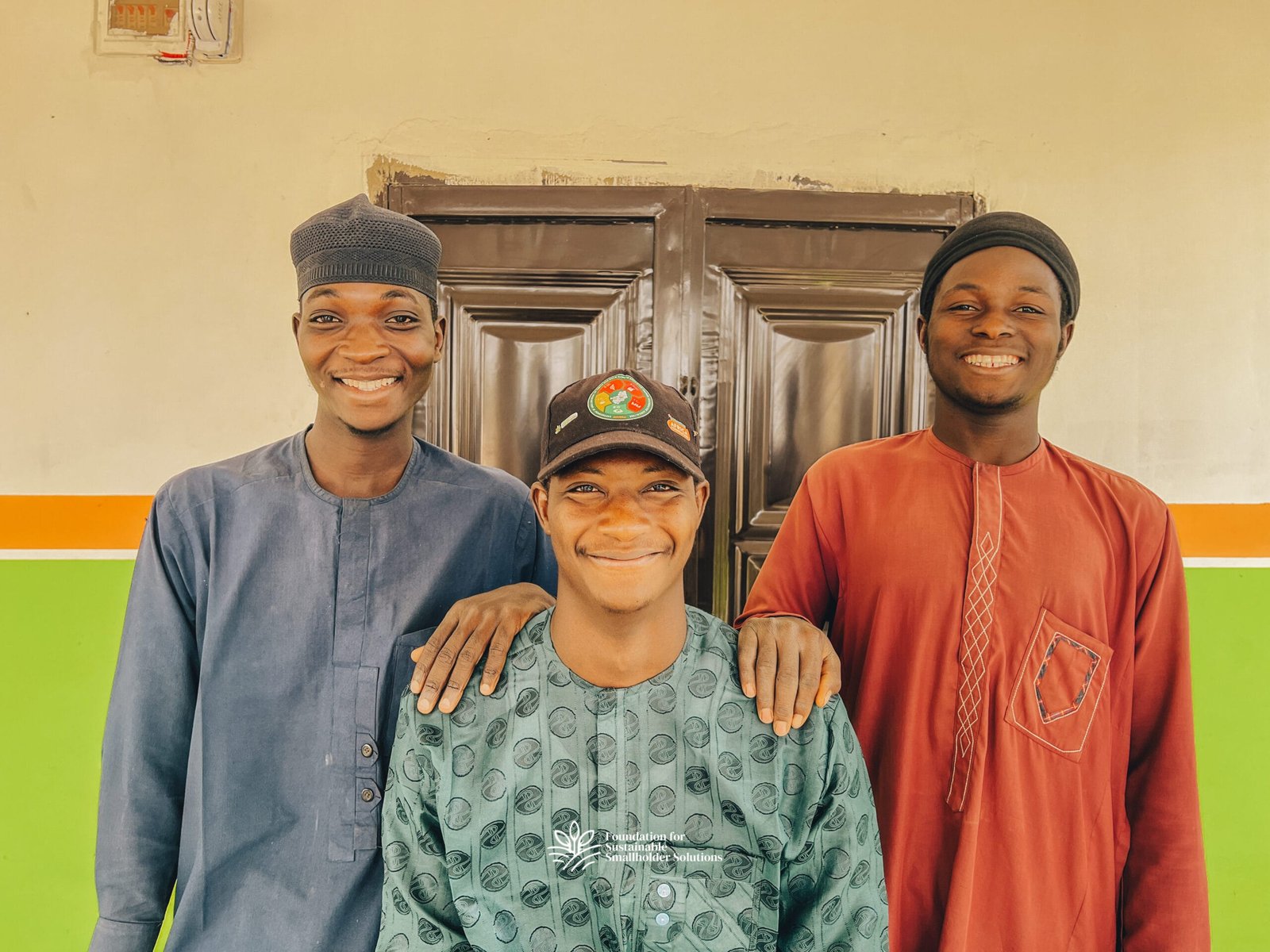
Mohammed Auwal Dahiru posing with his siblings

“When I returned upon the completion of my degree, I asked myself what I could do to help my family and the people in my community. Then I made up my mind to join my father in his business.”

His academic background gave him a unique perspective on one of the major challenges affecting farmers in Bulkachuwa: the improper use of agrochemicals.

“One of the challenges farmers are facing in my community is not knowing how to use agrochemicals in the right way. So, my dad and I educate them on how to use these chemicals properly.”

By combining technical knowledge with practical experience, Mohammed and his father became trusted sources of information for farmers seeking guidance on safe and effective input use. However, their ability to serve the growing farming population remained constrained by inadequate infrastructure and limited storage capacity.

That changed with the arrival of the ESTRRA Project—Empowerment of Smallholders to Thrive and Build Climate Resilience through Regenerative Agriculture.

Funded by the HEINEKEN Africa Foundation and implemented by the Foundation (FSSS), the three-year initiative is being implemented across seven Local Government Areas in Bauchi North; Katagum, Shira, Jama’are, Giade, Itas-Gadau, Zaki, and Gamawa, to help smallholder farmers improve productivity, strengthen climate resilience, and build sustainable livelihoods.

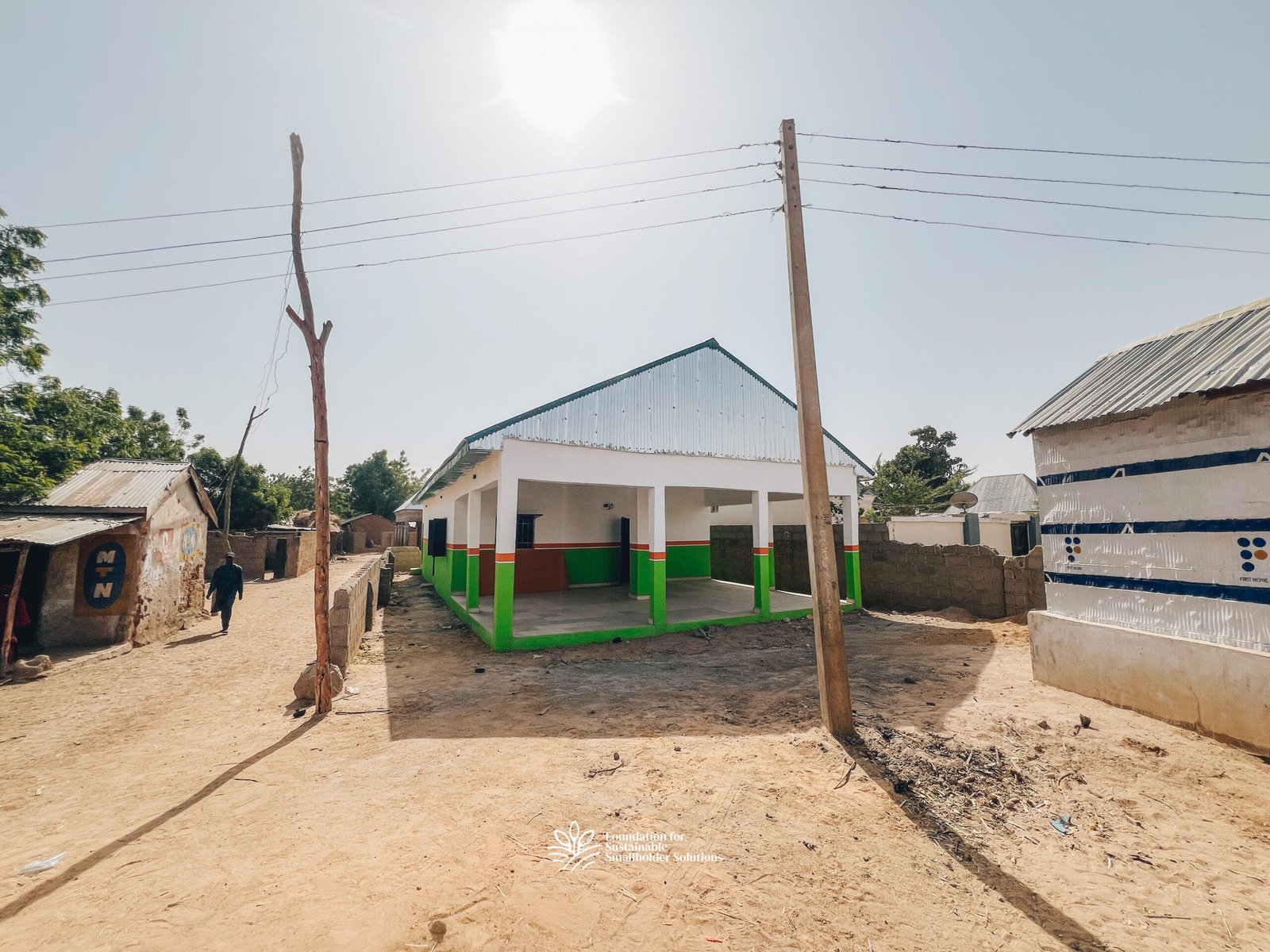
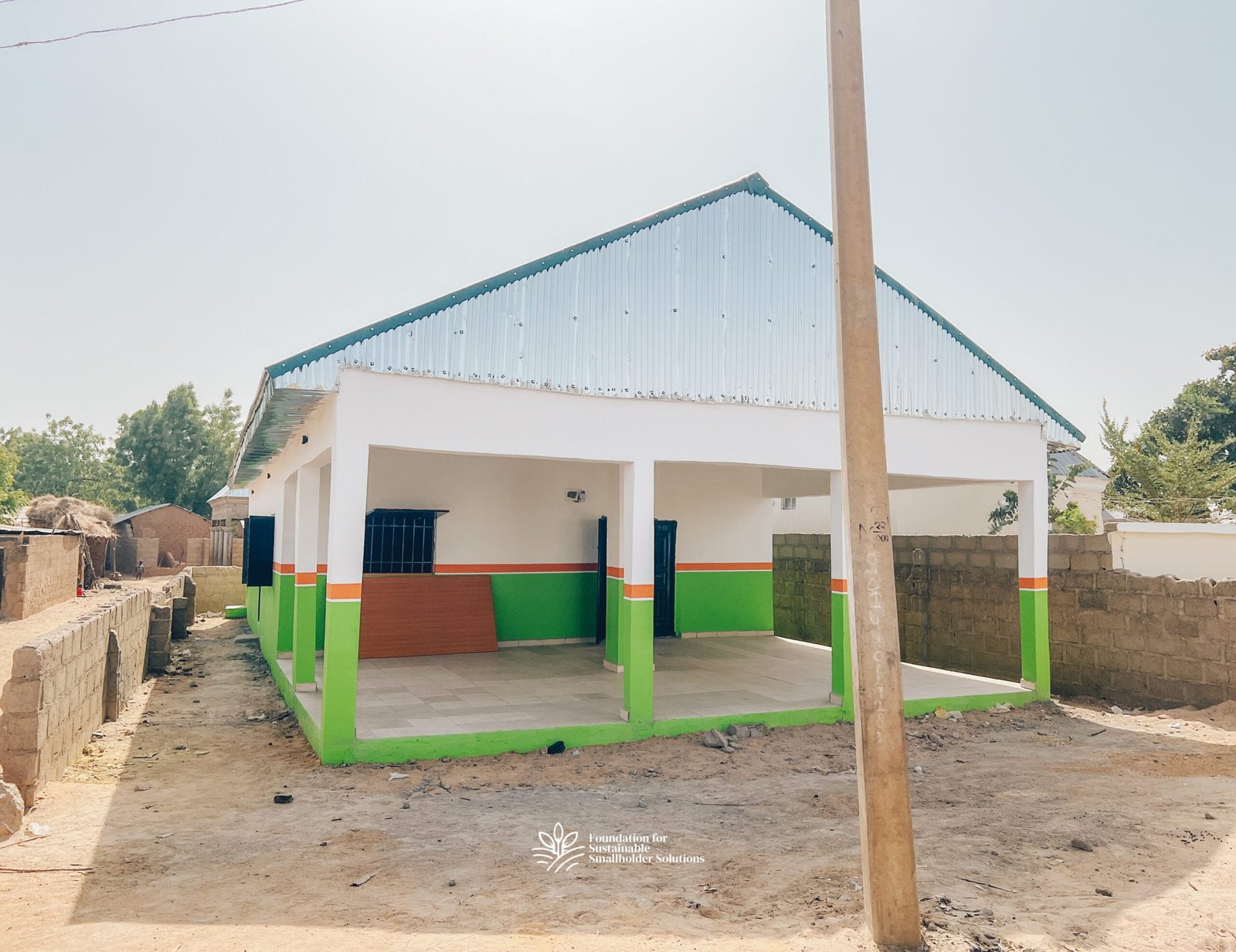
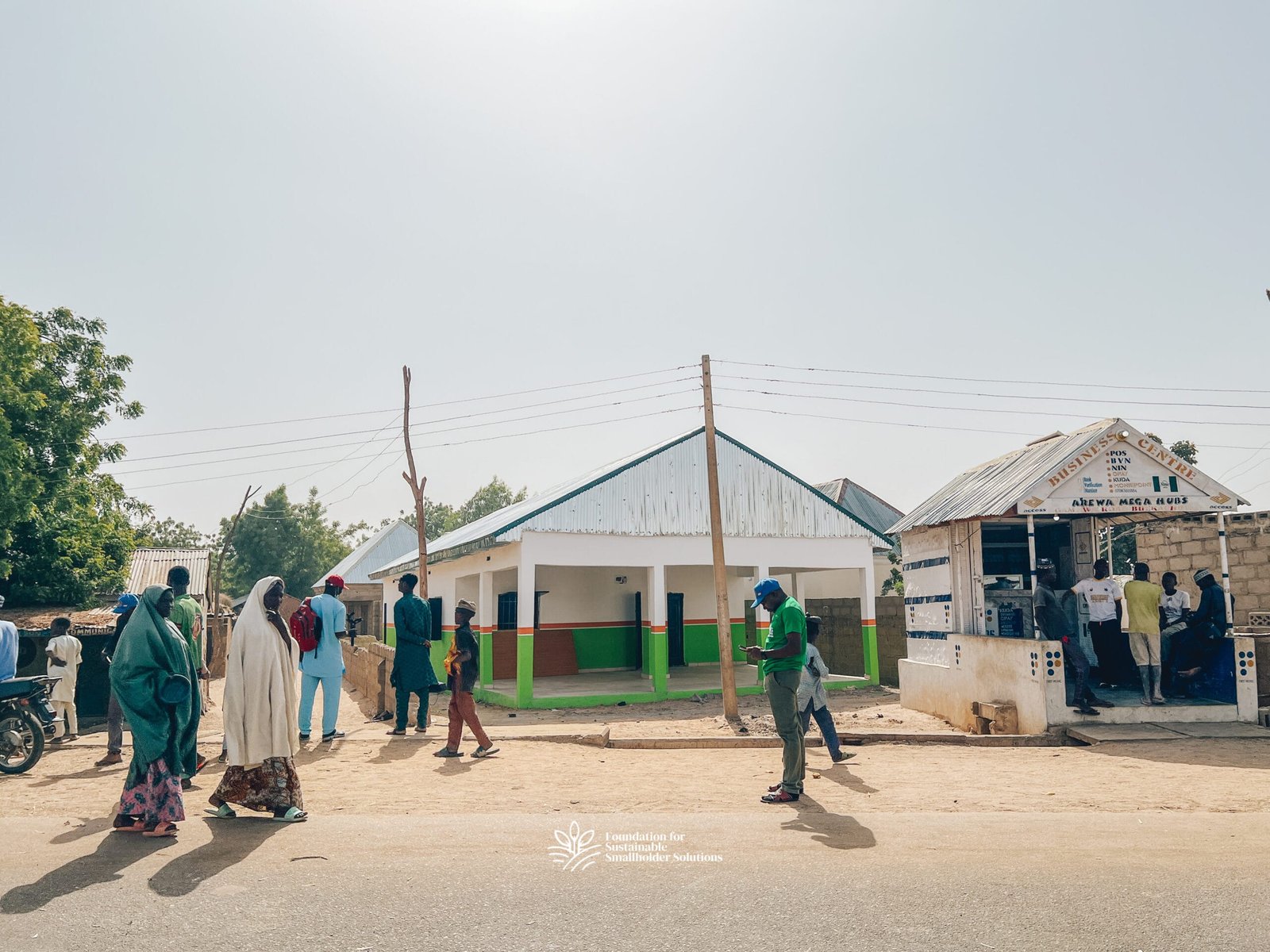
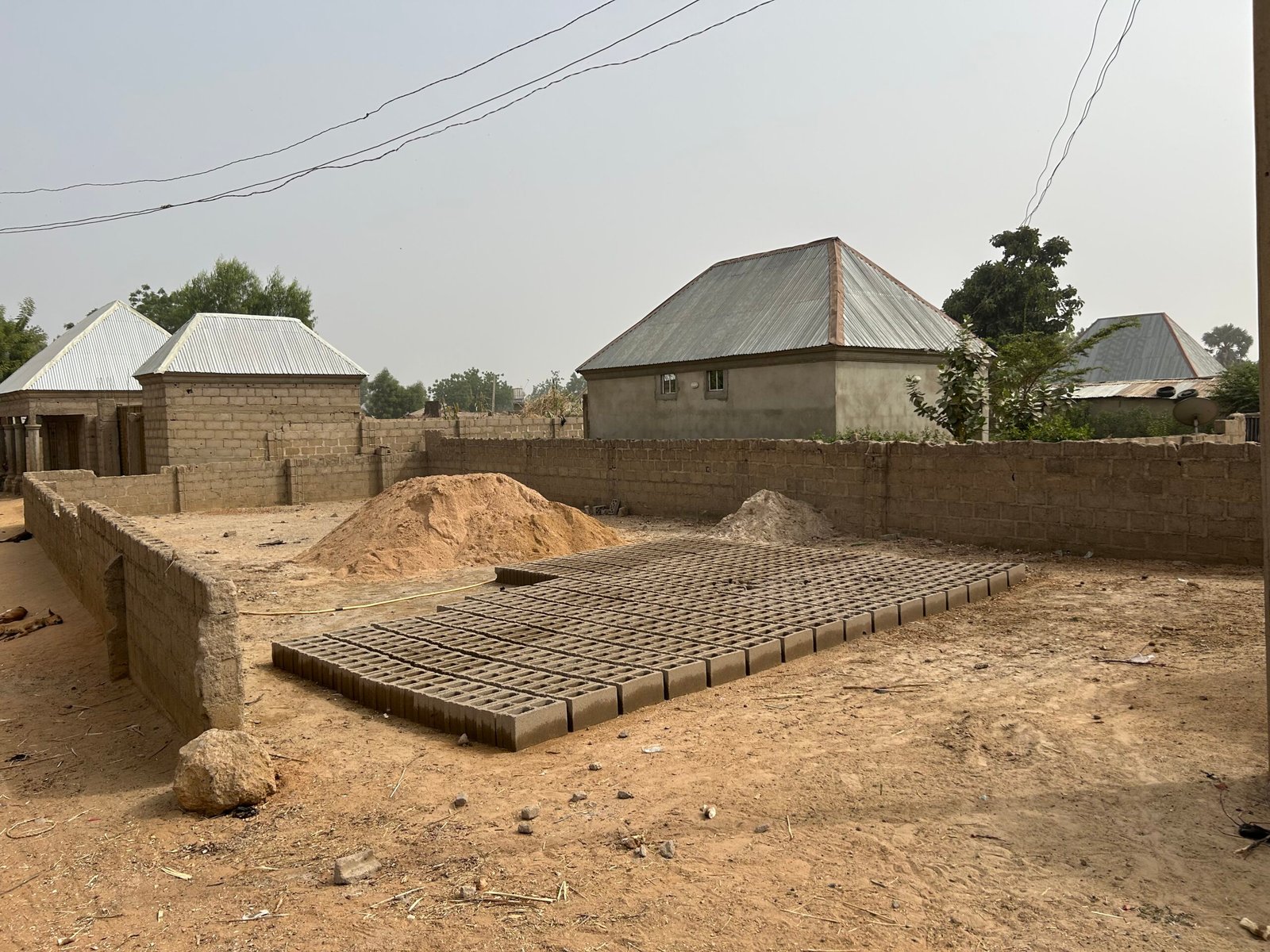
Photographic depiction of before and after the construction of Dahiru’s Farmers’ Hub

The project combines regenerative agriculture, climate-smart farming practices, livelihood diversification, nutrition-sensitive agriculture, and community-led service delivery through the Farmers’ Hub model. It aims to directly support 14,000 smallholder farmers while restoring degraded land and strengthening local agricultural systems.

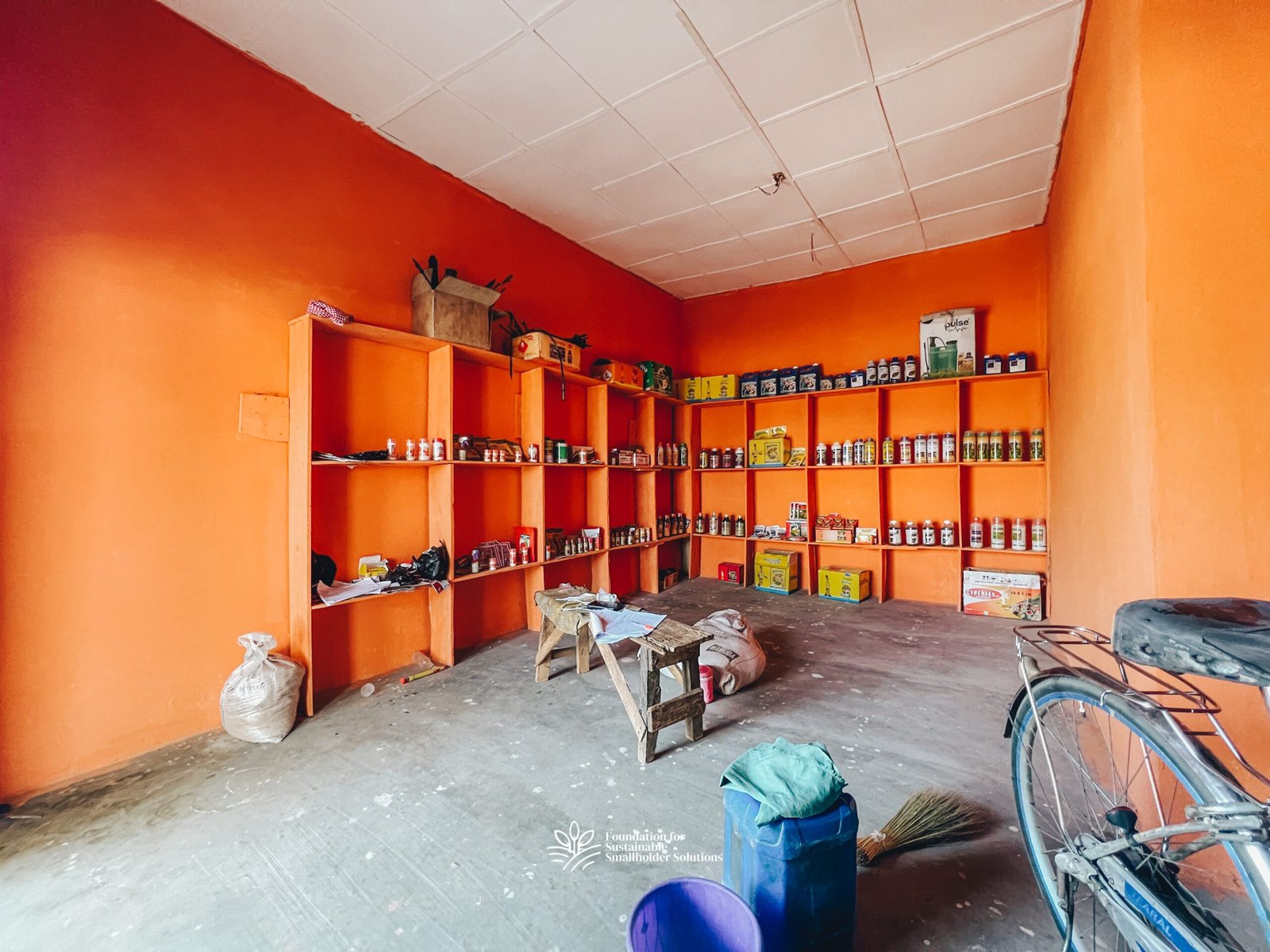
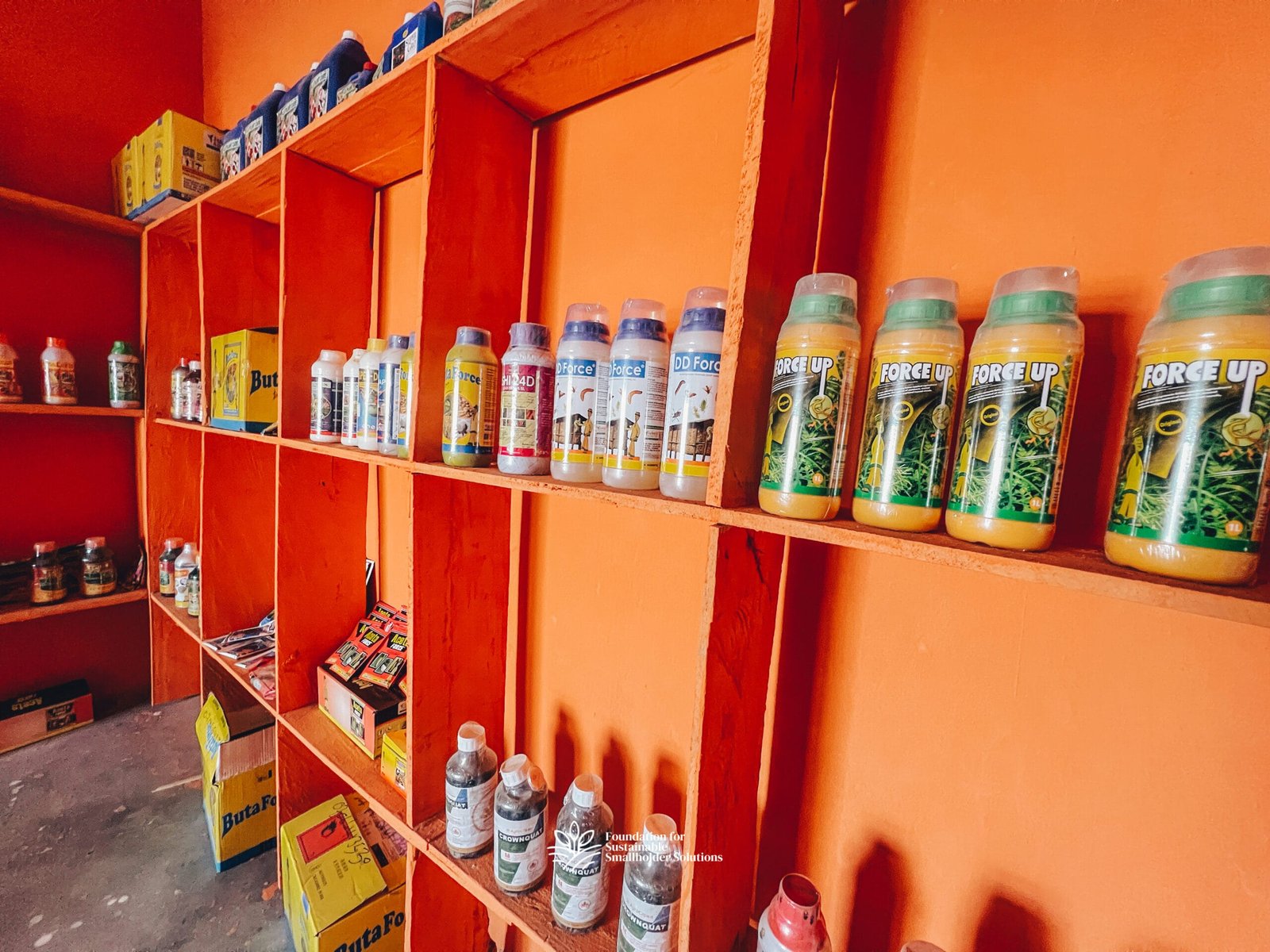
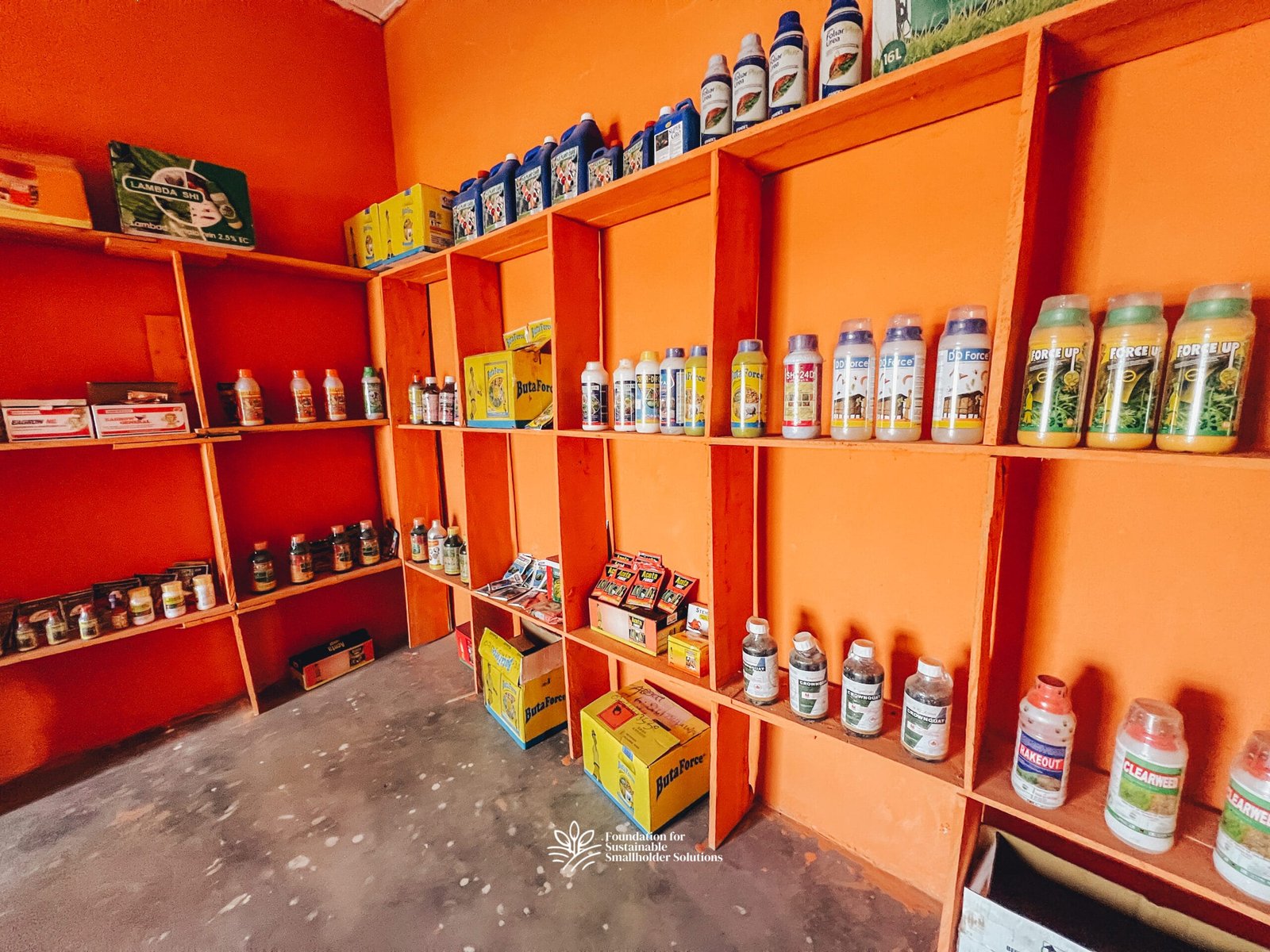
For Mohammed and the people of Bulkachuwa, one of the most significant outcomes of the project has been the establishment of a Farmers’ Hub, complete with warehousing and agro-input services, as well as the rehabilitation of his father’s agro-input store.

“FSSS has really helped us because they repaired our agro-store and also built us a Farmers’ Hub. We also have a warehouse in it.”

The intervention has provided a solid foundation for business growth while creating a central point where farmers can access inputs, information, training, mechanisation services, and other critical agricultural support.

The value of the support is not lost on Mohammed.

“If we were to build this structure ourselves, it would have cost us at least seven million naira. But God used the Foundation to bring help to us and better our lives greatly.”

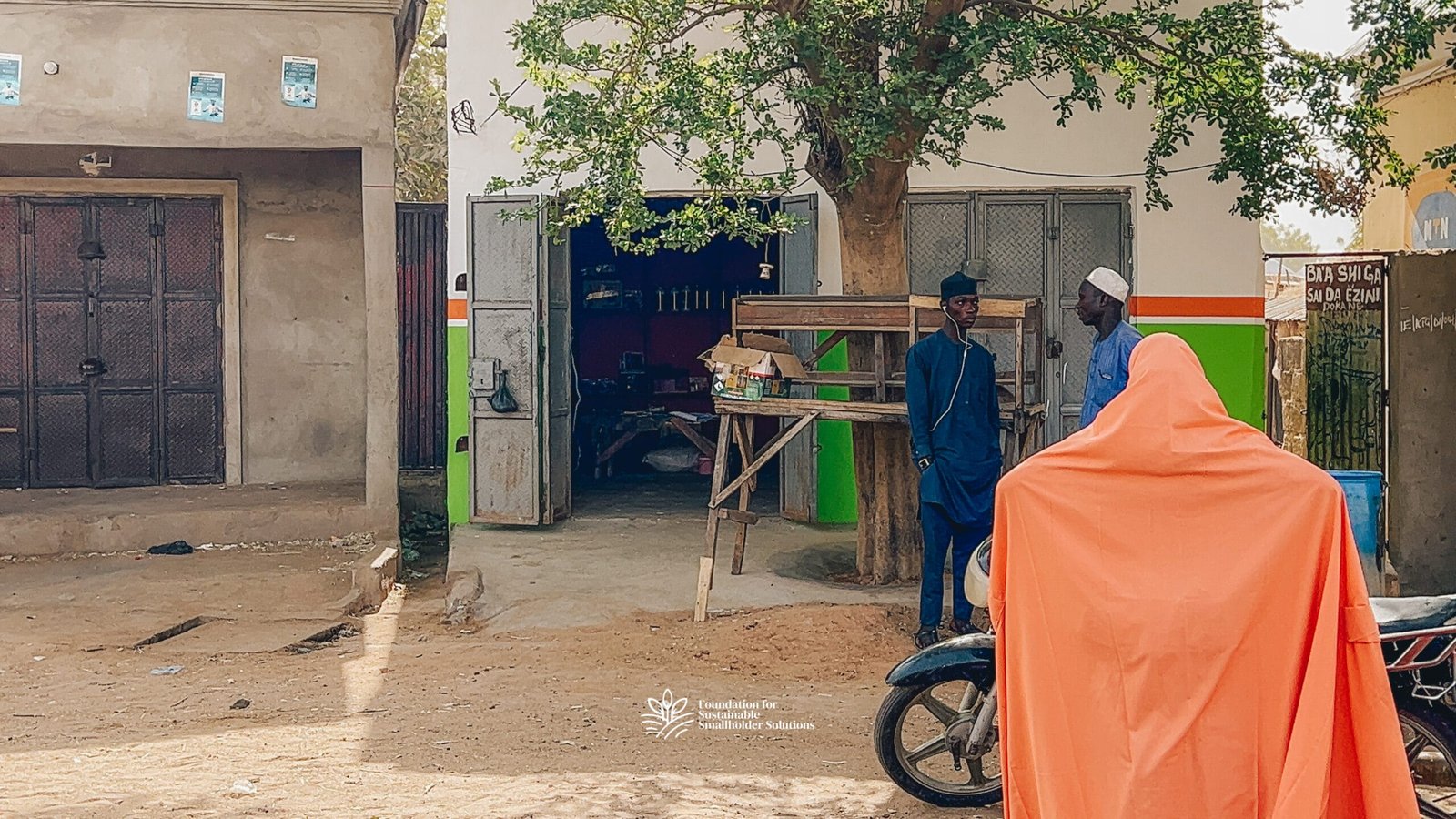
Front view of the rehabilitated agrochemical store owned by Dahiru's father in Bulkachuwa, Katagum LGA.

The Farmers’ Hub model is designed as a last-mile solution, bringing agricultural services and innovation closer to farming communities, reducing the distance and cost farmers often face when trying to access quality products and services. For Mohammed, it has also provided an opportunity to realise a long-standing personal ambition.

“This hub has helped me massively because I am able to support my family properly. Also, I had dreamt of starting my own business like my father, and through FSSS, God has helped me attain my goal.”

Beyond personal success, Mohammed sees the hub as a platform to make a significant impact in his community. With improved infrastructure, better storage facilities, and stronger linkages to quality input suppliers, he believes more farmers will gain access to the products and knowledge they need to improve their productivity and, importantly, profitability.

Standing at the centre of this new opportunity, Mohammed’s aspirations align closely with the broader vision of the ESTRRA Project: resilient farming communities where smallholders have the tools, knowledge, and support systems needed to thrive in the face of economic and climate challenges.

“I will also use the hub to help my community,” he says.

Those few words capture the essence of his journey. For Mohammed Dahiru Auwal, the Farmers’ Hub is more than an investment in infrastructure. It is an investment in people, in knowledge, and in the future of agriculture in Bulkachuwa. And as the ESTRRA Project continues to expand its impact across Bauchi North, stories like his demonstrate how empowering local entrepreneurs can create lasting change for entire communities.

Accelerating Smallholder Farmers Growth.