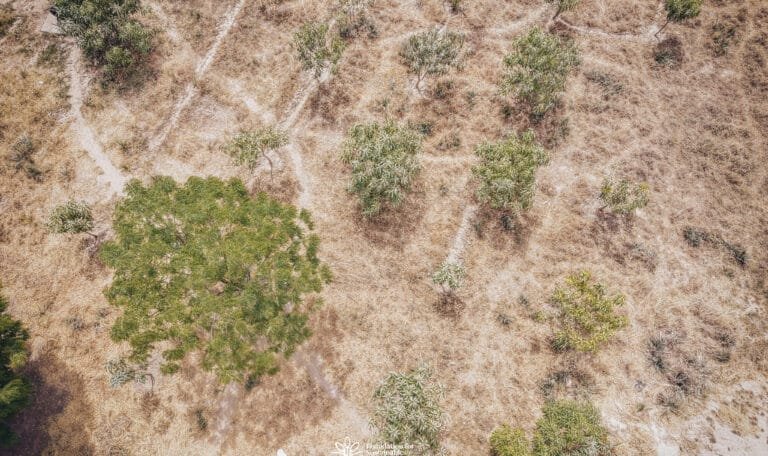

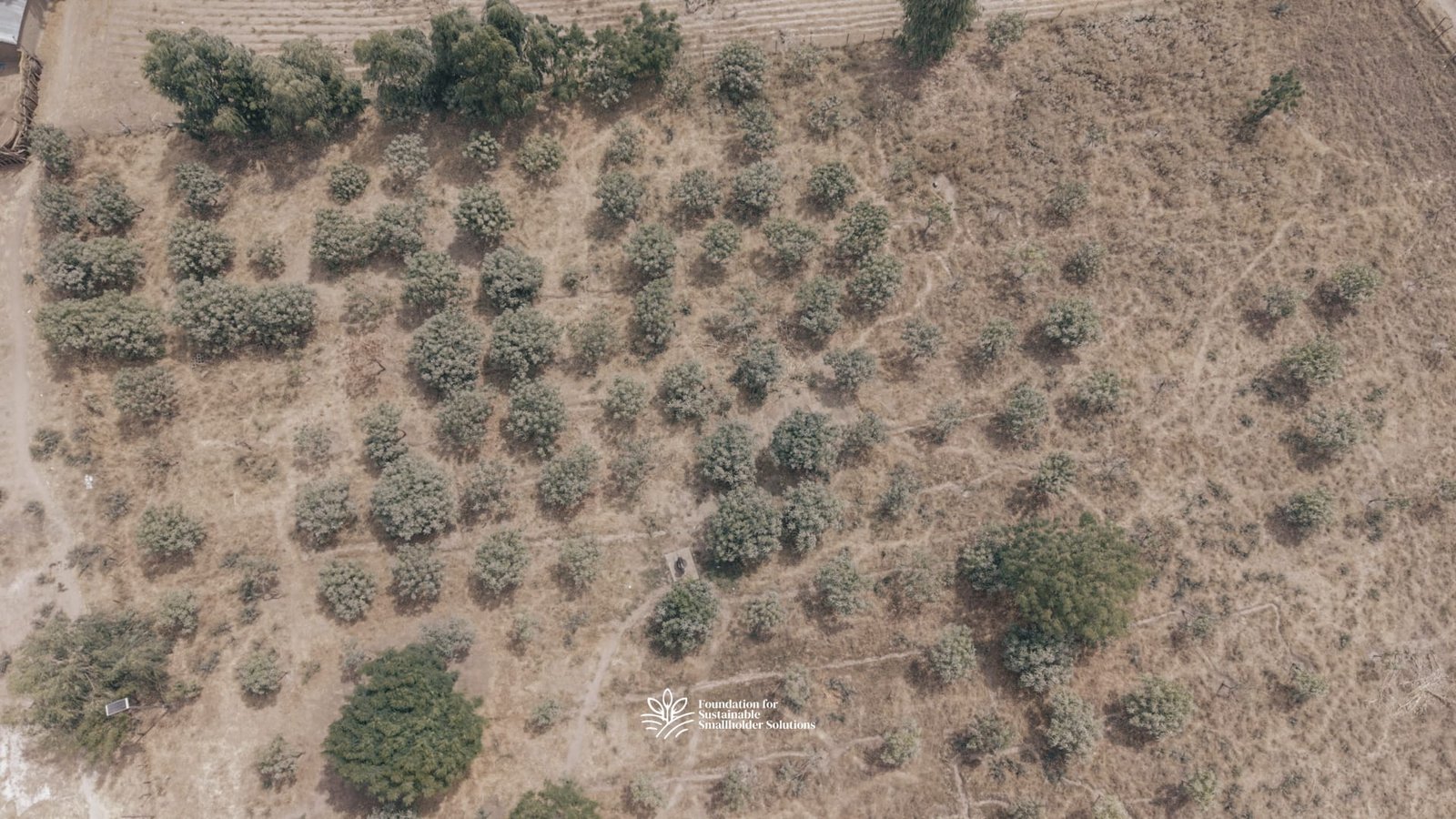
As you already know, the Heineken Africa Foundation, in partnership with the Foundation for Sustainable Smallholder Solutions, is implementing the ESTRRA Project to empower 14,000 smallholder farmers and restore degraded lands across Bauchi North through regenerative agriculture. As the rain-fed farming season draws near, the project has moved steadily from one community to another, engaging farmers, establishing Farmers’ Hubs, and building the capacity of women, youth, and farming households to take advantage of what the project has to offer to improve their livelihoods.
But beyond the project intents and activities, one question remains central: are farmers truly ready?
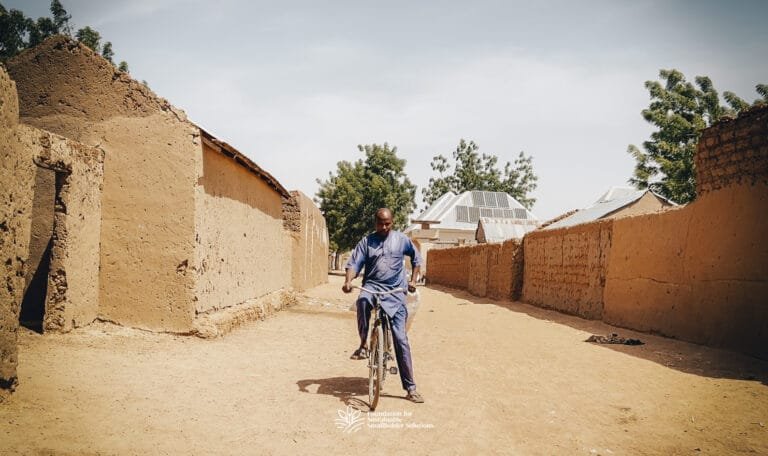
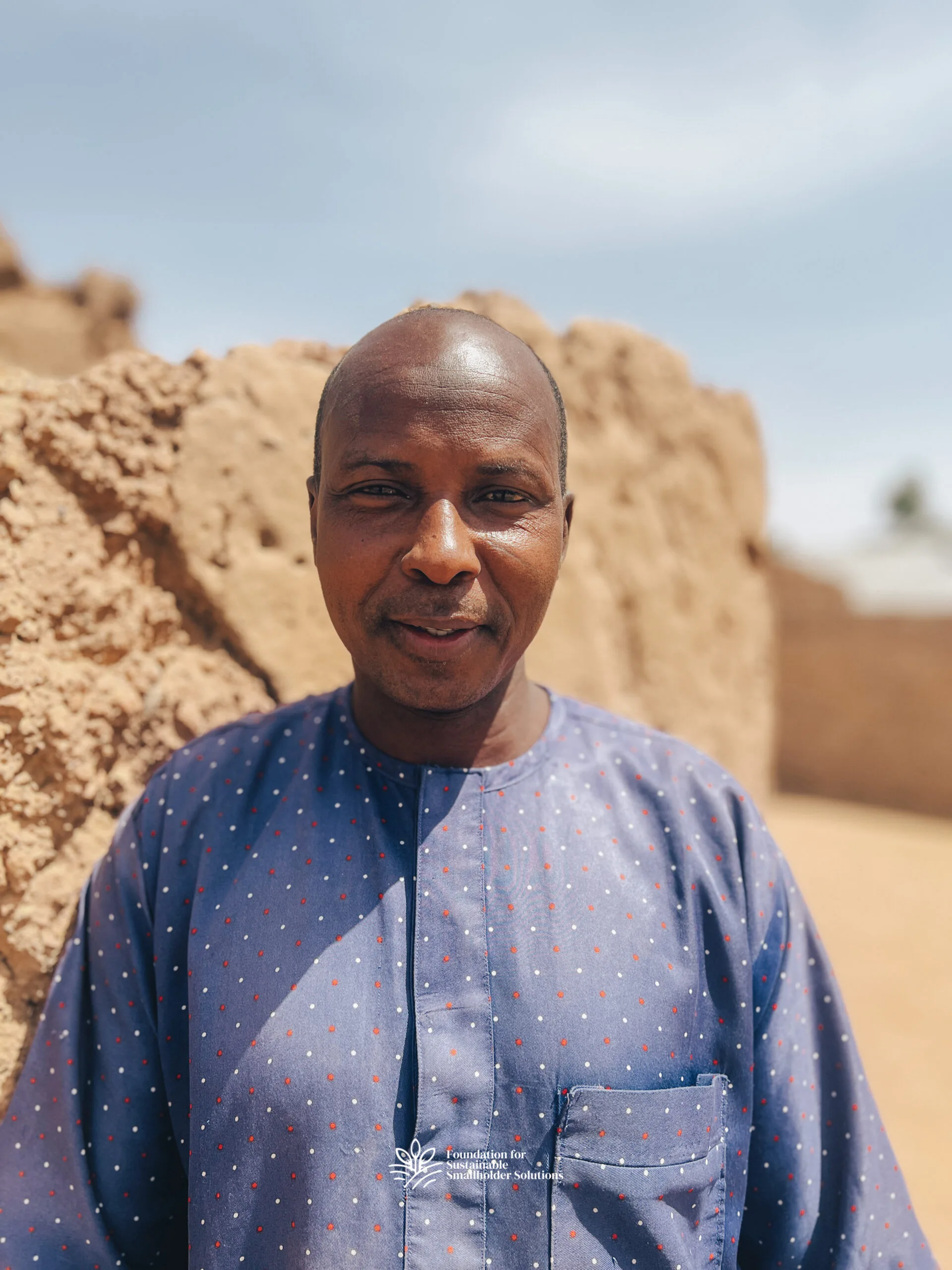
In Kurba community, in Giade Local Government Area, we caught up with Aminu Adamu, a middle-aged man of medium height and high standing in his community on his way to go mill rice for his family consumption. With a soft-spoken voice and excitement in his eyes, he gave an answer that was as clear as corn from guinea-corn.
“We are ready.”
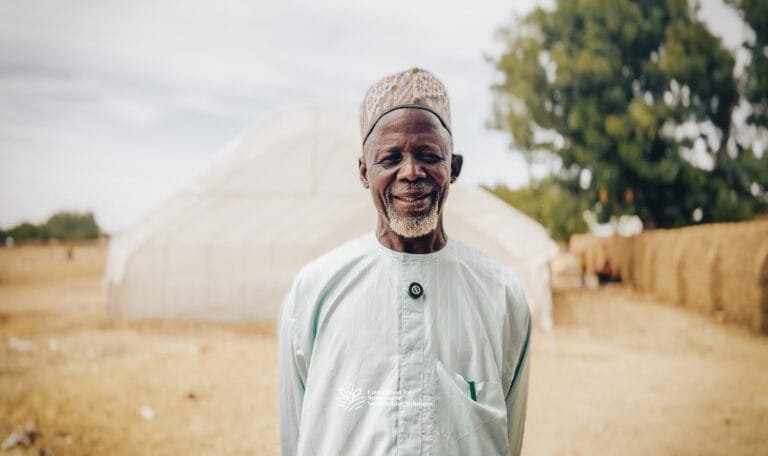
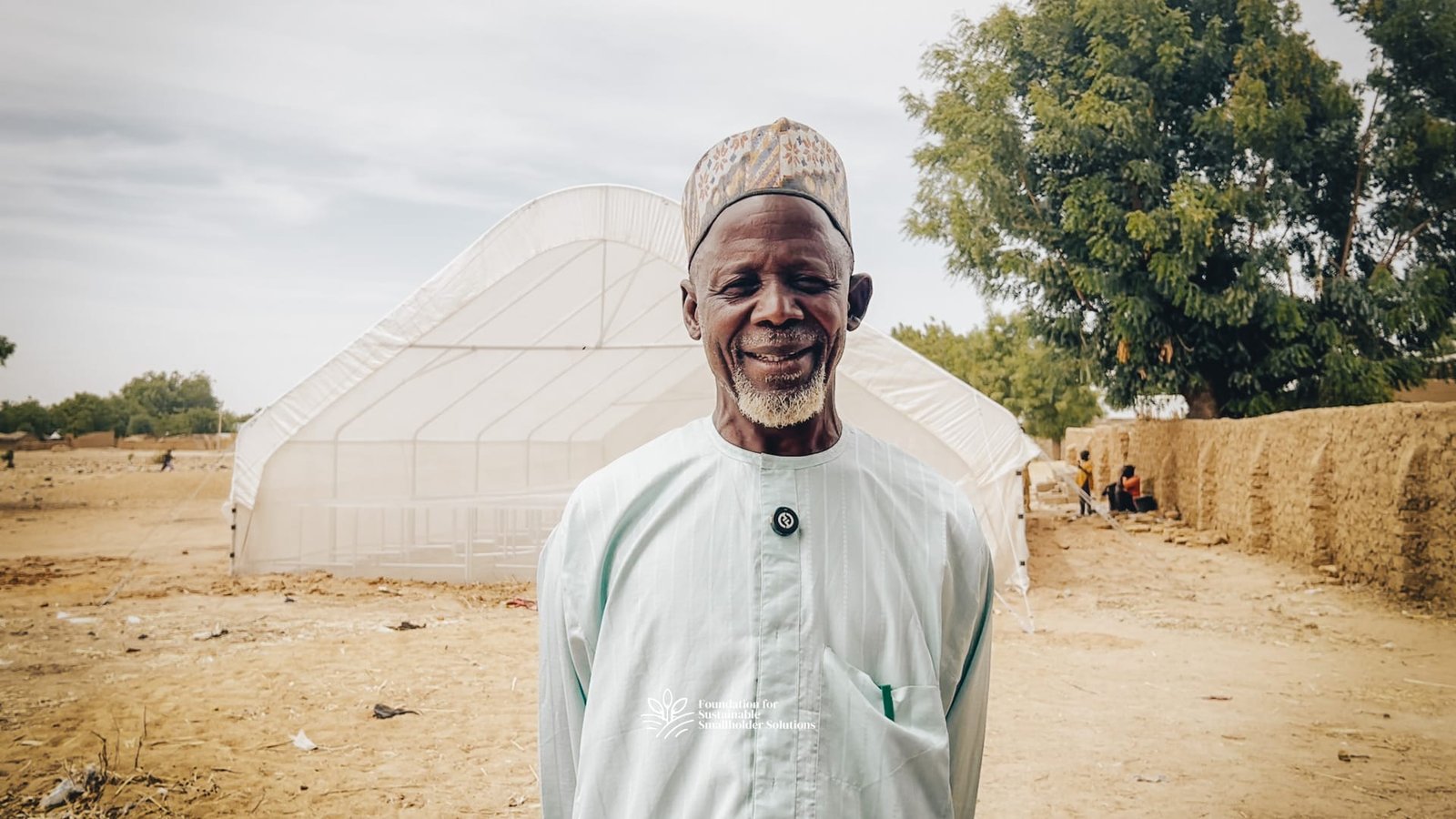
The same sentiment was re-echoed in Zaki Local Government Area when we sat down with Hansi Chibiyayi, the Mai Unguwan of Chibiyayi community. With the quiet composure fitting of only a leader, Hansi speaks not just for himself, but for a community that has long endured the uncertainties of smallholder farming, as he affirms that his people are prepared to embrace the project, support its implementation, and ensure that its benefits reach households across the community.
That simple but powerful sentiment in the voices of Aminu and Hansi is shared by many farmers across the seven LGAs where the ESTRRA Project is being implemented. It is also strongly reinforced by community leadership.
Aminu cultivates guinea corn (sorghum), groundnuts, and maize. Like many farmers in the region, he faces persistent challenges that limit productivity. Pest infestations, particularly weevils, reduce yields significantly. Strong winds damage crops in the field. Limited access to fertilisers and spraying equipment makes proper farm management difficult. On top of this, changing weather patterns have made rainfall increasingly unreliable.
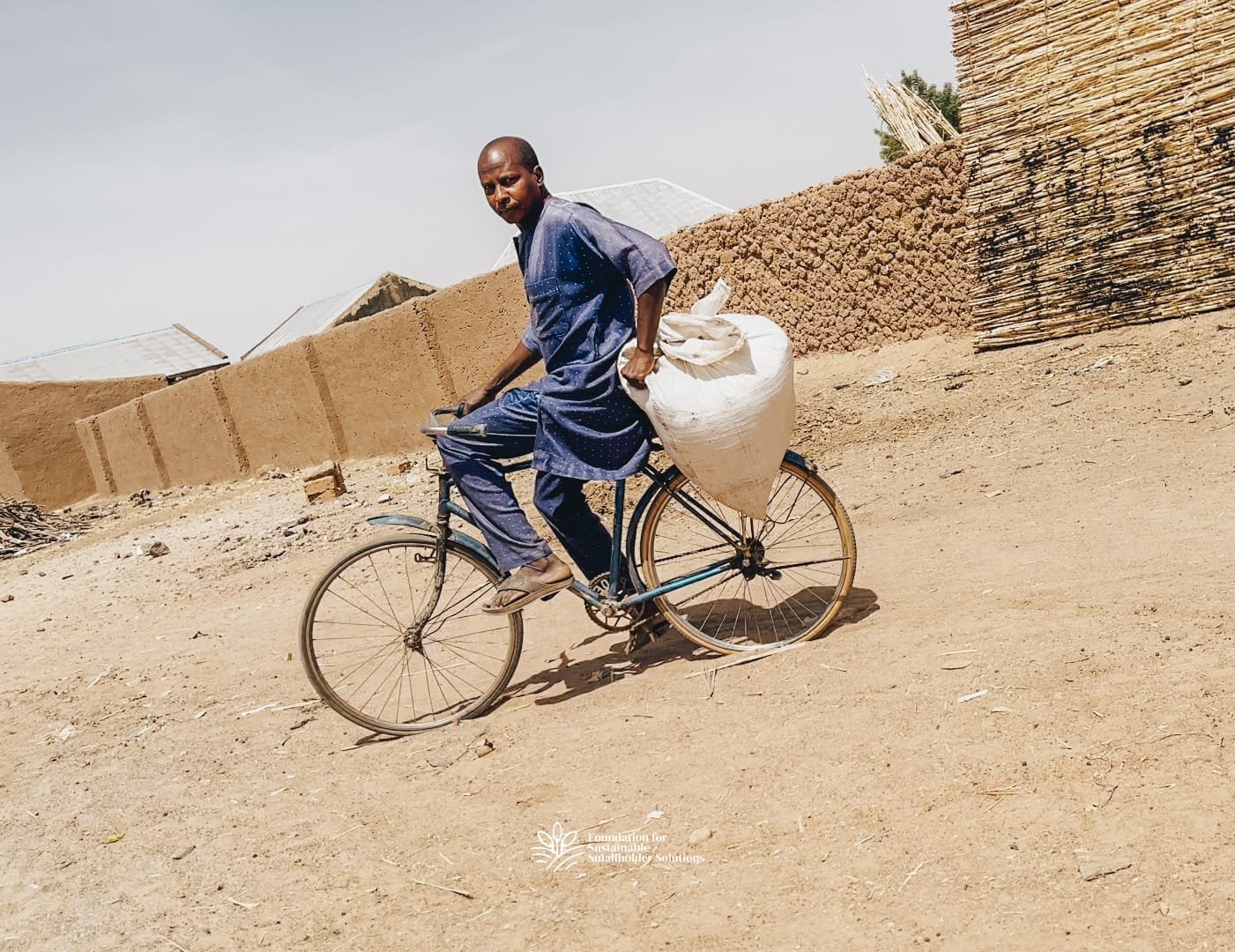
One farming season stands out. With hope and effort invested, Aminu expected to harvest up to 20 bags of produce. Instead, he harvested less than two. The rains did not come as expected, and the outcome was devastating.
Yet, even in recounting this loss, there is no resignation in his voice, only determination.
Farming challenges in Kurba and Chibiyayi extend beyond the field. Transportation remains difficult, sometimes requiring the use of donkeys to move produce. Processing facilities are limited, forcing farmers to travel long distances. These barriers reduce efficiency and limit income opportunities.
And still, the willingness to move forward remains strong.
Aminu and others in his community have seen glimpses of what is possible. In Kurba and many other communities, through the ESTRRA Project support initiatives, we are establishing two Farmers’ Hubs—a rice milling hub and an agri-input hub—poised to improve access to equipment such as rice milling machines, making processing easier and more efficient, and most importantly reducing the distance travelled to access processing, as well as improving access to quality inputs like fertilisers and agrochemicals for managing pests. These examples have shifted mindsets. What once seemed distant now feels attainable and a stone’s throw away.
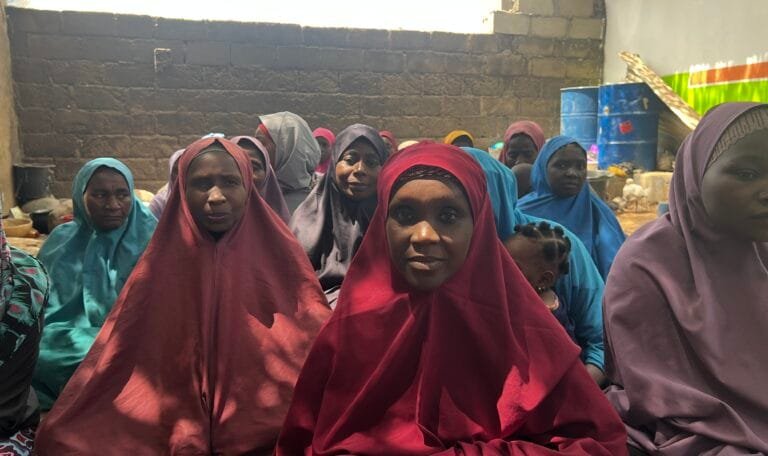
On the climate front, regenerative agricultural practices like water conservation, mixed cropping, tree planting, and land reclamation through earth bunds are being taught to farmers and implemented. As a fallback plan during the off-season, when many farmers experience a shortfall in income, these farmers are being trained in income-generating activities such as cap making, weaving, soap making, tiling, and painting to augment their earning capabilities outside regular farming.
This is where the significance of readiness becomes clear.

Farmers in Kurba are not waiting to be convinced. They understand the value of improved inputs, training, and infrastructure. What they seek is access. Aminu’s appeal is practical and direct: insecticides, fertilisers, and modern farming tools that can help them manage their farms more effectively.
More importantly, according to Aminu, from his interactions with other farmers in the community, there is a strong commitment to using any support responsibly. Farmers are prepared to adopt new practices, apply what they learn, and ensure that interventions lead to real, measurable improvements. This same assurance is echoed by Hansi Chibiyayi, who emphasises that community leadership will play a key role in ensuring accountability, proper utilisation of resources, and inclusive participation across households.
This readiness extends beyond individual farmers. There is clear enthusiasm for involving women and youth, recognising that inclusive participation is essential for long-term community development. The ESTRRA Project’s focus on these groups aligns closely with the aspirations already present within the communities.
What makes Kurba and Chibiyayi significant is that their story is not isolated. Across Bauchi North, similar voices are emerging, from farmers to community leaders. People are ready to engage, ready to learn, and ready to transform their practices.
The excitement is steady and grounded, shaped by lived experience and a clear understanding of what is at stake and what ESTRRA has to offer. It is not driven by promises alone, but by a genuine desire to improve livelihoods and secure a better future.
In many ways, Aminu’s words, now echoed by leaders like Hansi Chibiyayi, capture the spirit of the moment.
“We are ready.”