

1. Crop Rotation and Diversification
Crop rotation involves alternating crops on the same plot across growing seasons, which enhances soil health by minimising the need for chemical fertilisers, improving soil structure, and controlling pests. For example, rotating legumes with cereals boosts soil nitrogen levels, reducing the need for fertilisers and increasing yields. Crop diversification, the practice of growing multiple crop types within a season, mitigates the risk of crop failure and supports a more stable income for farmers.
Benefits:
- Improves soil fertility and reduces erosion
- Reduces pest and disease cycles, lowering pesticide use
- Provides crop variety for nutritional diversity and income stability
Challenges in Nigeria:
- Limited knowledge of crop rotation techniques among farmers
- Initial costs for diverse seeds can be high
- Resistance to change from monocropping due to familiarity and lack of training
2. Organic Fertilisation
Organic fertilisers, such as compost or animal manure, improve soil health by increasing organic matter, enhancing water retention, and promoting beneficial microbes. This reduces dependency on chemical fertilisers that can degrade soil over time. A report by UNDP (2022) states that Nigerian farmers using compost experienced a 40% increase in crop yields compared to conventional fertilisation.

Benefits:
- Reduces reliance on expensive chemical fertilisers
- Enhances long-term soil fertility and resilience against erosion
- Lowers environmental impact by reducing synthetic chemical runoff
Challenges in Nigeria:
- Limited access to organic fertilisers and compost production facilities
- Need for training on effective production and application methods
- High initial costs and labour requirements may discourage adoption
3. Water Conservation Techniques

Given Northern Nigeria’s seasonal climate and fluctuating rainfall, water conservation is essential. Techniques such as rainwater harvesting, drip irrigation, and mulching help maintain crop productivity during dry spells. Drip irrigation, for instance, uses 30-50% less water than traditional methods, benefiting regions facing drought. Similar techniques in Kenya have improved water savings and crop yields, showing potential for Nigeria.
Benefits:
- Reduces water wastage and ensures hydration during dry periods
- Increases water-use efficiency for resilience in low-rainfall areas
- Reduces reliance on costly groundwater extraction
Challenges in Nigeria:
- High initial costs for water-saving systems like drip irrigation
- Limited access to conservation equipment, especially in rural areas
- Lack of government support or subsidies to make these technologies accessible for small-scale farmers
4. Integrated Pest Management (IPM)
Benefits:
- Reduces environmental and health risks from synthetic pesticides
- Controls pest populations sustainably over time
- Lowers input costs by reducing chemical pesticide reliance
Challenges in Nigeria:
- Limited awareness and access to IPM techniques among smallholders
- Difficulty obtaining IPM materials, such as pheromone traps and biological agents
- Inadequate extension services to support farmers in implementing IPM
5. Agroforestry
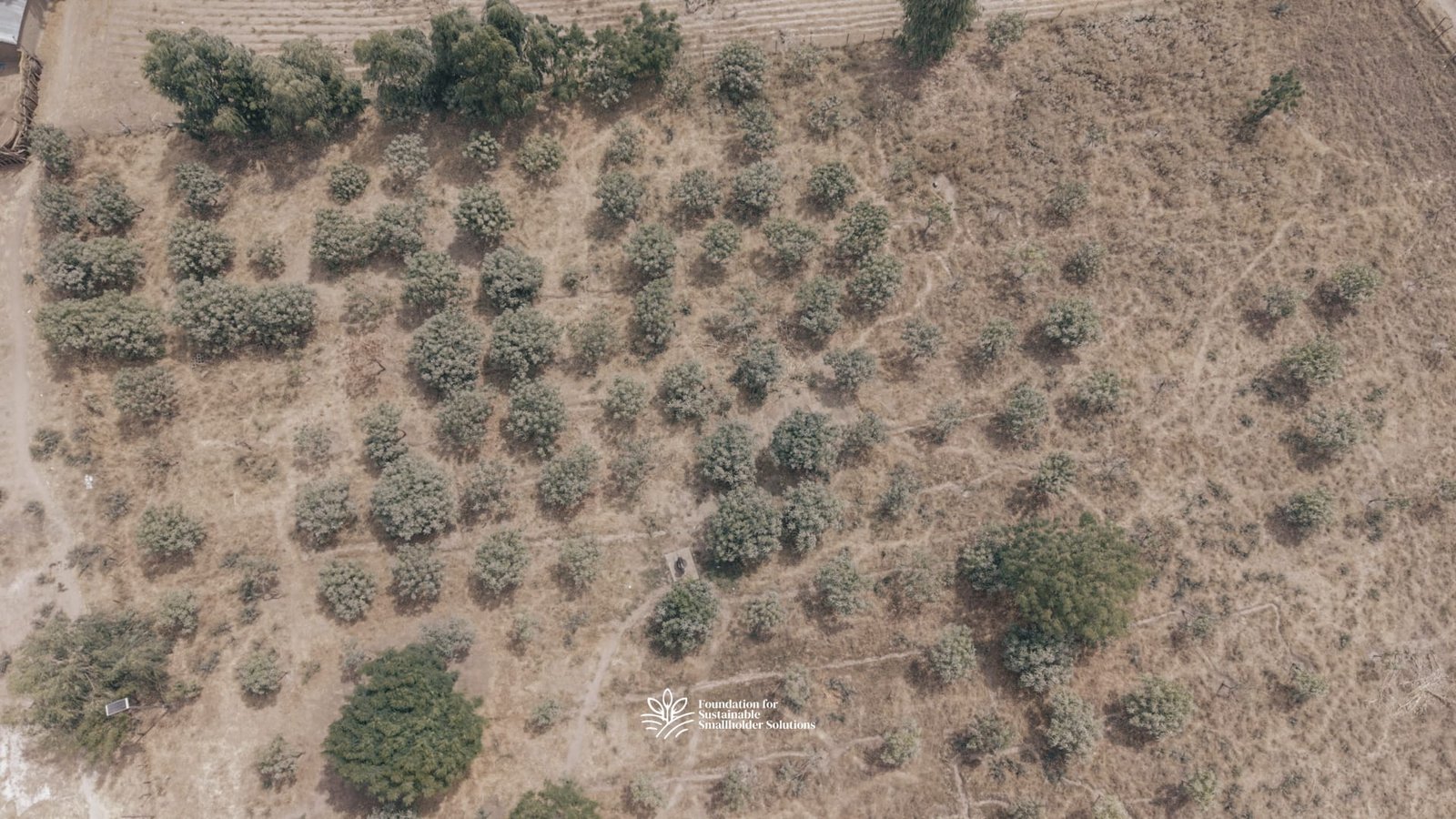
Agroforestry, the integration of trees and shrubs into croplands, offers multiple benefits: it improves soil structure, reduces erosion, and provides habitat for beneficial wildlife. Trees help conserve soil moisture and provide shade, reducing soil temperatures. In Zambia, agroforestry has increased crop resilience to climate stress, leading to higher yields and reduced soil degradation—a model Nigeria could adopt.
Benefits:
- Enhances soil health and prevents land degradation
- Increases biodiversity, supporting pollinators and pest predators
- Provides alternative income through tree products such as fruit and timber
Challenges in Nigeria:
- Limited land availability for integrating trees on small farms
- Long-term commitment, as benefits from trees take years to materialise
- Requires technical knowledge on species selection and management