

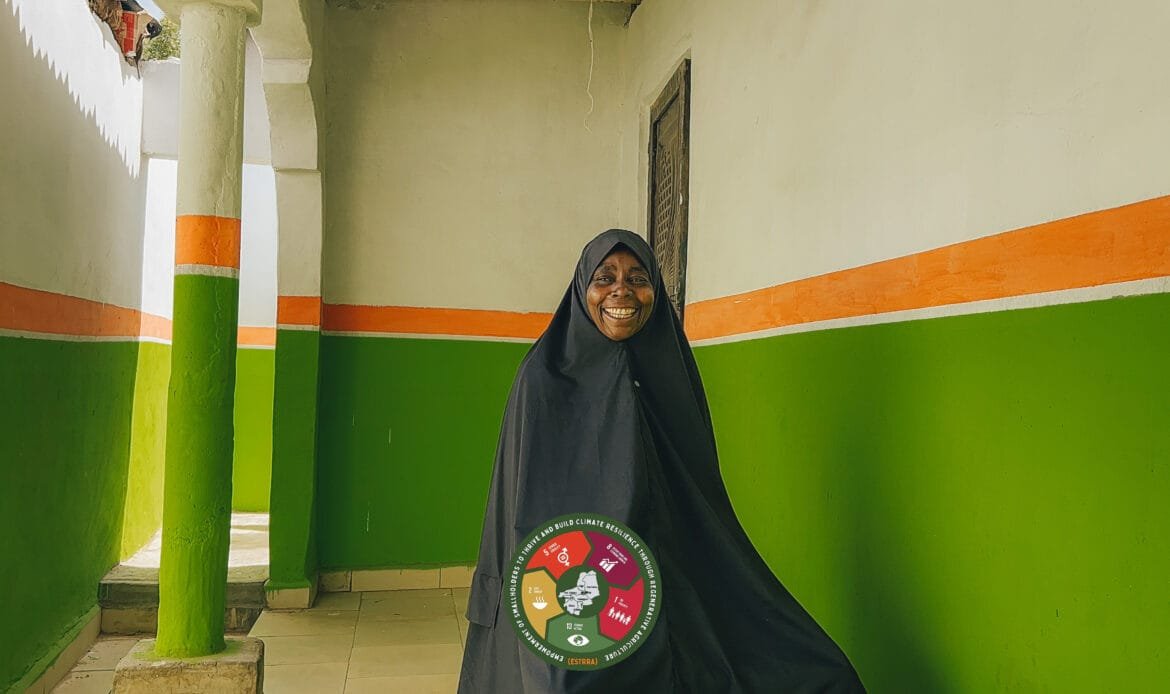
Globally, March has a way of making the world pause and take a breath. As the internationally earmarked month for women’s recognition, there is often a swell of conversations about equality, opportunity, and recognition. But in many rural communities, especially in sub-Saharan Africa, Northern Nigeria to be precise, these ideas only truly matter when they take on form, when they move from mere words and commitments into action; something that can be seen, touched, and lived.
In Nigeria, women make up nearly 80 per cent of the agricultural labour force, yet remain largely underserved when it comes to access to tools and opportunity. It is this gap that the Foundation for Sustainable Smallholder Solutions (FSSS), with support from the Heineken Africa Foundation, set out to address through the Empowerment of Smallholders to Thrive and Build Climate Resilience through Regenerative Agriculture (ESTRRA) project. The thinking was both simple and deliberate: if women sit at the centre of production, then meaningful investment in them is not charity; it is strategy. It is growth. It is multiplication.
In Faggo, a rural community in the Shira Local Government Area in the northern part of Bauchi State, that idea has taken on a visible, everyday form. It sounds like the steady, rhythmic hum of a rice milling engine cutting through otherwise quiet days in a modest community.
The scene is one of women moving in and out of a small but busy processing point, balancing large bowls of paddy rice, waiting their turn, exchanging words. And it feels like something less tangible but just as important, a growing sense of confidence.
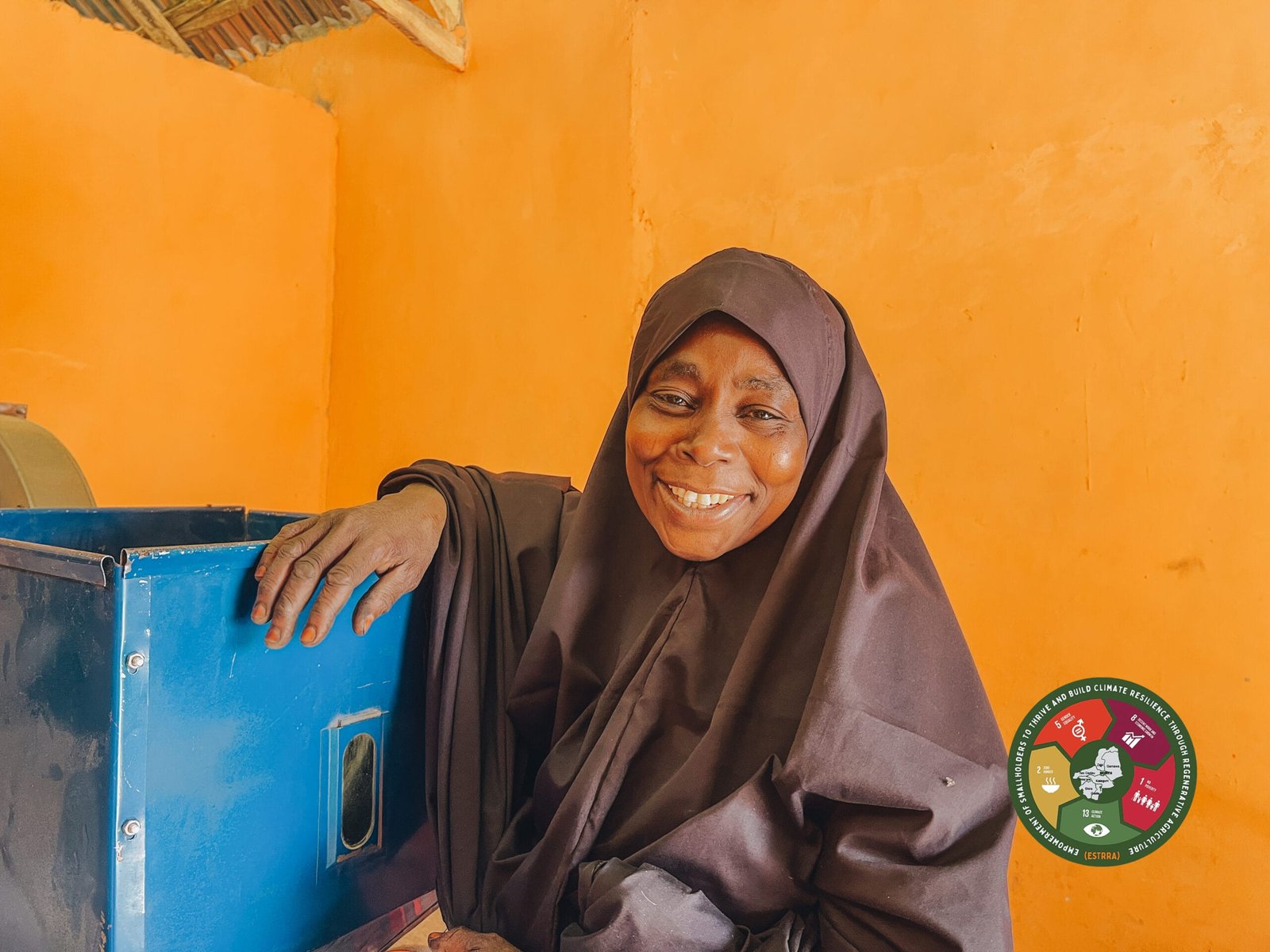
At the centre of it all is Altine Lamara, a rice miller who has built her livelihood around a trade that is both labour-intensive and central to her community’s food system.
Altine, from a place of humble beginnings, tells her story without any grand narrative. She tells it in fragments of memory, each one grounded in effort, a reality that will feel familiar to many women across rural Nigeria, working hard but with very little to work with.
“For many women, the journey starts with effort, resilience, and hope, but very little support,” she says.
“I’ve been milling rice for over 30 years. When I started, I was using my bare hands.”
There is no exaggeration in her words. For years, that was her reality: long hours of physically demanding work, slow processing, and output that could barely meet market demand. Like many women across Nigeria’s agricultural value chain, she carried the weight of production, yet remained excluded from the tools that would allow her to grow.
Her business existed, but it did not grow.
“At the time I started the business, it wasn’t doing well at all. I wasn’t producing enough to sell,” she recalls. “Before, the business was stagnant. I had challenges with reach and lack of machinery.”
The limitation was not her knowledge. It was not her willingness to work. It was access, to machinery, to efficiency, to the kind of support that turns labour into enterprise.
For a long time, that gap defined her business.
Until it didn’t.
Through the ESTRRA project, the missing pieces were introduced, not as a temporary fix, but as a practical, lasting intervention.
She remembers the moment clearly.
“When the foundation delivered the milling machine, I was so overjoyed that I could barely eat,” she says, the memory still fresh. “I believe the best way to help someone is by setting up a business for them, and this is exactly what FSSS has done.”
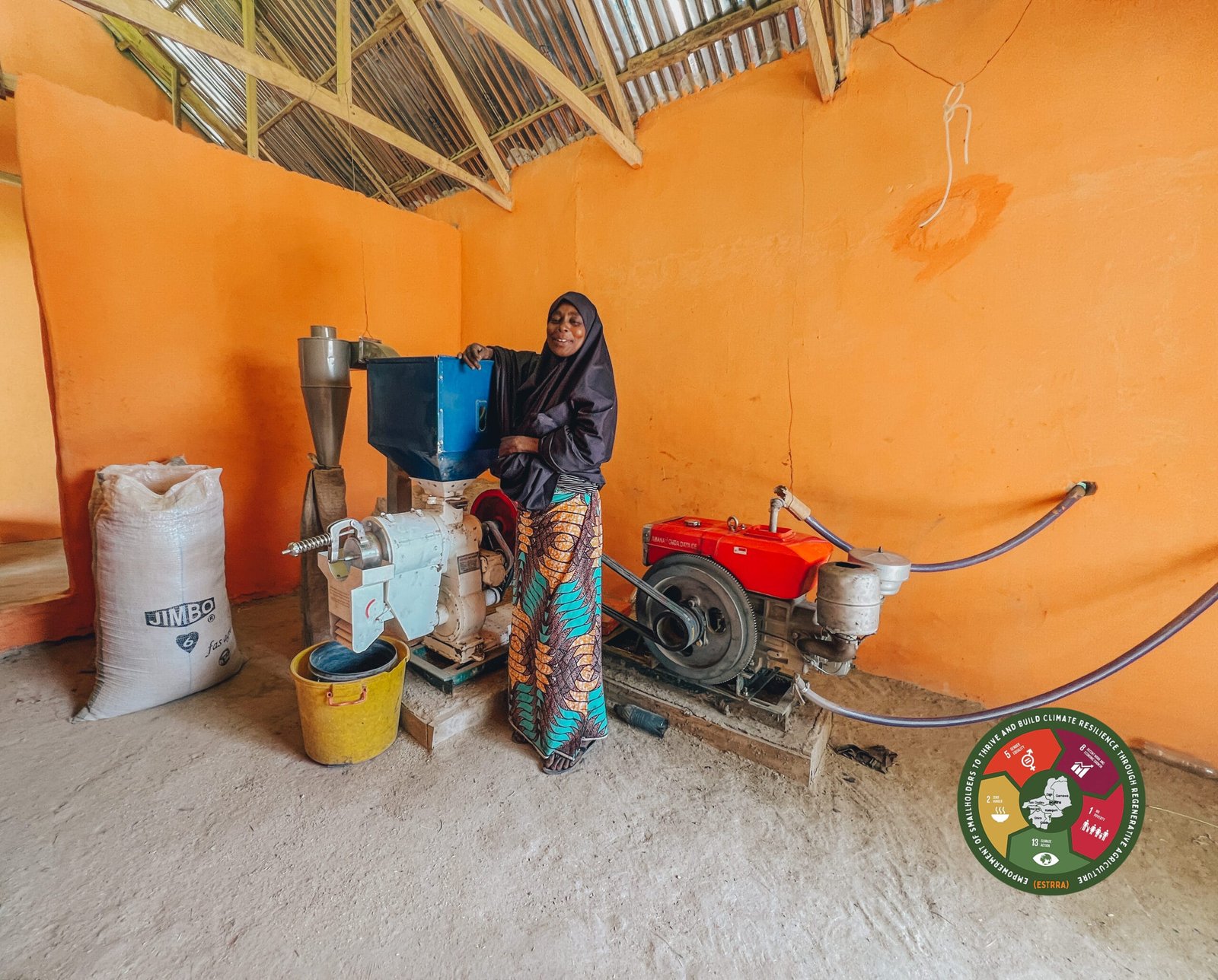
It is easy to describe the machine as equipment. But in Altine’s story, it represents something larger.
It changed the pace of her work.
It changed the scale of her output.
It changed what was possible.
“With the provision of the milling machine, I mill a lot more now, unlike before when I couldn’t due to lack of machinery,” she explains. “The foundation provided everything I need, even down to the wheelbarrow I use to move the rice.”
That detail matters. Because transformation is not always in the big, visible assets alone. Sometimes, it is in the small, practical tools that remove daily friction and allow work to flow.
Alongside the milling machine, the Foundation upgraded the condition of the milling house, expanding the space and enhancing it with tiling, painting, plastering, and roofing. The Foundation also provided her with advanced business management training tailored to her needs, as well as guidance on operating and maintaining the machine. In addition, it supported the development of a supply network to feed the machine with paddy and created an offtake market for the milled rice, effectively building a rice ecosystem for Altine to thrive in Faggo.
And then, almost quietly, she now harbours dreams of expanding her business beyond its former limits.
“With this intervention, I’ll be able to produce more and supply to other locations like Azare, Giade, Yana, and Jama’are LGAs, and I’m making progress. My business is also doing well.”
Where her reach once ended within her immediate surroundings, she now sees it stretching across neighbouring markets. Where output was once constrained, it is now consistent.
But the most important shift did not happen in isolation.
“This intervention has helped the people of Faggo community a lot,” she says.
Her business now supports more than just her household. It creates pathways for others, particularly women trying to find their footing in trade.
“I give produce worth 100 thousand naira to women to sell, and they make profits of up to 15–20 thousand naira,” she says. “The people I send to the market to help me sell also make profit from it and use it to take care of their children.”
What moves through her business is not just rice. It is income circulating within the community. It is an opportunity being redistributed in practical, everyday ways.
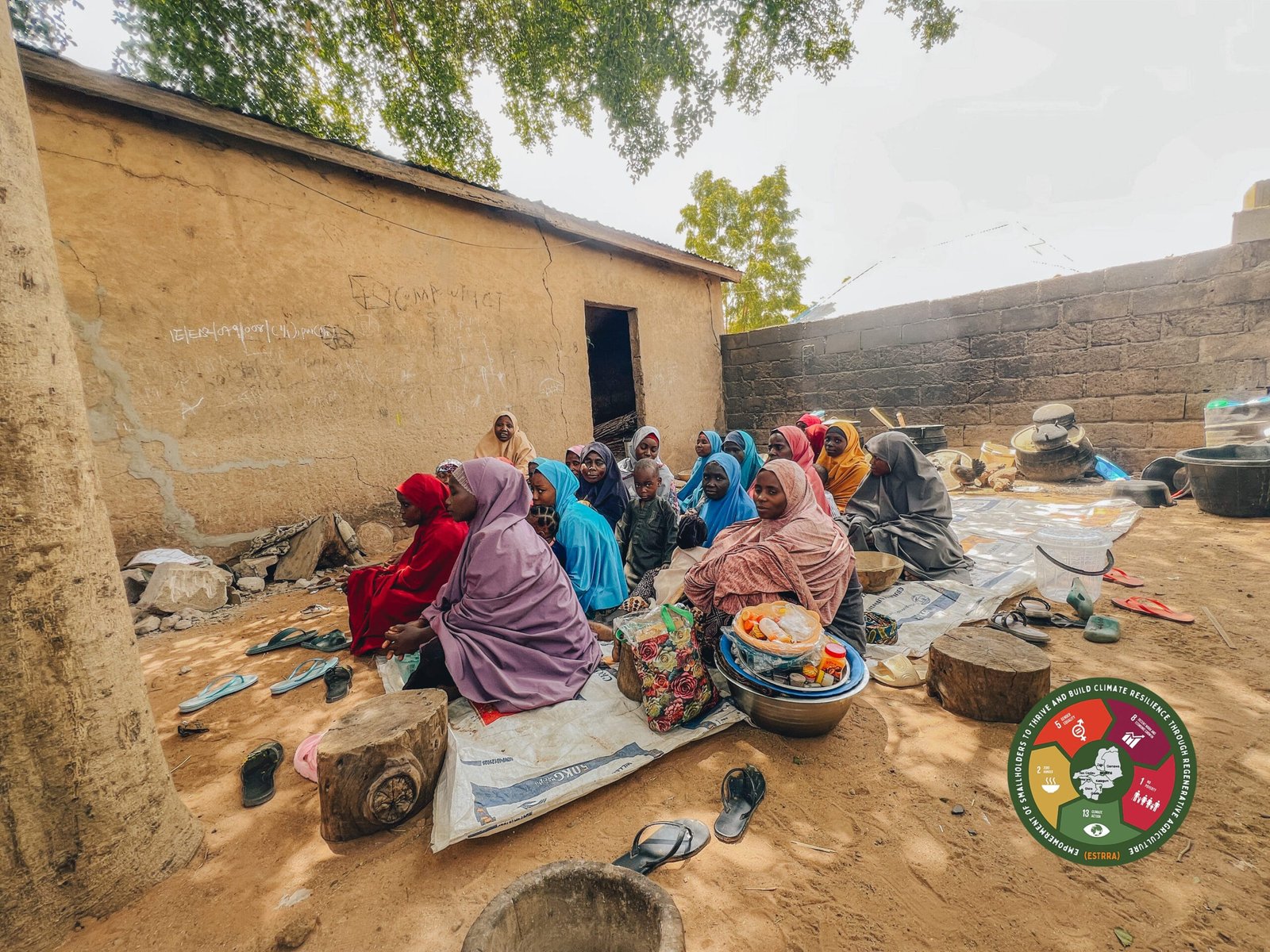
“This business has helped a lot of people,” she adds. “And also, the people who come to learn from me are assisting the business.”
Even within her home, the change is visible.
“My children also assist me in milling with the machine,” she says.
It is a small statement, but it speaks to continuity, shared effort, and the passing on of both skills and possibility.
And perhaps most telling is what her journey has sparked in others.
“Now, other women who weren’t in business have been motivated to start theirs because of the potential gains,” she says.
Through ESTRRA, over 14,000 beneficiaries are being reached, with women making up 60 per cent. Across six other local government areas of Bauchi North, similar shifts are taking place, each one reinforcing a simple but powerful idea: when support is intentional and well placed, it does not remain with one person. It multiplies.
“When women are enabled to work, entire communities benefit,” Altine says.
In the end, what was given to Altine was not just a milling machine. It was access. It was structure. It was the ability to move from effort to enterprise.