- Welcome to FSSS Nigeria!
- info@fsssolutions.org
- 1190, Mabushi, Abuja

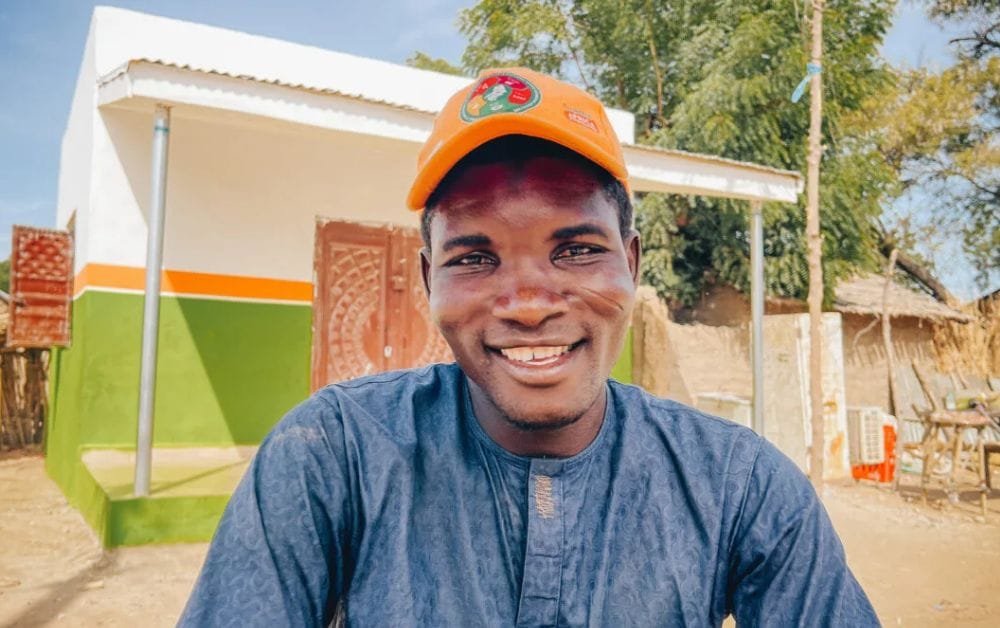
From a Mud Shack to a Brick Lifeline: A Story About Building Resilience in Diga
IMPACT
In Diga, an agrarian community in Itas-Gadau Local Government Area of Bauchi State, something as basic as buying fertiliser once meant a long and exhausting journey to neighbouring communities. Farmers often walked between five and ten kilometres just to access herbicides and other essential inputs. For many, this was not just an inconvenience; it directly affected how and when they farmed.
This was a problem Auwalu Umar took note of as a young man looking for ways to impact his community while also earning a living.
Today, what started as a response to a local need has grown into something much bigger. For the past five to six years, Auwalu has served as a vital link between farmers and the inputs they depend on. His small business has become a lifeline, easing a daily burden that had quietly held the community back.
Auwalu’s story reflects a wider reality across Nigeria’s agricultural communities, where limited last-mile access to farm inputs remains one of the most persistent barriers to productivity. The Food and Agriculture Organisation (FAO) notes that weak rural distribution systems continue to restrict smallholder farmers’ access to timely and affordable inputs, ultimately affecting yields and incomes.
In Diga, the situation was no different. Farmers made do with what they could find, often relying on whatever products were available, regardless of quality.
“Prior, we were using substandard chemicals which affected our crops… they didn’t work effectively,” Auwalu recalls.
Research from the International Institute of Tropical Agriculture (IITA) shows that counterfeit or low-quality agro-inputs can significantly reduce yields and farmer income, reinforcing cycles of low productivity and vulnerability.
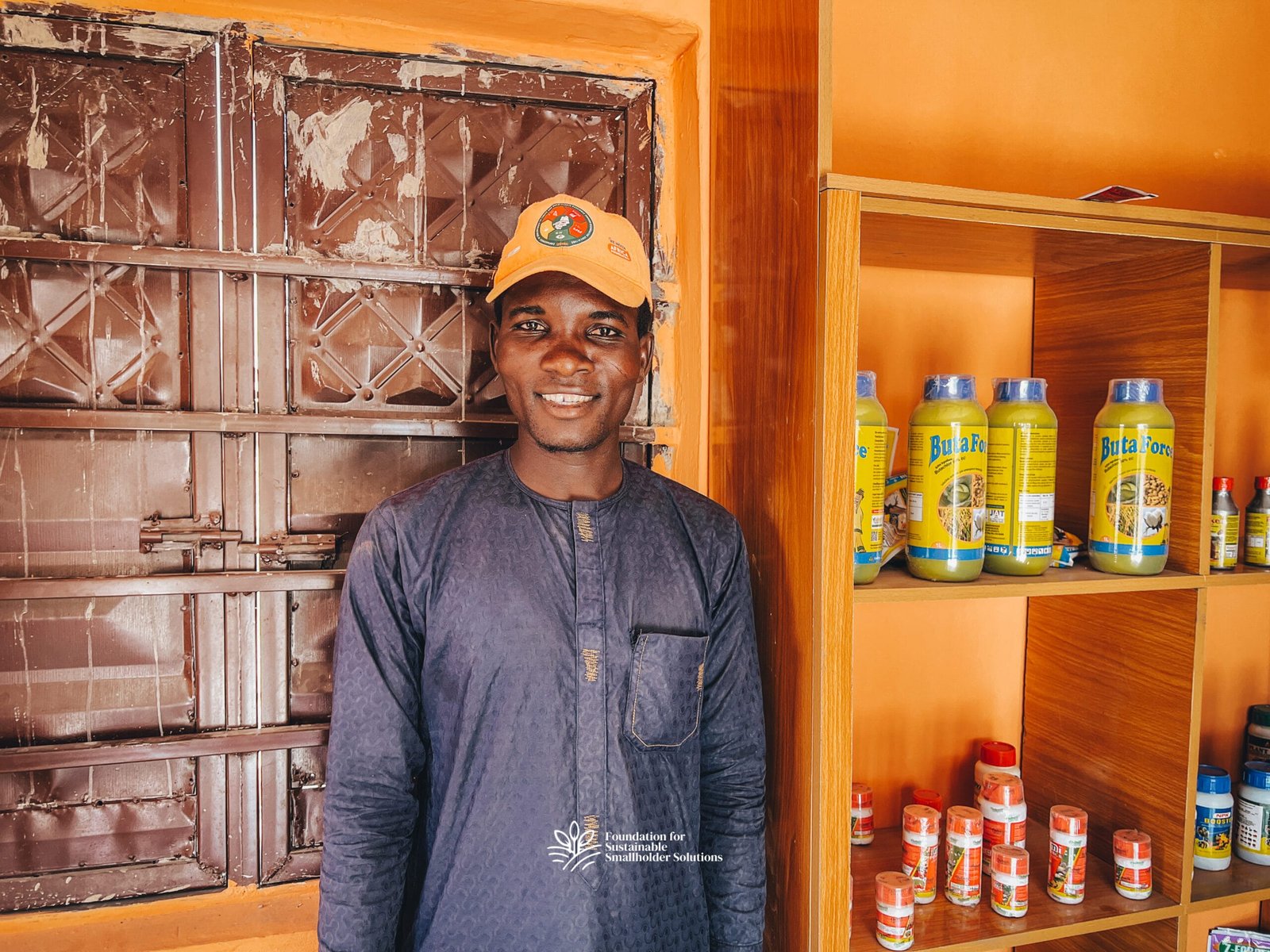
Despite his impact, Auwalu’s own working conditions told a different story. His shop was made of mud, with a worn-out ceiling and ageing roofing sheets. It was functional at best, but far from adequate for safely storing agrochemicals or running a growing business.
That changed when FSSS stepped in with the support of the Heineken African Foundation through the Empowerment of Smallholders to Thrive and Build Climate Resilience through Regenerative Agriculture (ESTRRA) Project, implemented by across seven Local Government Areas, Katagum, Giade, Itas-Gadau, Gamawa, Zaki, Shira, and Jama’are, in Bauchi North Senatorial District, aimed at empowering 14,000 direct smallholder beneficiaries and 75,000 indirect beneficiaries.
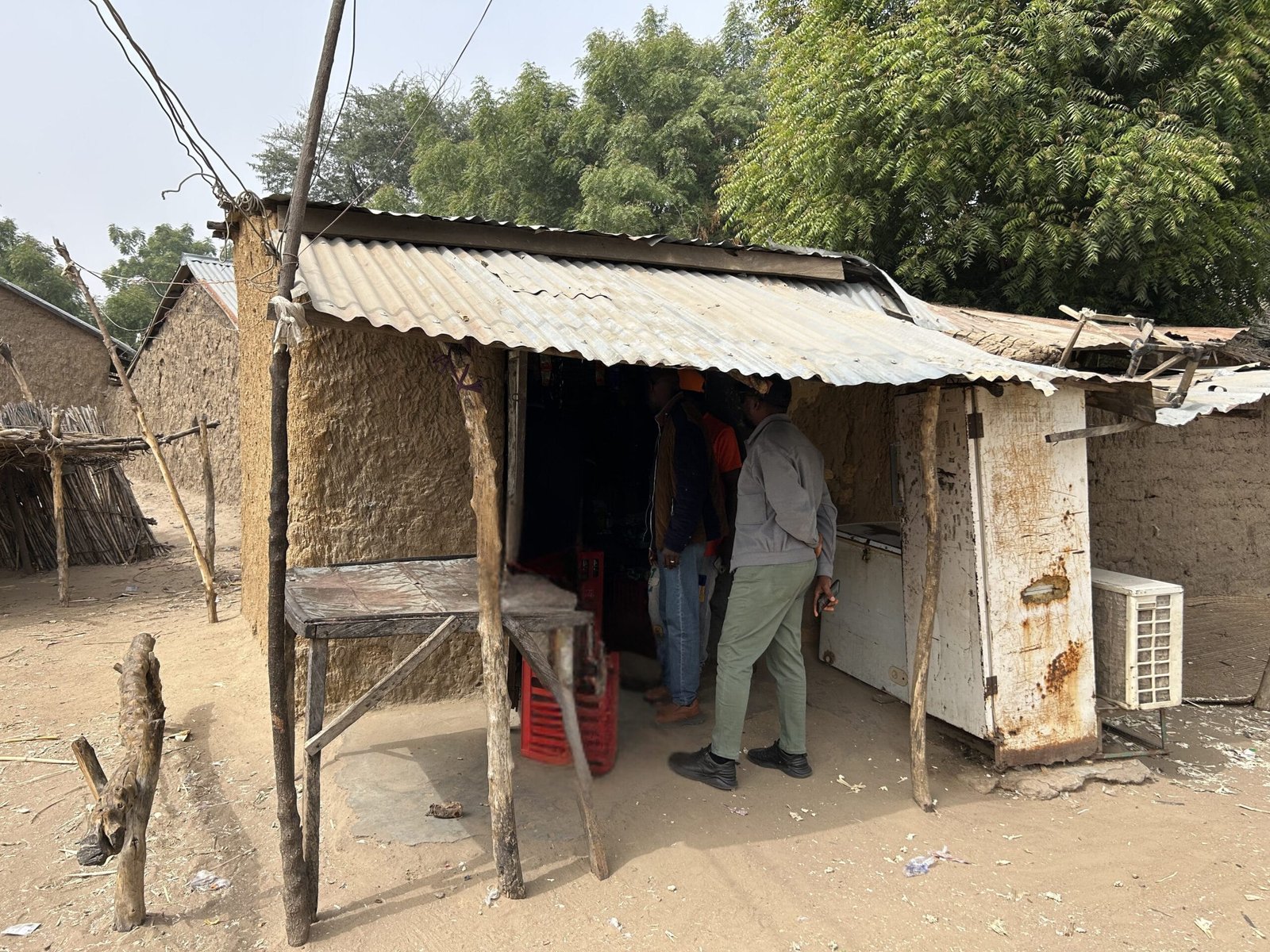
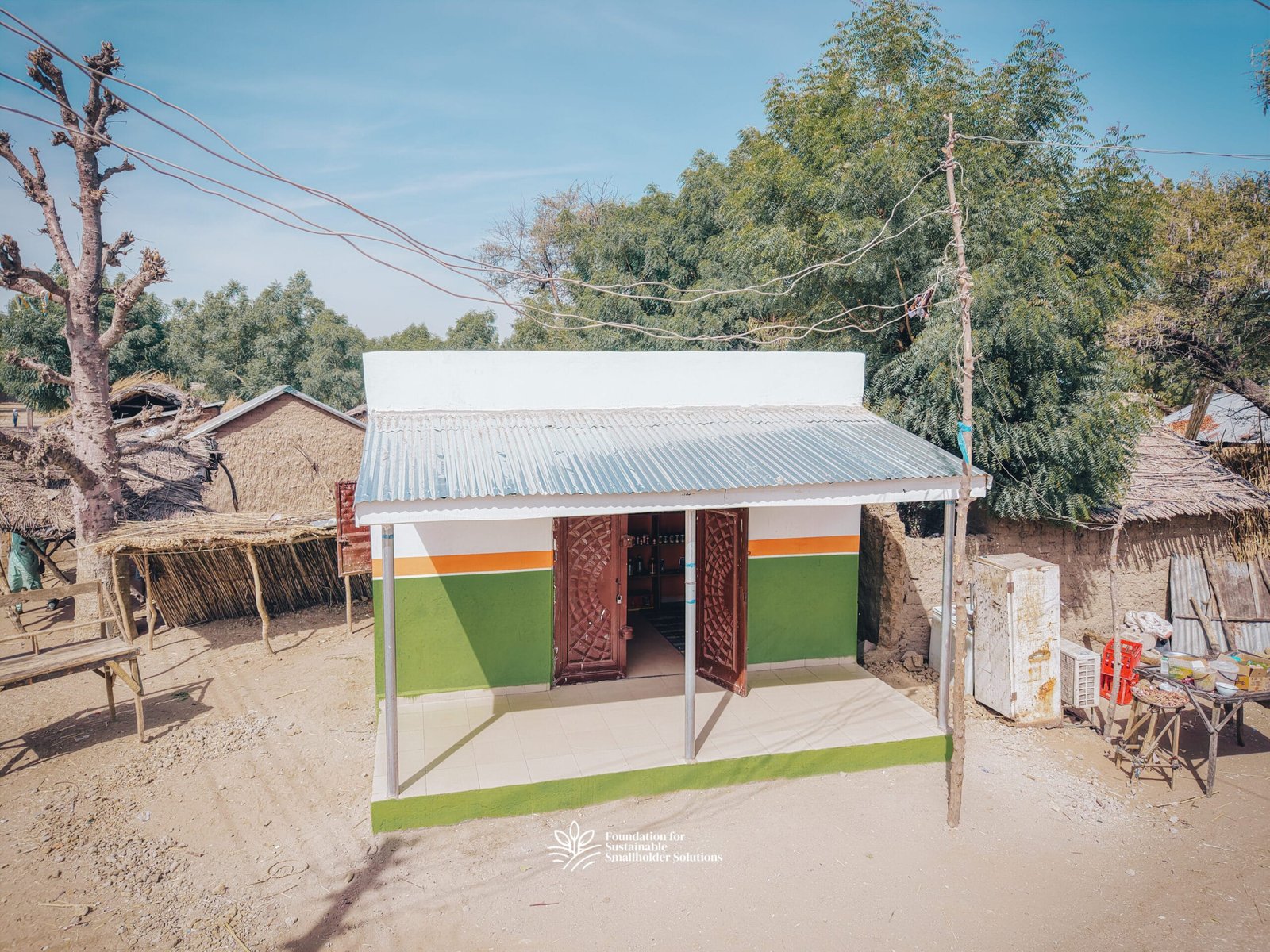
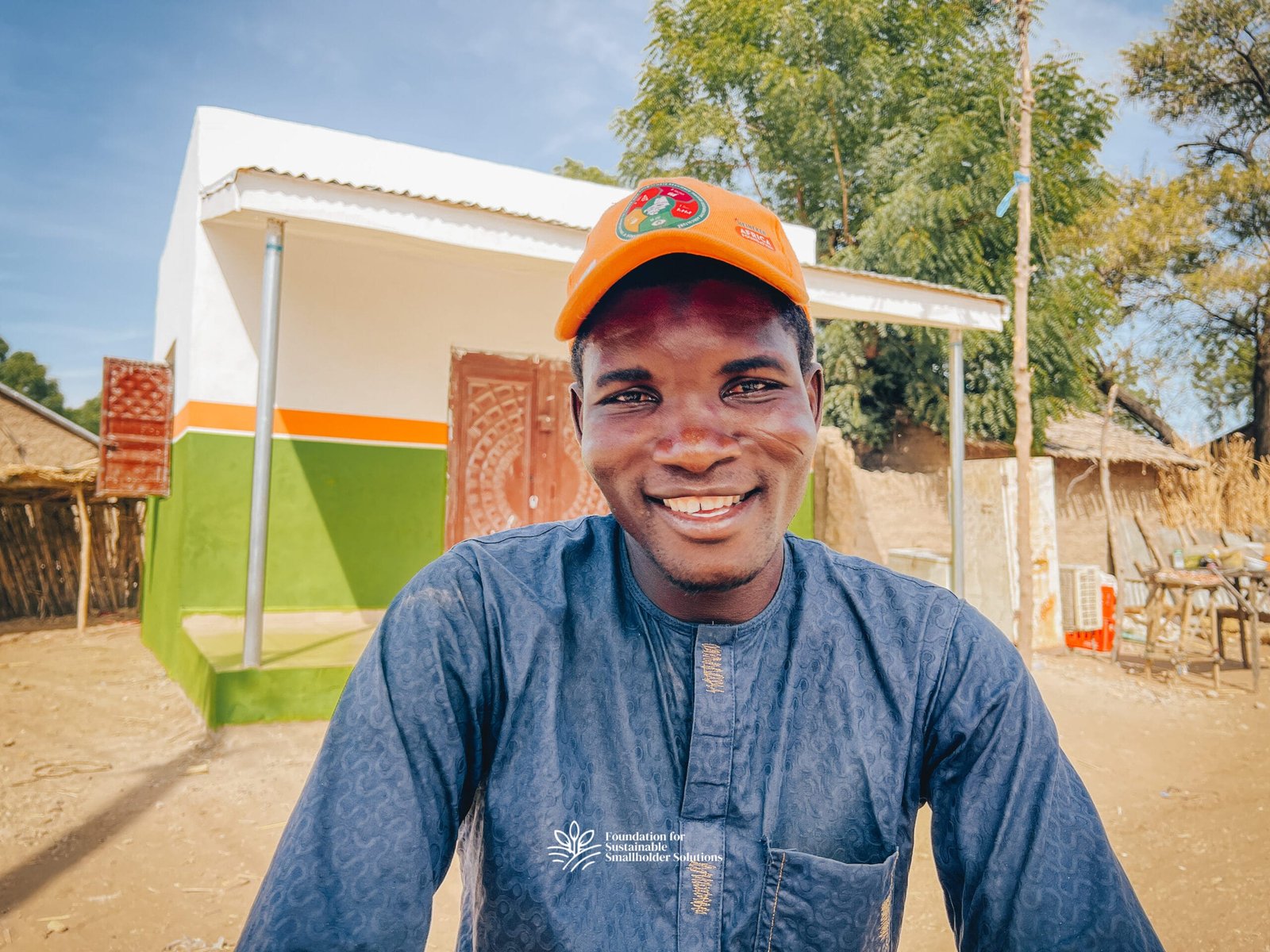
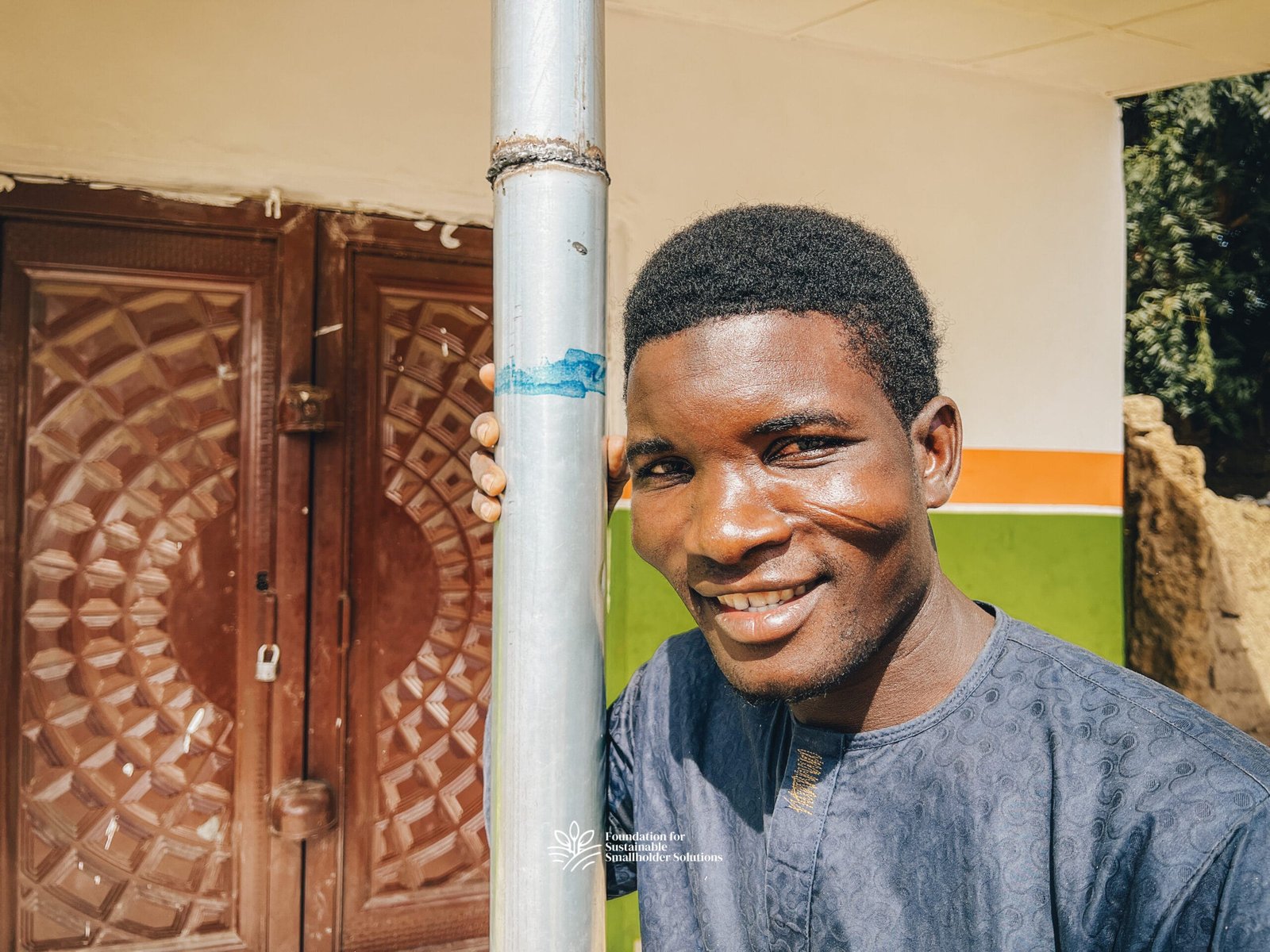
Before and after photograph of the project intervention on Auwalu’s store, now a Farmers’ Hub
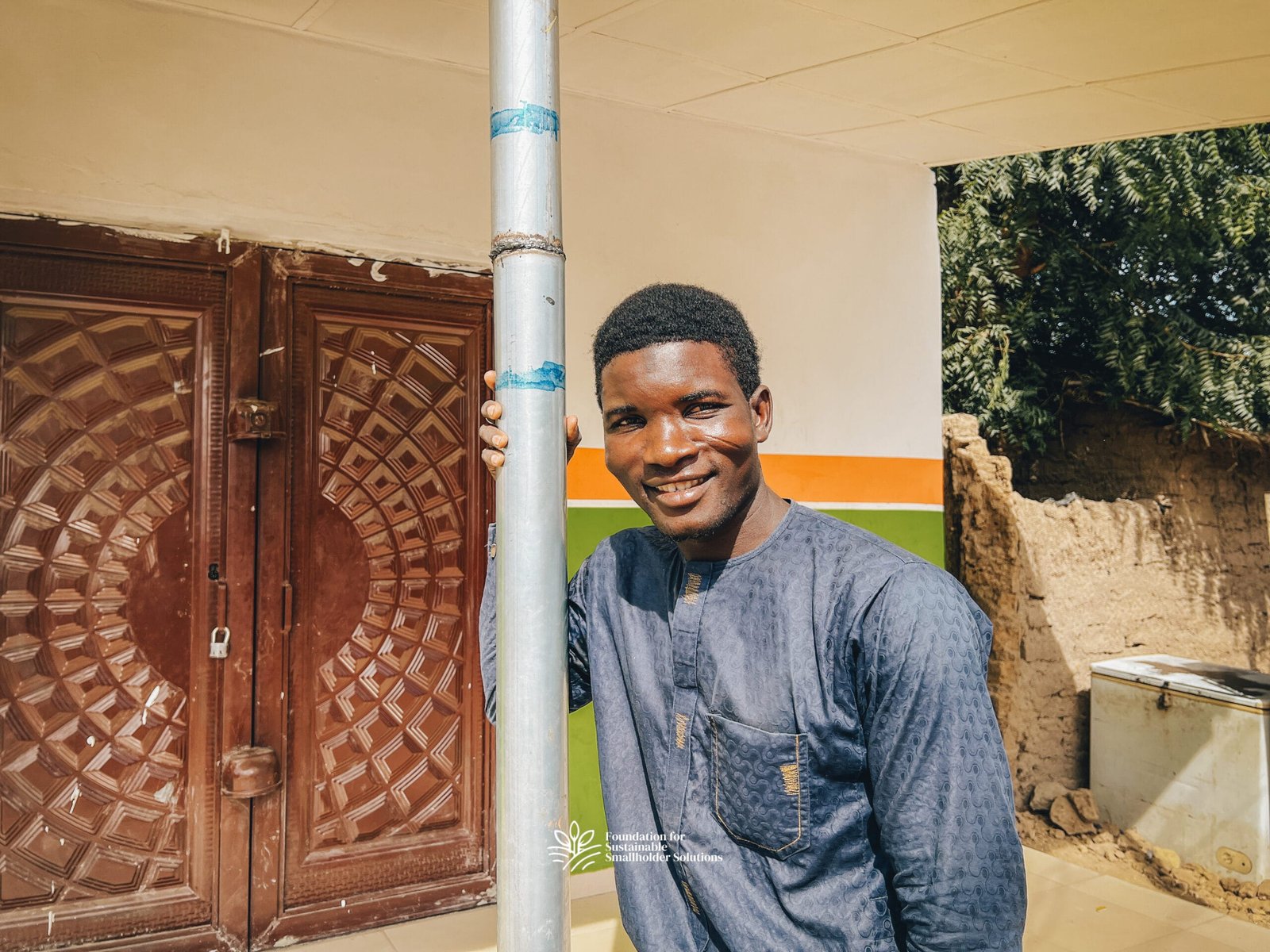
In his words: “Before, my shop was made of mud… the ceiling was old and worn out. The foundation (FSSS) came and built me a proper shop with cement blocks. They tiled it, fixed the ceiling, and painted it… and it’s beautiful.”
The upgrade was more than cosmetic. It improved storage conditions for delicate chemicals and inputs, enhanced the credibility of his business, and created a safer, more professional environment for both Auwalu and his customers.
Alongside the physical upgrade came something equally important: trust, a currency every business depends on.
In his words: “FSSS connected me with companies that supply me with chemicals and fertiliser… I knew they would not connect me with companies that sell bad products but rather, good products.”
By linking Auwalu to verified suppliers, the intervention addressed a critical issue in rural markets: the prevalence of substandard inputs. With access to reliable, quality-assured products, farmers in Diga can now invest in their crops with greater confidence.
This may seem small, but it matters. The World Bank has consistently highlighted that access to quality, improved inputs can significantly boost smallholder productivity when combined with proper use and timing.
Today, Auwalu’s business is doing more than selling agrochemicals. It is reducing travel time for farmers, lowering input costs, and contributing to more consistent agricultural outcomes in the community.
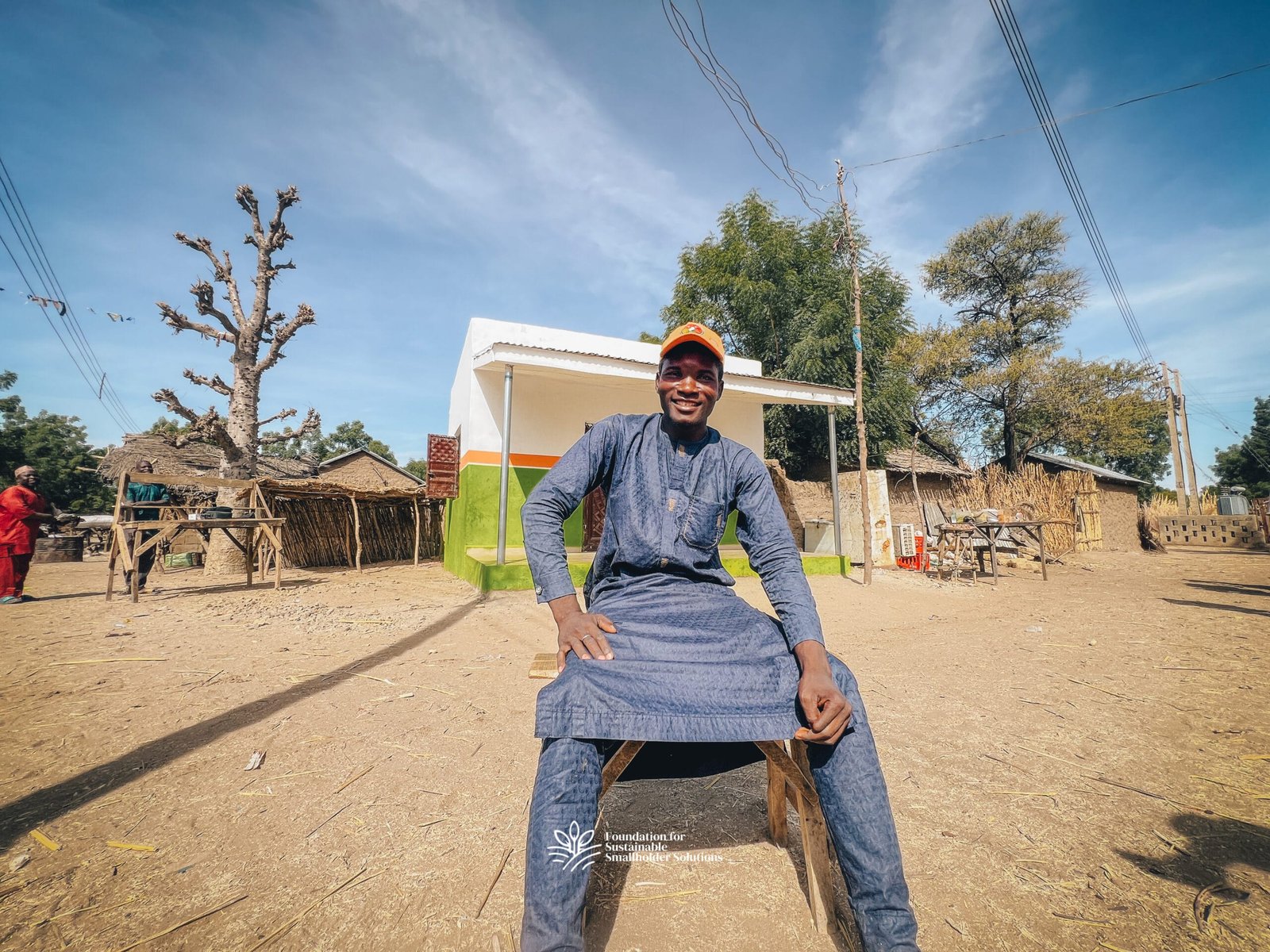
Perhaps the most powerful impact is personal. For years, Auwalu held the dream of sending his children to school but could not afford it. Today, he believes this intervention has set him on a path to improved livelihoods, and he is already beginning to experience that change.
Auwalu’s journey is a reminder that strengthening agriculture starts at the last-mile and is not only about seeds, fertiliser, or infrastructure. It is about people, proximity, and trust. When local entrepreneurs are supported with the right tools and connections, they become anchors within their communities.
In places like Diga, where distance and access once defined the limits of farming, one small shop now stands as proof that the right support can change far more than a business. With a joy-filled heart, Auwalu remains deeply grateful, thanking God for crossing paths with the Foundation.