- Welcome to FSSS Nigeria!
- info@fsssolutions.org
- 1190, Mabushi, Abuja

FSSS Showcases Digital Extension Innovations and Farmers Hub Model at Seed Connect Africa 2024
NEWS
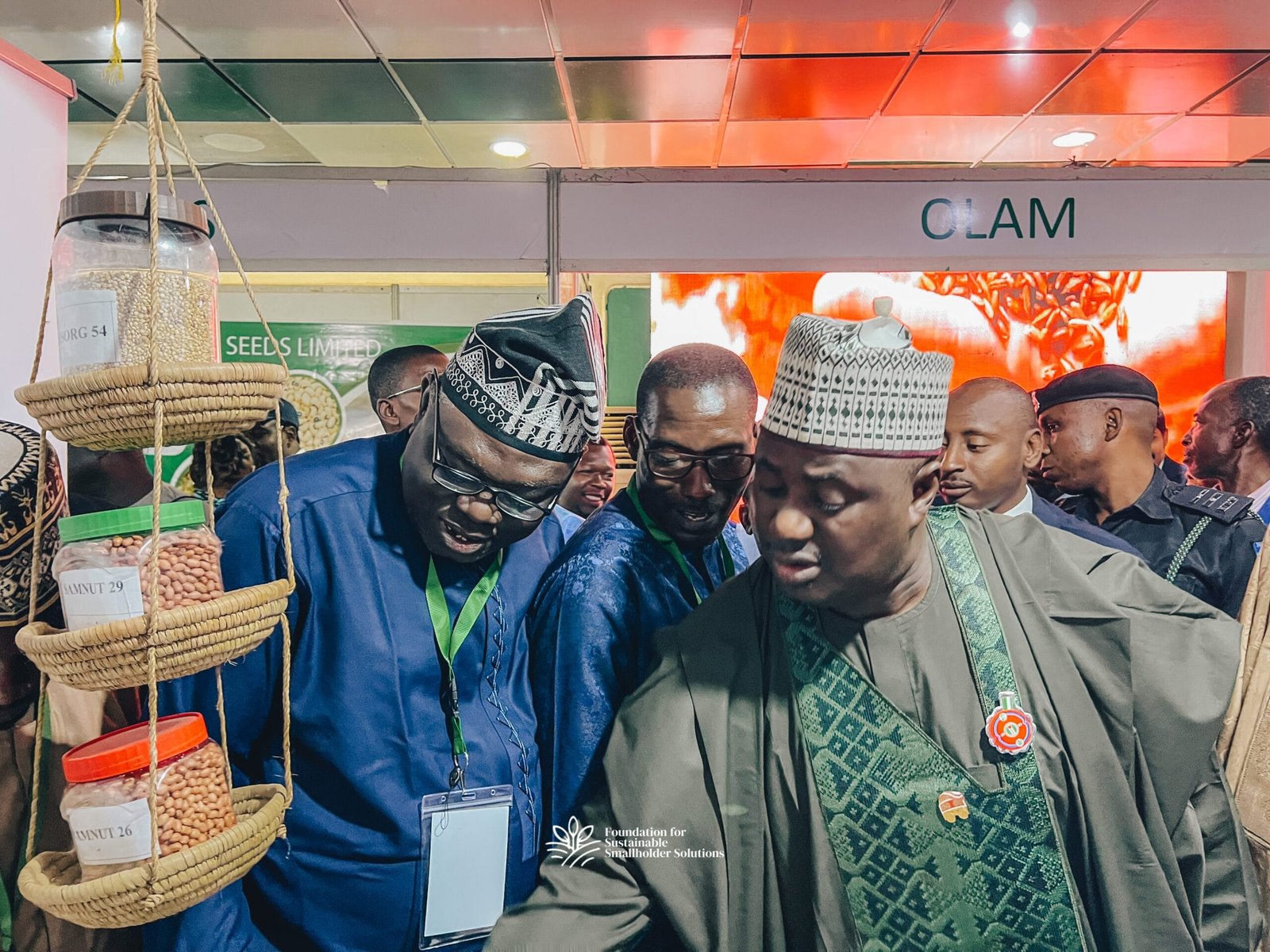
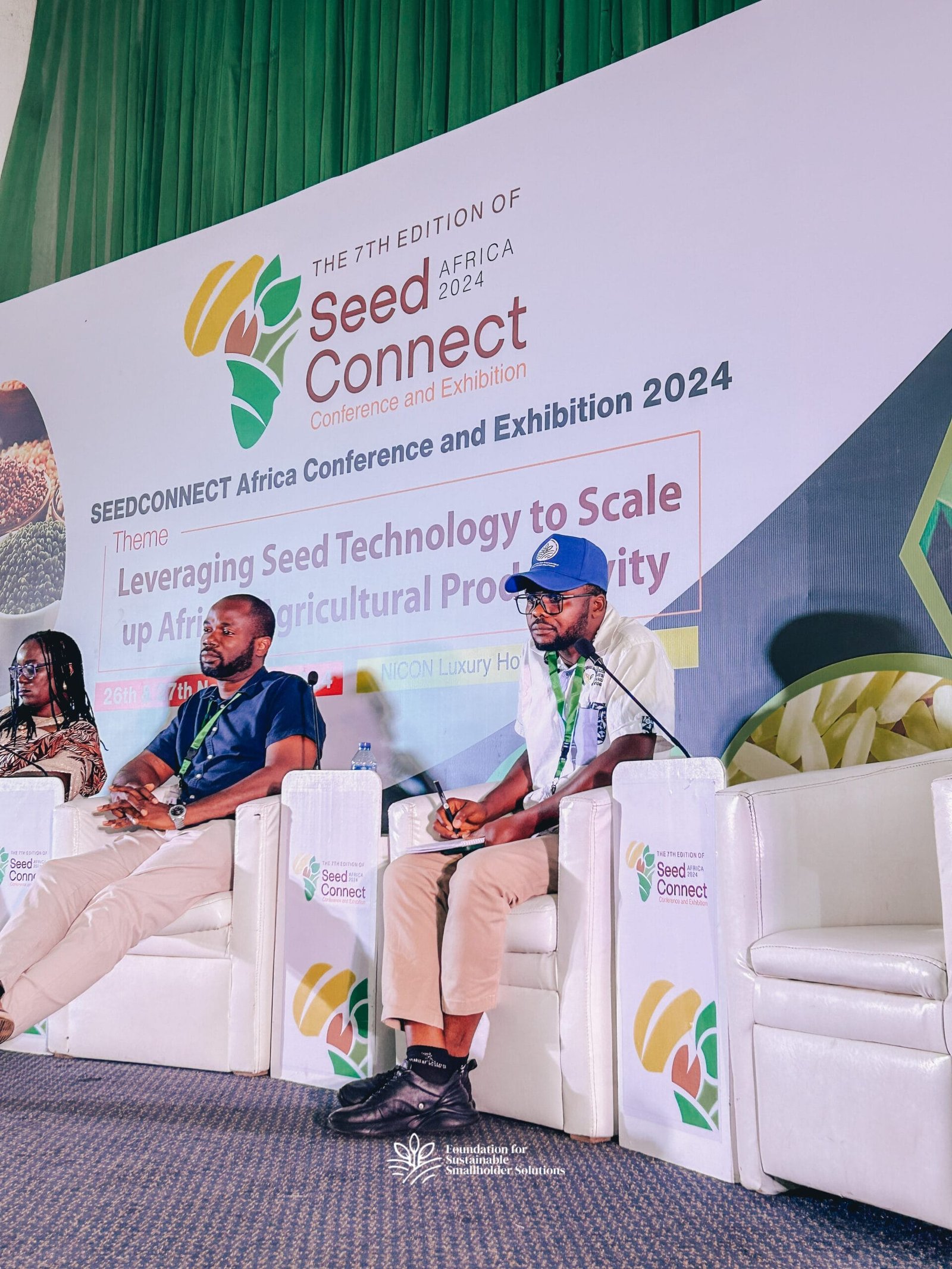
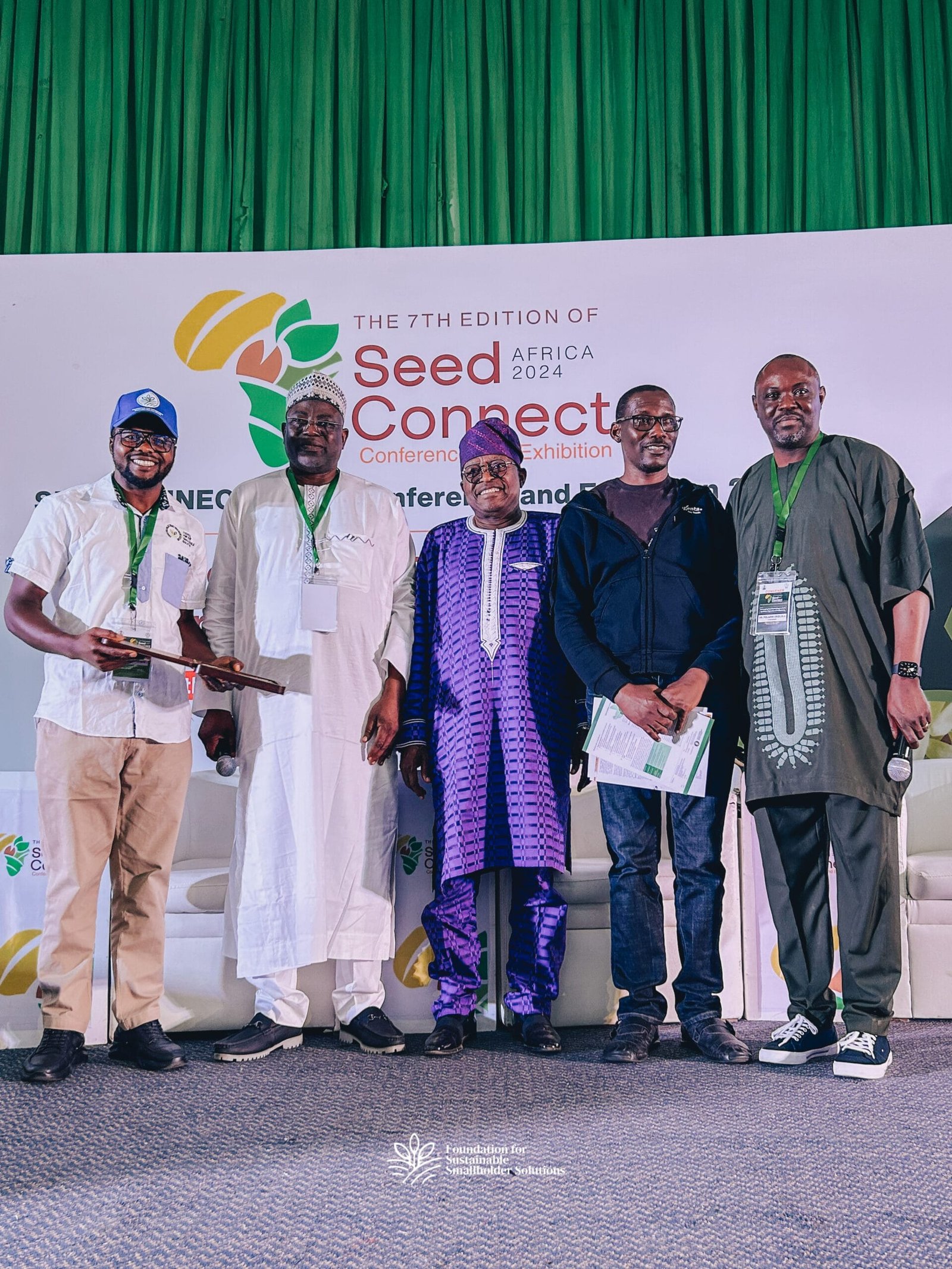
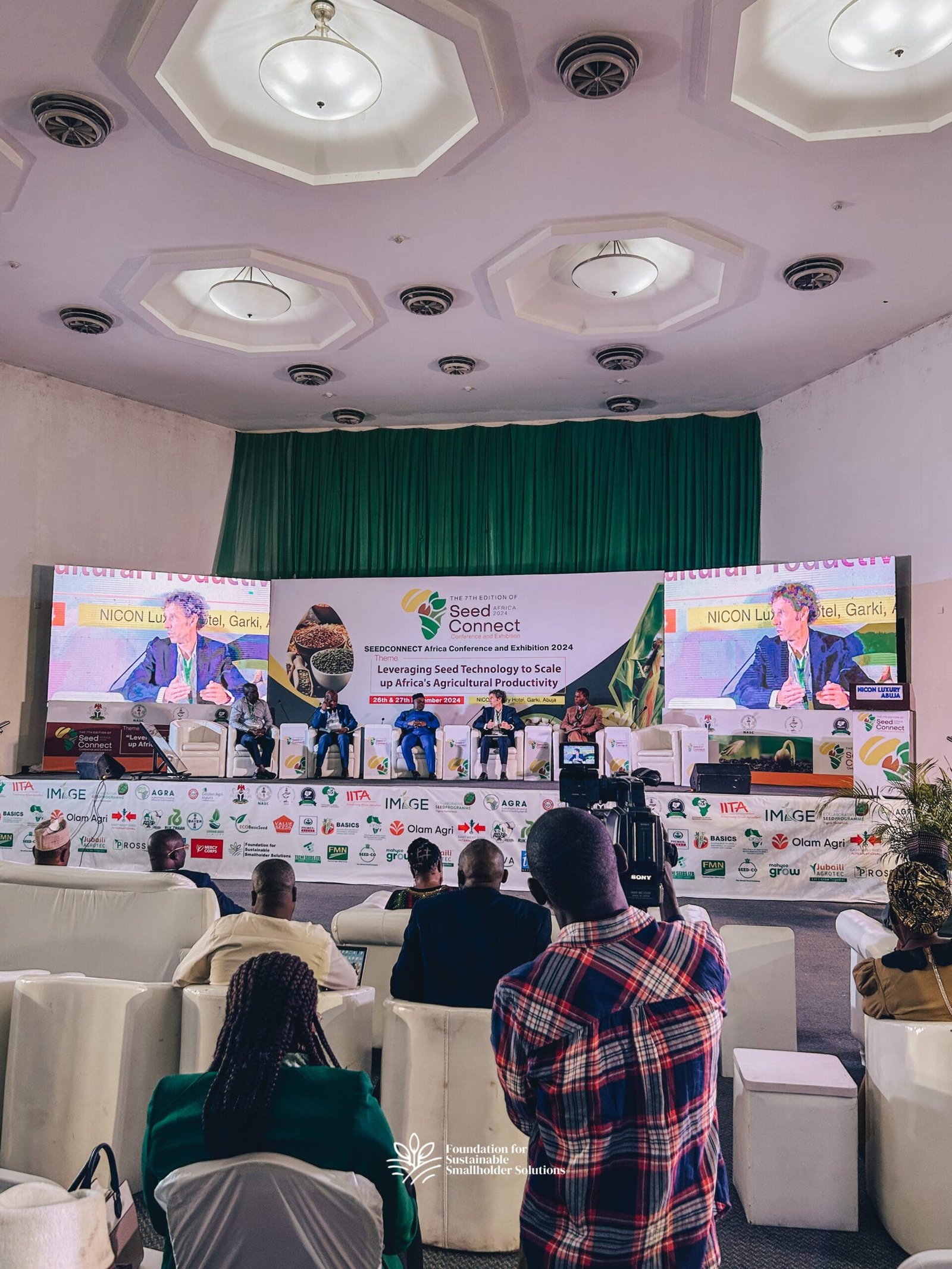
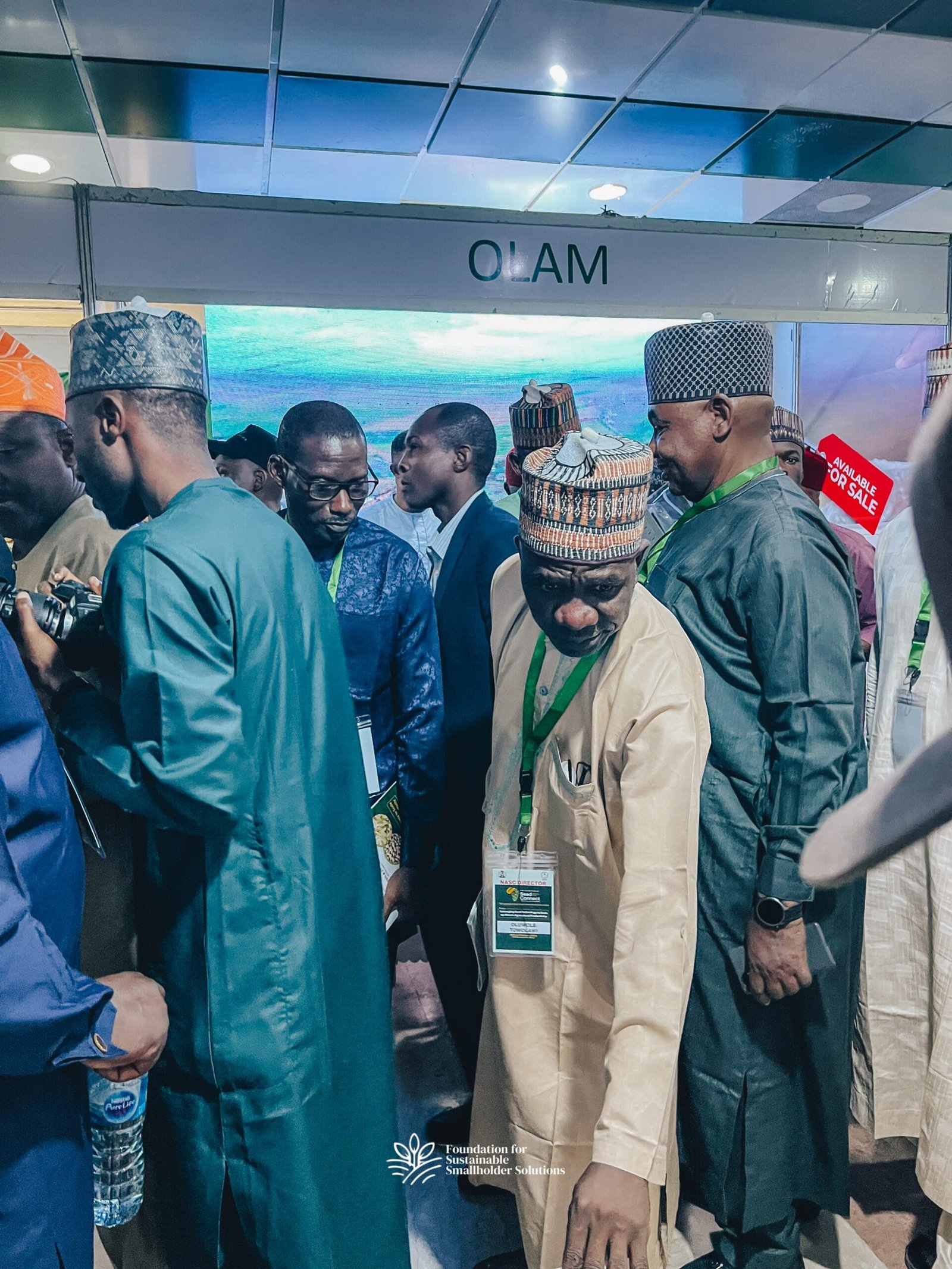
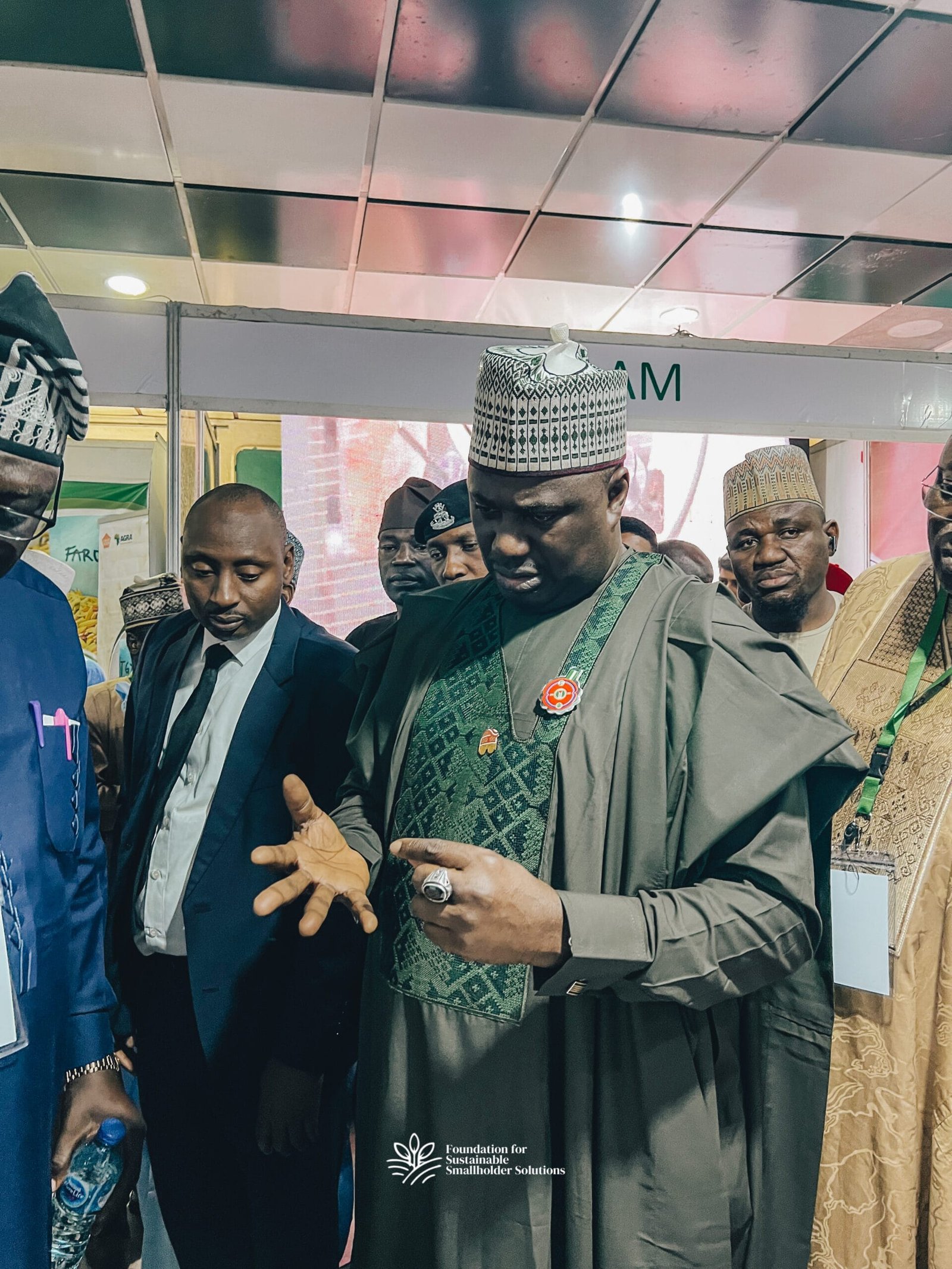
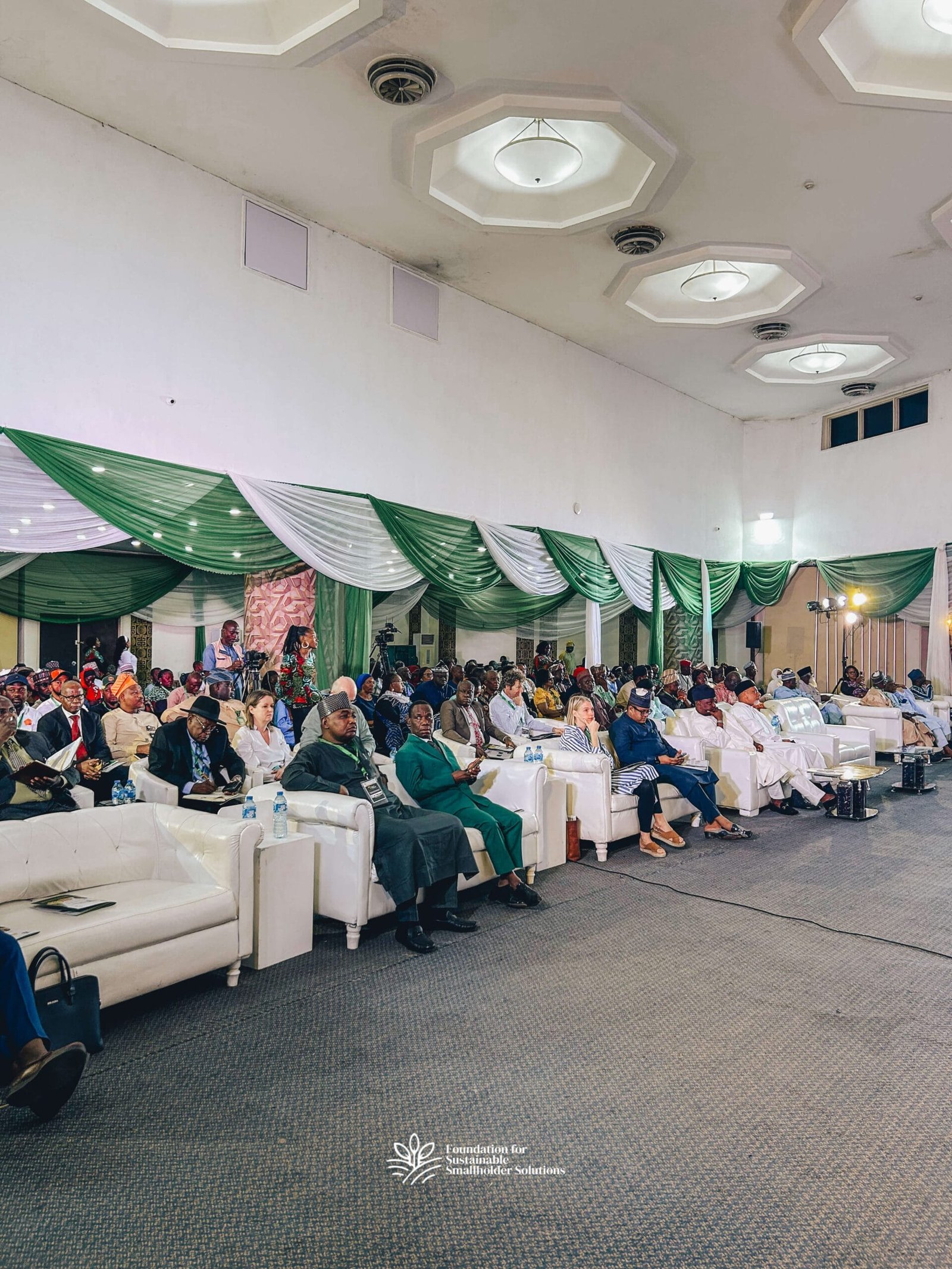
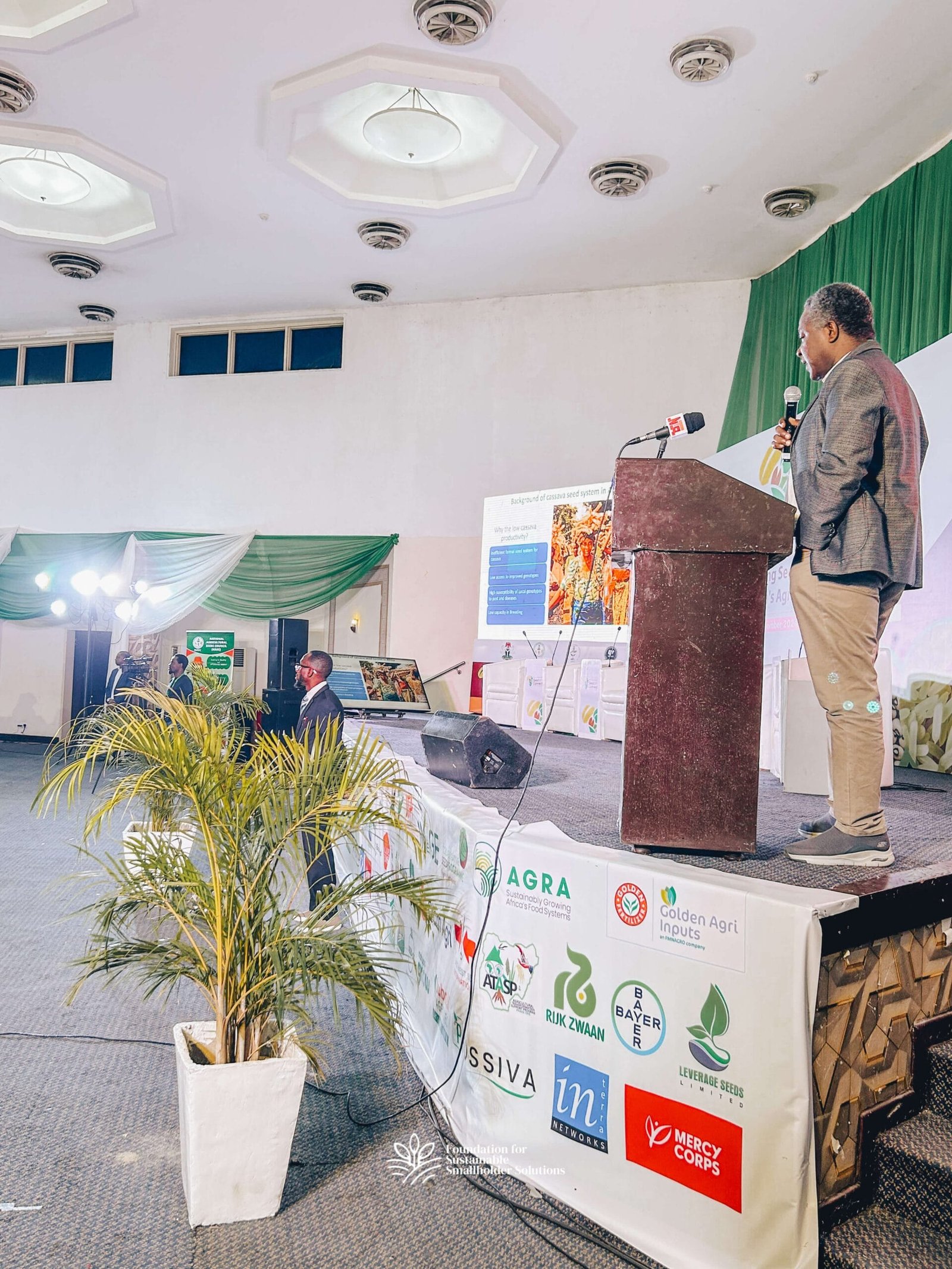
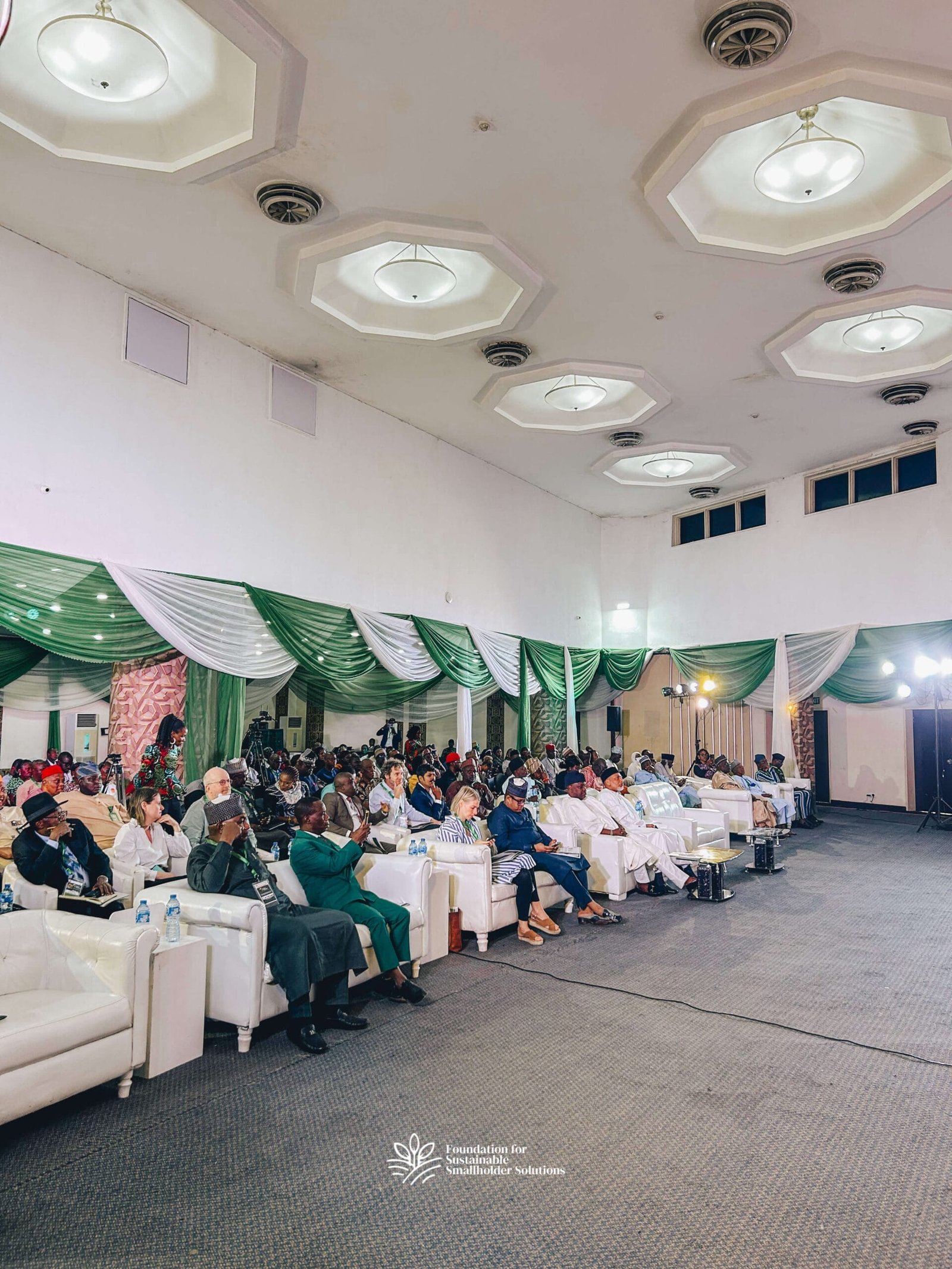
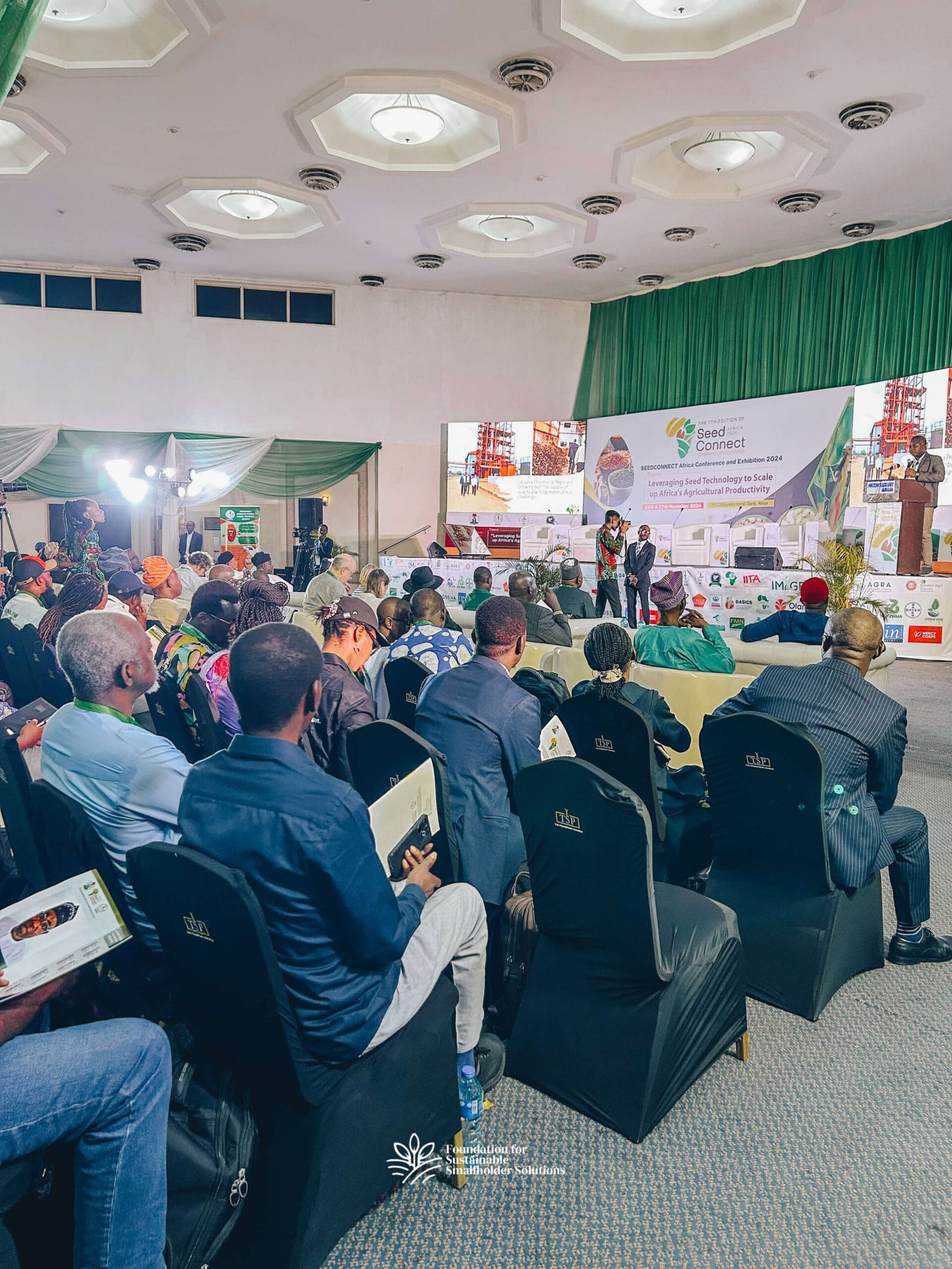
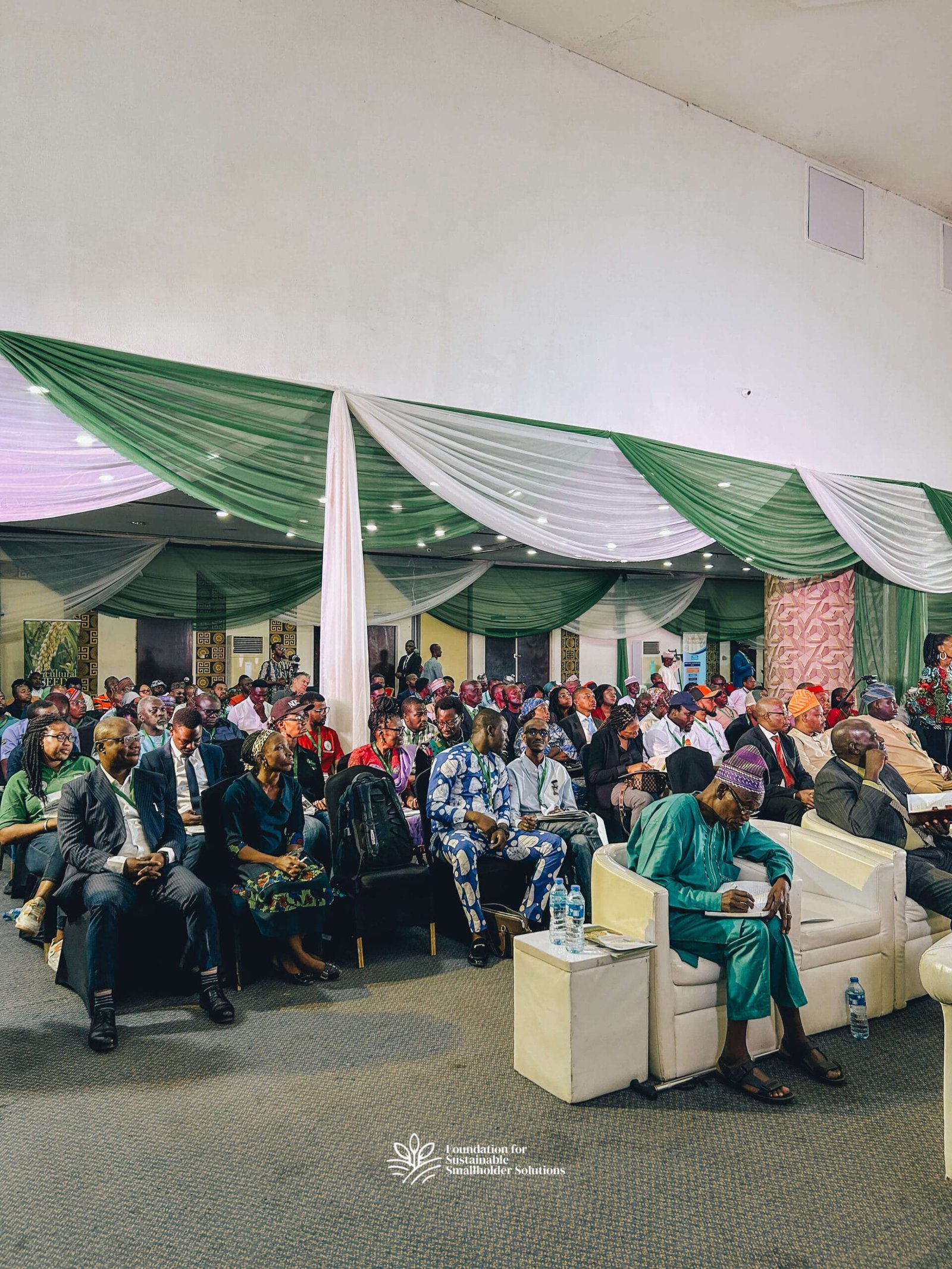
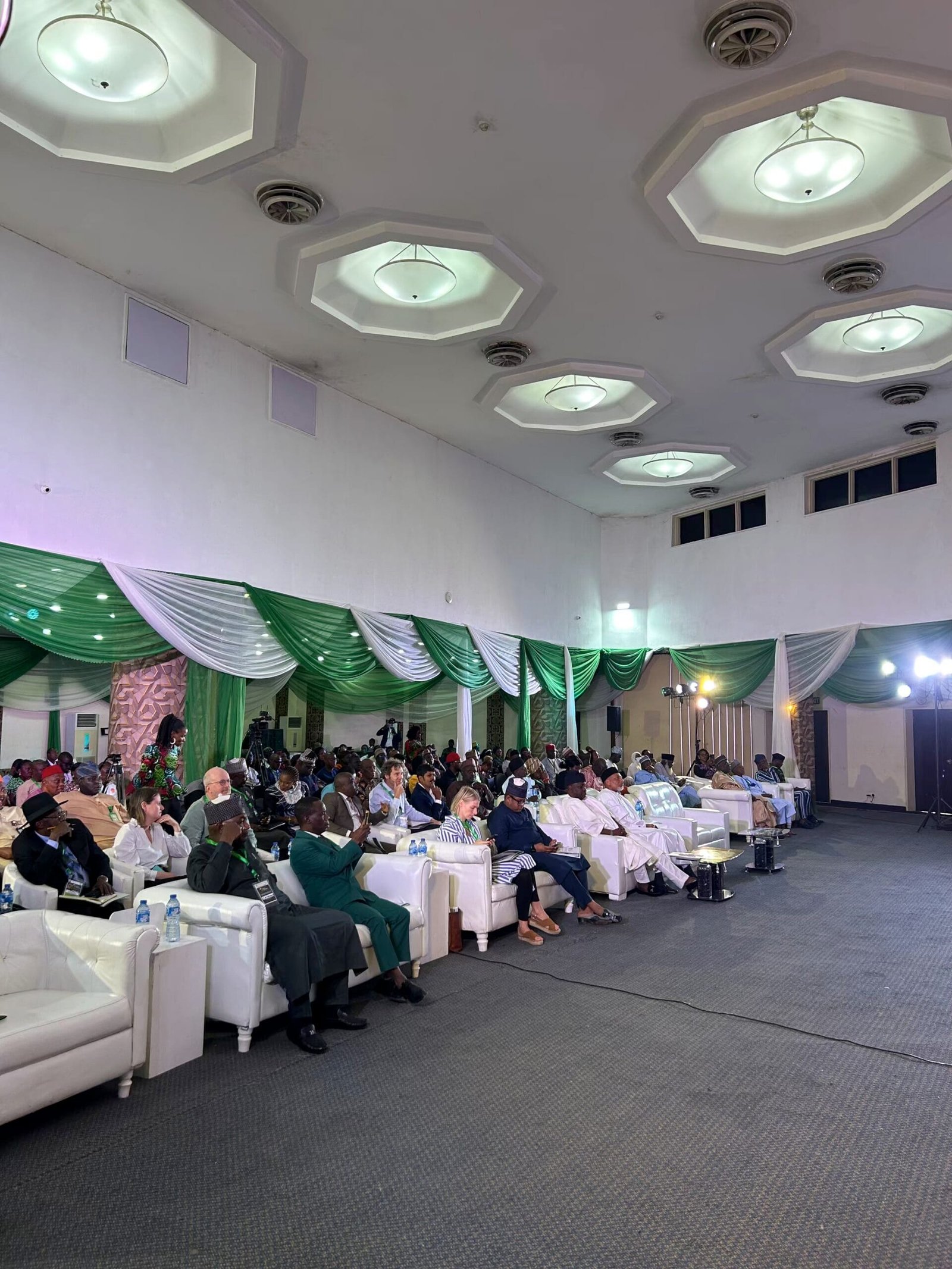
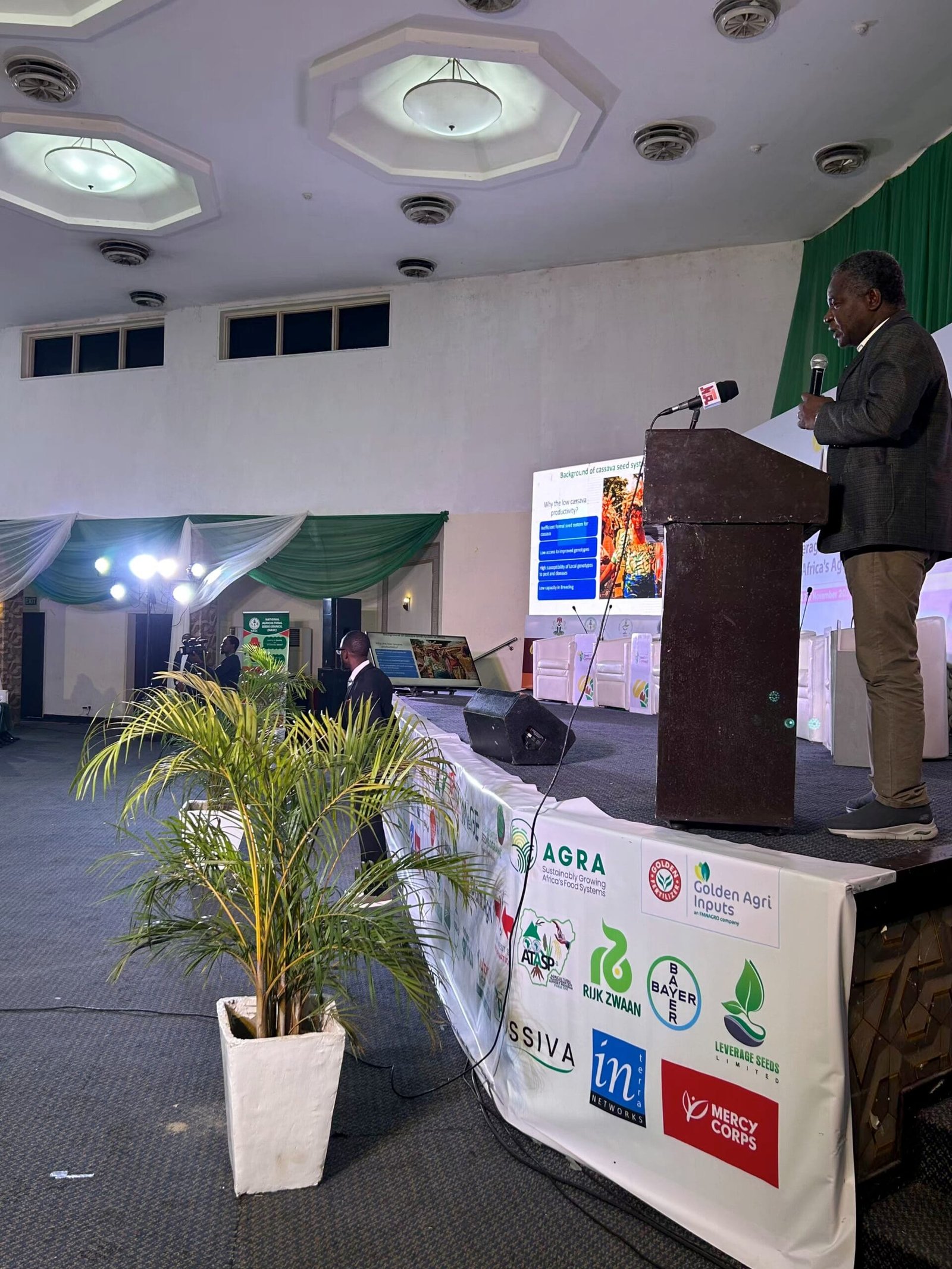
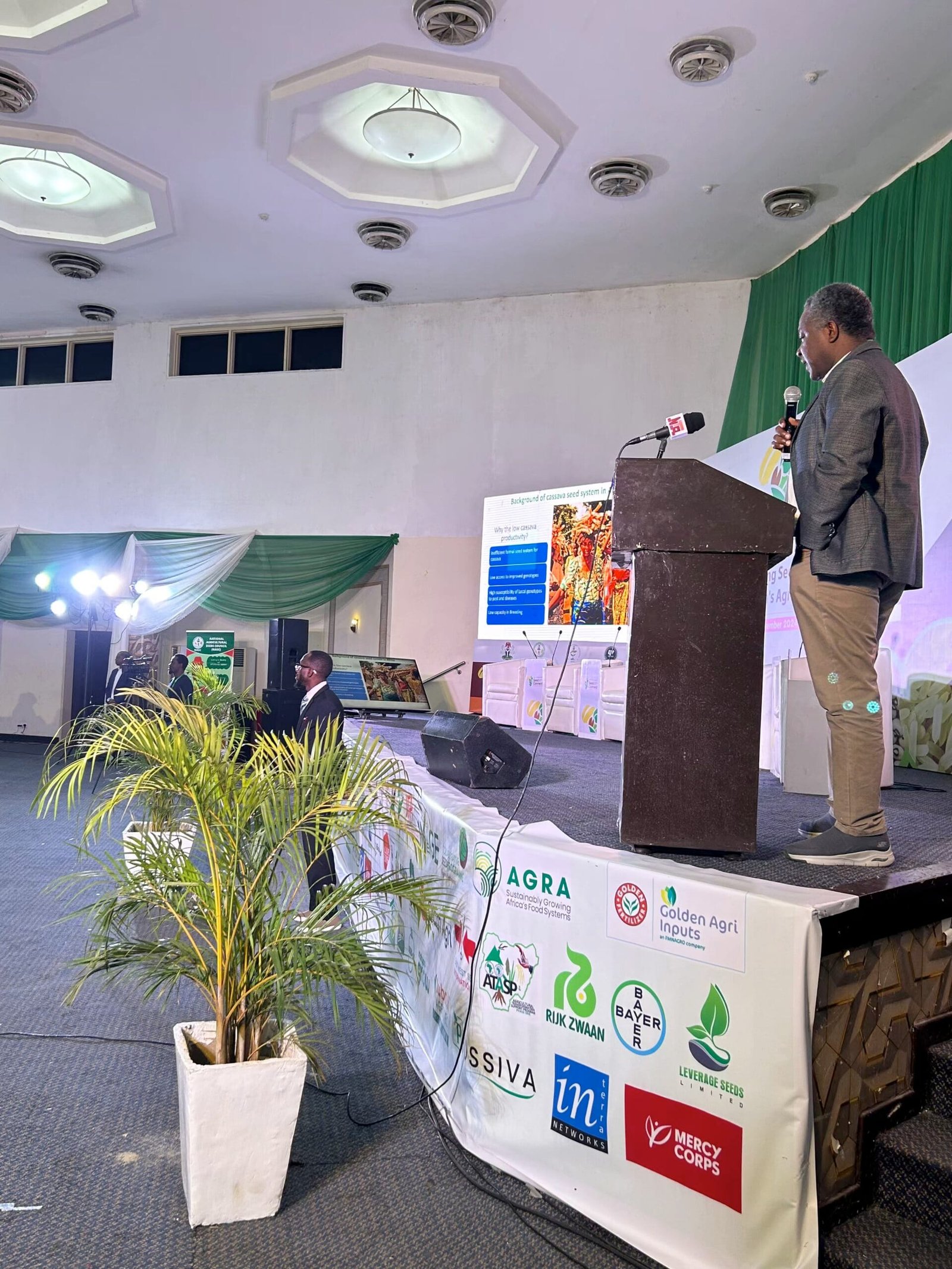
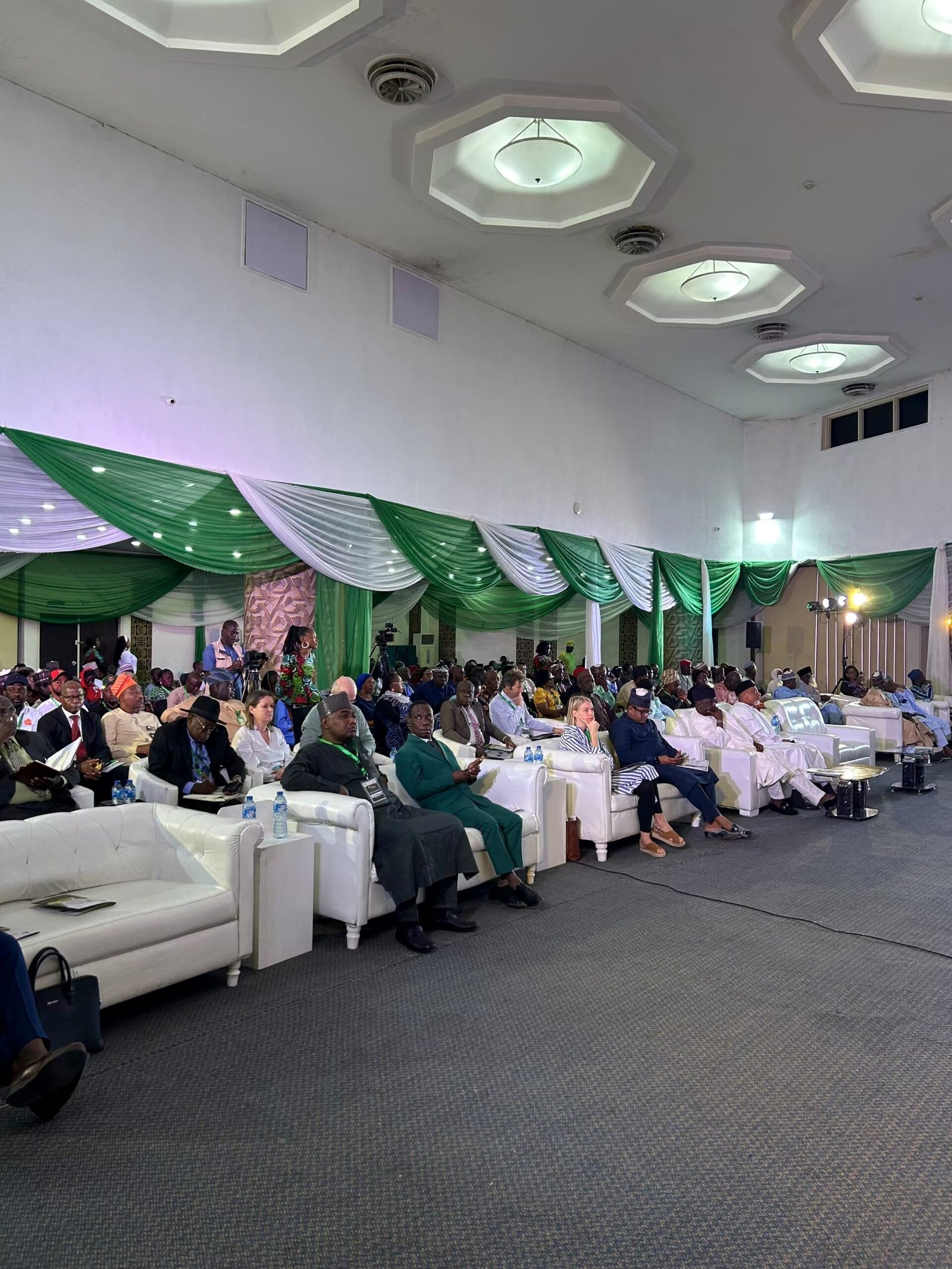
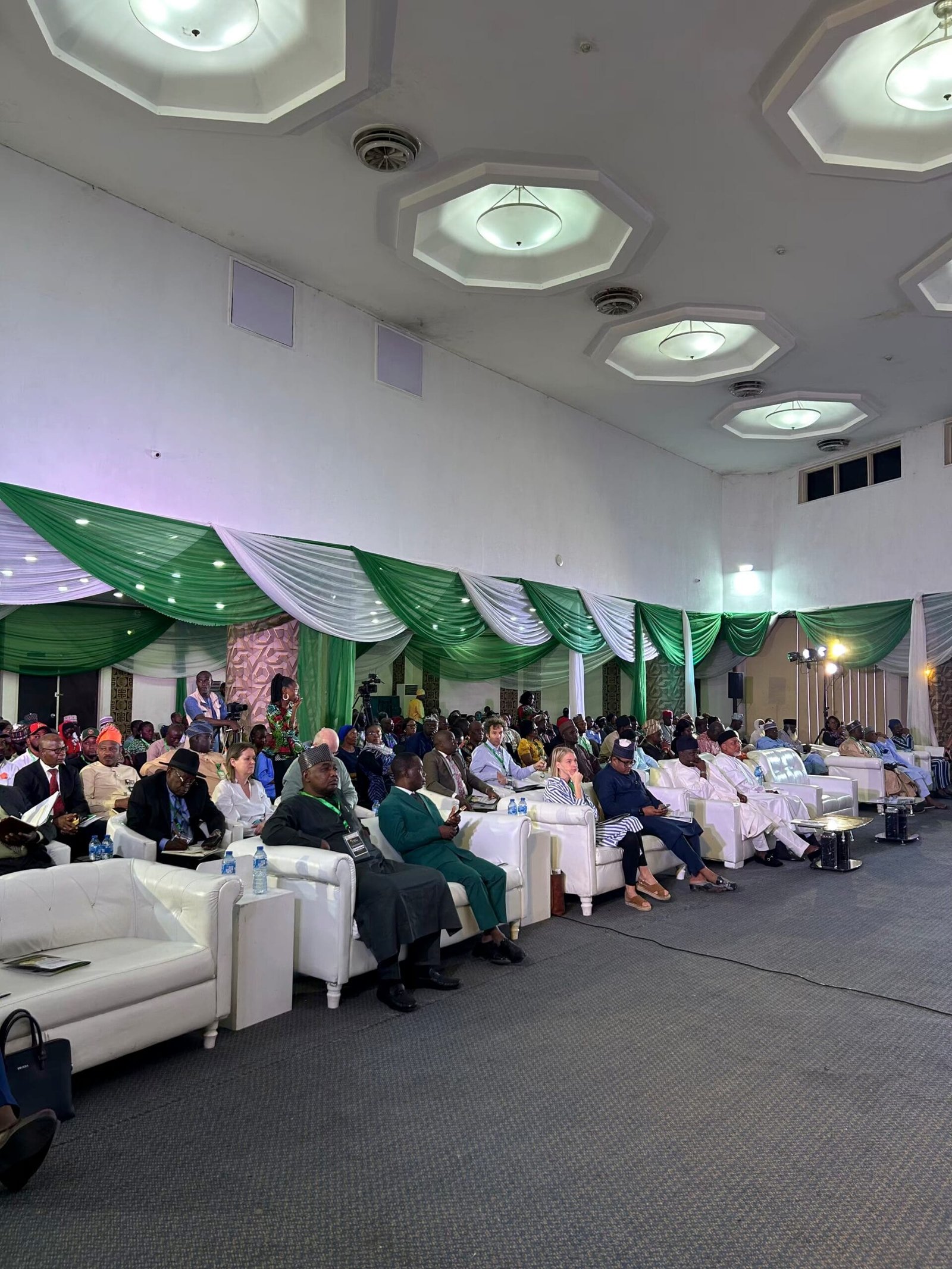
The Foundation for Sustainable Smallholder Solutions (FSSS) highlighted its innovative approach to seed dissemination and agricultural extension during the 7th Edition of Seed Connect Africa 2024, held in Abuja under the theme, “Leveraging Seed Technology to Scale Up Africa’s Agricultural Productivity.”
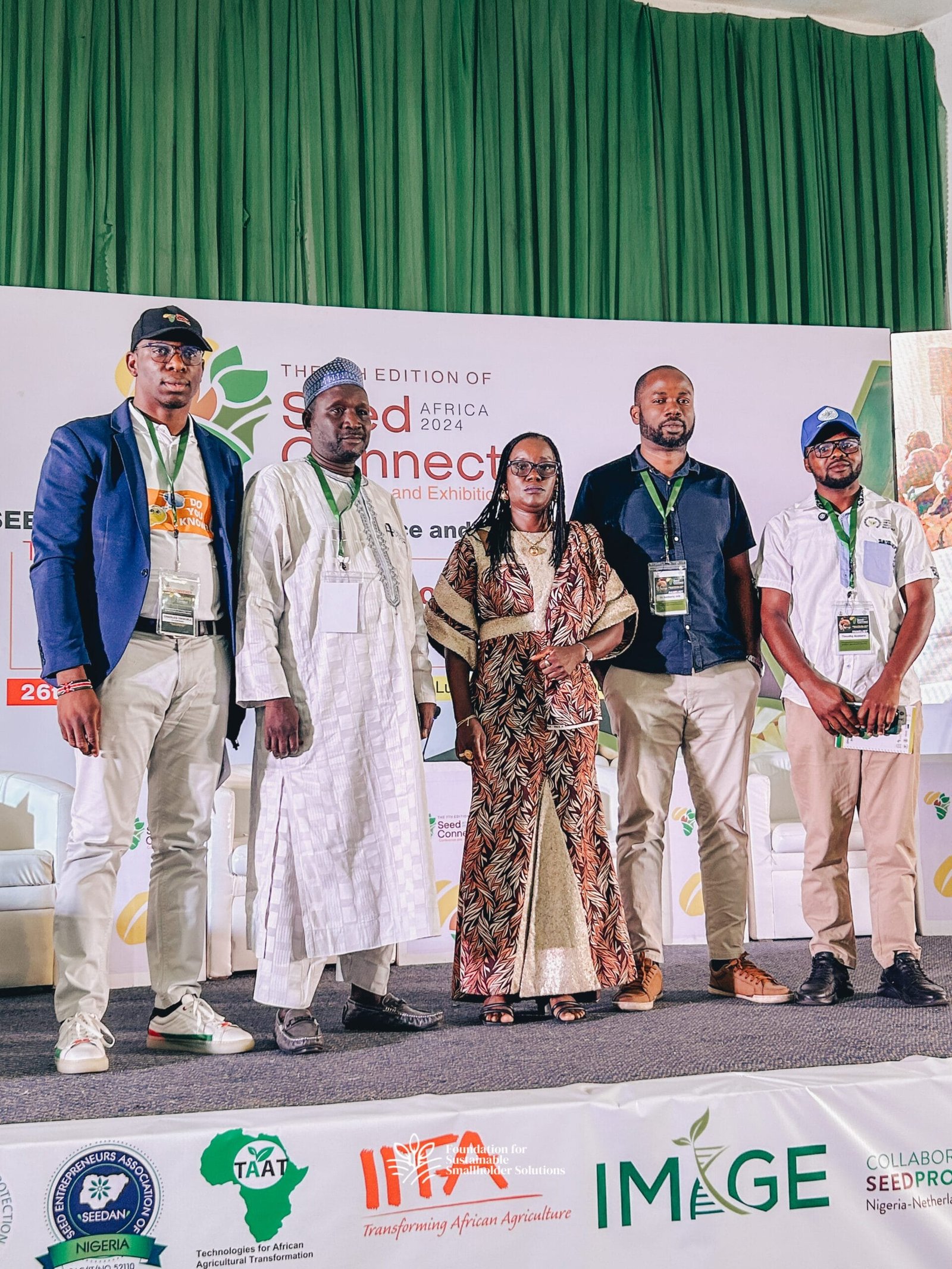
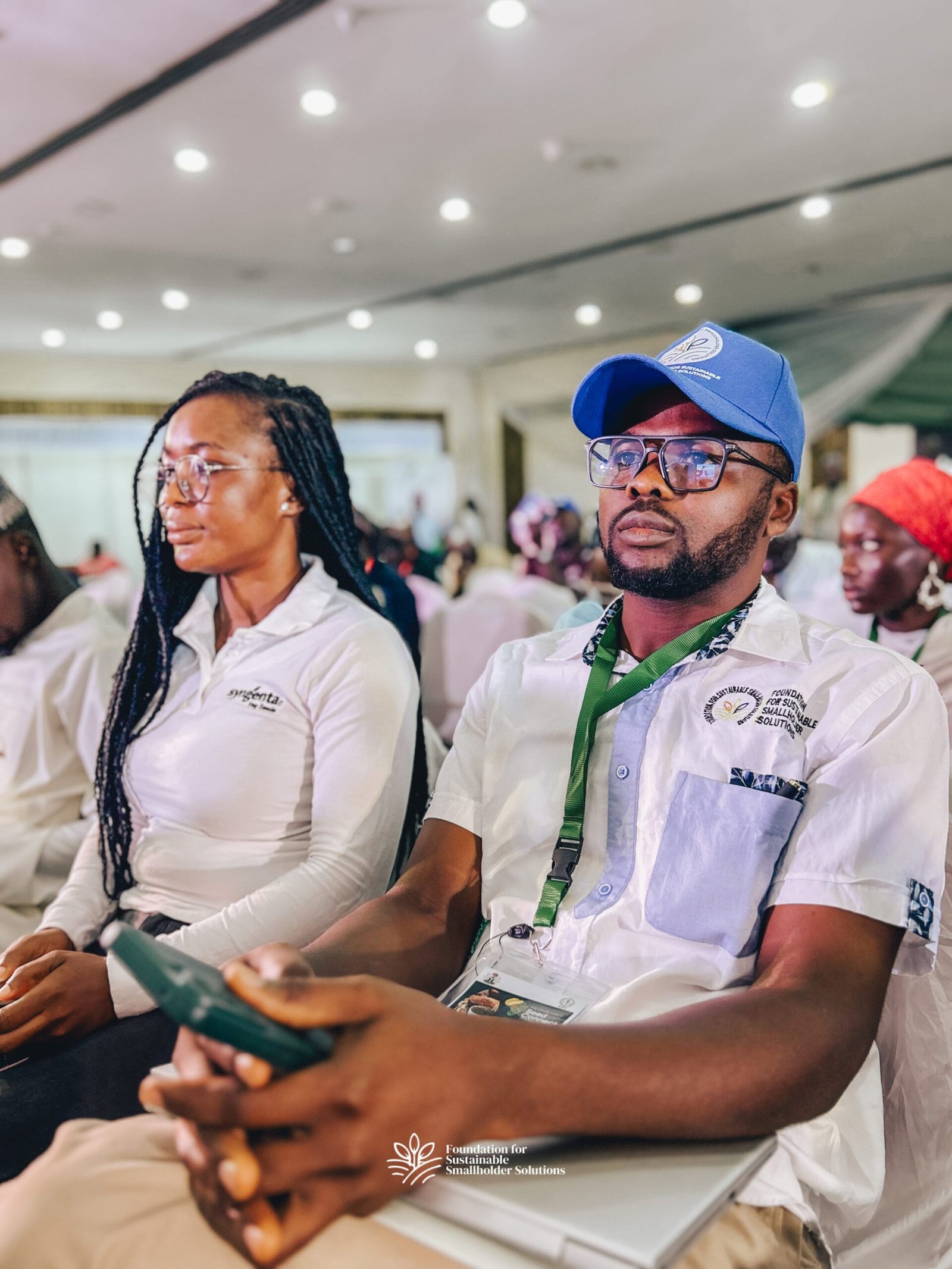
During a panel discussion on the role of electronic and digital extension services in enhancing the adoption of certified seeds, FSSS Country Team Lead, Timothy Azakere, shared how the organisation is using technology and community-based delivery systems to connect farmers with quality agricultural inputs and information.
According to Azakere, the Foundation’s participation in the conference was particularly relevant given its longstanding efforts to leverage technology to improve access to certified seeds among smallholder farmers.
“Having NASC now adopting technology to ensure quality seeds reach smallholder farmers resonates deeply with what we do. Supporting NASC to disseminate seeds through technology is why we’re here.”
Central to this effort is the Foundation’s Farmers Hub Programme, a network of community-based agricultural centres that bring improved seeds, extension services and other inputs closer to rural farmers.
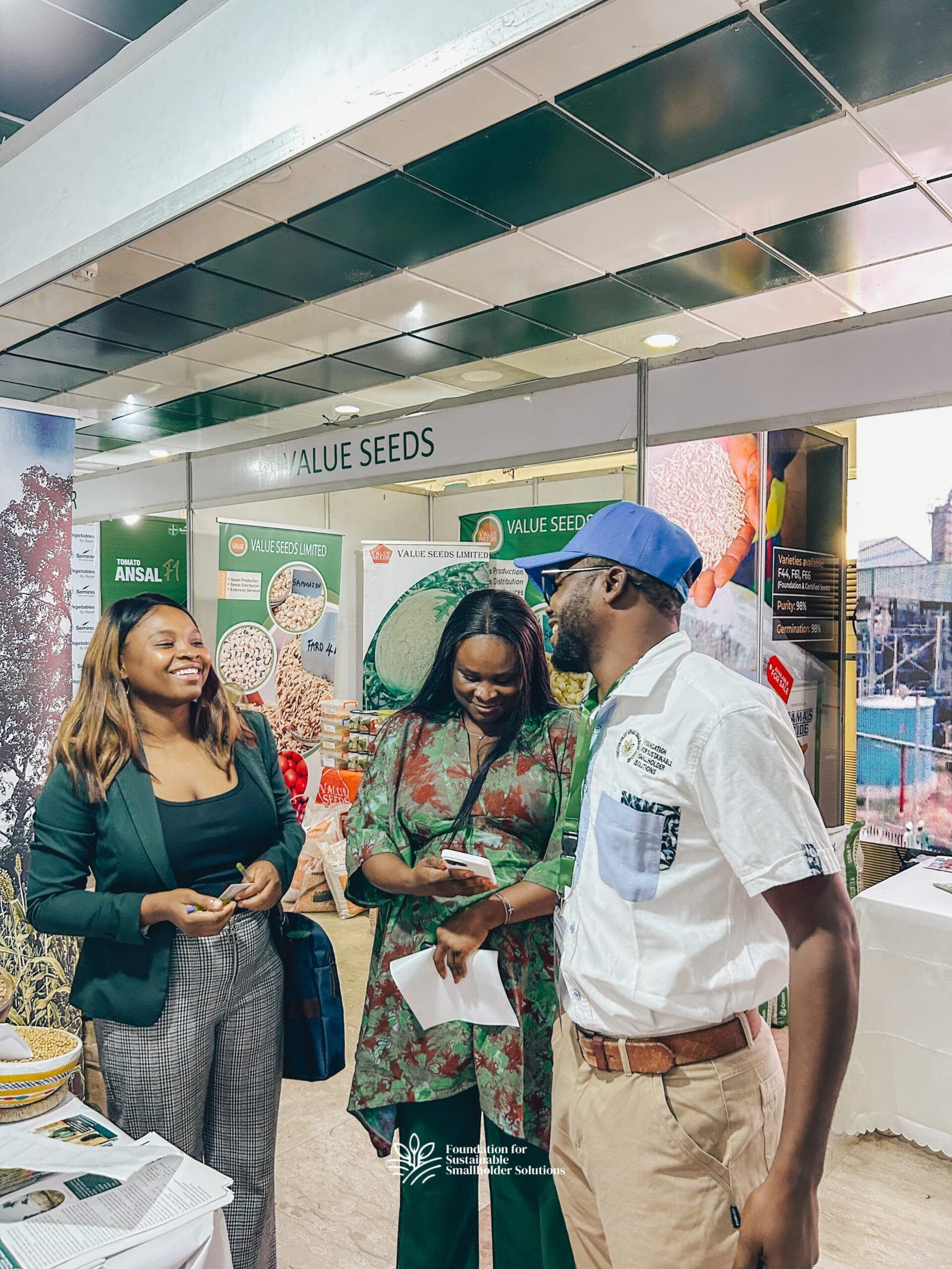
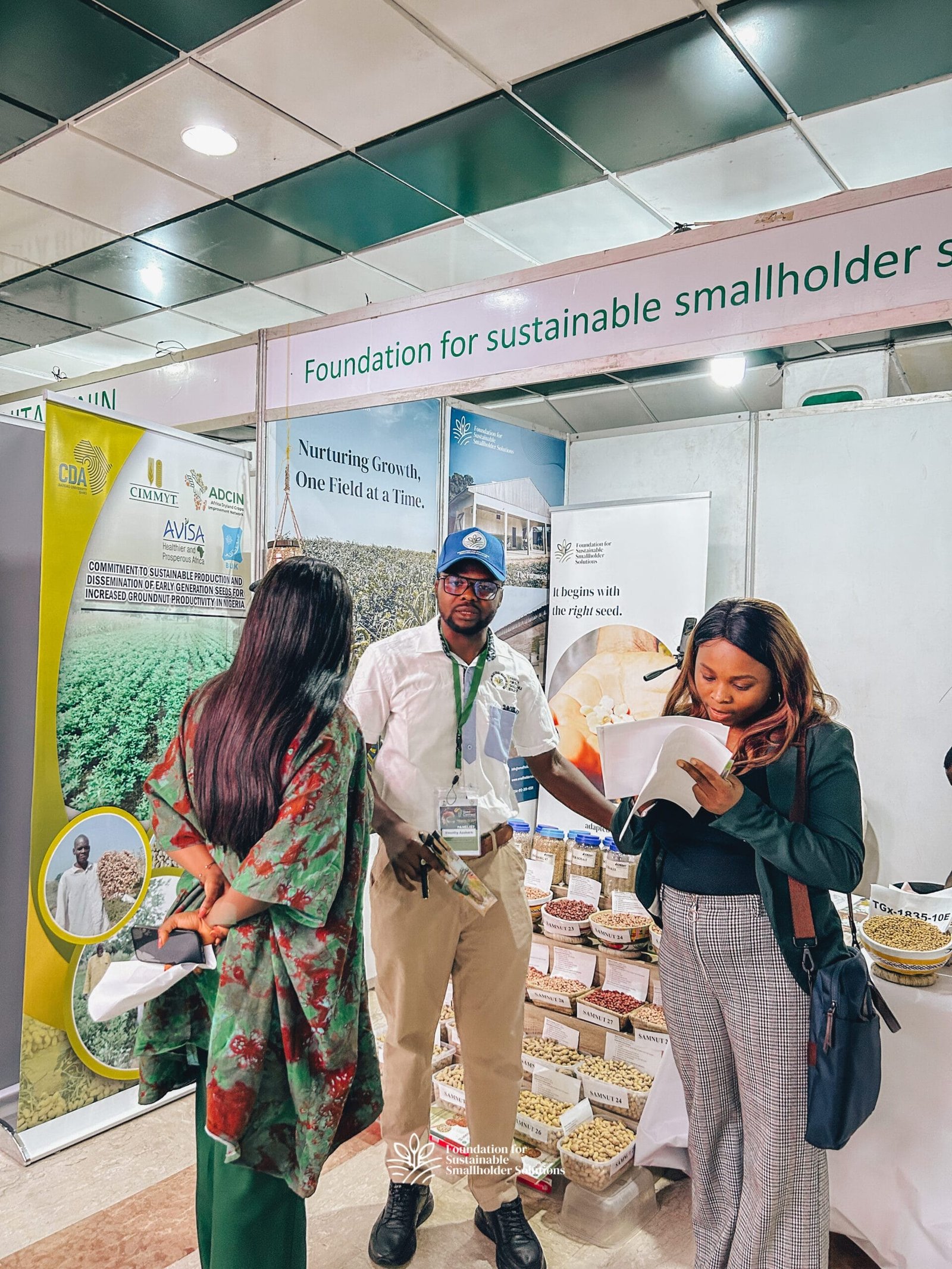
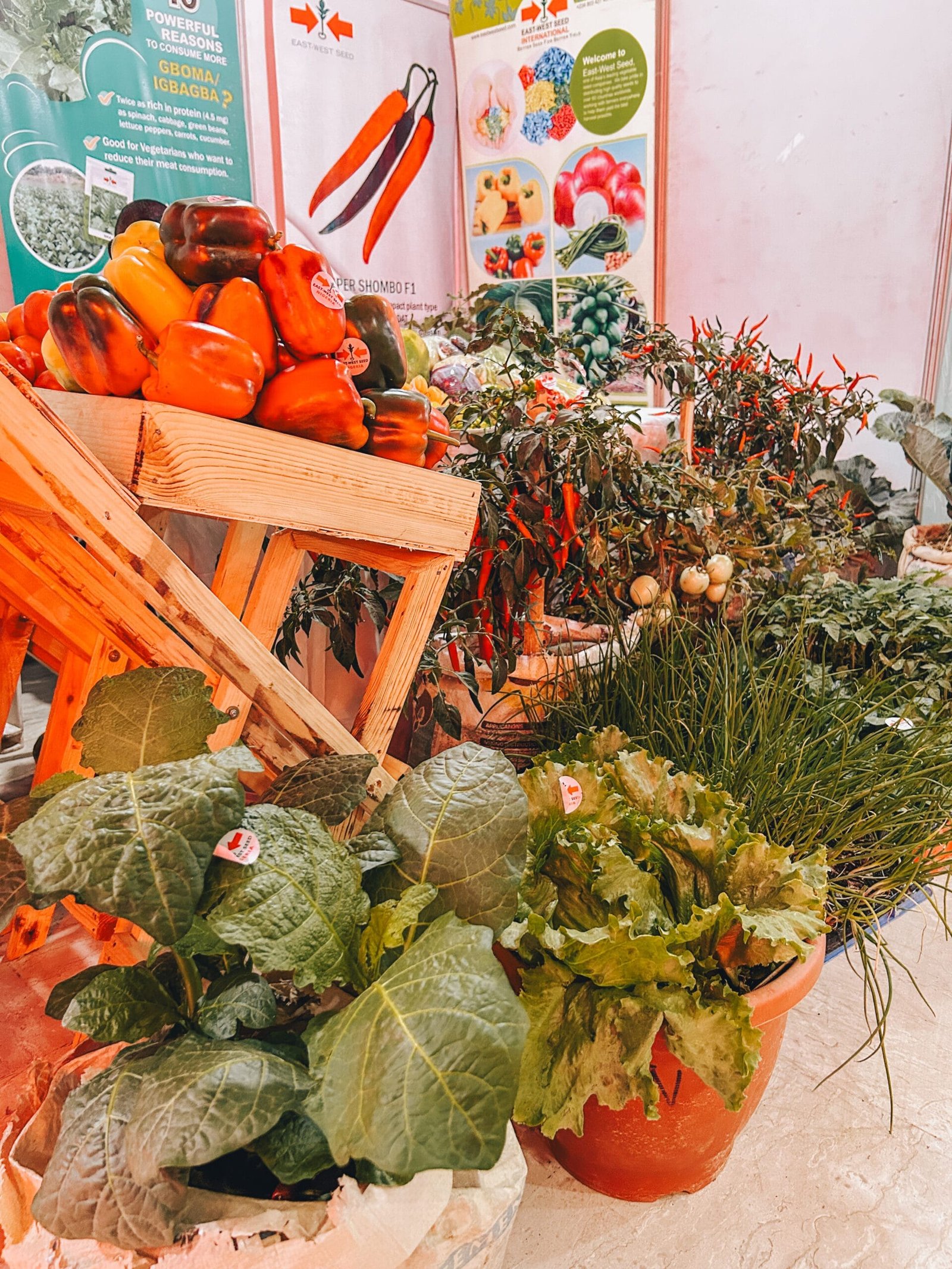
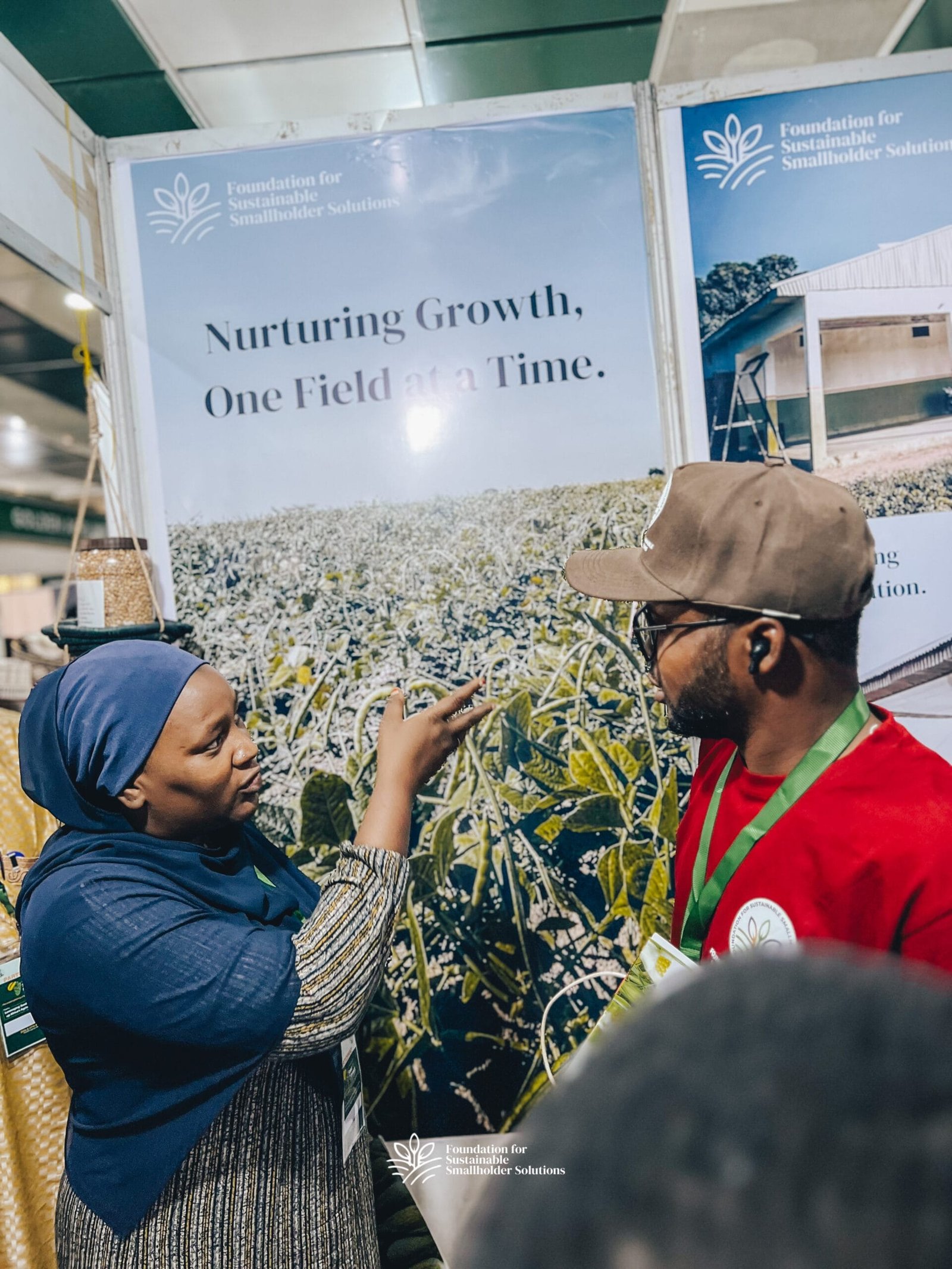
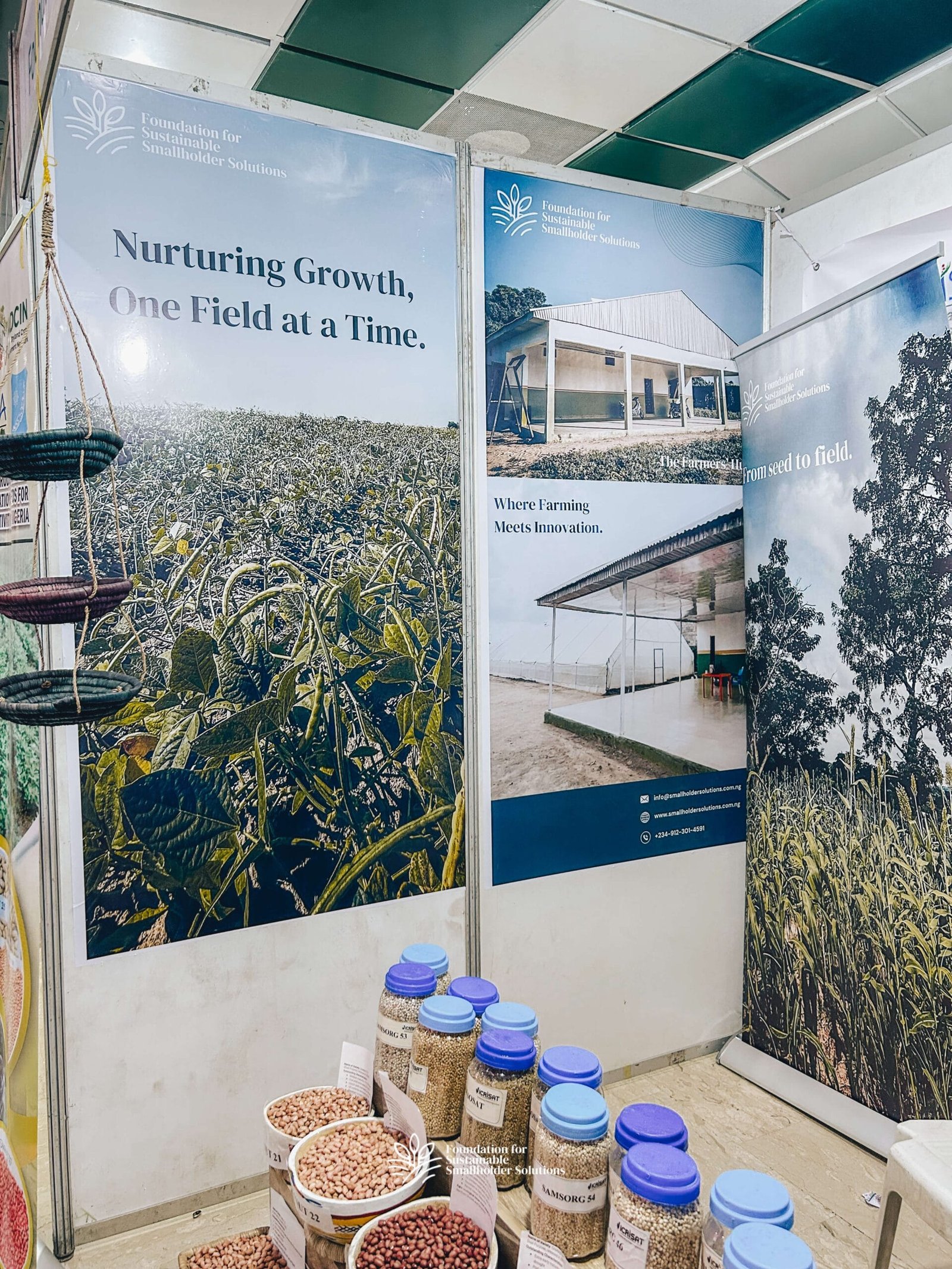
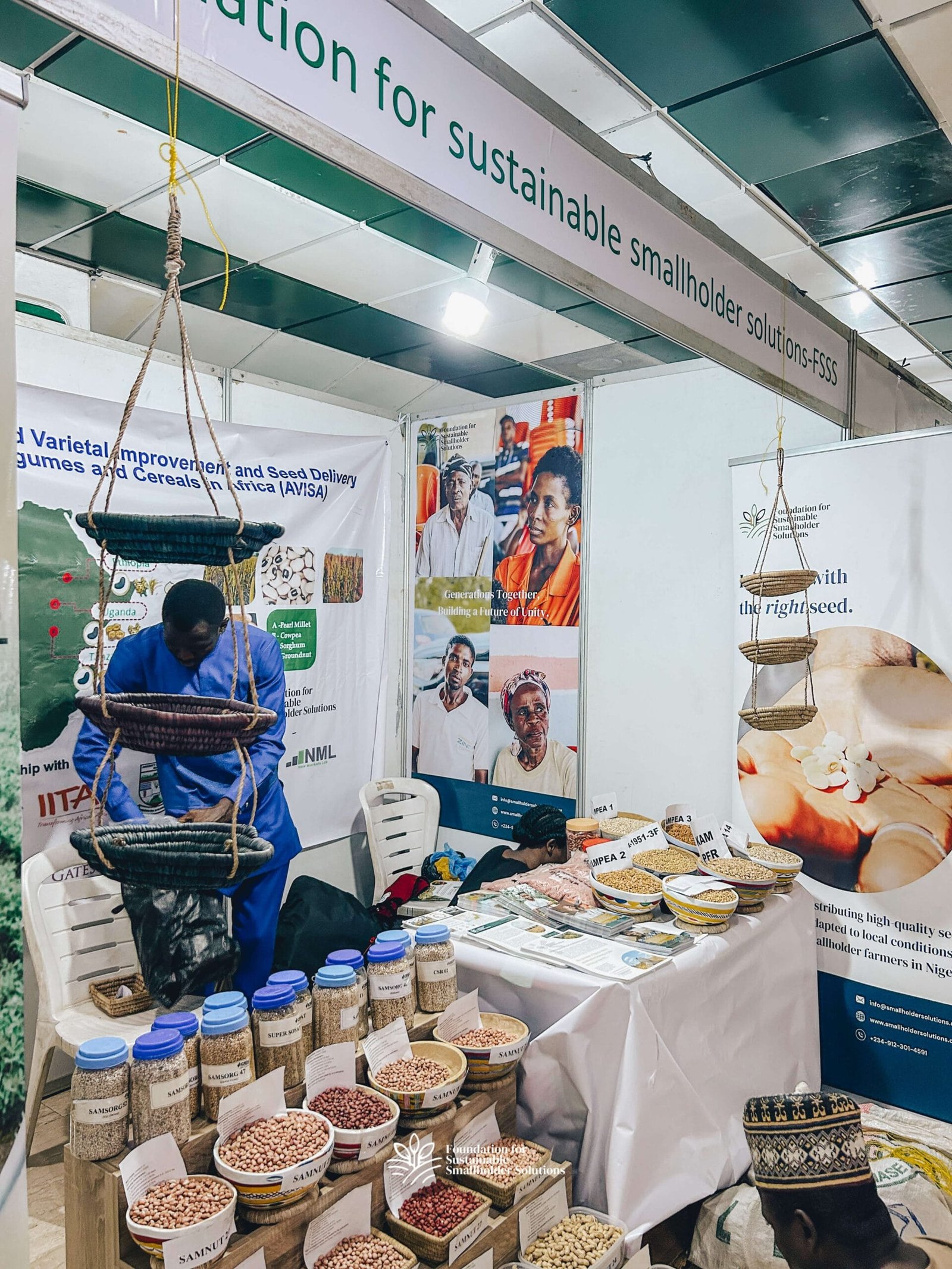
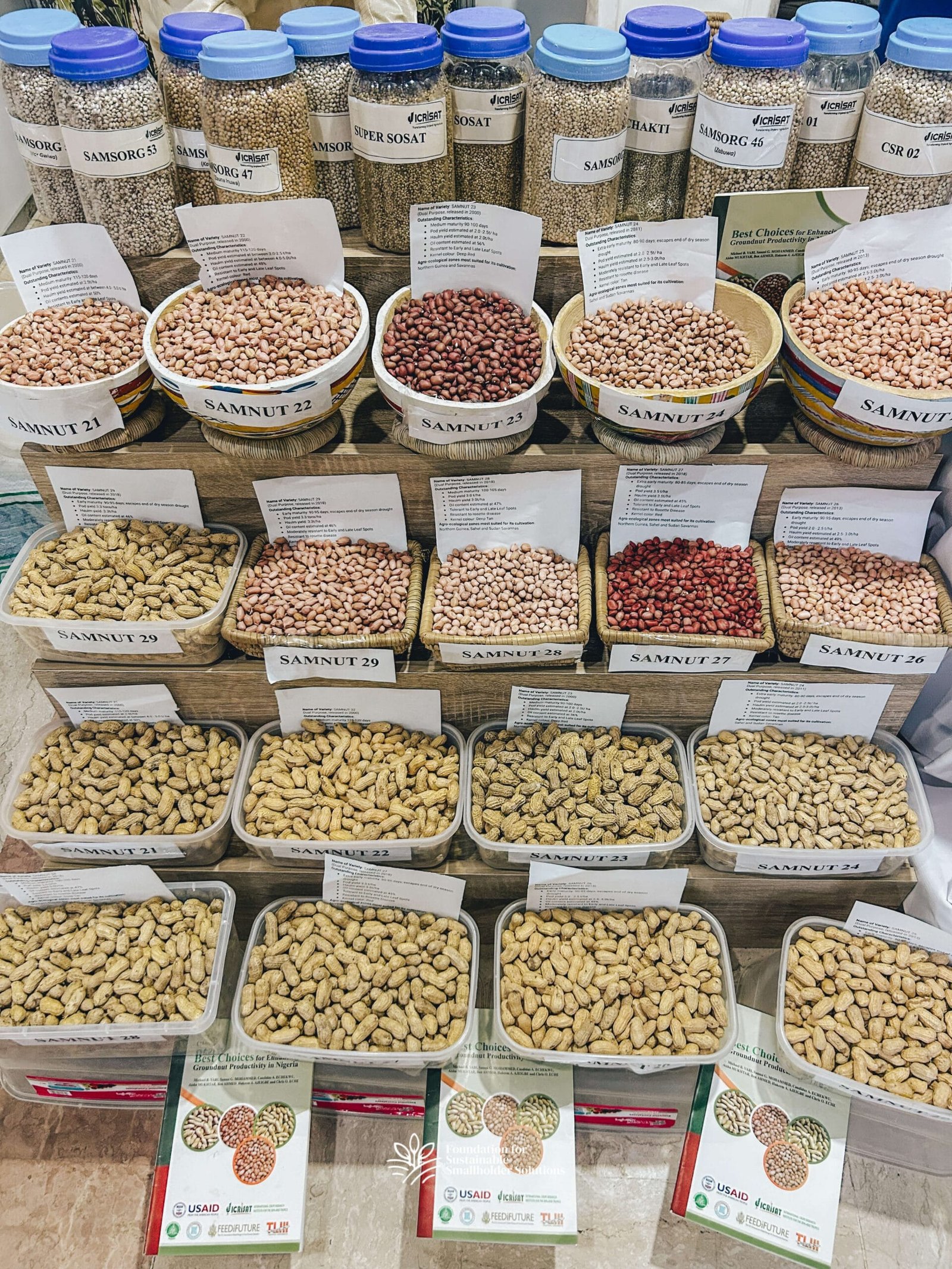
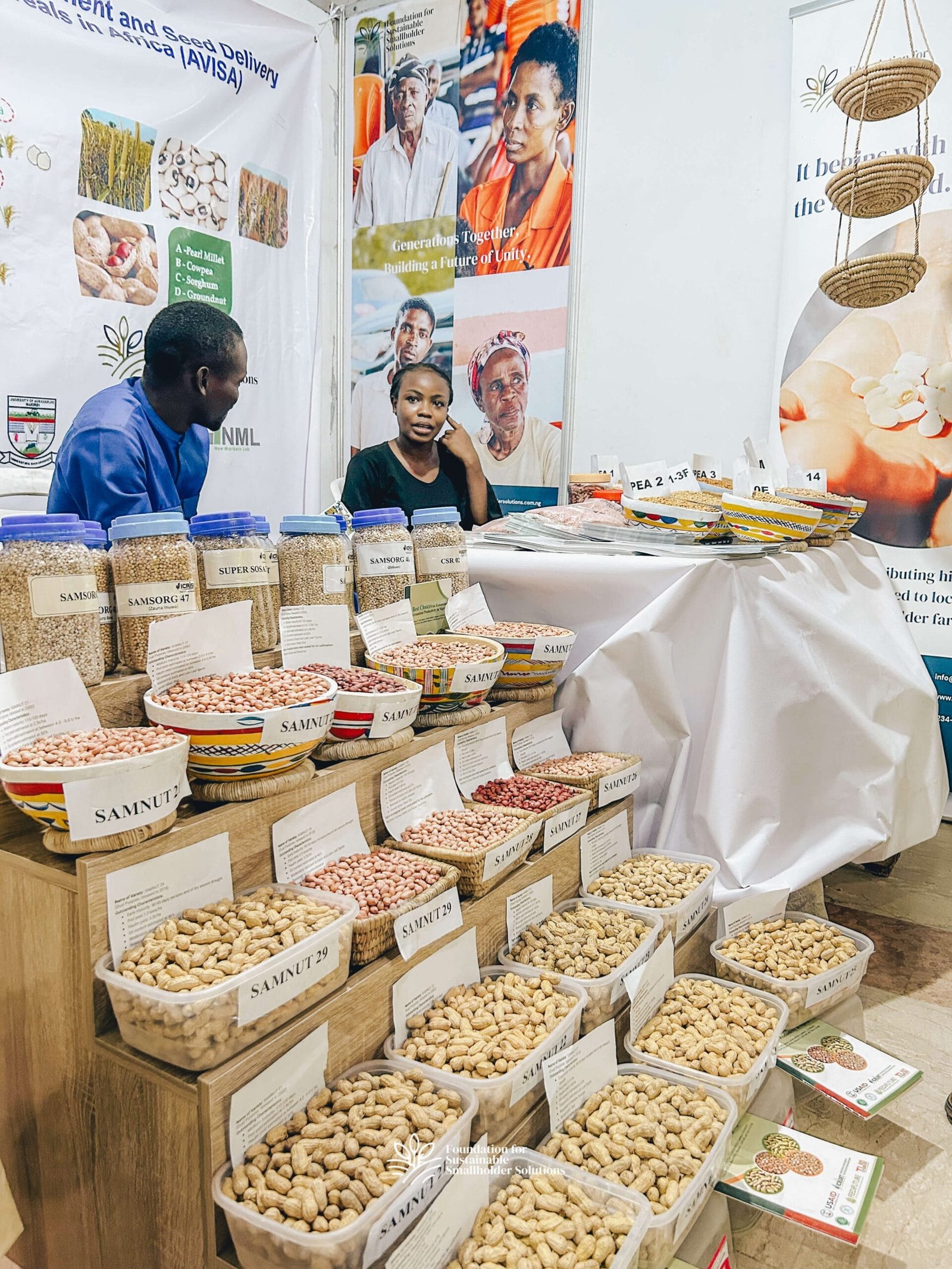
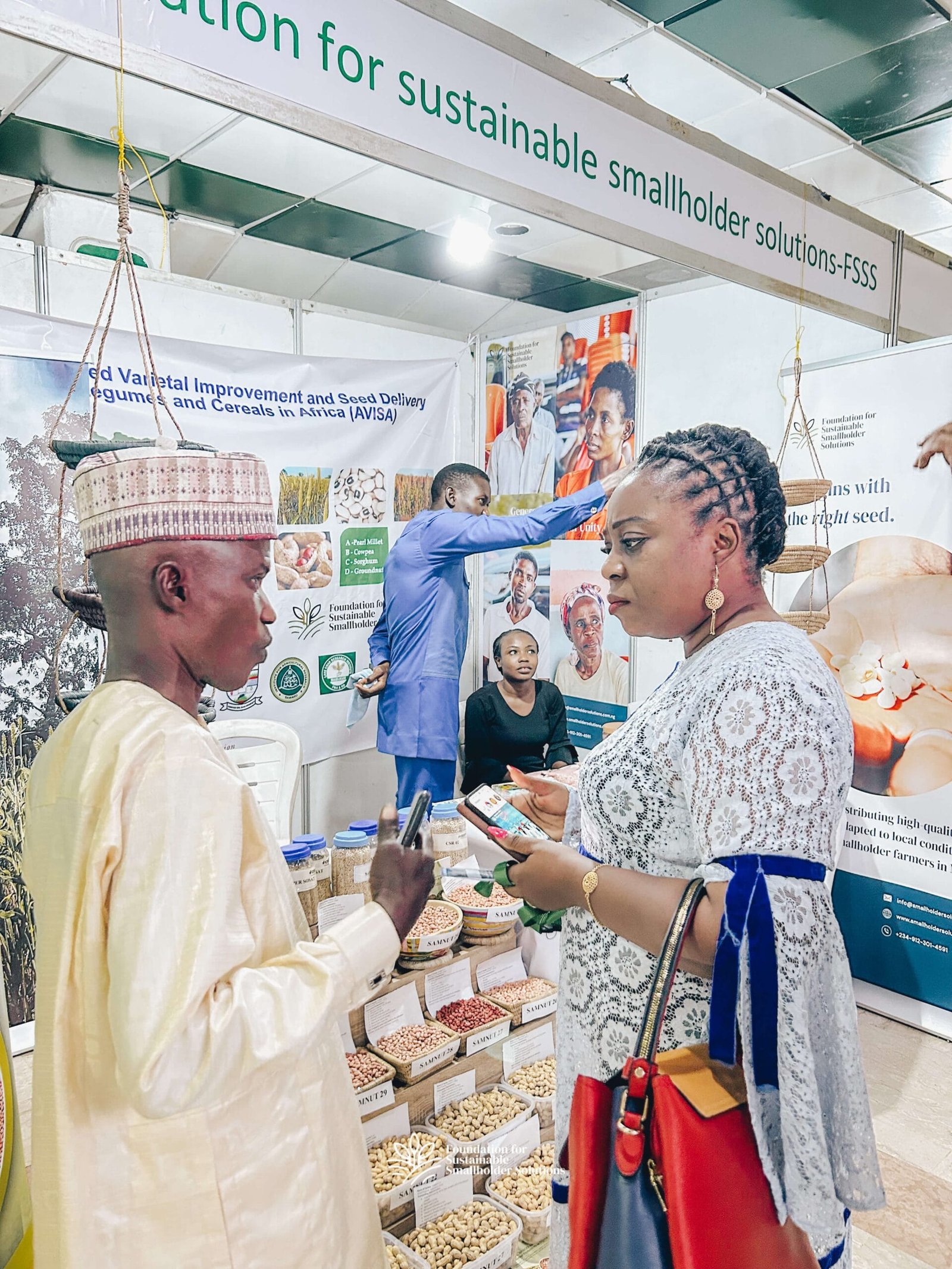
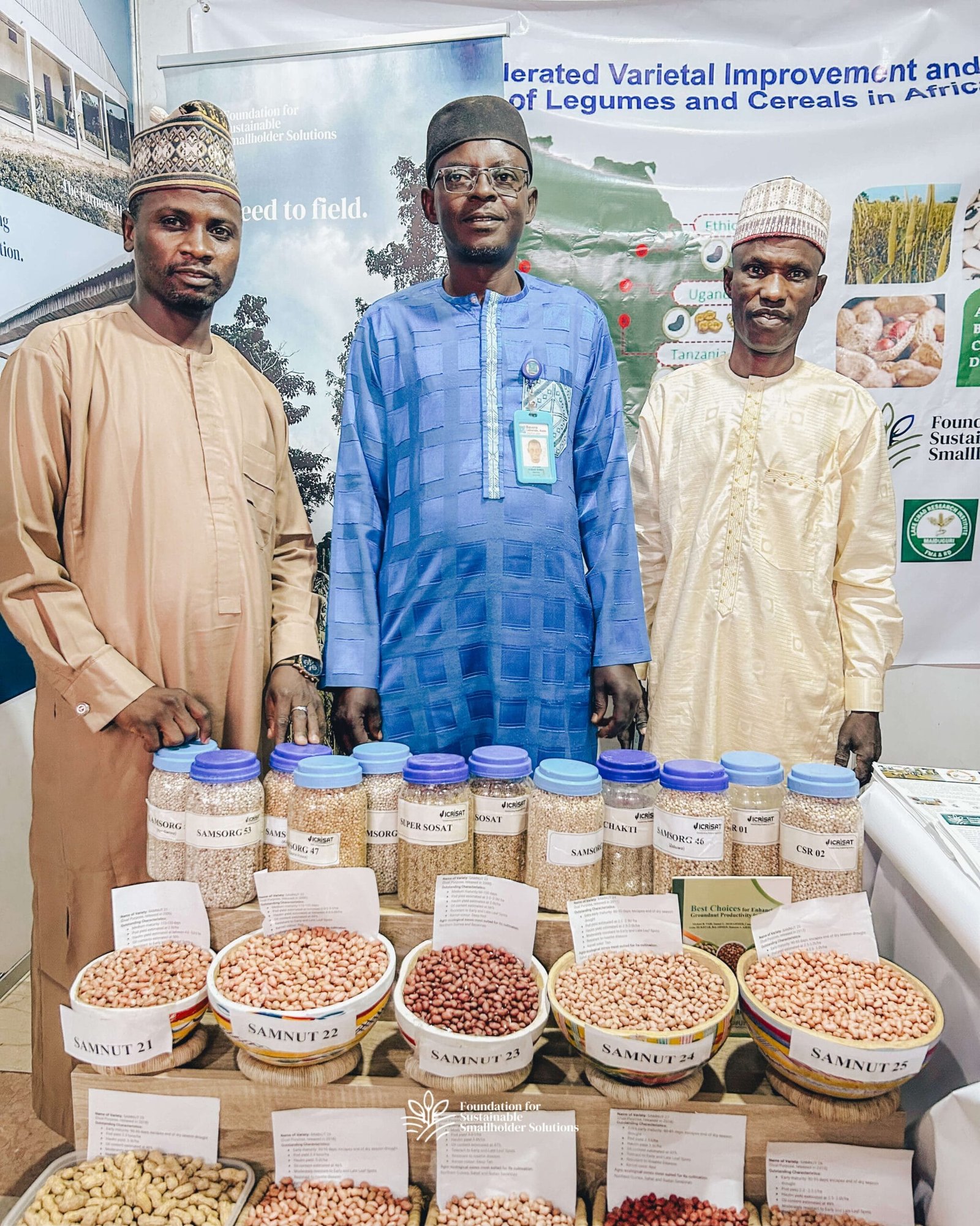
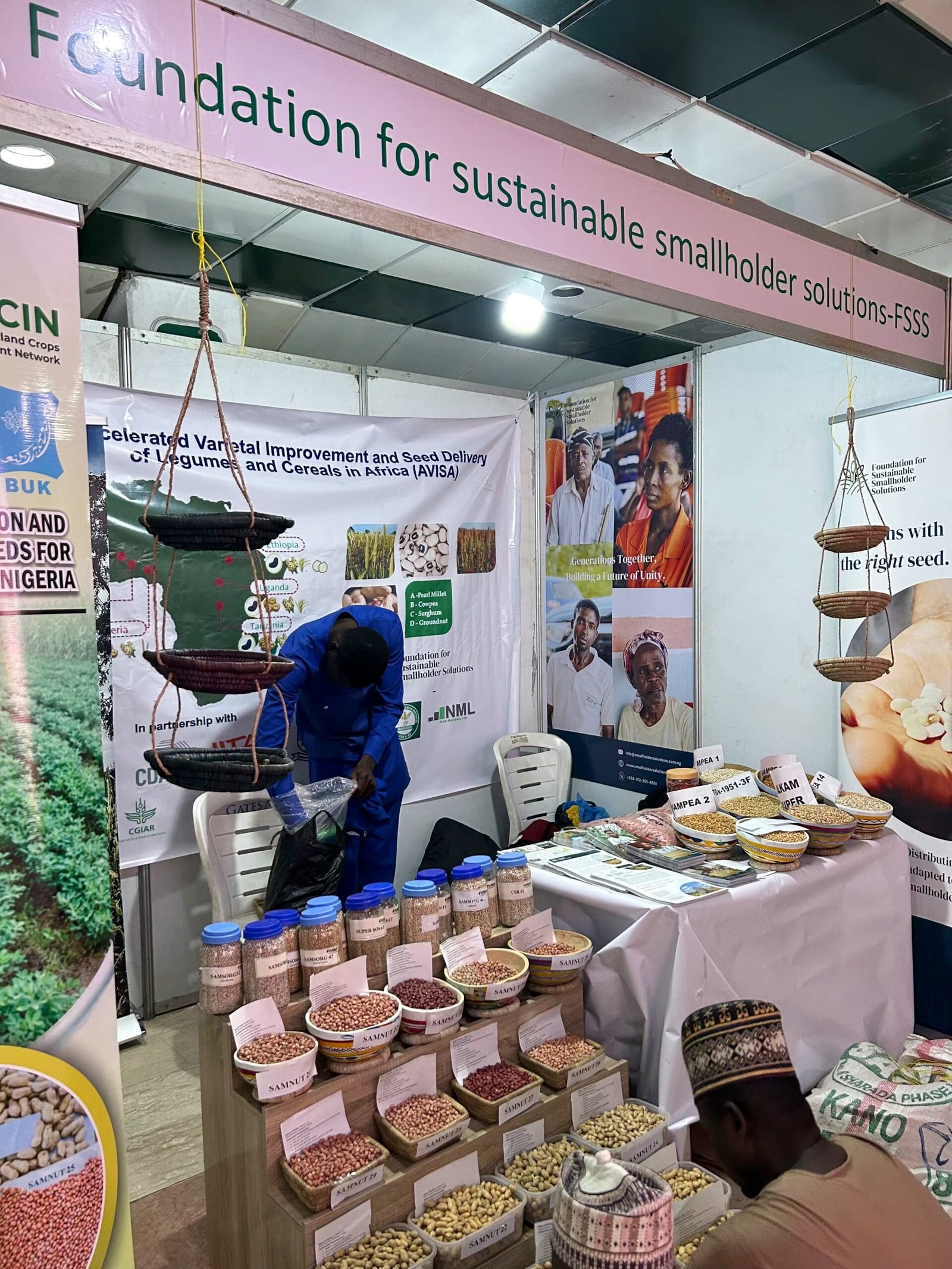
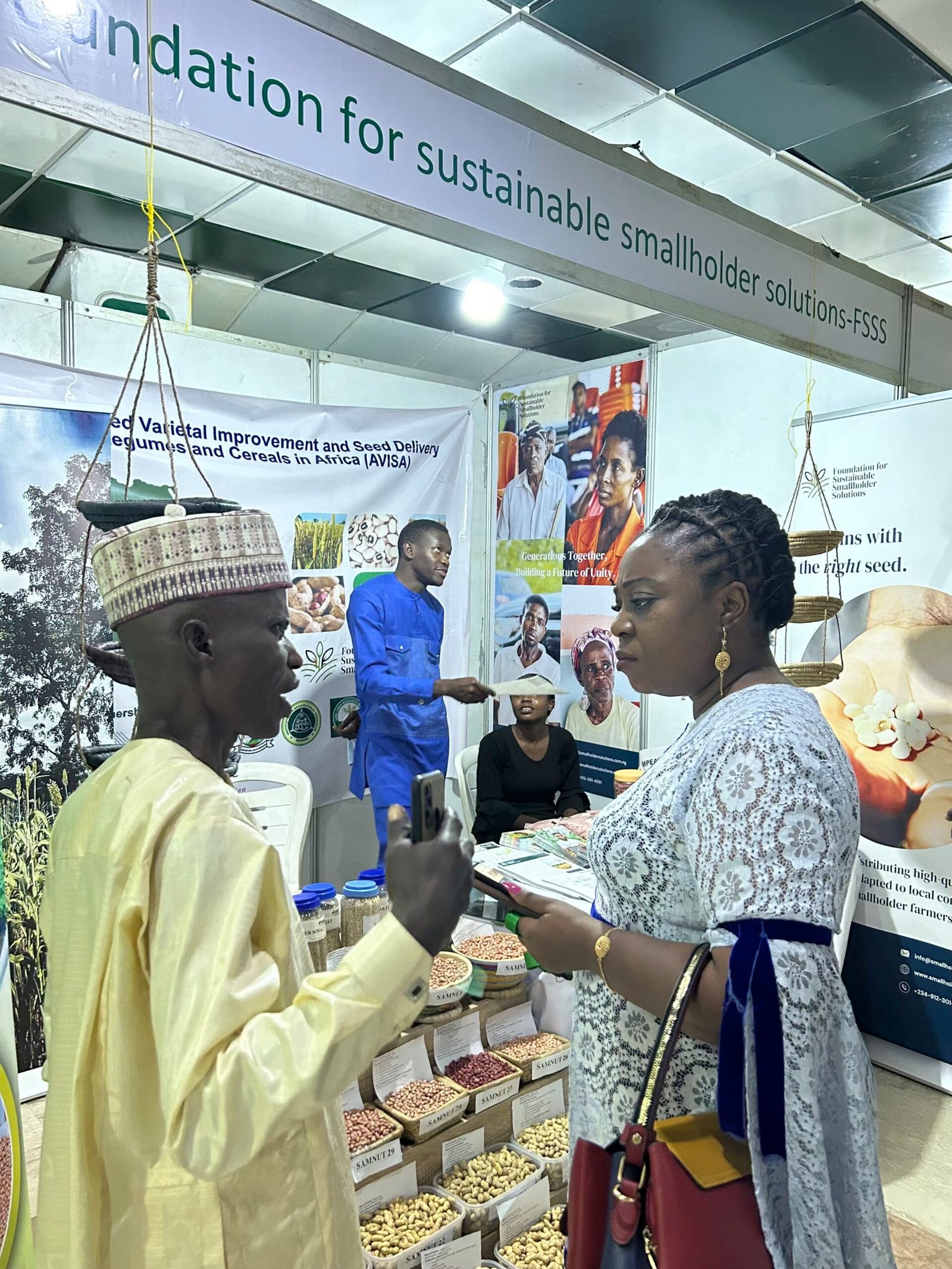
The hubs have become an important distribution channel for seed companies, particularly in areas where traditional agro-dealer networks are limited. Through partnerships with seed companies such as Kemol, Value Seed and IAR Seed, farmers have gained easier access to improved seed varieties and other agricultural services.
Azakere noted that increasing awareness of the benefits of certified seeds has contributed to growing demand among farmers.
“In 2024, we witnessed farmers queuing at our centres for improved cowpea seeds, demonstrating the growing awareness of the benefits of quality seeds. We are proving that when farmers see profitability in improved seeds and extension services, they are willing to invest in them.”
The Foundation has also expanded its reach through digital extension platforms. By combining virtual training with in-person support provided through Farmers Hubs, FSSS significantly increased farmer engagement, particularly in southern Nigeria.
“In the South, about 50 per cent of our training is conducted online. Hub managers advertise their products digitally, which has exponentially increased engagement and sales.”
The organisation reported substantial growth in outreach, expanding from approximately 2,000 farmers to more than 32,000 farmers through its integrated digital and physical extension model.
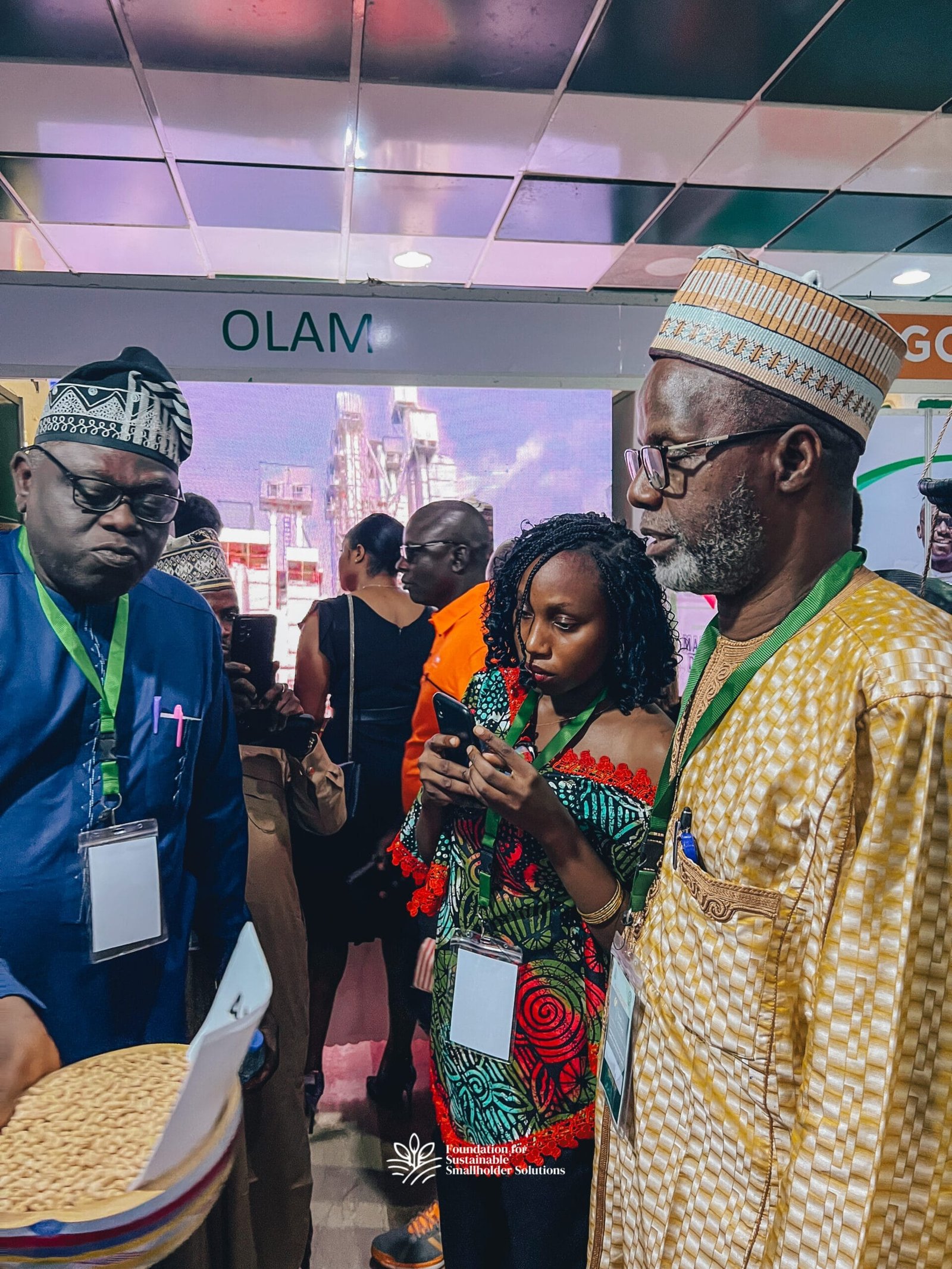
FSSS also used the conference to engage with emerging technologies being introduced by the National Agricultural Seed Council to improve seed distribution and traceability.
“We want to understand these technologies and see how they can enhance our ongoing efforts to ensure farmers have access to quality seeds,” Azakere said.
Speaking during the event, the Minister of State for Agriculture and Food Security, Senator Aliyu Sabi Abdullahi, emphasised the importance of ensuring that agricultural innovations align with local food preferences and consumer needs.
Using cowpea as an example, the Minister stressed that breeding programmes must consider the qualities valued by Nigerian consumers and food processors.
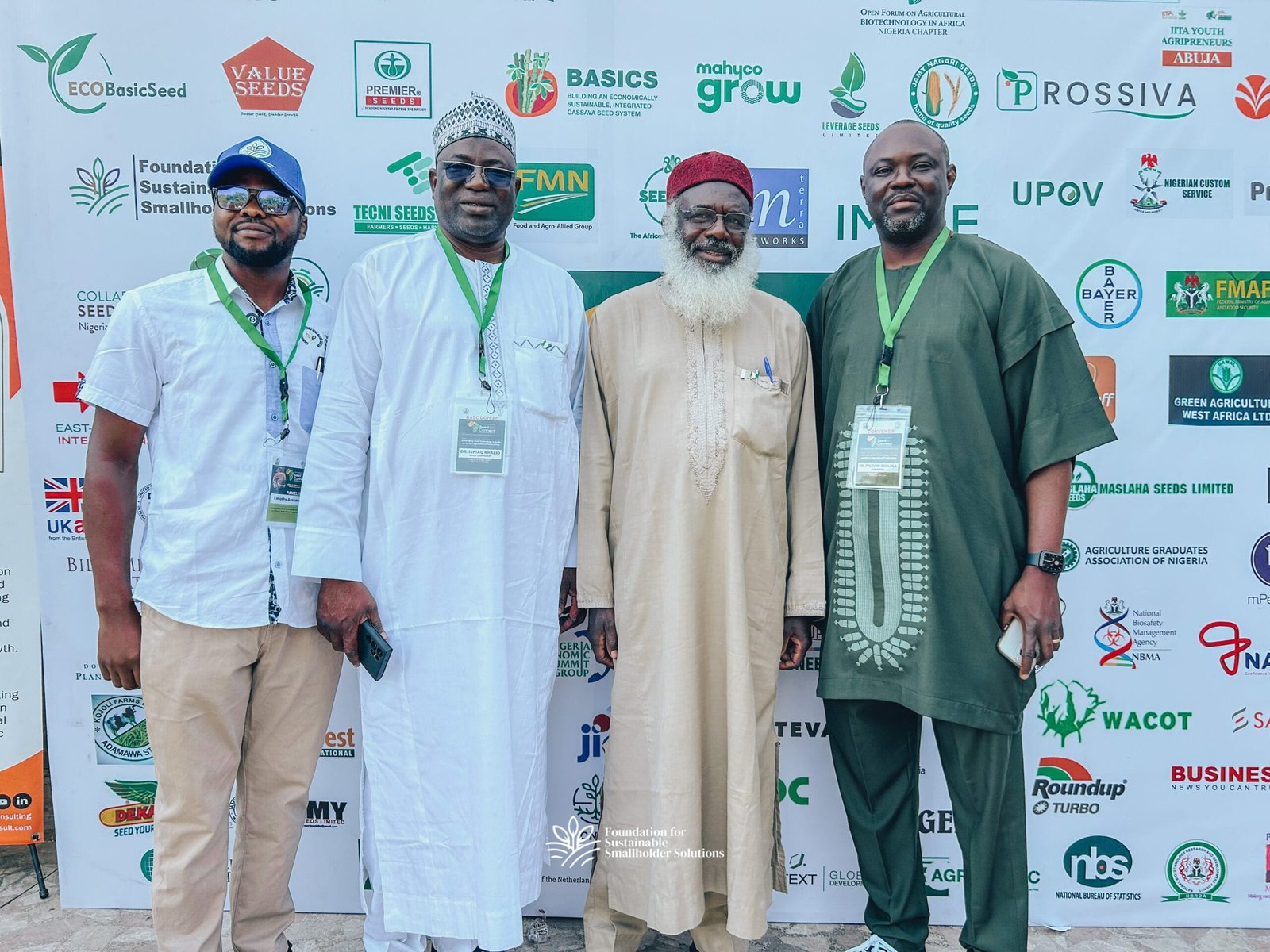
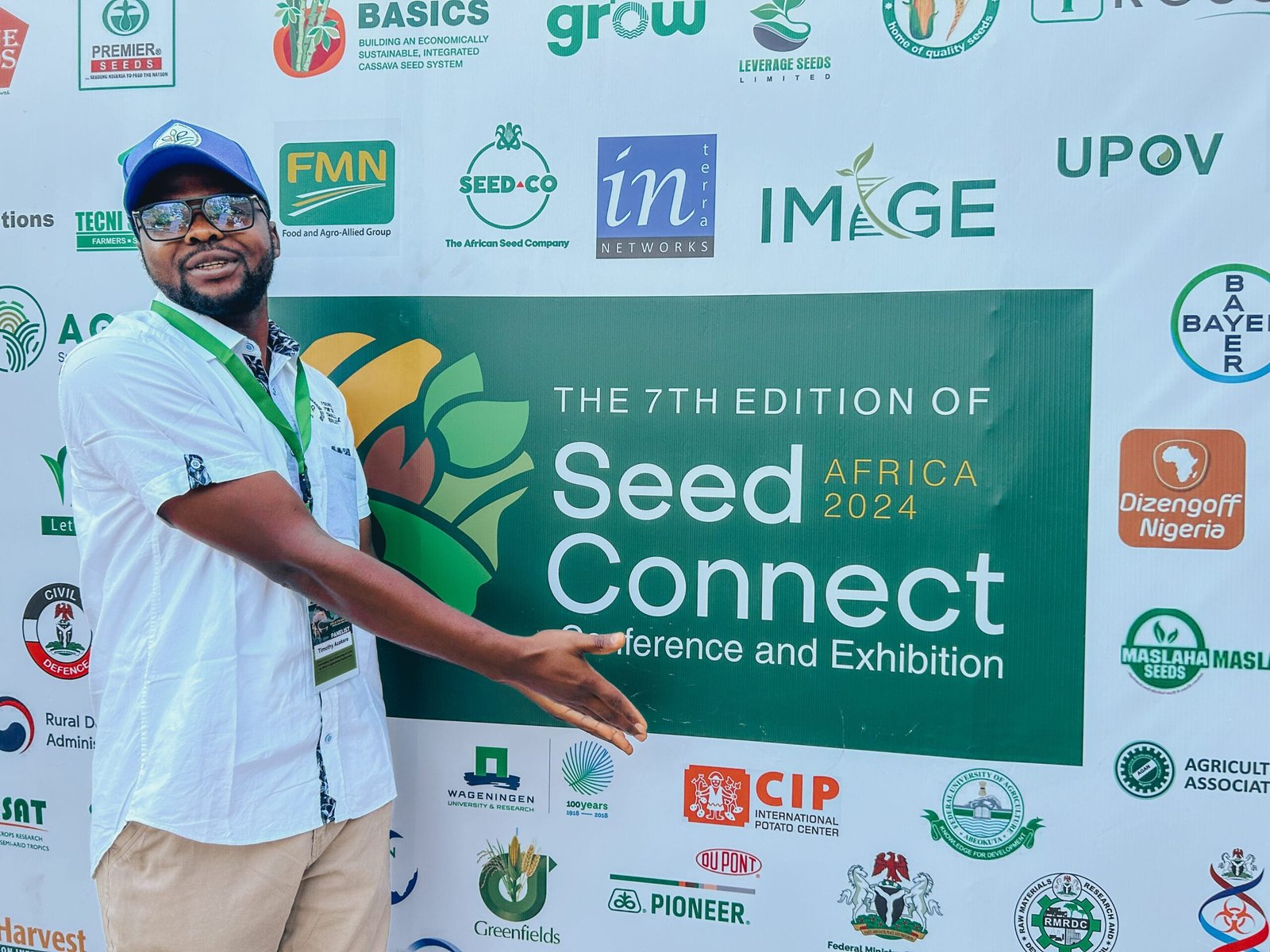
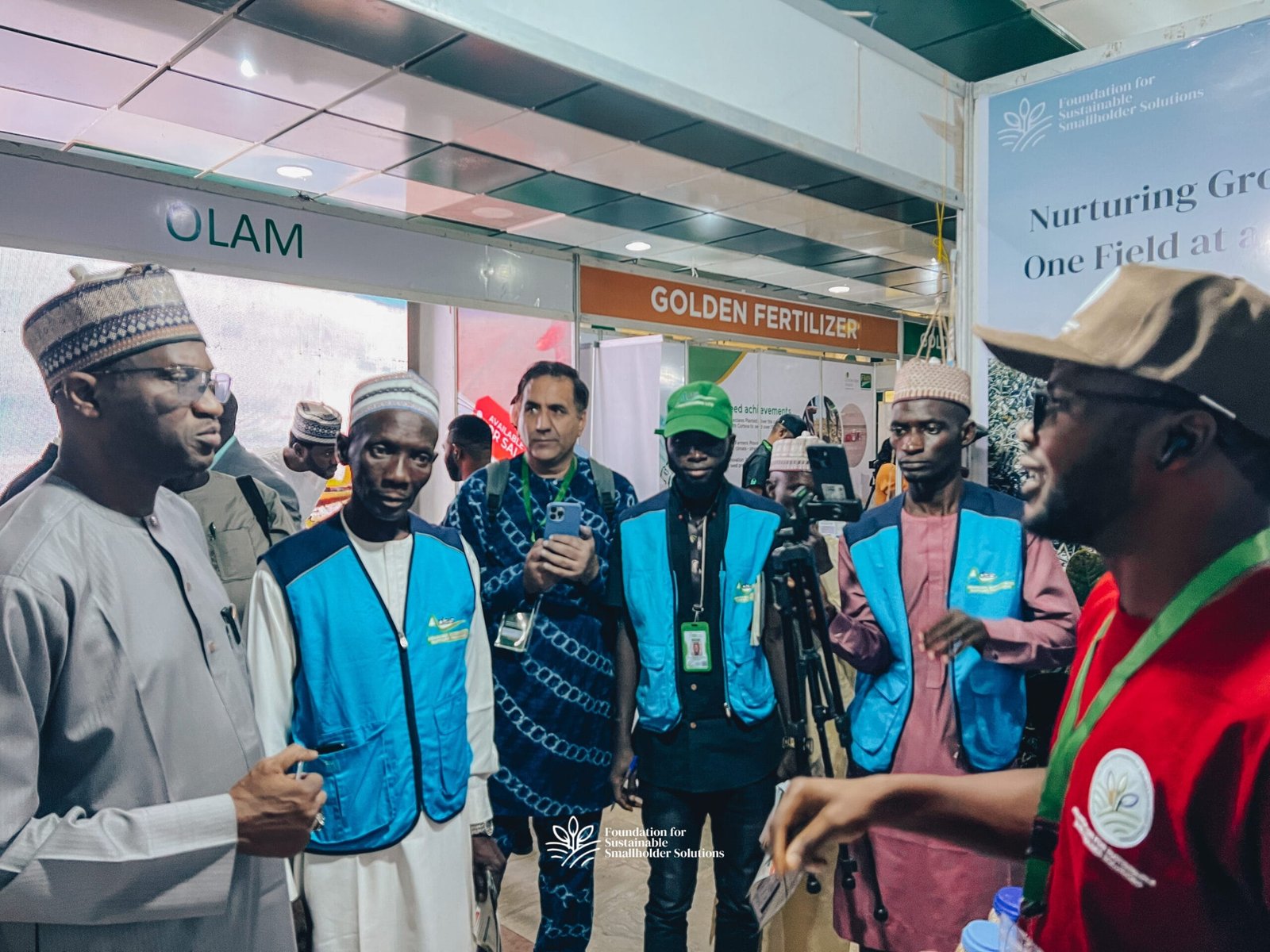
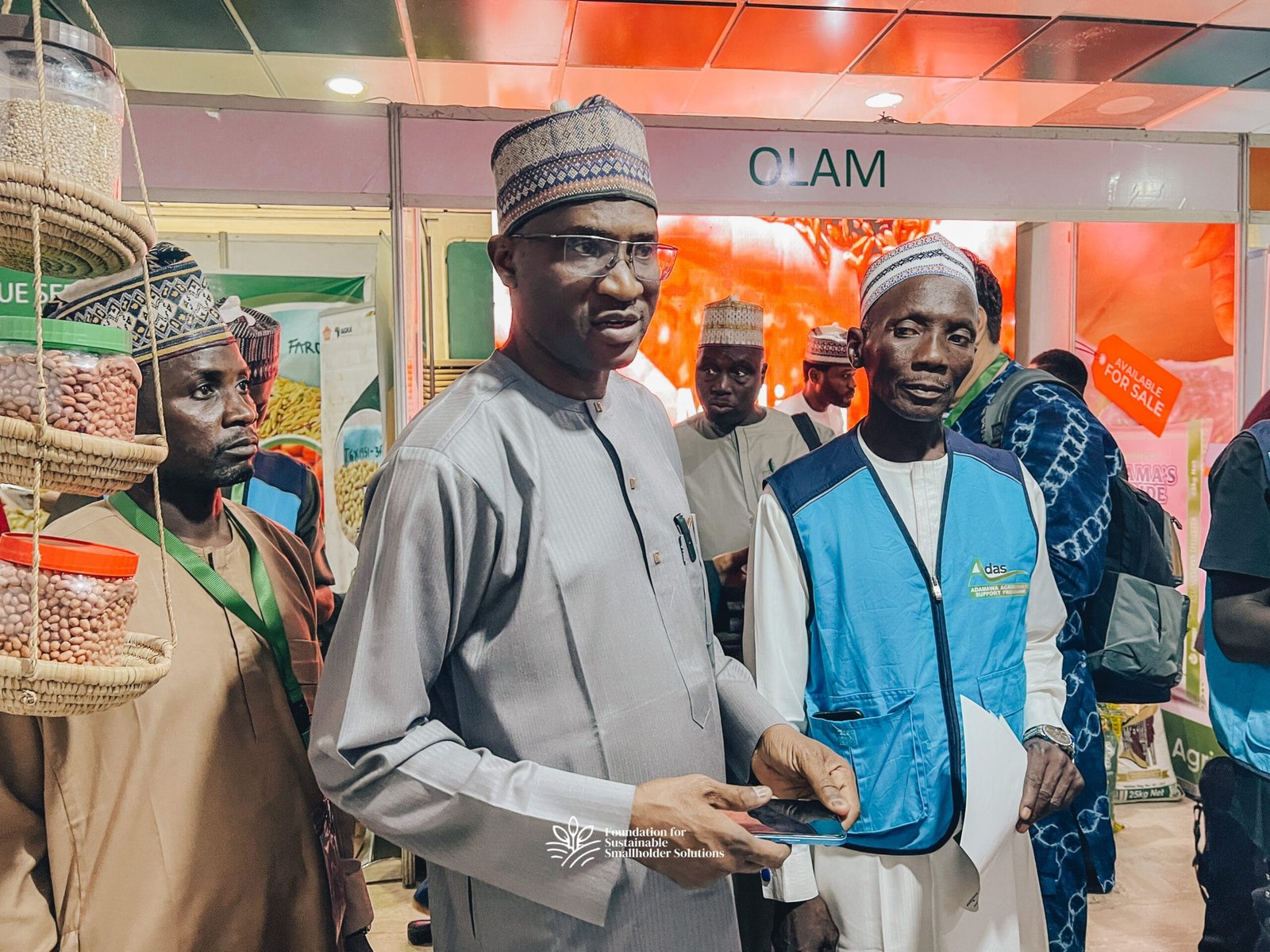
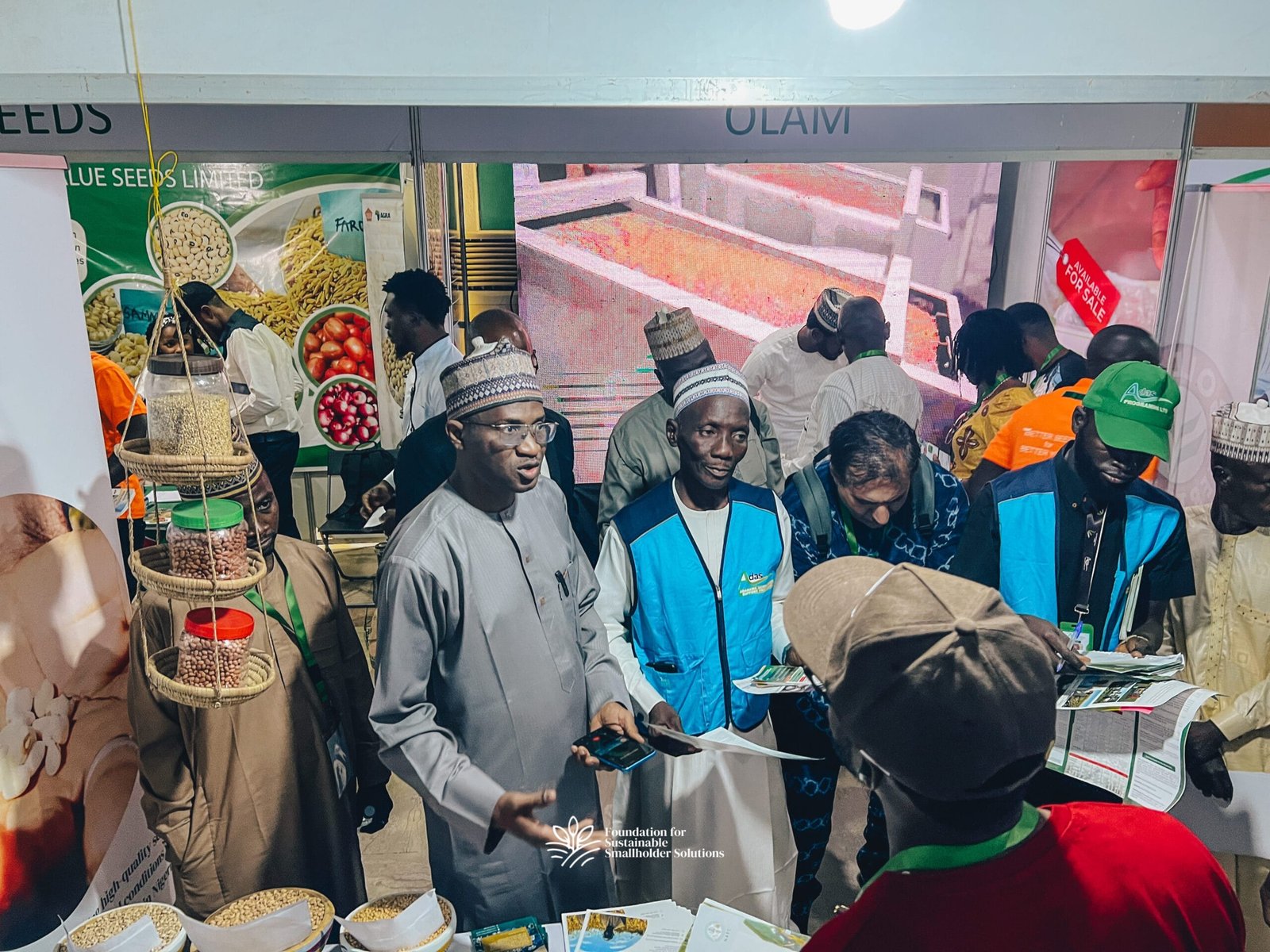
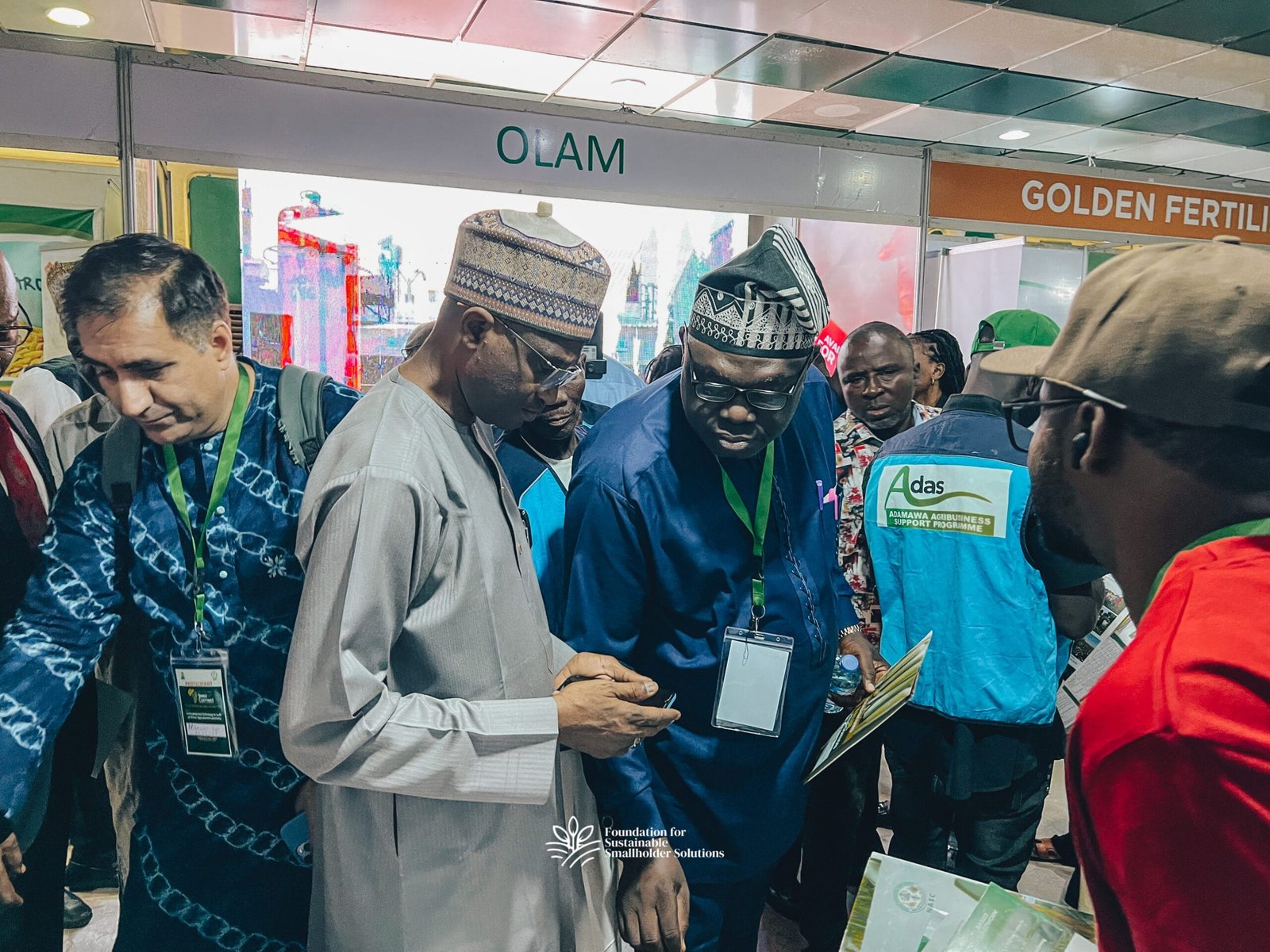
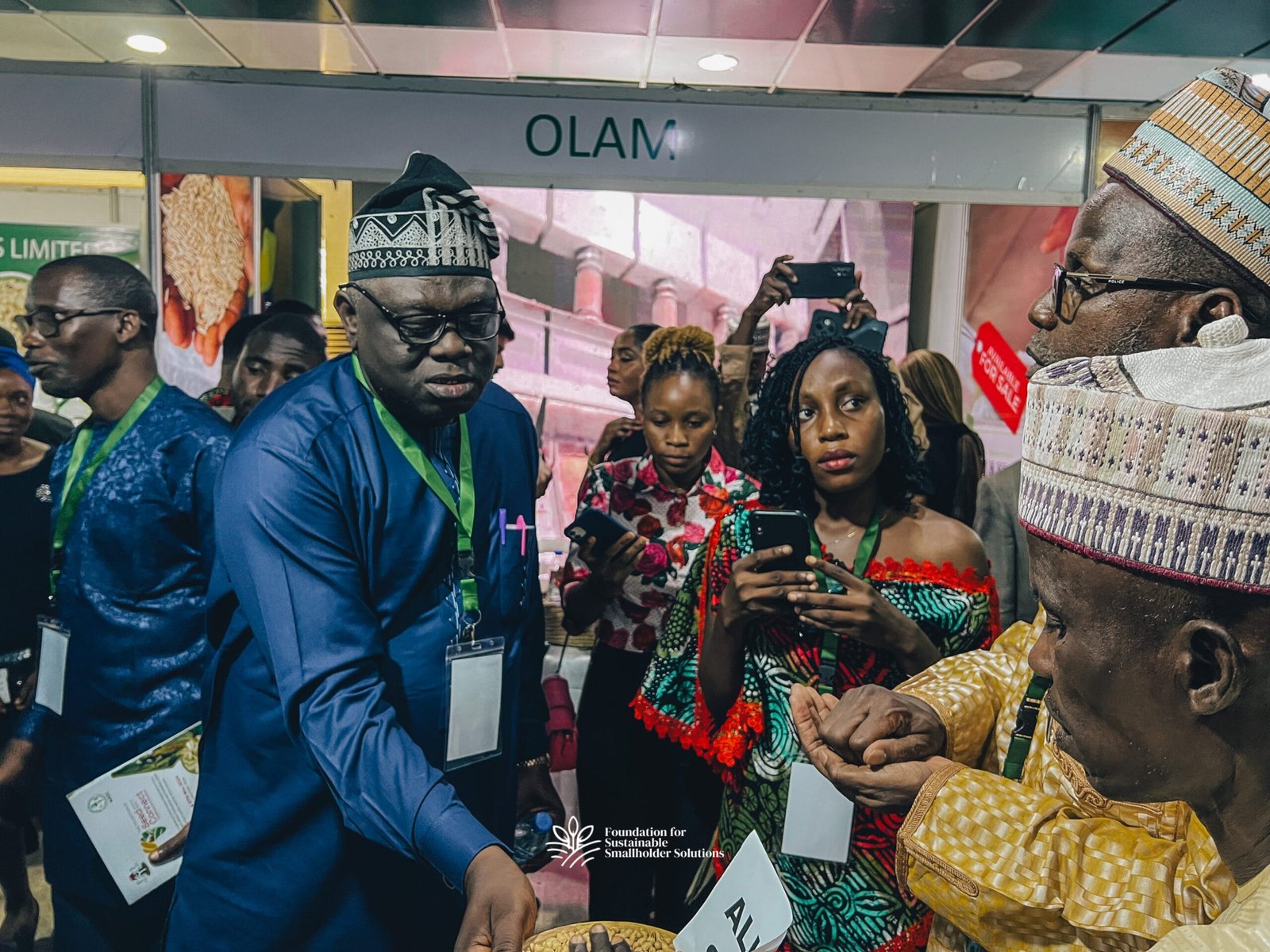
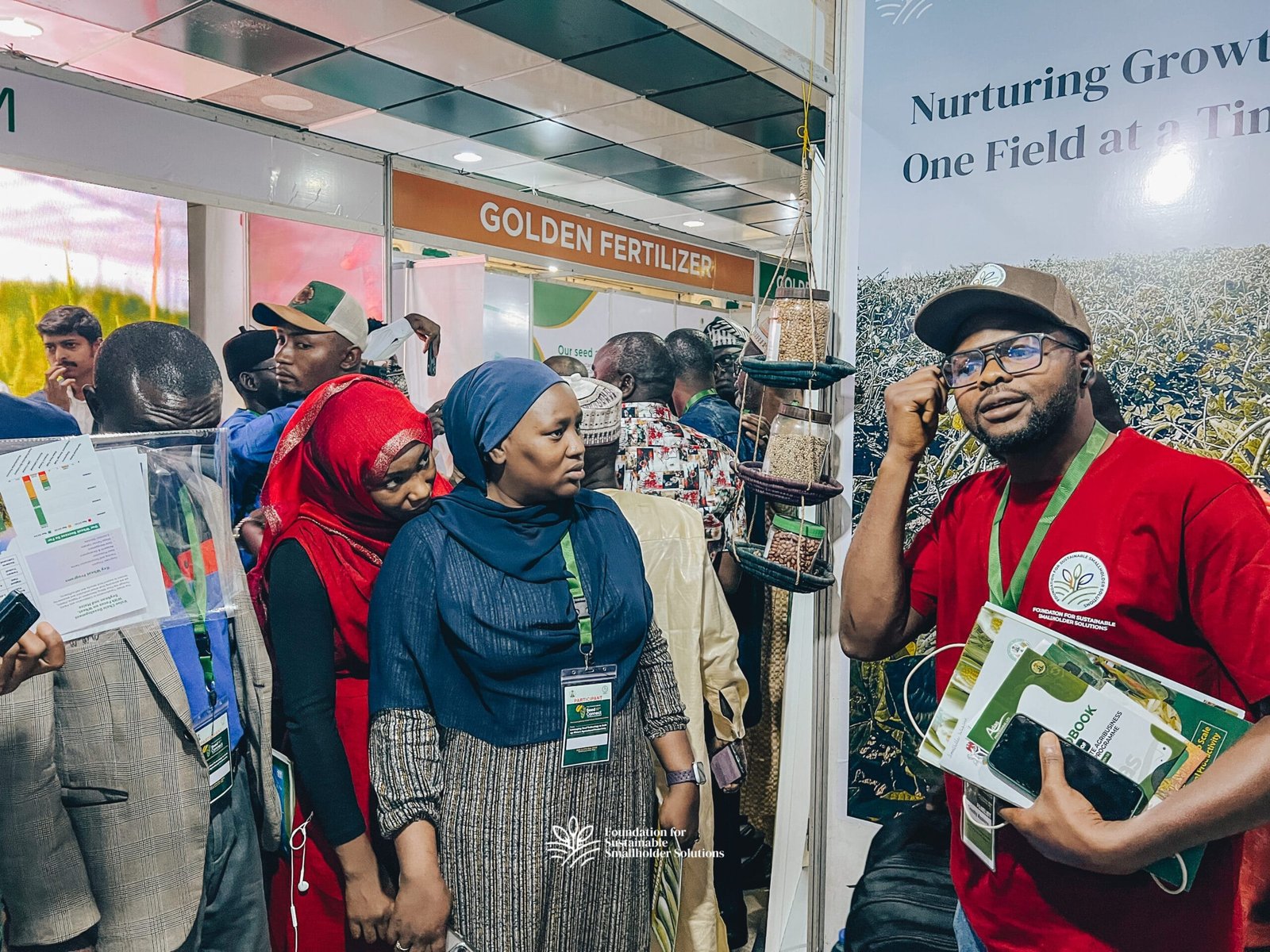
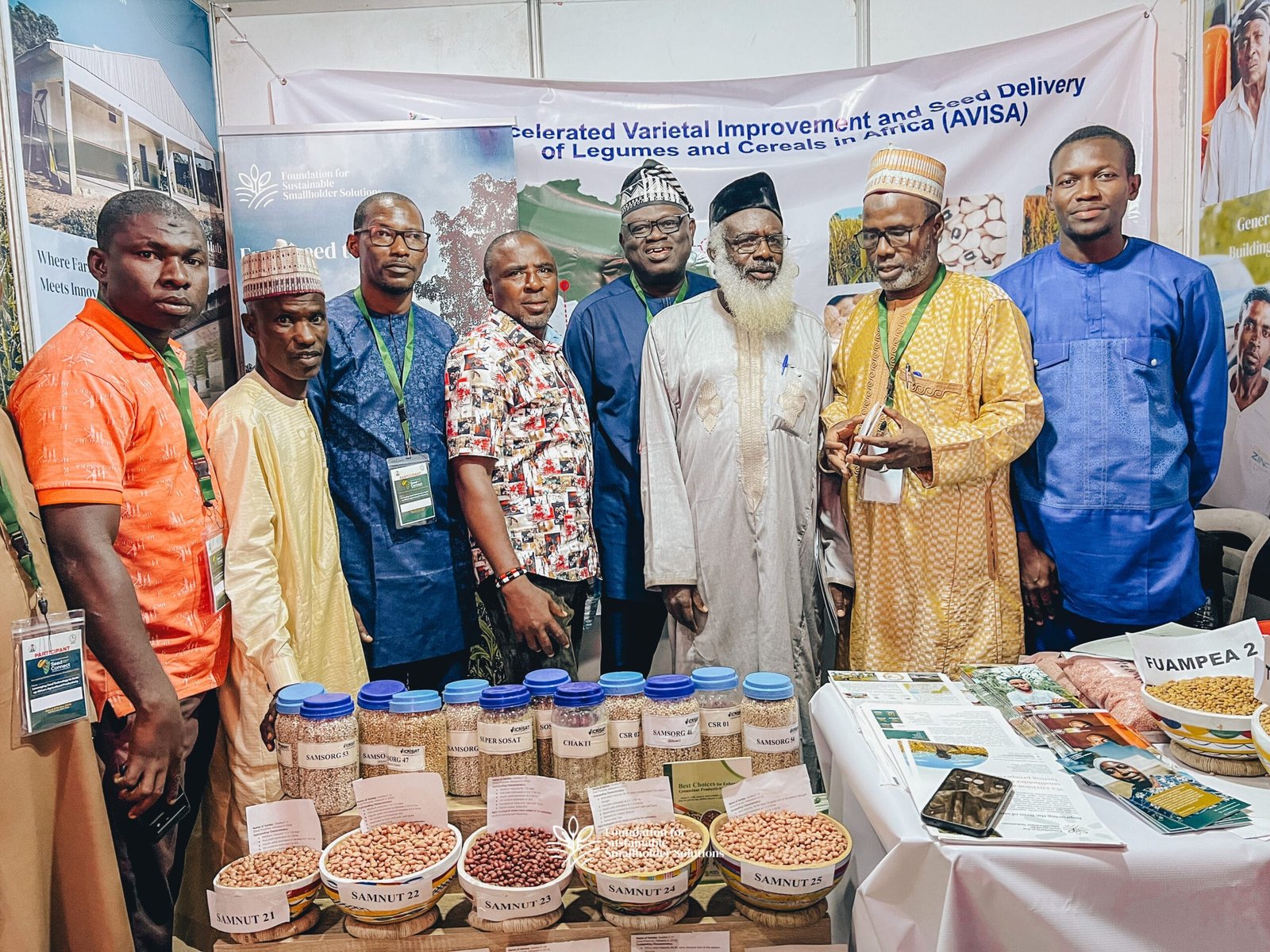
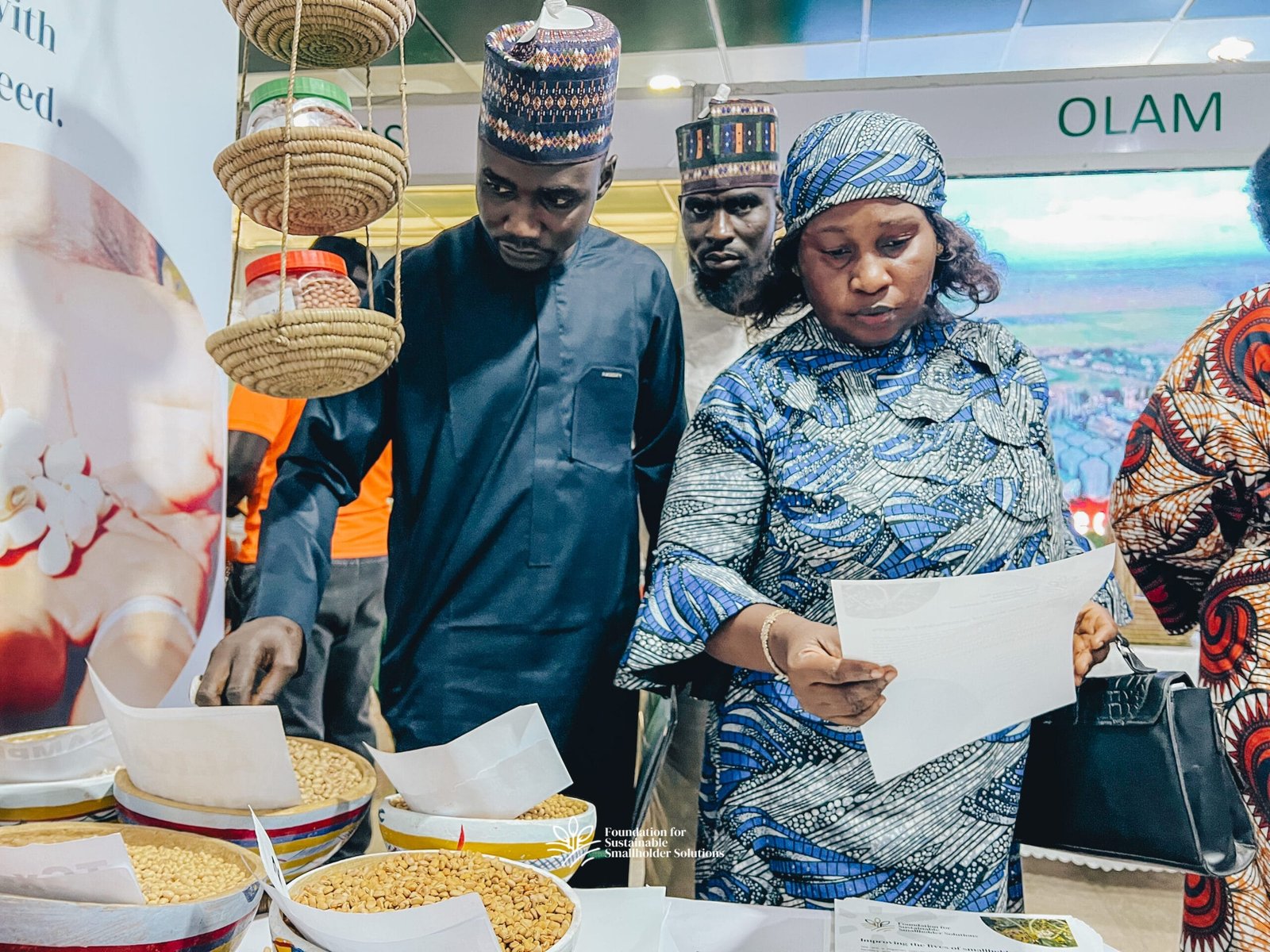
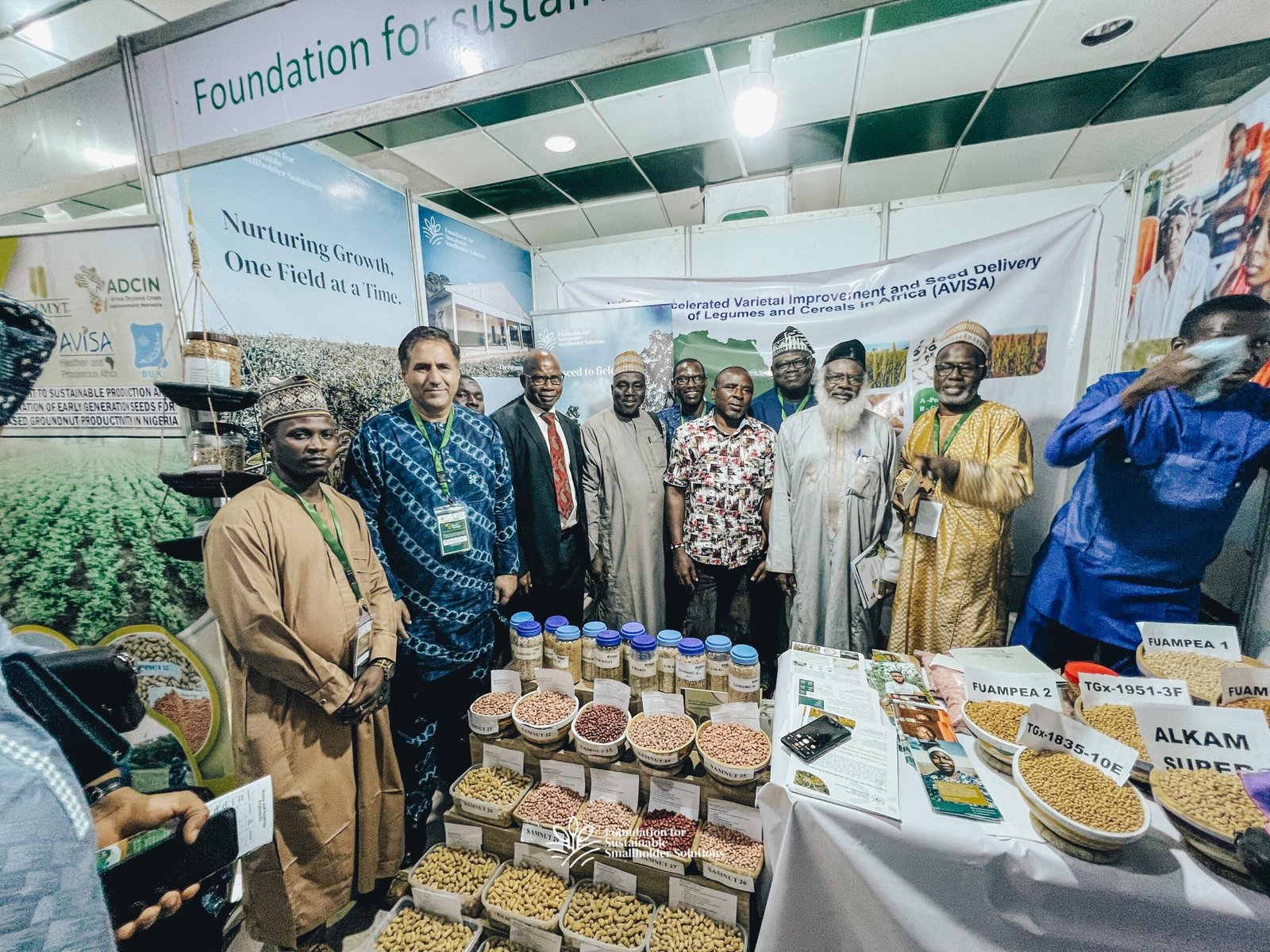
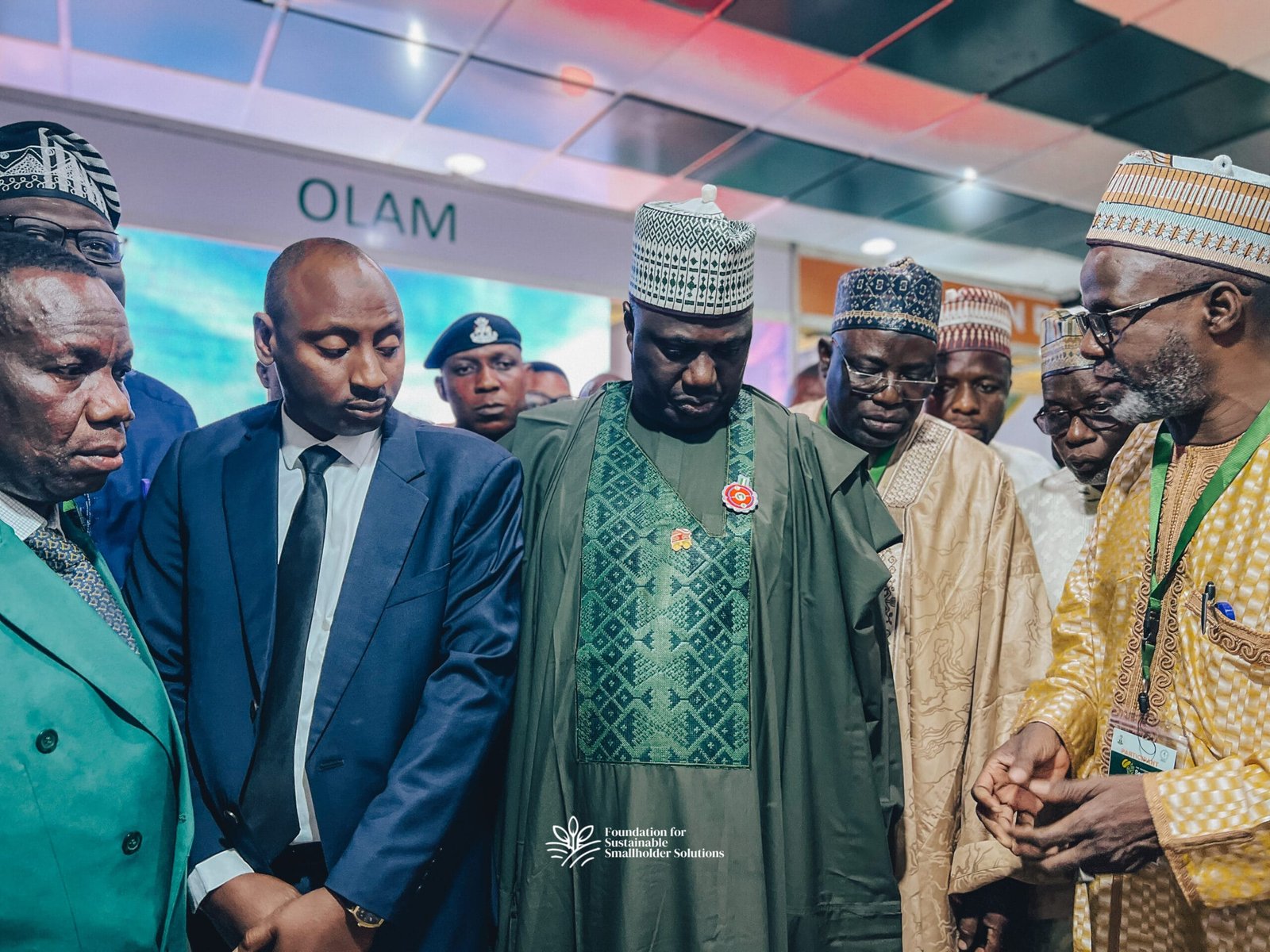
Seed Connect Africa 2024 brought together policymakers, researchers, seed companies, development partners and agricultural practitioners to explore strategies for strengthening Africa’s seed systems and improving agricultural productivity.
For FSSS, the event provided an opportunity to demonstrate how technology-driven extension services and innovative delivery models can accelerate the adoption of certified seeds and contribute to sustainable agricultural development.