FSSS Announces Launch of Landmark Project for Smallholder Farmers in Bauchi State News As part of its commemoration of International Youth Day 2026, the Foundation for Sustainable Smallholder Solutions (FSSS) engaged thousands of young people,..
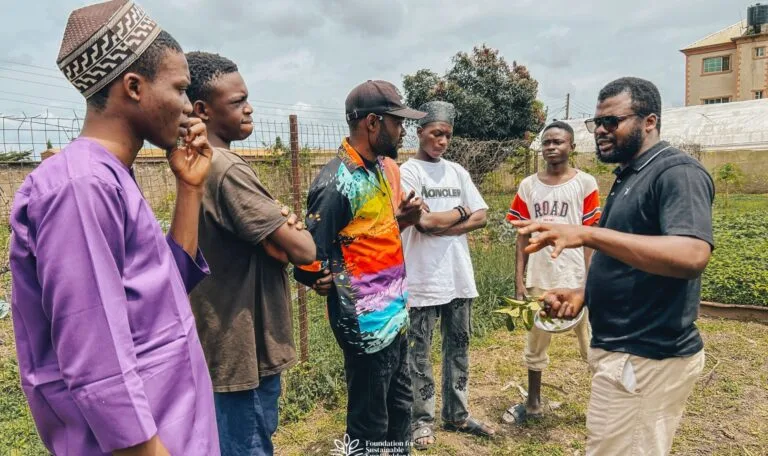


FSSS Announces Launch of Landmark Project for Smallholder Farmers in Bauchi State News As part of its commemoration of International Youth Day 2026, the Foundation for Sustainable Smallholder Solutions (FSSS) engaged thousands of young people,..
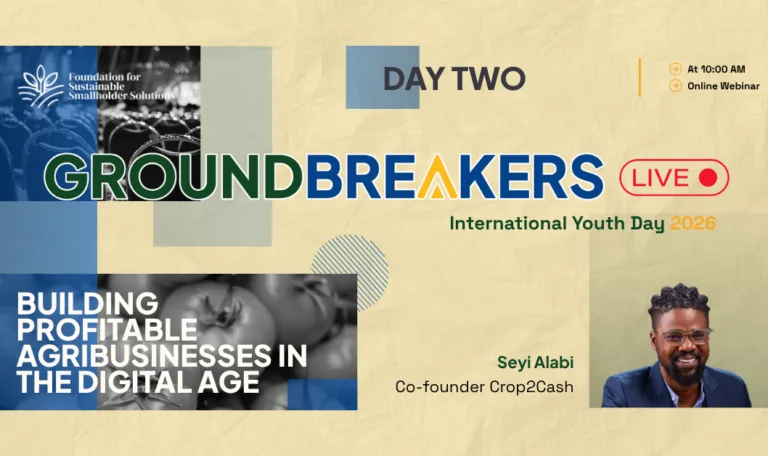
What does it take to build a profitable agribusiness in the digital age? During Day Two of GroundBreakers Live 2026, Seyi Alabi, Co-founder of Crop2Cash, challenged young innovators to solve real agricultural problems, highlighting the decline of extension services as one of the sector’s biggest opportunities. From hard-earned entrepreneurial lessons to emerging digital opportunities, the session offered practical insights for anyone looking to shape the future of agriculture.
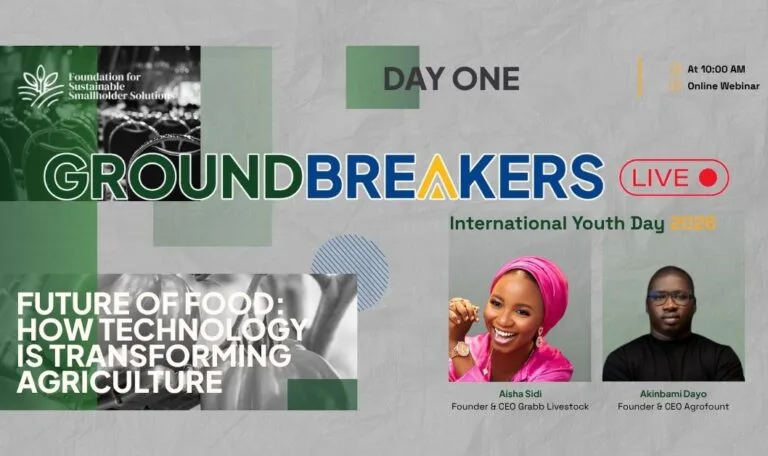
What if the biggest agritech breakthrough isn’t a new idea, but a better understanding of the problem? Aisha Rilwanu Sidi and Dayo Akinbami share lessons for young innovators.
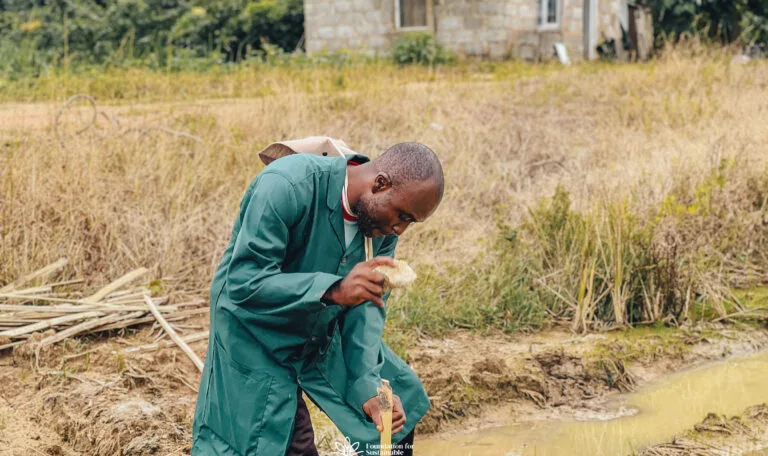
The Foundation for Sustainable Smallholder Solutions (FSSS) has commenced the establishment of ProSeV trial sites across 18 states to generate credible post-release performance data that will help farmers make informed seed choices and strengthen Nigeria’s seed system.
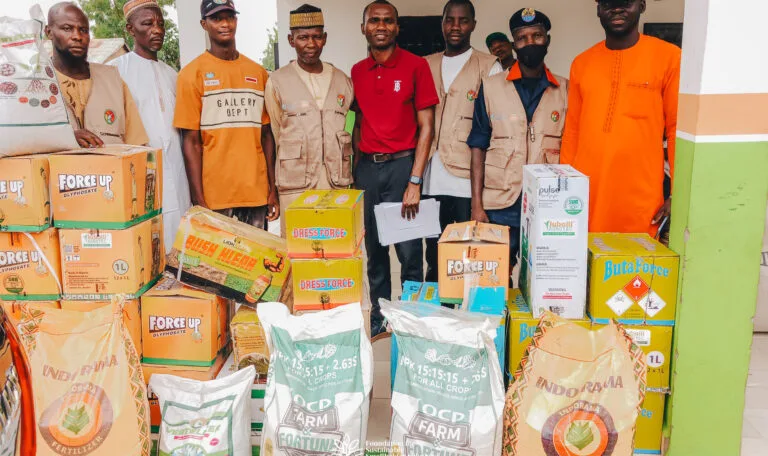
The ESTRRA Project, funded by the Heineken Africa Foundation, has distributed over ₦10 million worth of agro-inputs to six Farmers’ Hubs across Northern Bauchi, improving smallholder farmers’ access to quality agricultural products while strengthening local agricultural service delivery systems and hub management capacity.
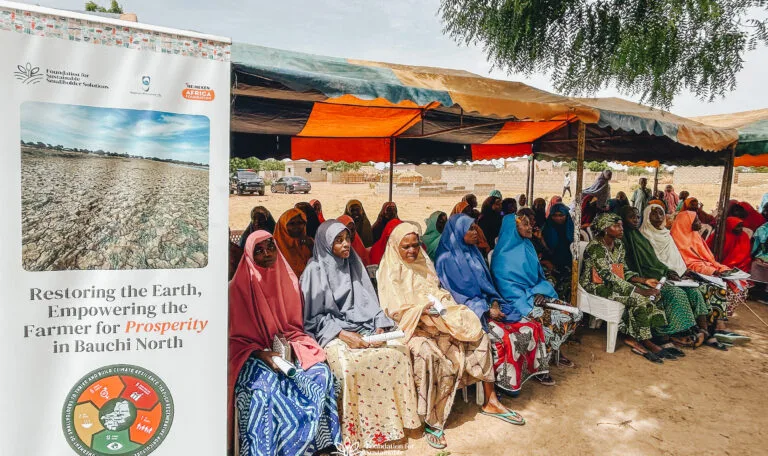
More than 80% of farmers in Northern Bauchi report declining yields as climate change, land degradation, and limited access to agricultural services continue to threaten rural livelihoods. The ESTRRA Baseline Study reveals both the scale of the challenge and the opportunity for transformation through regenerative agriculture, climate-smart farming, stronger seed systems, and inclusive agricultural development.

The Foundation for Sustainable Smallholder Solutions (FSSS), with support from the Heineken Africa Foundation, has commissioned 11 Farmers’ Hubs across Bauchi North to improve agricultural productivity, strengthen climate resilience, and expand economic opportunities for smallholder farmers and rural communities.
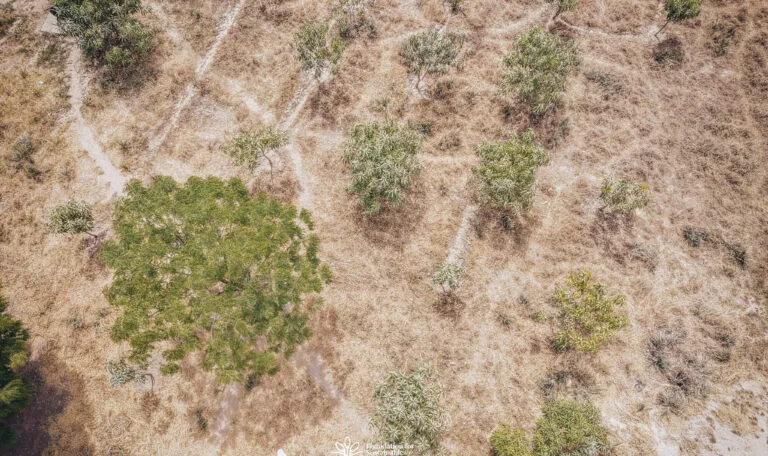
Experts at the Foundation for Sustainable Smallholder Solutions have called for stronger enforcement of anti-tree felling laws and increased support for regenerative agriculture to combat climate change and restore degraded land in Nigeria.
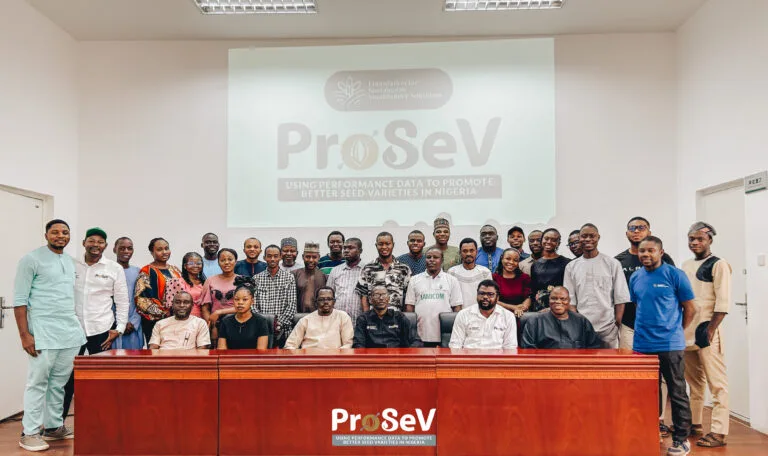
FSSS equips agronomists with practical skills and digital tools to implement high-quality rice and maize multi-location trials under the ProSeV Project.
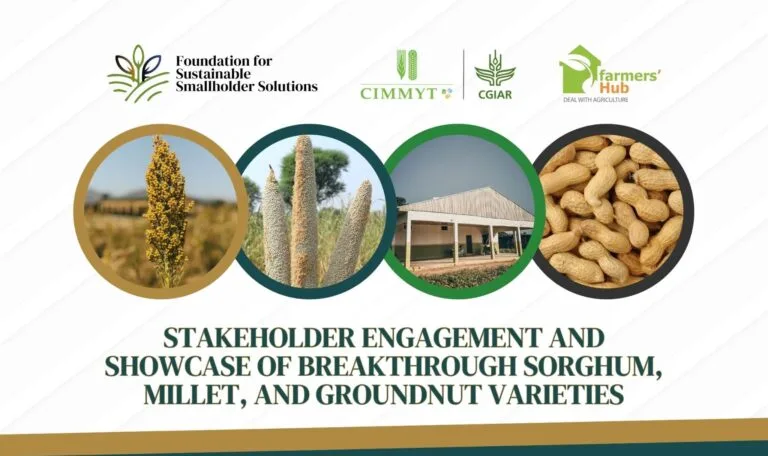
FSSS, with support from CIMMYT, convened multi-state stakeholder engagements to showcase and validate improved sorghum, millet, and groundnut varieties, strengthening market alignment and accelerating adoption ahead of the 2026 farming season.